CPPM opens its Greek chapter with a Physical Lab week in Athens
9. Aug 2026
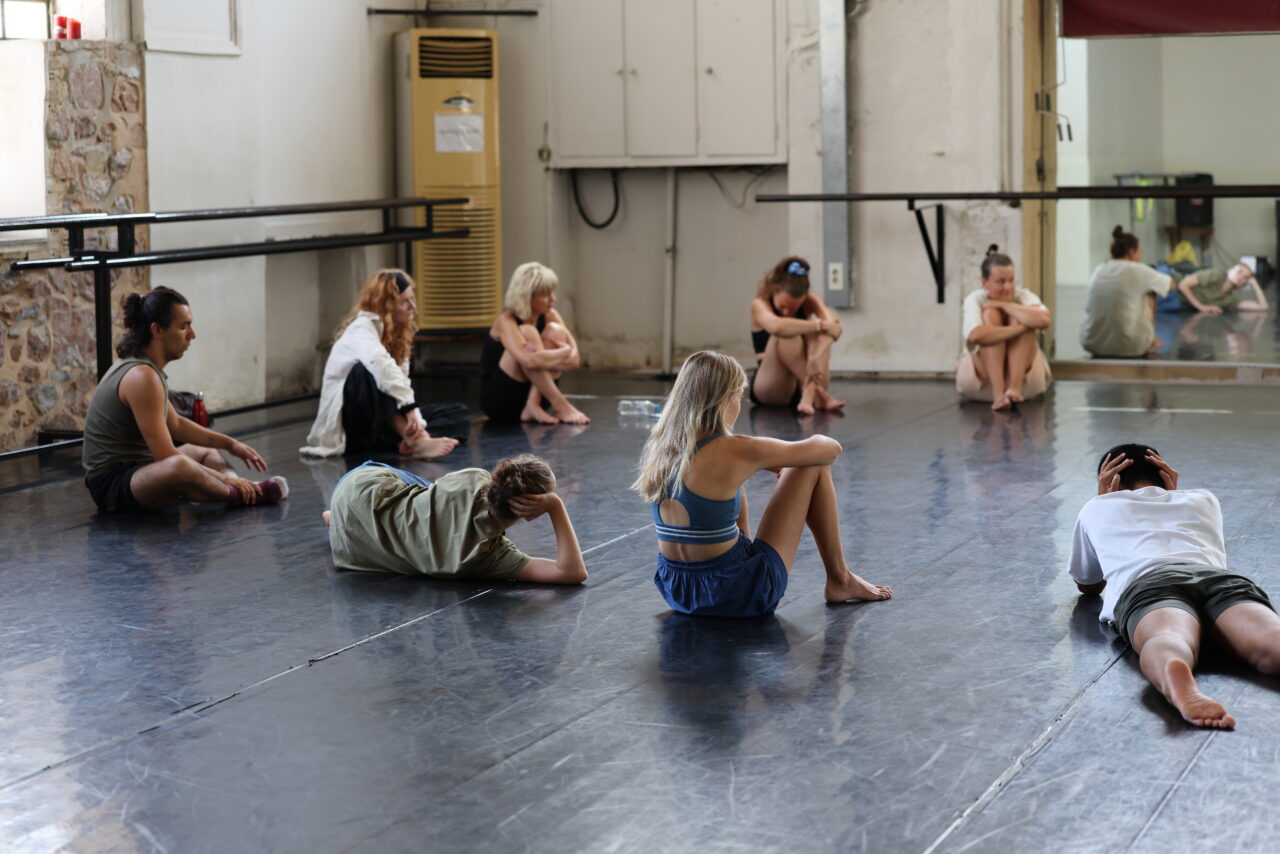
3 to 8 August 2026 · Horohronos Dance studio, Athens
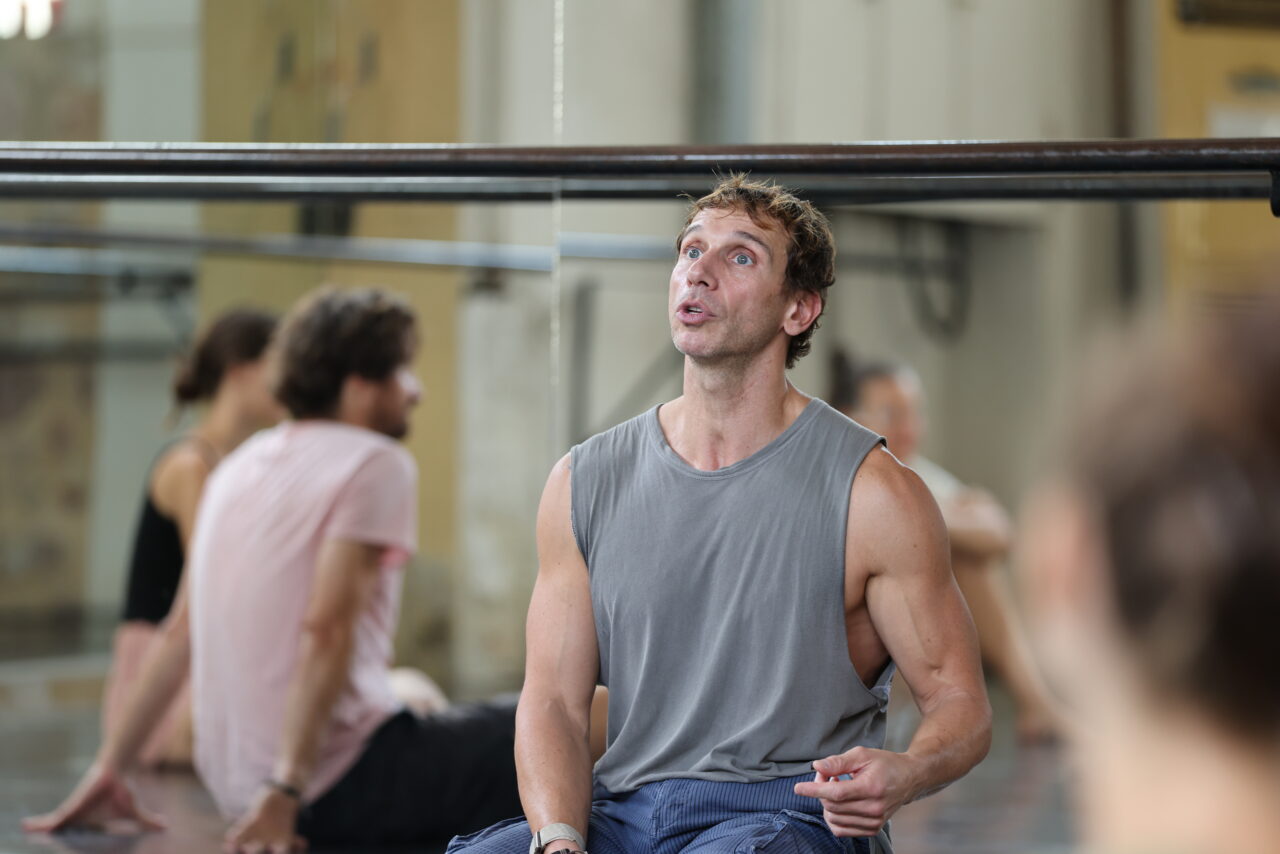
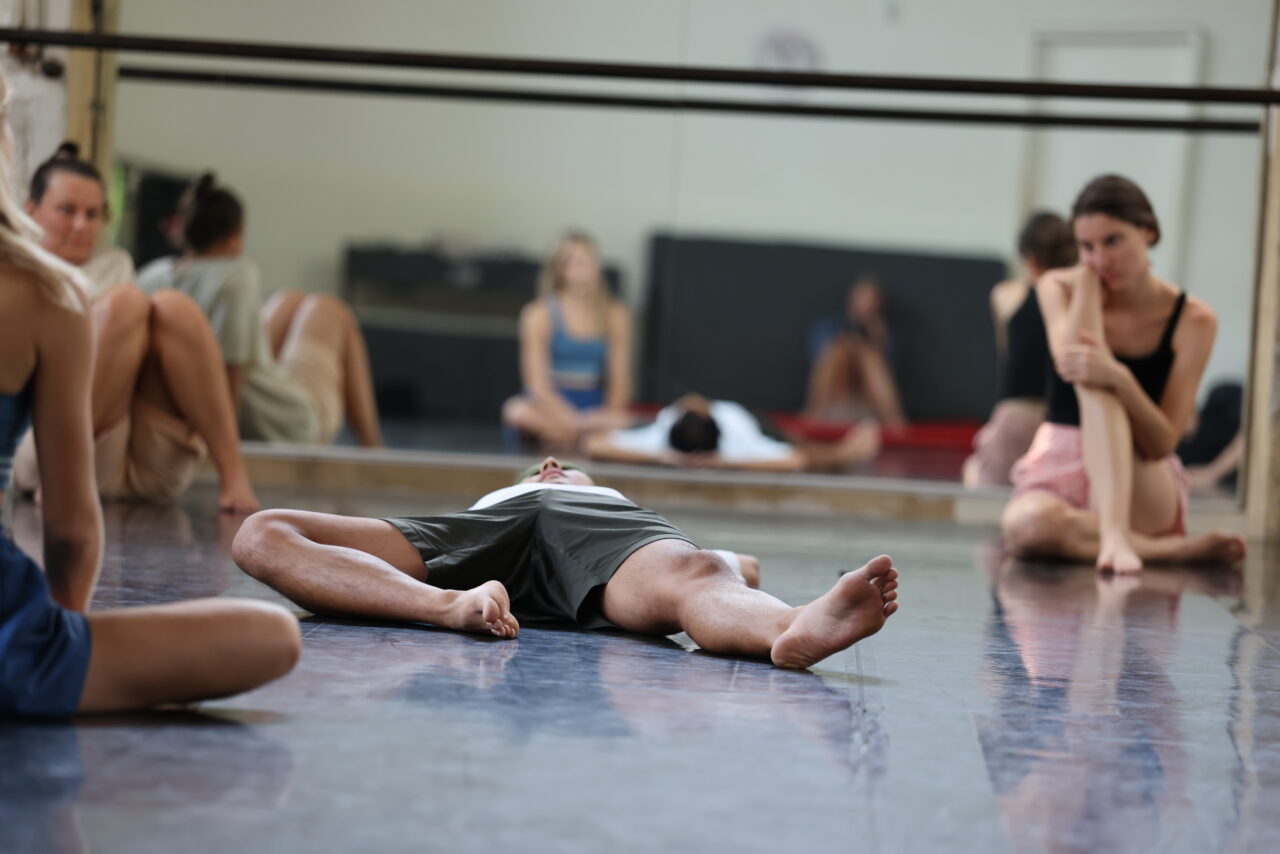
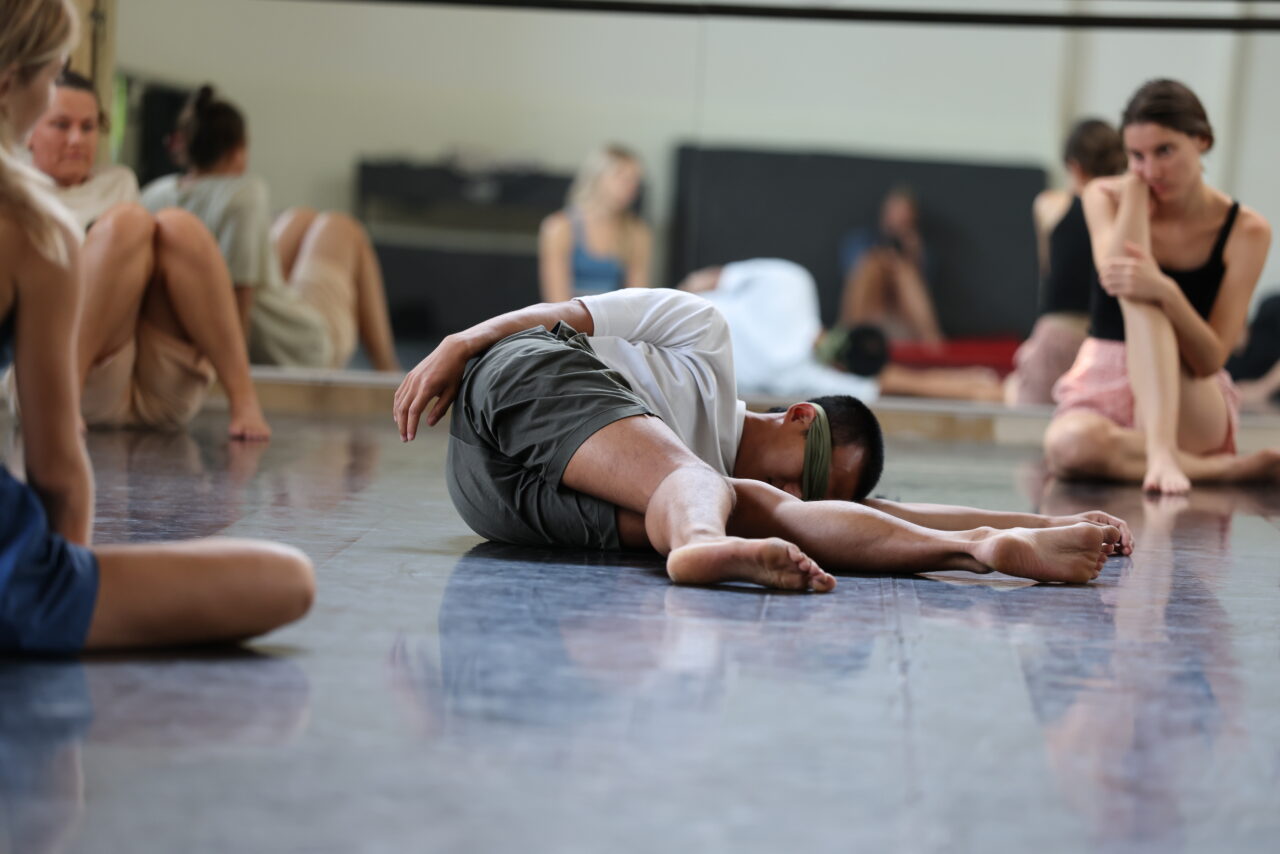
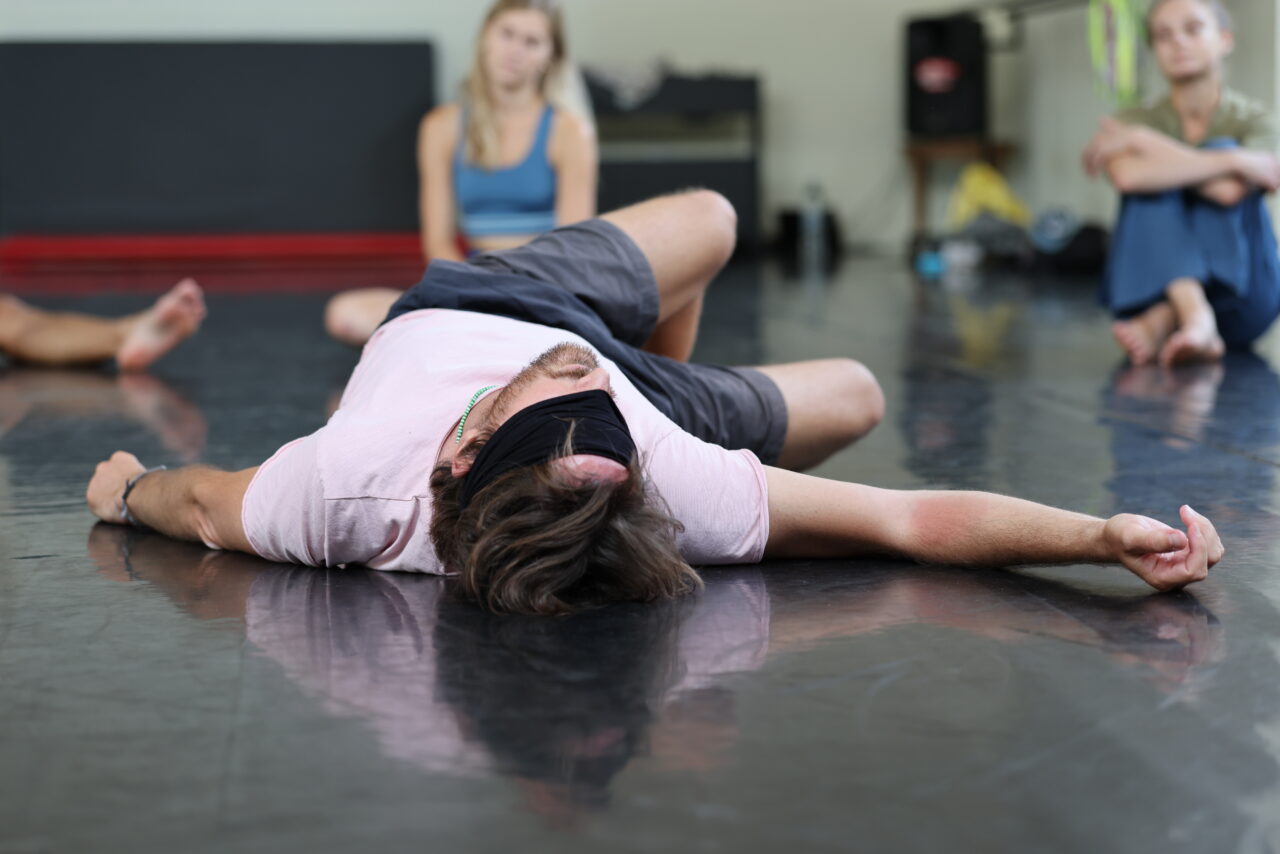
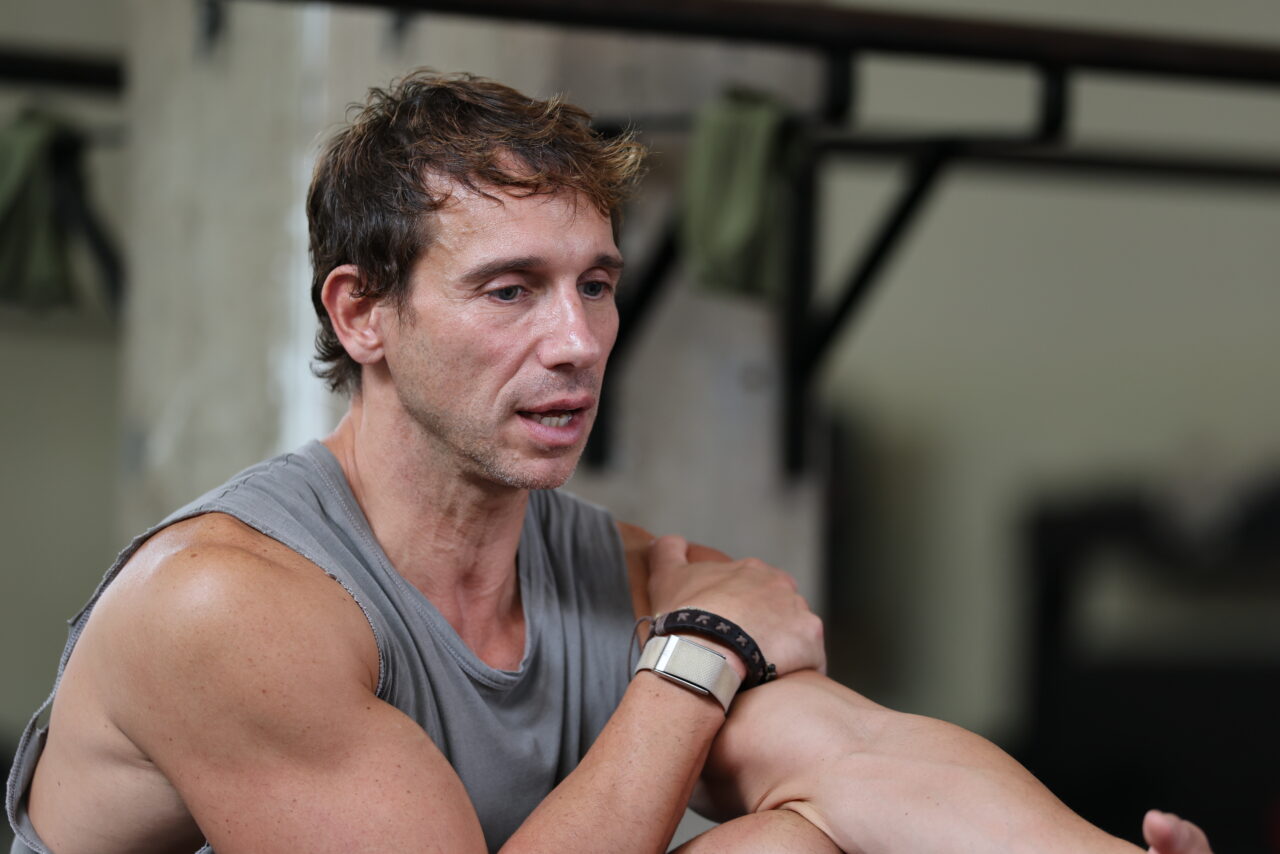
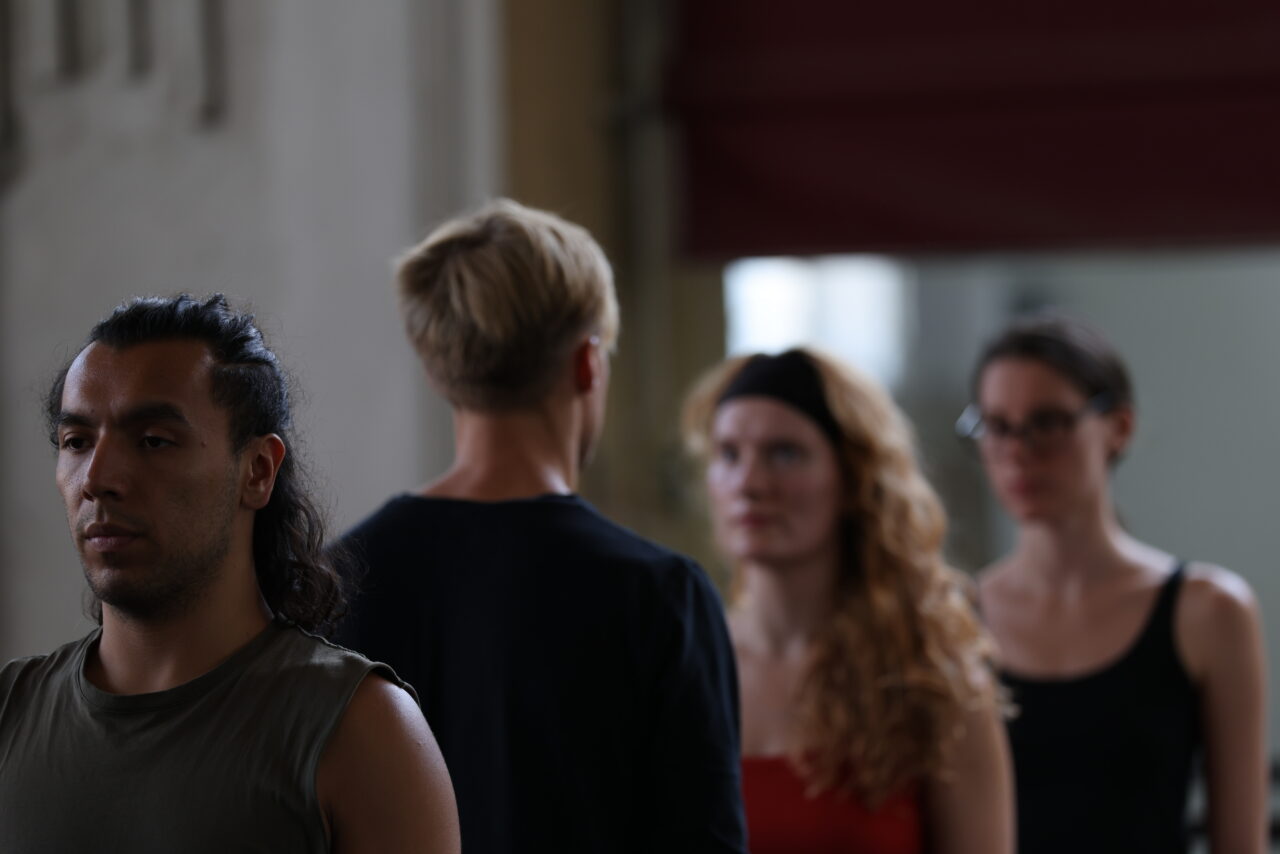
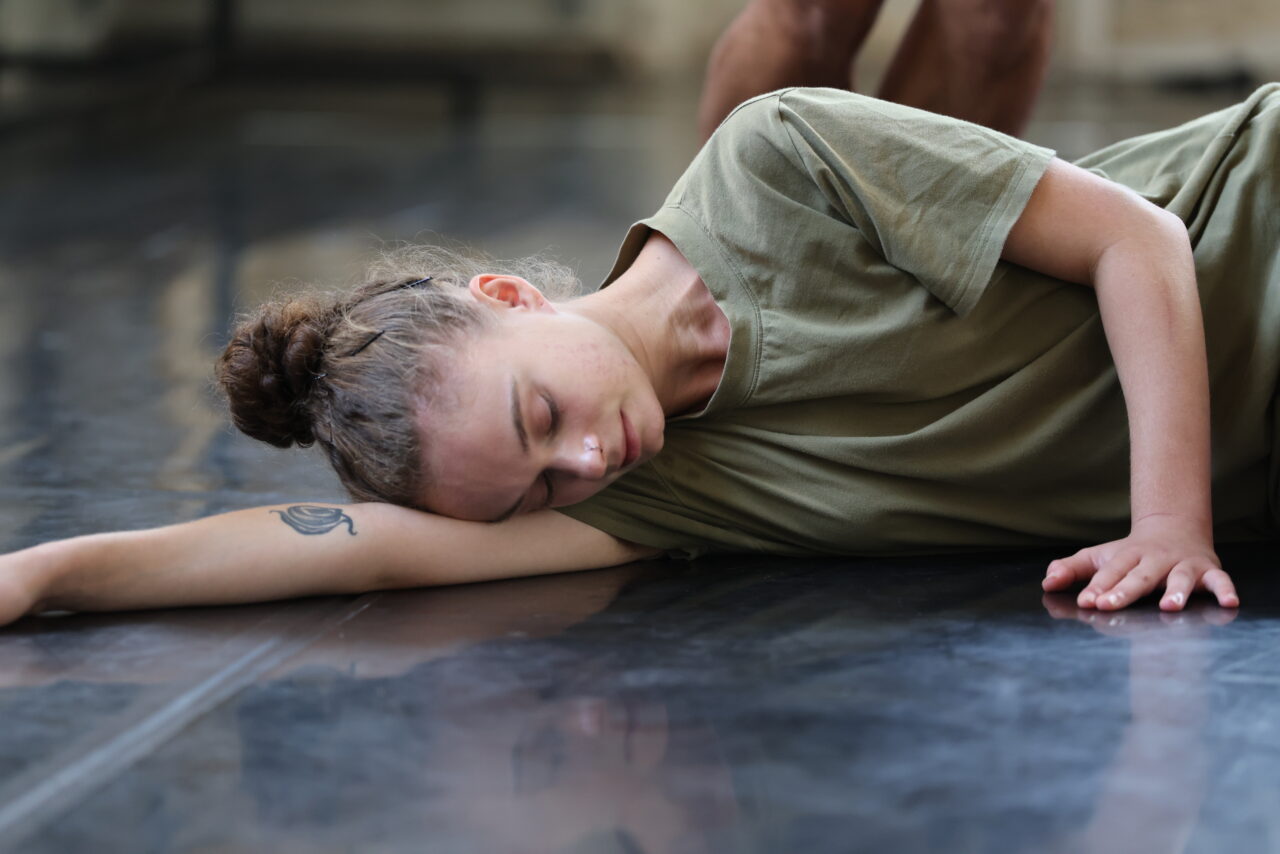
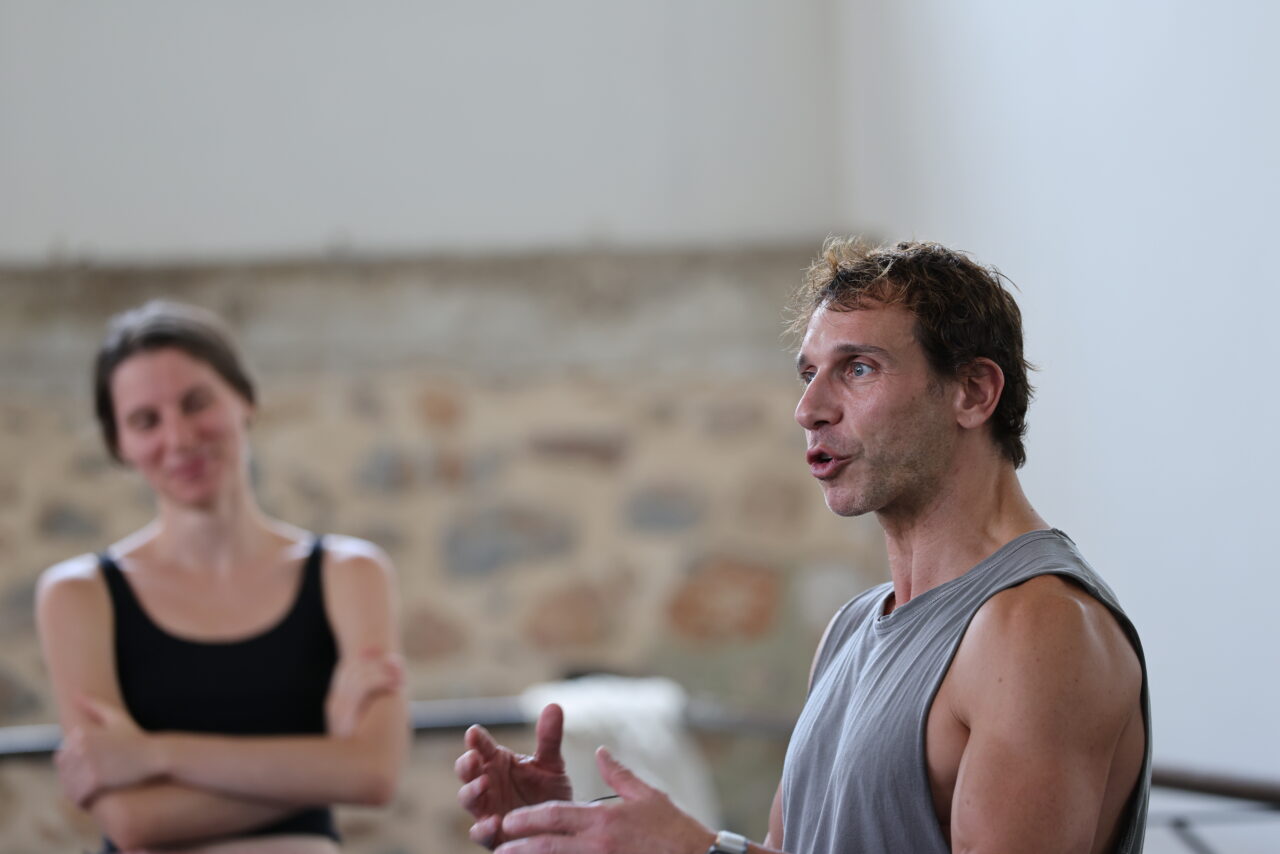
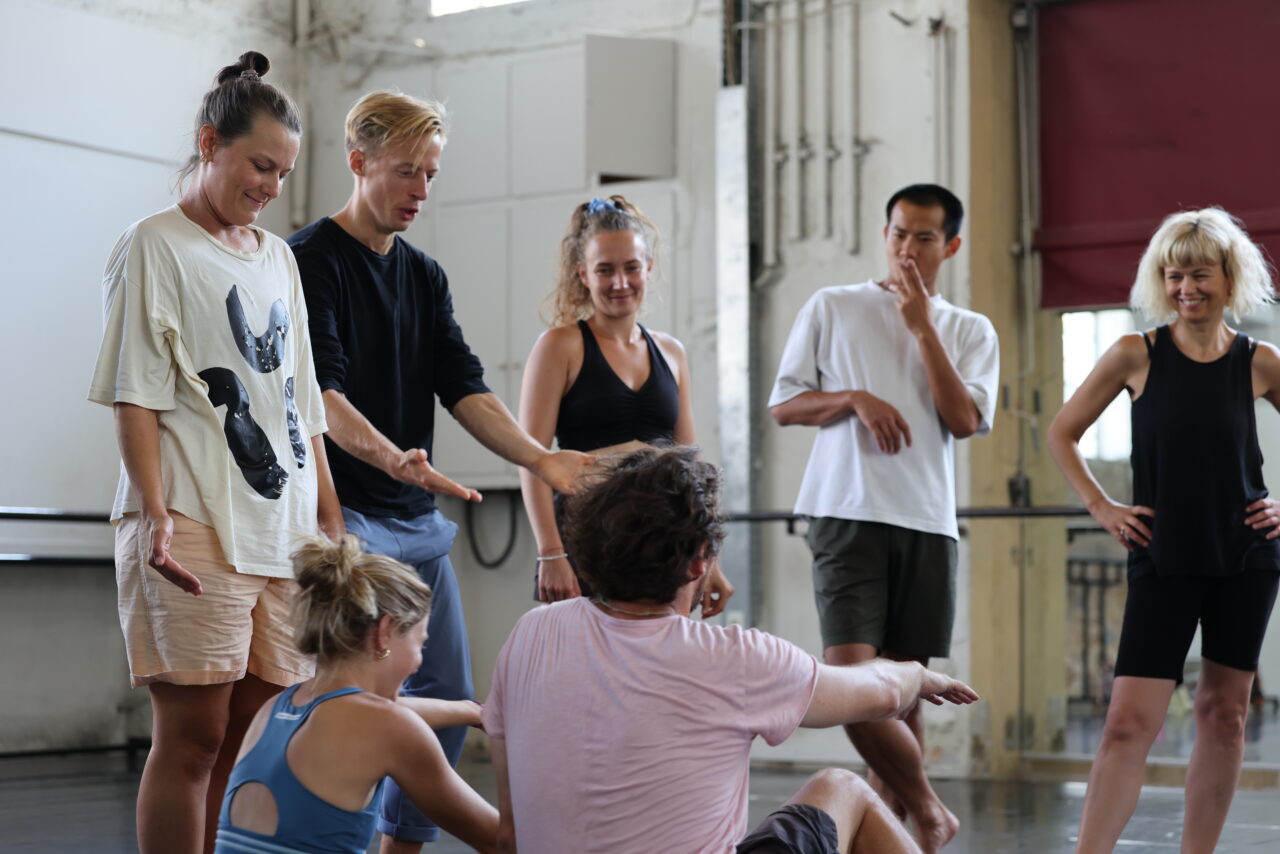
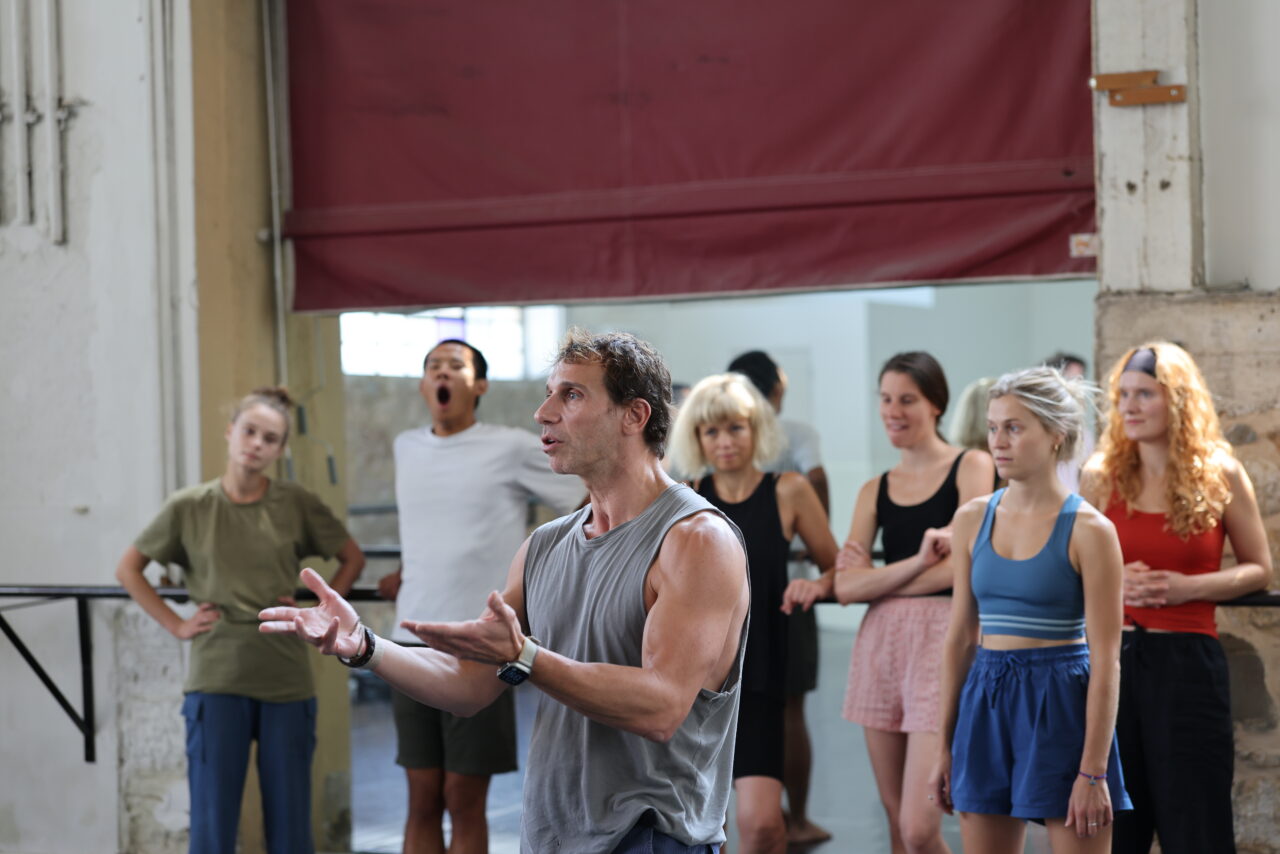
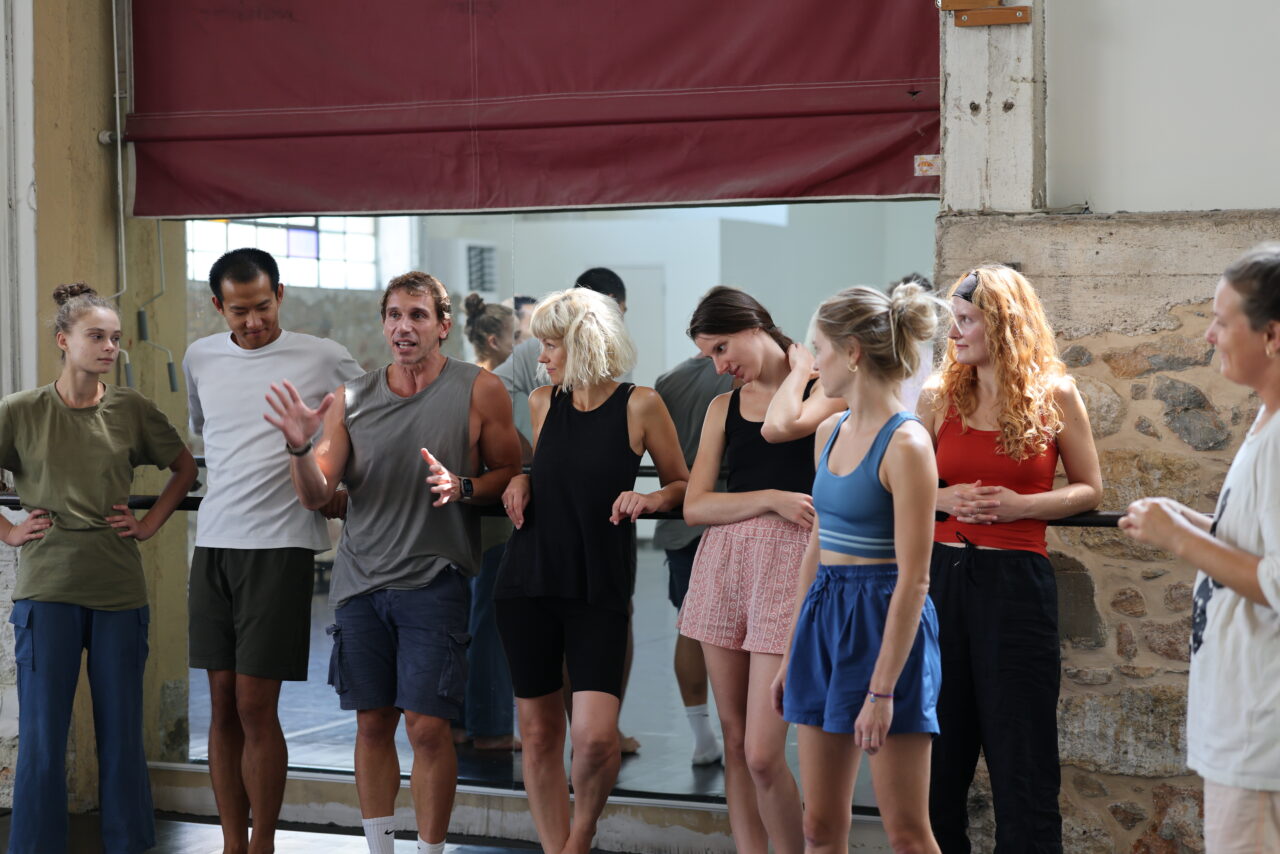
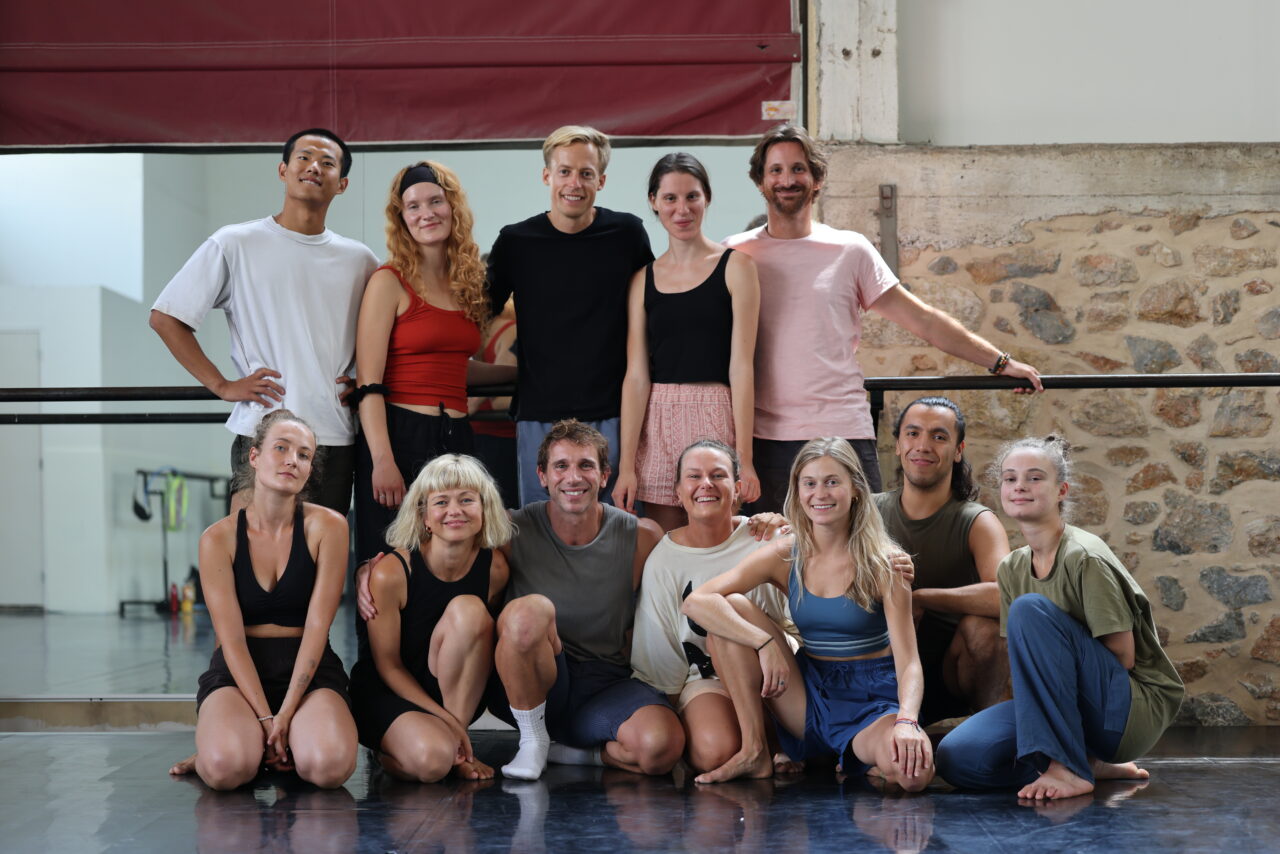
A performer’s most honest work often begins where habit ends. That is the ground Physical Lab sets out to reach, and for a week at the start of August the CPPM cohort worked there, in a dance studio in Athens, with the company’s founder Yorgos Karamalegos.
The physical theatre workshop in Athens ran from 3 to 8 August at the Horohronos Dance studio and opened the Greek leg of a four-month Erasmus+ traineeship through Italy and Greece. It was the fourth of the journey’s five phases, and the first after a month in Venice.
There is a joke buried in that itinerary. The cohort left the Biennale, where contemporary art shows itself to the world at maximum volume, and arrived in the country that invented theatre in the first place. They did not spend the week on ancient texts. They spent it on the body, which is the one piece of equipment nobody has managed to redesign since.
For Karamalegos it was also a homecoming, though not entirely: he never quite left. He was born in Athens and trained there, at Nelly Karra’s school, before a career in Greek film and television and a move to the United Kingdom in 2001, and his Lab still returns to Greece every year for its residency on Crete. This time Greece came with students attached.
Working from the body outwards
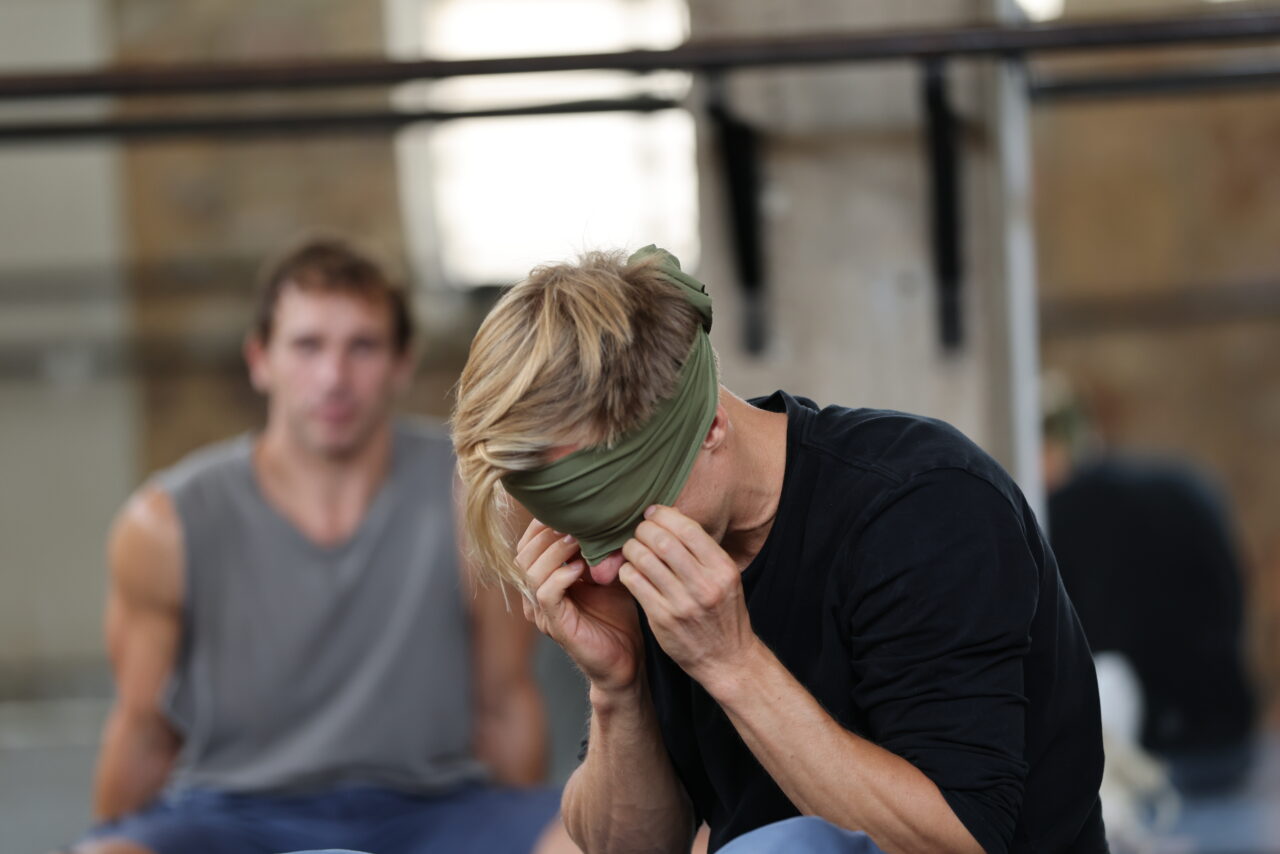
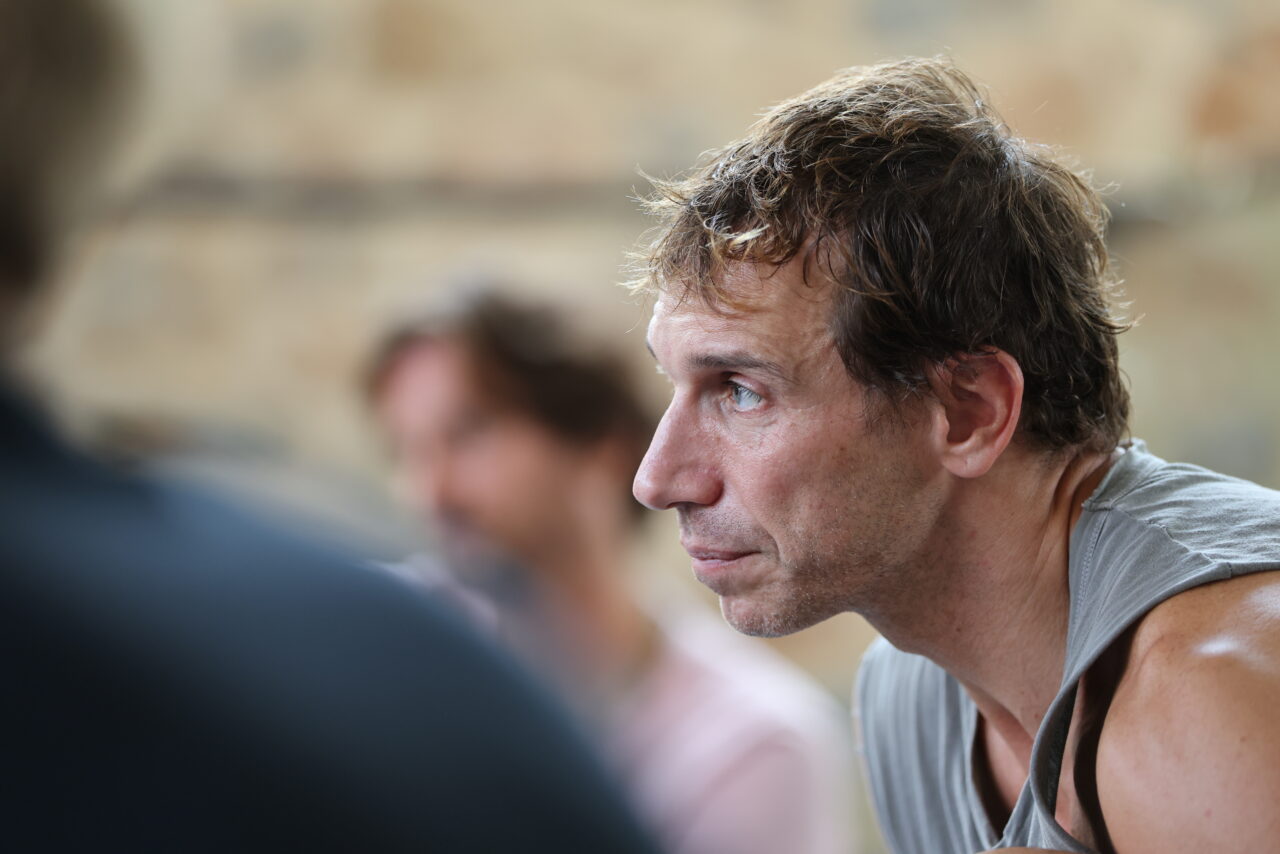
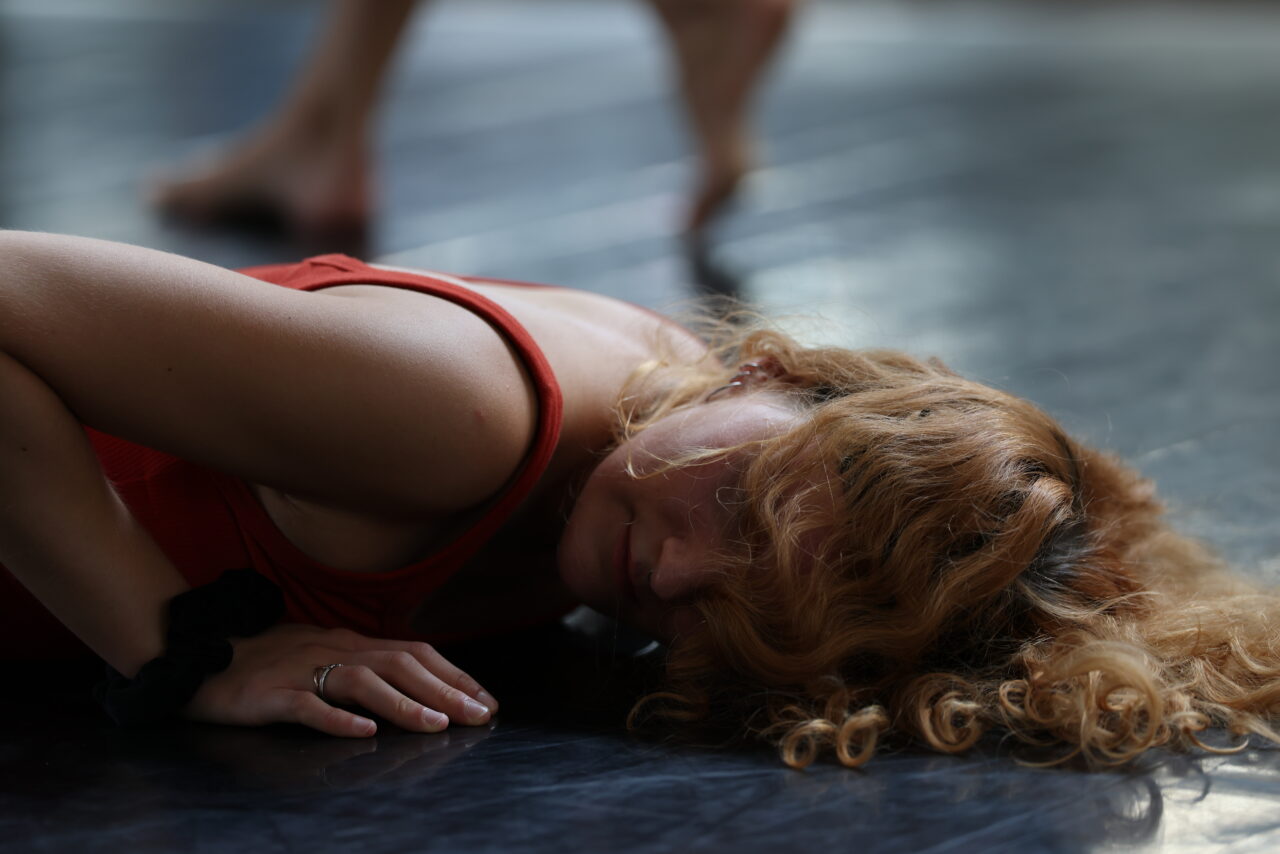
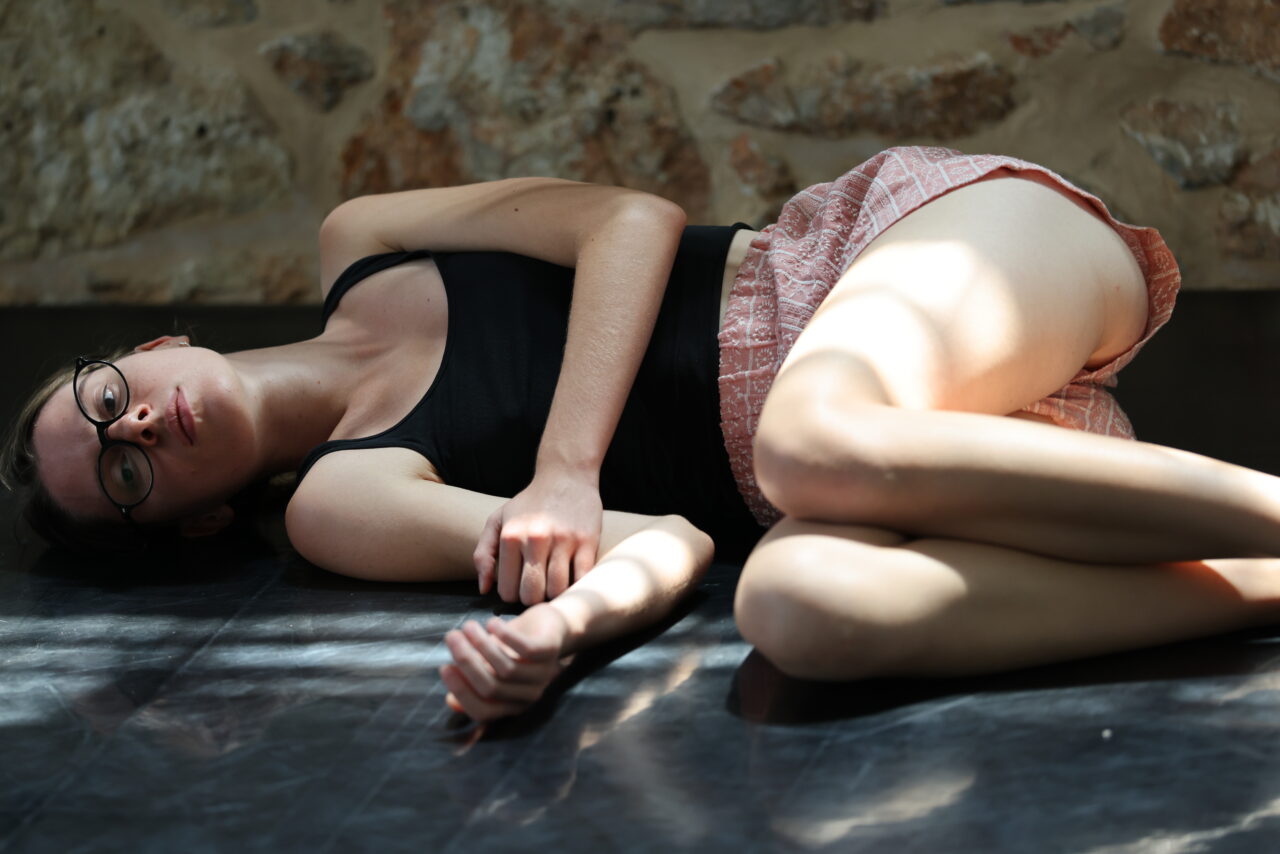
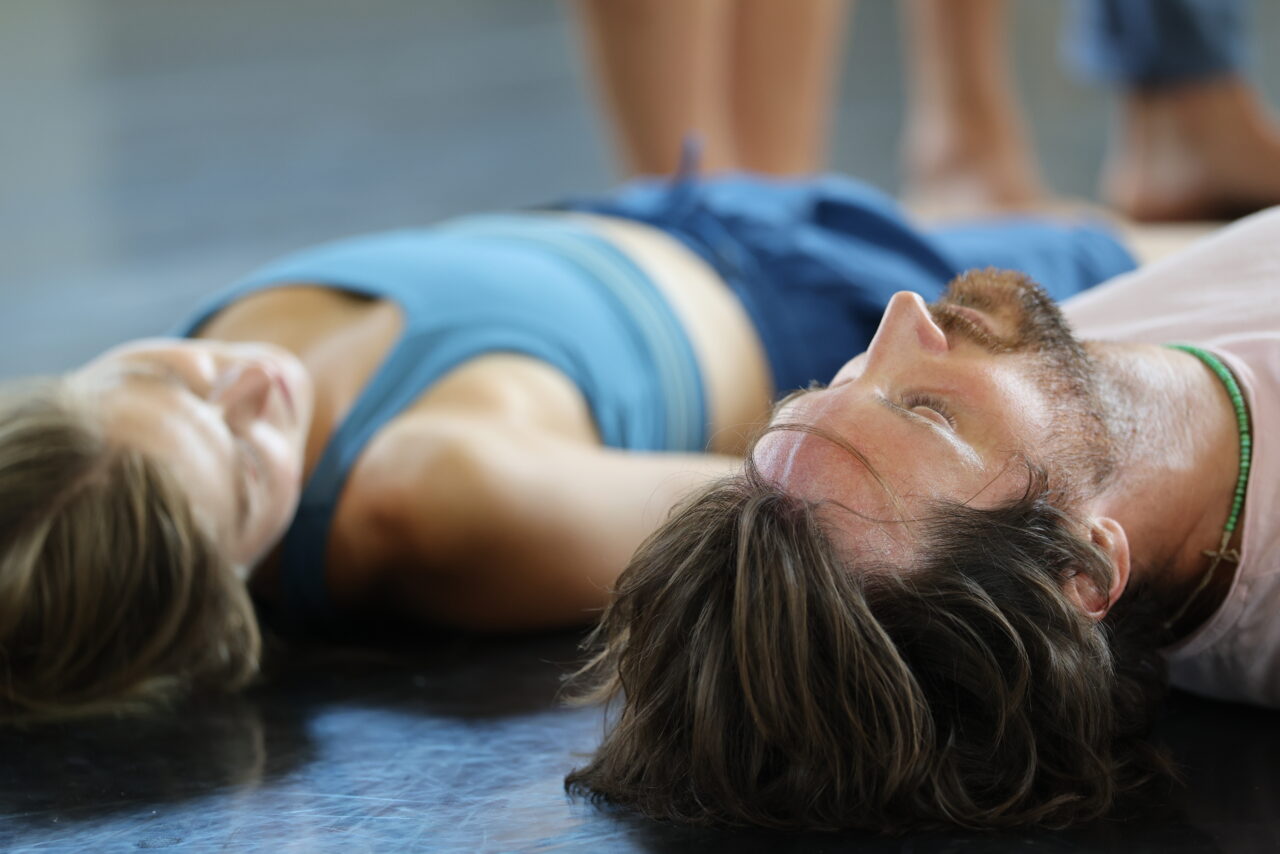
Karamalegos starts with the body and works outwards. The practice is movement-based and slow, built on close attention to impulse and sensation, which sounds gentle until you notice what it is doing: taking apart the patterns a performer has long stopped noticing they have. The method has a name for the quality of attention it asks. He calls it the Tasting Principle, meaning you meet material slowly enough to register what it actually is, rather than what habit expects it to be.
The unlearning is the harder half. A trained performer arrives carrying habits that were useful once and have since gone automatic, and the week worked at exactly that seam. It is uncomfortable, in the way useful things often are. What comes out the other side is not a new technique laid over the old one. It is a body with more available to it.
Karamalegos puts the principle behind that plainly. He does not believe there is one acting technique that works for everyone, because every actor is a unique ecosystem. His role, as he describes it, is not to fit performers into a predefined method but to help them understand how they are built and how they function, so that what they arrive at is not a borrowed method but a technique emerging from their own nature.
The practitioner and the laboratory
Karamalegos founded Physical Lab in London in 2011 and has built the method there since, teaching short Labs across Europe and the United States. Before that came a decade of physical-theatre making in Liverpool, where he co-founded Tmesis Theatre and the festival Physical Fest. He directed the award-winning solo Wolf Red in 2013 and acted in the film The Last Note in 2017. He has taught at LAMDA, RADA, the Drama Centre and Williams College.
Karamalegos had taught at CPPM before. He was here as early as the late summer of 2019, when the programme was barely under way. The students who stood in front of him in the Athens studio, though, were CPPM’s third cohort, meeting him for the first time. The week belonged to a summer built to get students out of the home studio in Tallinn and into a room with the best in their field.
Physical Lab
The road continues
This is the fourth dispatch from the traineeship. The first told the story of the opening residency in Melpignano, and the second and third followed the cohort through its month in Venice, from the guest weeks with Punchdrunk and Theatre Re to the six audio walks made at the Biennale. From Athens the road turns inland and south, to Karyes in the Peloponnese, where the four months end with a residency at the Marina Abramović Institute. The cohort stays in the country that invented theatre a while longer. It just keeps climbing.
Studio time with practitioners like this runs through the whole degree. Read more about the CPPM programme.