Marina Abramović Institute hosts CPPM for a month in Greece
13. Sep 2026
10 August – 6 September 2026
Karyes · Laconia · Greece
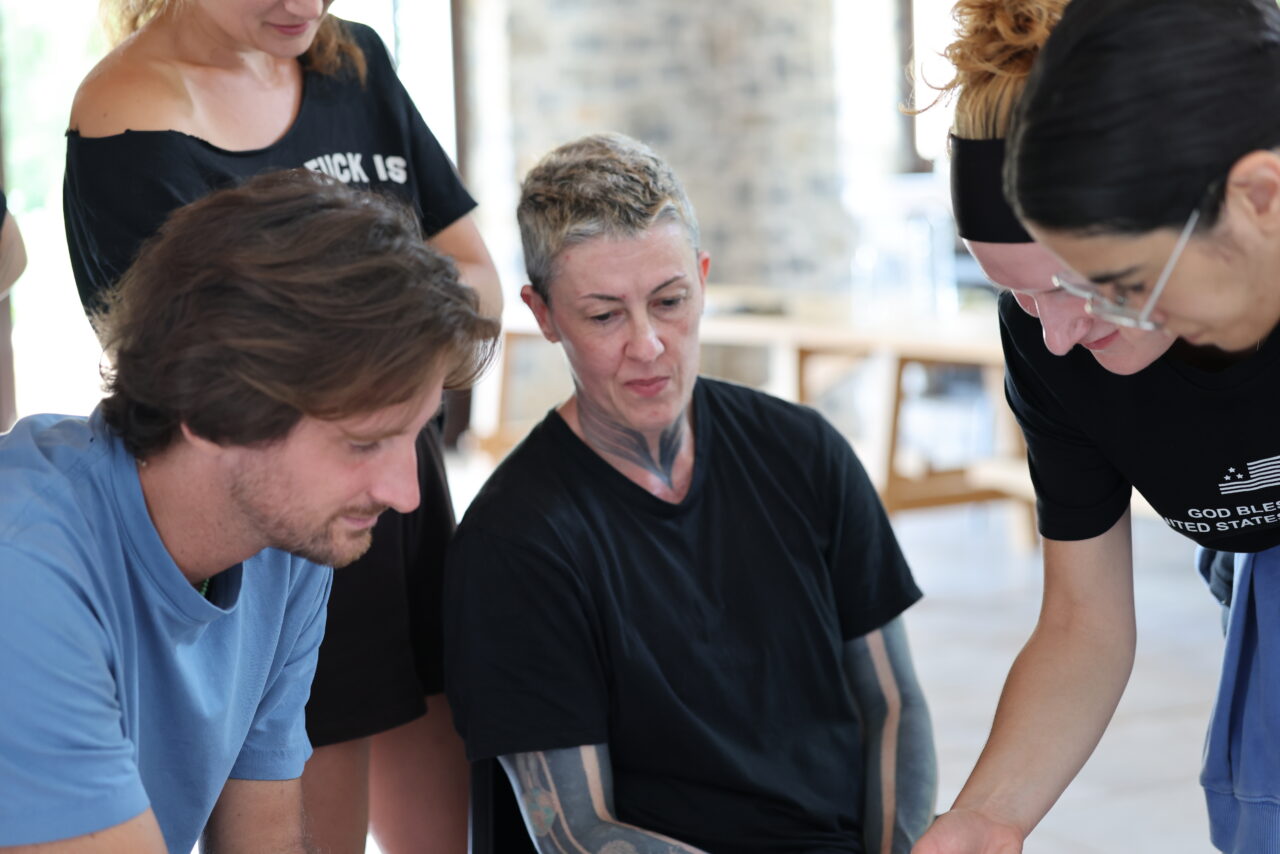
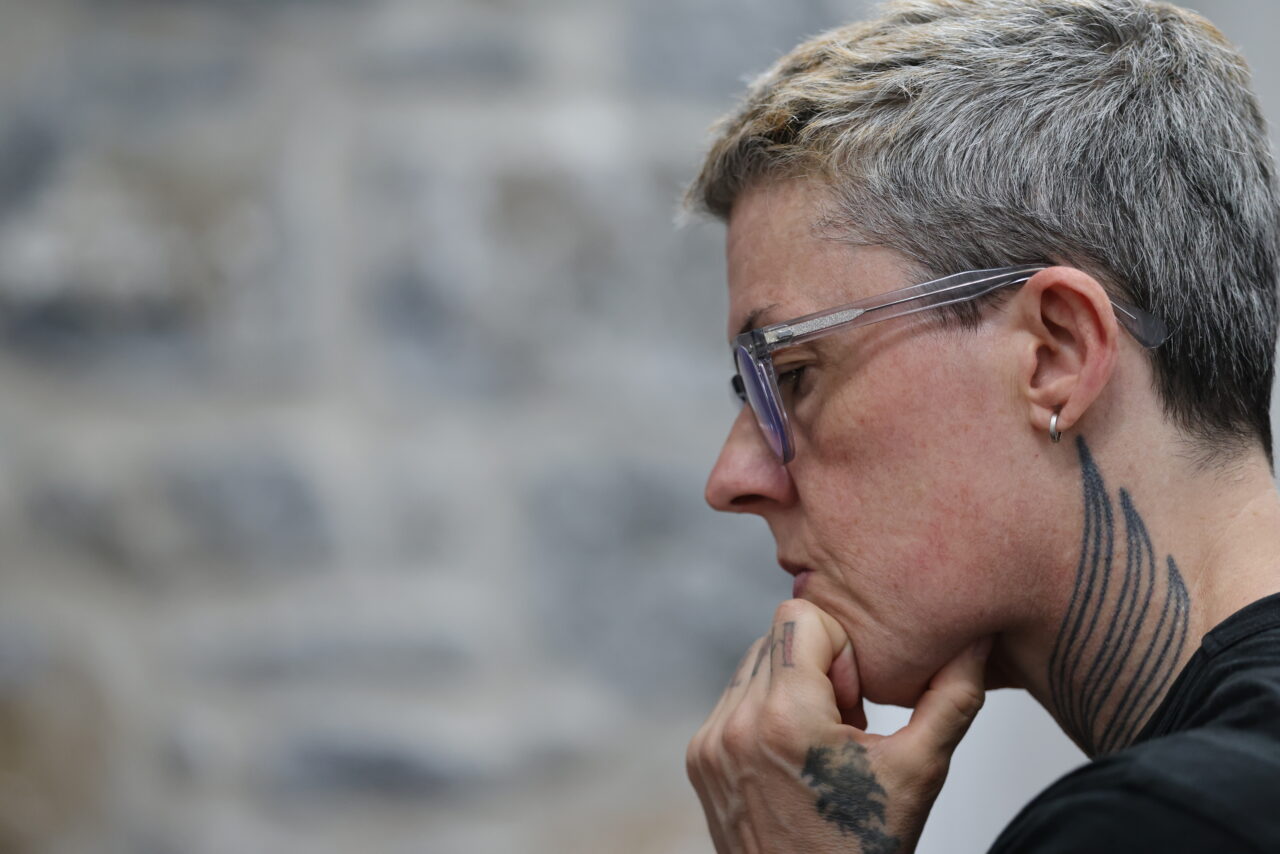
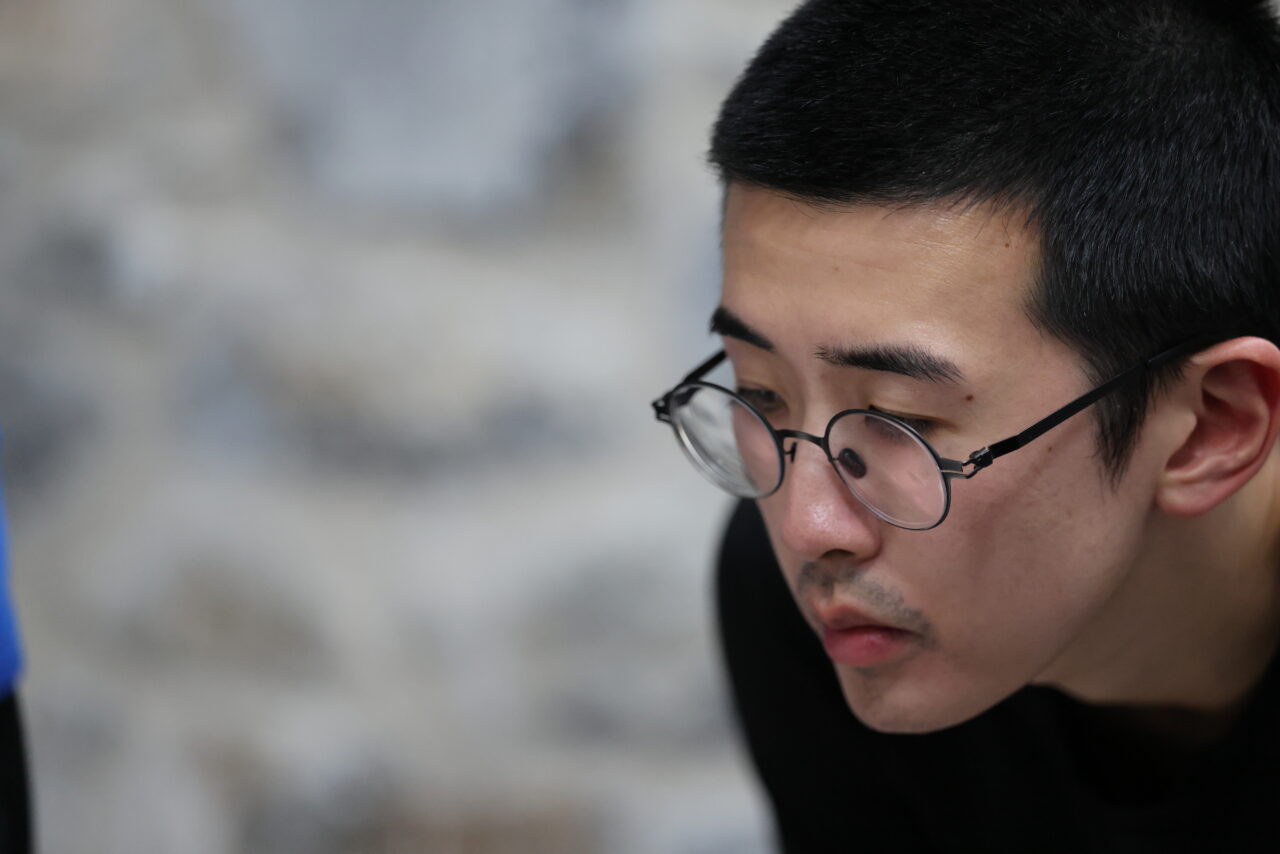
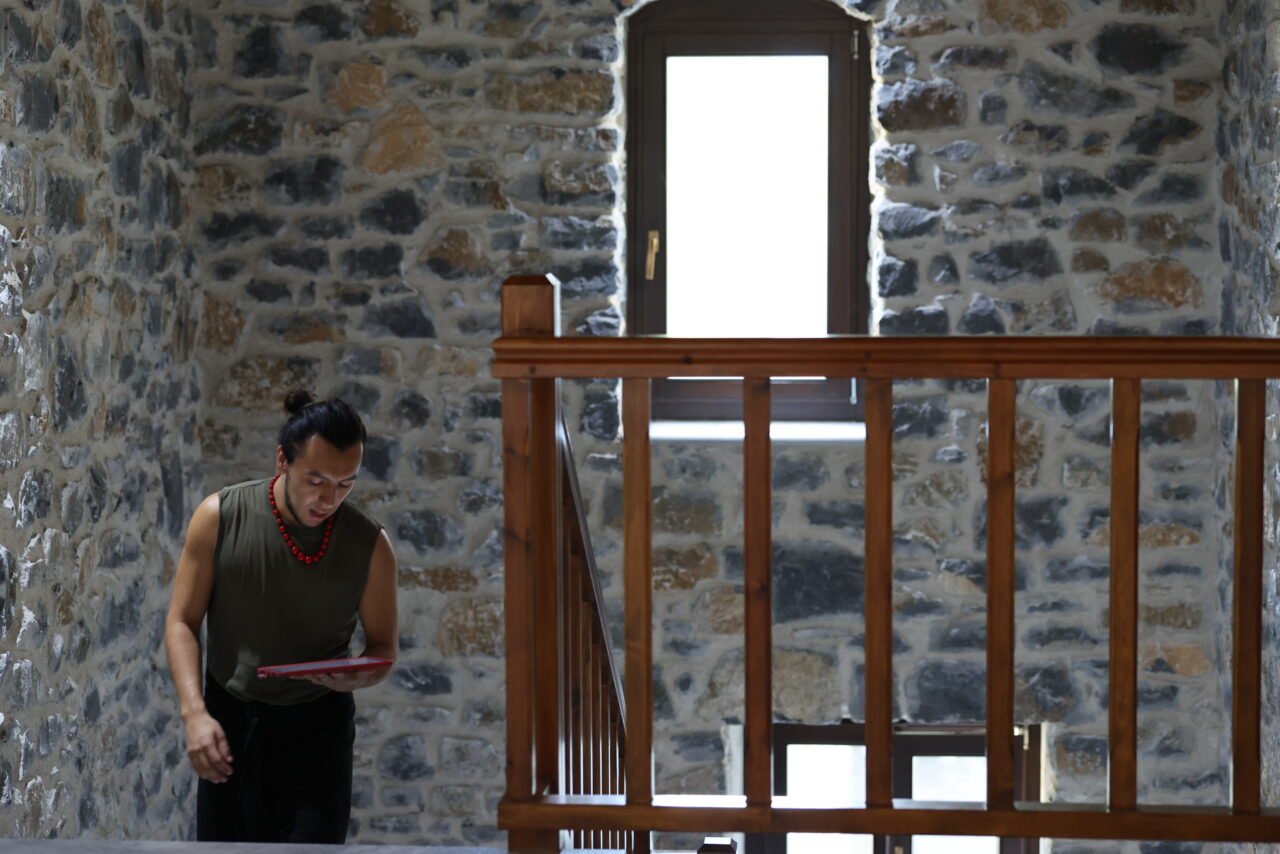
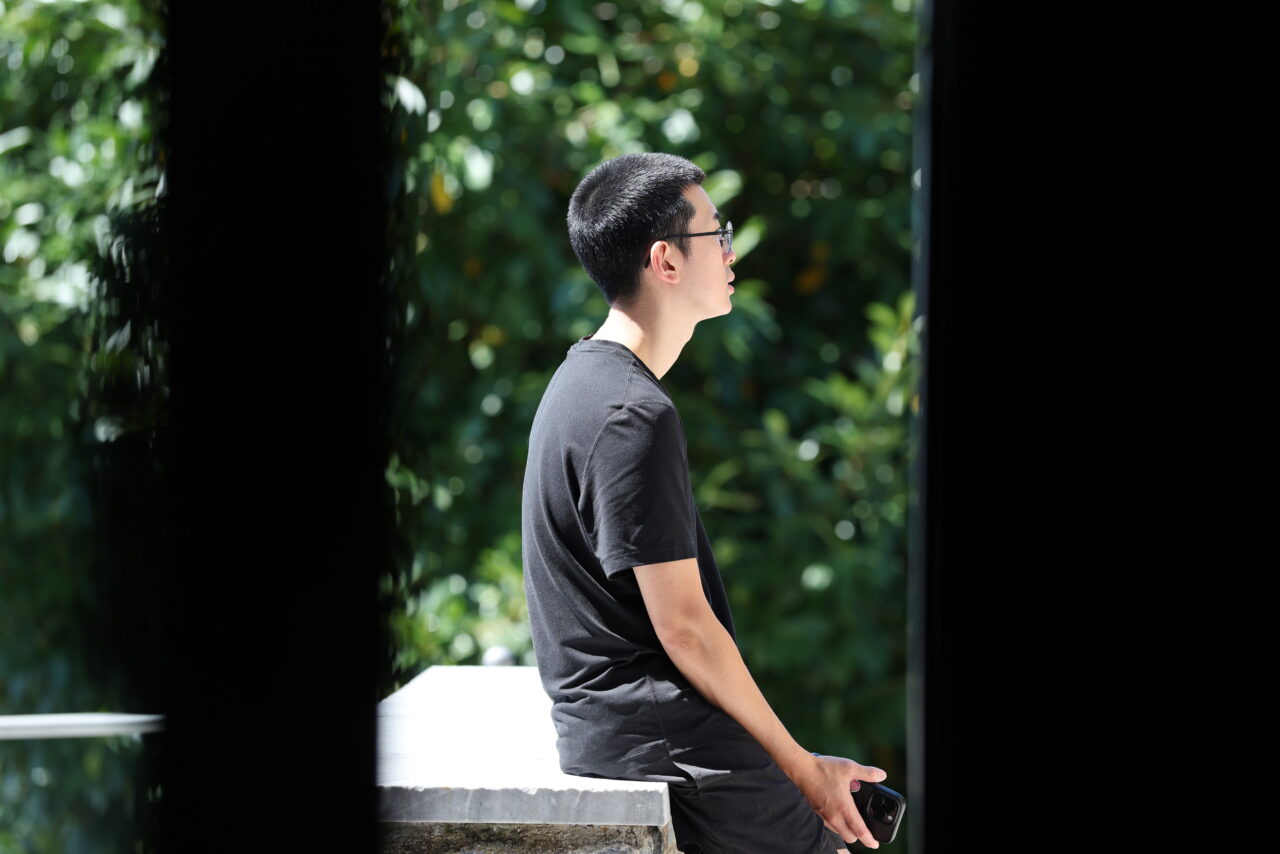
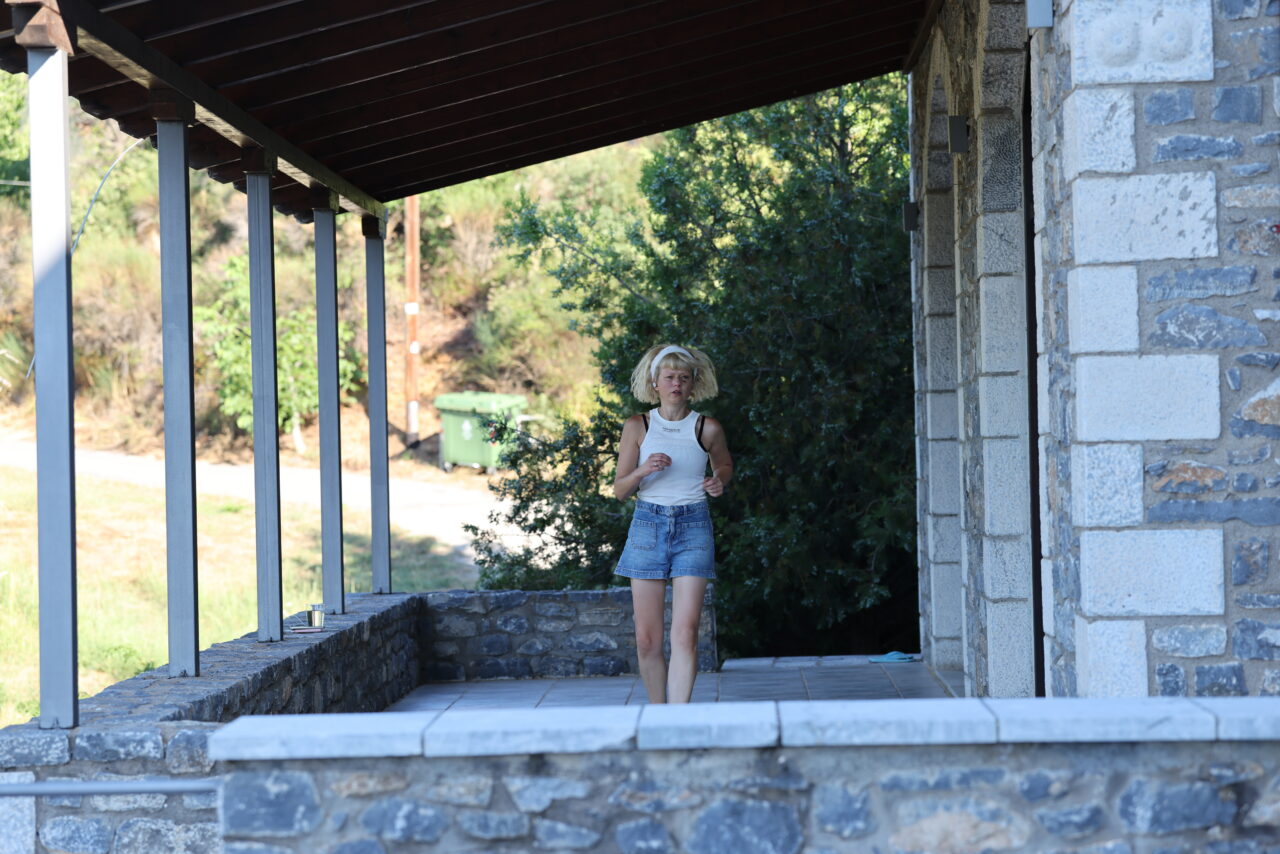
Fourteen performers who had spent the summer making work arrived in a village in the mountains of the Peloponnese in August and were asked, first, to make nothing at all. By the third week they were holding works of their own for six hours at a stretch, watched by nobody except each other and the artists teaching them. It was the hardest thing any of them did all summer, and it is where the summer had been heading since May.
The Marina Abramović Institute residency ran from 10 August to 6 September 2026 at the Institute’s Education Centre in Karyes, in the Greek region of Laconia. It was four weeks in one place, and it closed a four-month Erasmus+ traineeship through Italy and Greece that had already moved the cohort through four others.
Fourteen of the sixteen students in the 2025 to 2027 cohort took that itinerary together, hosted throughout by the Italian cultural association Cracalia ETS. The remaining two spent their traineeship elsewhere in Europe. What the fourteen arrived at in August was not another workshop. It was a method with a reputation for taking things away from performers rather than giving them anything.
Empty first.
The residency opened with Cleaning the House, the Marina Abramović Institute’s foundational workshop, led by Paula Garcia and Billy Zhao. The name is not a metaphor about tidying. It describes emptying a performer of everything they arrive carrying.
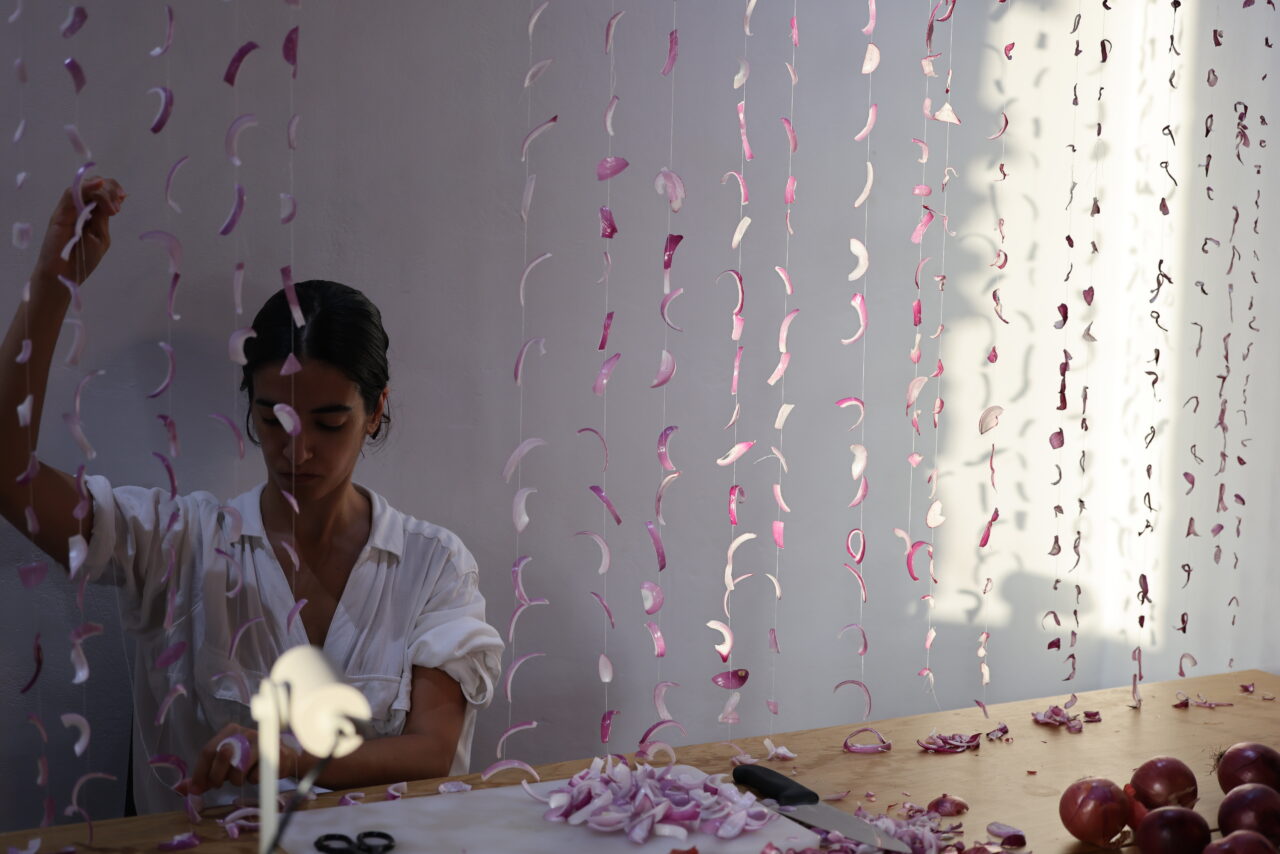
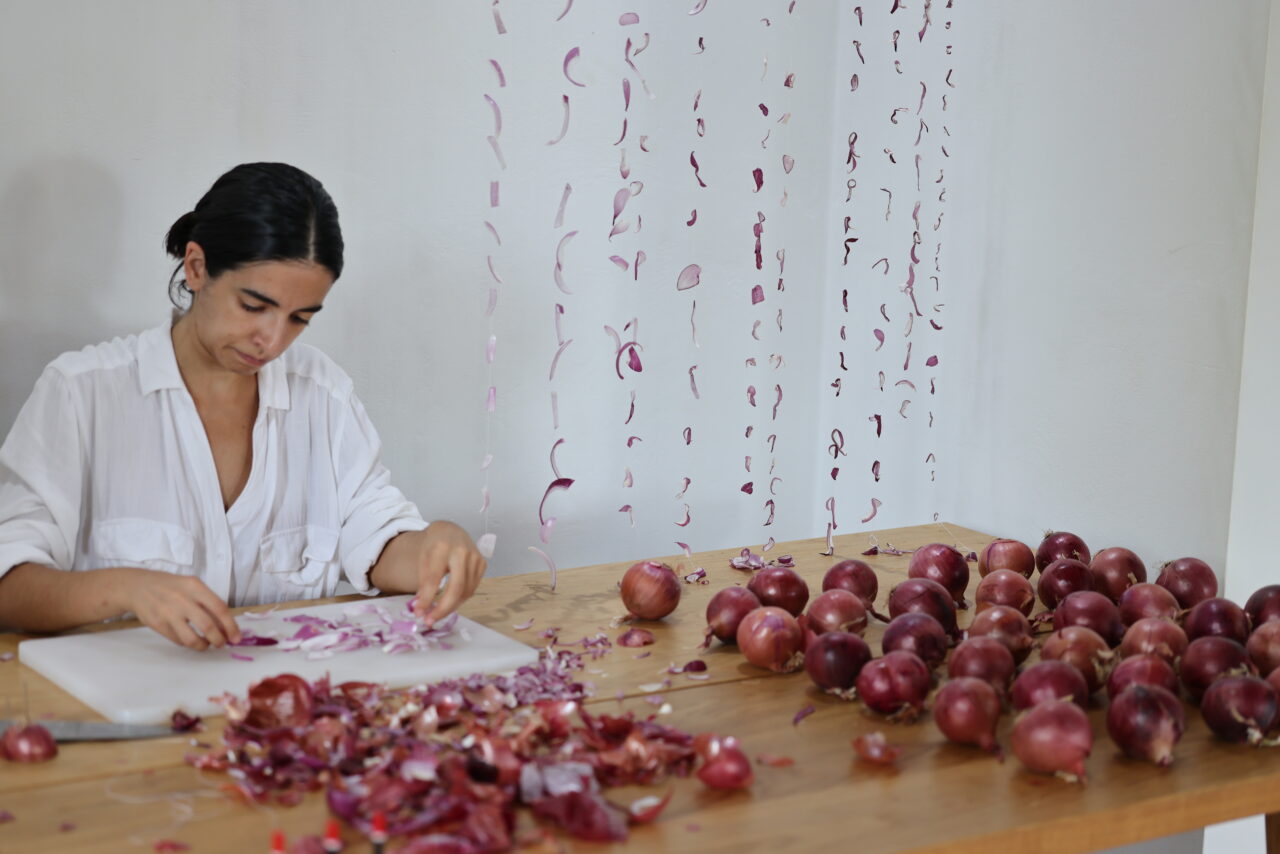
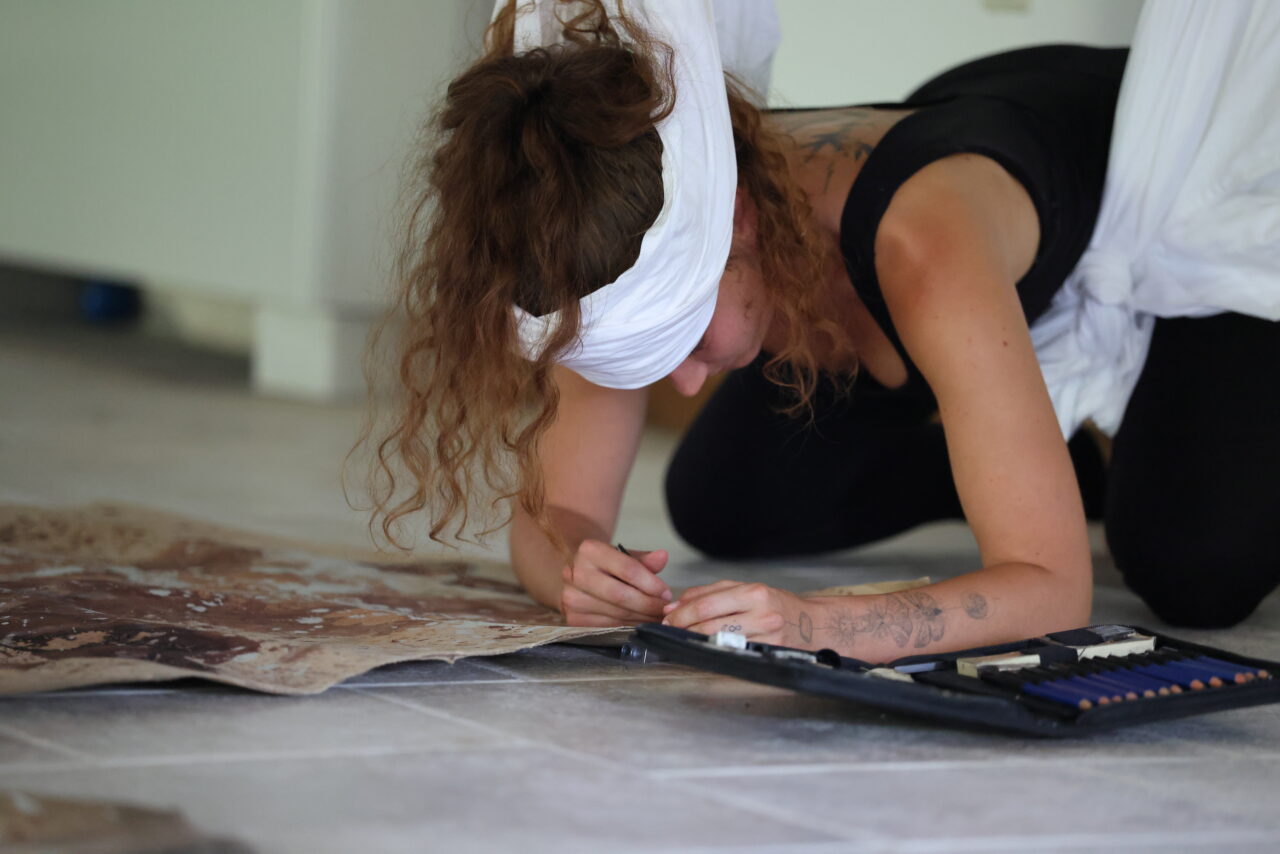
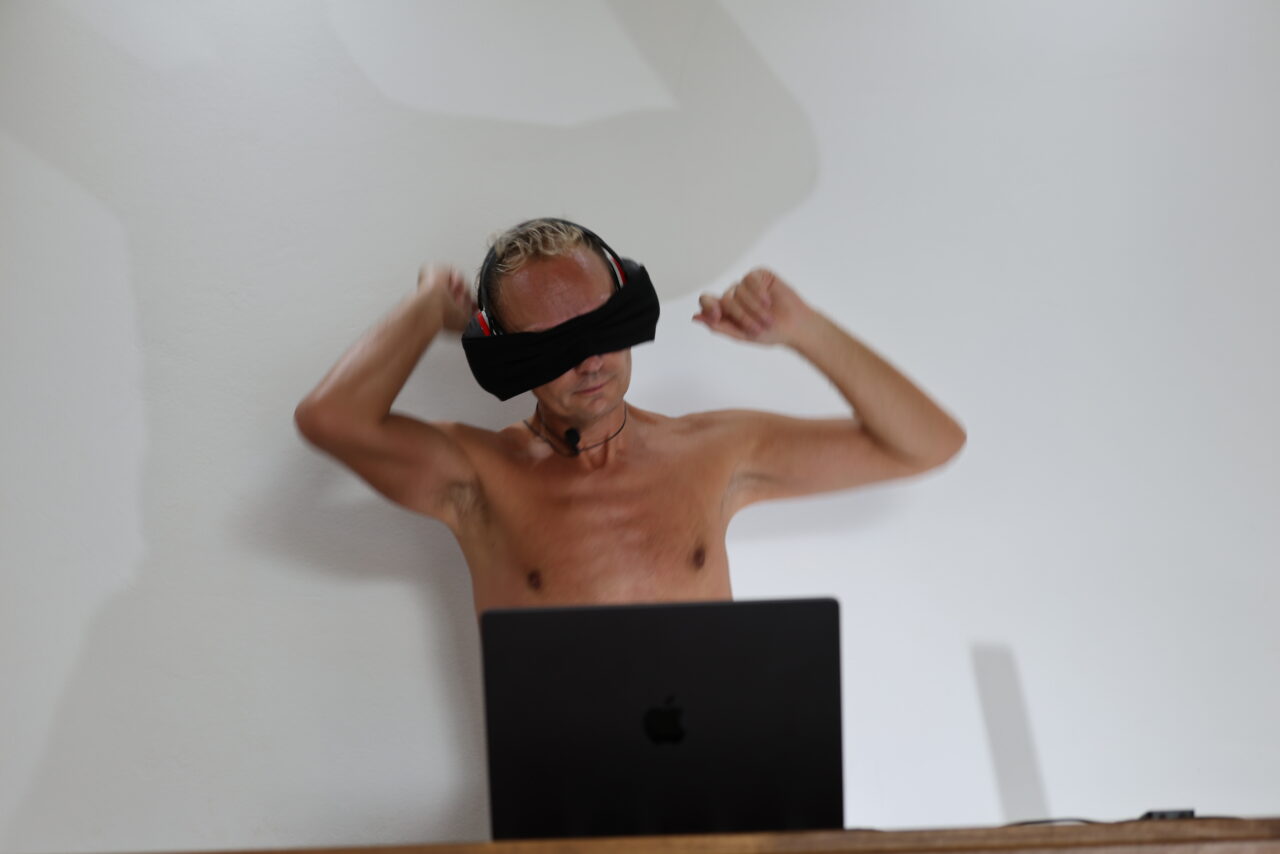
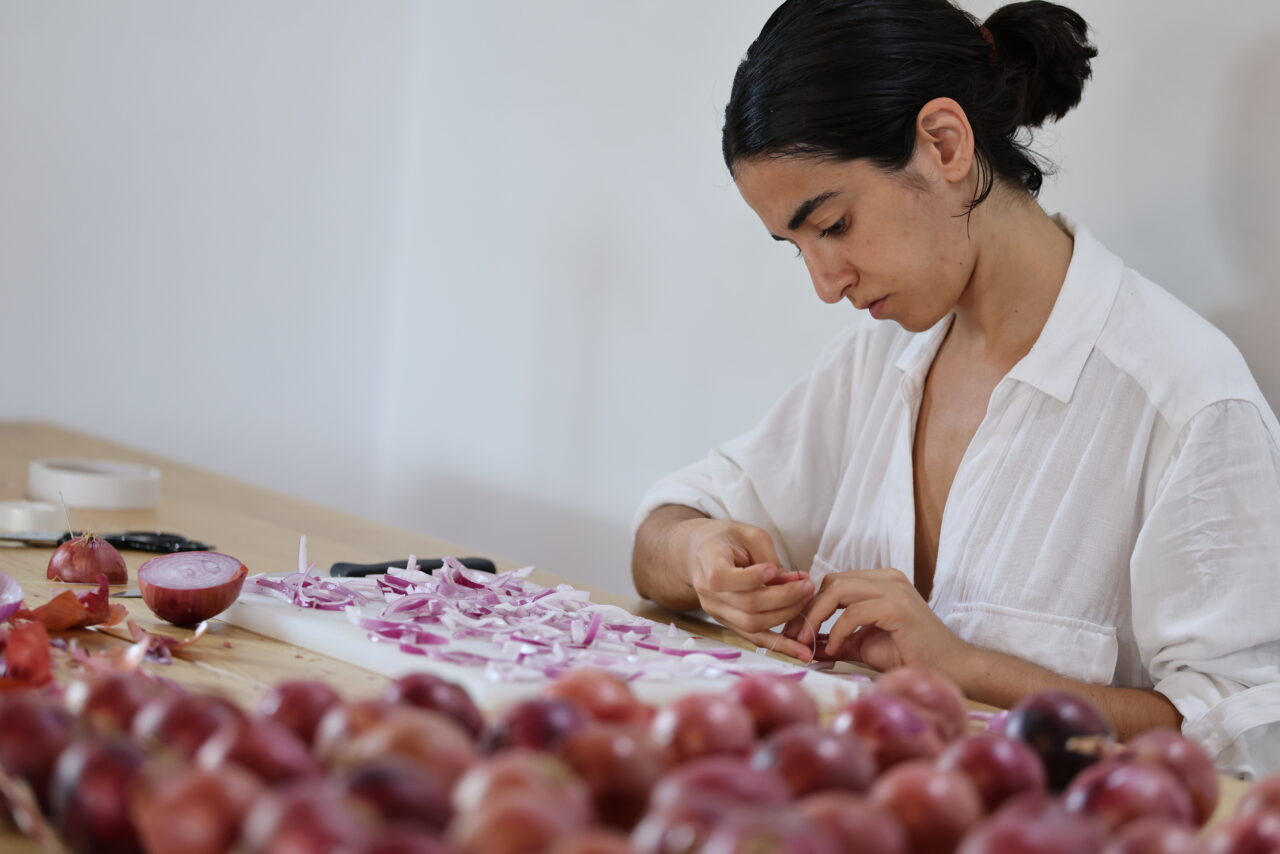
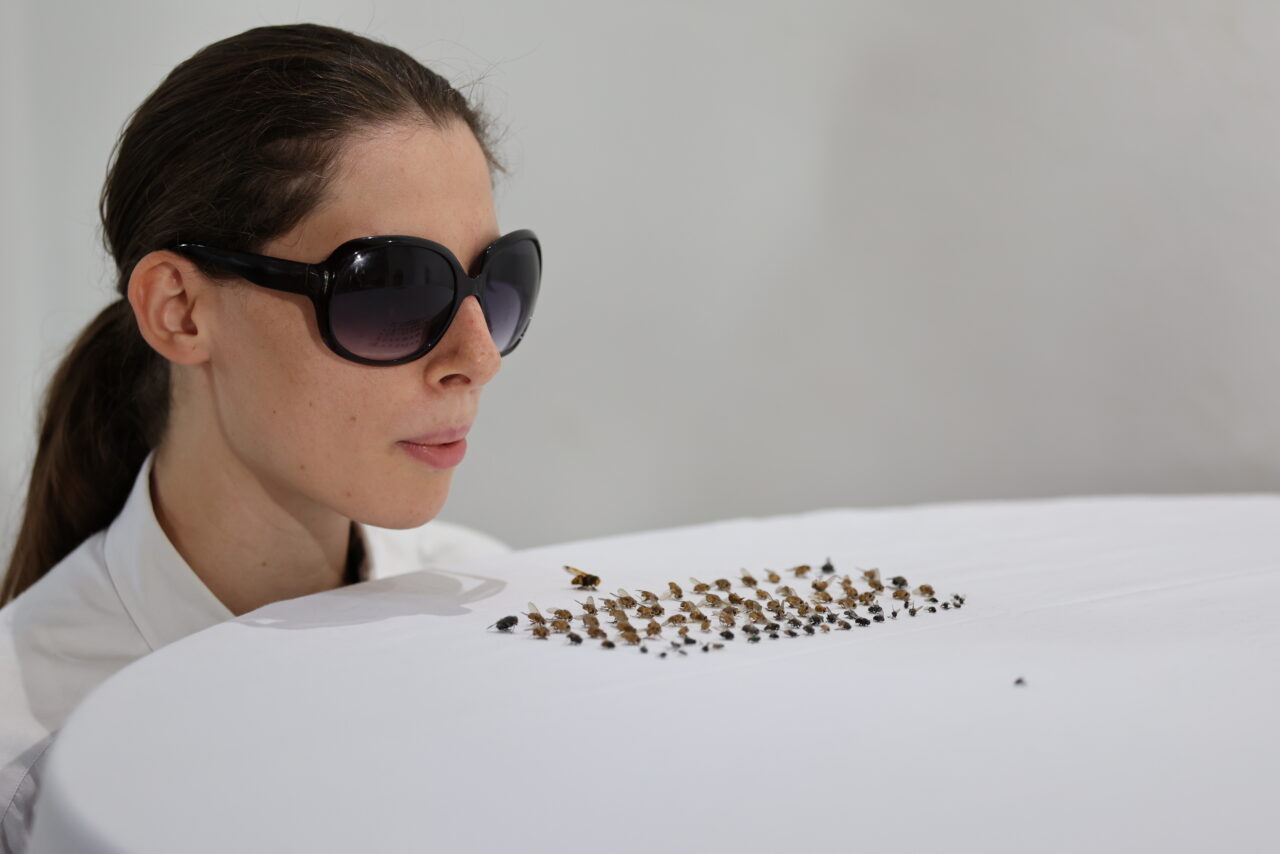
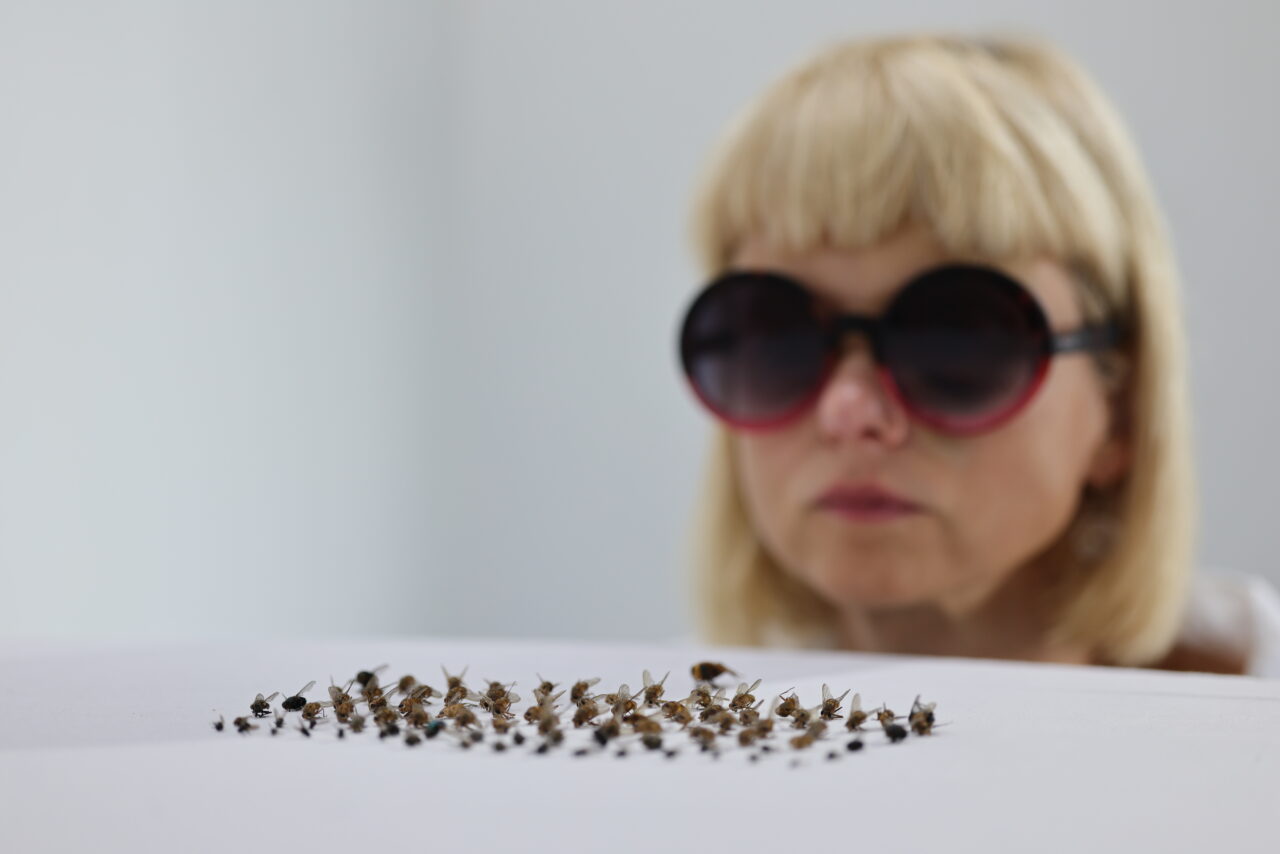
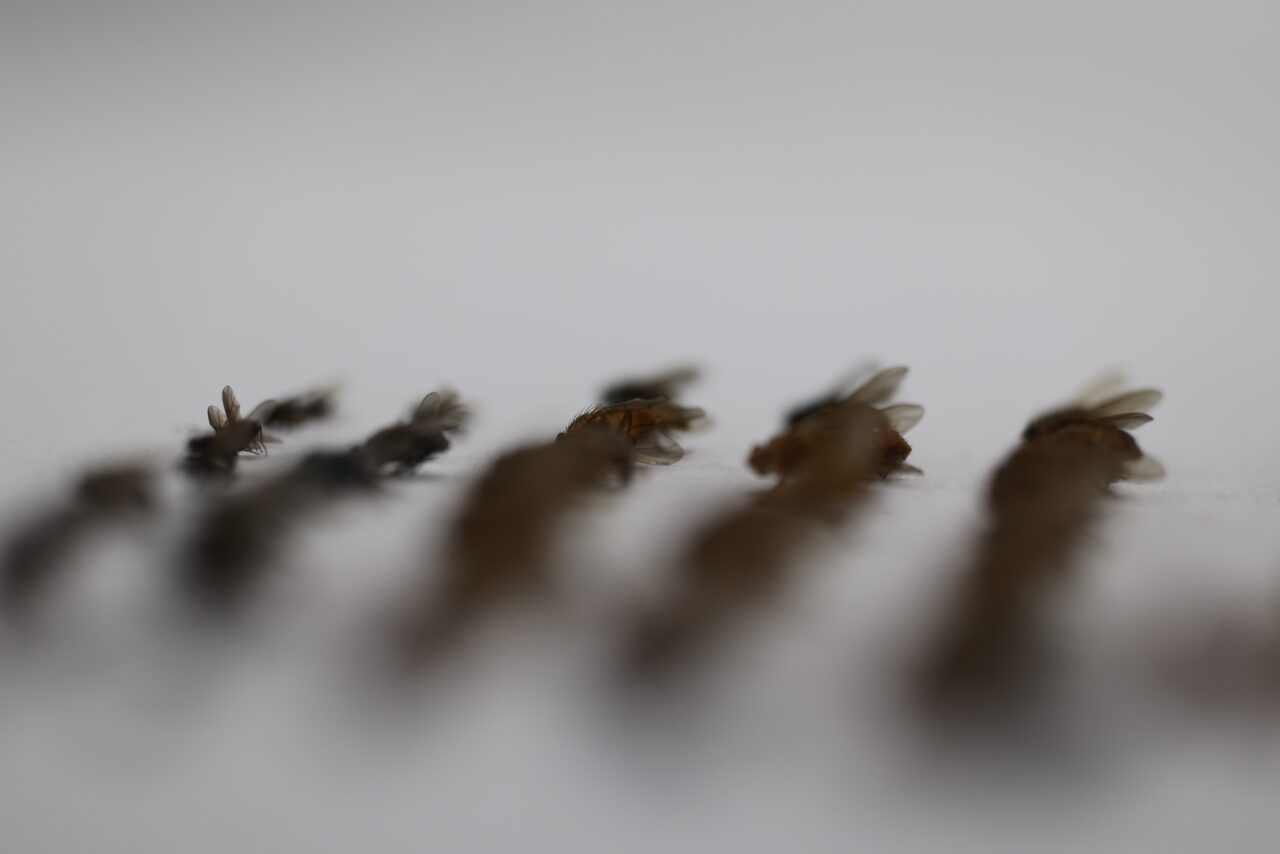
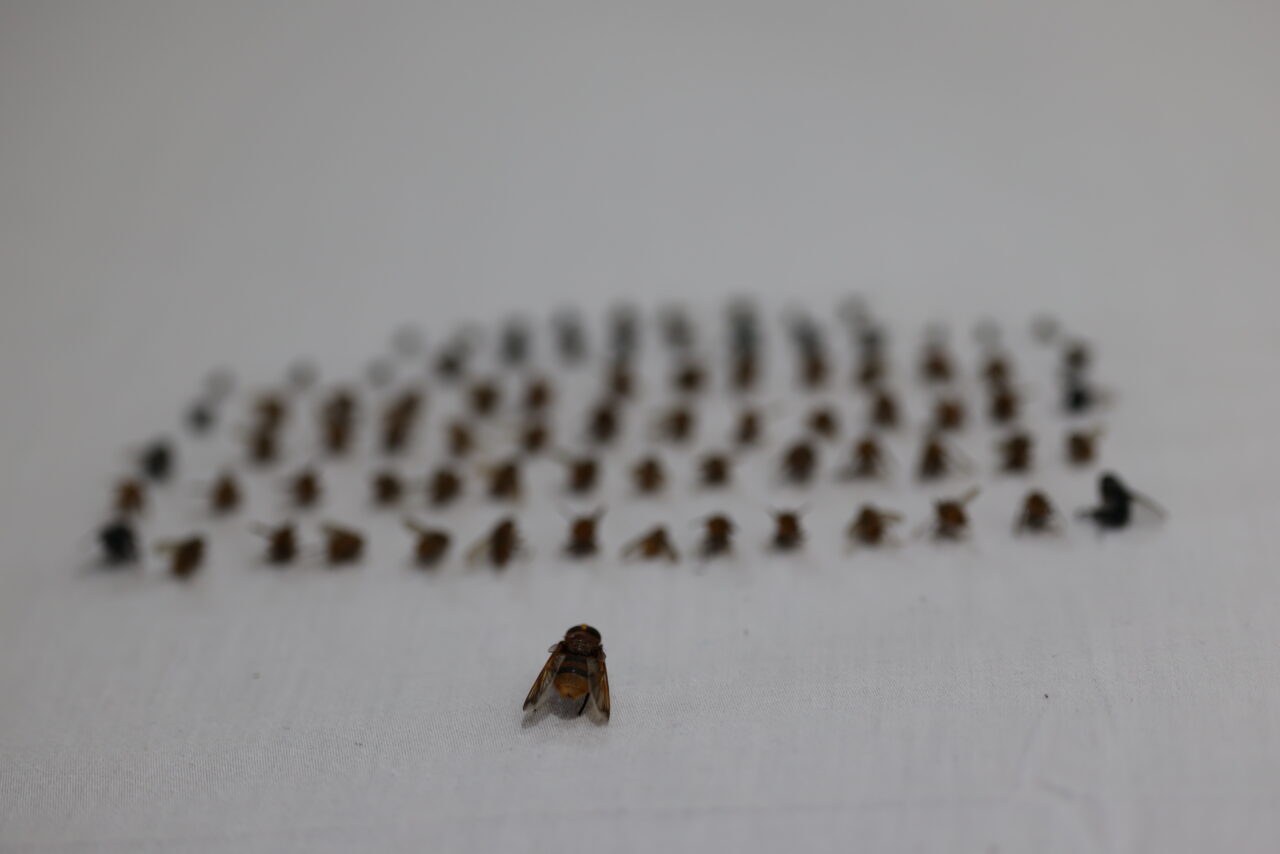
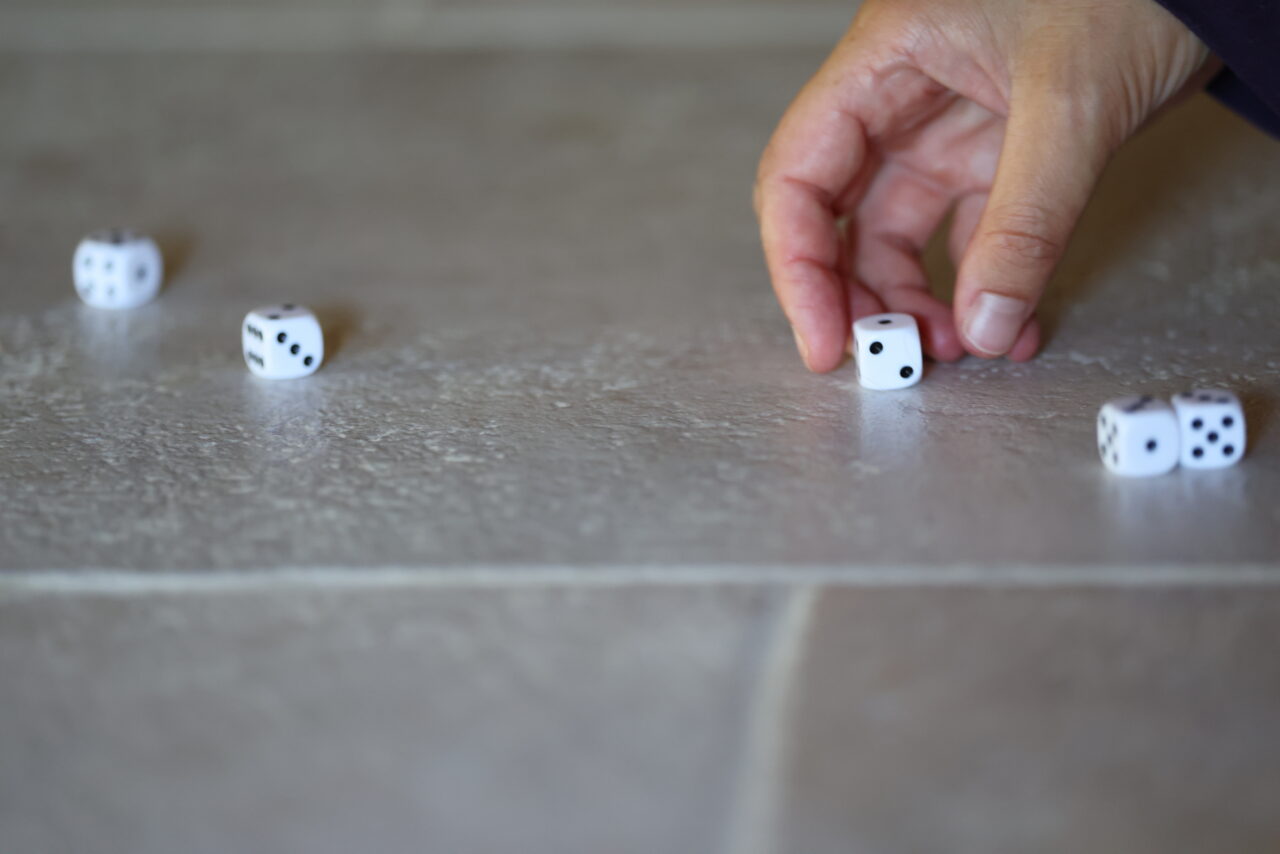
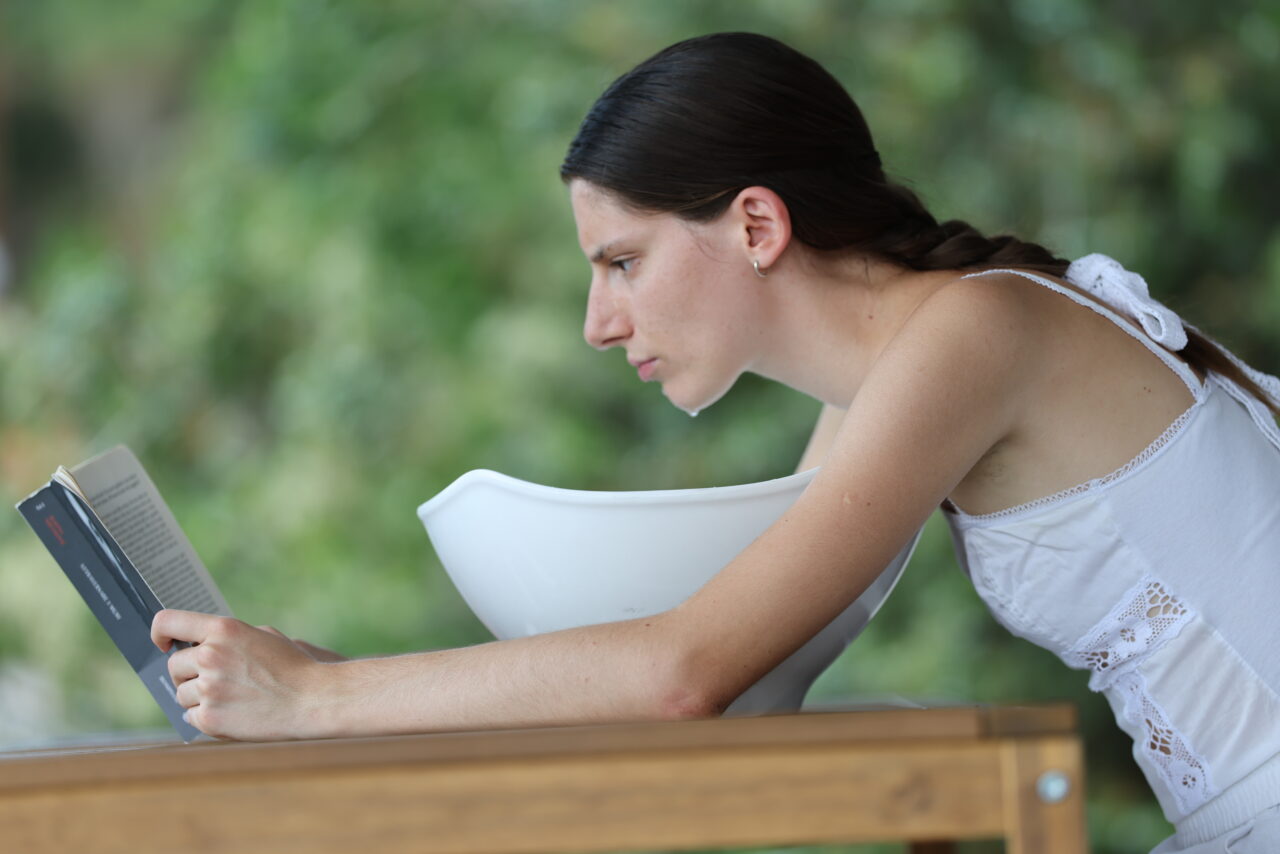
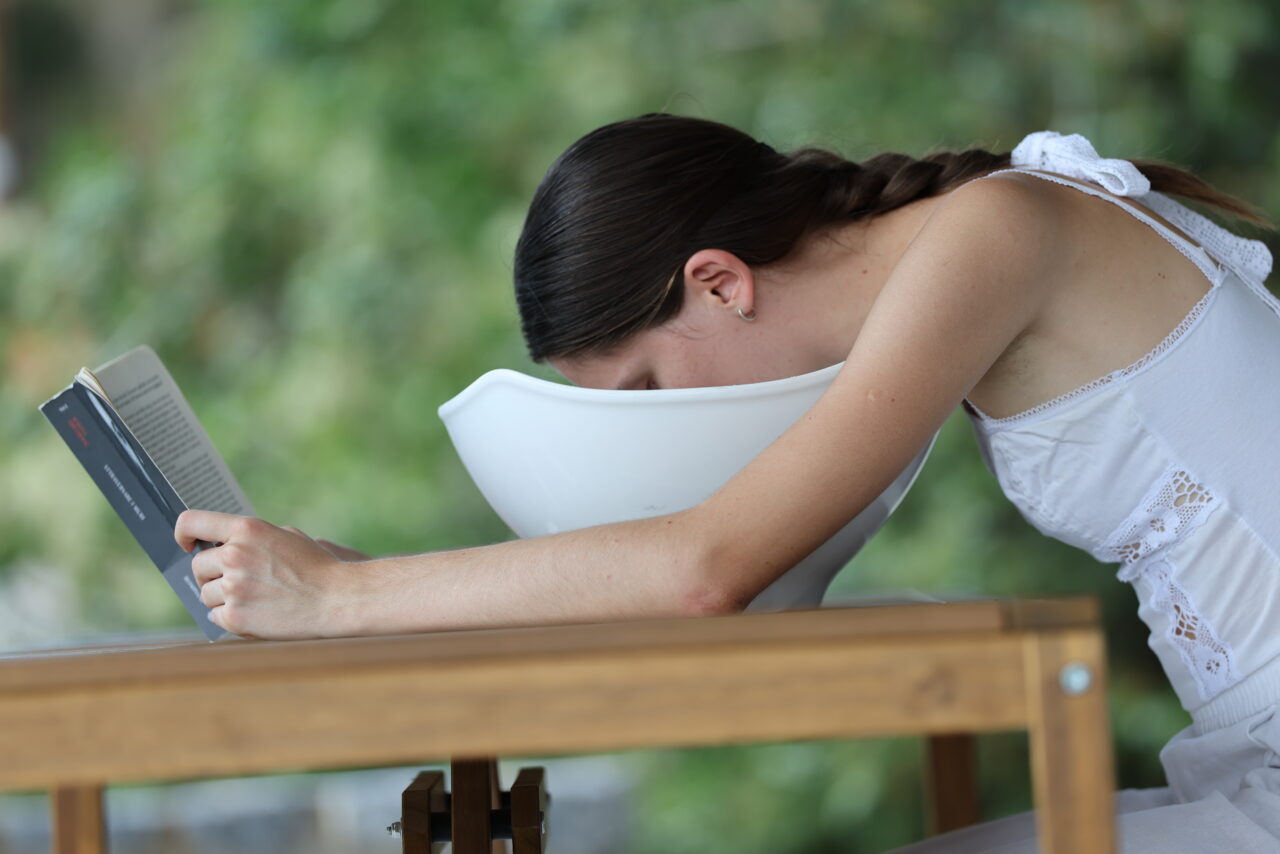
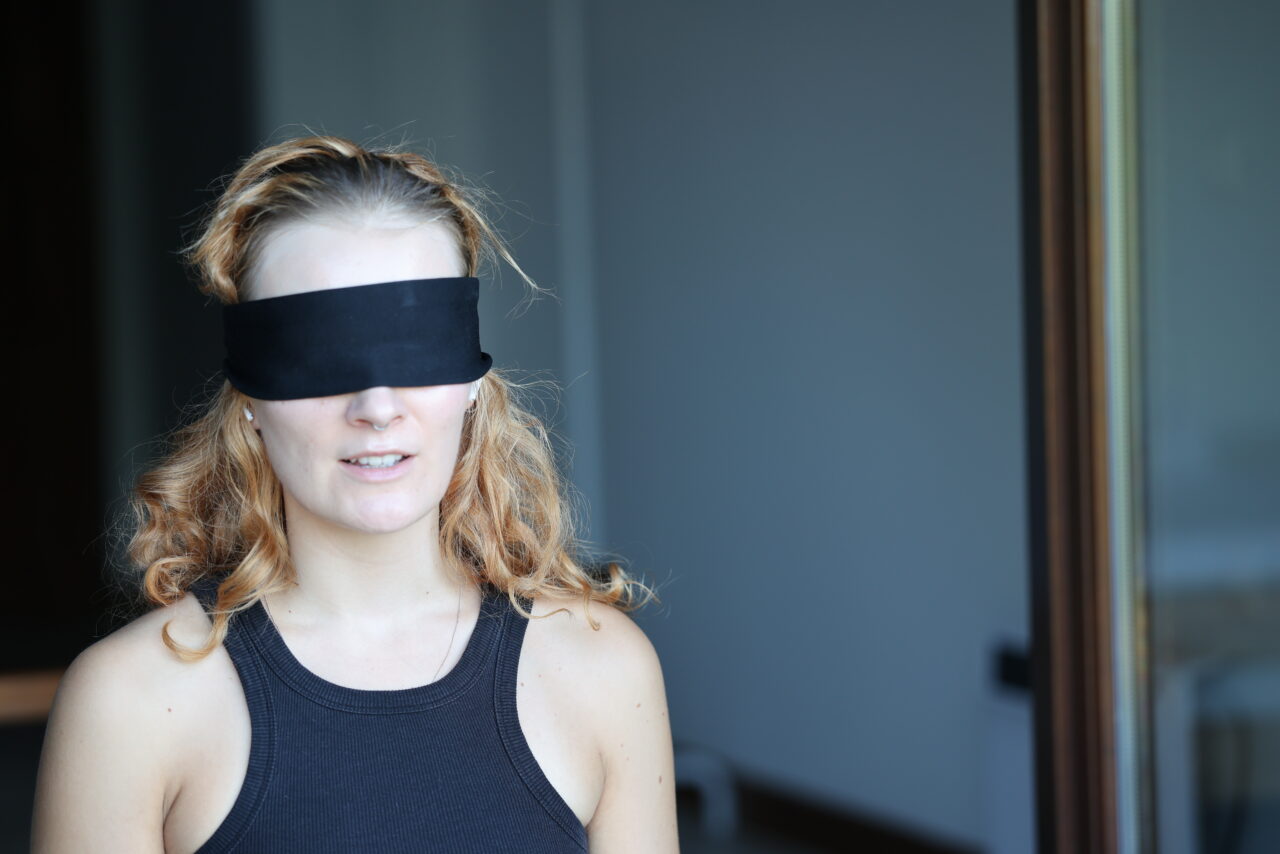
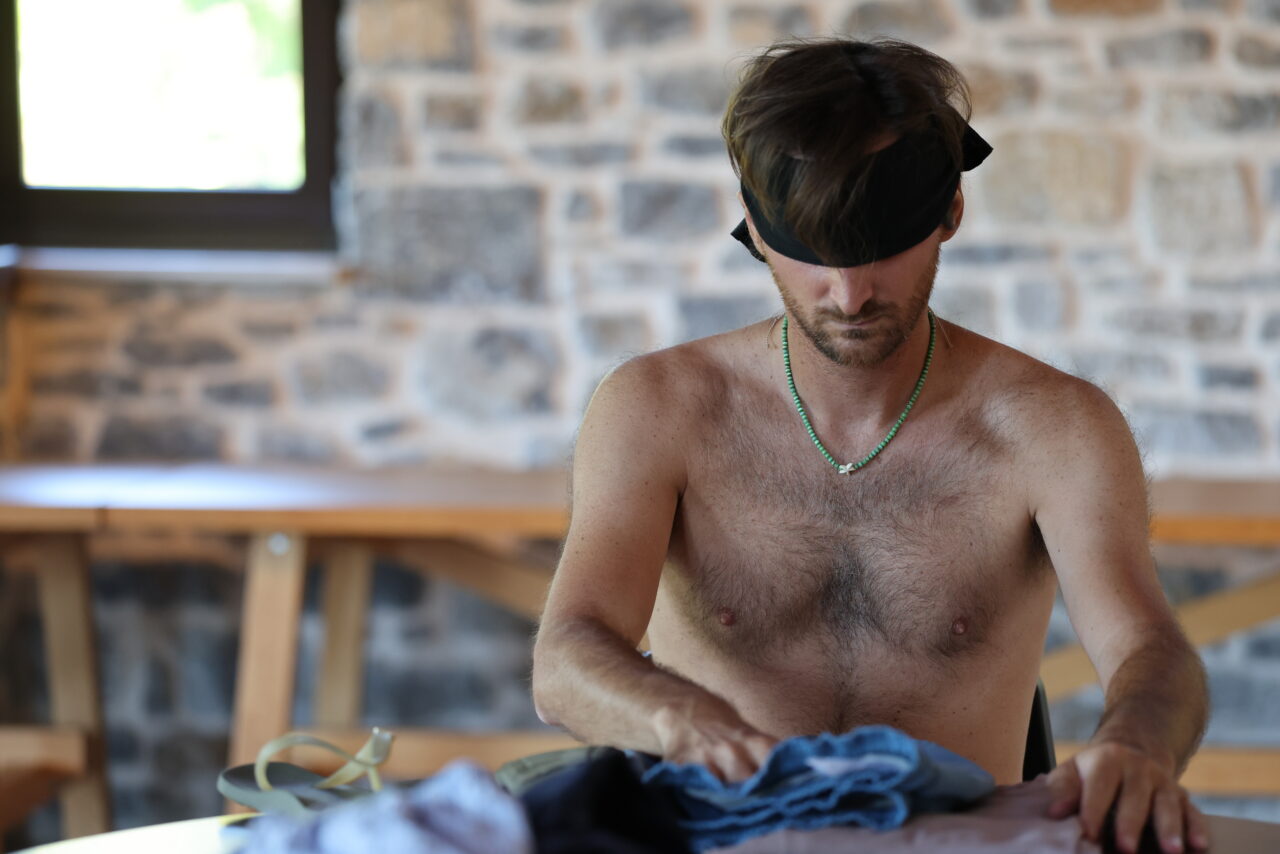
It lasts five days. The last meal is on Sunday evening and the next one is on Friday evening, and in the five days between, nobody eats and nobody speaks, reads, or touches a phone. What fills the time instead sounds almost absurdly simple until you try it. Walking in slow motion. Holding another person’s gaze. Separating a pile of mixed rice and lentils, grain by grain, for hours. None of it produces anything, and that is the point. The exercises are built to exhaust the part of a performer that is always producing, until what is left is attention itself.
For a cohort arriving from four months of intensive making, the reversal was severe. Every place before this one had asked them to make something. Karyes handed them a bowl of rice and lentils and asked them to stop.
Write the rule you will have to keep.
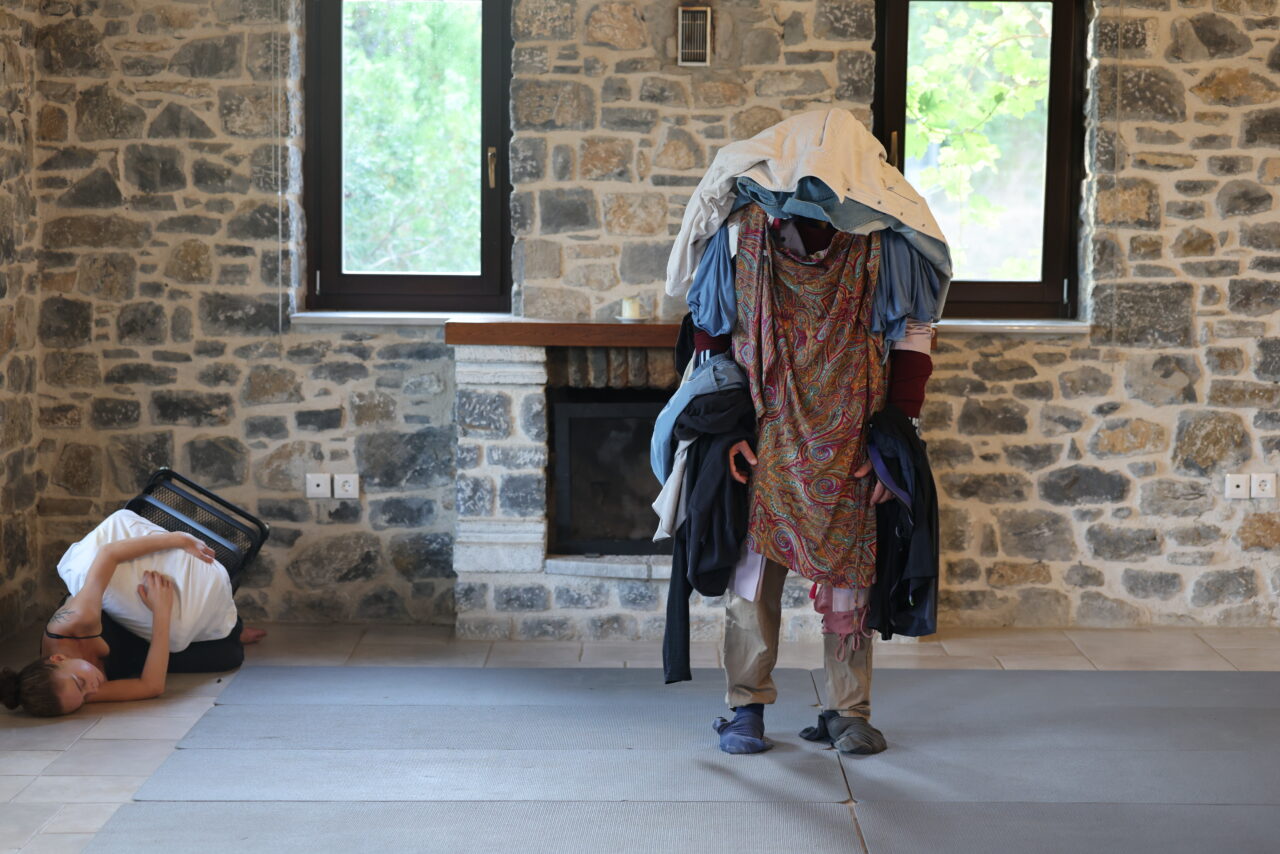
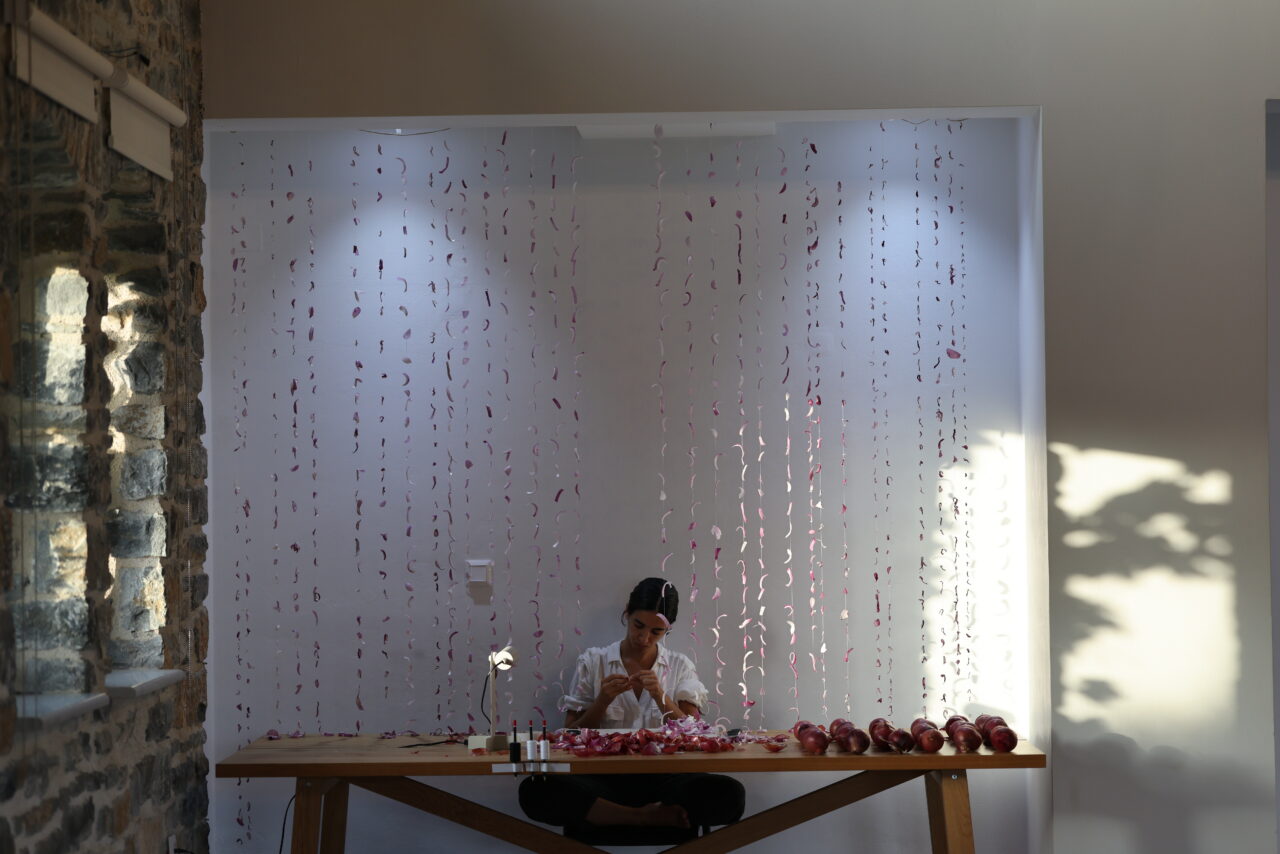
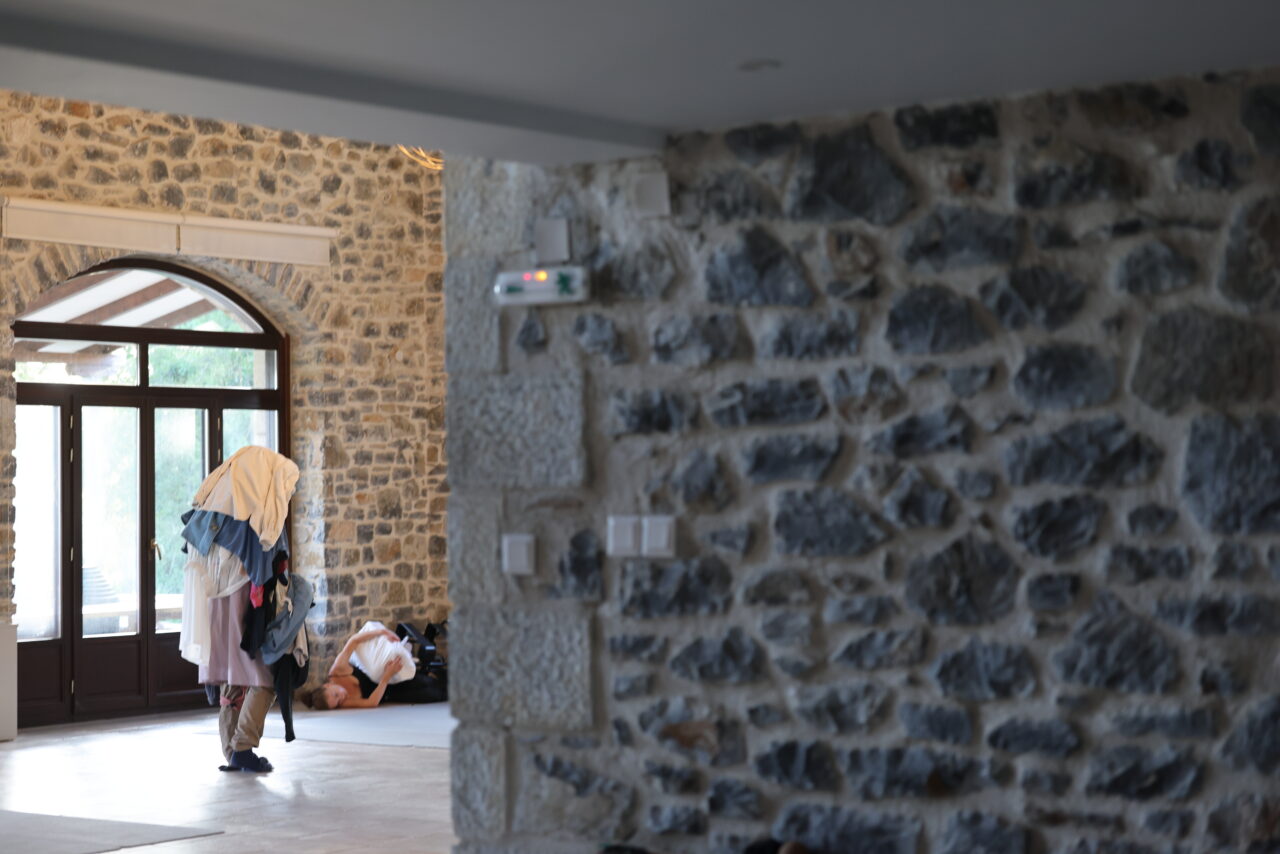
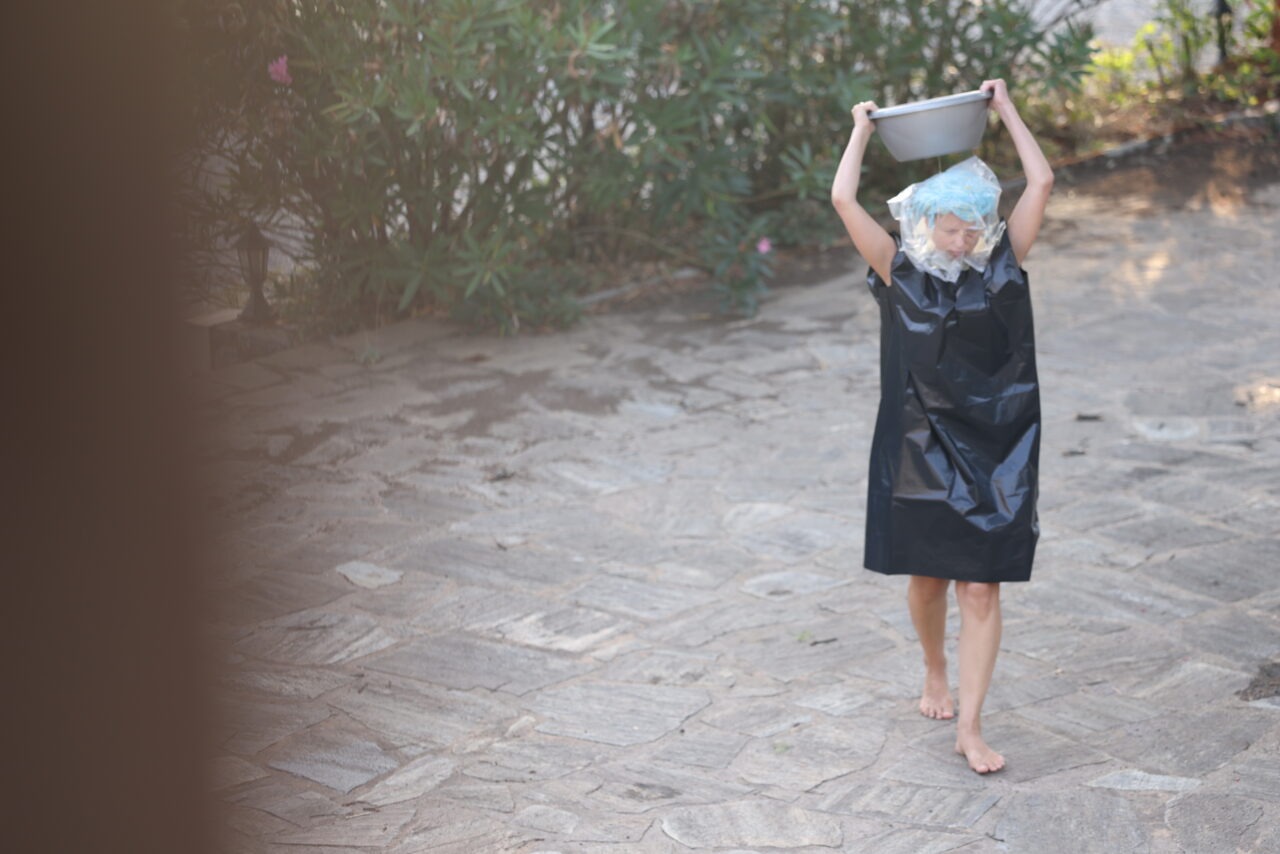
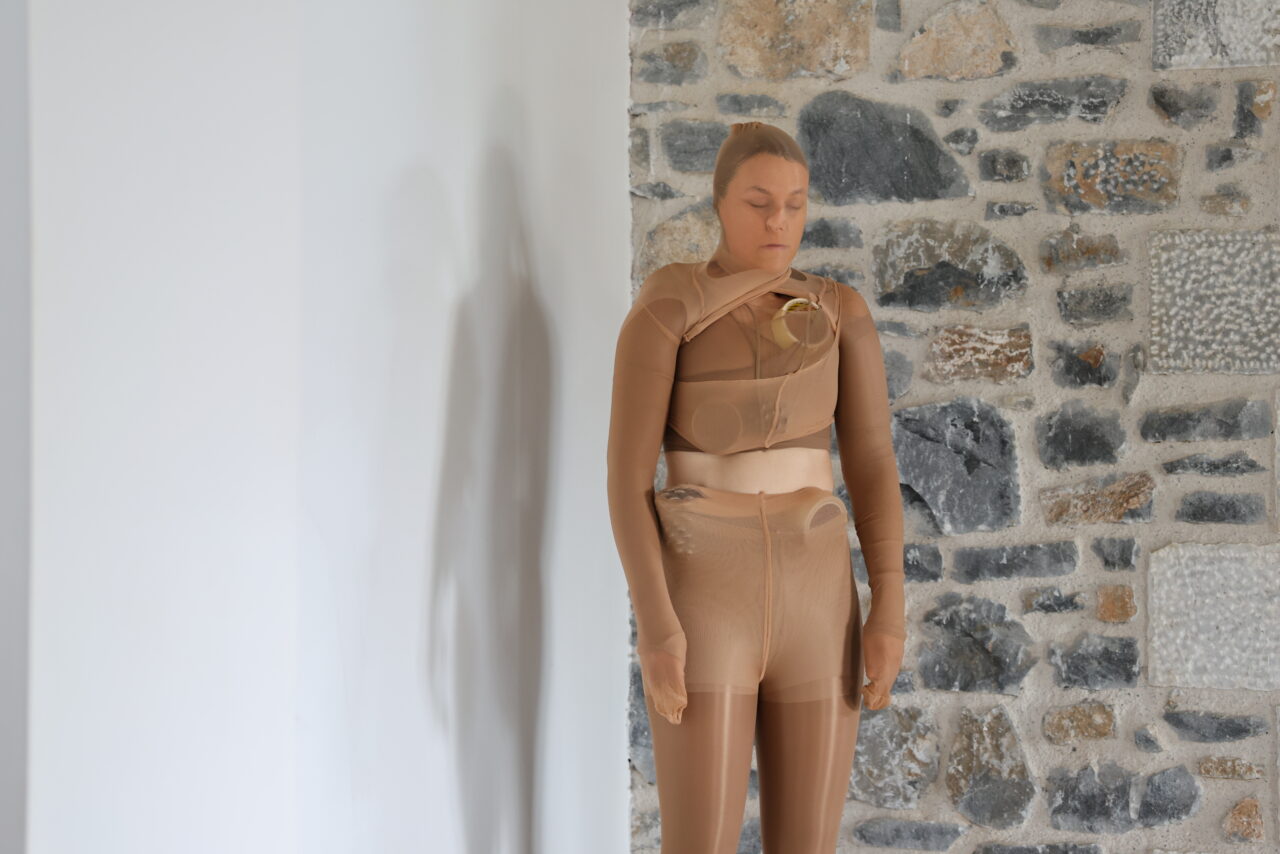
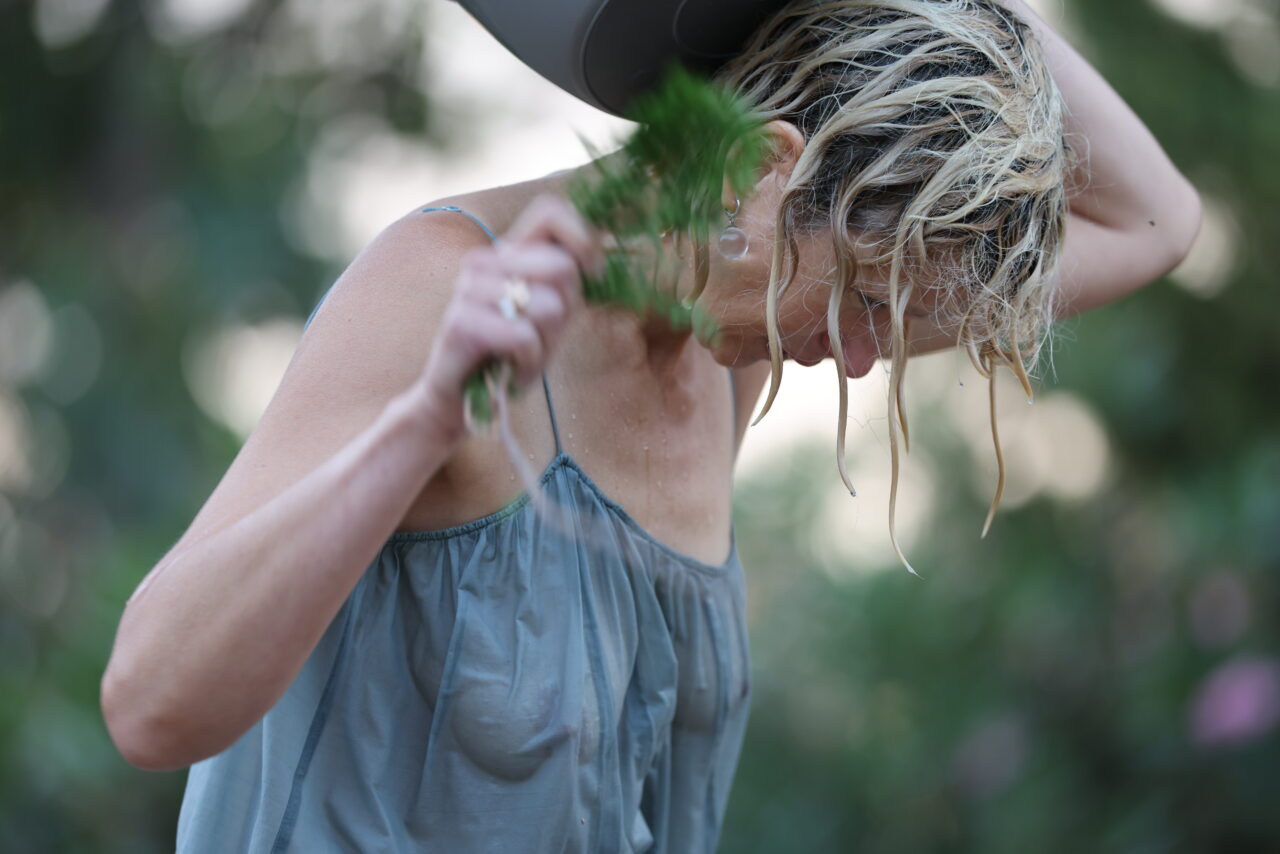
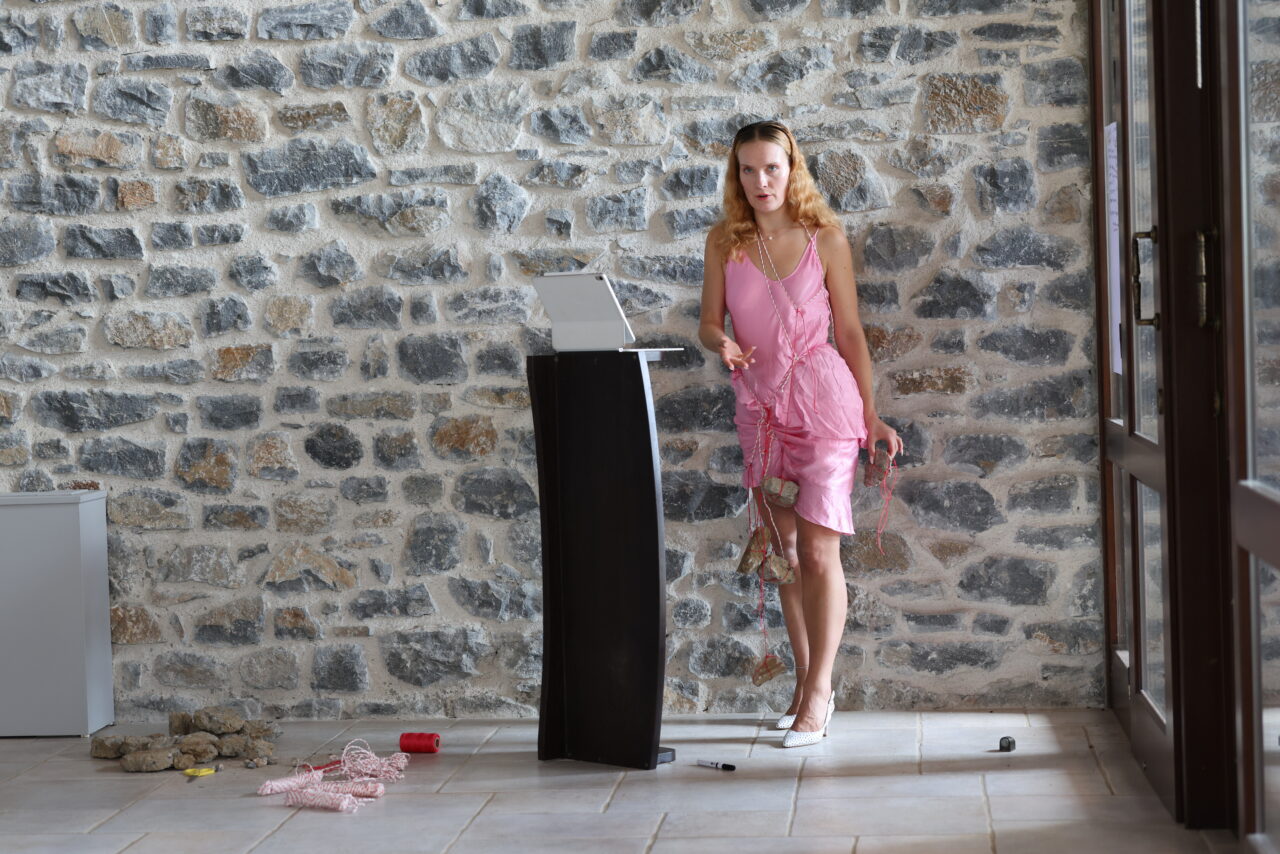
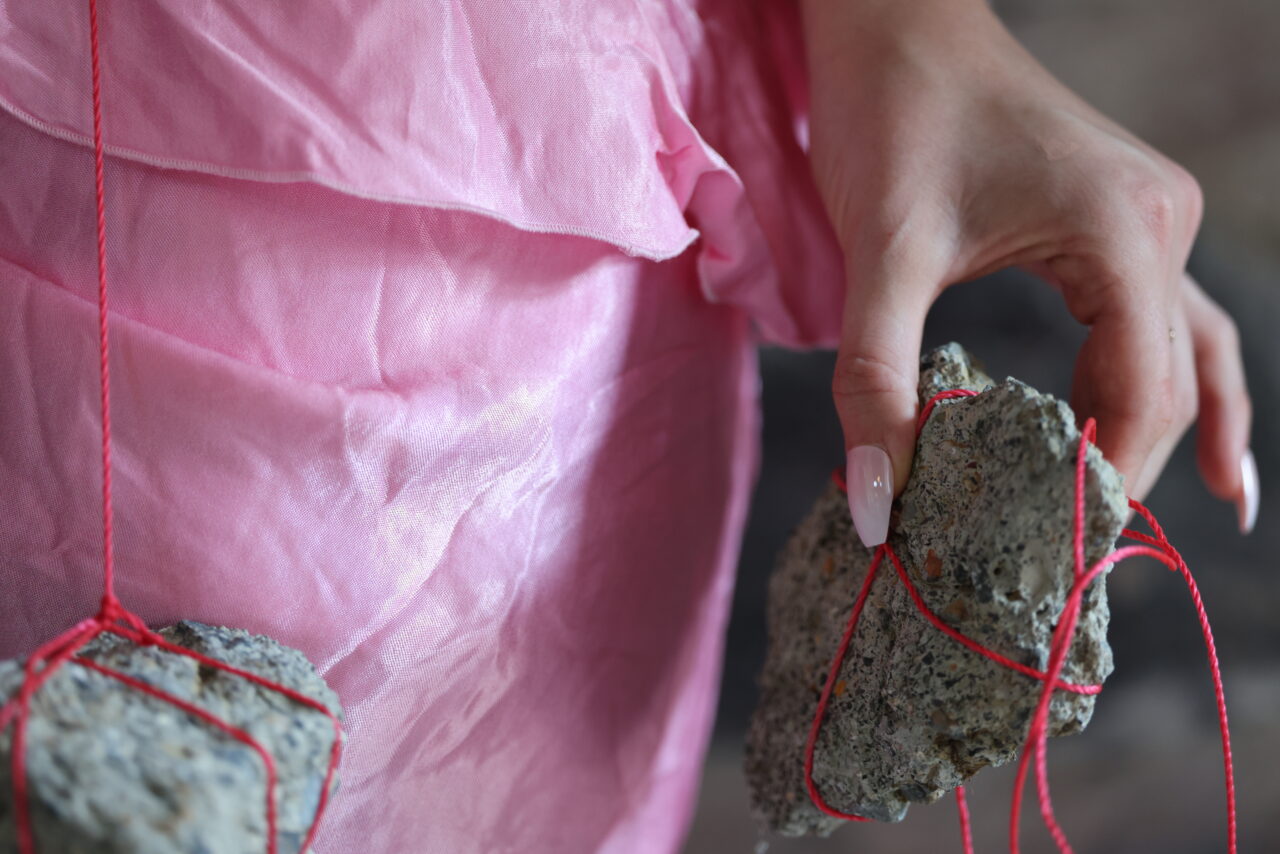
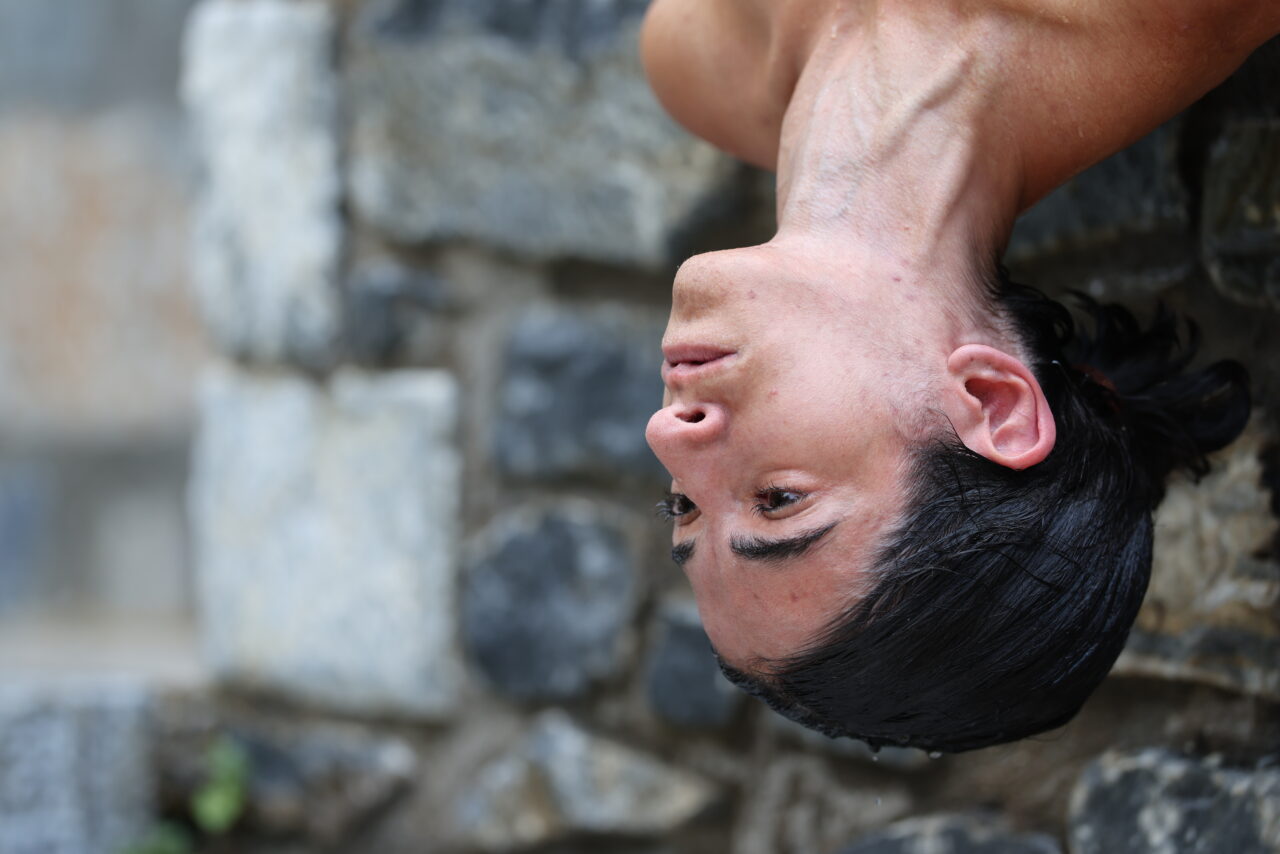
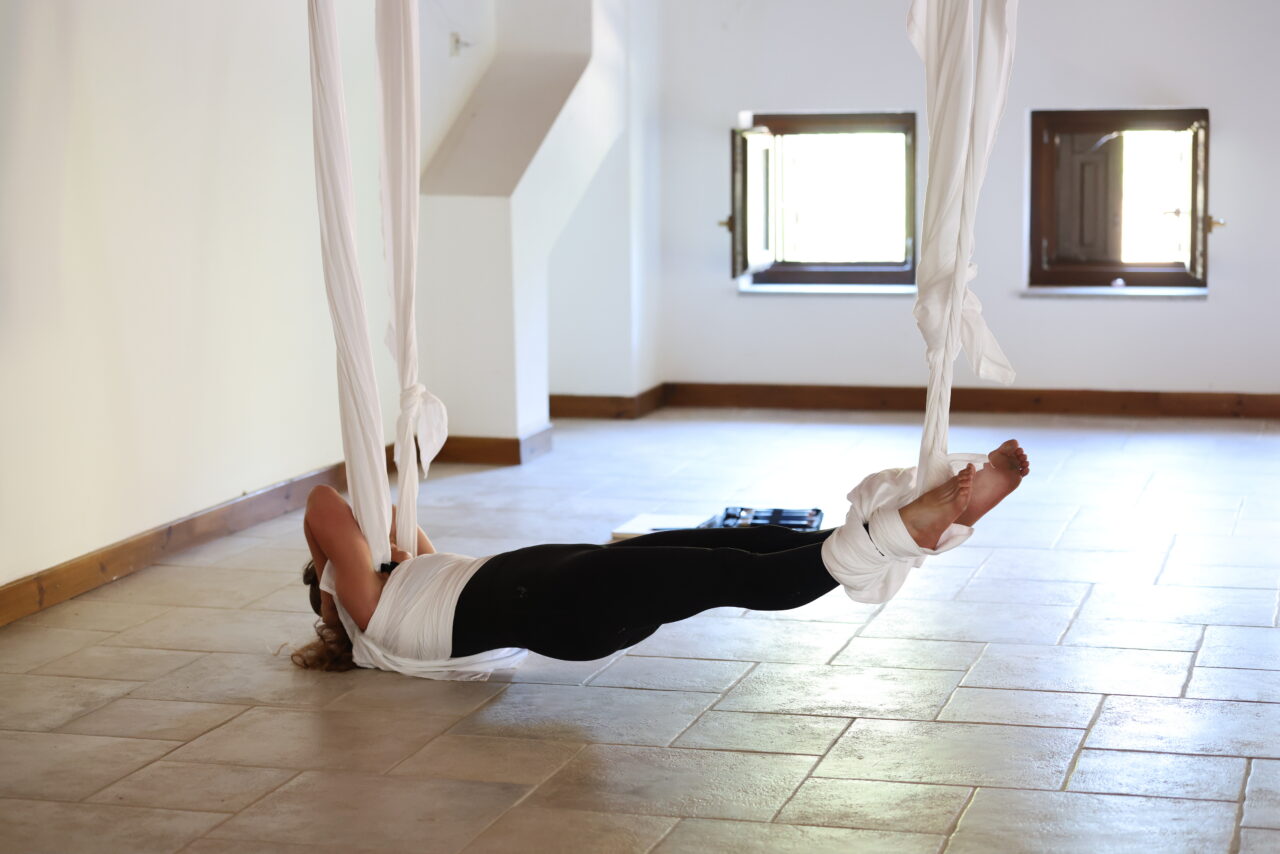
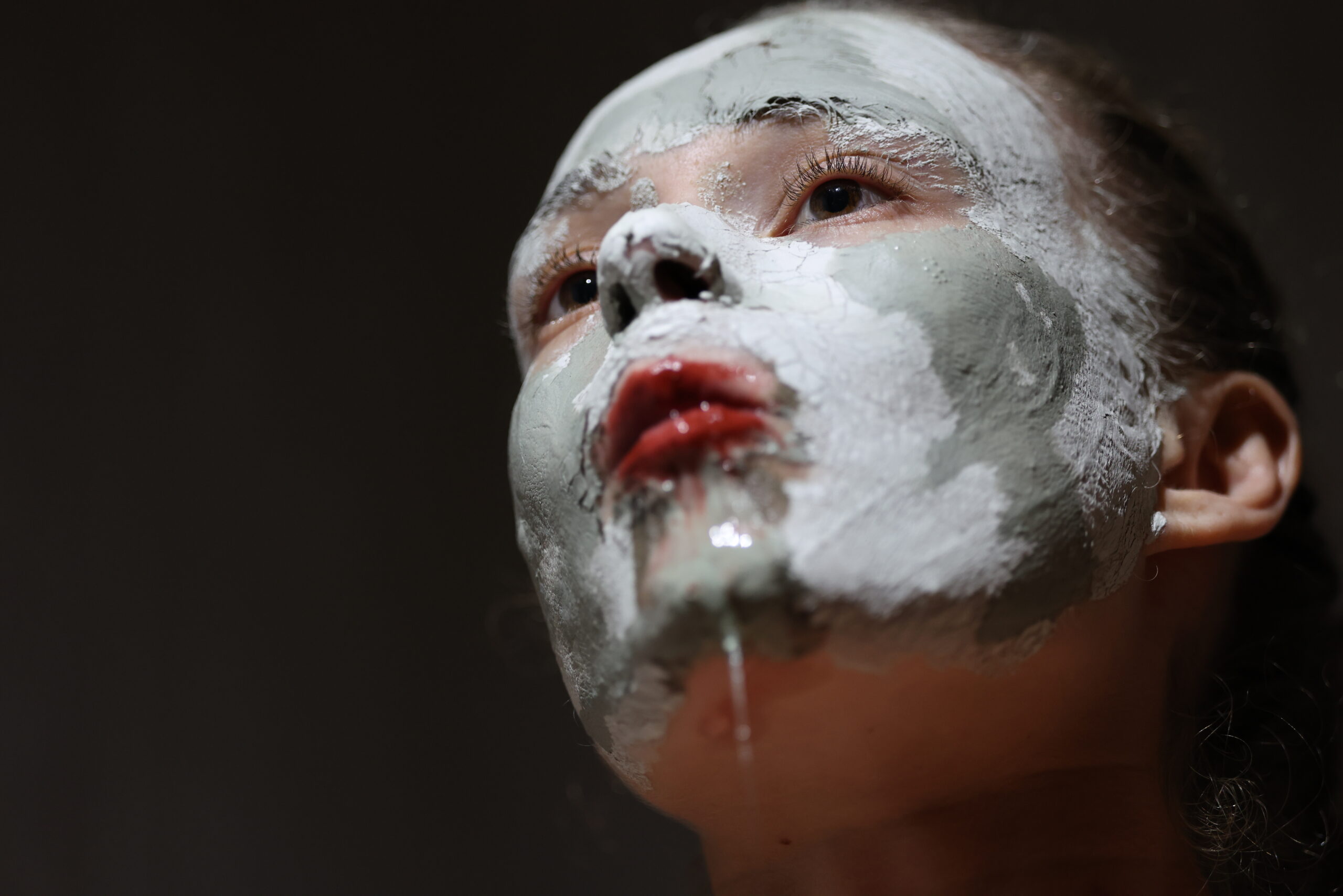
The second week went further into long-durational practice. It began with the head pieces. Each student made one: a work in which the head is both the playground and the performance venue, and nothing else is allowed to carry the piece. A small, strange, strict brief, and the first time the students had set the rules for themselves.
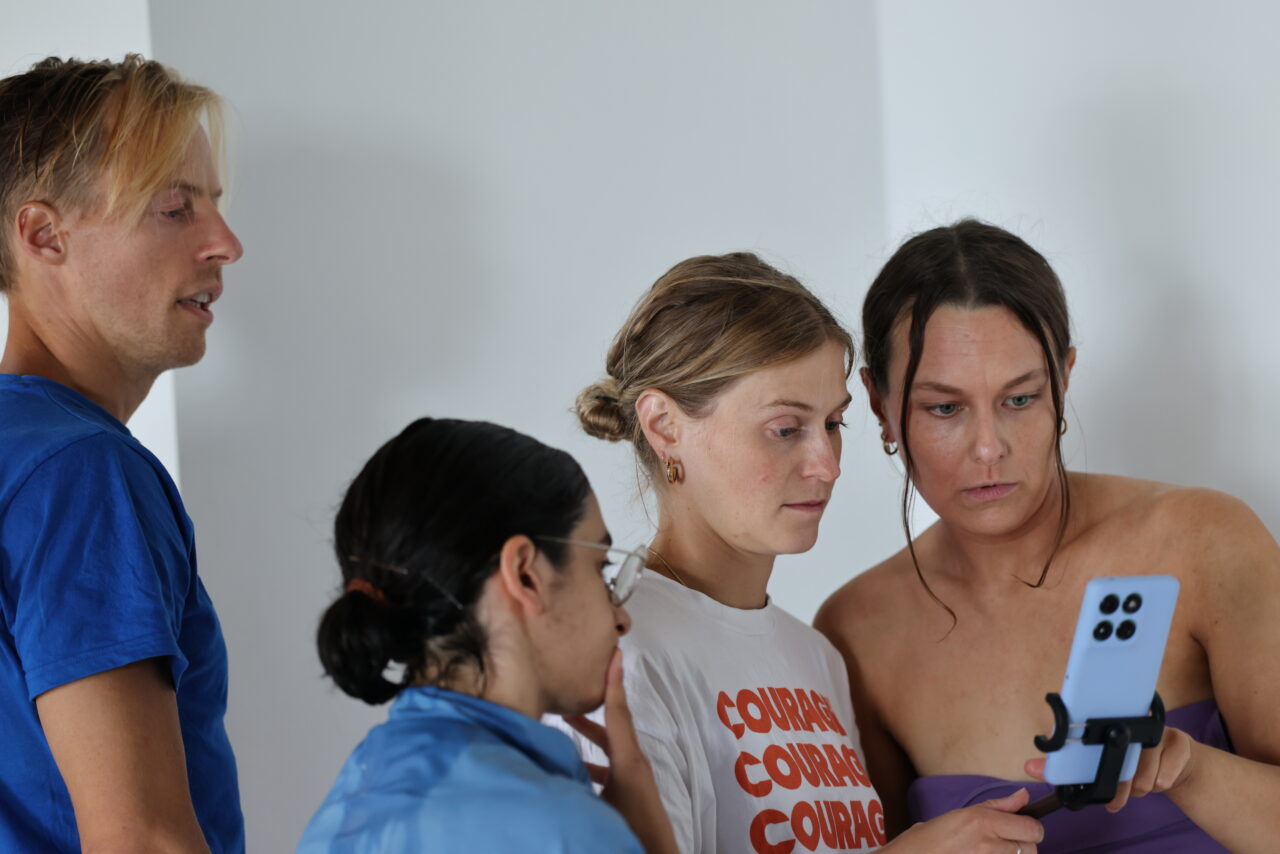
Then the week turned that over to them completely. They wrote protocols.
A protocol, in this tradition, is the set of rules a performer fixes before beginning and then obeys for the whole duration of the work. What the body will do. What it will not do. Where it will be, and for how long. It matters because duration removes the escape route. Over six hours nobody can improvise their way through, charm an audience, or lean on the moments they know work. Whatever the performer decided in advance is what they are left holding, so the decision has to be honest before the performance starts. Writing a protocol is where the artistic thinking actually happens, and performing it is mostly a matter of keeping your word.
Rhythm 0, and what it costs to keep a rule
The clearest demonstration is one of Abramović’s earliest works. For Rhythm 0, at Studio Morra in Naples in 1974, she laid out seventy-two objects on a table. Among them were a rose, a feather, scissors, a gun and a bullet. Beside them she posted written instructions: the objects could be used on her as the public wished, and she took responsibility for what followed. Then she stood still for six hours. The audience began gently and did not stay gentle. They cut her clothes off, wrote on her skin, and by the end someone was holding the gun to her head. She did not break the rule she had written, because the rule was the work.
That is the extreme end of it. What a student writing a protocol in Karyes faces is more ordinary, and it asks the same thing. Whatever you put on the page, you have to keep at hour five, when you no longer want to.
Protocols matter to the Institute for a second reason, which is preservation. In 2005 Abramović performed Seven Easy Pieces at the Guggenheim, seven works from the 1960s and 1970s, seven hours each, on seven consecutive days. Most were not hers, and she staged them only with the express consent of the original artists or their estates. She had grown angry at watching performance ideas get reused without credit. The piece proposed a working rule for the whole form. Obtain permission, credit the source, offer a new interpretation, and show the original documentation alongside it. That rule is much of why an institute devoted to performance can exist at all. Art made of living bodies outlives those bodies only if somebody has written down how it was done.
Three hours. Then six.
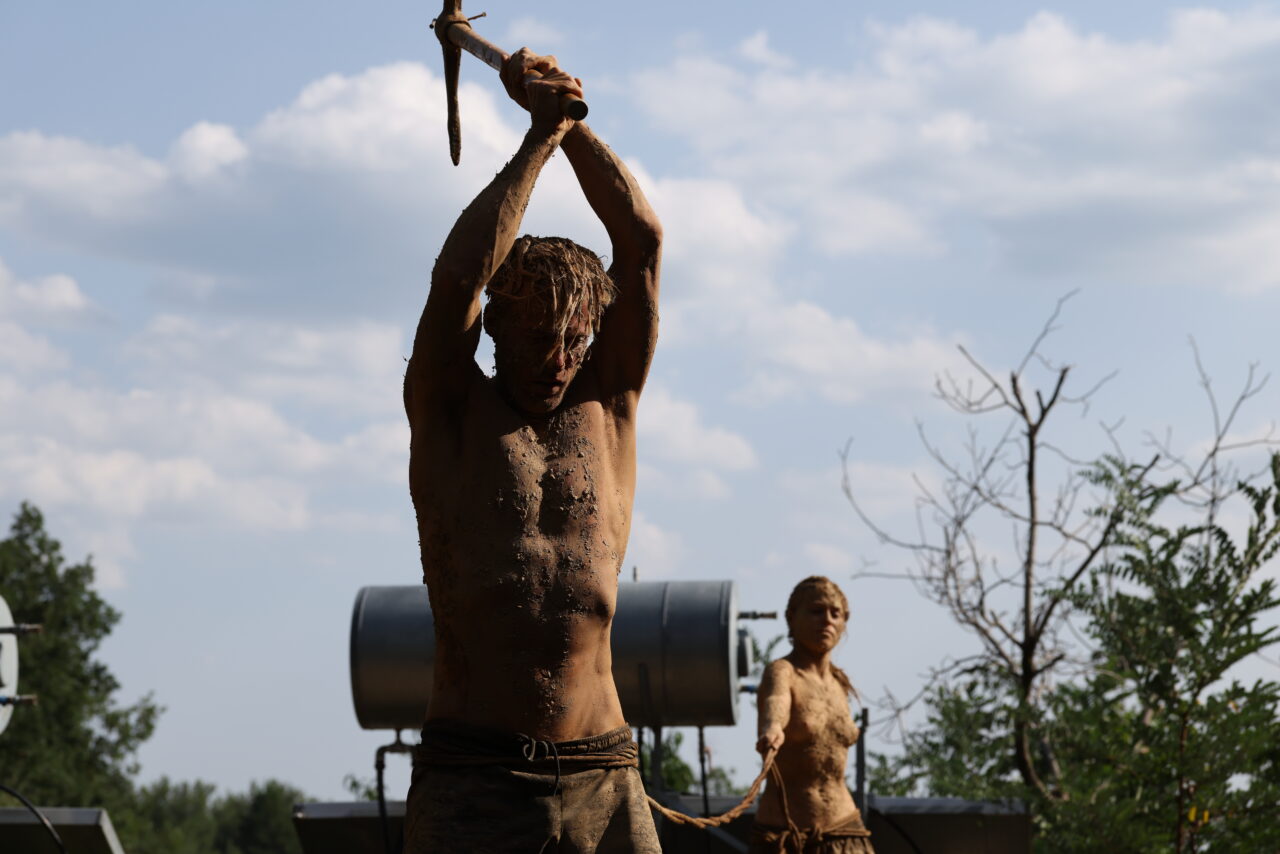
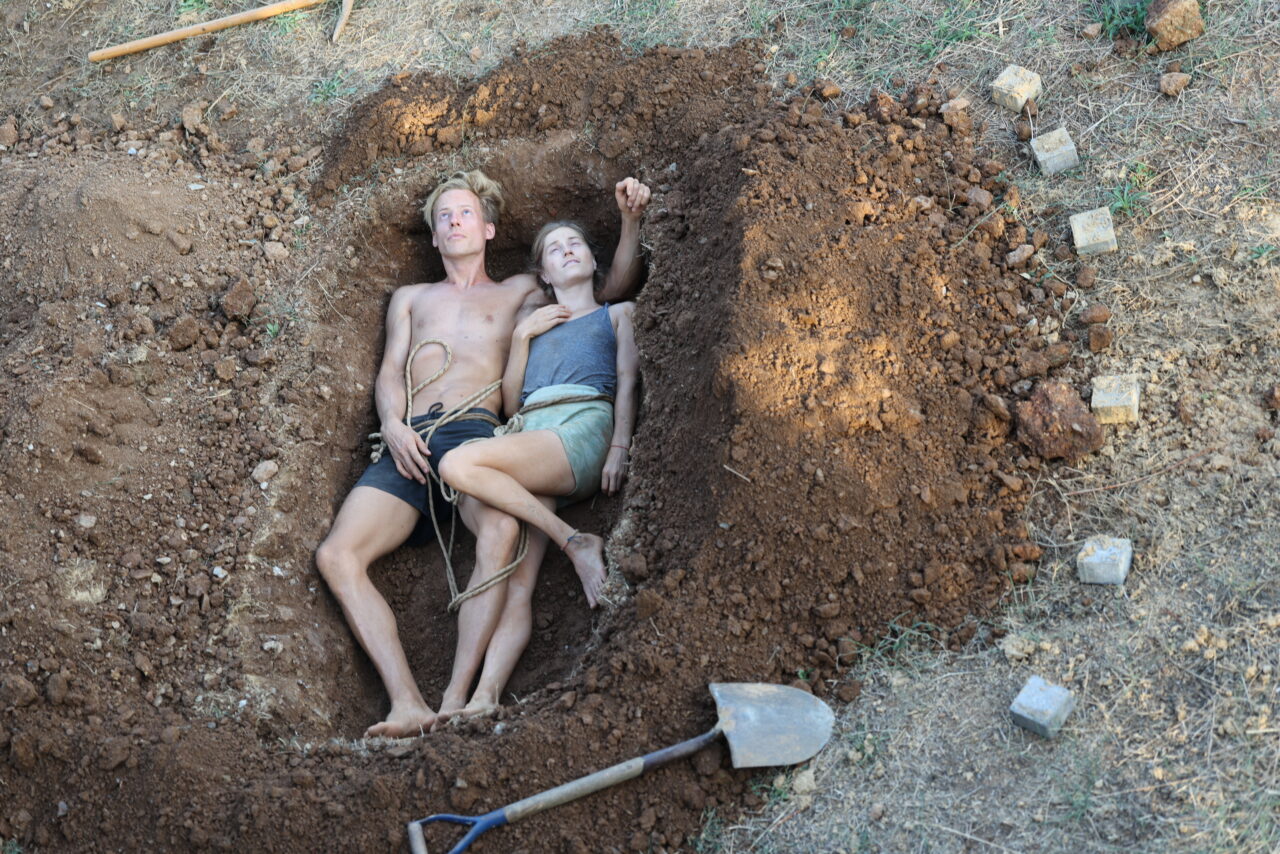
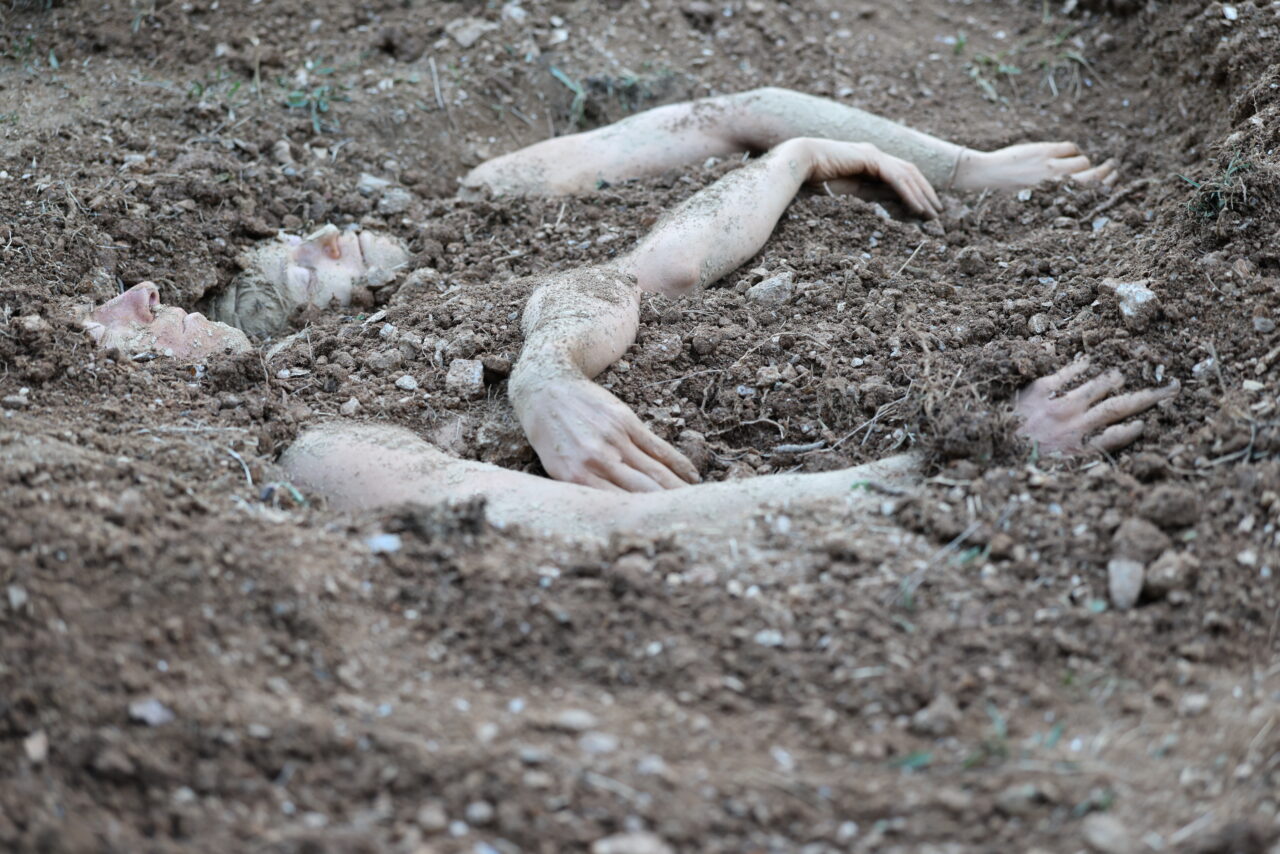
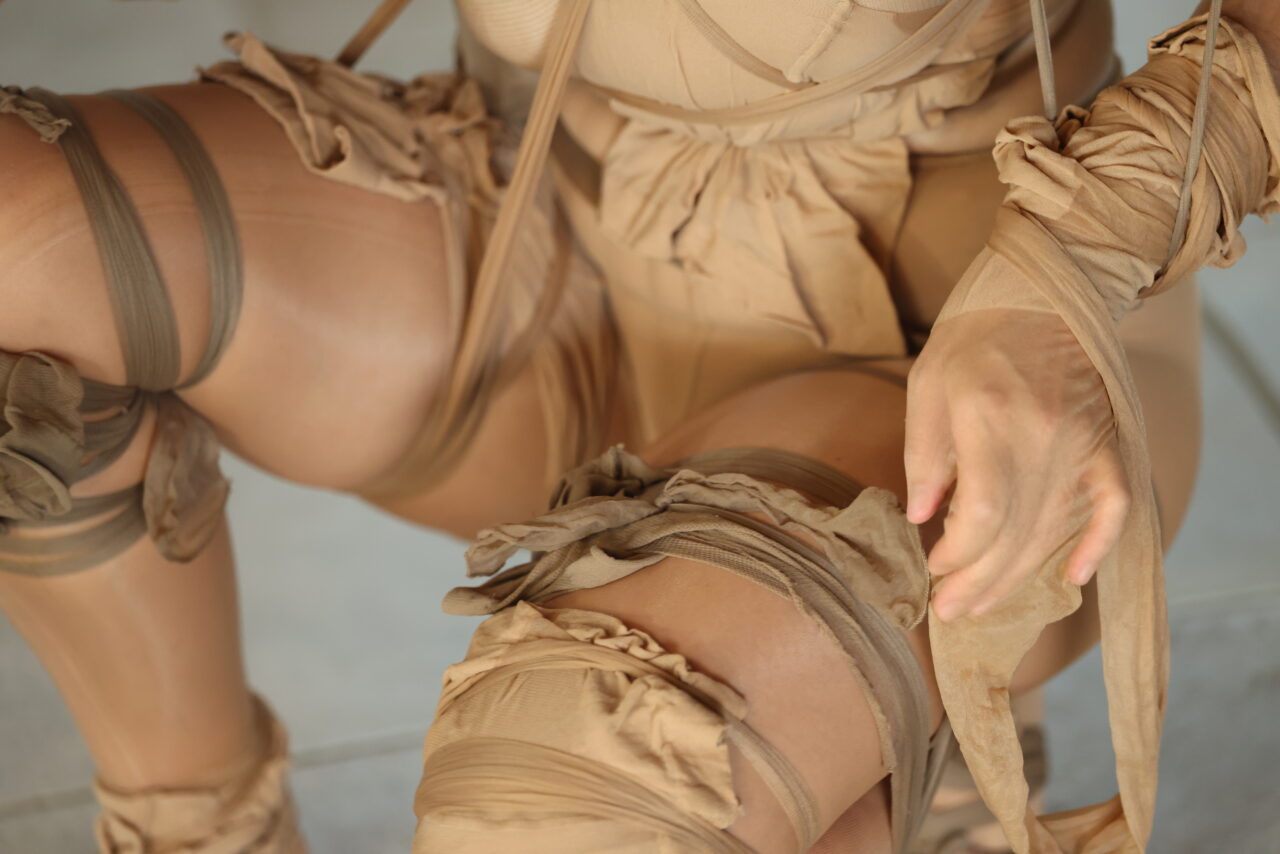
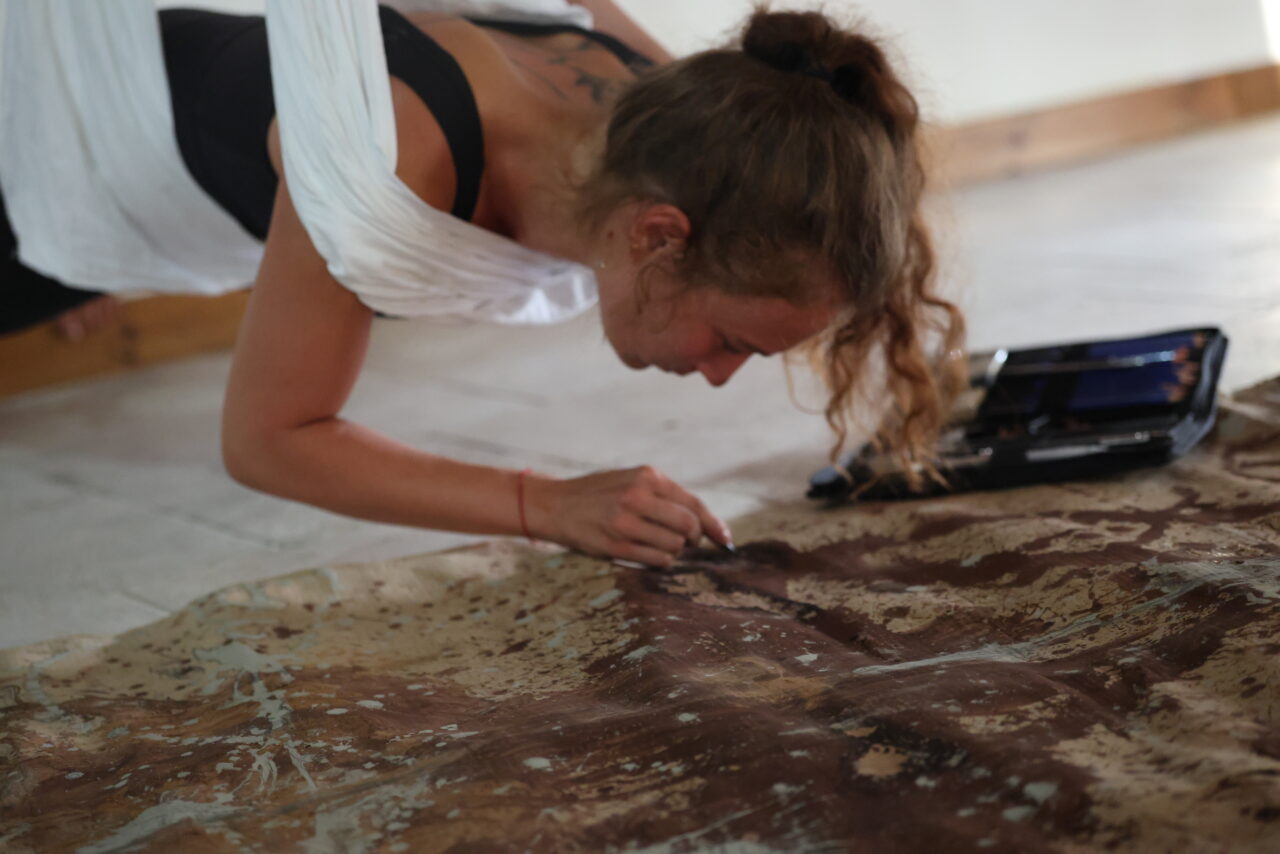
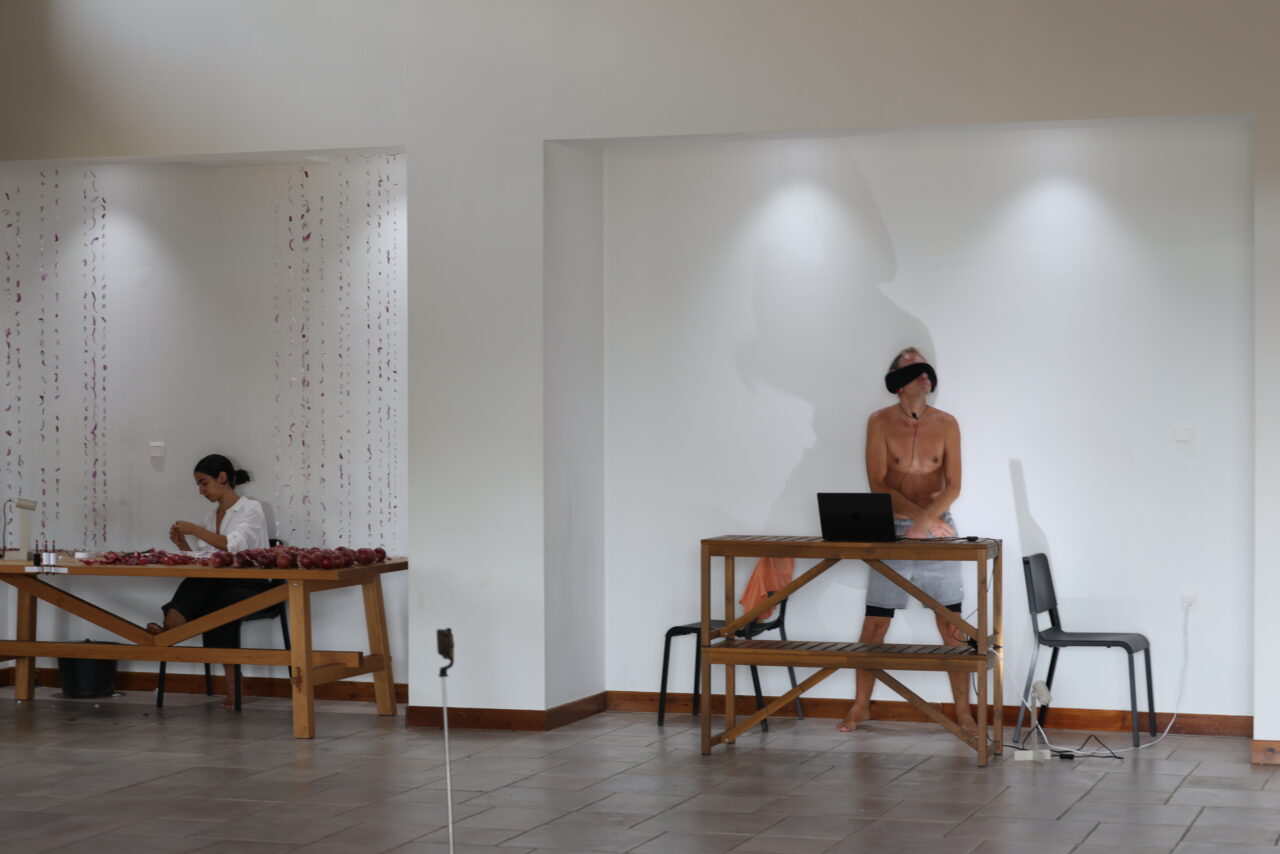
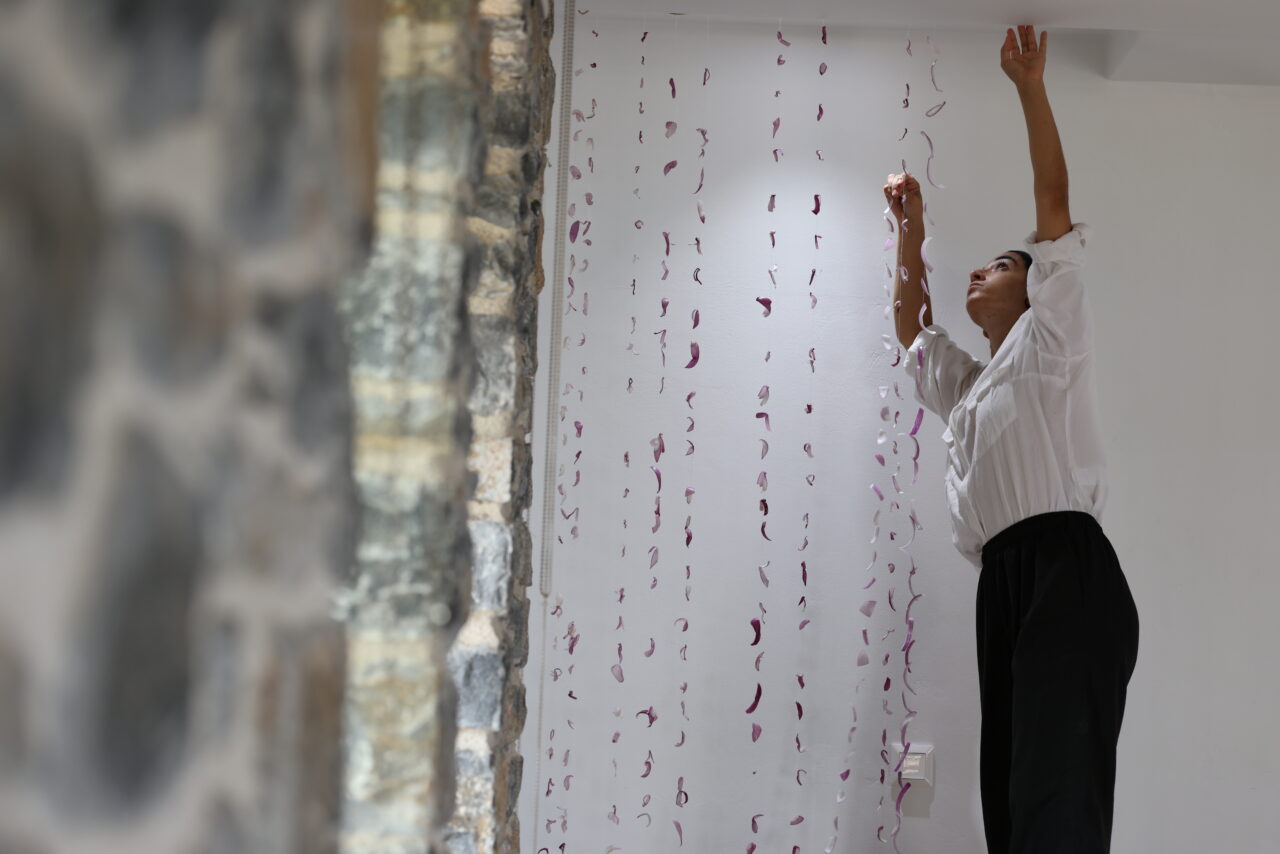
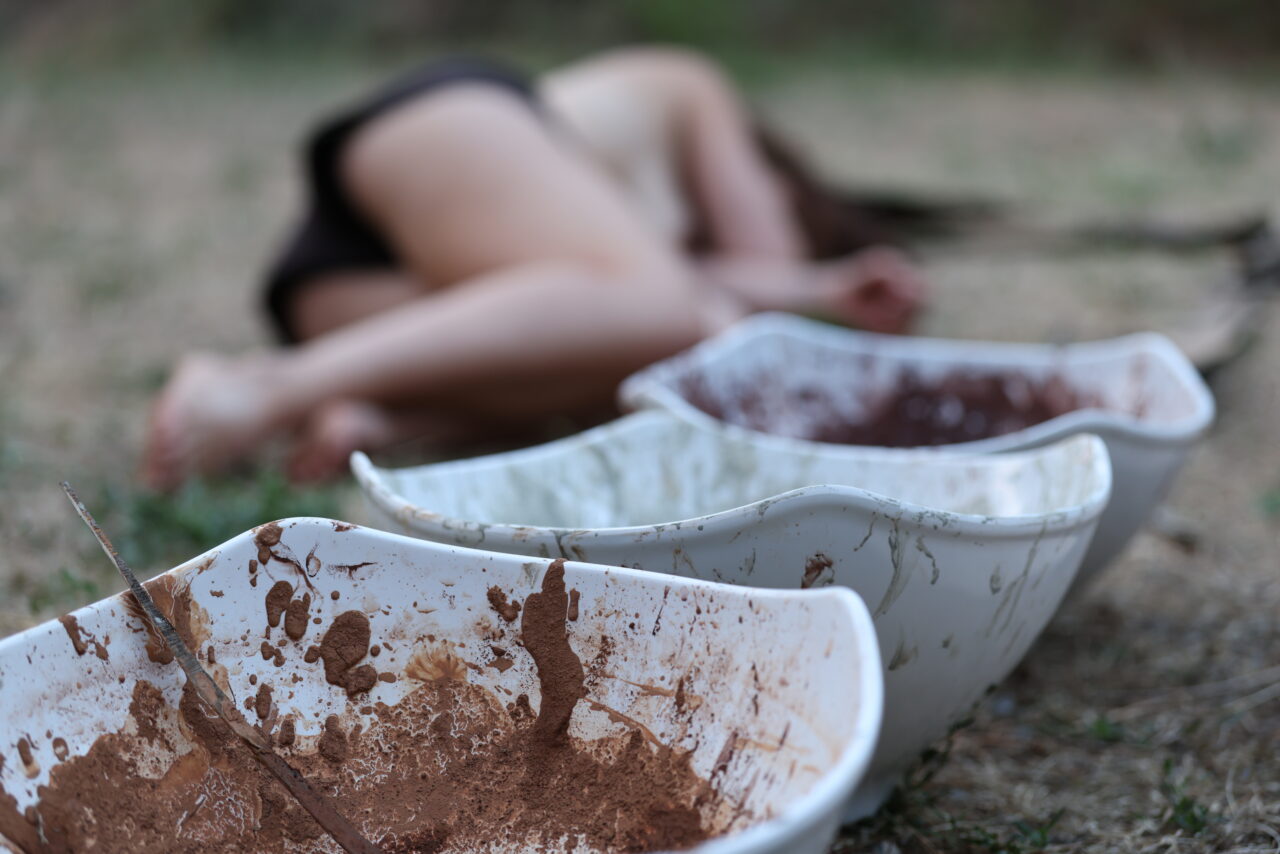
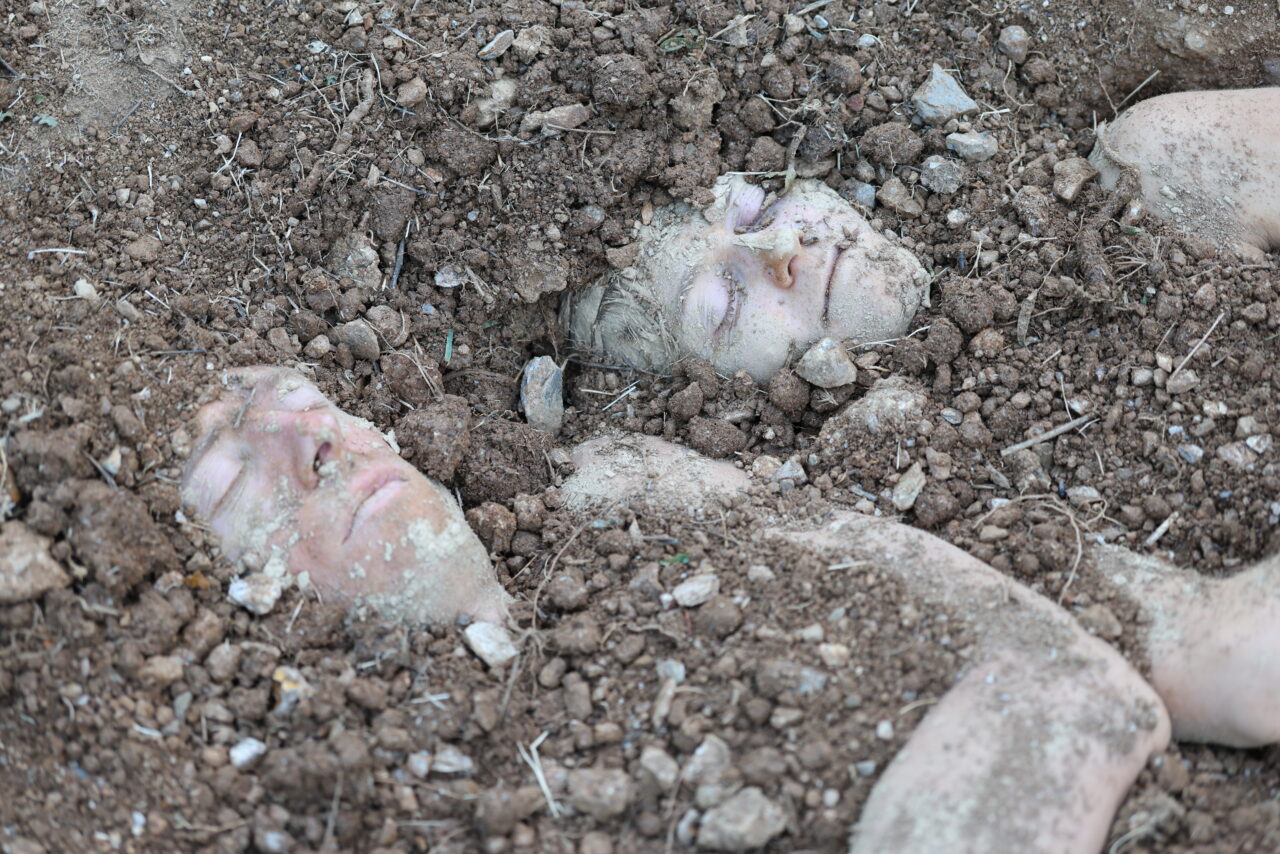
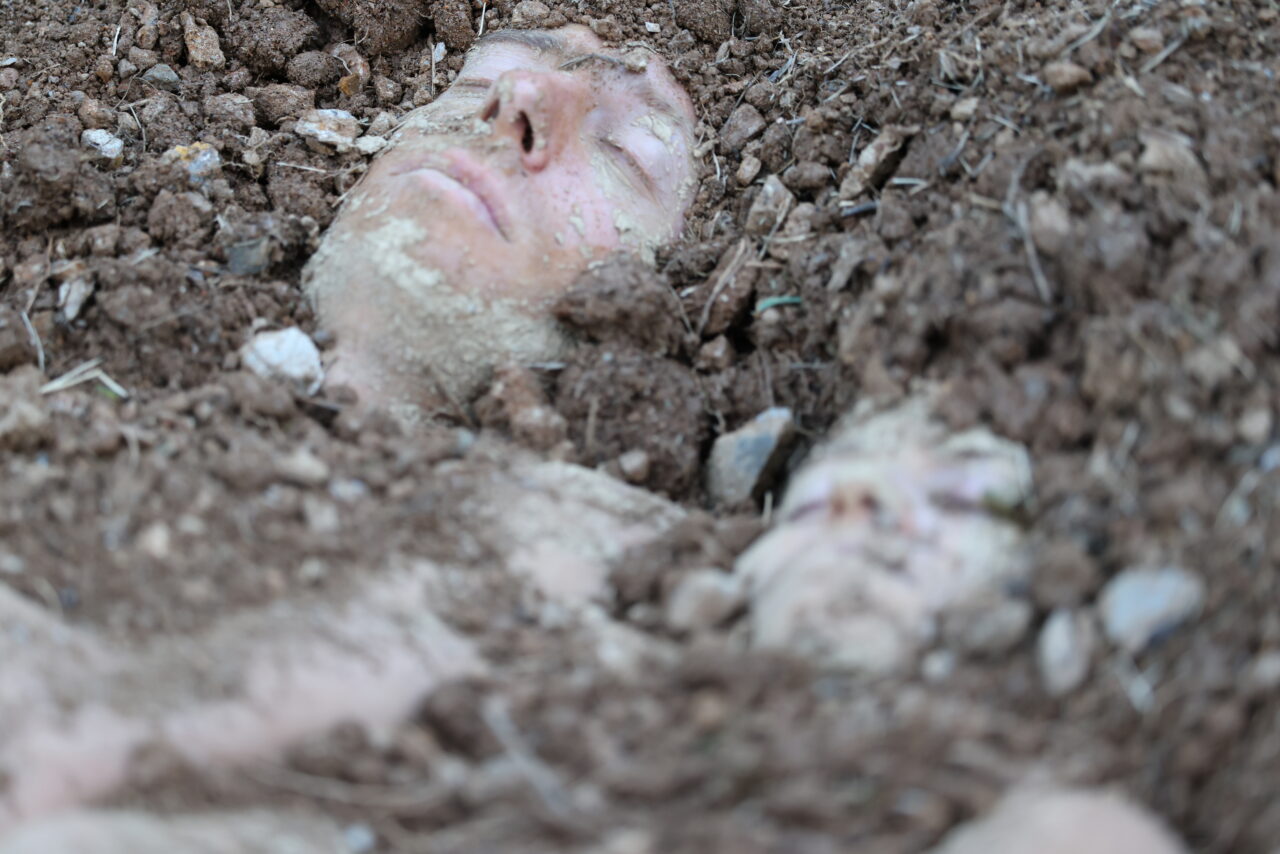
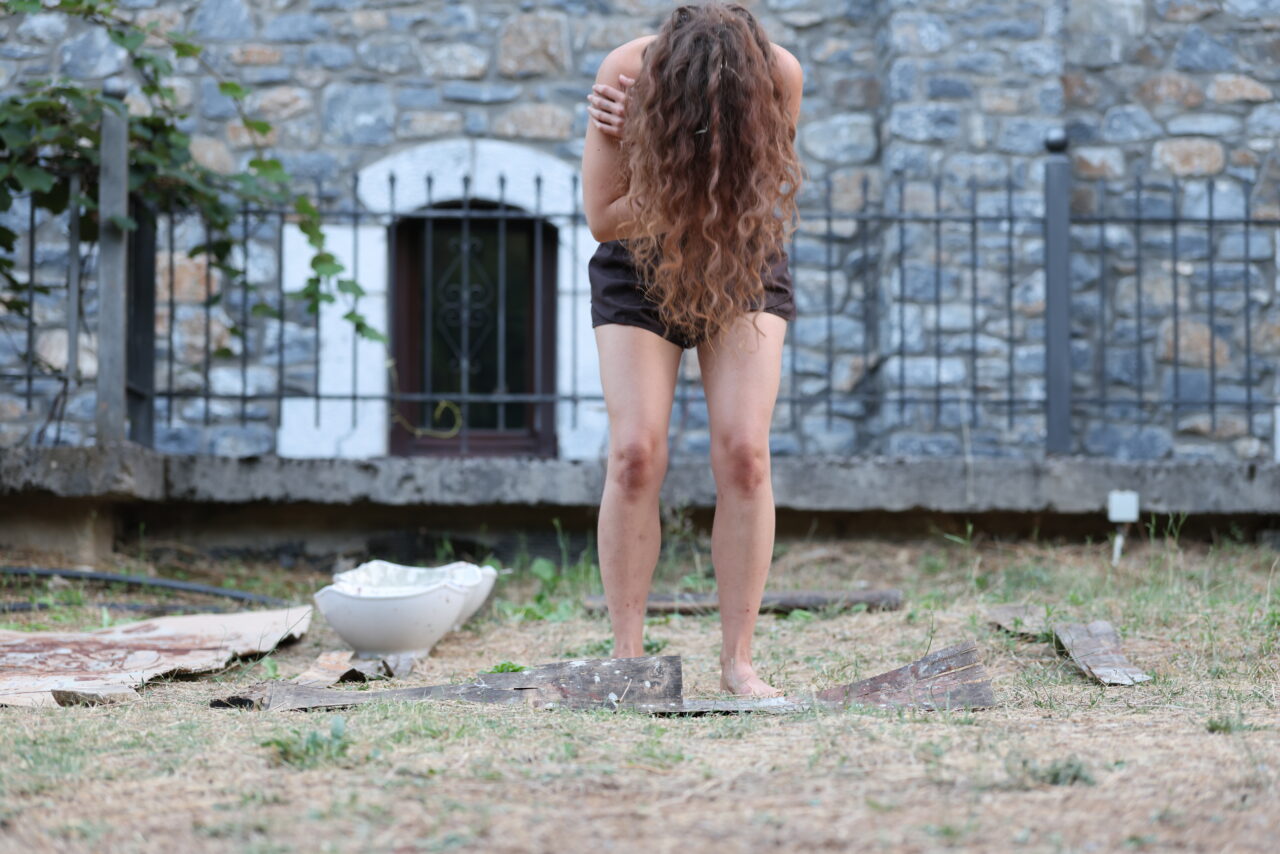
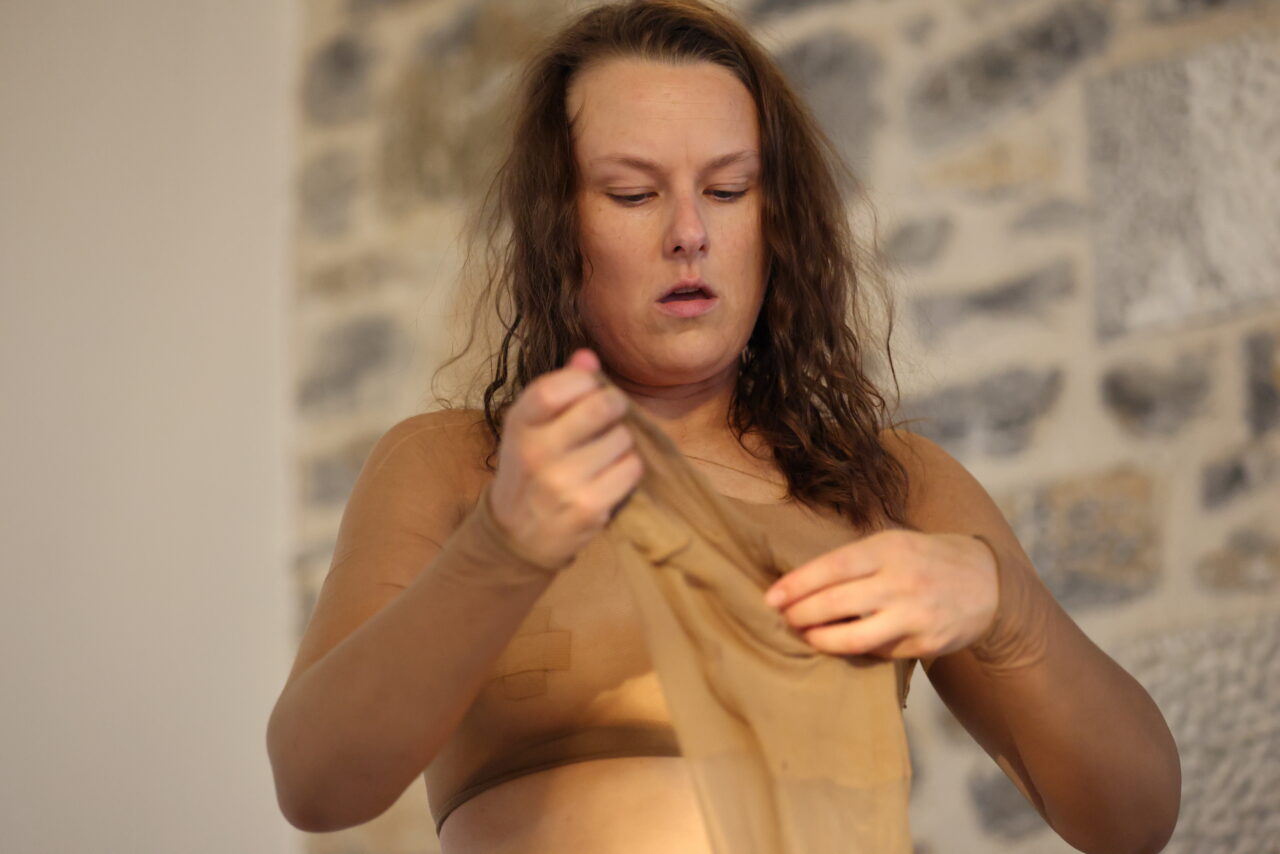
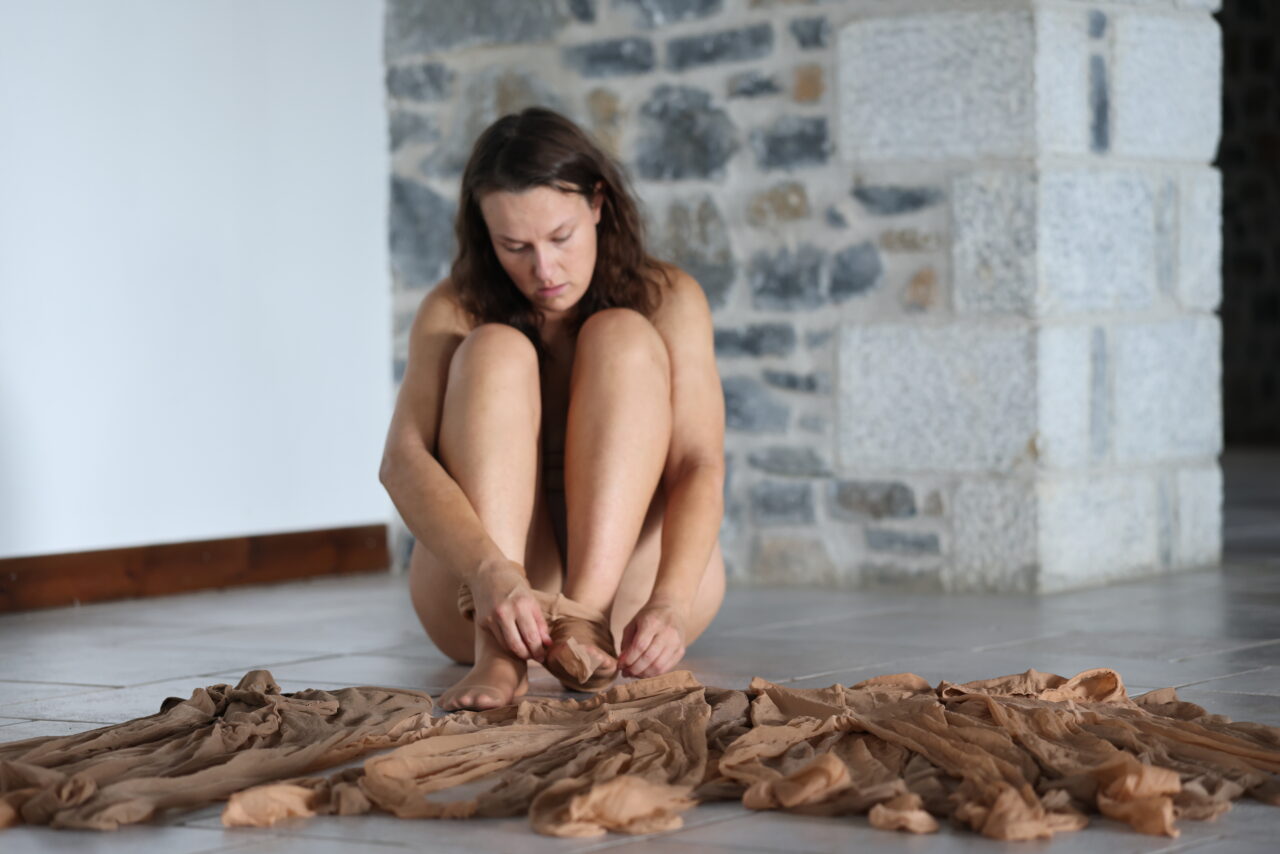
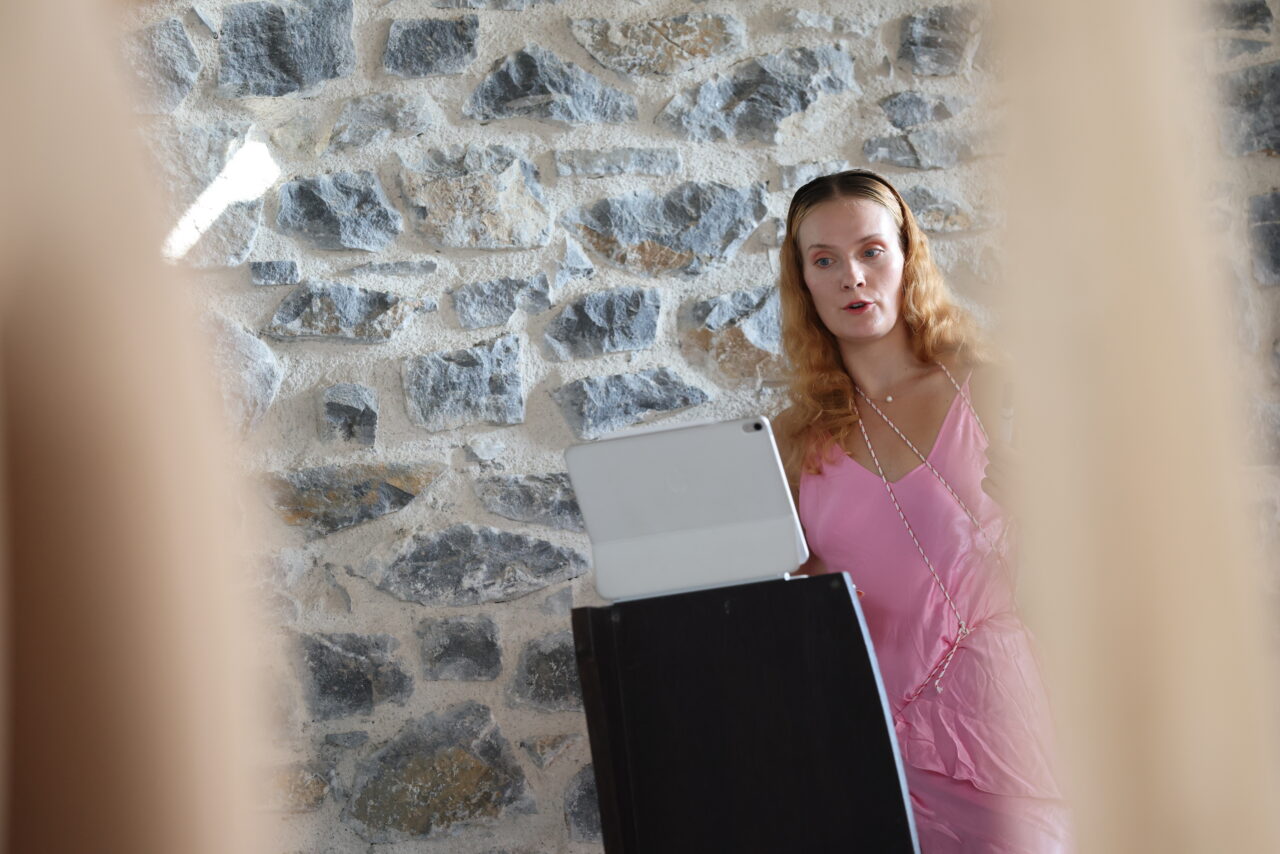
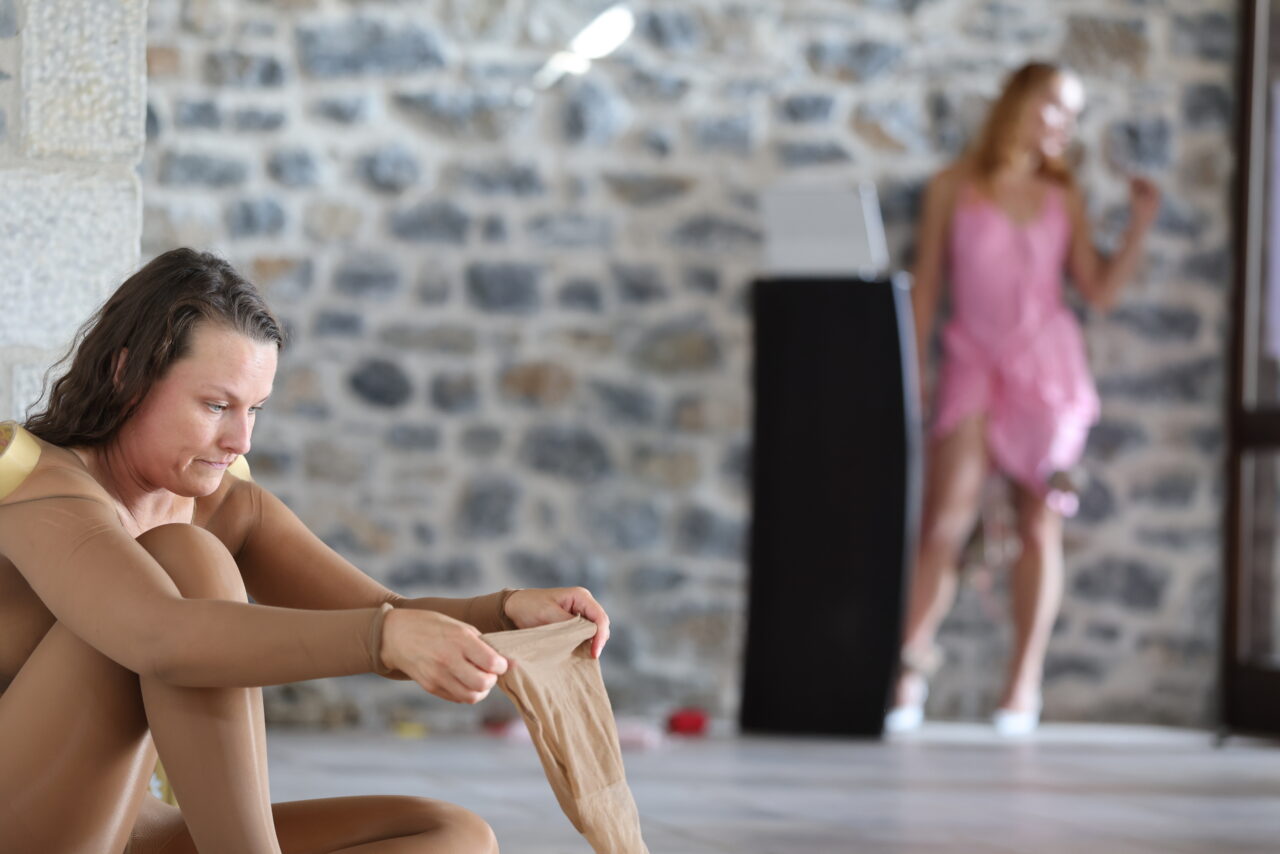
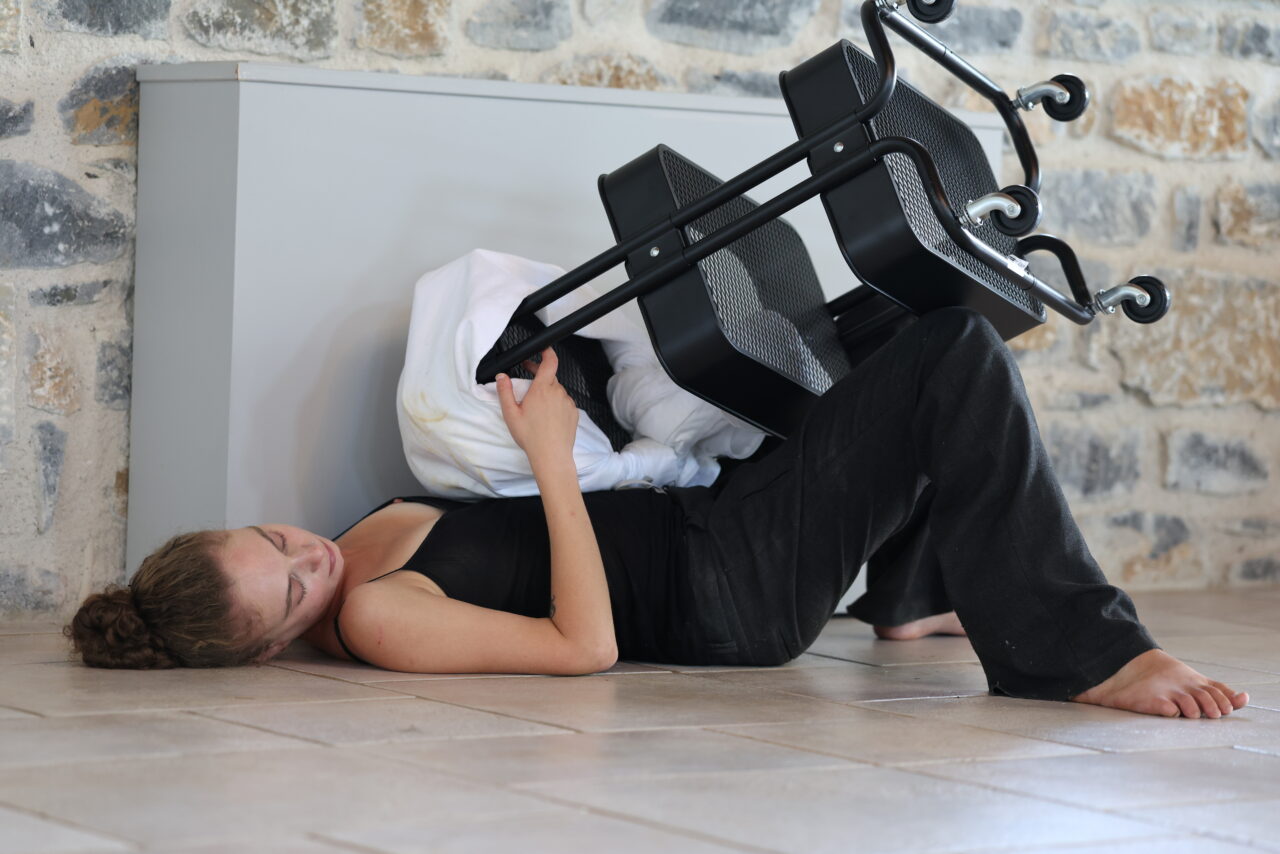
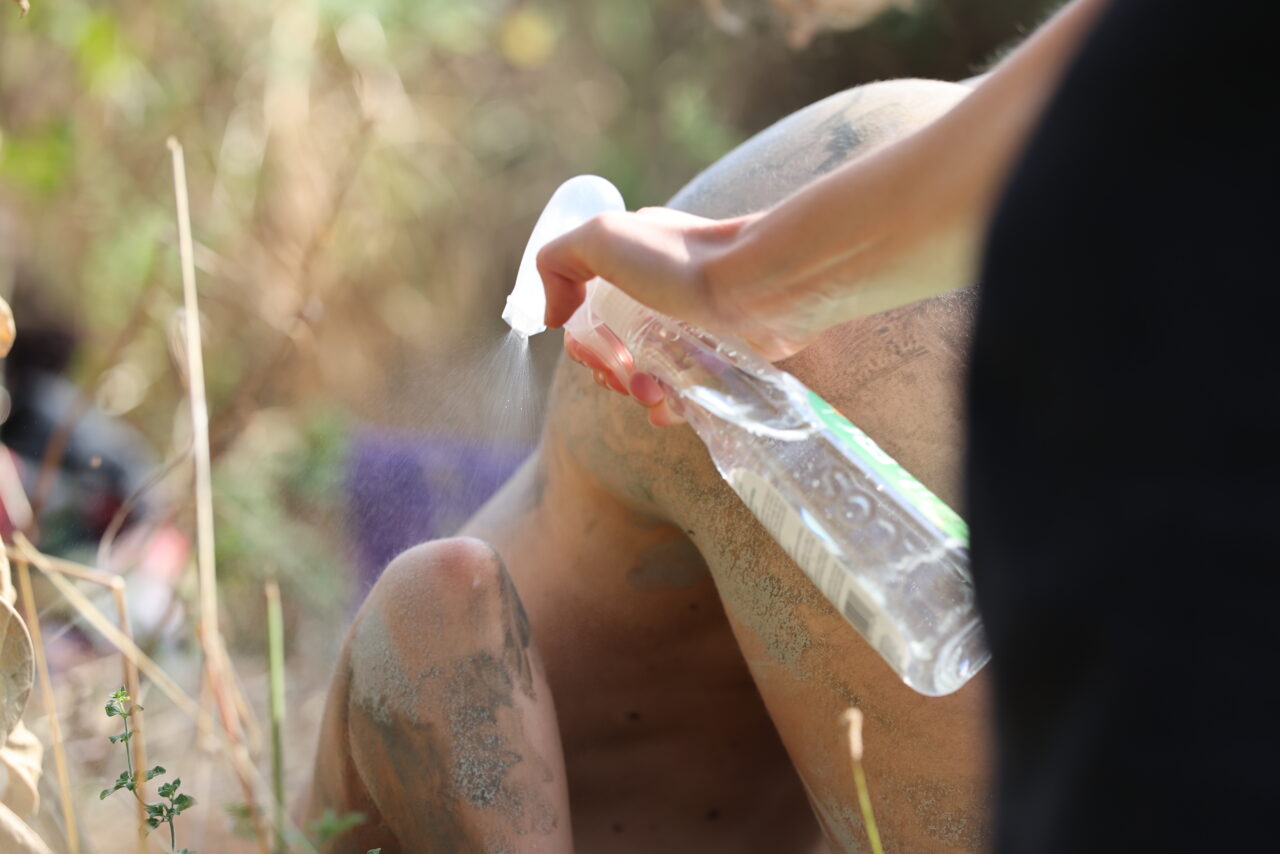
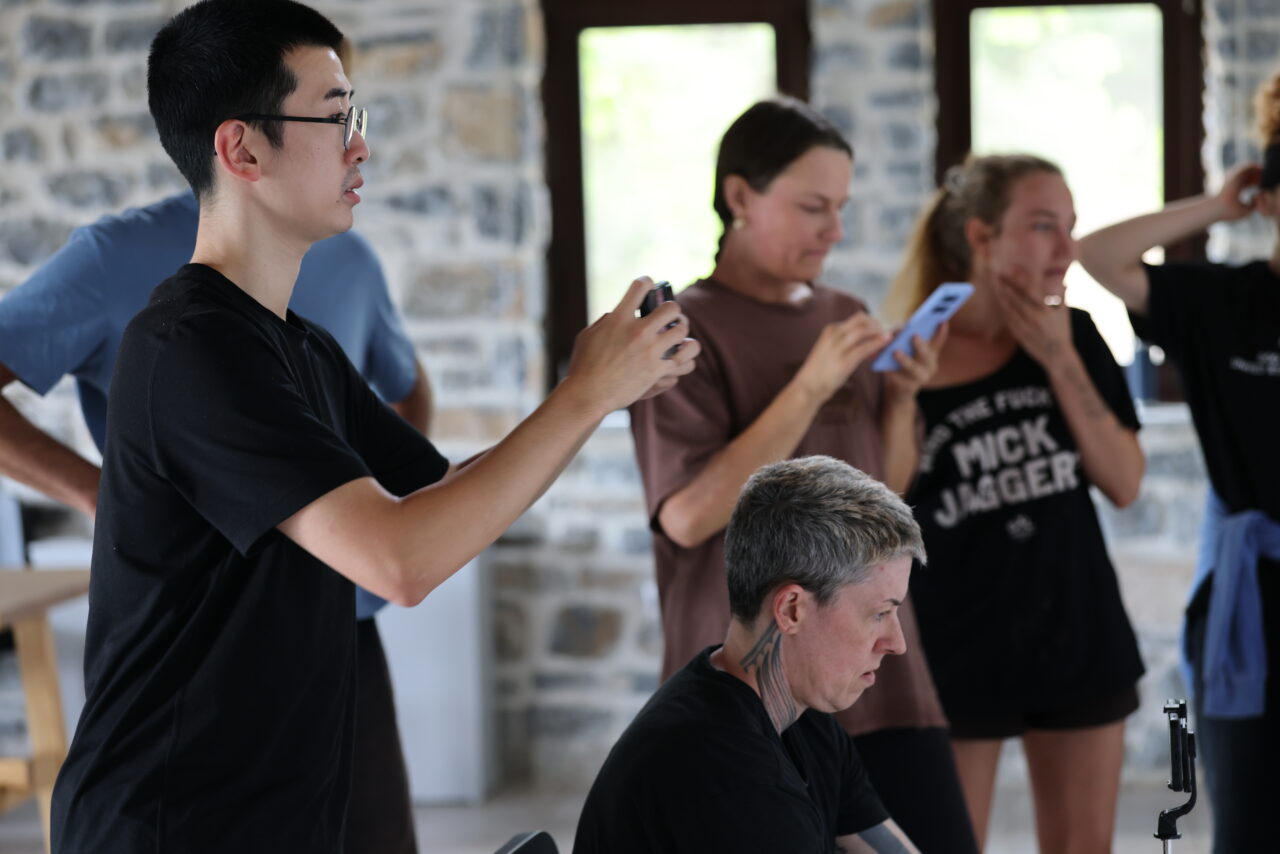
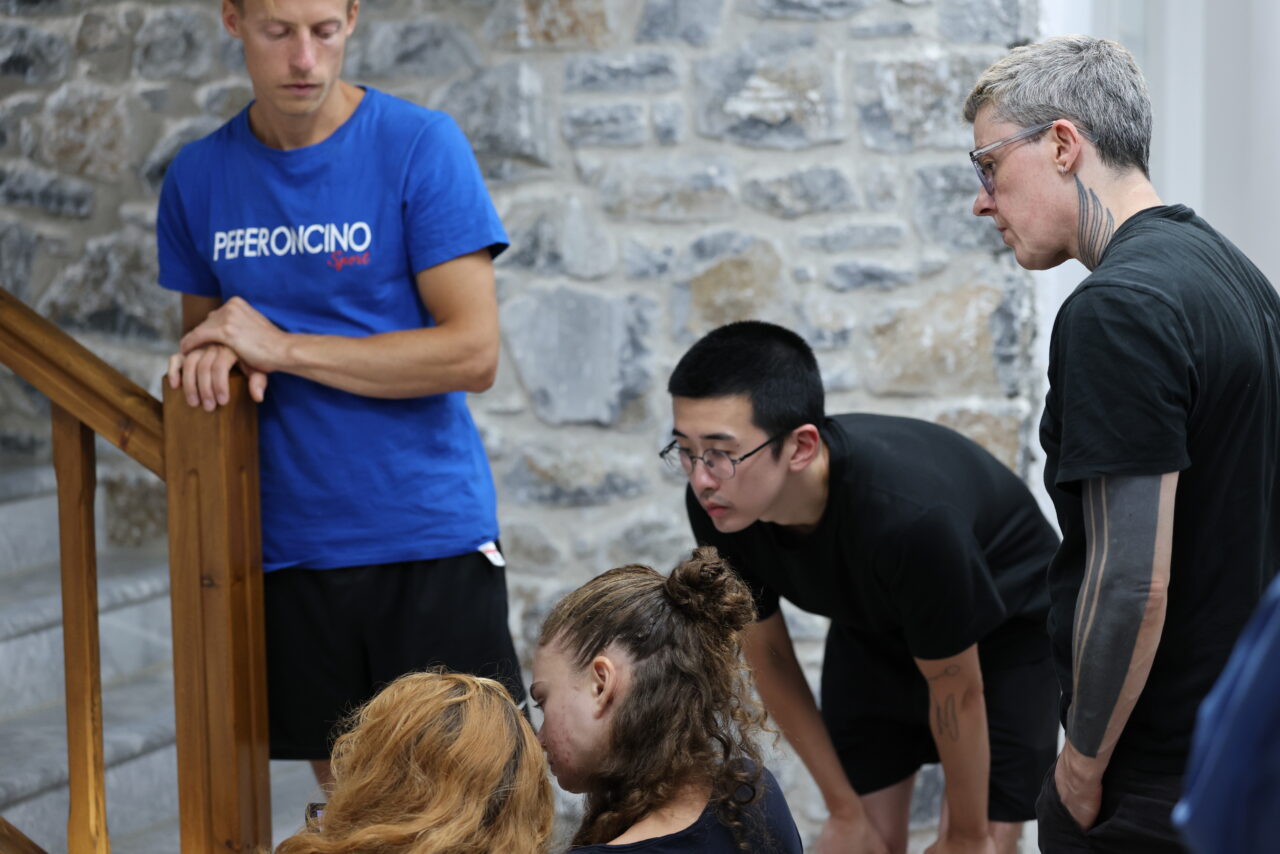
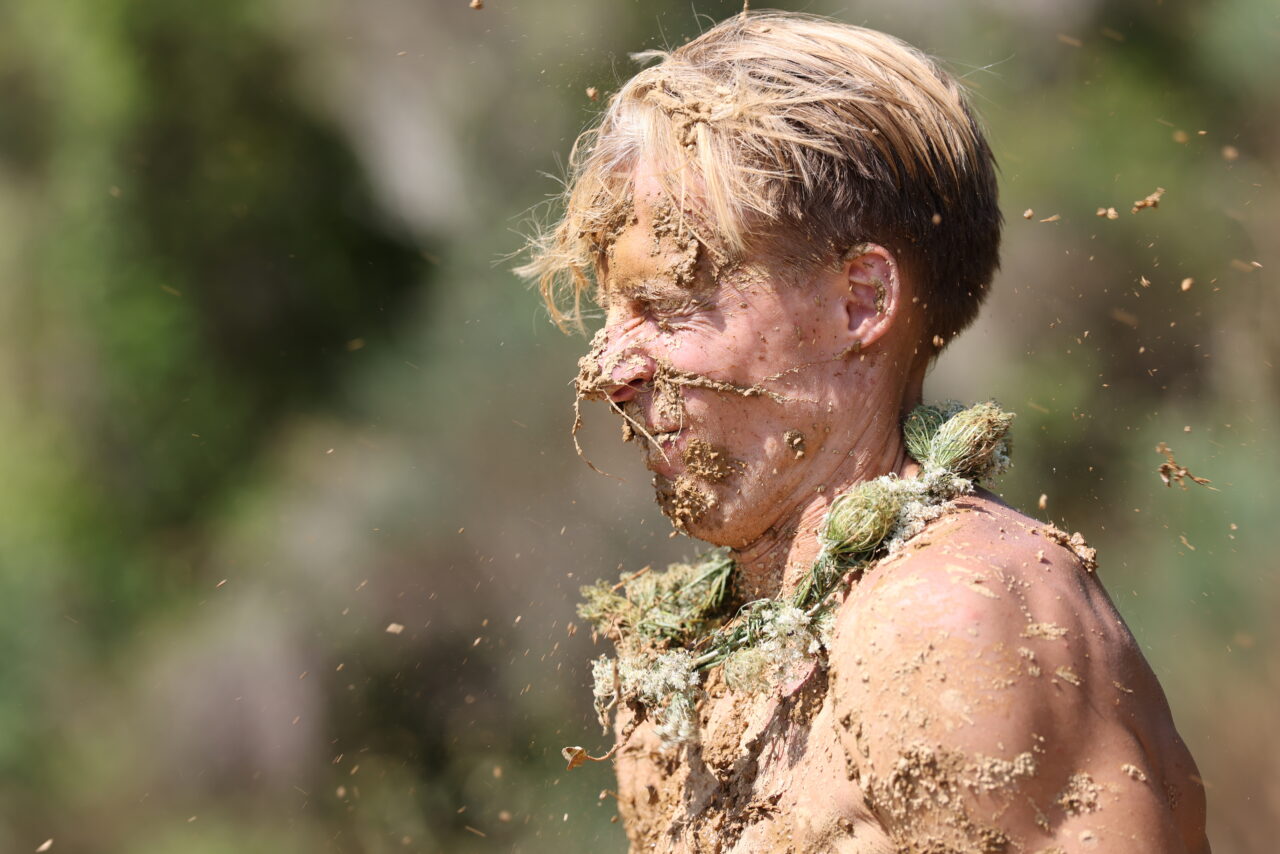
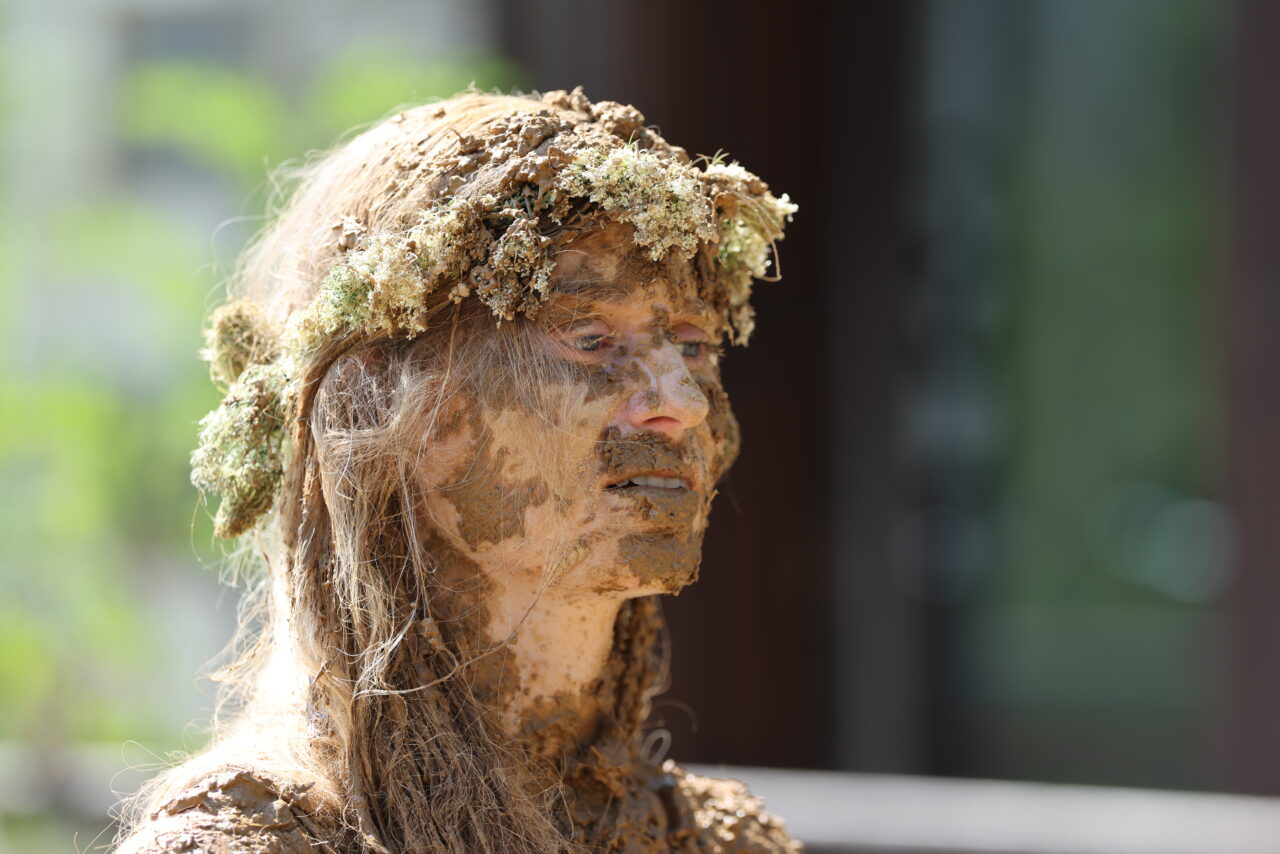
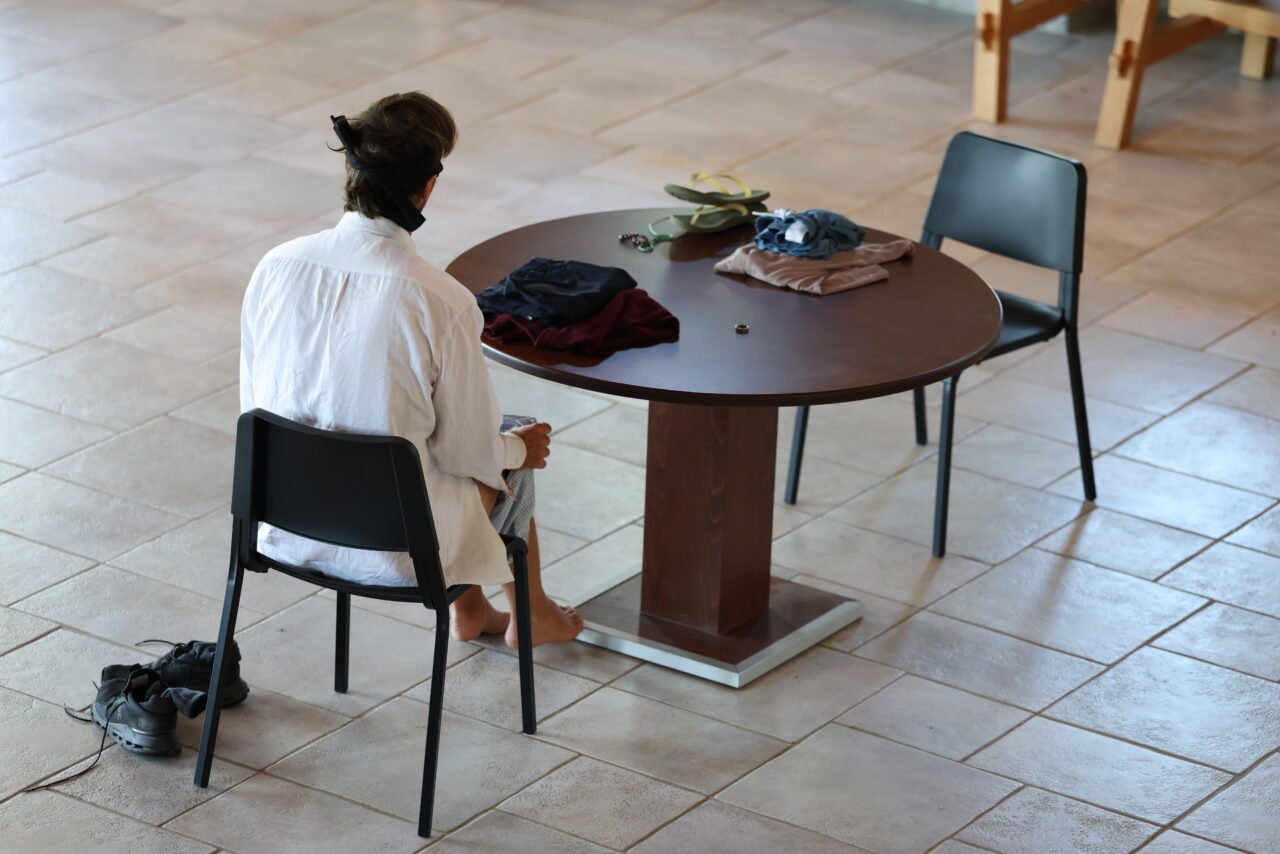
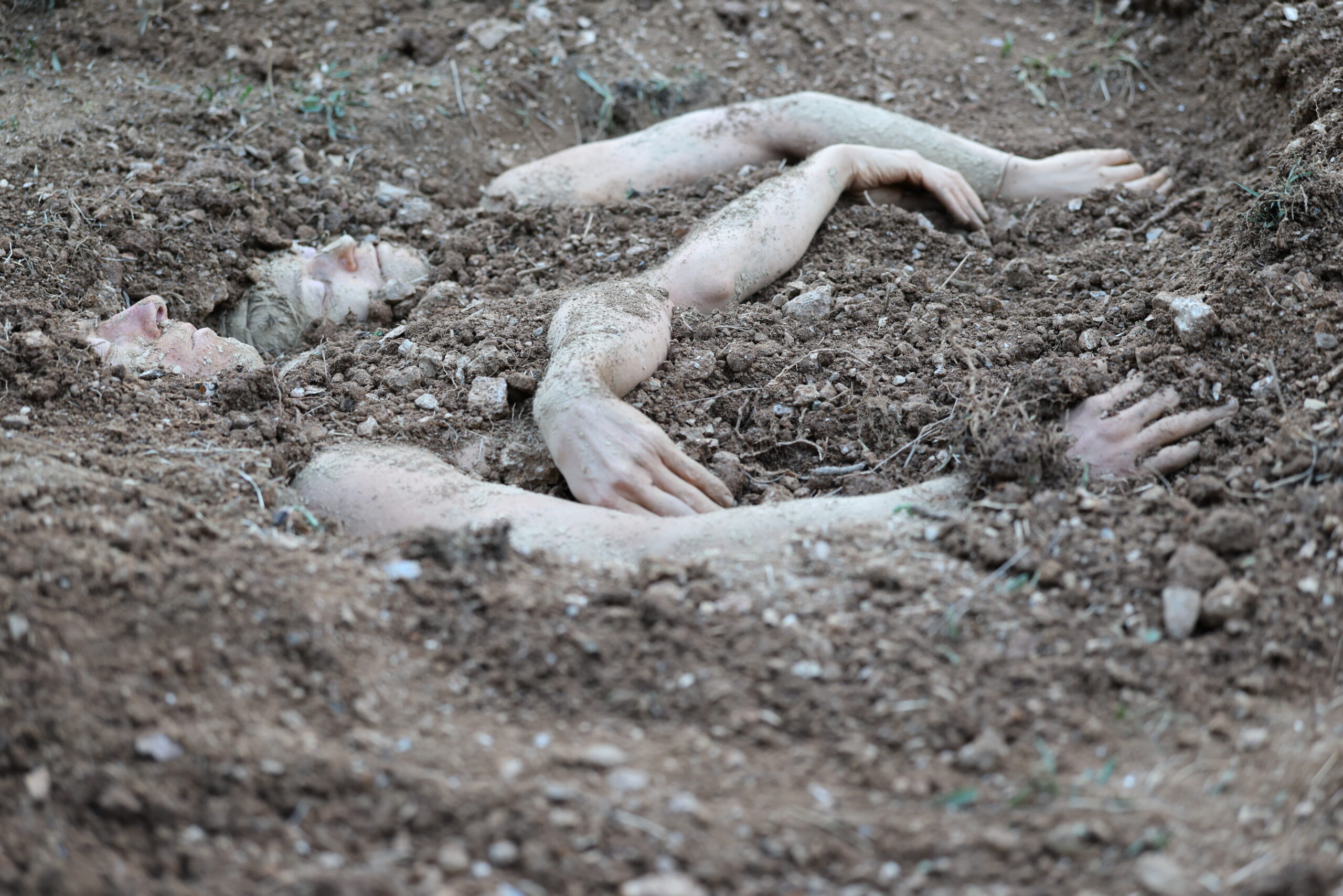
In the third week the cohort performed. Each student made their own work, some of them in pairs. Each work was performed twice, first as a three-hour piece and then as a six-hour one.
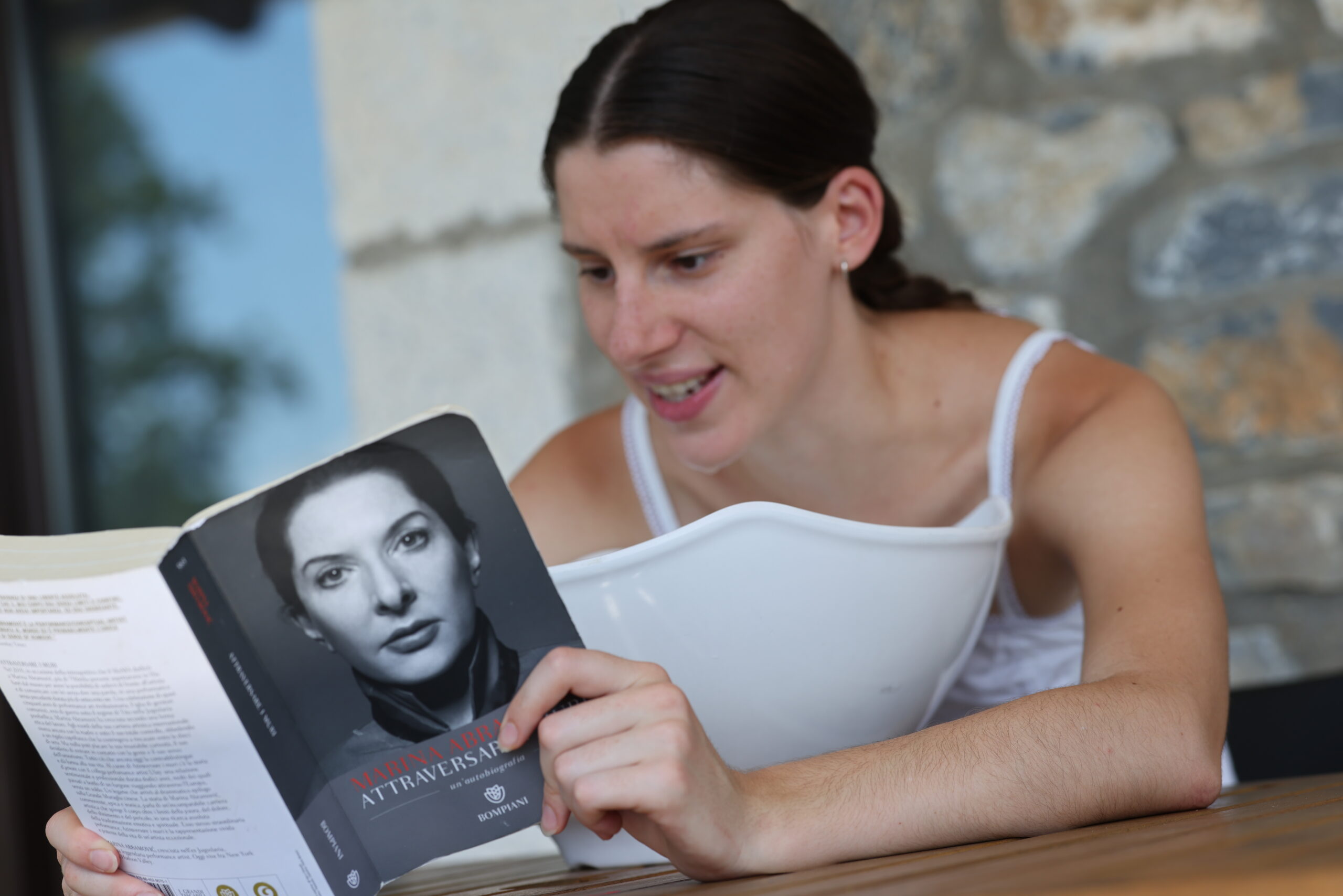
The works had no titles. They were witnessed only by the cohort and the facilitators, and by nobody else. That is a deliberate condition rather than an omission. A showing changes what a performer does. The moment there is a public, there is a temptation to be seen doing it well. Removing the audience removes the last place to hide. What a performer reaches for when the reaching stops working is exactly what the Method is designed to expose, and six hours is long enough to run out of strategies.
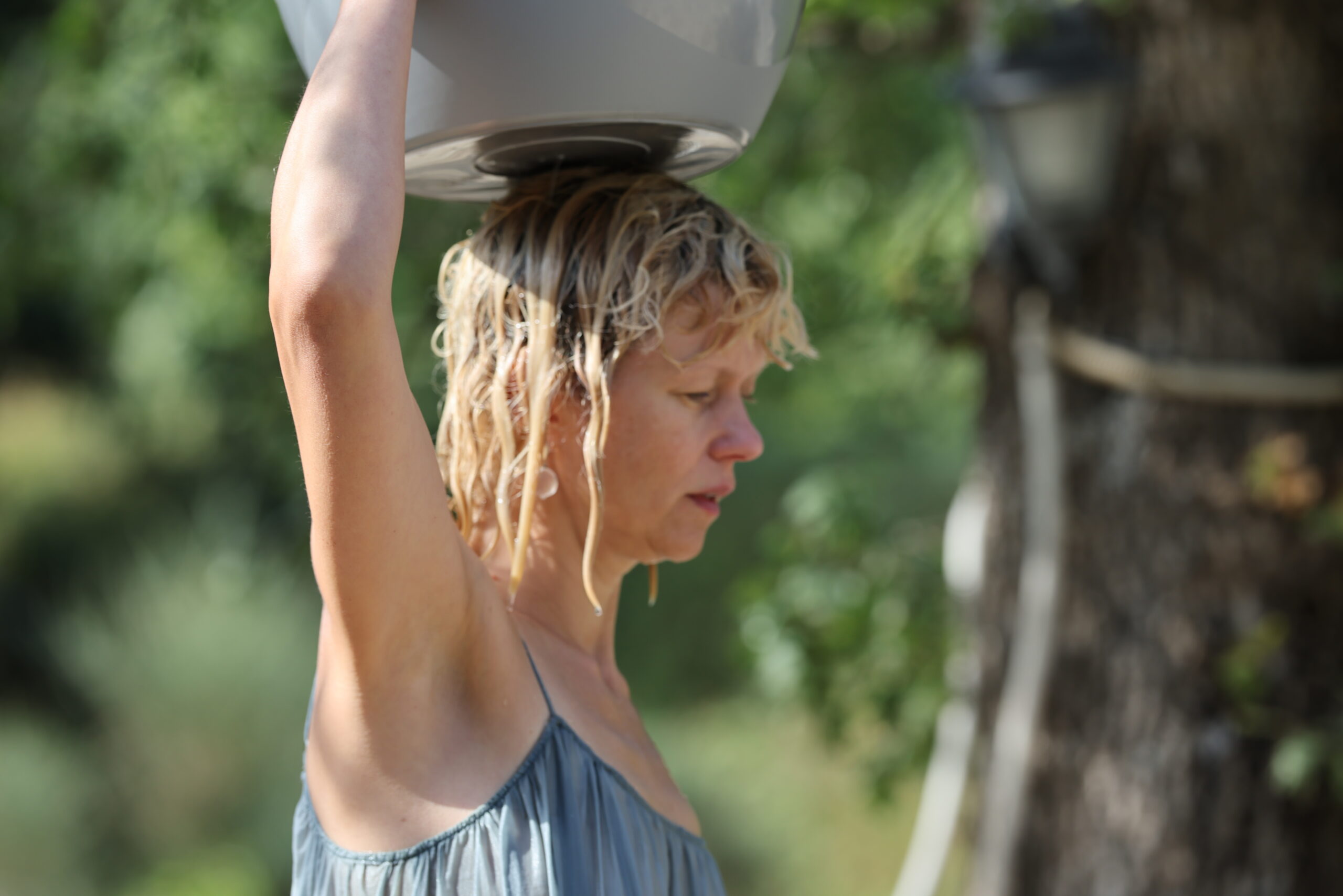
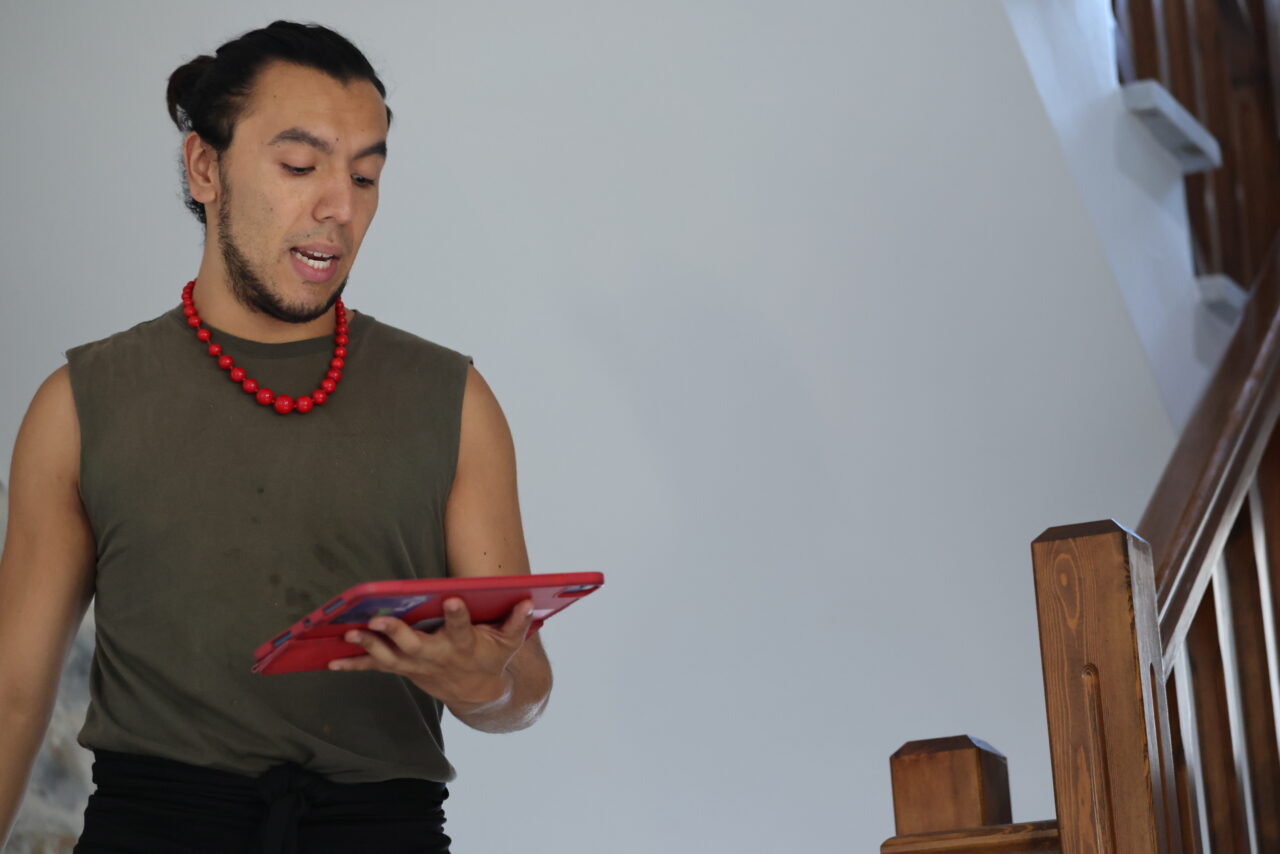
One of the fourteen, Dita Lūriņa, described what it was like on the far side of that.
CPPM 2025-27
Six hours is also, as it happens, the length of Rhythm 0. The scale this tradition is built for runs a great deal further than that. The Artist Is Present, at MoMA in 2010, lasted for the museum’s entire opening hours across three months. That came to 736 hours and thirty minutes. Abramović sat silently at a table and visitors sat down opposite her, one at a time. No speaking, no touching. Four years later at the Serpentine, 512 Hours made the exercises themselves the exhibition. Visitors in noise-cancelling headphones counted rice and lentils, walked in slow motion and stood facing a wall, guided by eighty-four facilitators trained for the purpose. Those are the direct ancestors of what the cohort did in Karyes, which is worth knowing when the description makes it sound as though nothing much is happening.
The three artists in the room
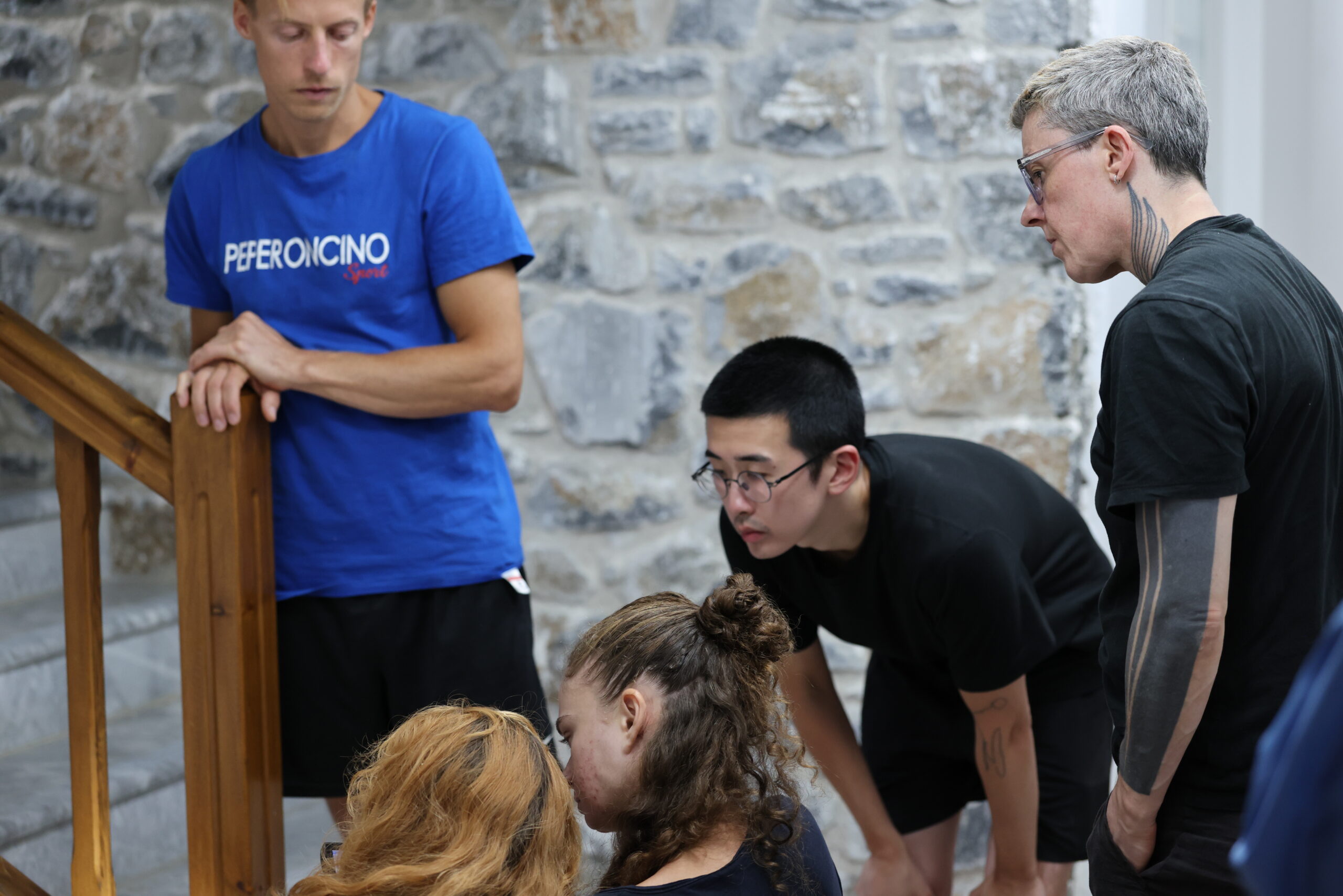
Alongside the practice ran a parallel course of lectures on performance art and on the body in performance. The three MAI artists leading the residency gave them together: Thanos Argyropoulos, Paula Garcia and Billy Zhao.
Argyropoulos directs the Institute. He has run it through its takeover years, from Athens with NEON in 2016 to London and Adelaide, and he is the person who turns a founder’s idea into a building, a budget and a programme, Karyes included. Garcia is a Brazilian performance artist and a curator at the Institute. She is known for the Noise Body series, in which she wears an iron armour fitted with magnets. Collaborators throw nails and iron scrap at her until she can no longer stand under the weight. She is, in other words, a person with unusual authority on what it means to keep a rule when it hurts. Zhao is a writer, researcher and curator of performance at the Institute. He was teaching assistant to Marina Abramović during her Pina Bausch Professorship at the Folkwang University of the Arts, where the two of them made an interdisciplinary performance lab with conservatoire students not unlike these ones.
Argyropoulos
Marina Abramović Institute
Garcia
Curator, MAI
Zhao
Durational director, Balkan Erotic Epic
Marina Abramović, on a screen from Germany
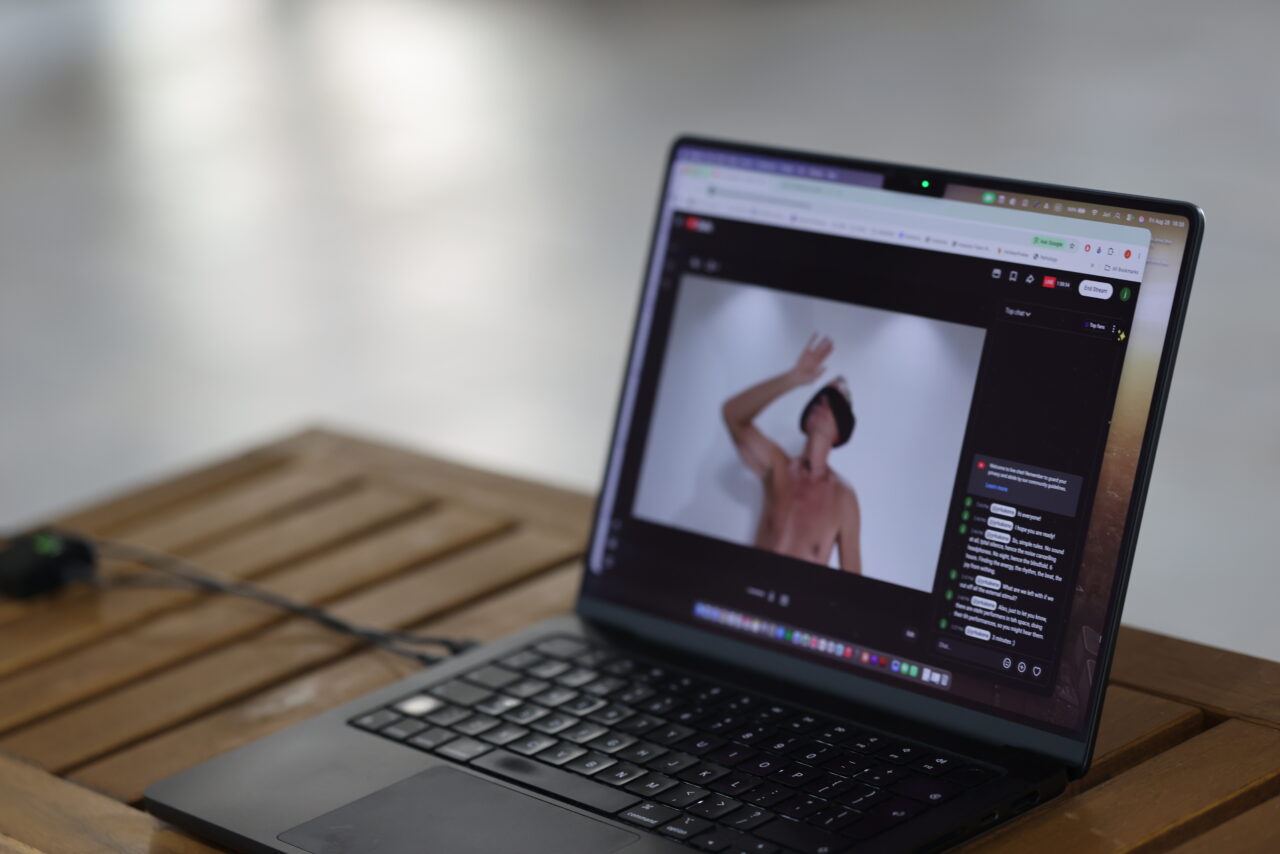
Abramović founded the Institute and did not teach the residency, which is how the Method has always been transmitted, through facilitators she has trained. She did, however, appear to the cohort by video from Germany, where she was opening Balkan Erotic Epic at the Ruhrtriennale.
That work is a four-hour piece in thirteen scenes drawn from Balkan rituals, legends and beliefs, staged in the Kraftzentrale of the Landschaftspark Duisburg-Nord from 3 to 11 September. Its durational performance director is Billy Zhao. The artist teaching fourteen students how to hold a six-hour work in a room in Karyes was, in the same fortnight, holding a four-hour one in a decommissioned power plant in the Ruhr. The scale changes. The problem does not. And it is not every residency whose founder dials in from her own premiere.
Inside the Marina Abramović Institute
The Marina Abramović Institute presents and supports performance art internationally, with a focus on long-durational work, and has been based in Greece since 2023. Its takeover projects have occupied some of the largest cultural buildings in the world. Among them are São Paulo in 2015, Athens with NEON at the Benaki Museum in 2016, London’s Southbank Centre in 2023 and Adelaide in 2024.
The Method itself was not designed as a wellness practice. Abramović developed it across five decades of teaching, for a strictly practical reason. Her own performers could not survive her work without it. The pieces described above sit at one end of what that means. So does the Great Wall Walk of 1988. She and Ulay set out from opposite ends of the Great Wall of China, walked for three months, met in the middle and parted. This is work measured in months and in physical risk, and no ordinary training prepares a body for it. What began as preparation for her own company has since been opened to anyone.
Marina Abramović Institute
A letter, a week, an answer.
In 2023 the programme’s leader, Jüri Nael, wrote to Marina Abramović directly, proposing that the two institutions find something to do together. That is the sort of letter most schools never send, and fewer still expect an answer to. A week later she answered by inviting the CPPM team and the Institute’s founding members onto a video call, and the two sides spent it trading ideas about what a collaboration might actually be.
What they first discussed was a one-week workshop. It grew into a four-week residency because both sides simply got too excited about the collaboration to stop at a week. And the extra weeks mattered for the same reason the residency took the shape described above. A week is enough to introduce the Abramović Method. It is nowhere near enough for a student to find out what durational performance really asks, to arrive at a protocol of their own, and then to discover whether they have the discipline to hold to it. Four weeks was. That is how a month at the Institute came about, recognised as part of the students’ degree.
In its final week the residency turned from the Method towards what comes after it. On 6 September the cohort left the Institute and every one of them flew home, to begin preparing their final projects.
It began, as it would end three years later, with Marina Abramović on a screen.
guest weeks03Venice
audio walks04Athens
Physical Lab05Karyes
MAI06Four months
to follow
Read more about the CPPM programme →
Gallery
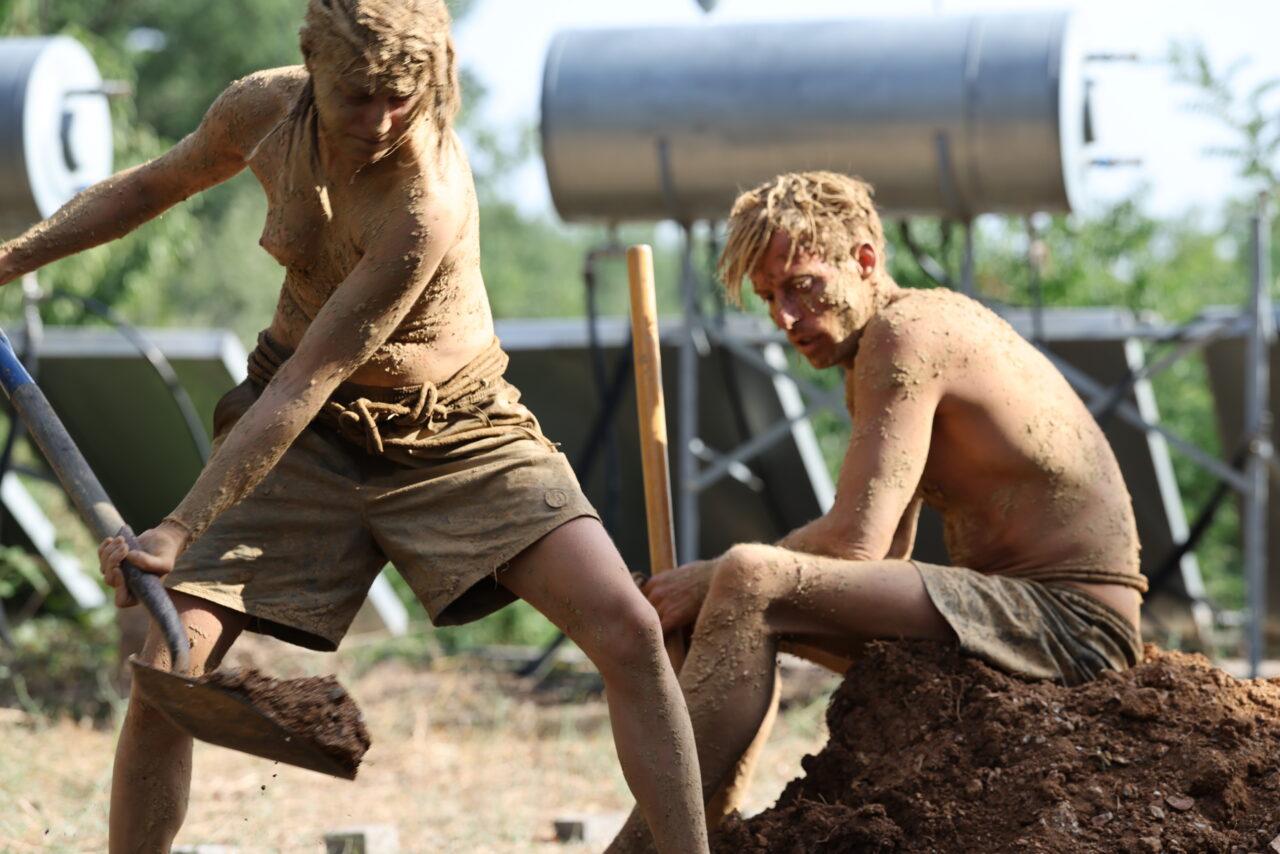
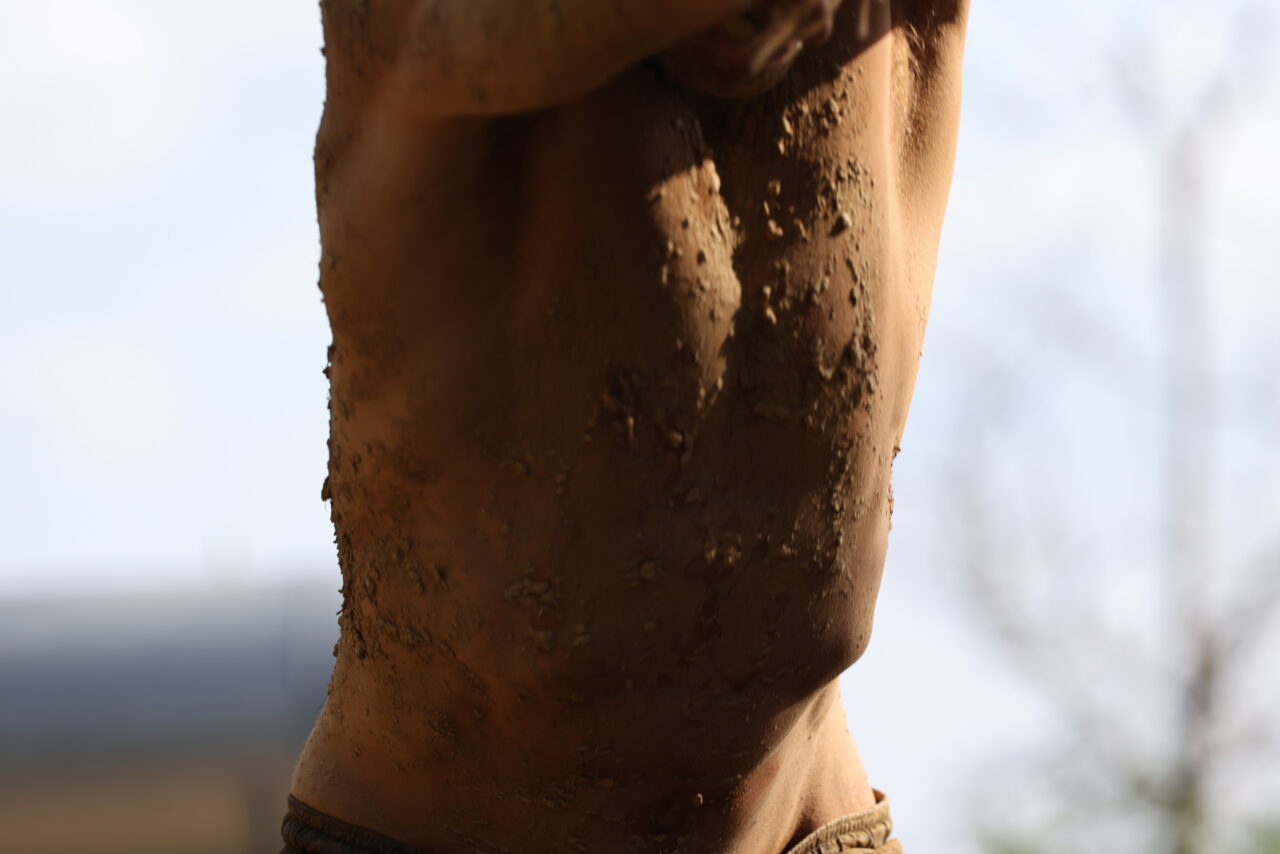
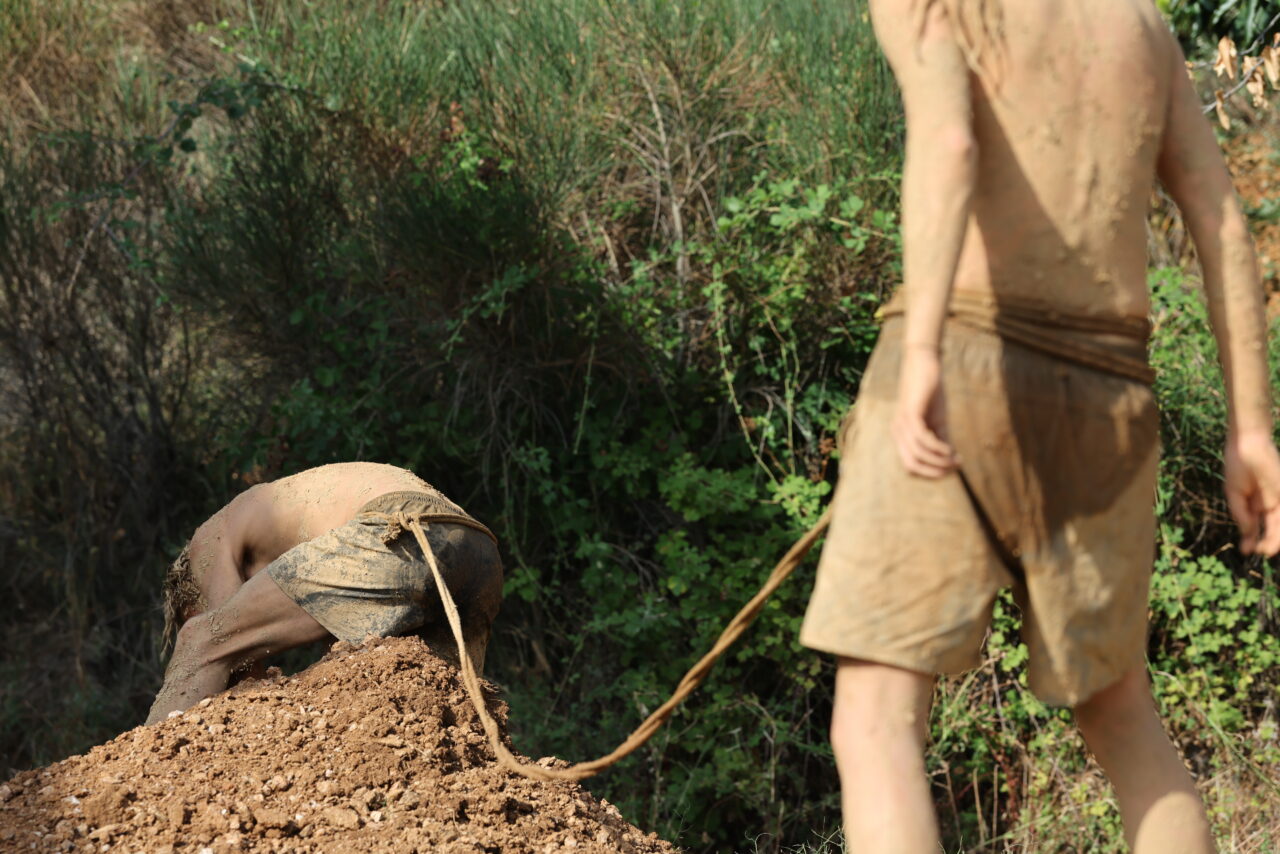
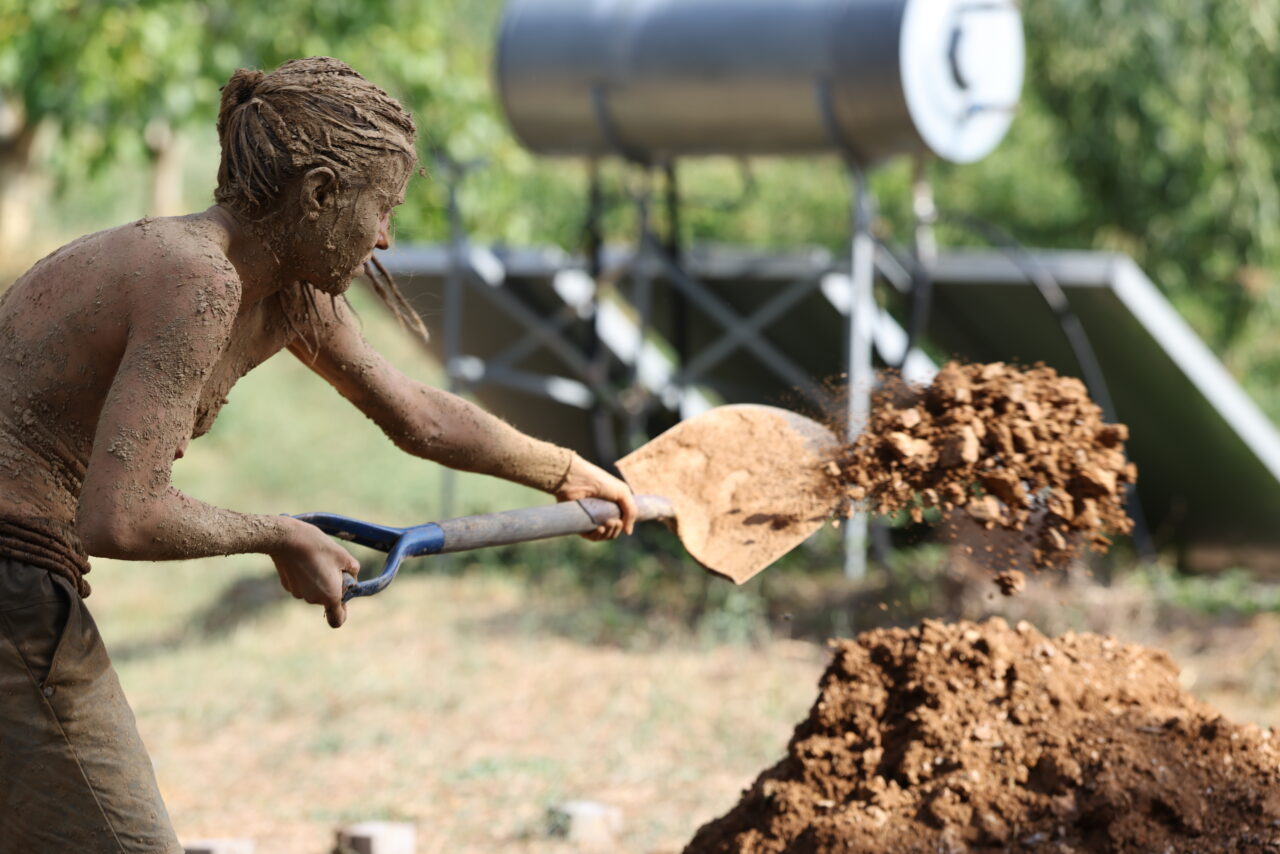
photos Jüri Nael and Daniel Ortiz Amézquita