CPPM ends its four-month traineeship in Italy and Greece
16. Sep 2026
10 May – 6 September 2026
Italy and Greece
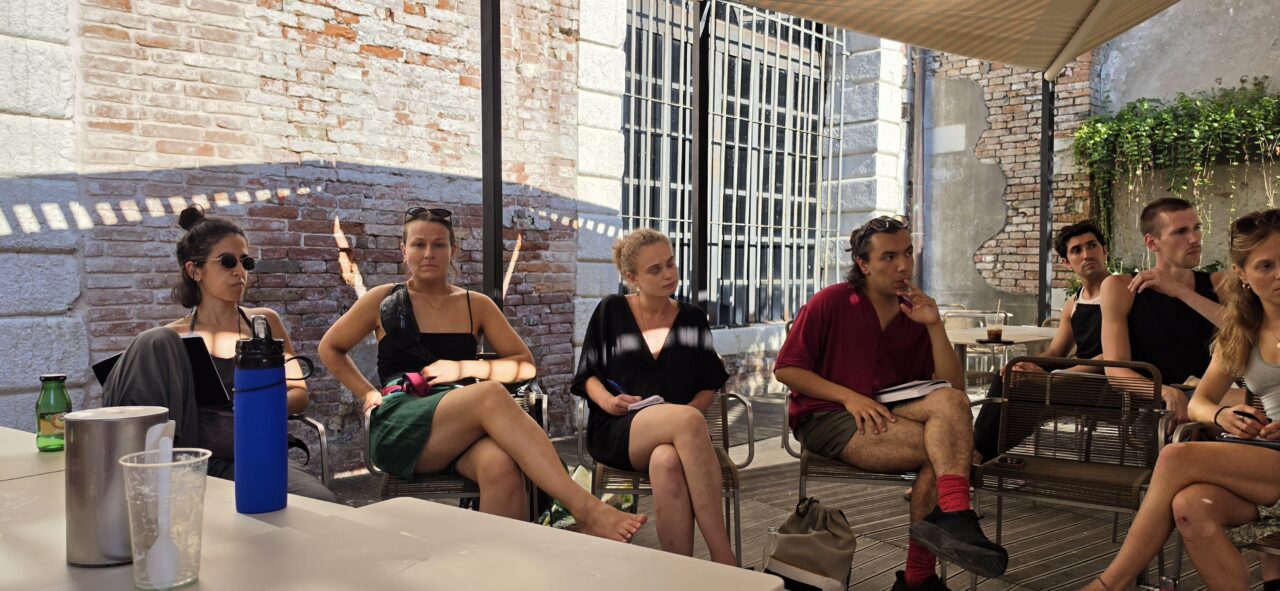
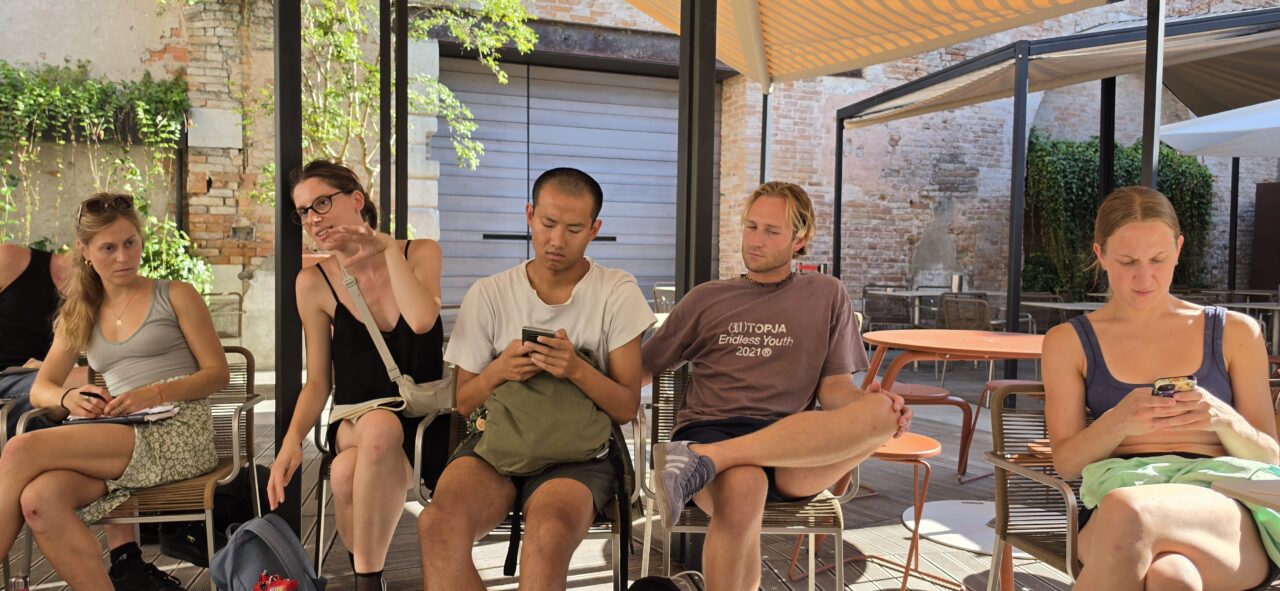
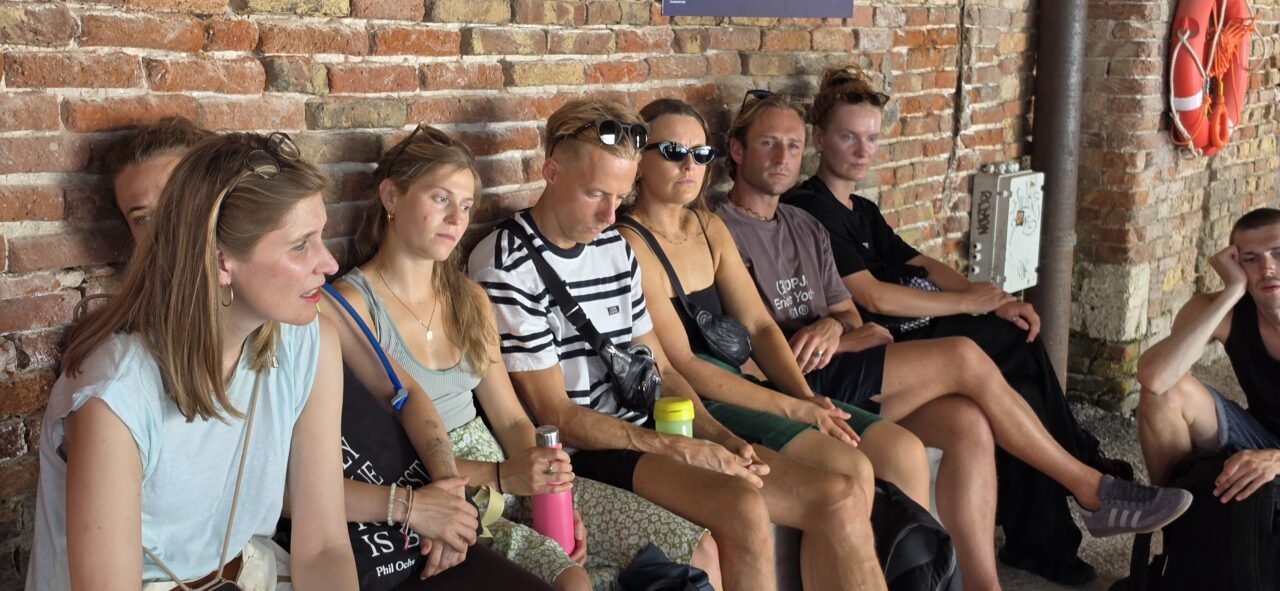
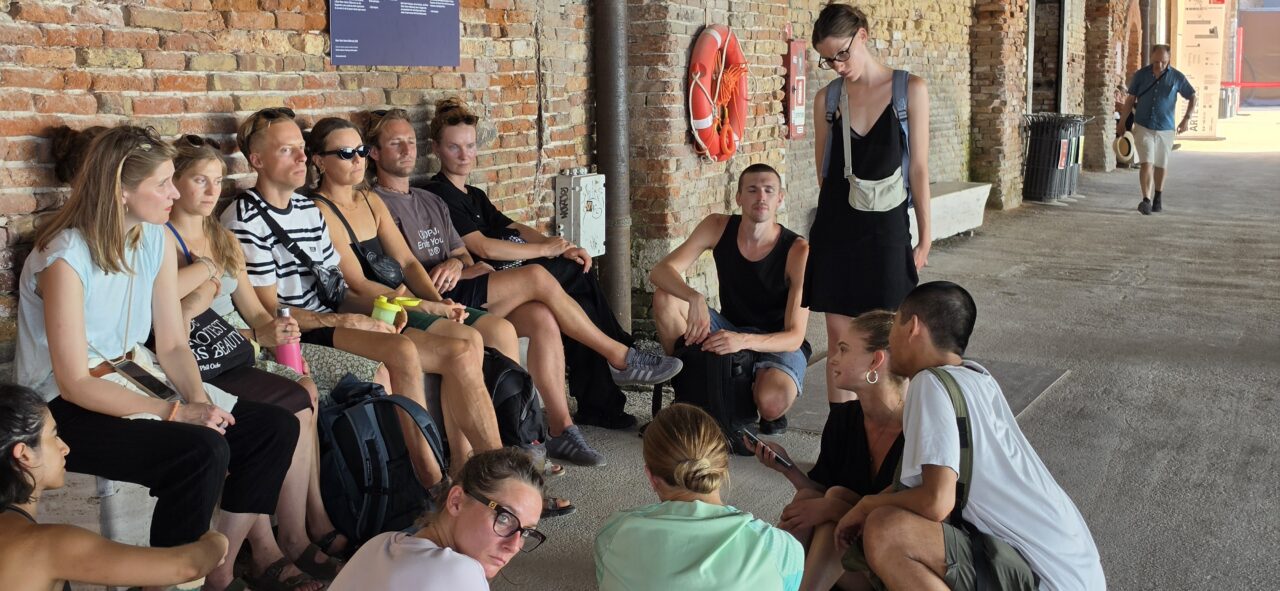
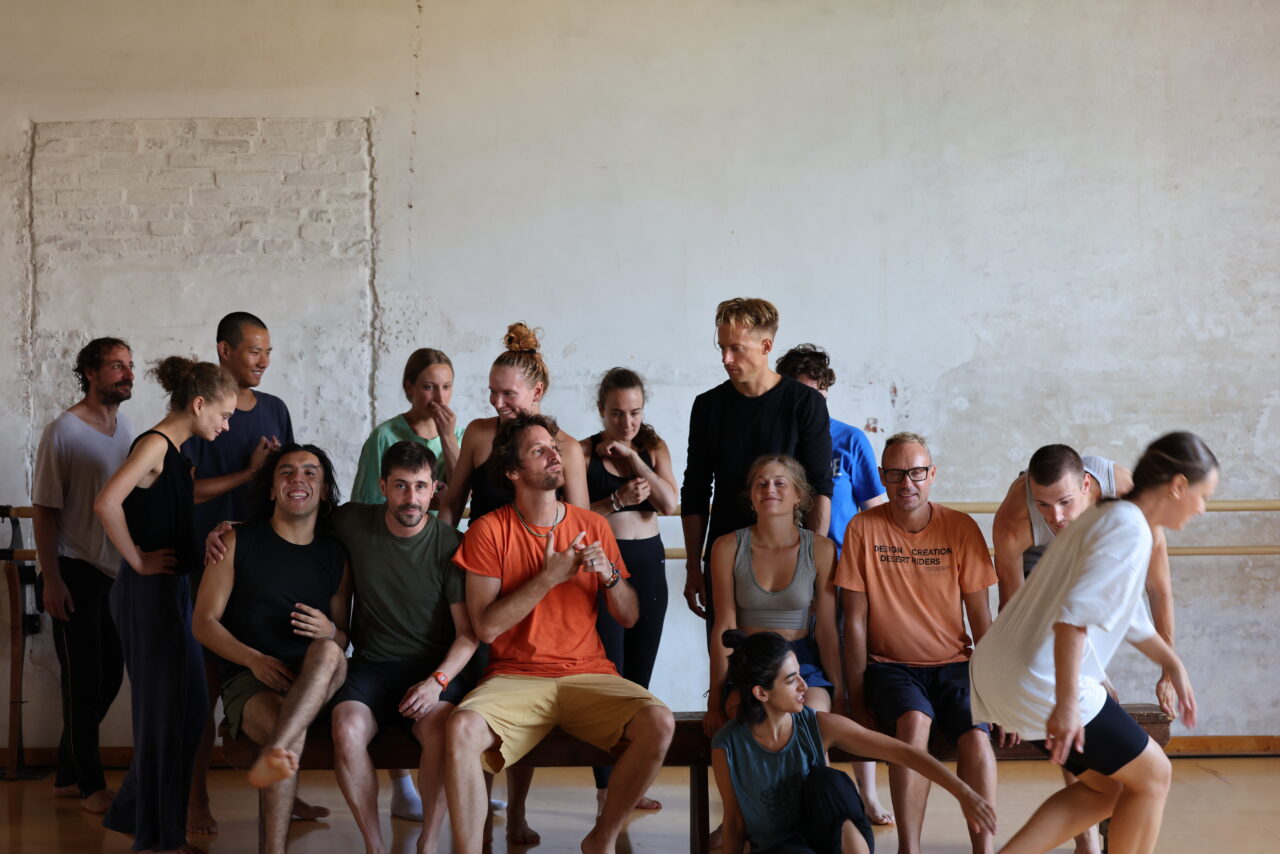
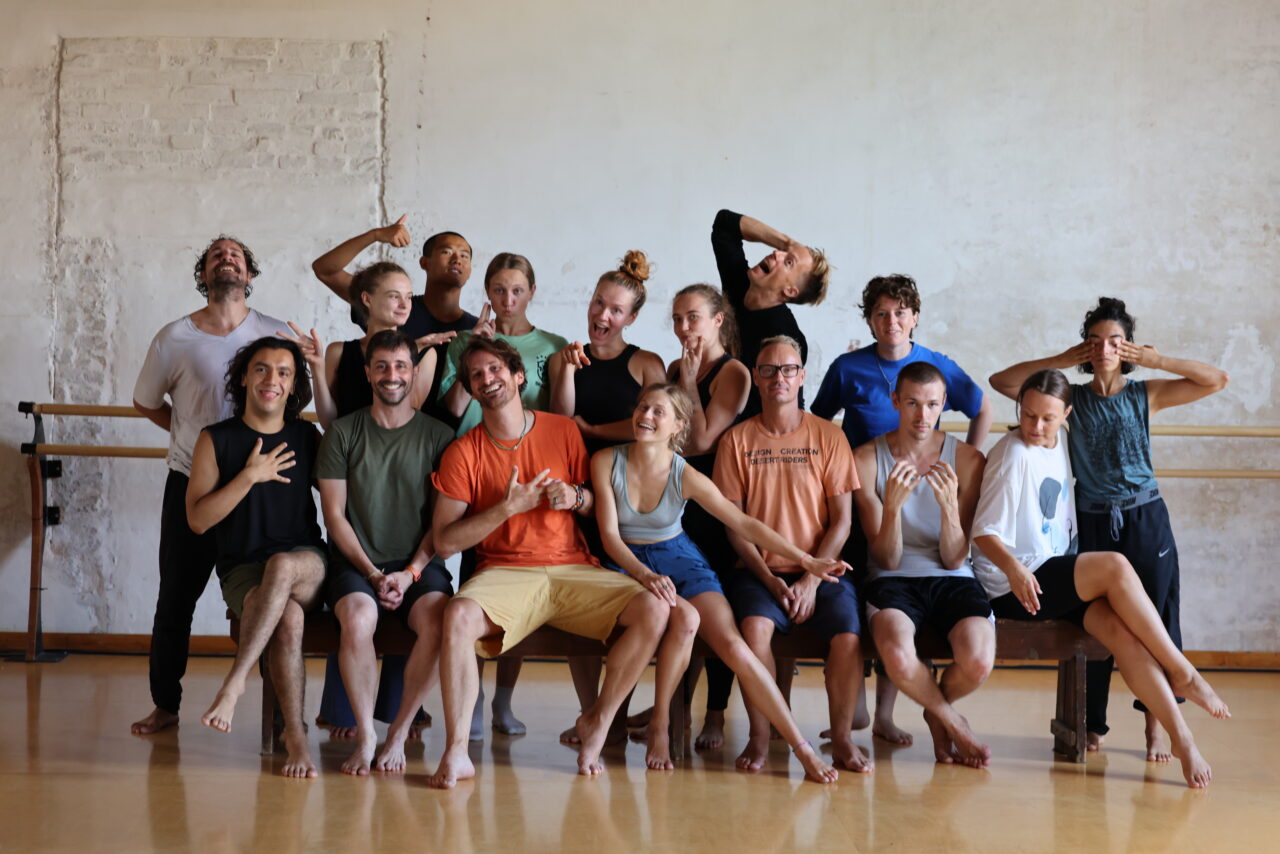
Fourteen CPPM students spent four months on the road. On 6 September they left the Marina Abramović Institute and every one of them flew home, and not to rest. They flew home to begin preparing their final projects, with a year of work in front of them and most of it already decided while they were away.
By Jüri Nael
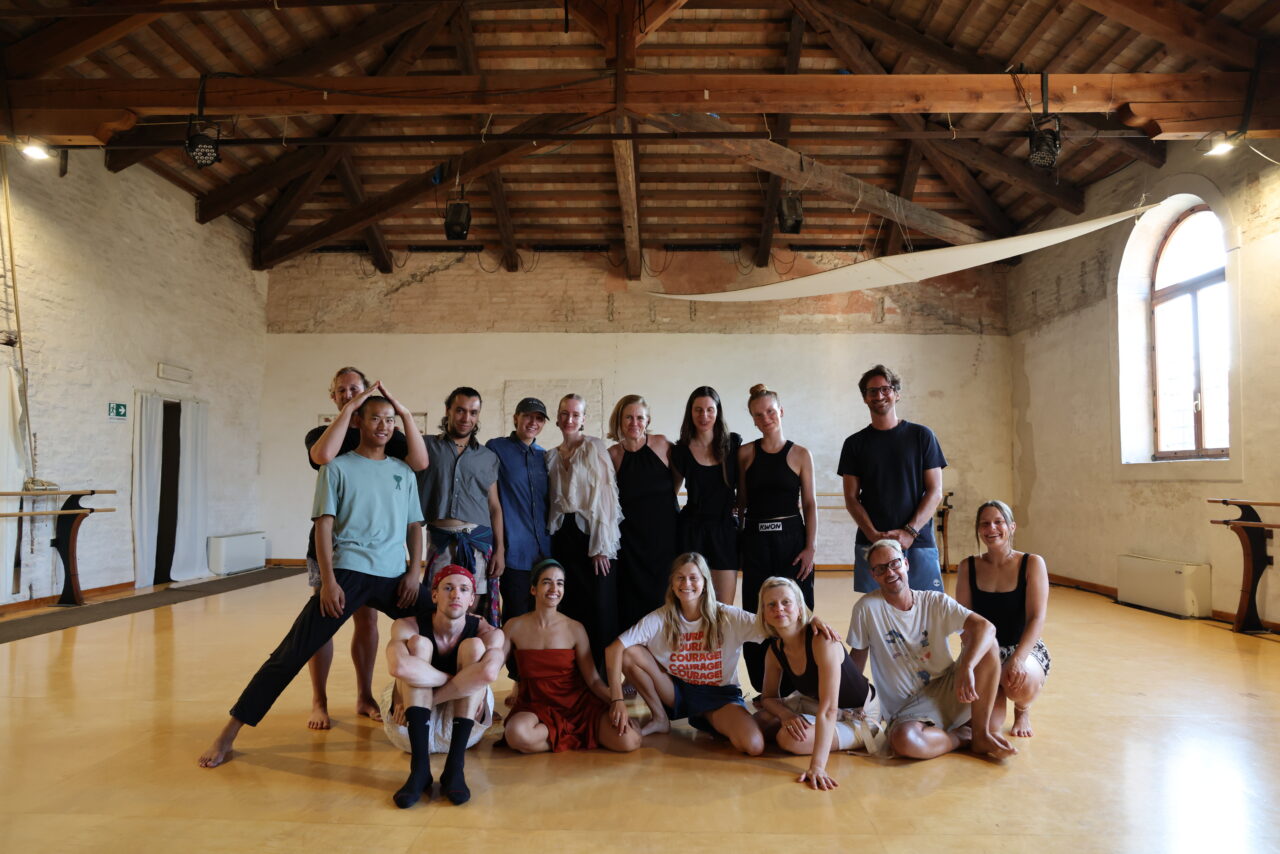
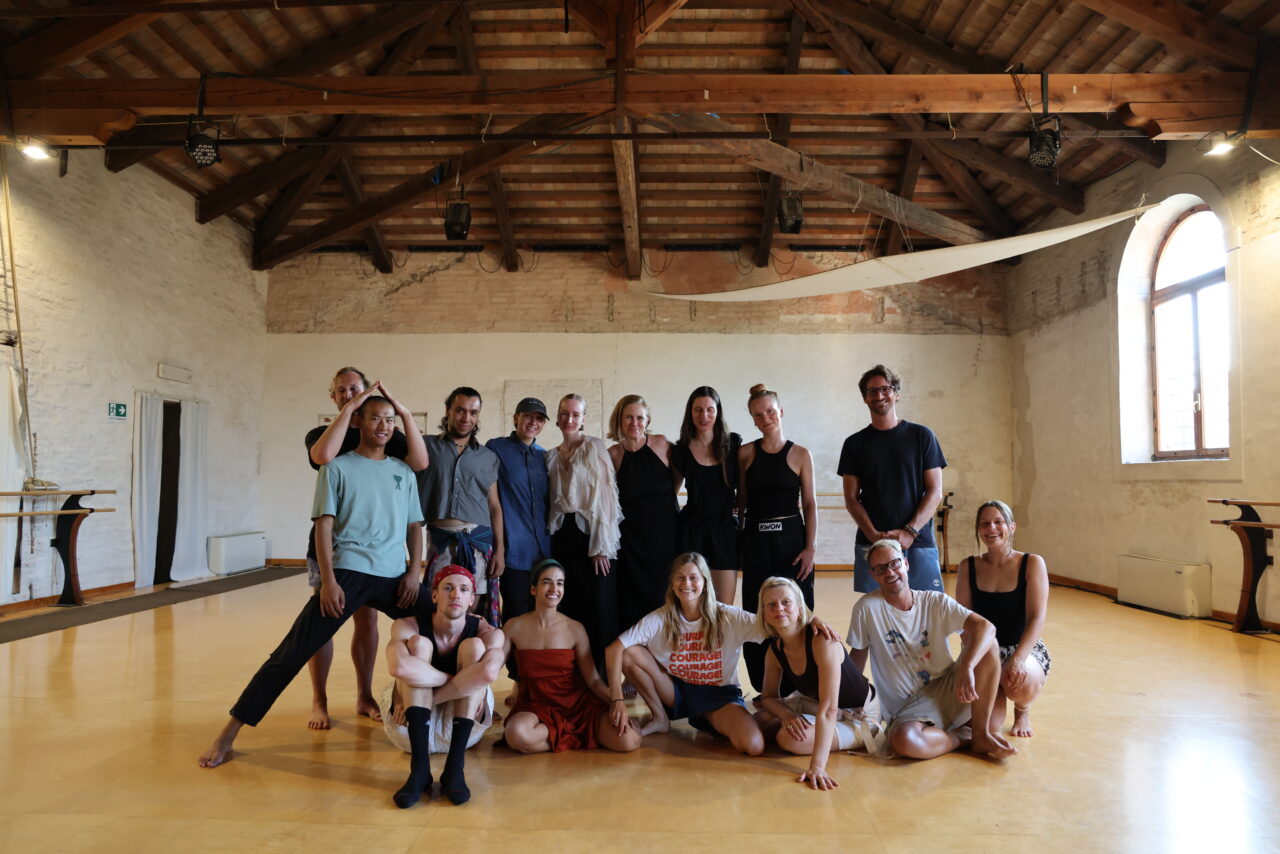
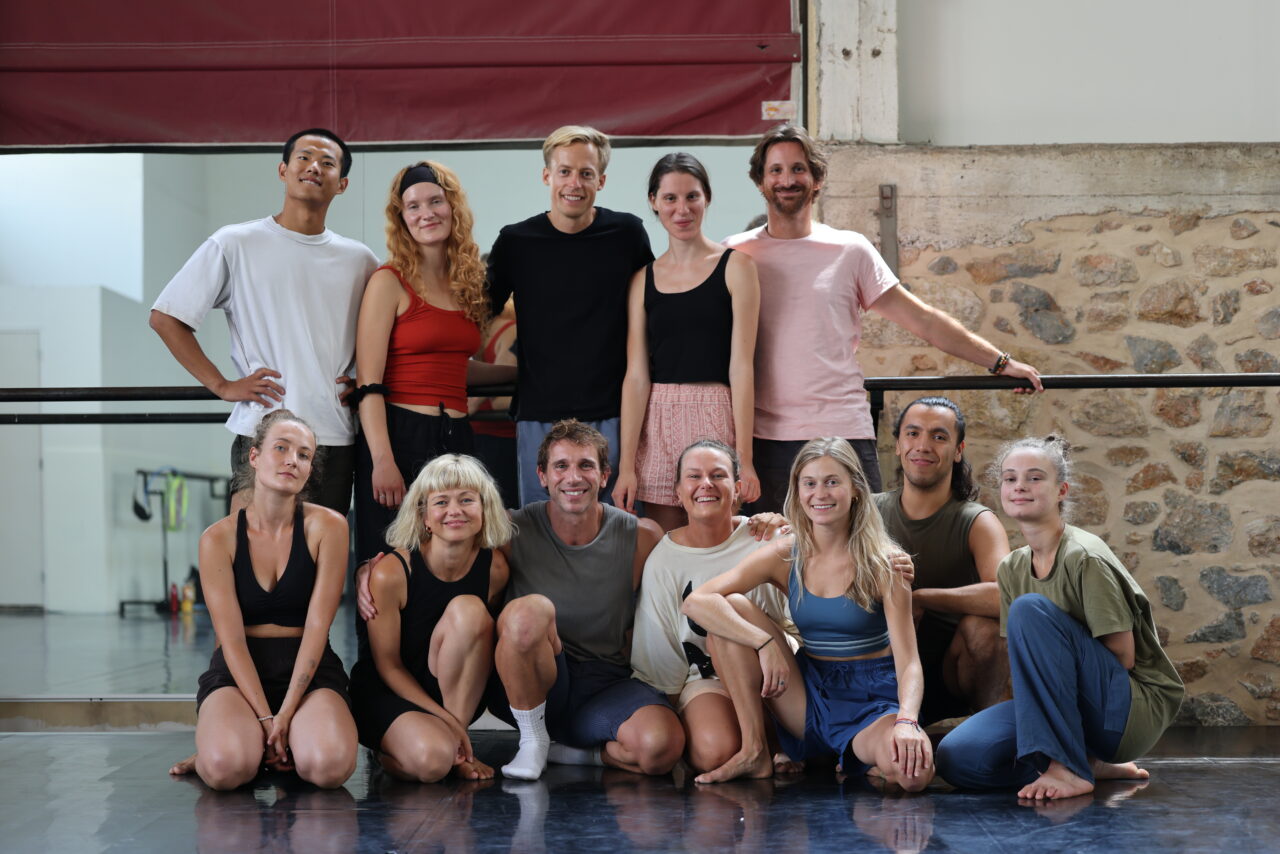
The traineeship belongs to CPPM, the master’s programme in Contemporary Physical Performance Making at the Estonian Academy of Music and Theatre. It ran from 10 May to 6 September 2026, an Erasmus+ placement hosted throughout by the Italian cultural association Cracalia ETS. Fourteen of the sixteen students in the 2025 to 2027 cohort took the Italy and Greece itinerary together. The rest of the cohort was placed elsewhere in Europe.
Five places, and what each one asked
Laid out on a map it reads as an itinerary. Walked, it was a sequence of subtractions. Melpignano took away the rehearsal room. Corfu took away the studio altogether. Venice took away the stage. Athens took away habit. Karyes took away making. Here is the road, stop by stop.
Contact first.
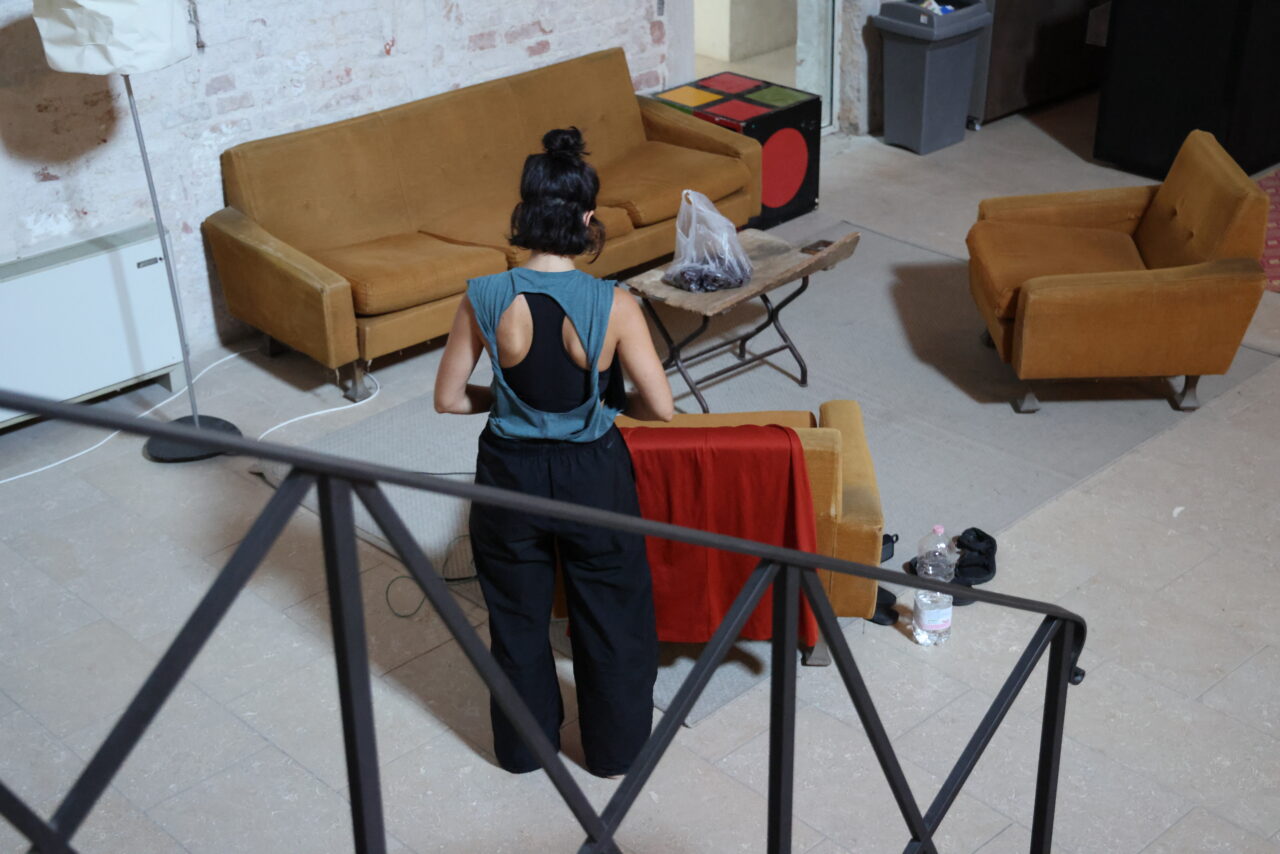
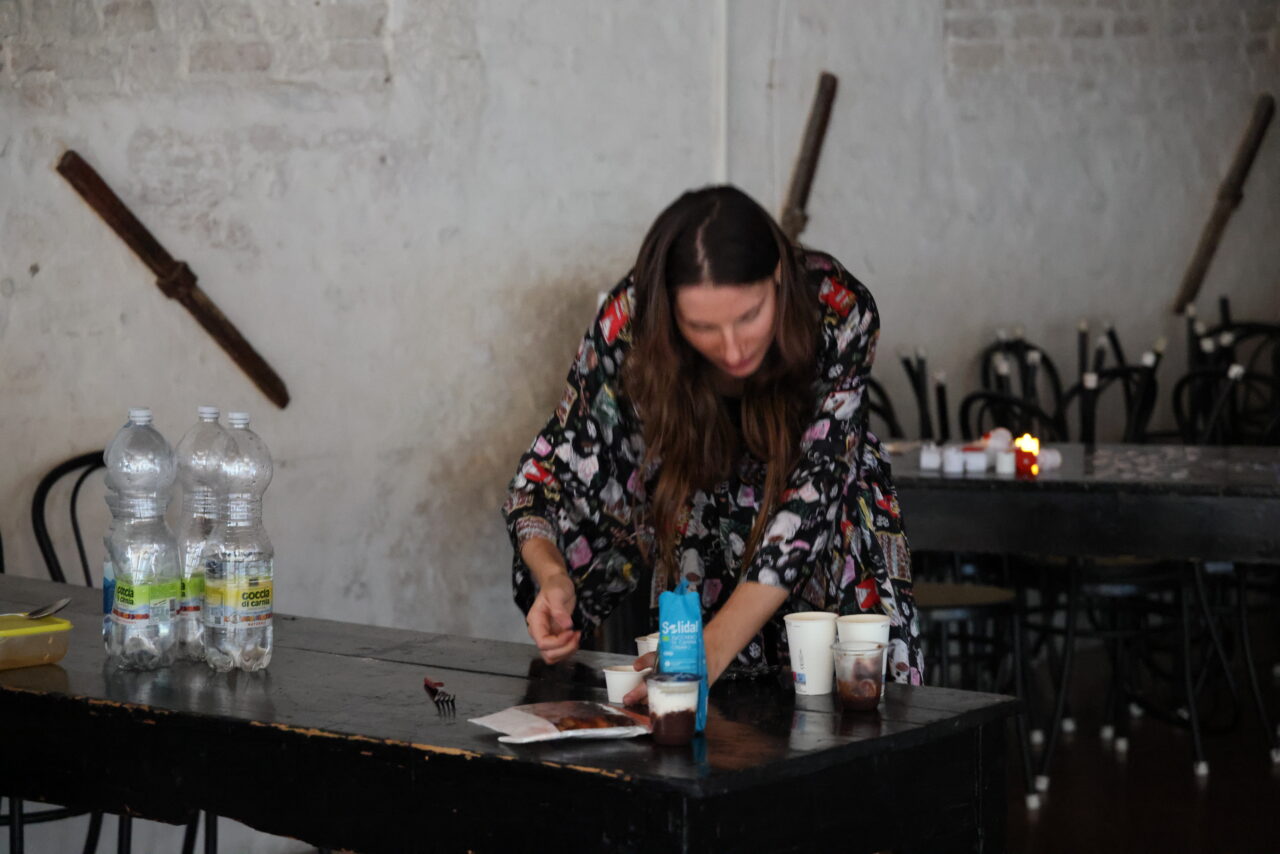
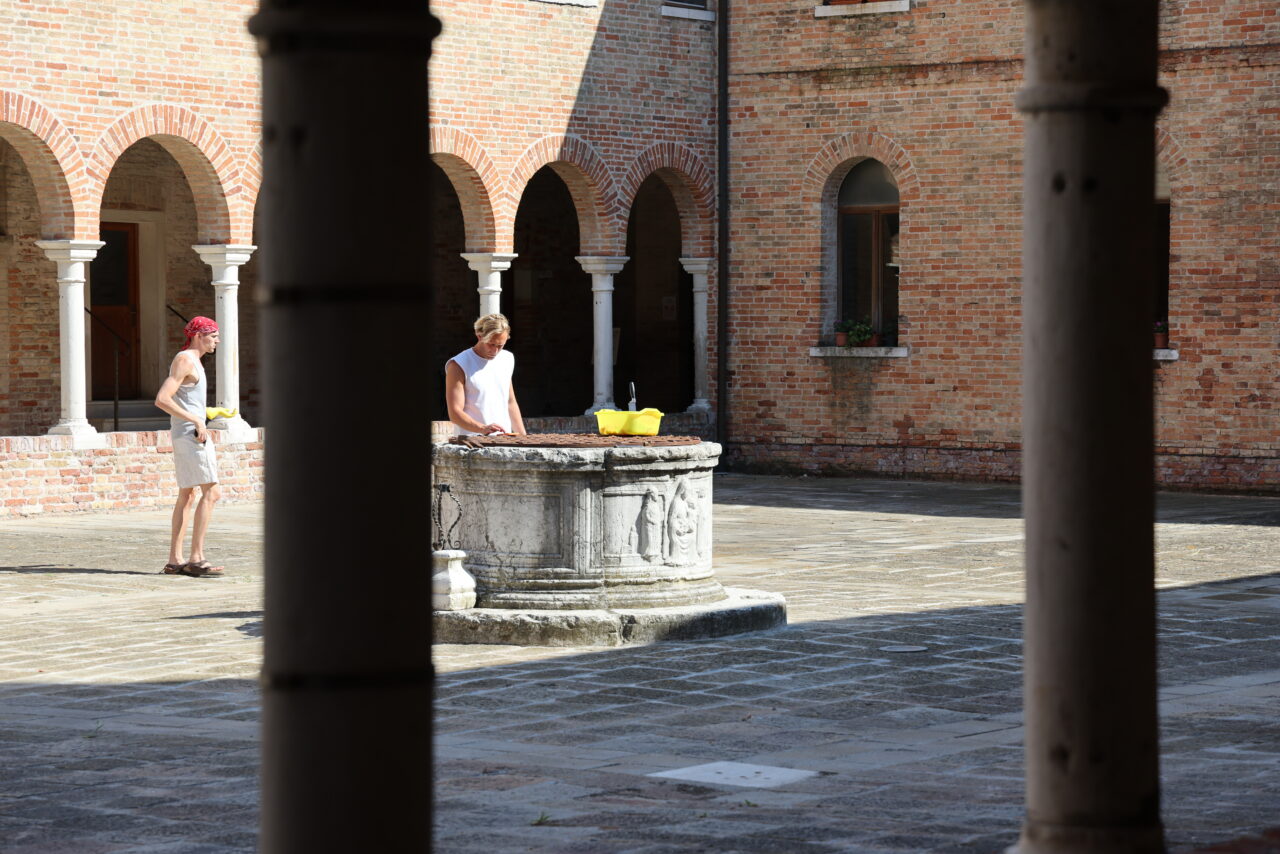
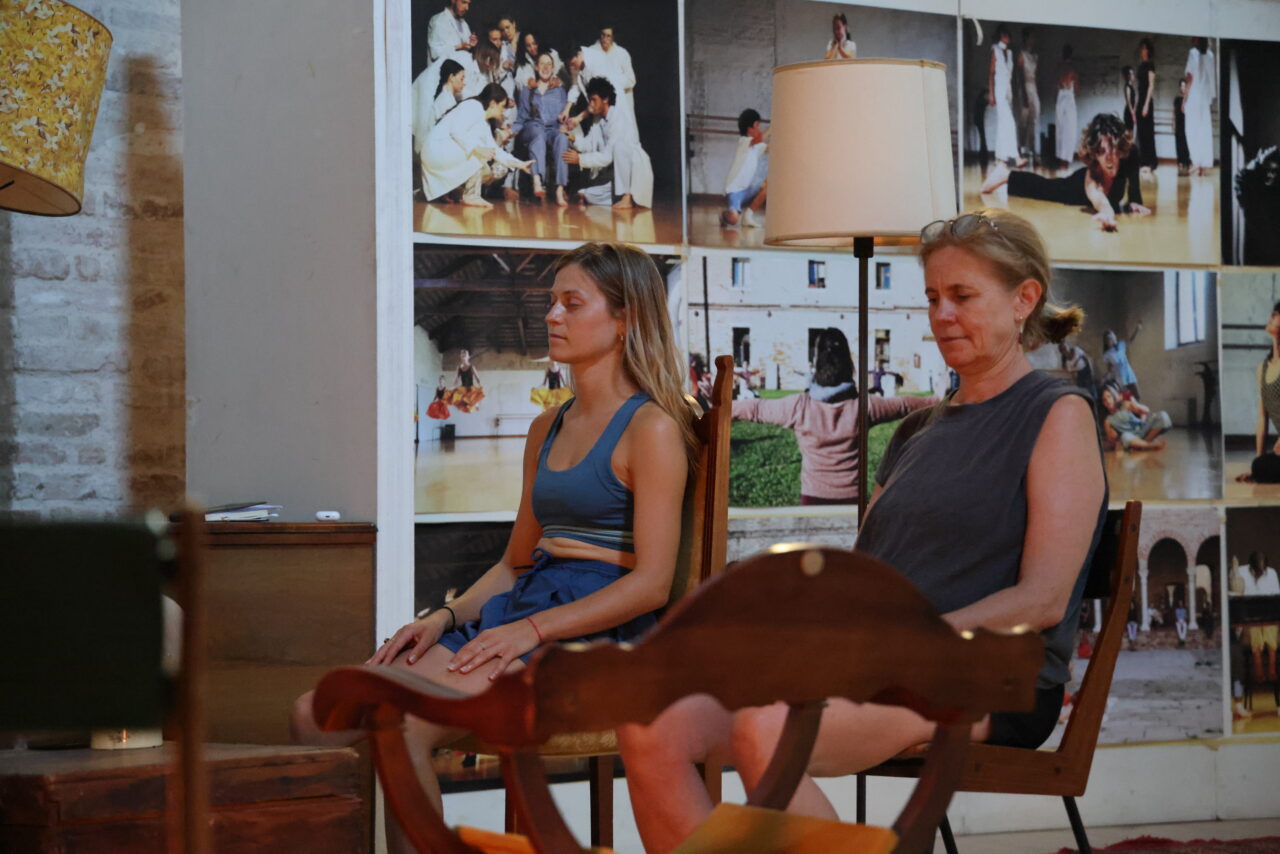
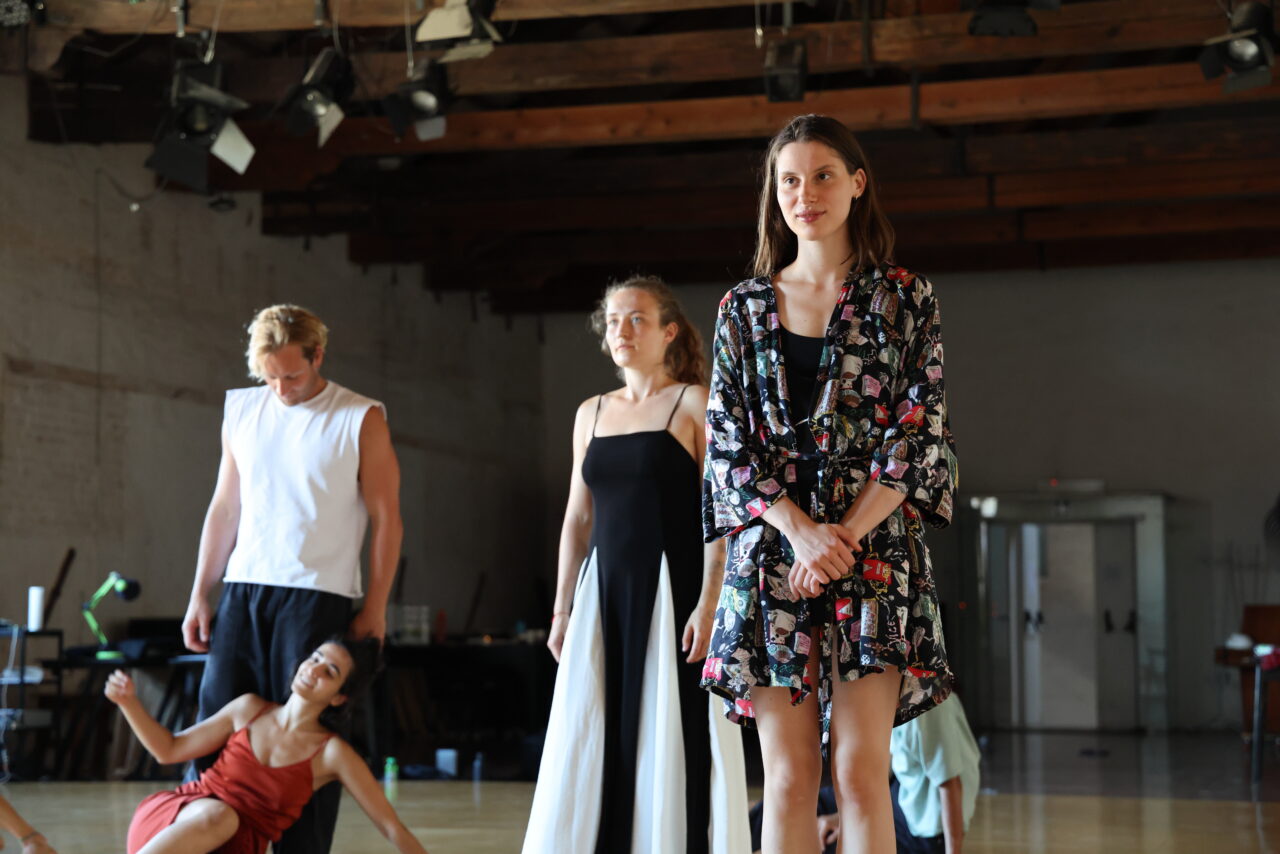
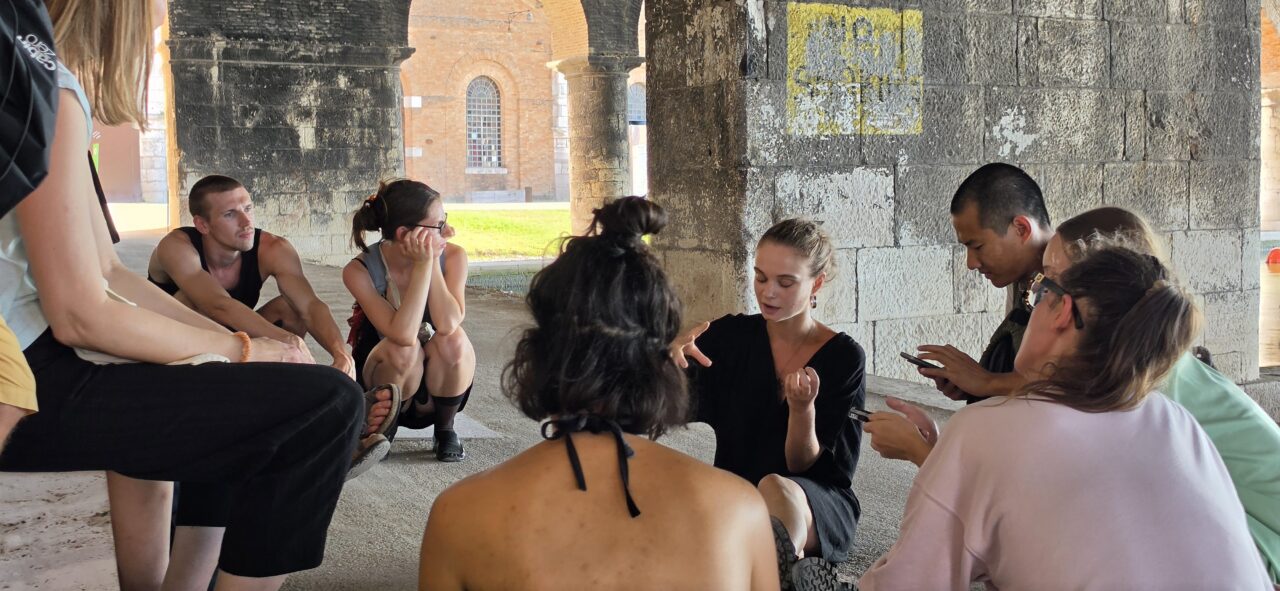
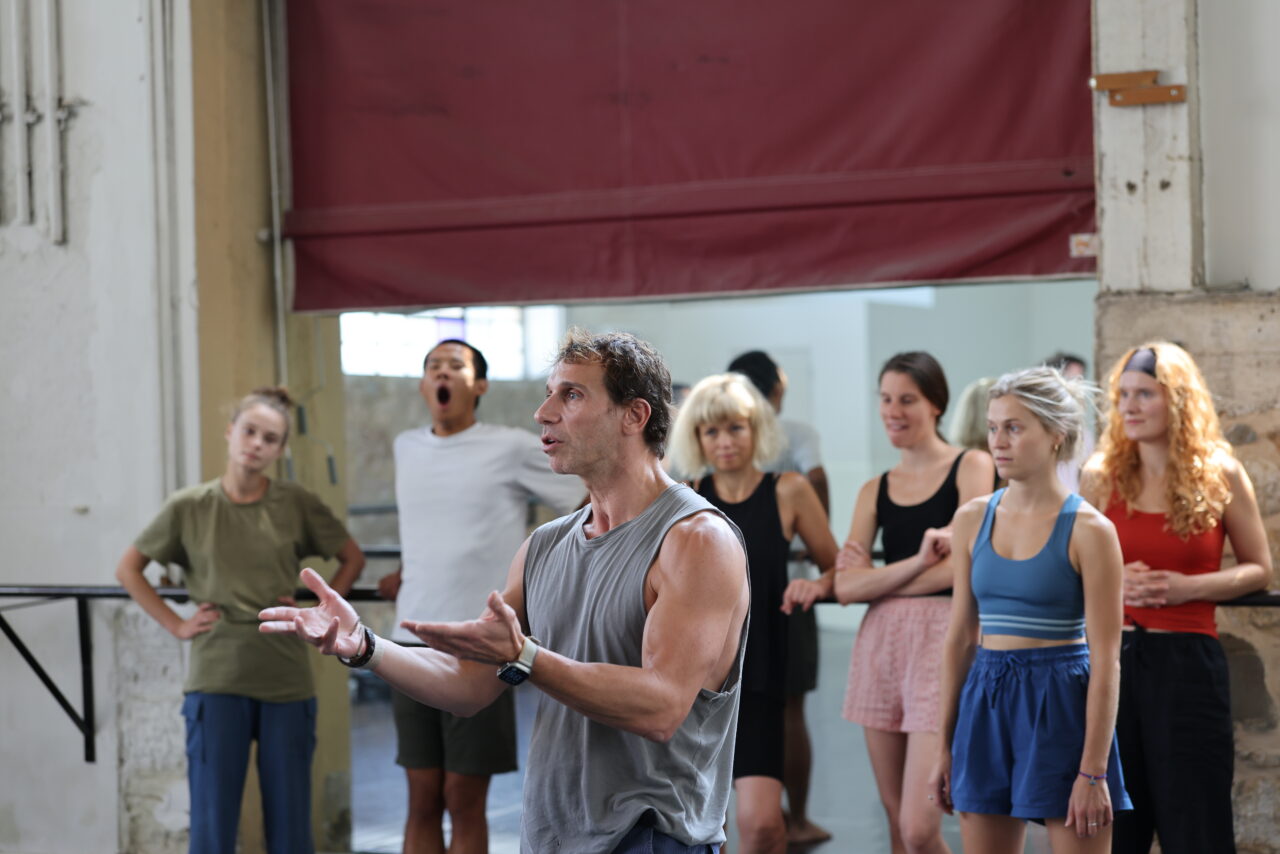
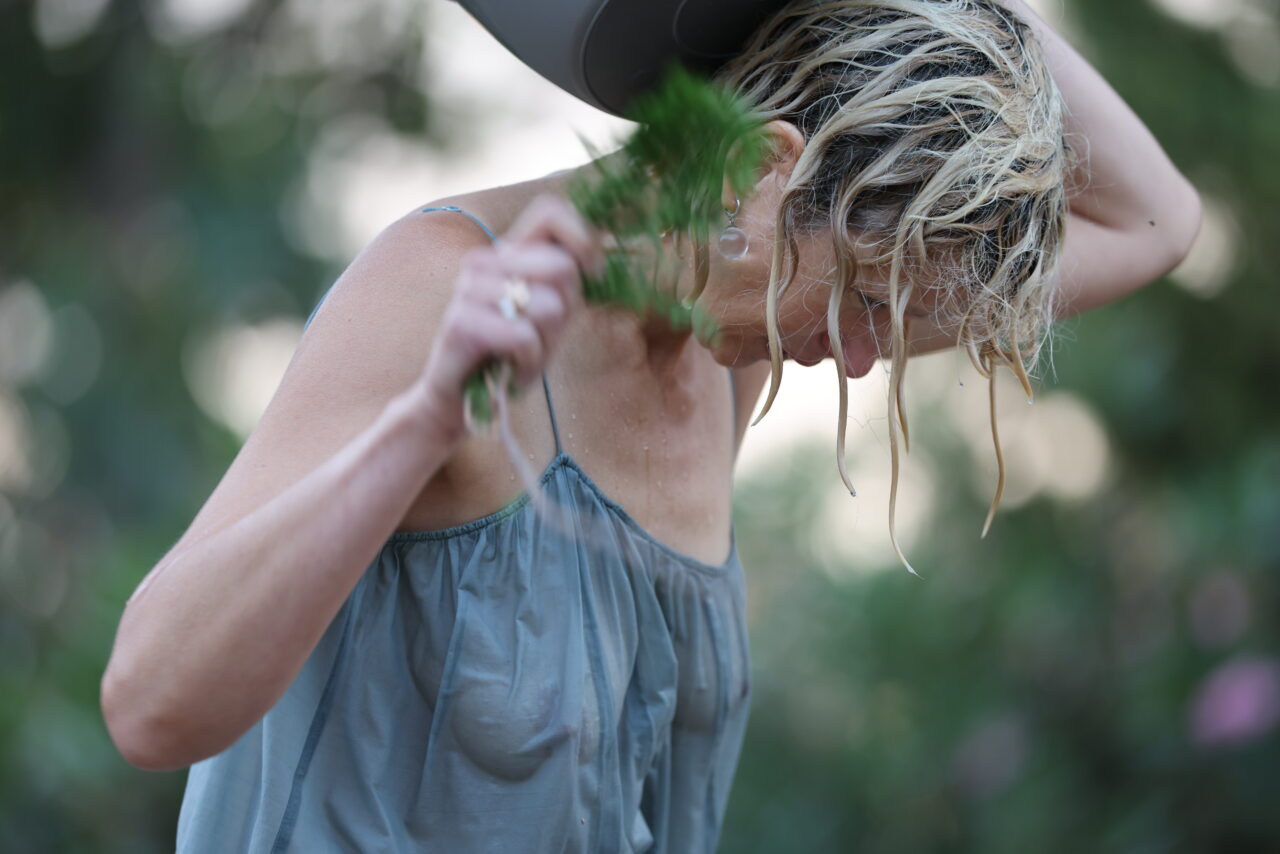
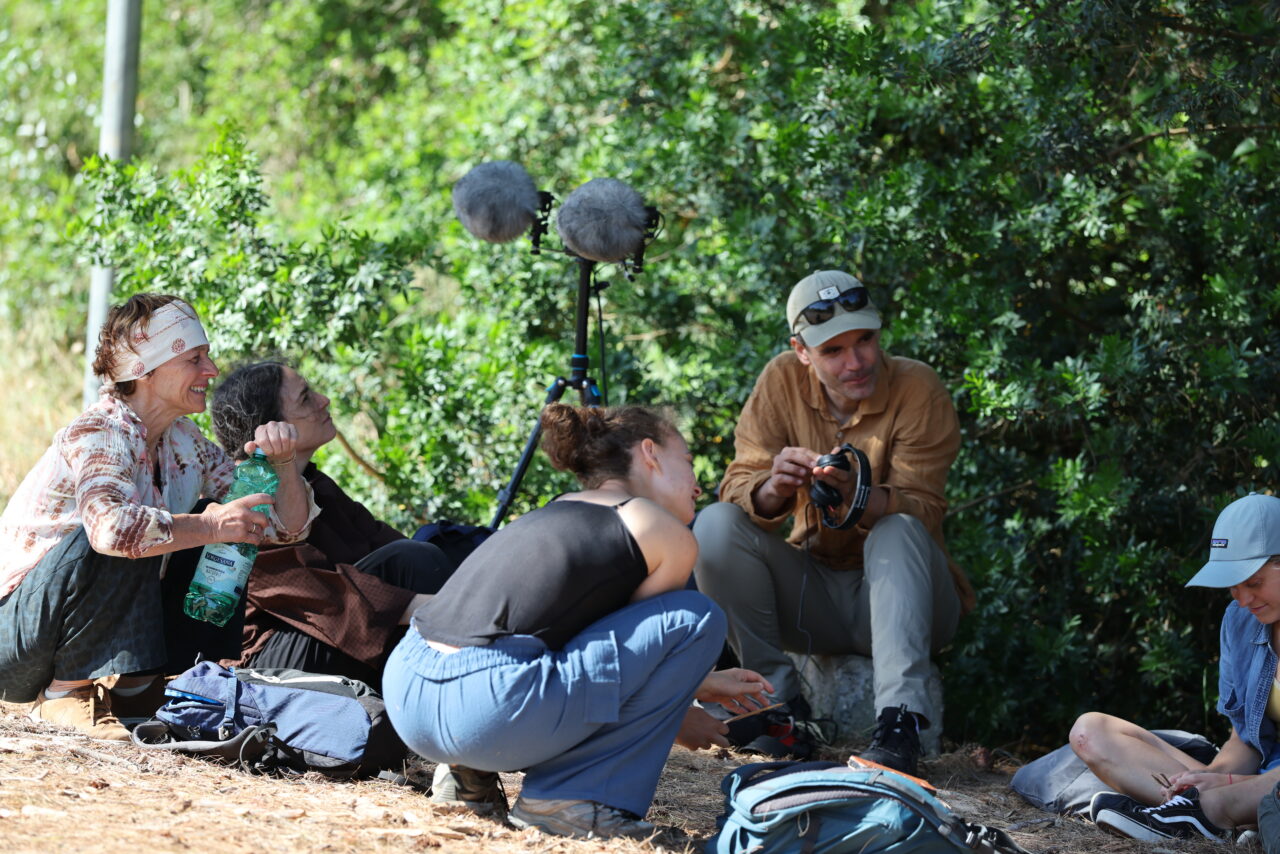
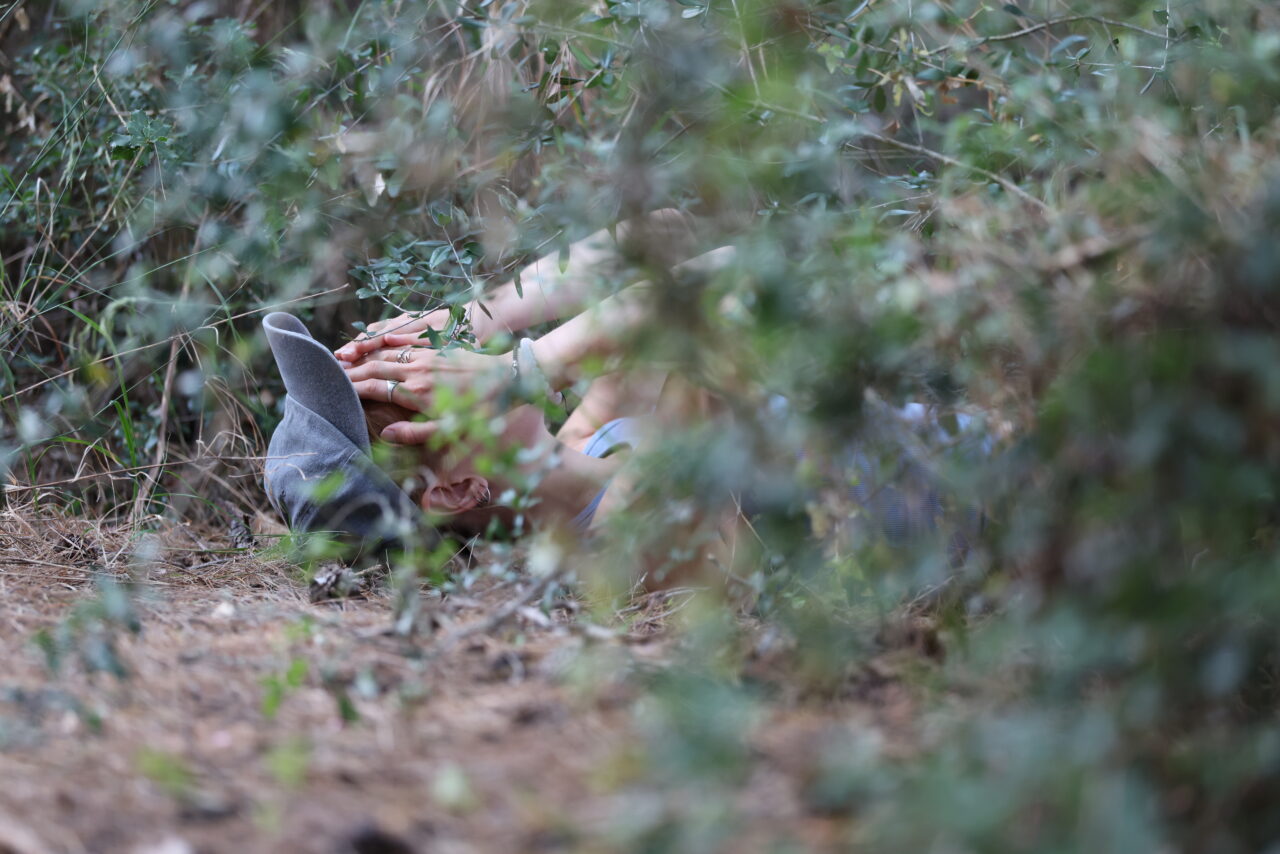
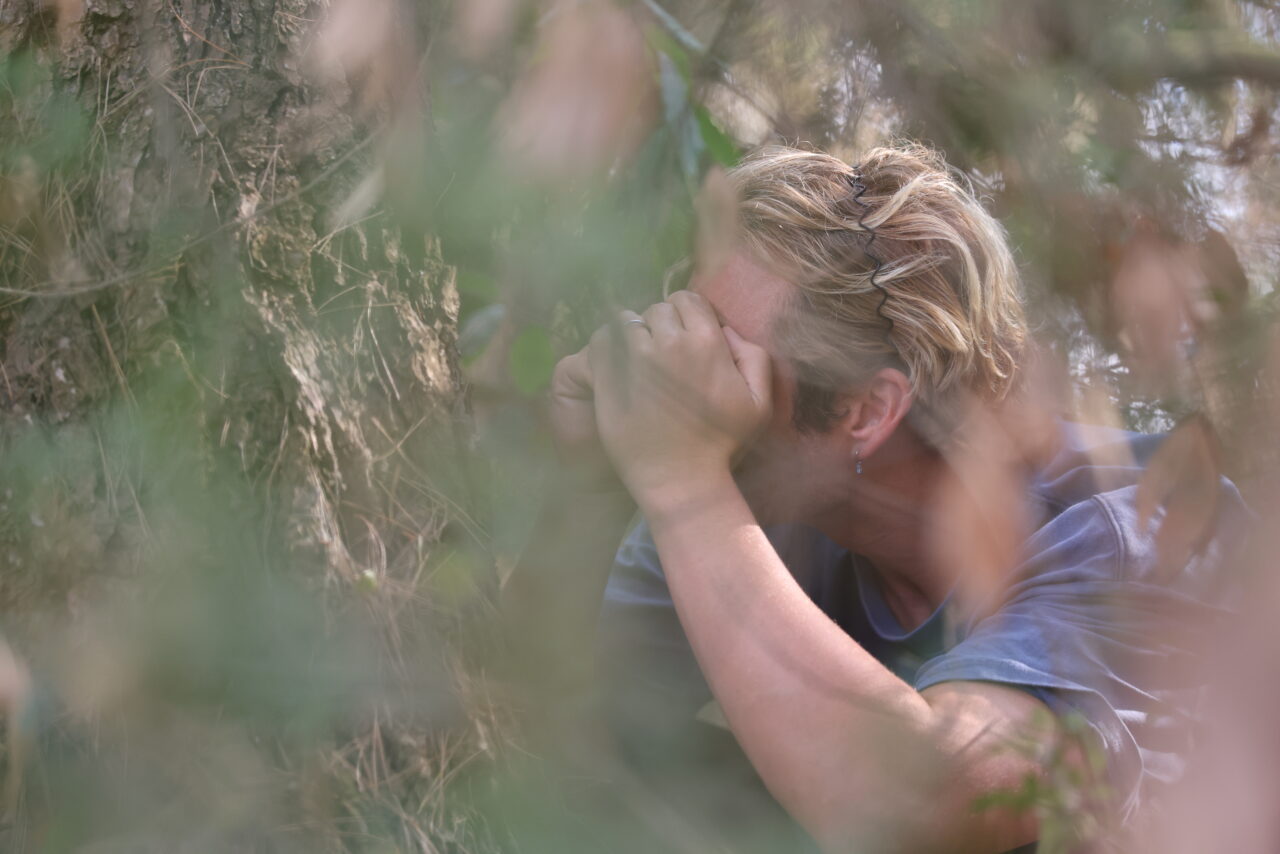
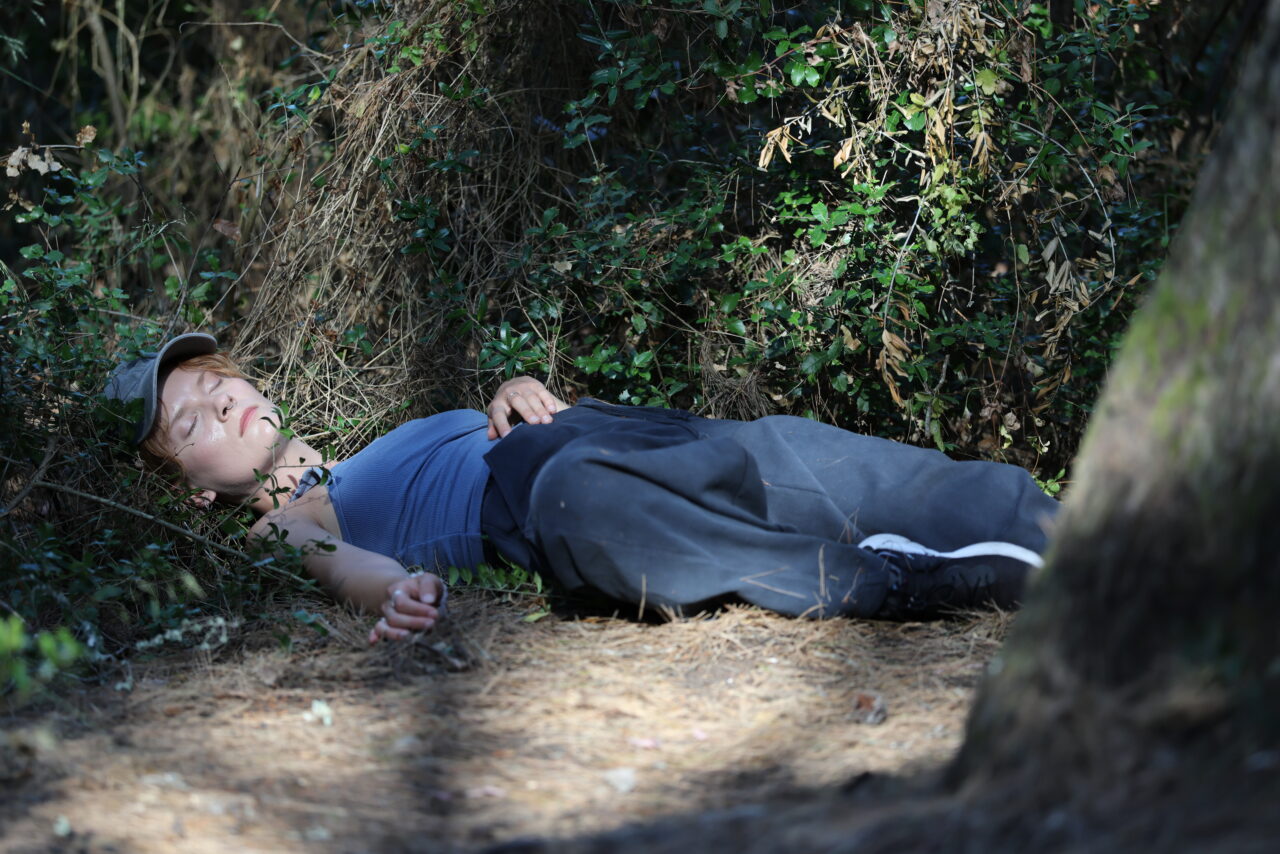
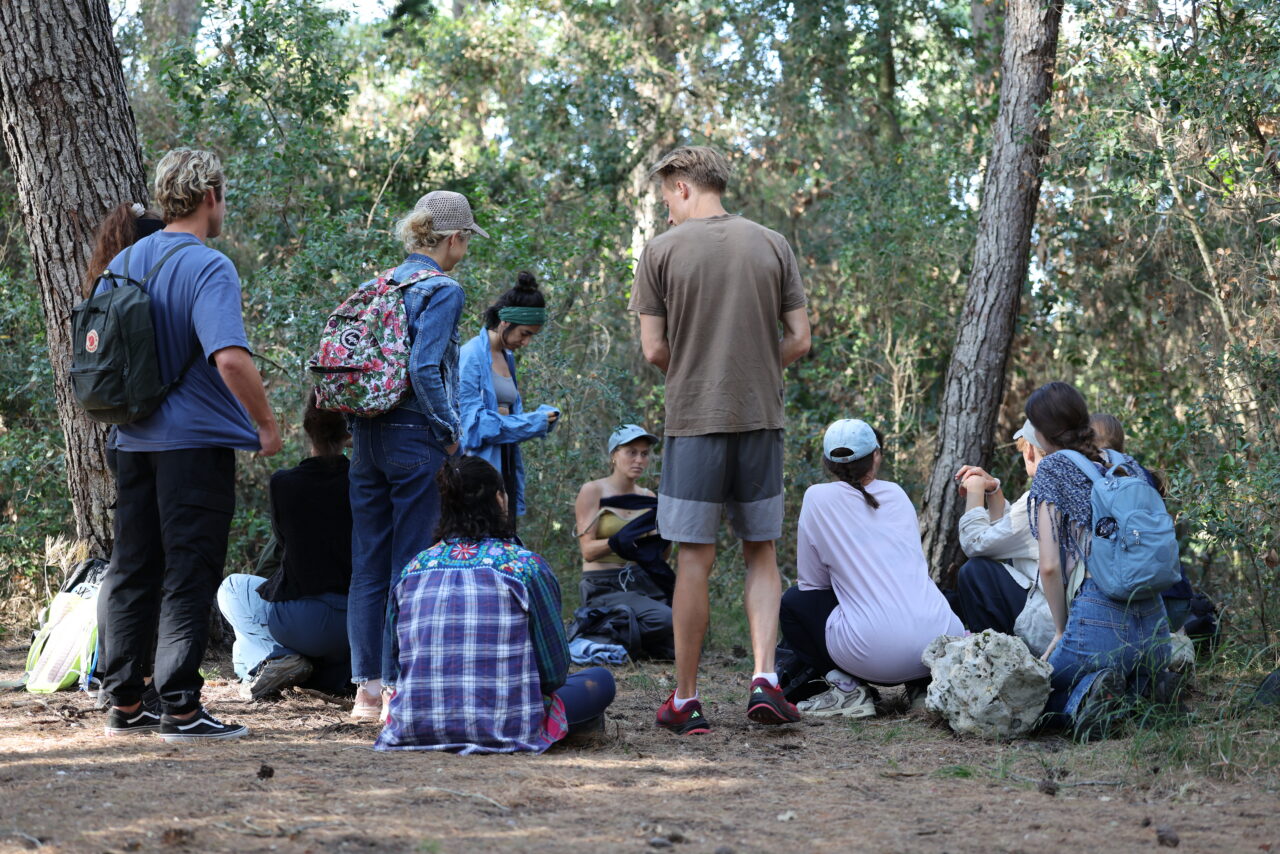
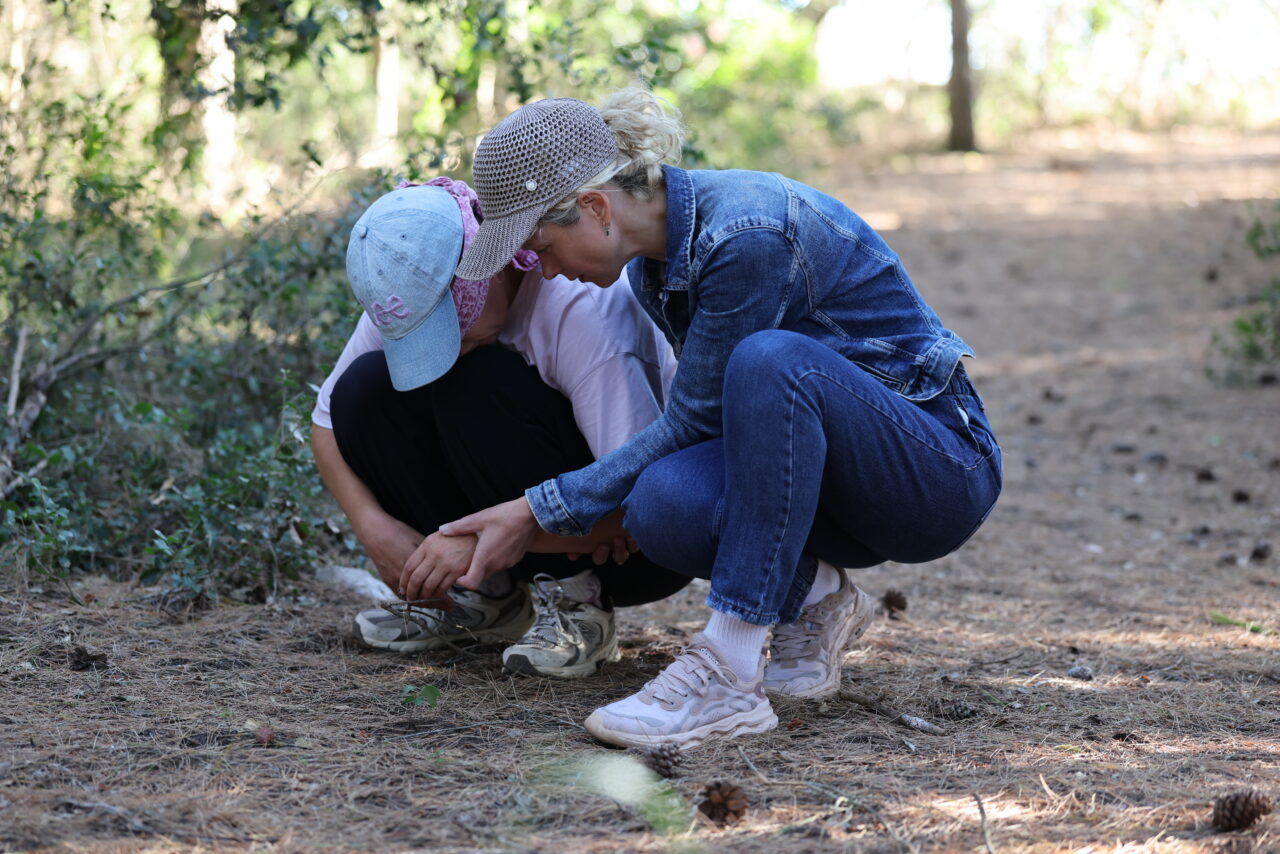
The CPPM traineeship opened with six weeks in Melpignano, a small town in Puglia, and the ground of that opening was the simplest and hardest thing of all: contact. The days ran slow and were structured through invitations rather than fixed plans. Mornings began with a run or a swim in the sea, then an open somatic session with Silvia Marazzi. By midday the group had gathered at Palazzo Marchesale with the practitioners Cracalia had brought together for the residency: Anita Kremm, Fabio Ghidoni, Flavia Ripa, Francesca Ziggiotti, Kymbali Williams and Selvaggia Giacoppo, alongside CPPM’s own Giacomo Veronesi. The town was already part of the work: its streets, its squares, its people. When it went right the research spilled past the schedule and nobody wanted to stop it.
The site work the cohort made was not polished for an audience back home. It was made for the people of Melpignano who watched it take shape, and by the final week those people were part of it. What you bring back from a month like that is not a finished piece. It is a different relationship to your own work, and a strong clue as to how you would run a residency of your own.

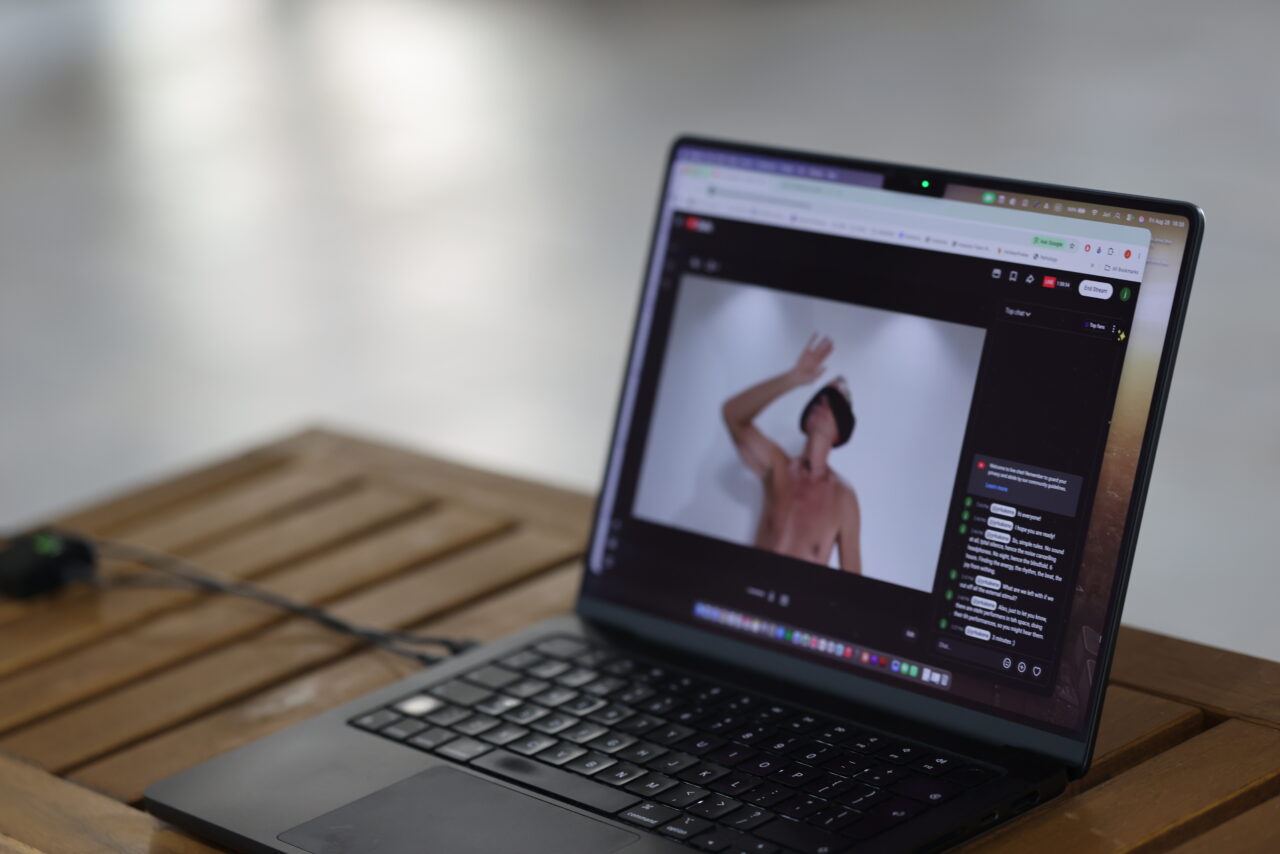
Some of it is still online. As the residency went on, the participants built Progetto TRA, a page where each of them documented their own research and experiments as the work happened. It is split down the middle: one half belongs to the artists, the other half to the community, which answers back. See Progetto TRA.
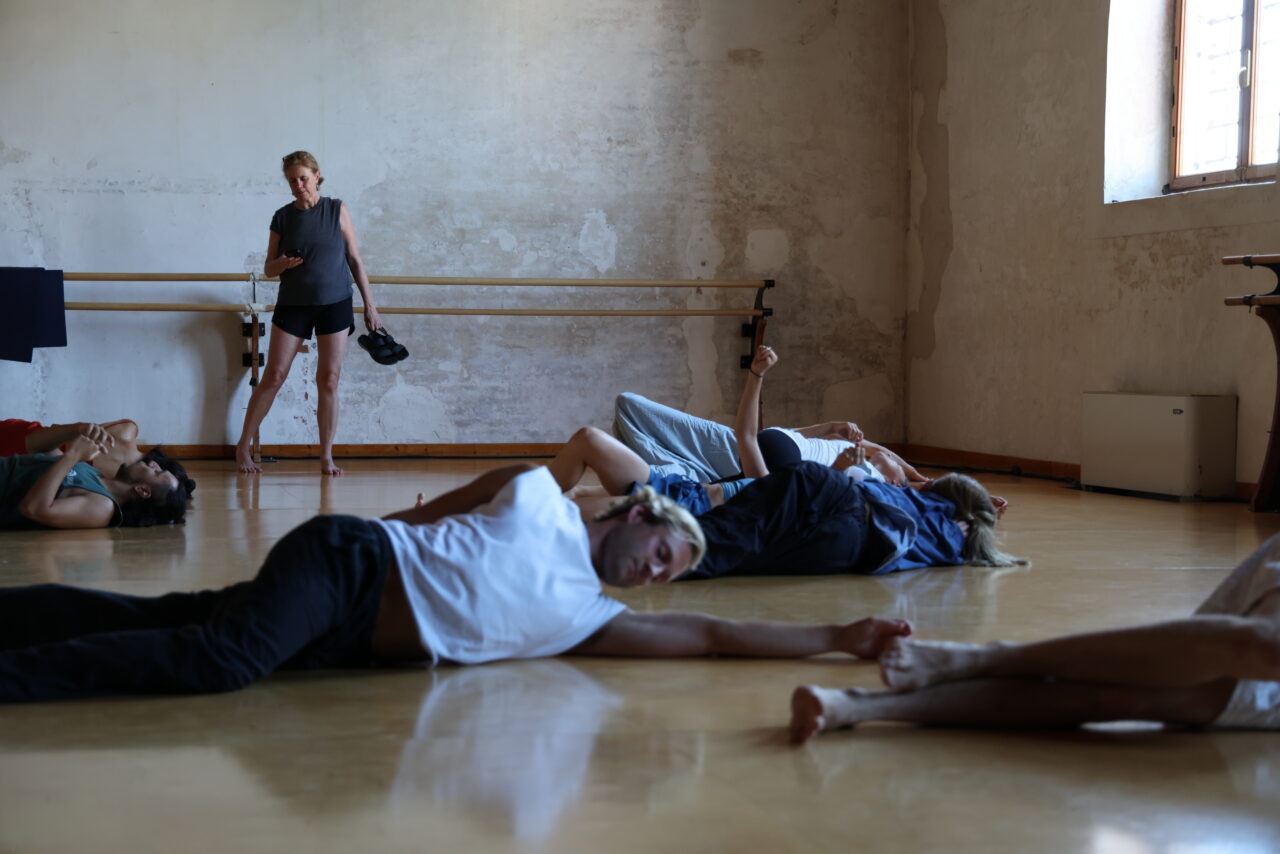
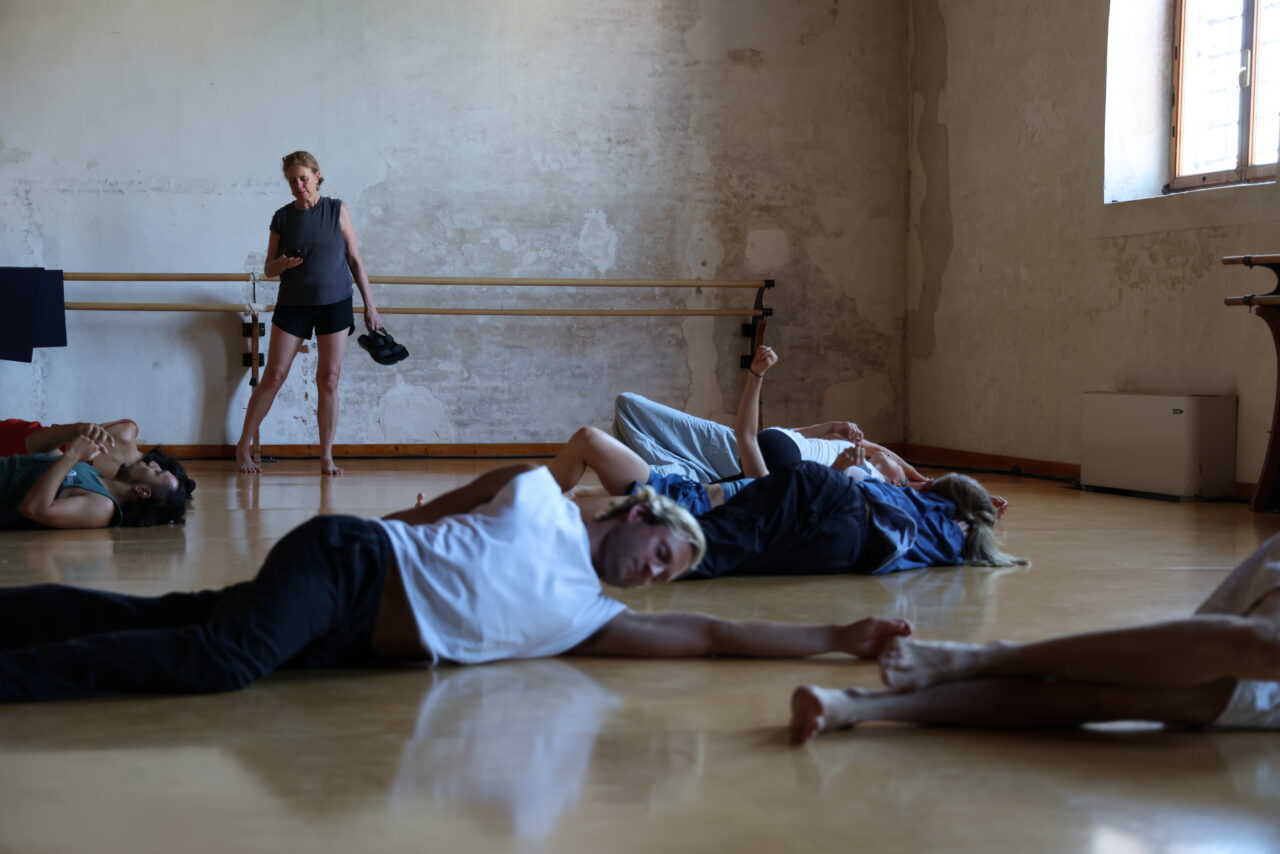
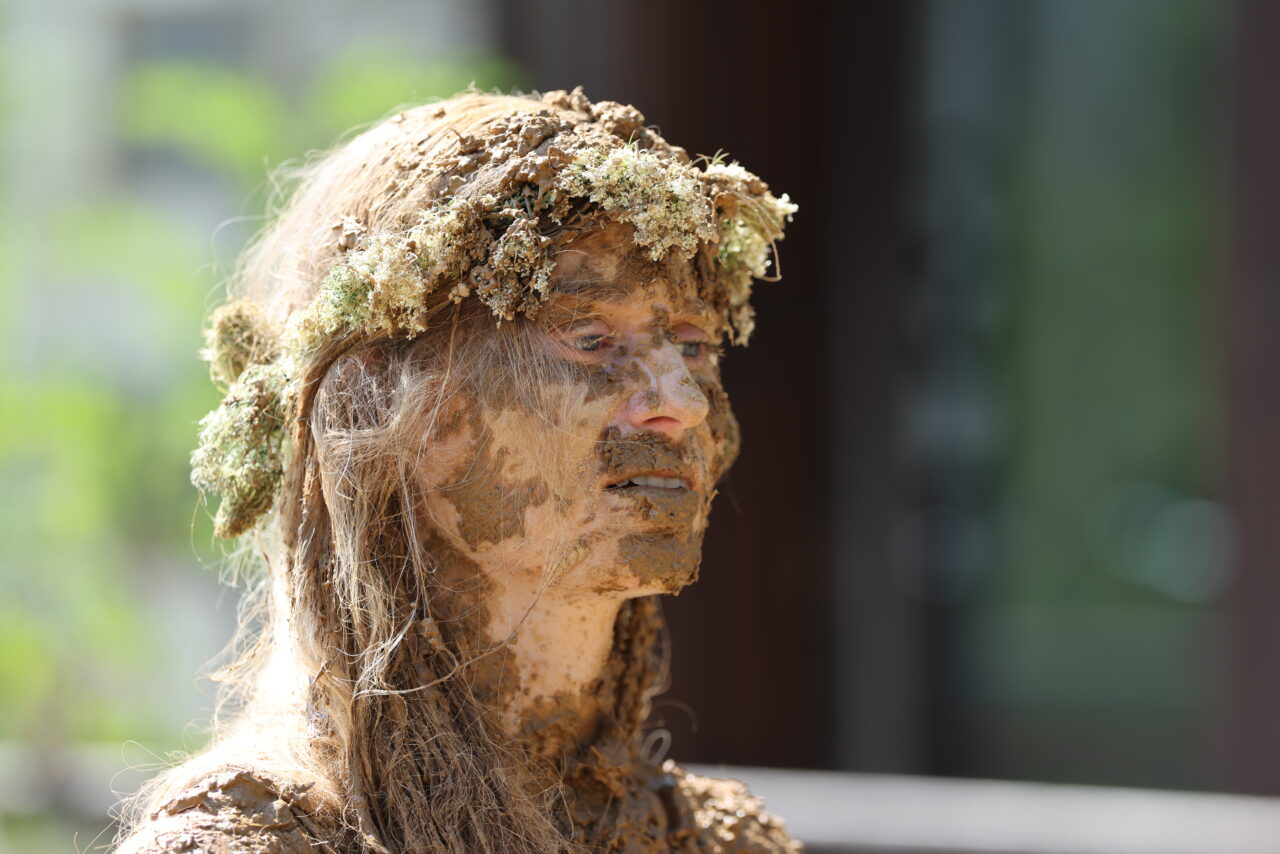
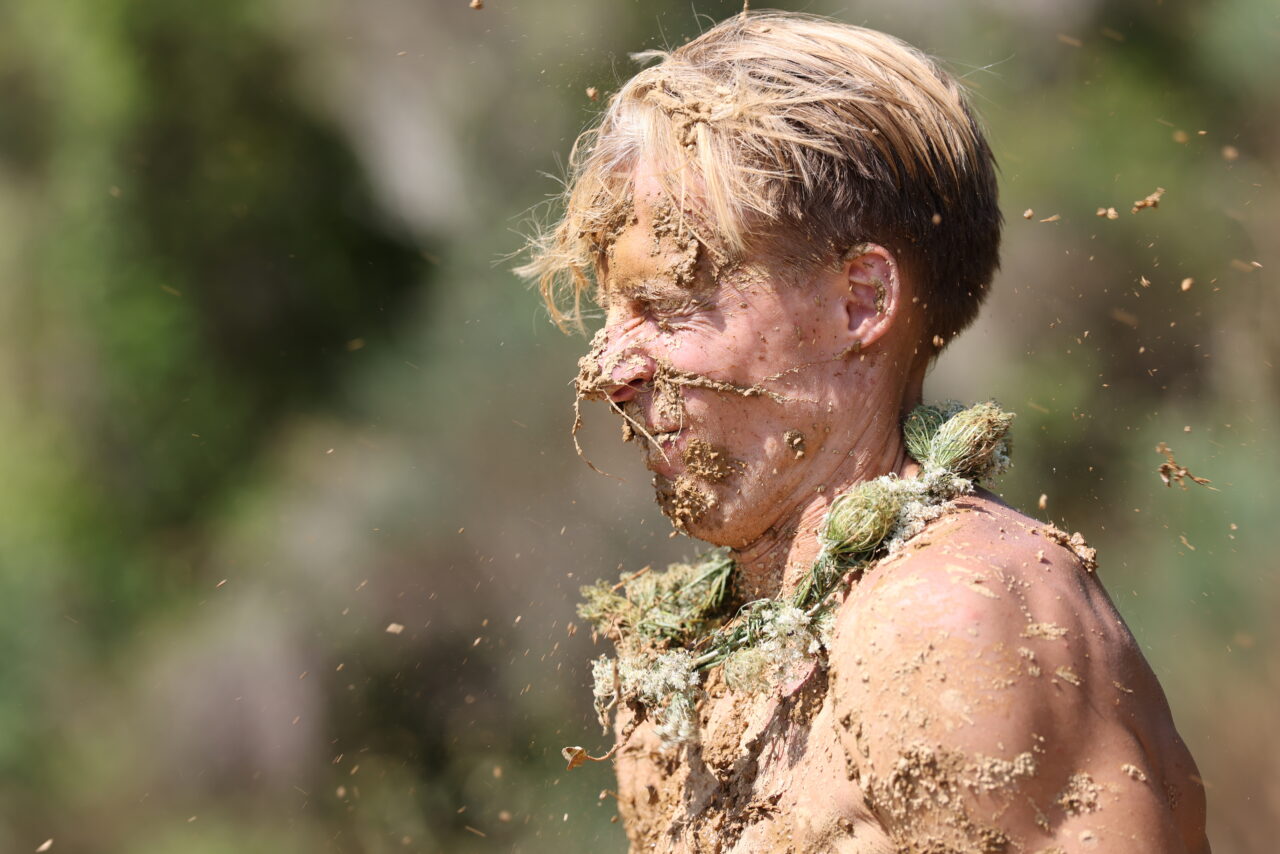
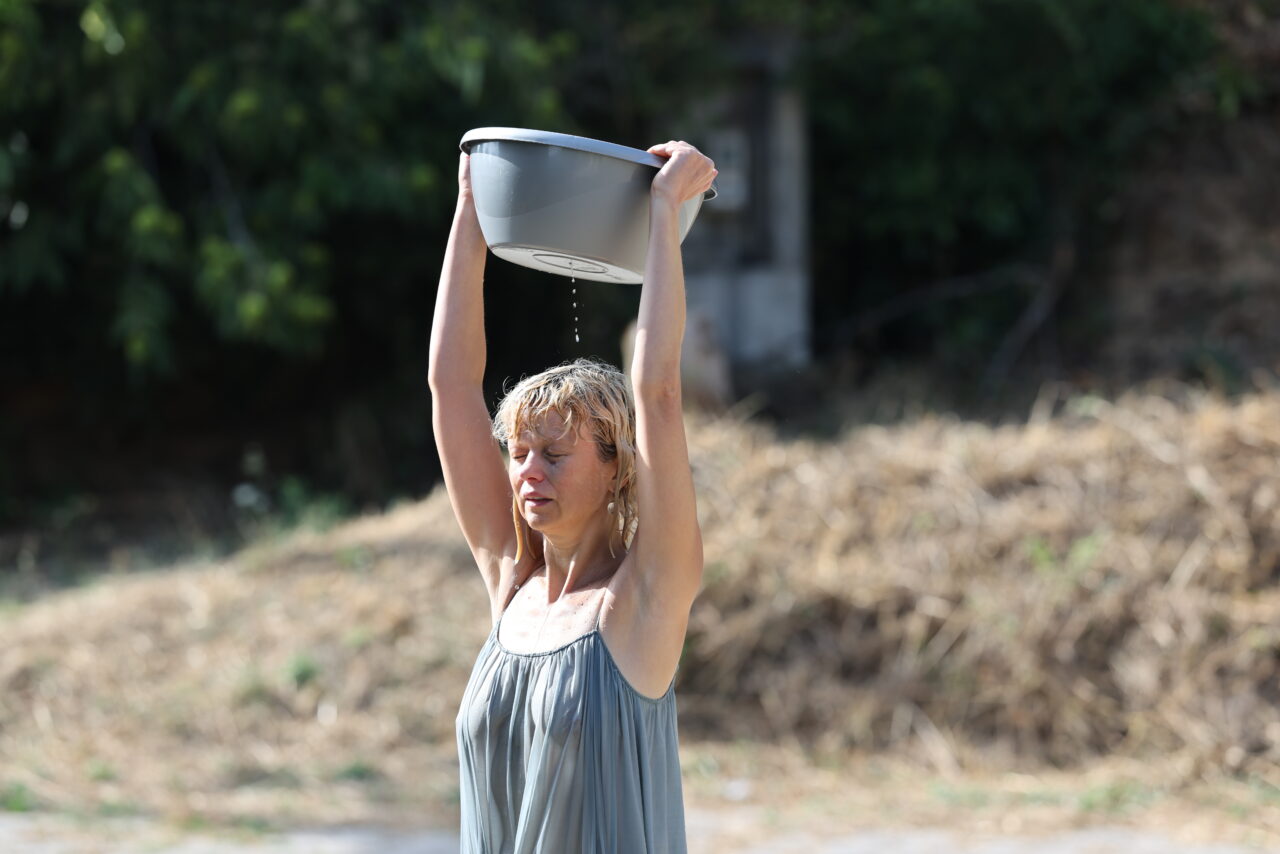
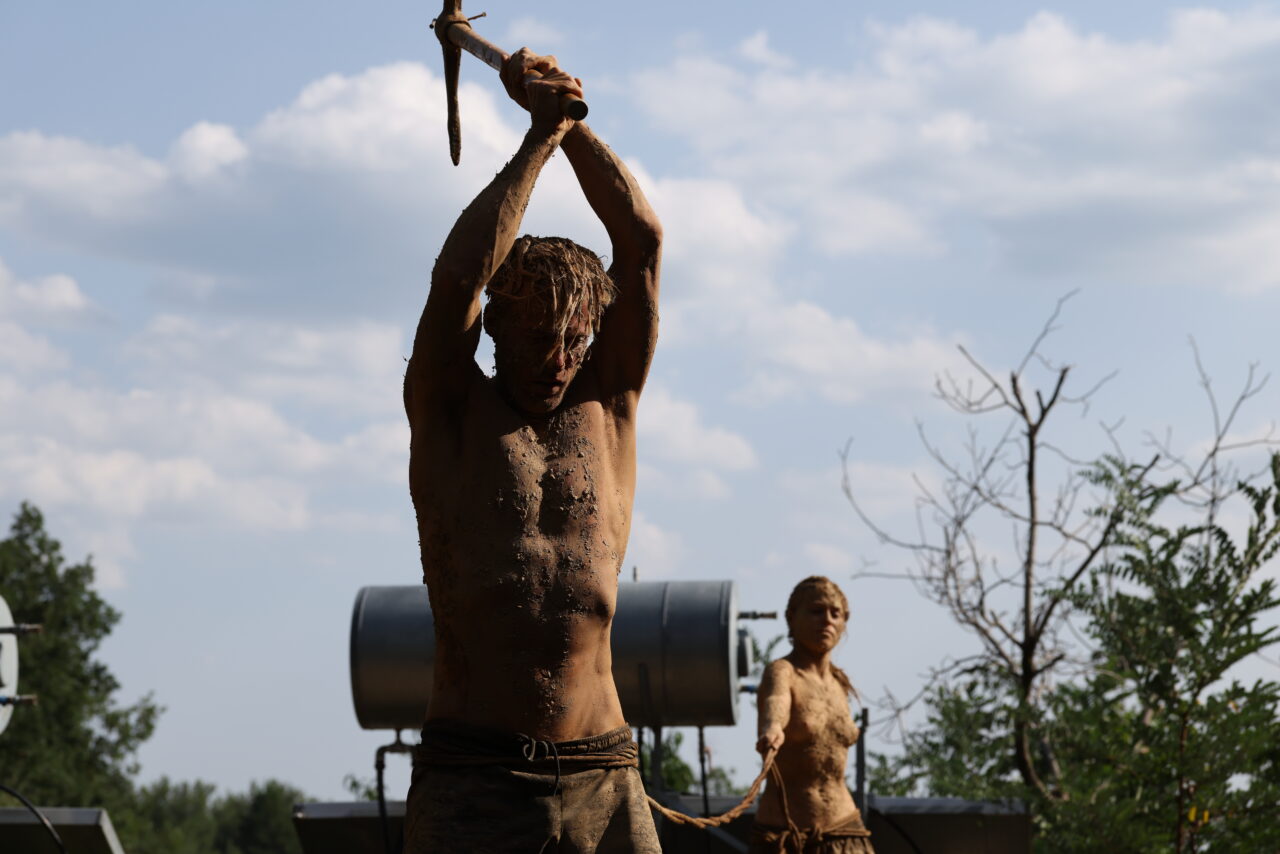
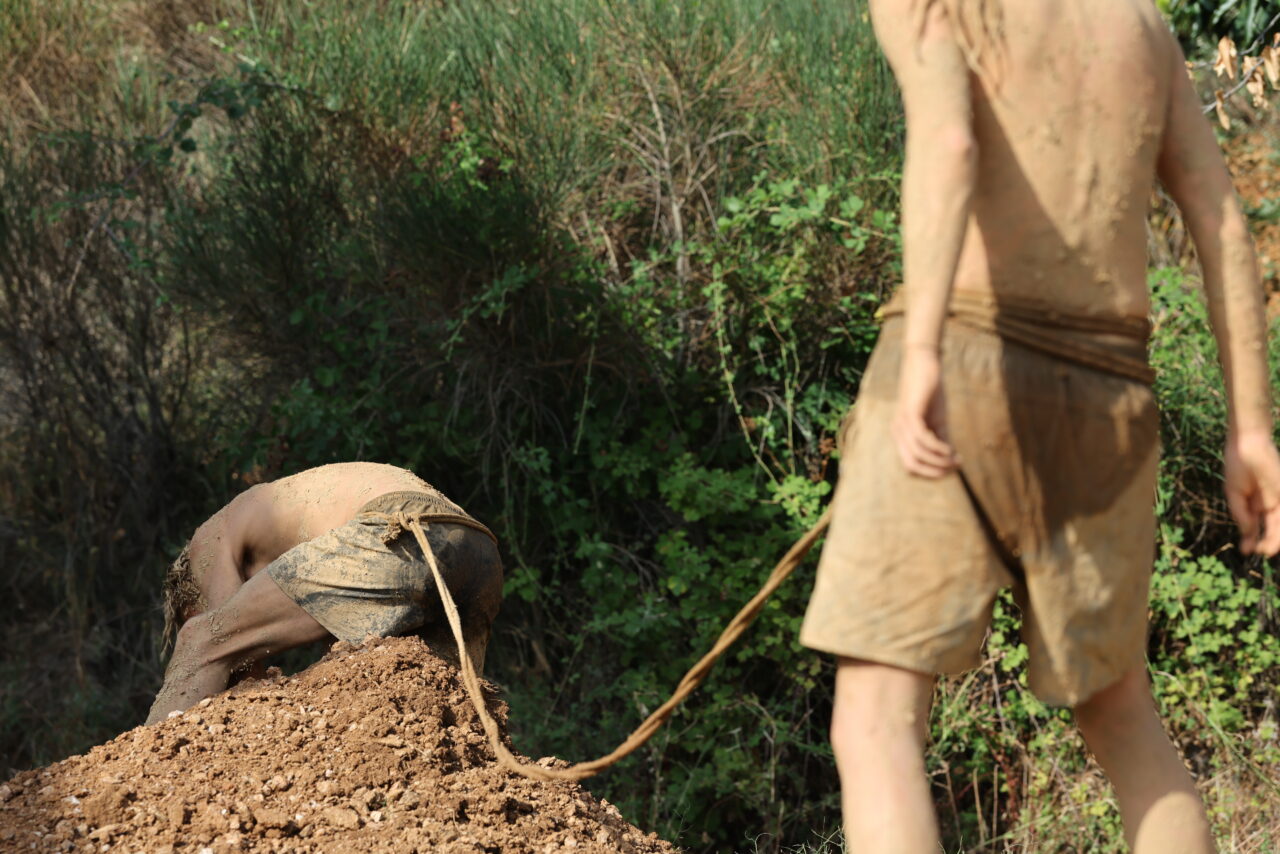
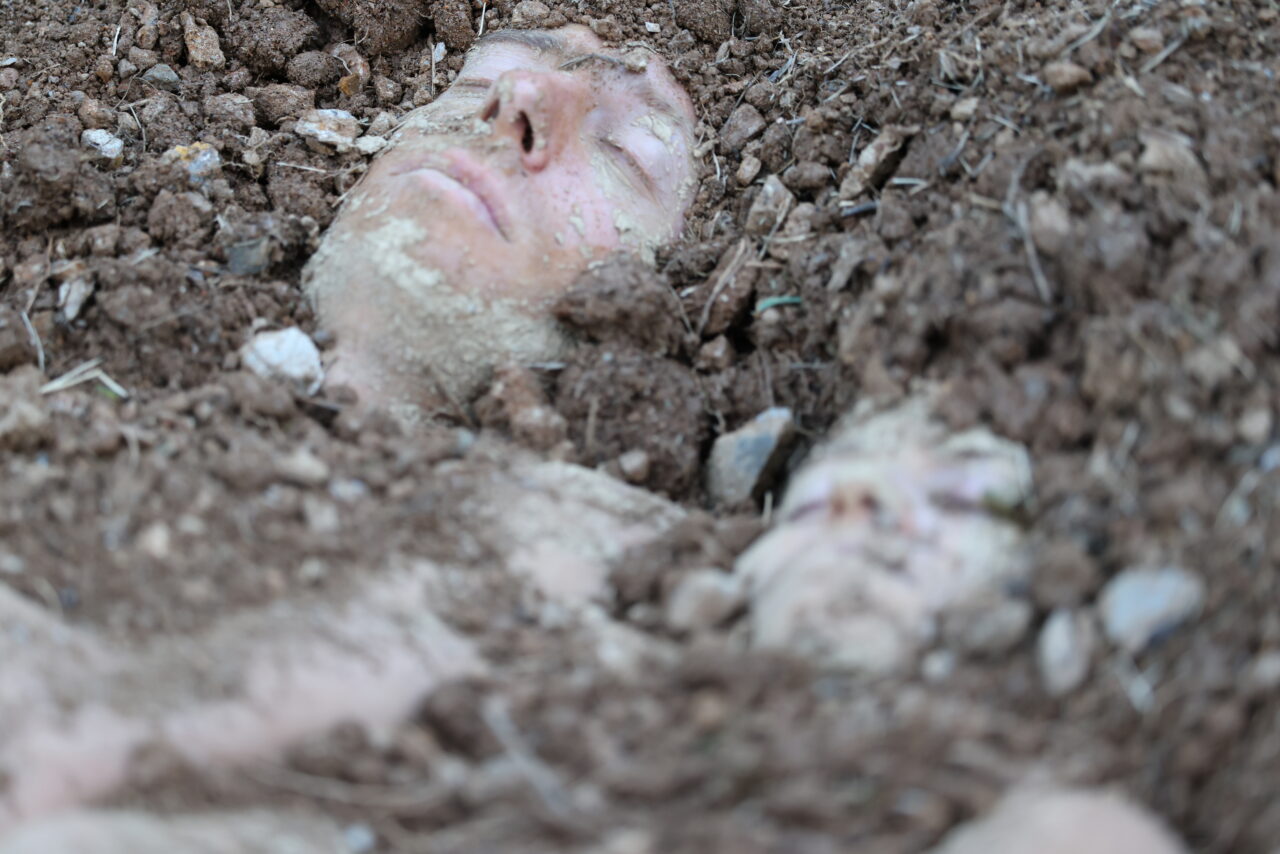
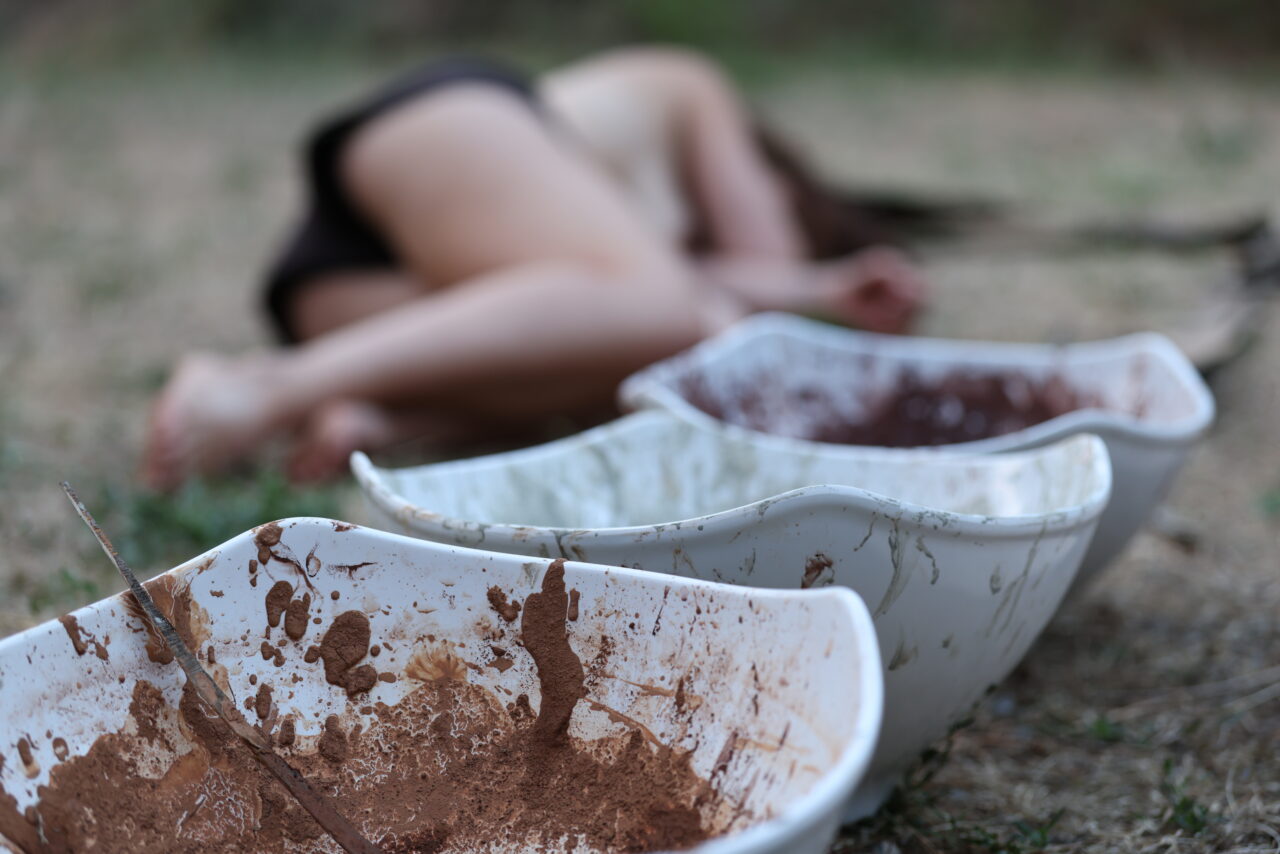
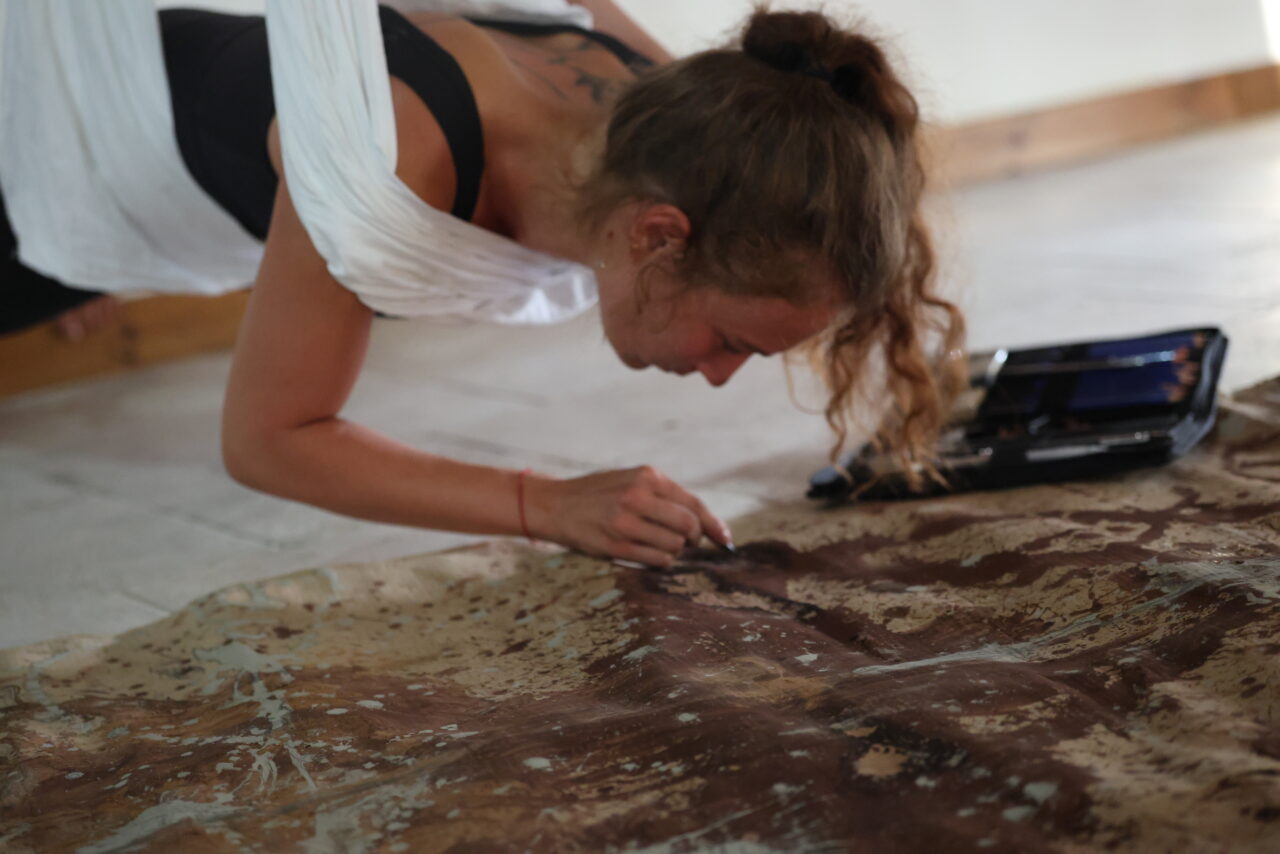
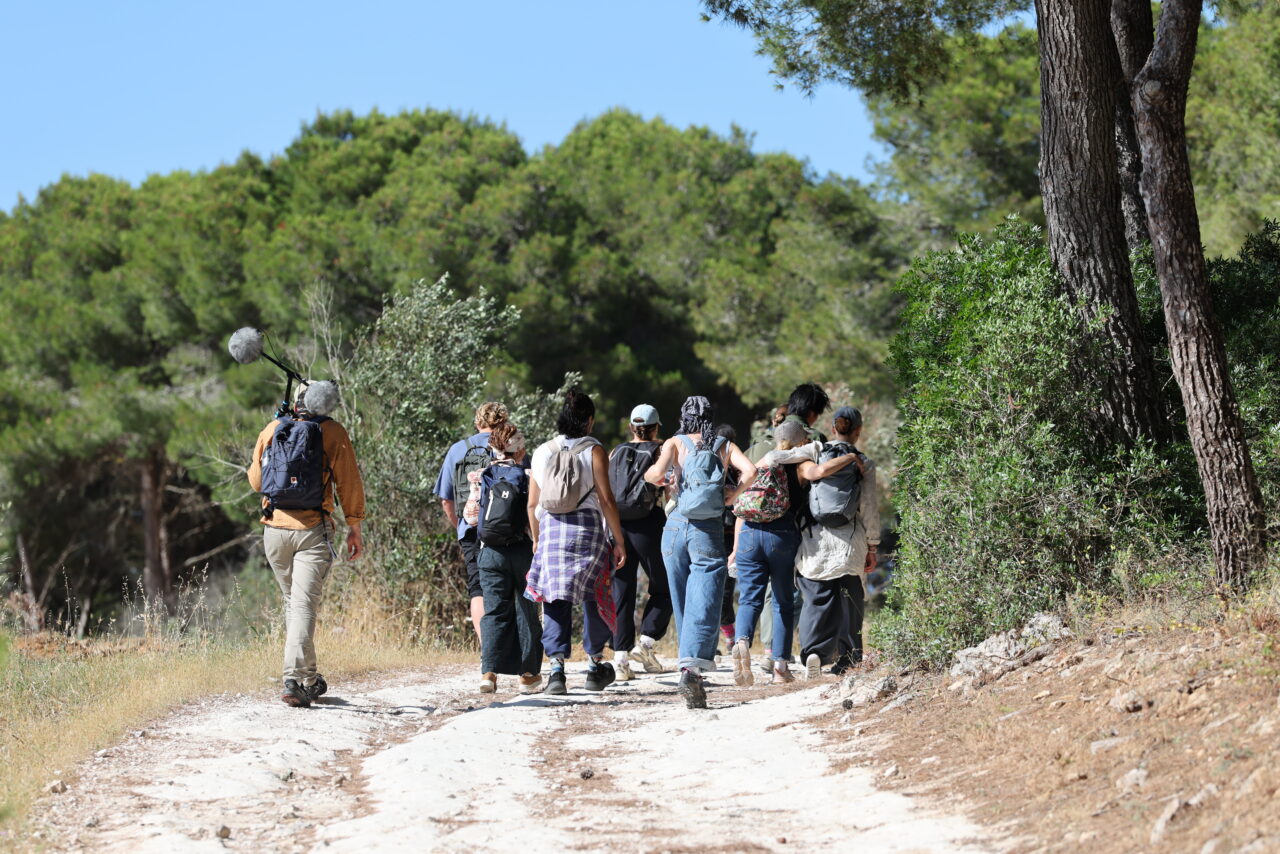
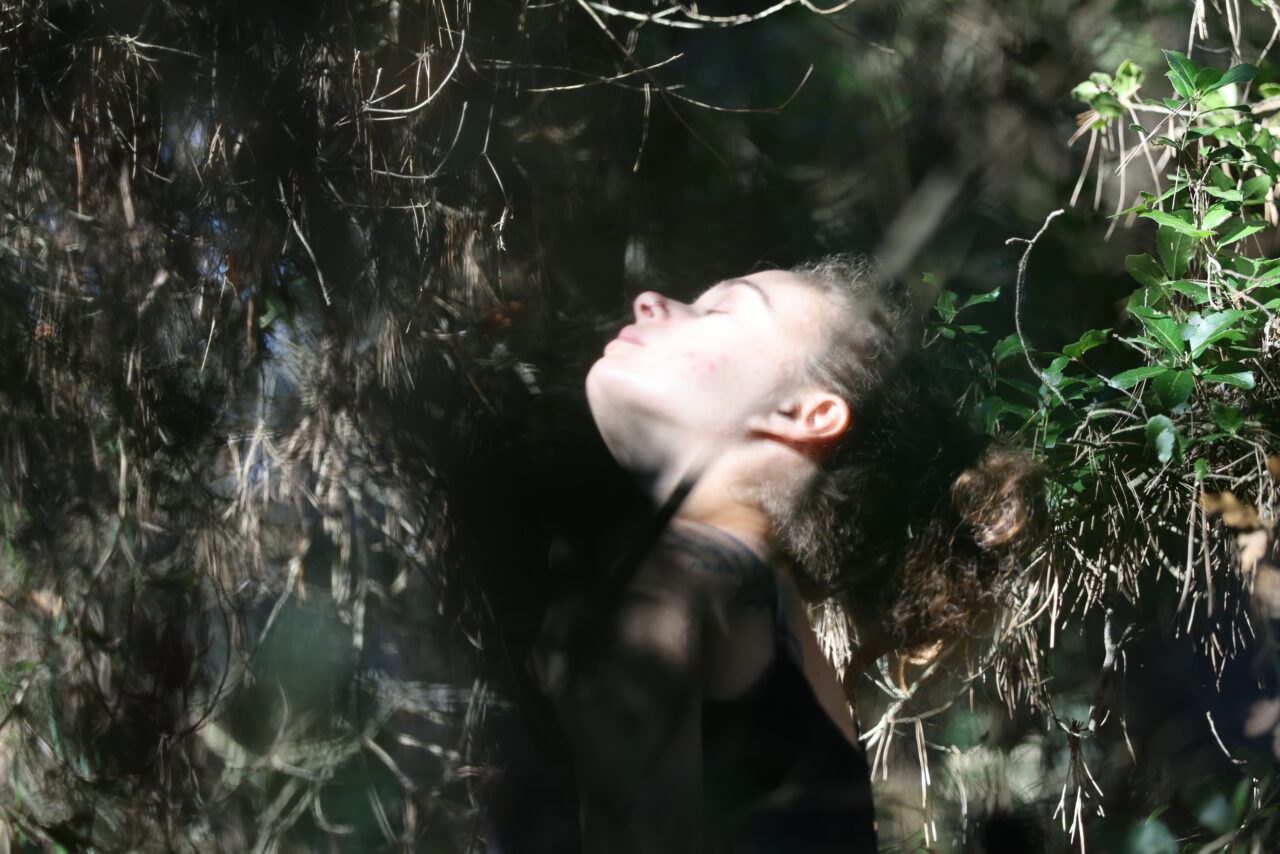
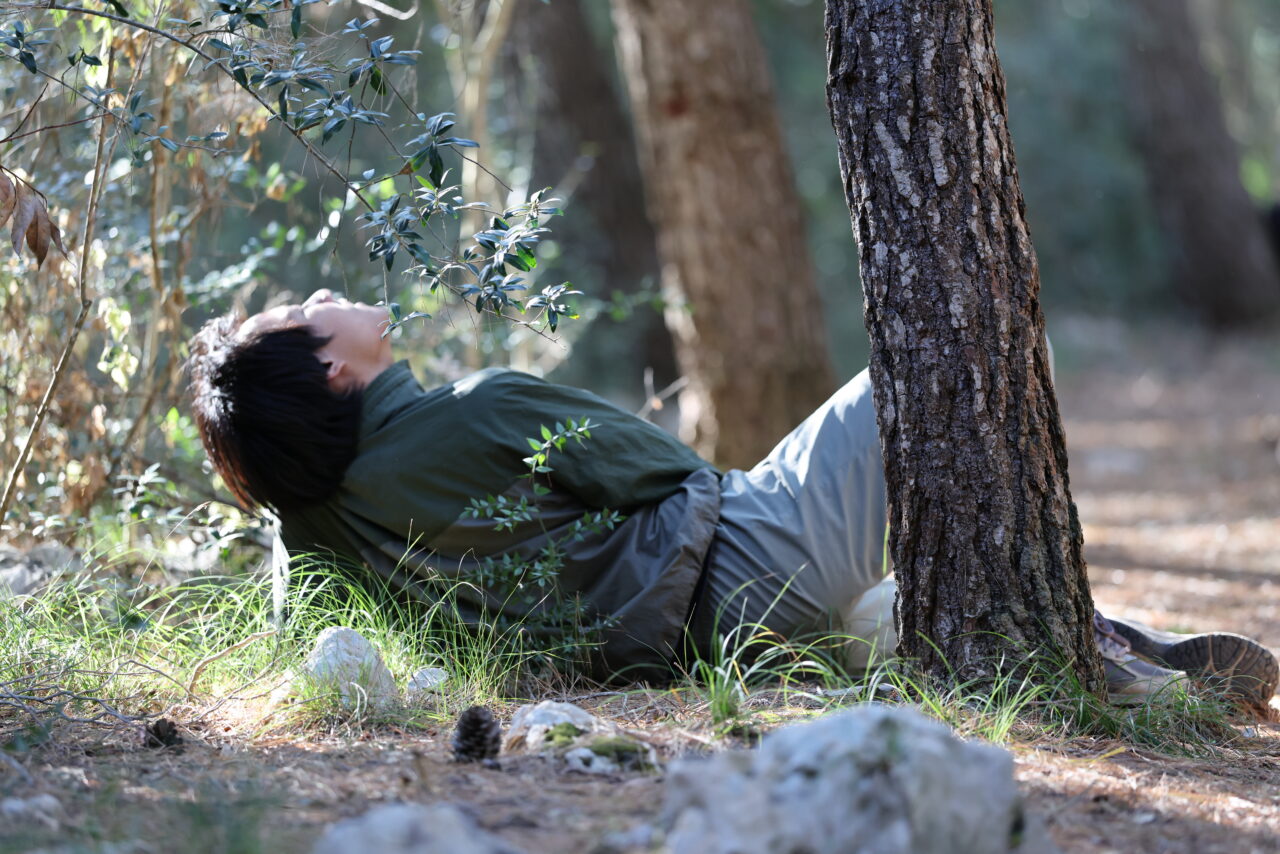
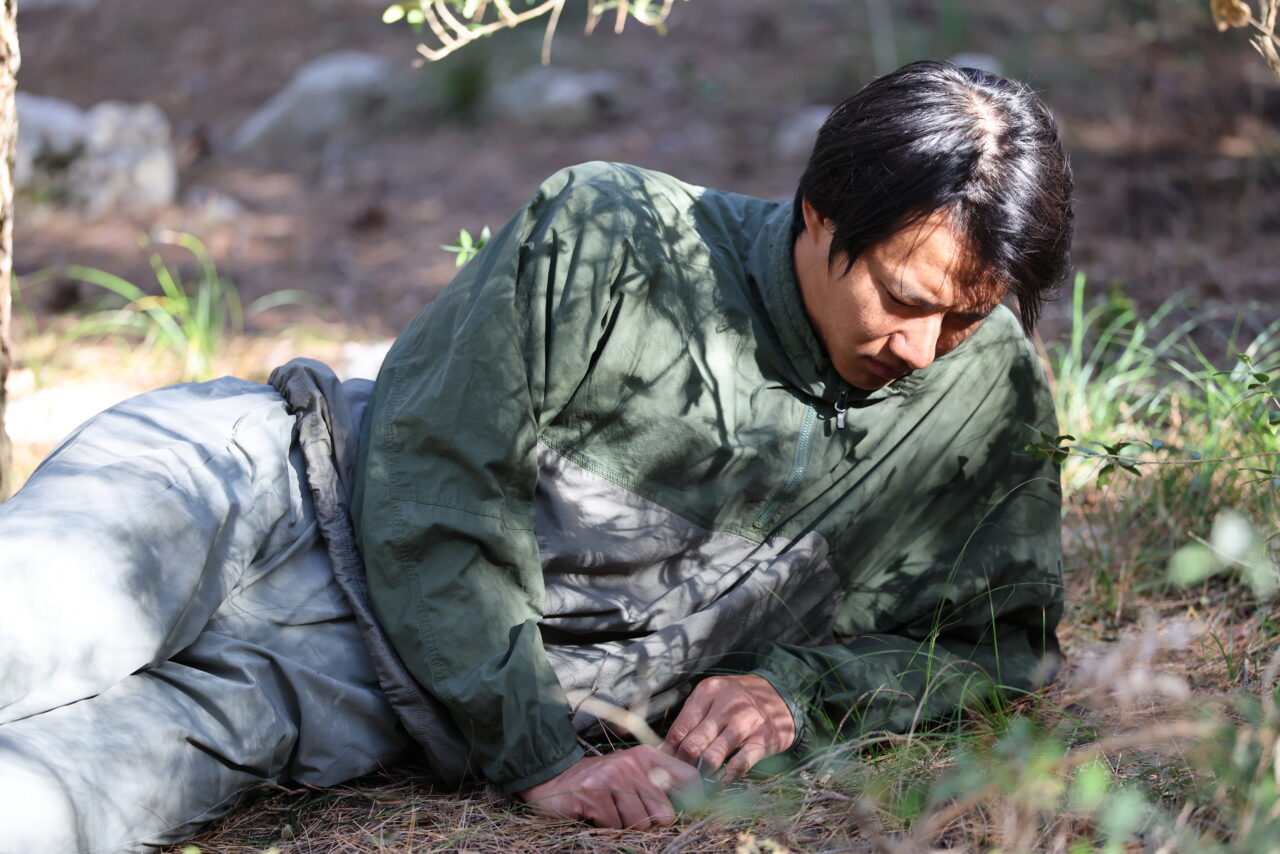
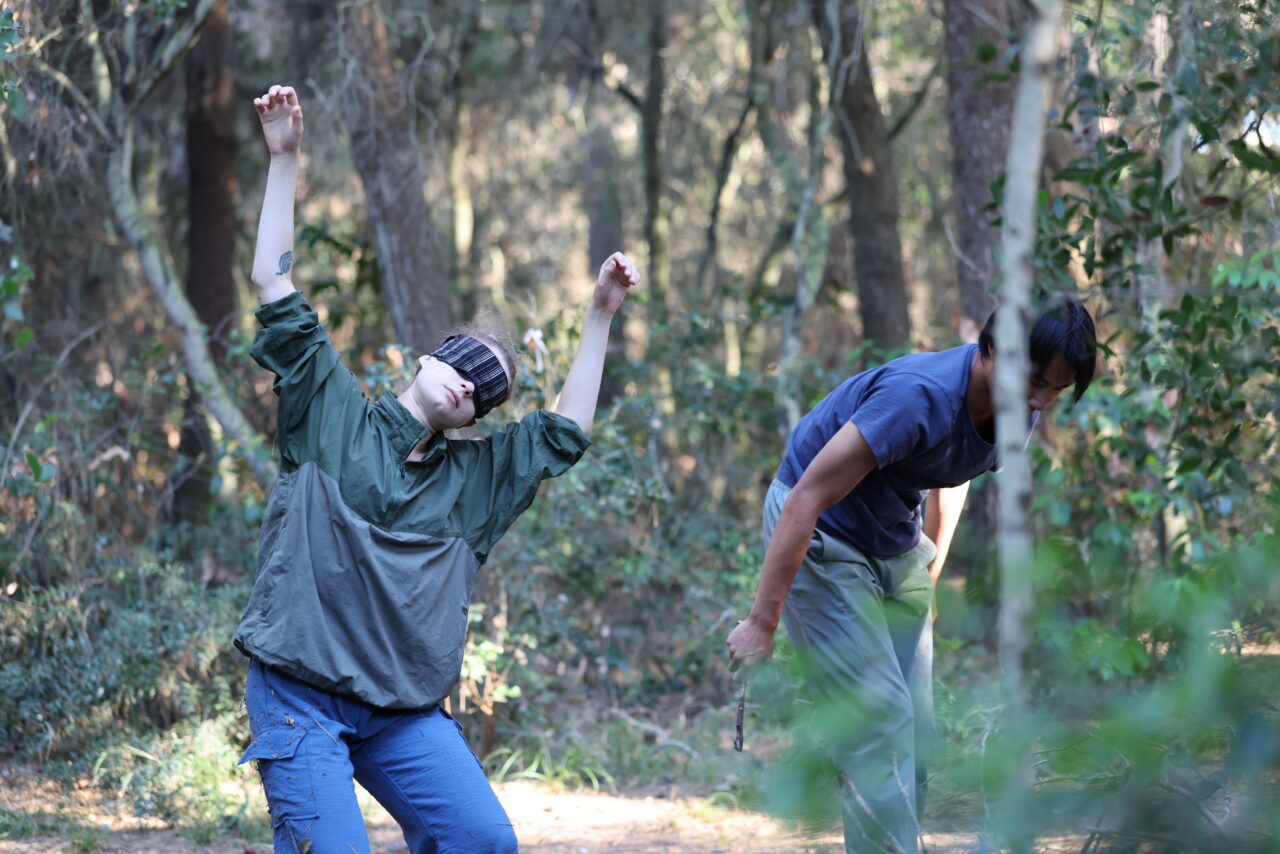
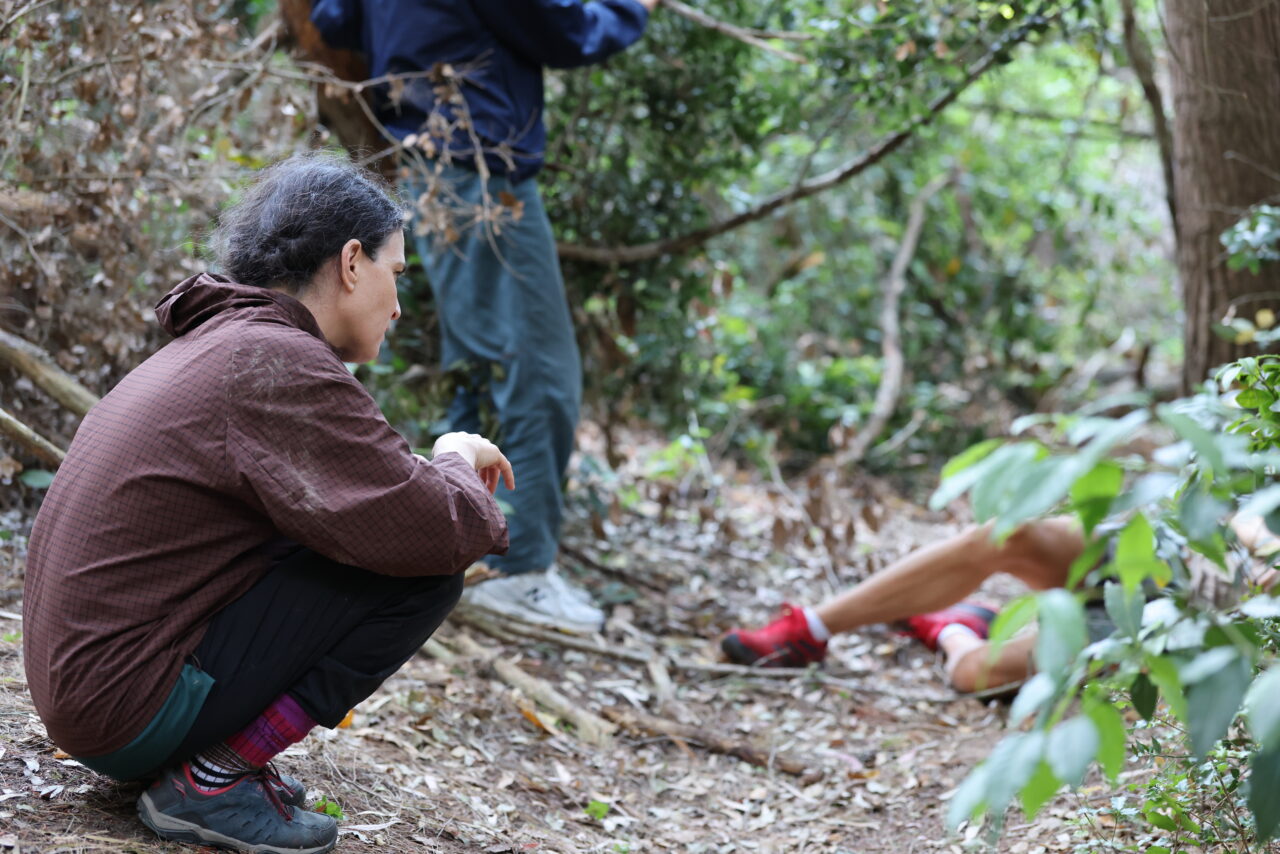
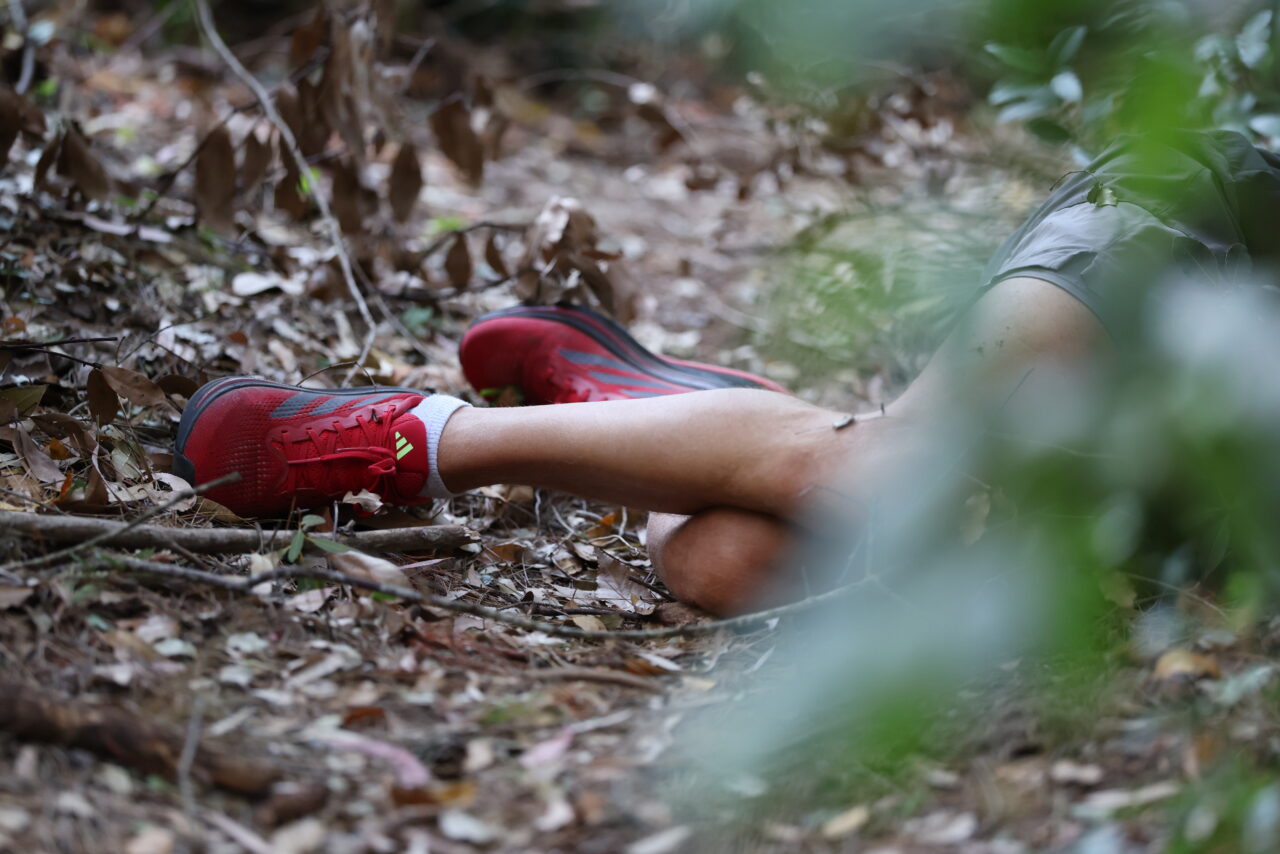
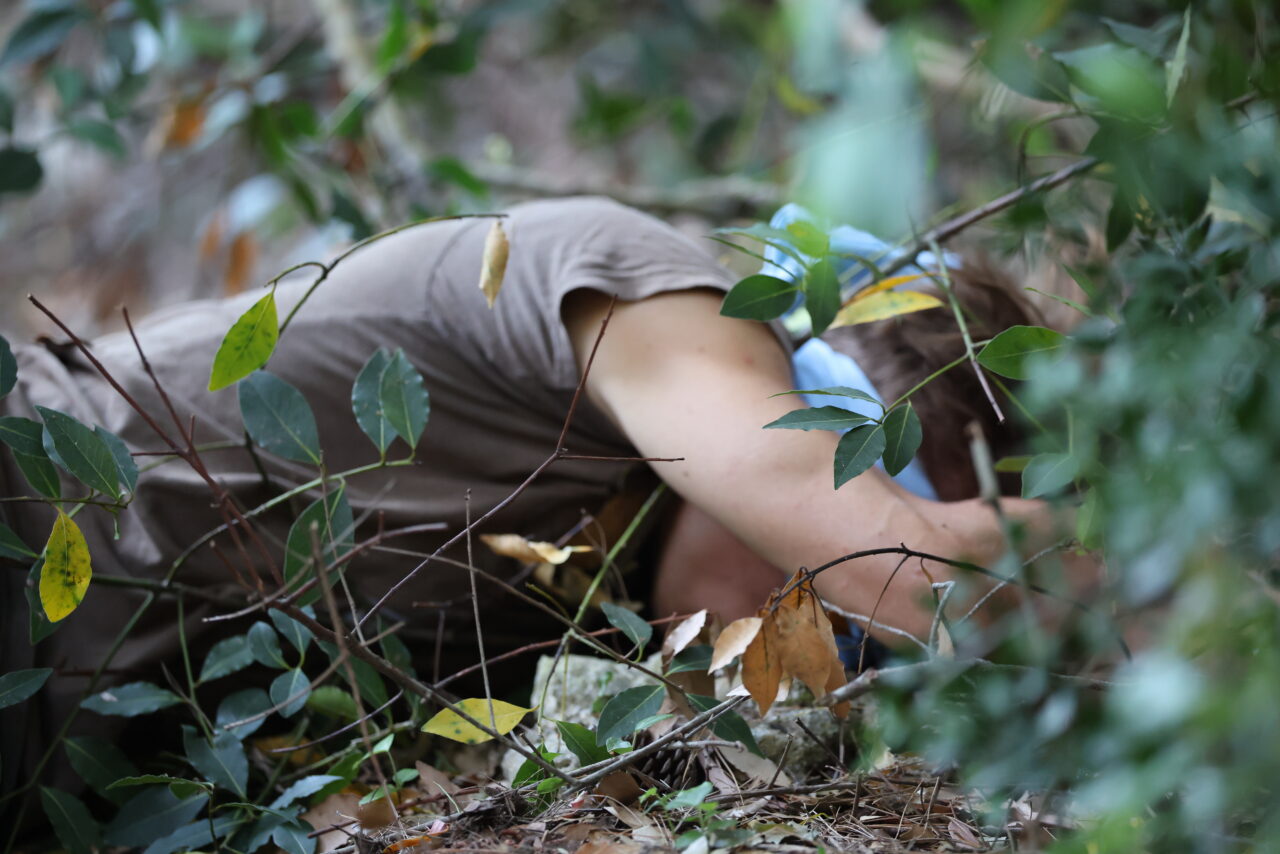
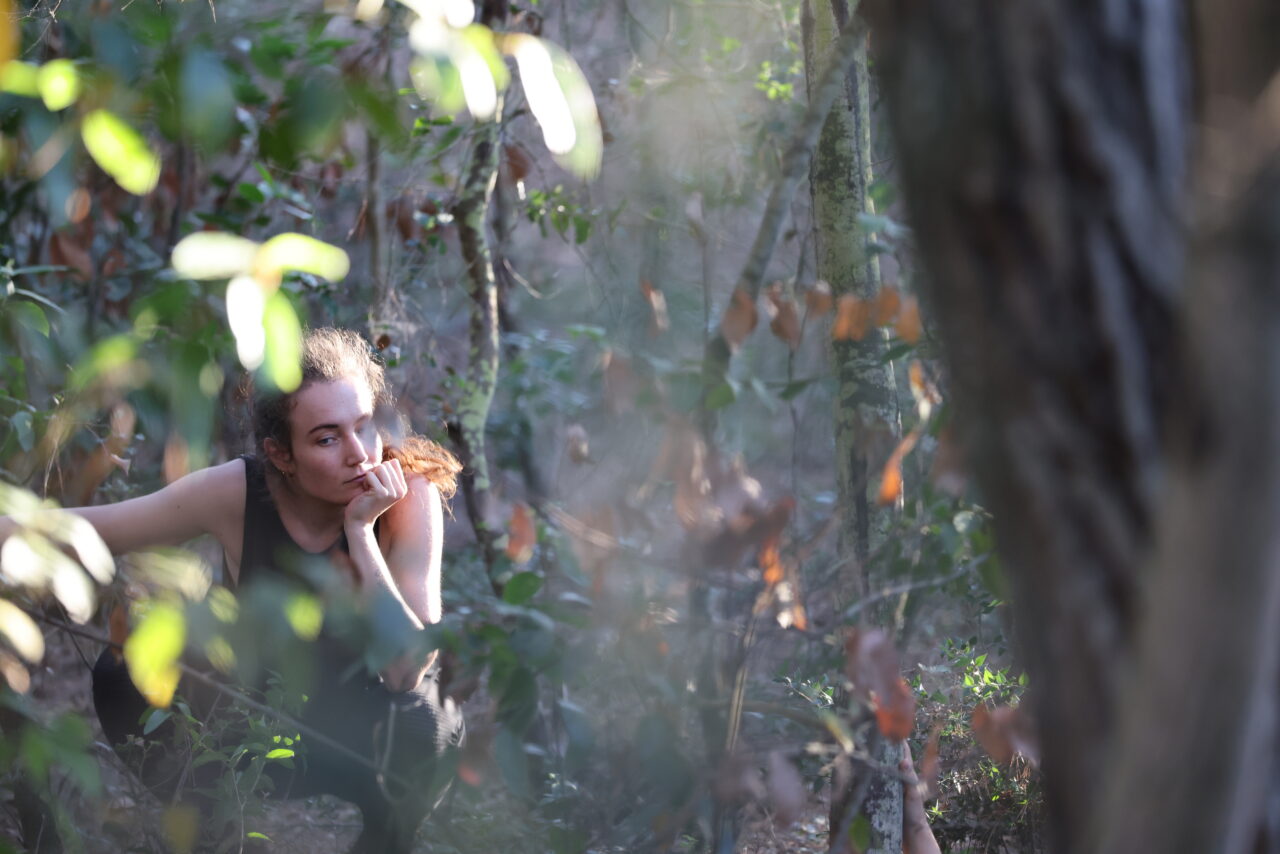
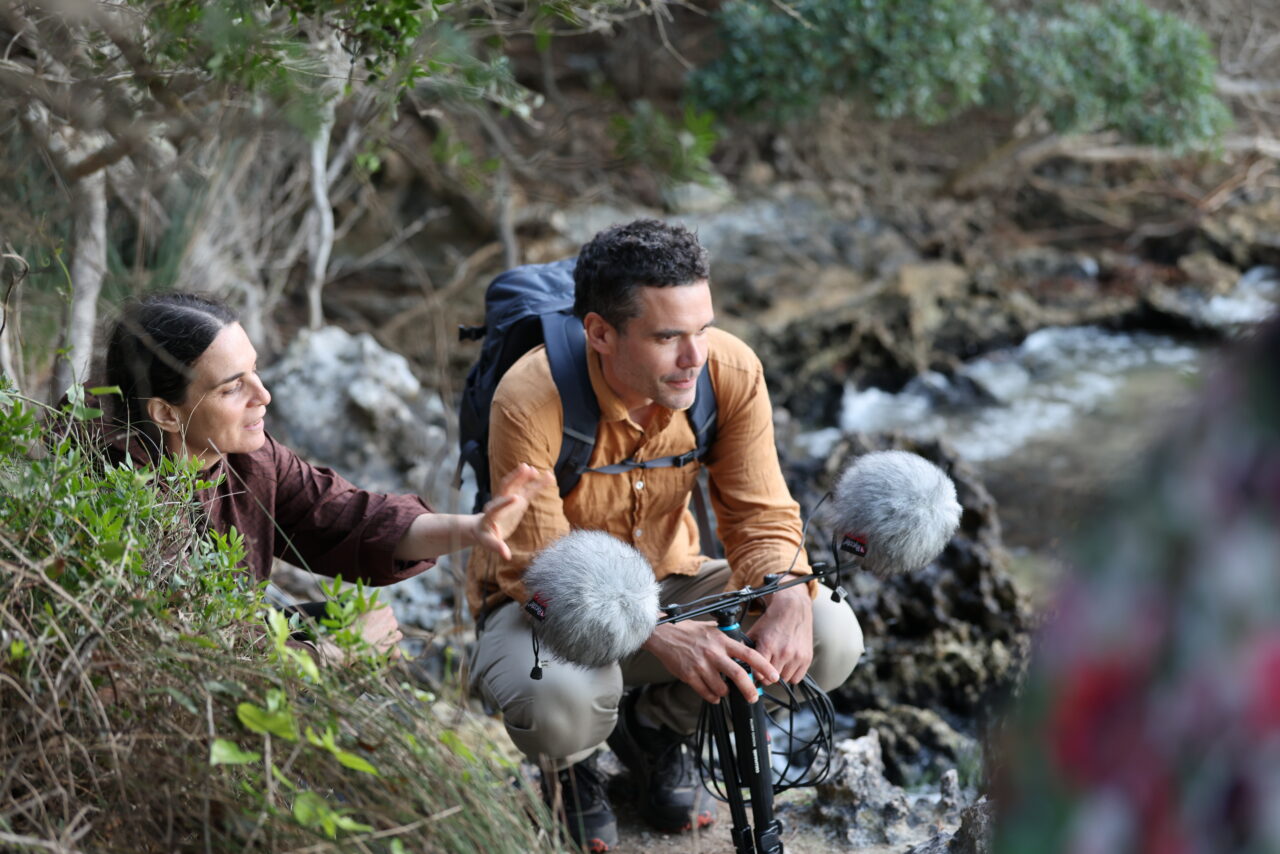
Then, from 8 to 20 June, the residency turned from the human community to the earth. Choreographer Ephia Gburek and accordionist Vincent Valente of Djalma Primordial Science led Merging into Matter, two weeks of body weather research divided between the studio and outdoor immersion in the Puglian landscape. Gburek studied butoh with Min Tanaka and Kazuo Ohno in Japan and co-founded Djalma in 1998. The company’s works blur theatre, dance and performance, and turn up in galleries, derelict buildings and landscapes as readily as in theatres. Each morning an intensive warm-up connected the group to the place, to sensation, to breath and voice. Then the research slowed down, guided by a poetic language and accompanied by Valente’s live accordion, until movement detached itself from stillness almost imperceptibly. Become a cliff. Become a river. Be a leaf. The cohort approached matter as existence, blurring the line between the animate and inanimate worlds, in what the artists call an act of metamorphosis.
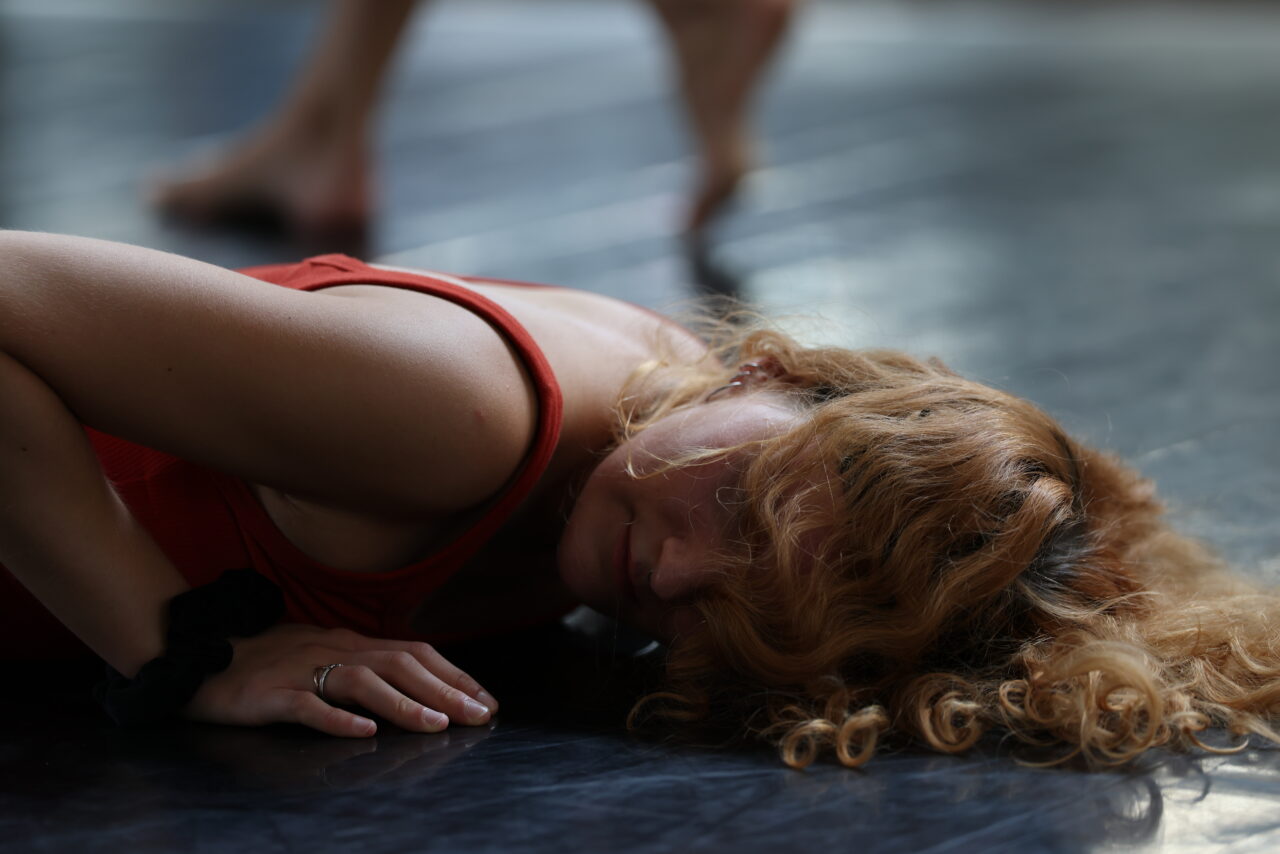
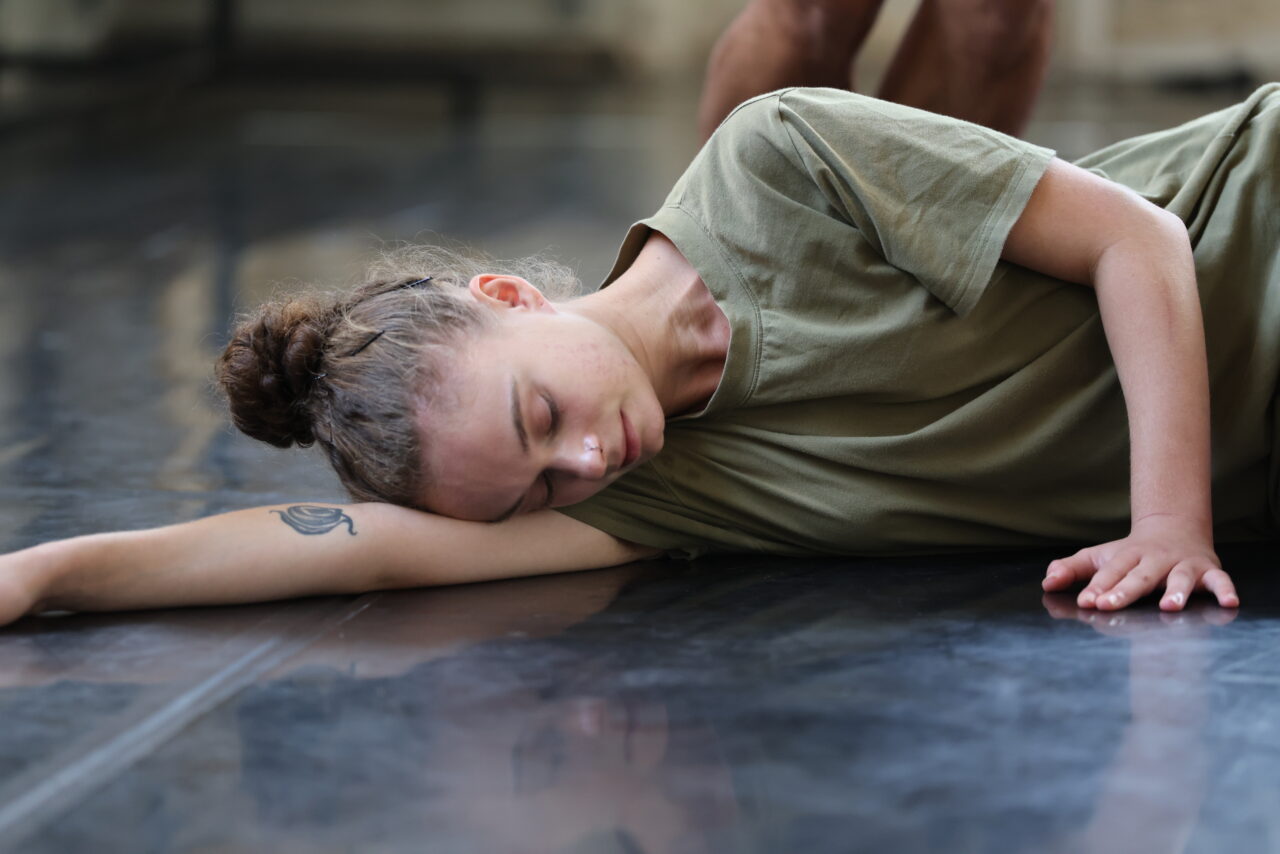
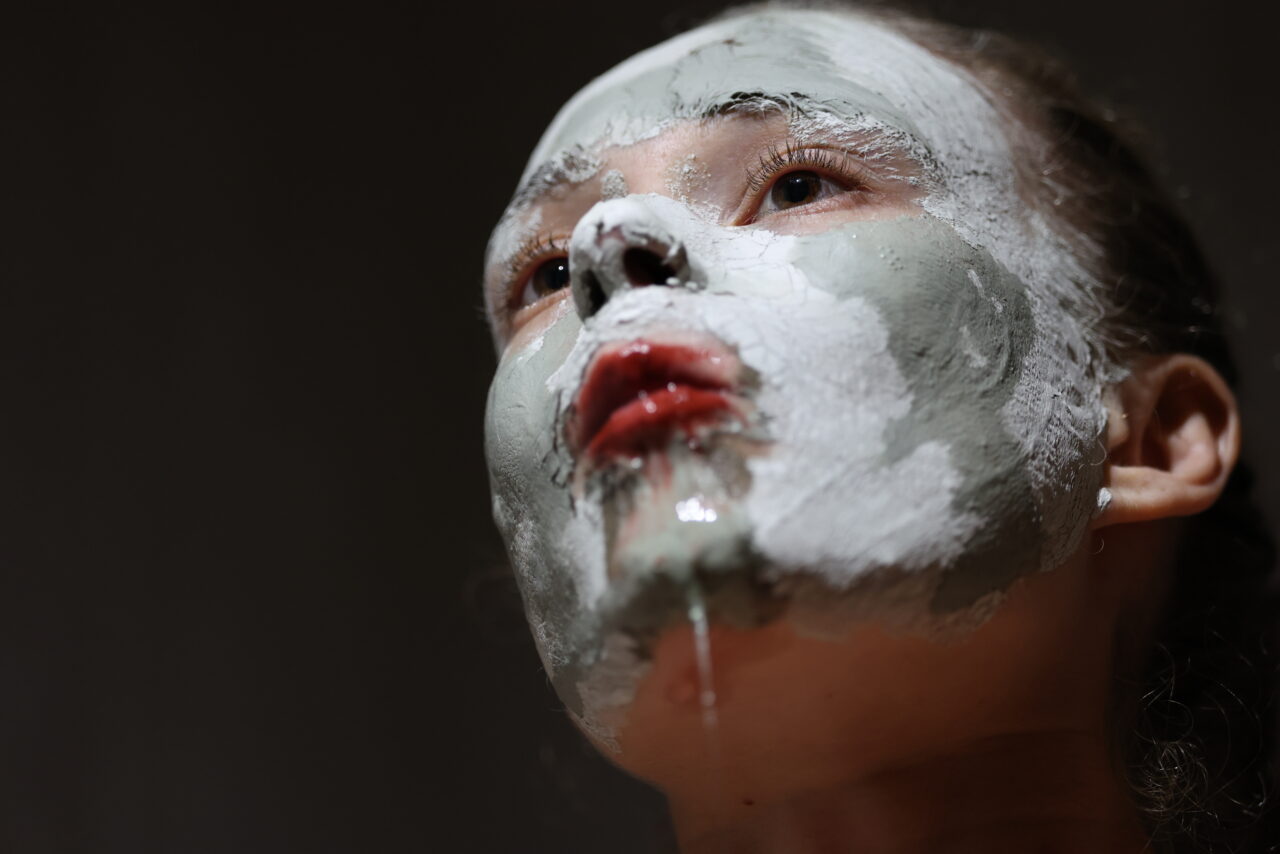
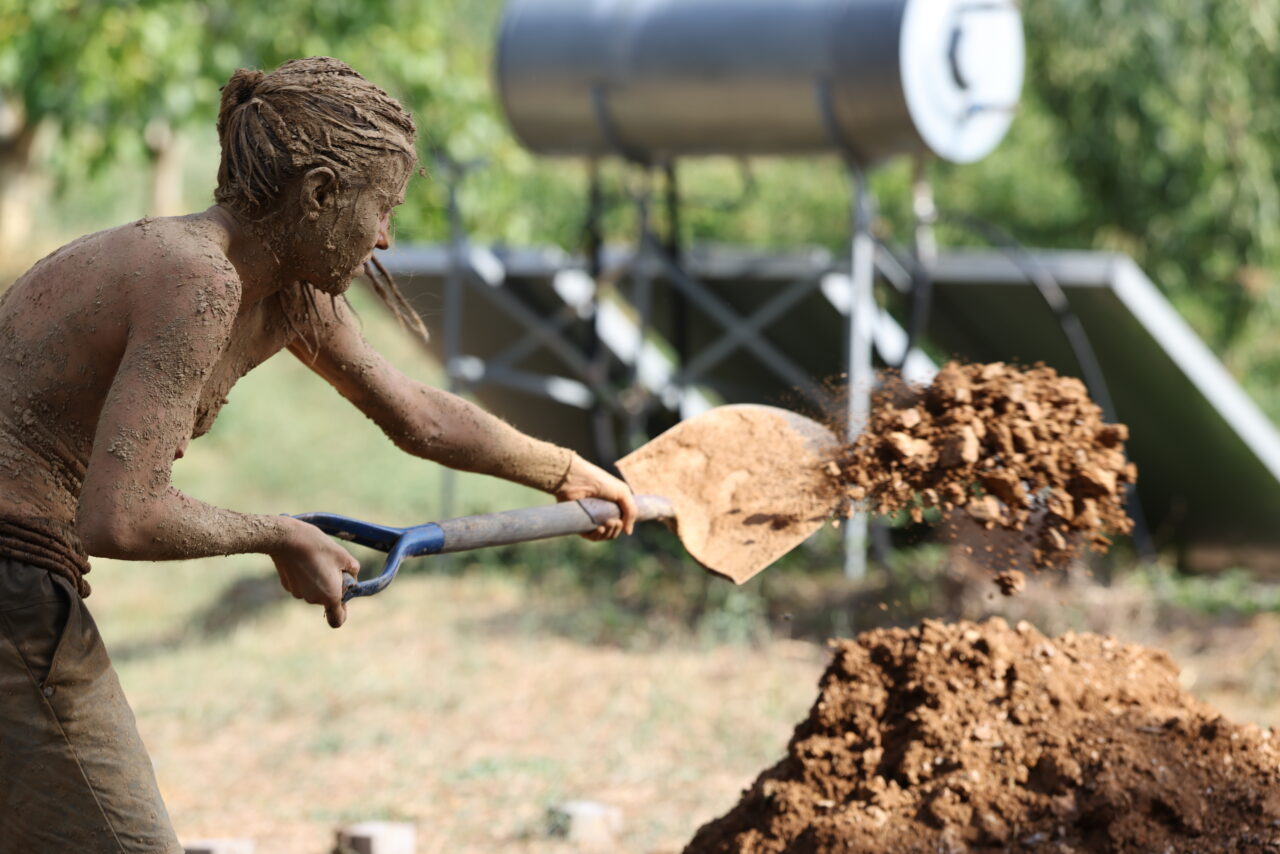
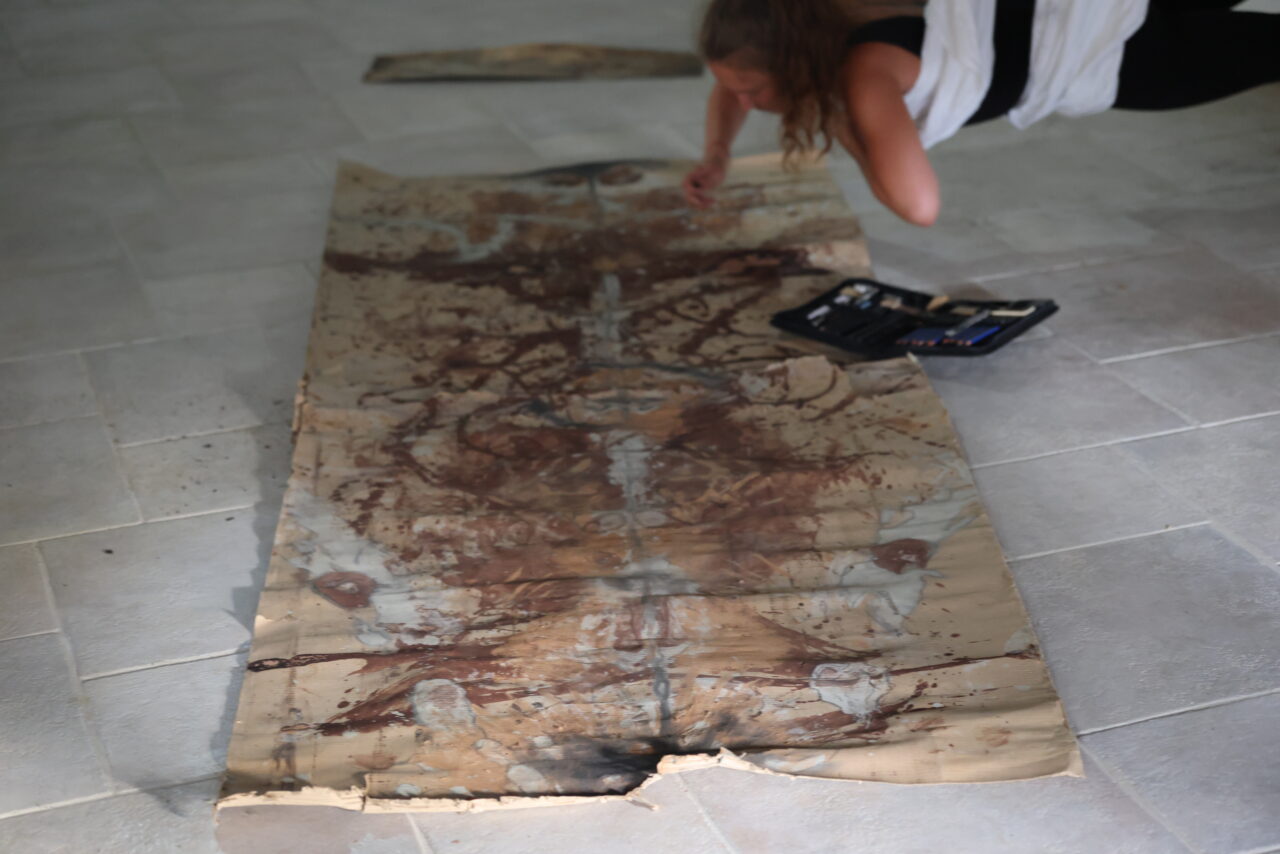
The score was spoken, never demonstrated, and it ran for hours. The day began by cleaning the space. Then a clay body on a clay floor, as if it had fallen from the sky and lain there for thousands of years: six to eight minutes of radical immobility before the first impulse, and after that an attention to every trace the body leaves as it forms and deforms, skin mixing with floor. The air thickens until it resists. A tunnel is carved. Late in the score the students walked backwards, seeing with the skin of the back and the soles of the feet, until, in Gburek’s phrase, the room became one river. The instructions were invitations rather than tasks: forget the form, decentre the human, superposition the senses using imagination.
Valente went on listening after the work stopped. The two weeks have since become a fifteen-minute sound postcard, Melpignano, made from what the residency actually sounded like. Listen to it here.
A week of reading in an olive grove.
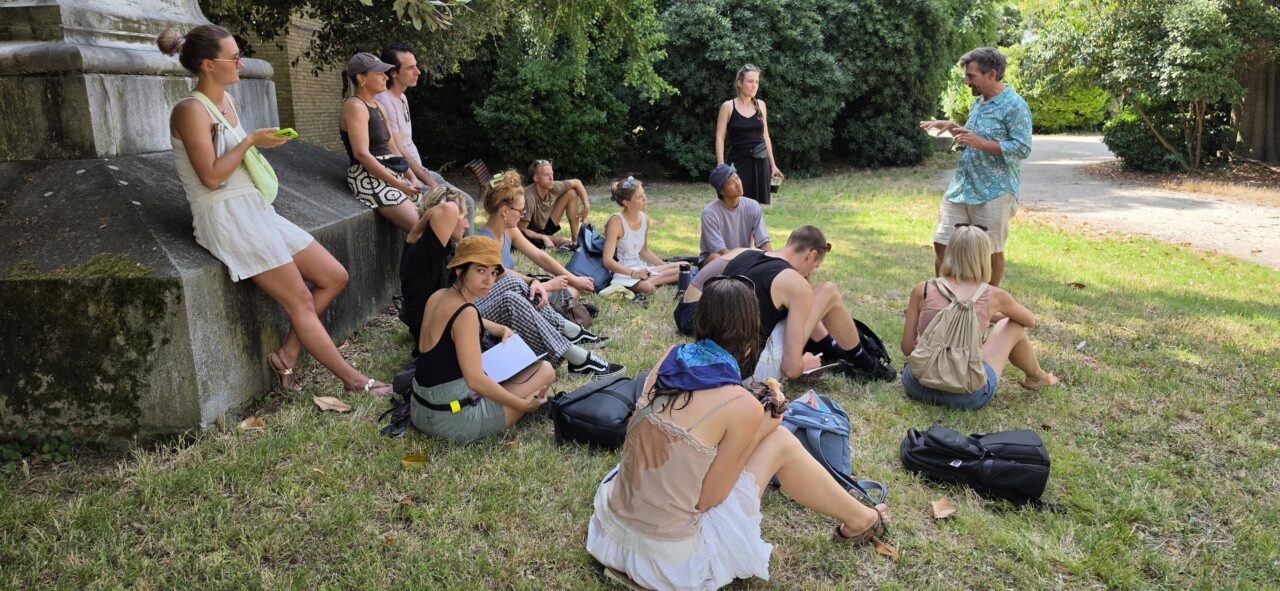
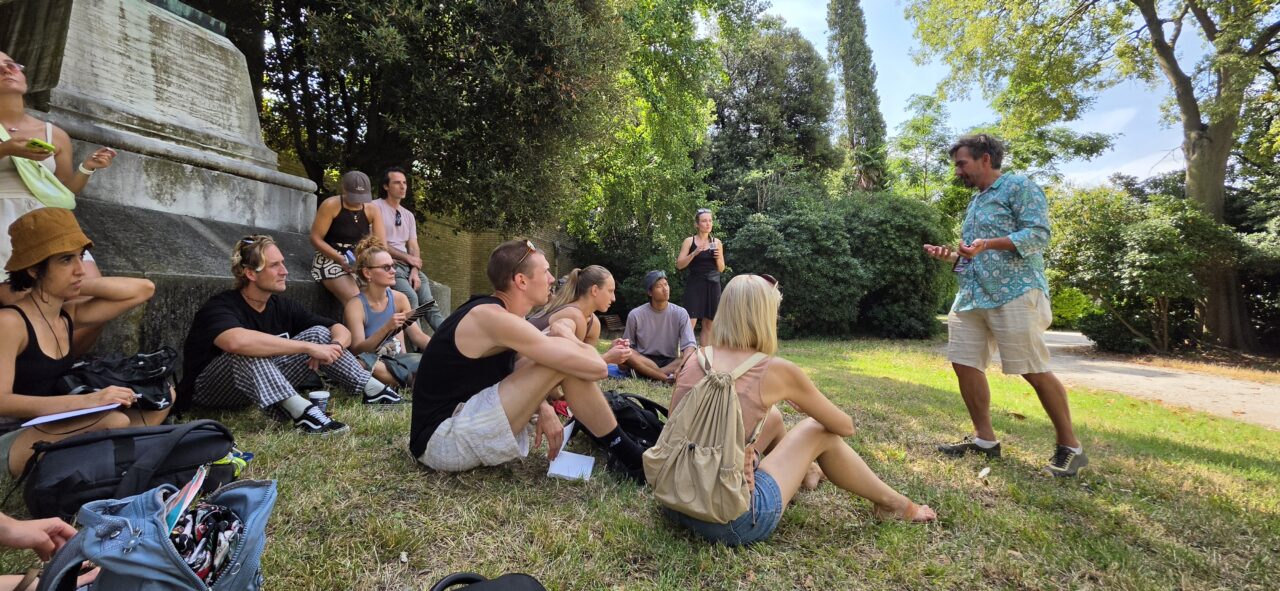
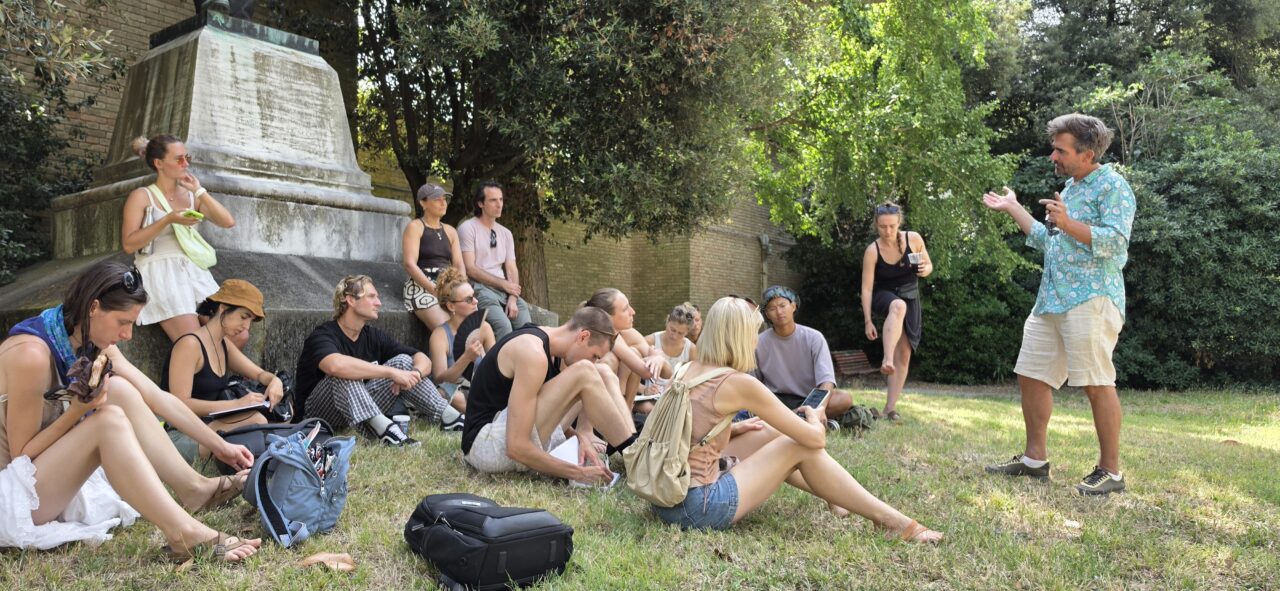
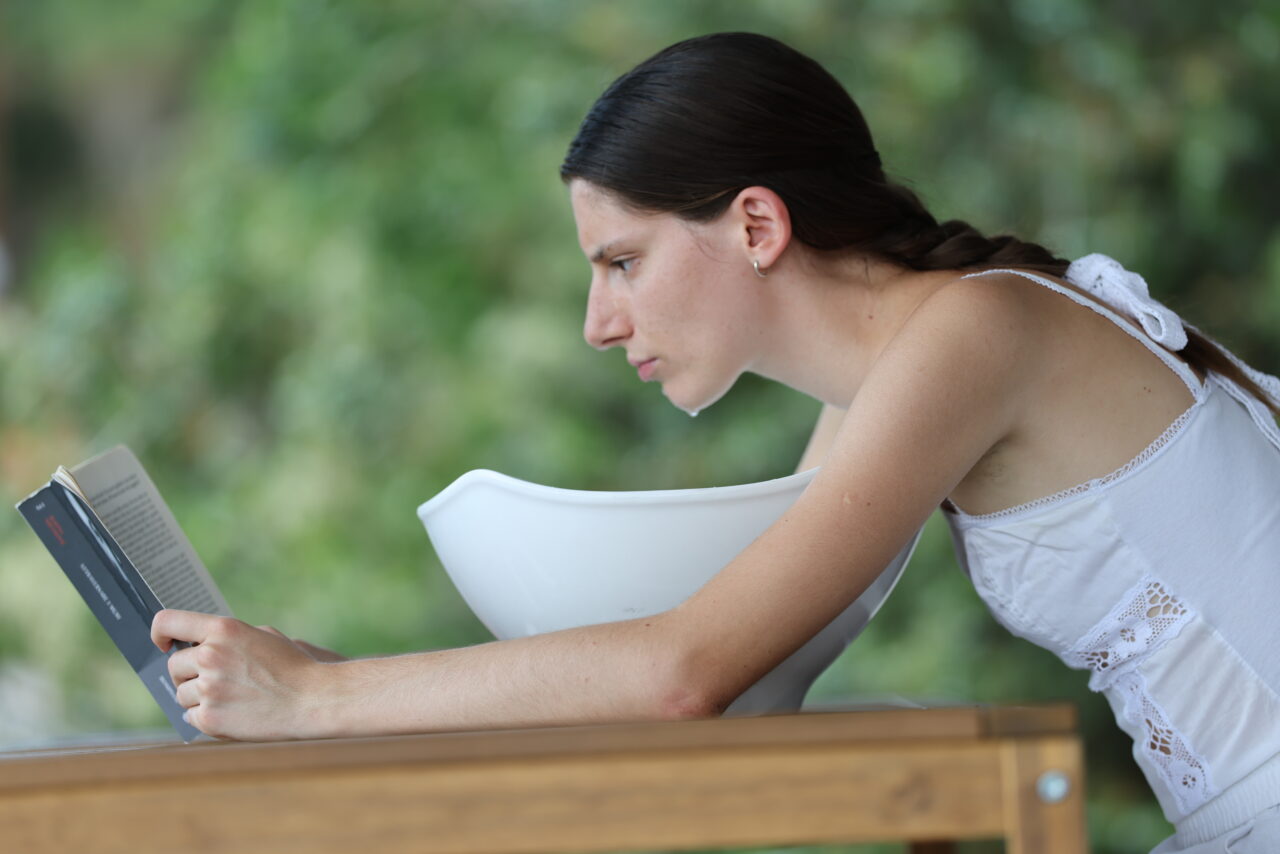
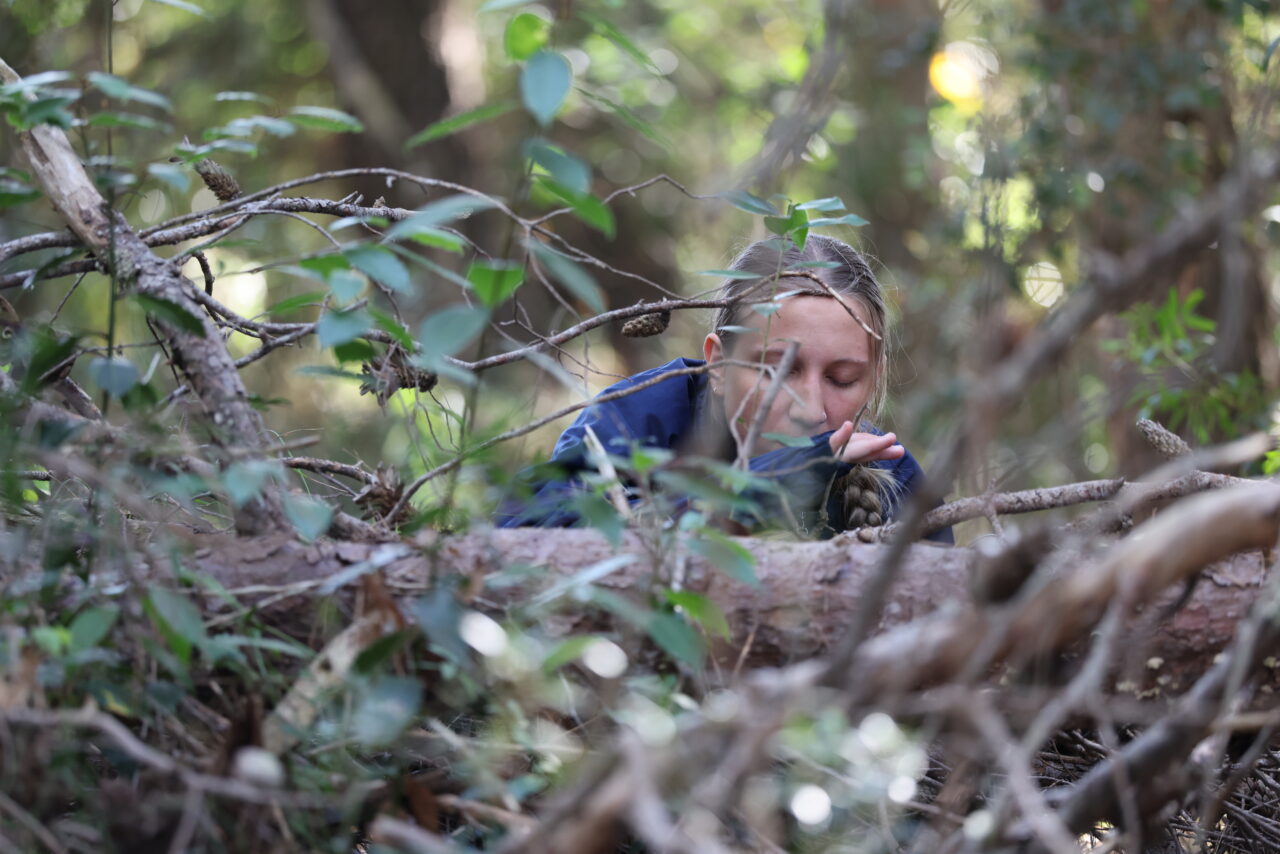
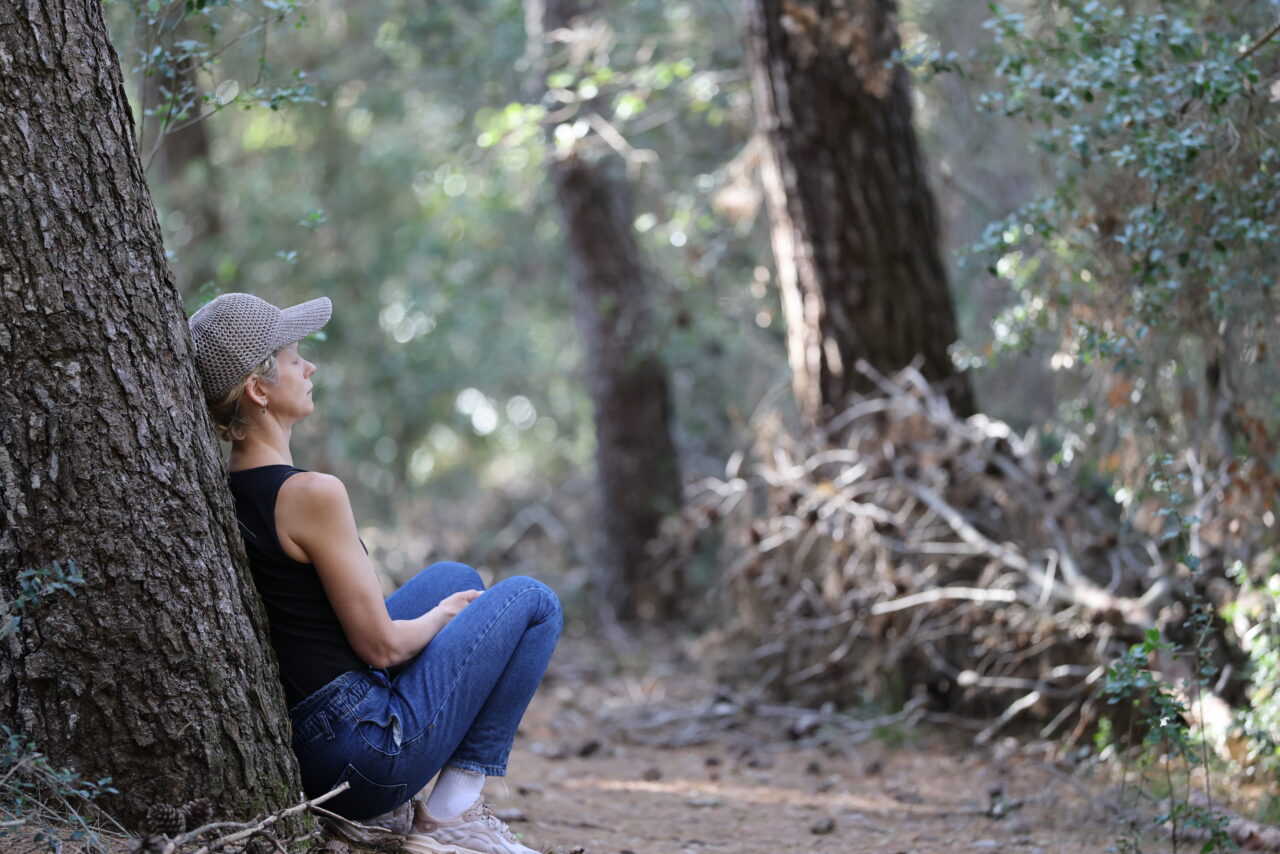
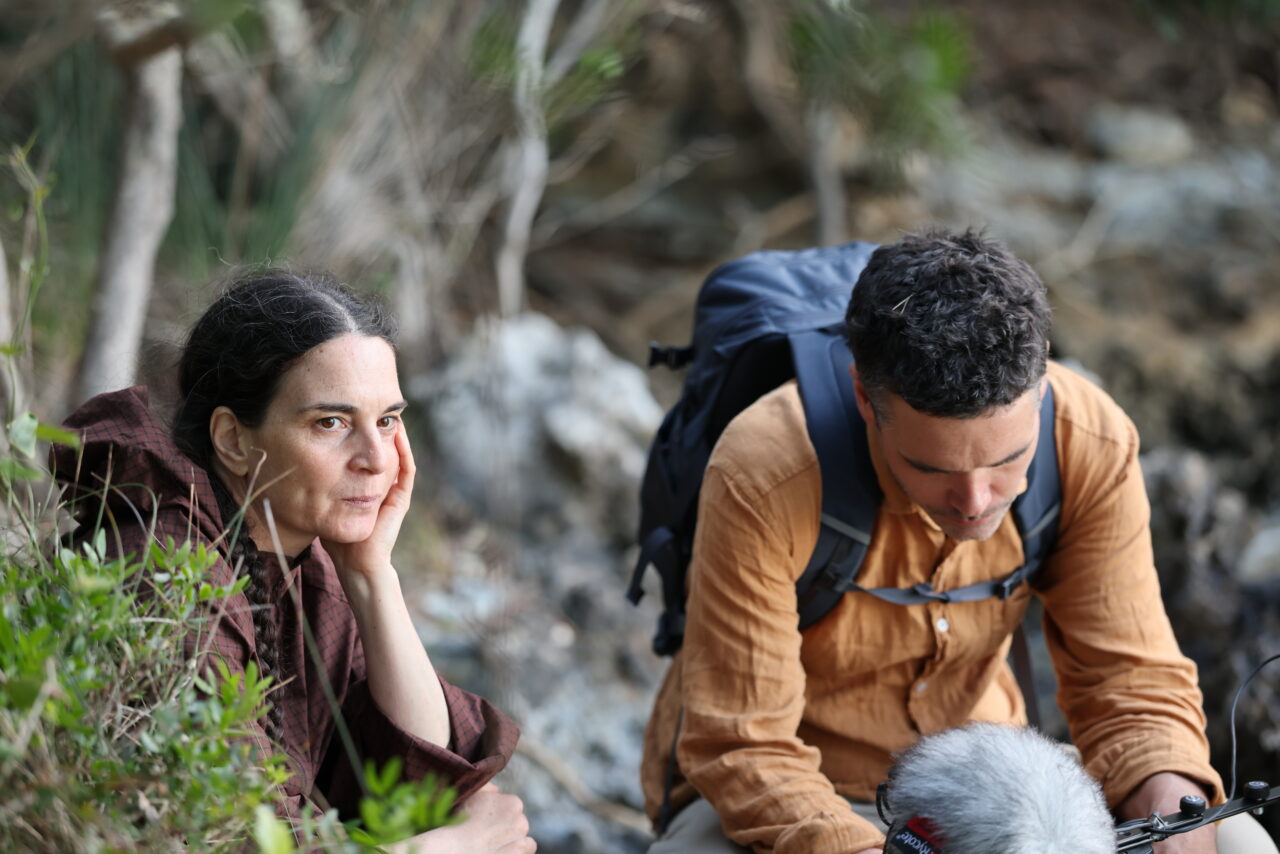
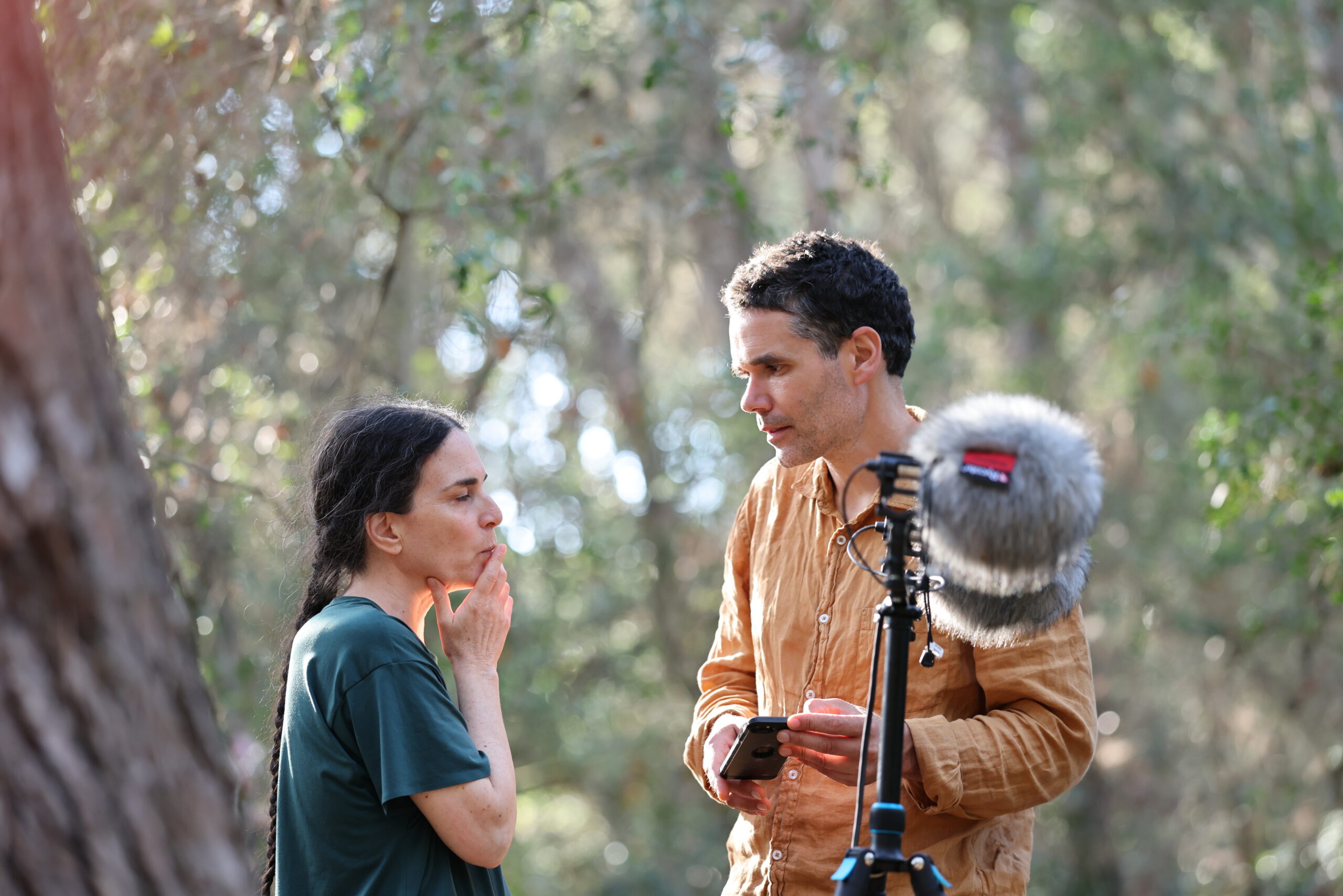
Between Puglia and Venice came a week at Elaionas, an olive-grove retreat near Arillas on Corfu, and with it the third practice of the summer. Imanuel Schipper is a dramaturge and performance scholar who has worked with the Berlin collective Rimini Protokoll for more than twenty years, and he first taught at CPPM in 2020, with the programme’s first cohort. Rimini Protokoll makes documentary theatre with what it calls the experts of everyday life rather than with actors, and Schipper’s seminar, Watching Otherwise, turned that attention around onto the audience: how we watch, who is allowed to watch, and under what conditions. The group read, walked and watched together under the trees, starting from Jacques Rancière’s claim that the spectator is never passive, and moving through Claire Bishop on distracted attention and Diana Taylor on the body as a memory no archive can hold. They left the grove carrying one question, and the next month answered it on its feet: how does a spectator stop being a bystander and become a co-producer of the work?
The seminar’s sharpest instrument was a sentence. A tree. Then a cherry tree. Then a cherry tree behind my house. Then a cherry tree in winter. The writer supplies only signs. Every reader builds a different tree out of their own memory, and never receives the writer’s. From there the questions got harder. Are we steering an audience towards a response, or issuing an invitation? How emancipated is a spectator’s imagination, really, after a glass of wine, or for a spectator who is autistic, or for one whose history produces a different meaning out of the same forty minutes? Alongside Rancière the group read Guy Debord, for whom the spectacle is not a pile of images but the way social relations come to be mediated by them: an argument that landed squarely on the habit of turning a present moment into content for a future one.
Two companies, then six walks.
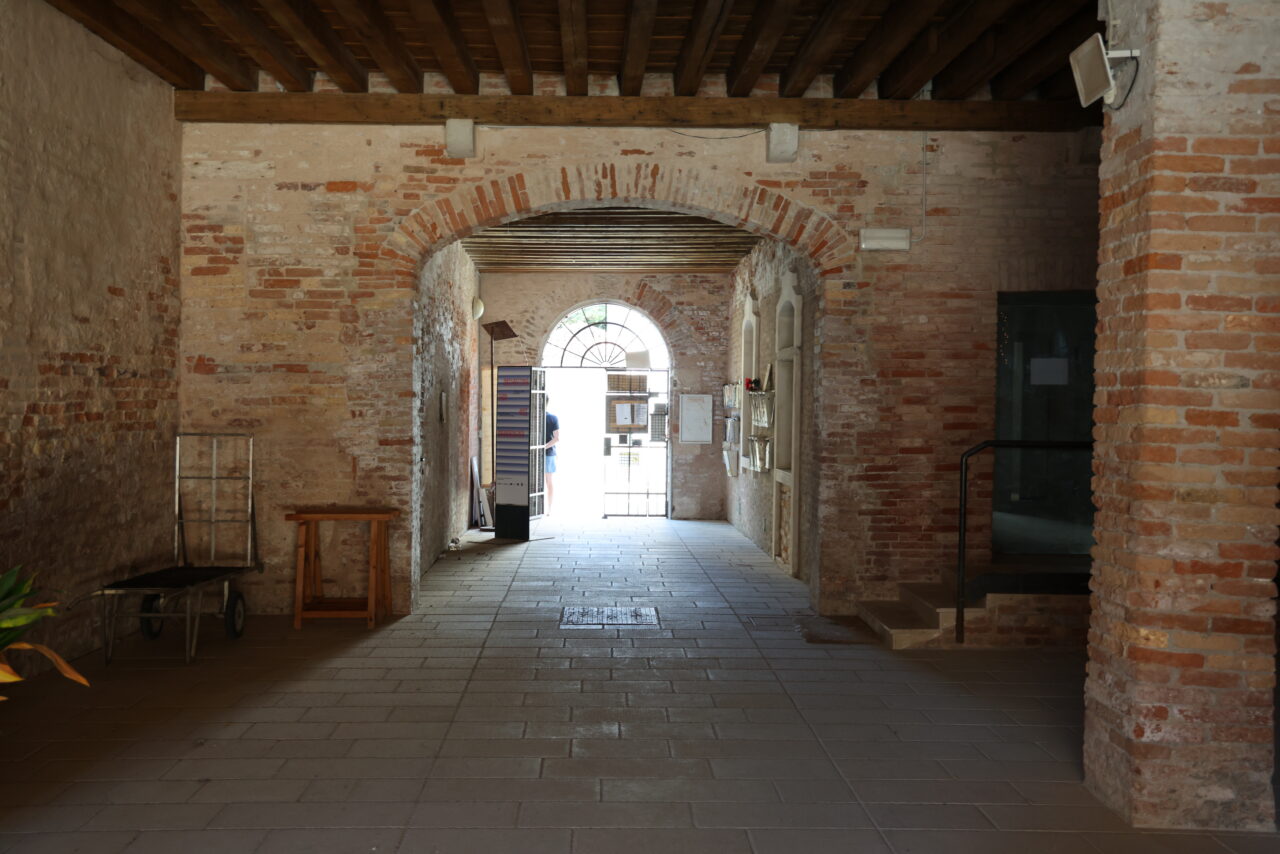
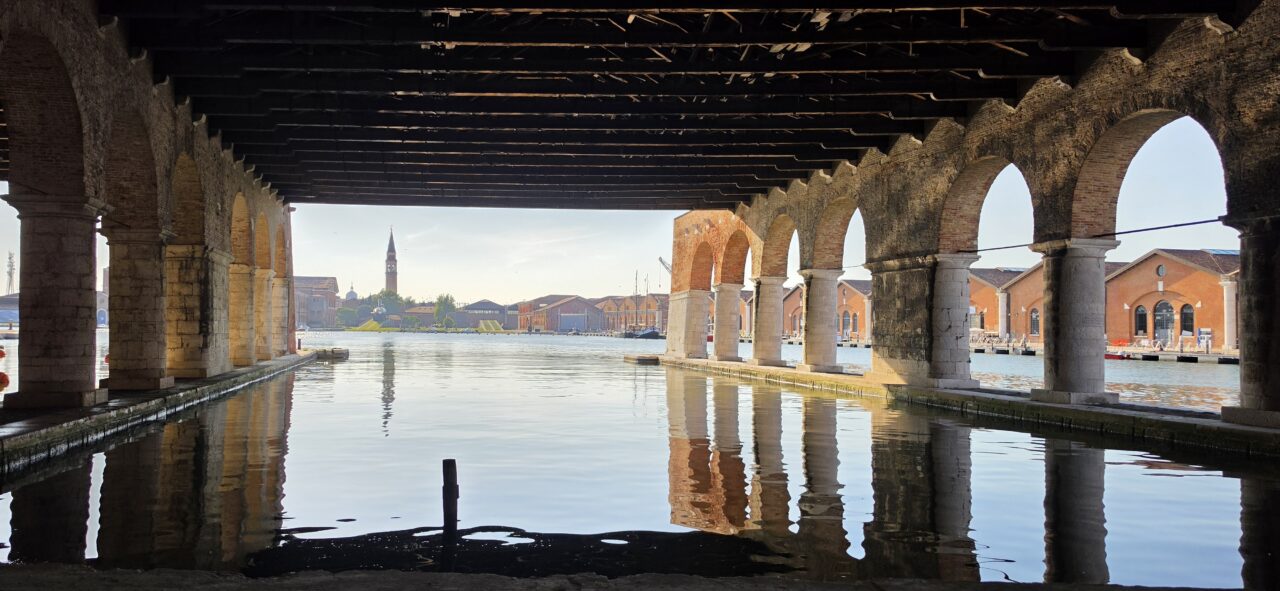
The Venice chapter ran for four weeks from 28 June at the Centro Teatrale di Ricerca on the Giudecca, the long island across the water from the tourist city. The first fortnight belonged to two companies that changed how audiences meet a performance, and each of their weeks ended with the doors opened to the public.
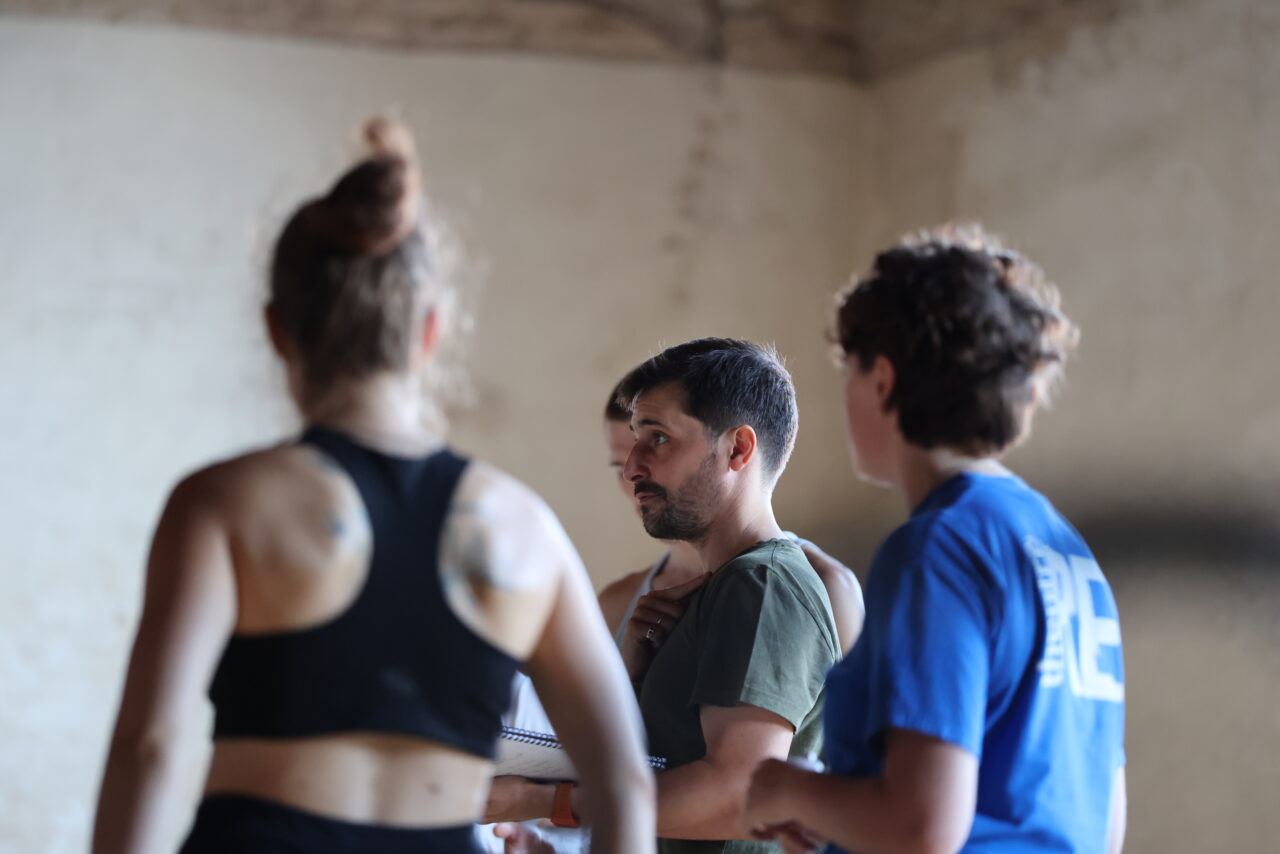
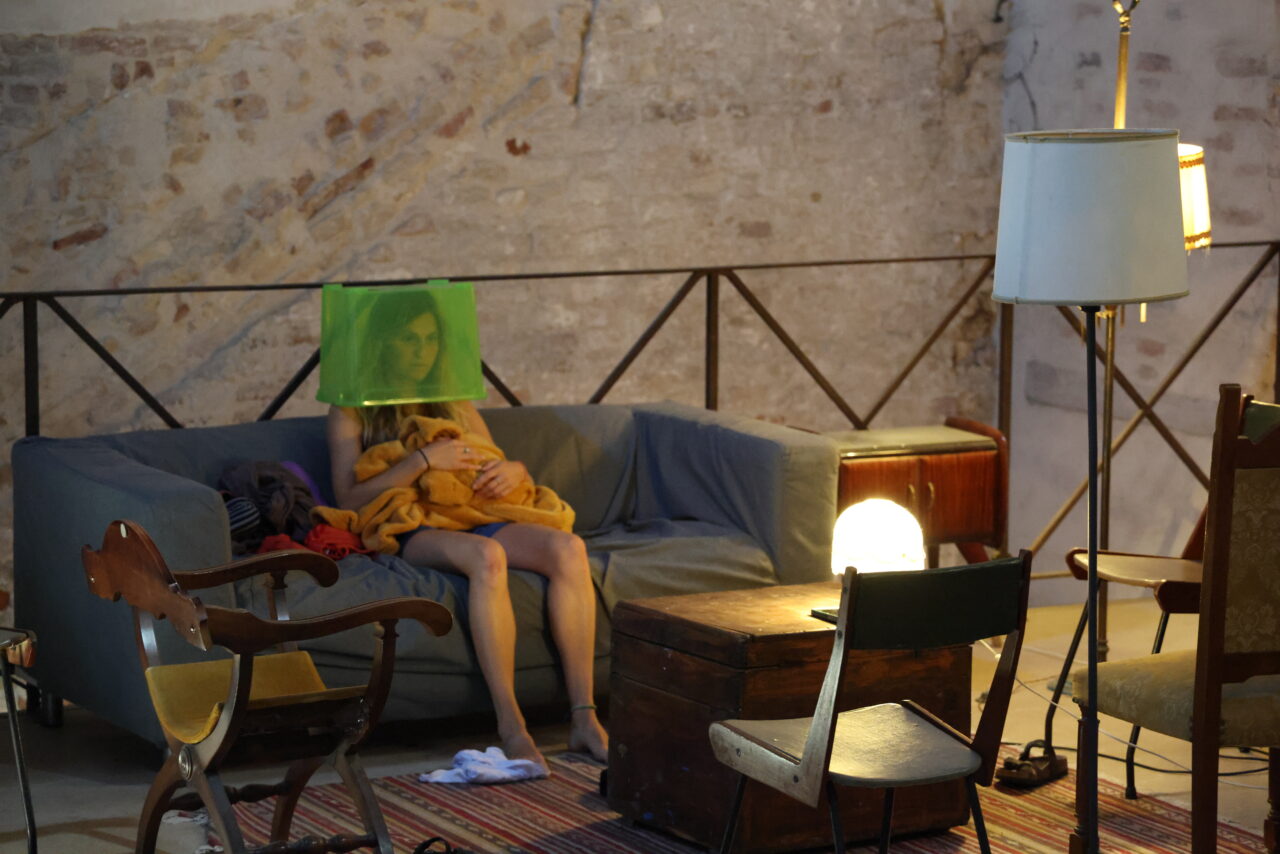
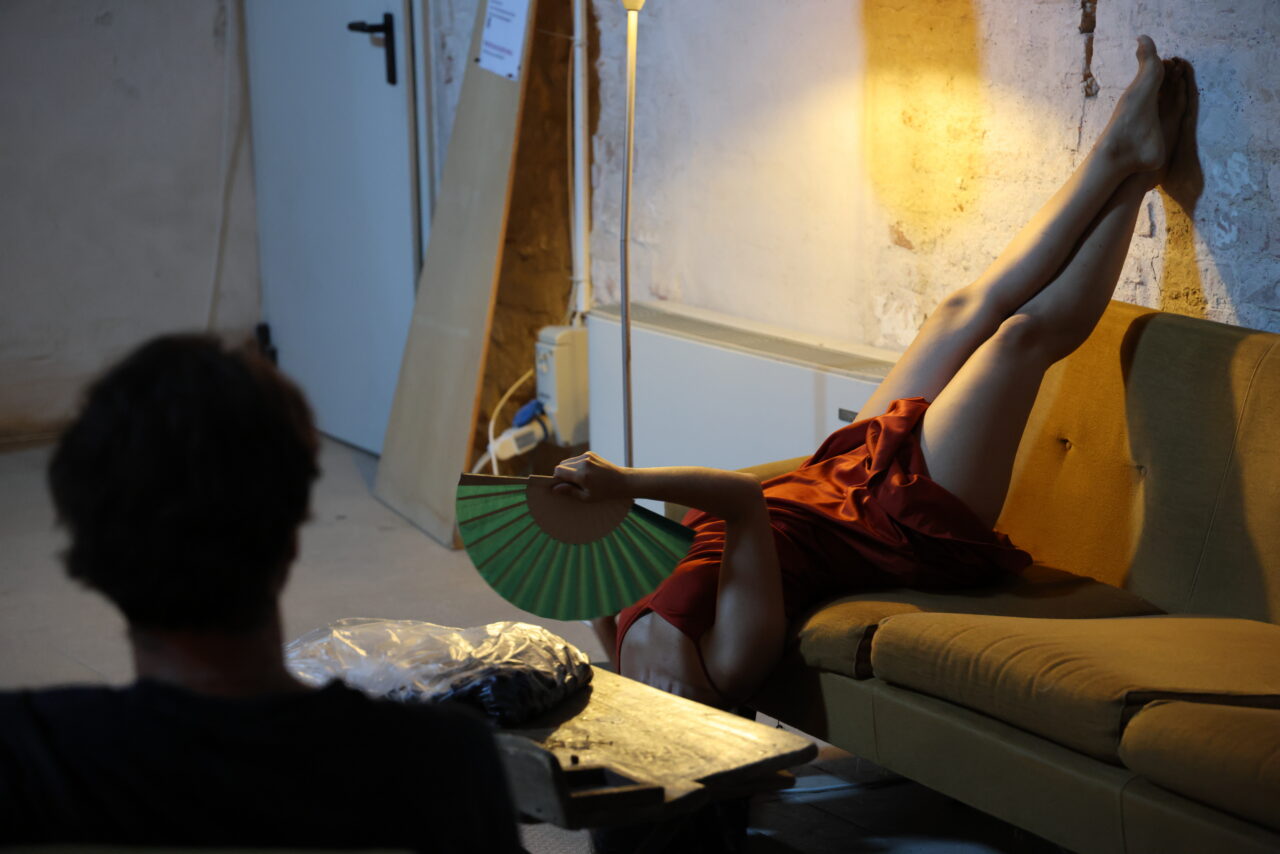
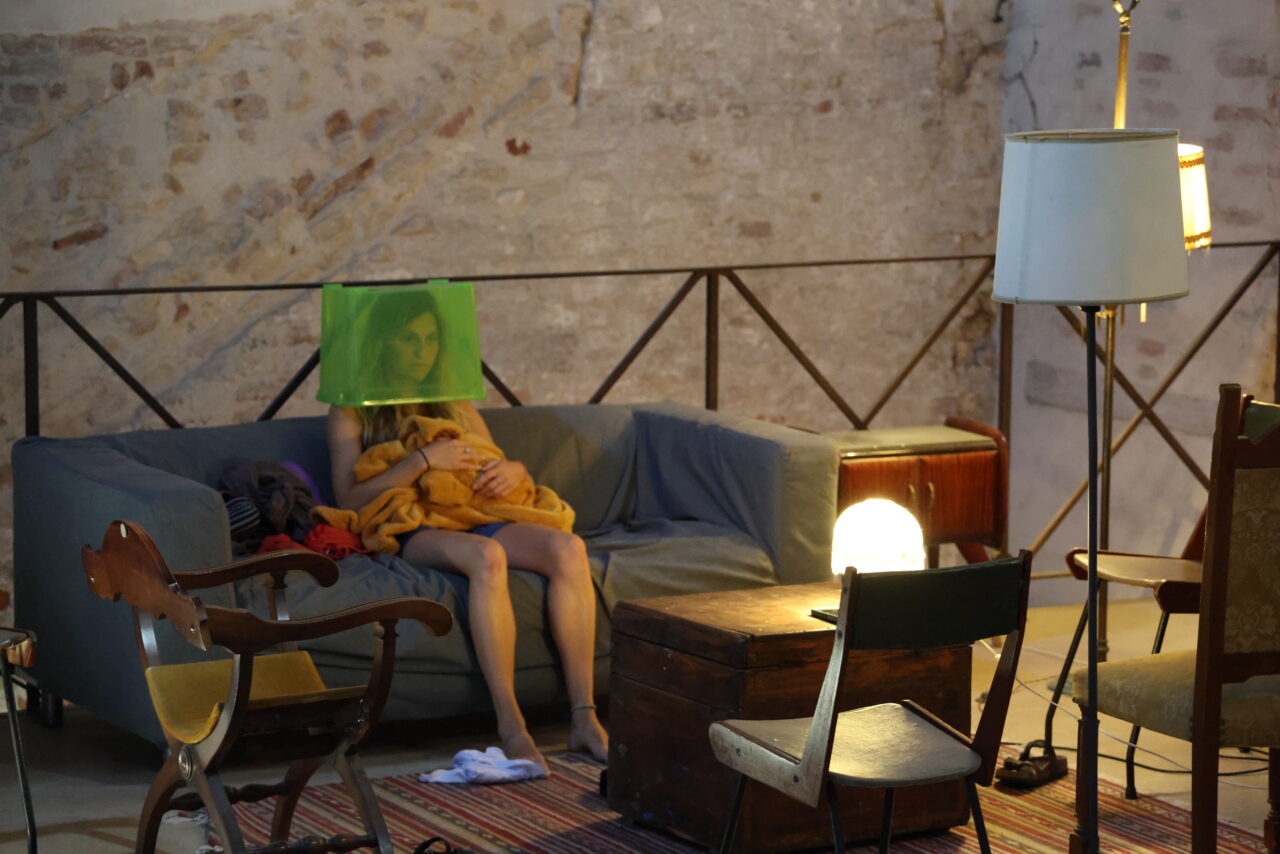
Sarah Dowling led the first week. Punchdrunk, founded in London in 2000 by Felix Barrett, built the form most people now mean by immersive theatre, where the audience, masked and silent, walks through a world rather than sitting in front of one. Dowling has been a collaborator since 2002: Lady Macbeth in the original Sleep No More, Associate Director on The Burnt City. What she brought was a practice the cohort stood inside. The week worked on spectatorship in immersive and site-sympathetic space. Material was built fast and deliberately unjudged. The audience became a variable to compose with: how close they stand, where they place themselves, how long they are willing to look. Architecture stopped being a container and became a partner. By the third day the question had turned to the spectator’s senses, and the answer was mostly slowness. Do not bypass the small things. Let temperature and texture and sound arrive. Her way of working was itself part of the teaching: complete preparation, total attention to the room, and no wasted energy.
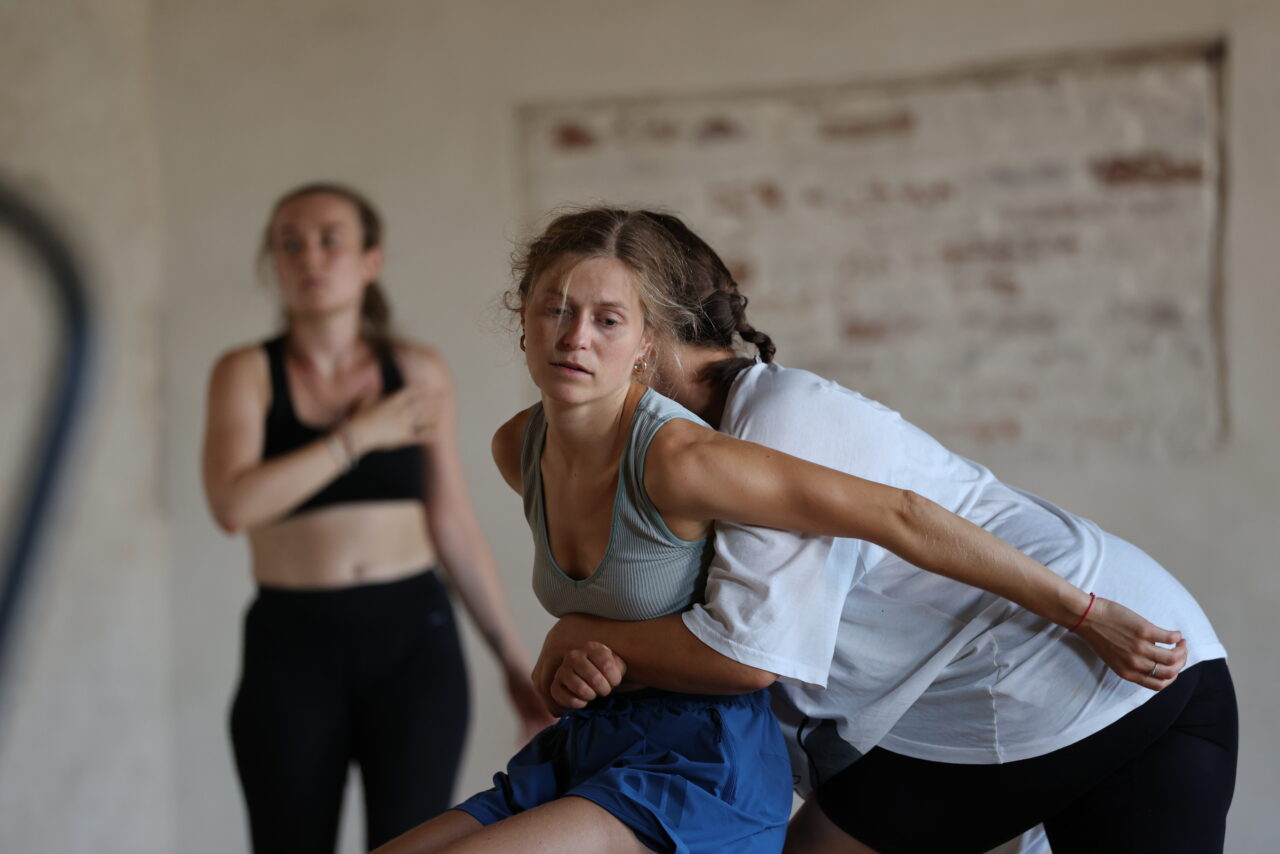
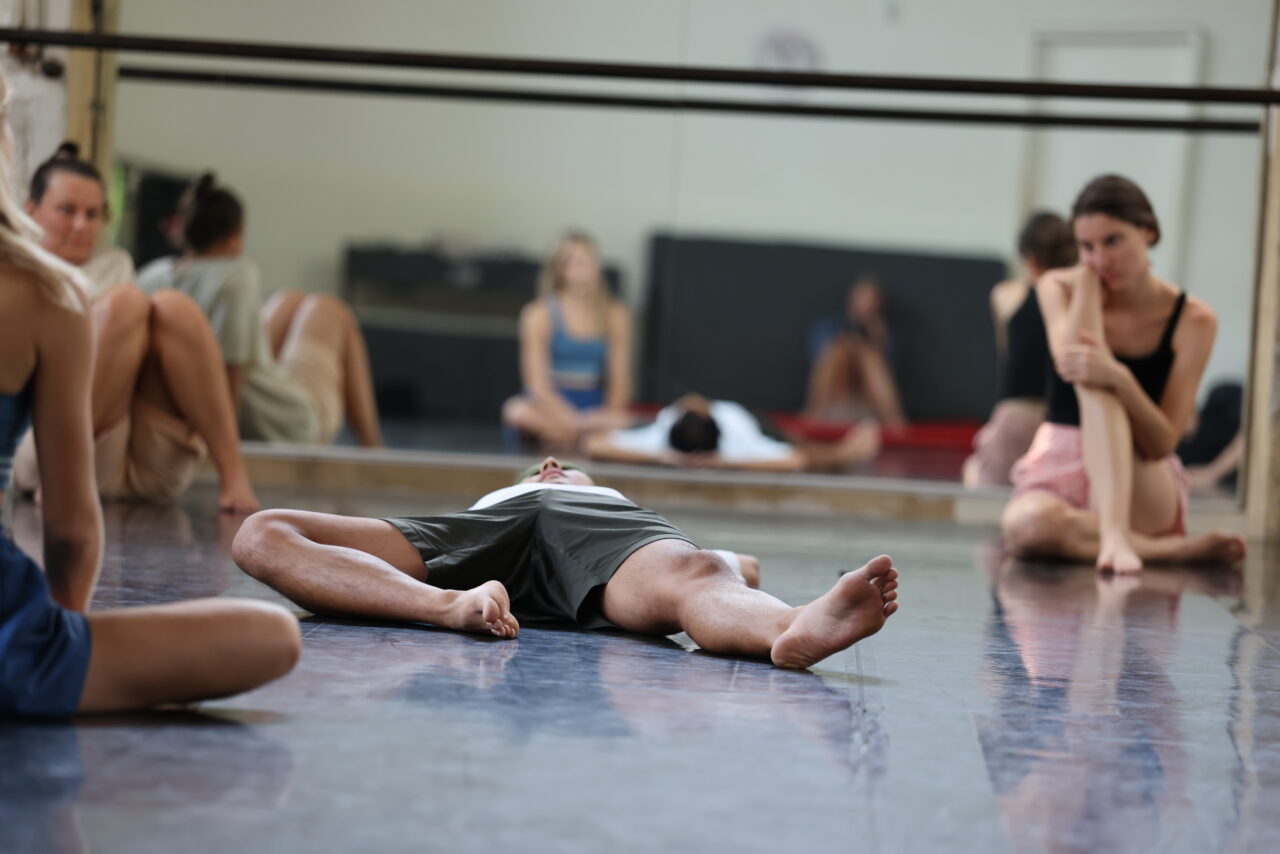
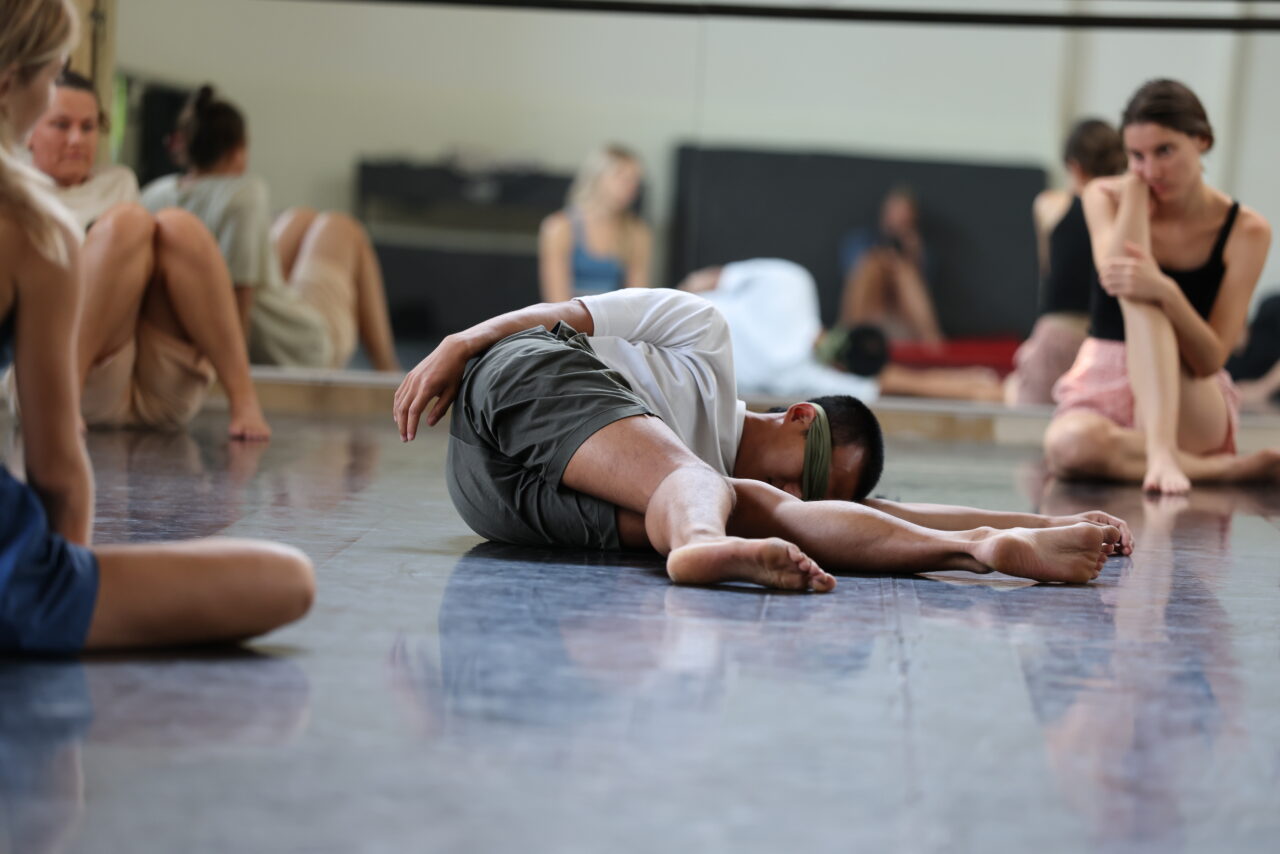
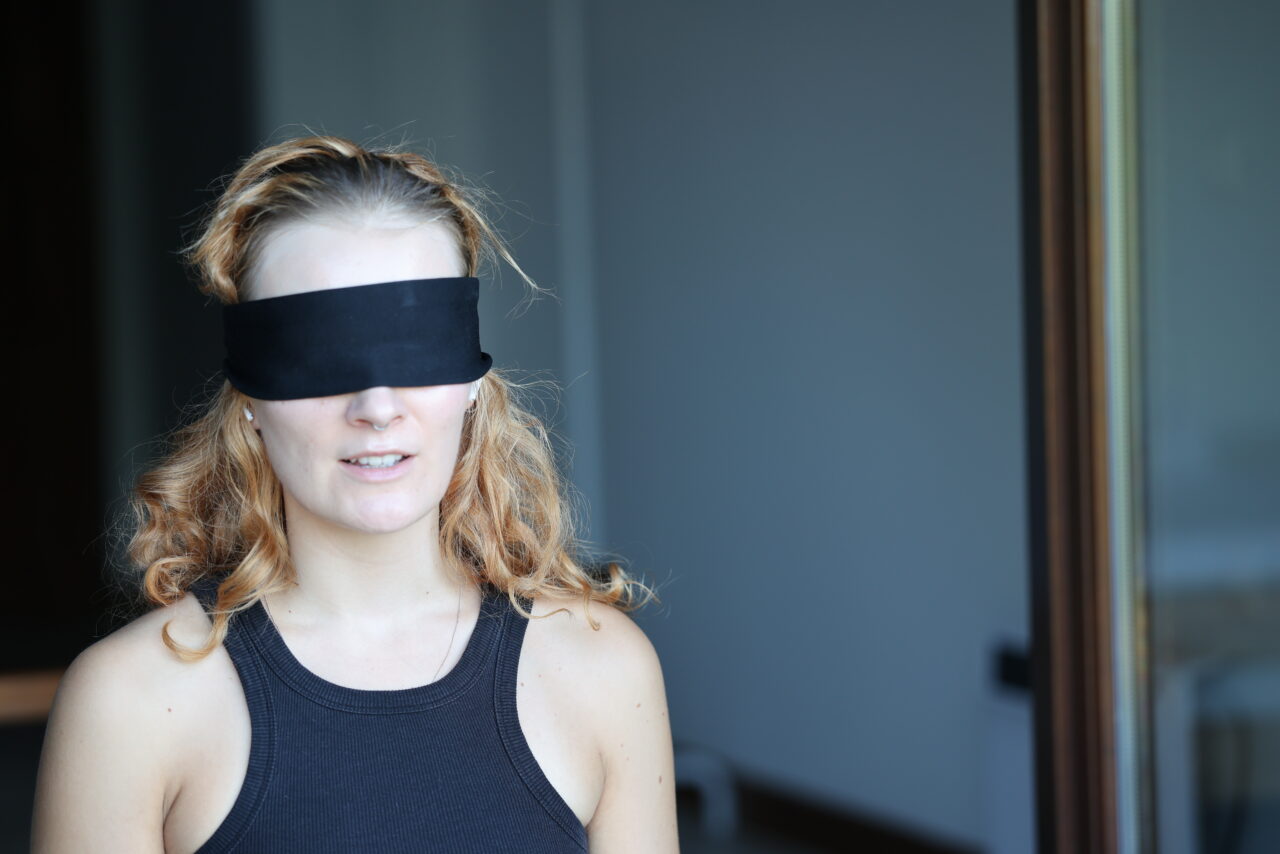
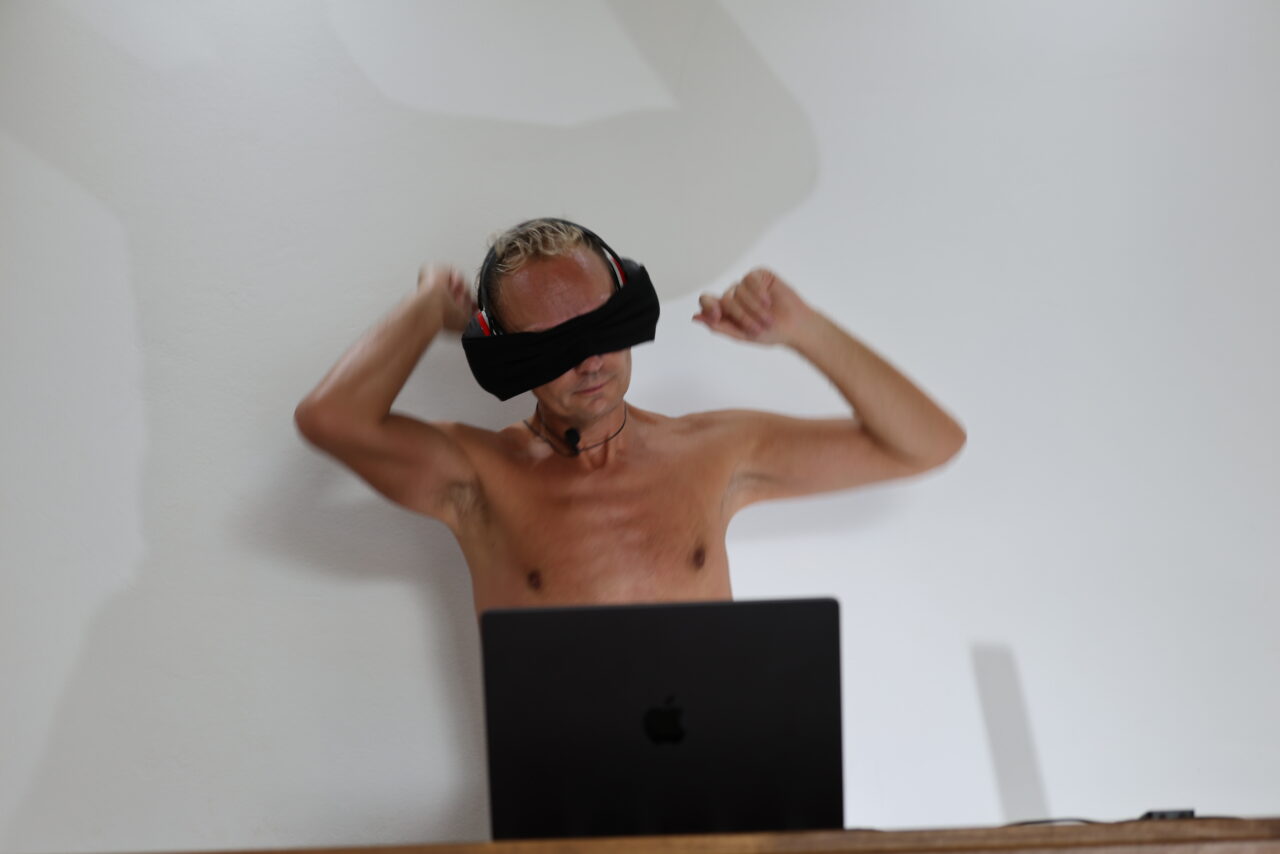
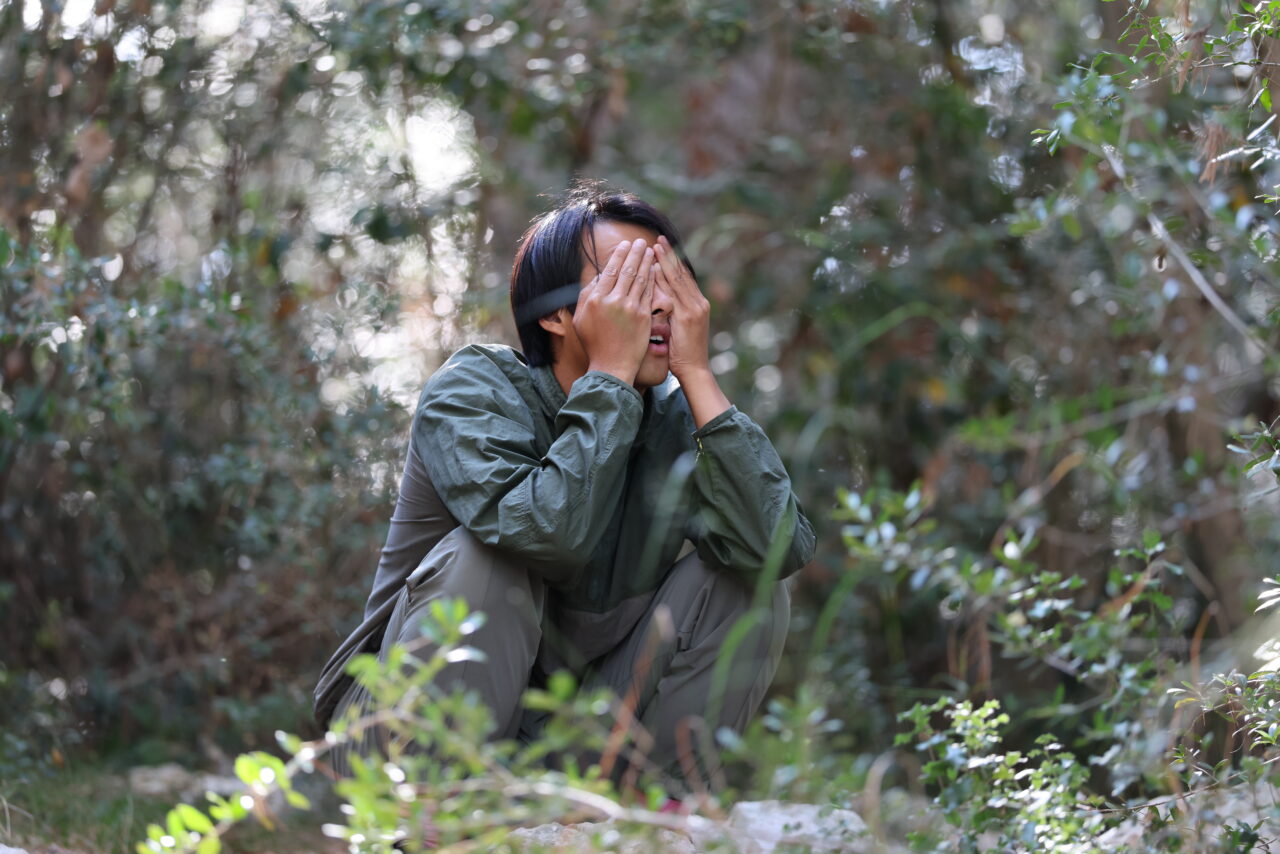
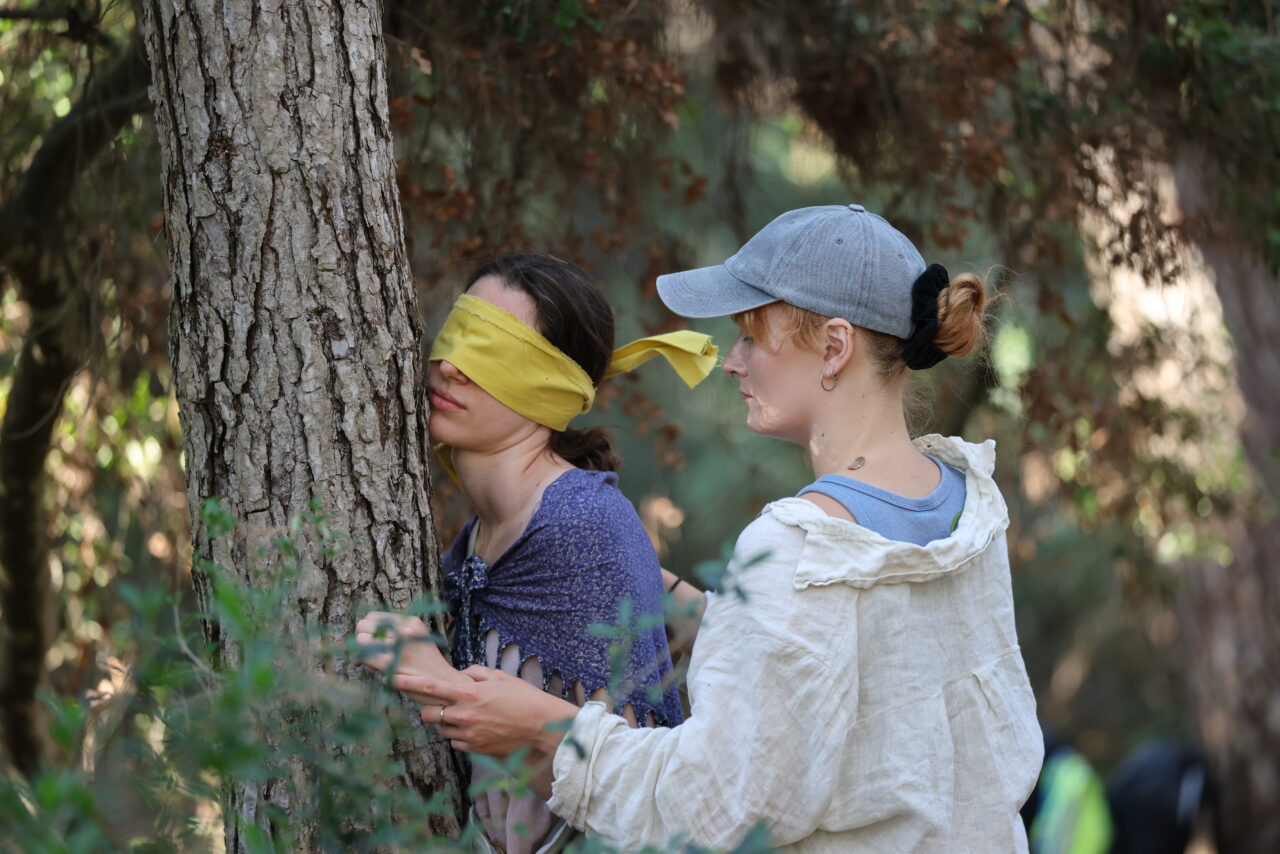
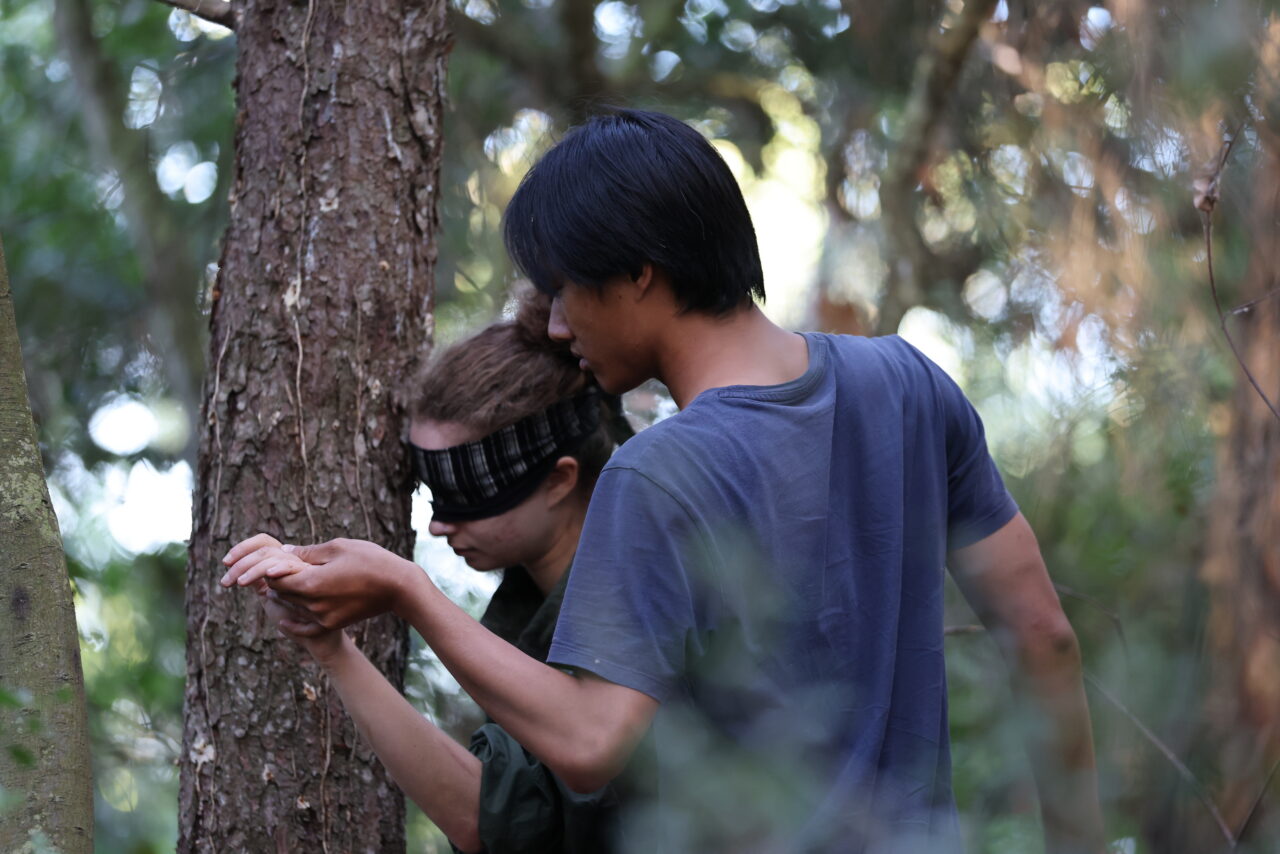
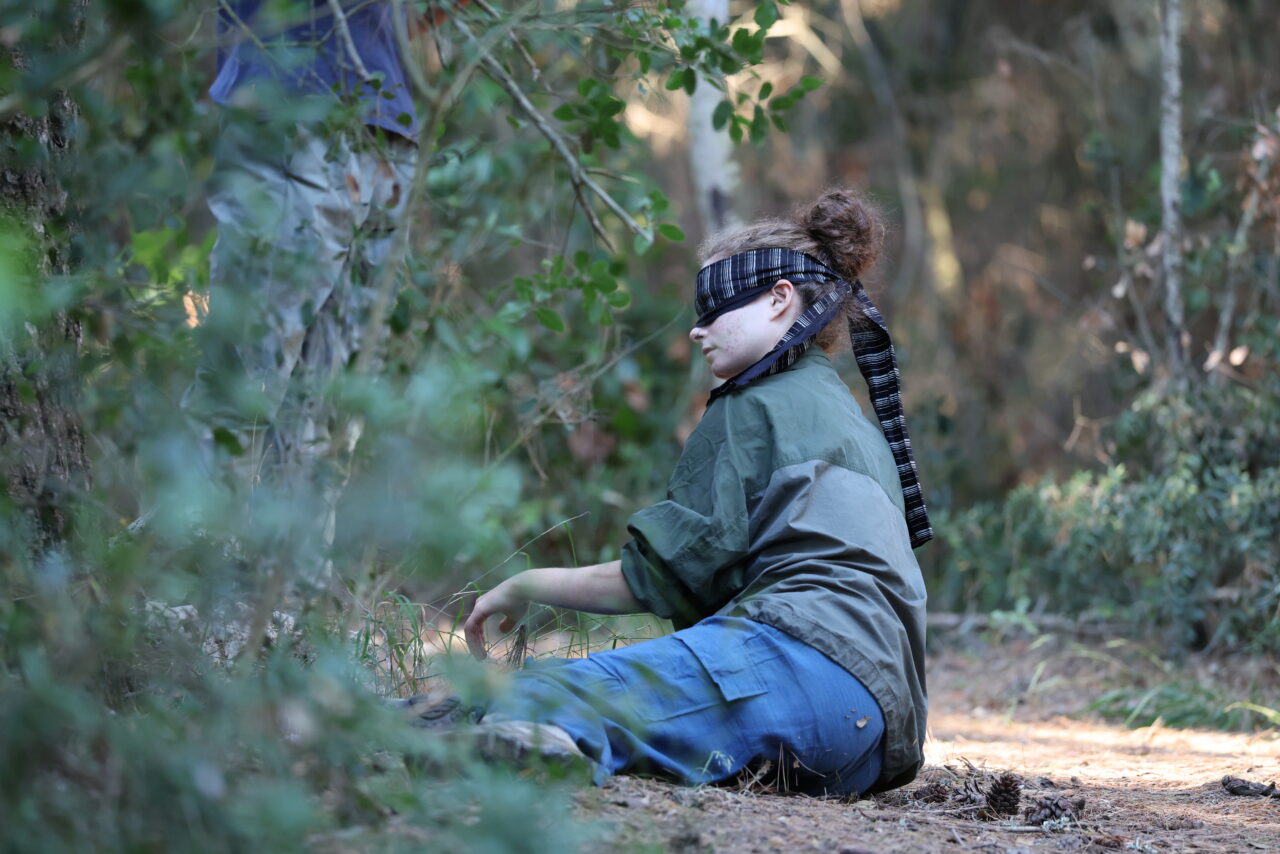
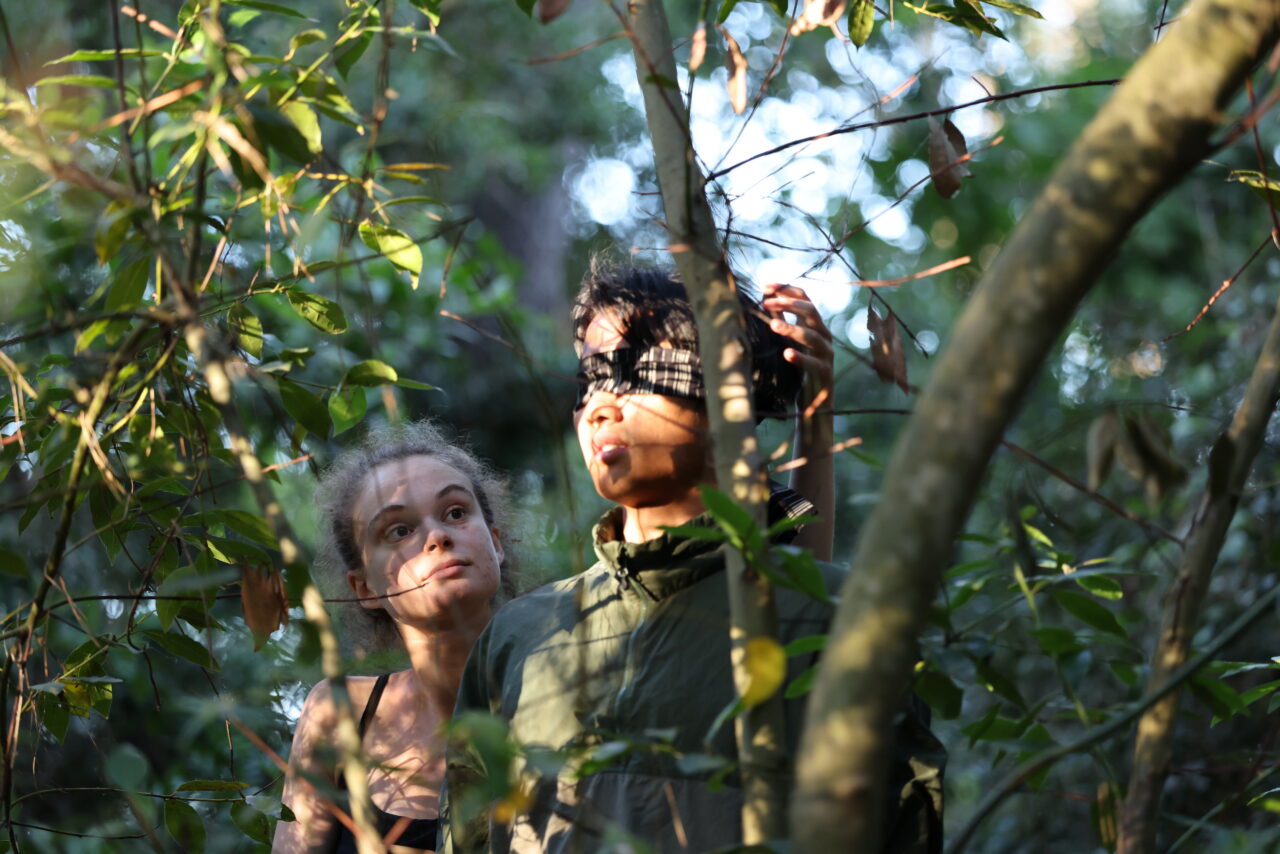
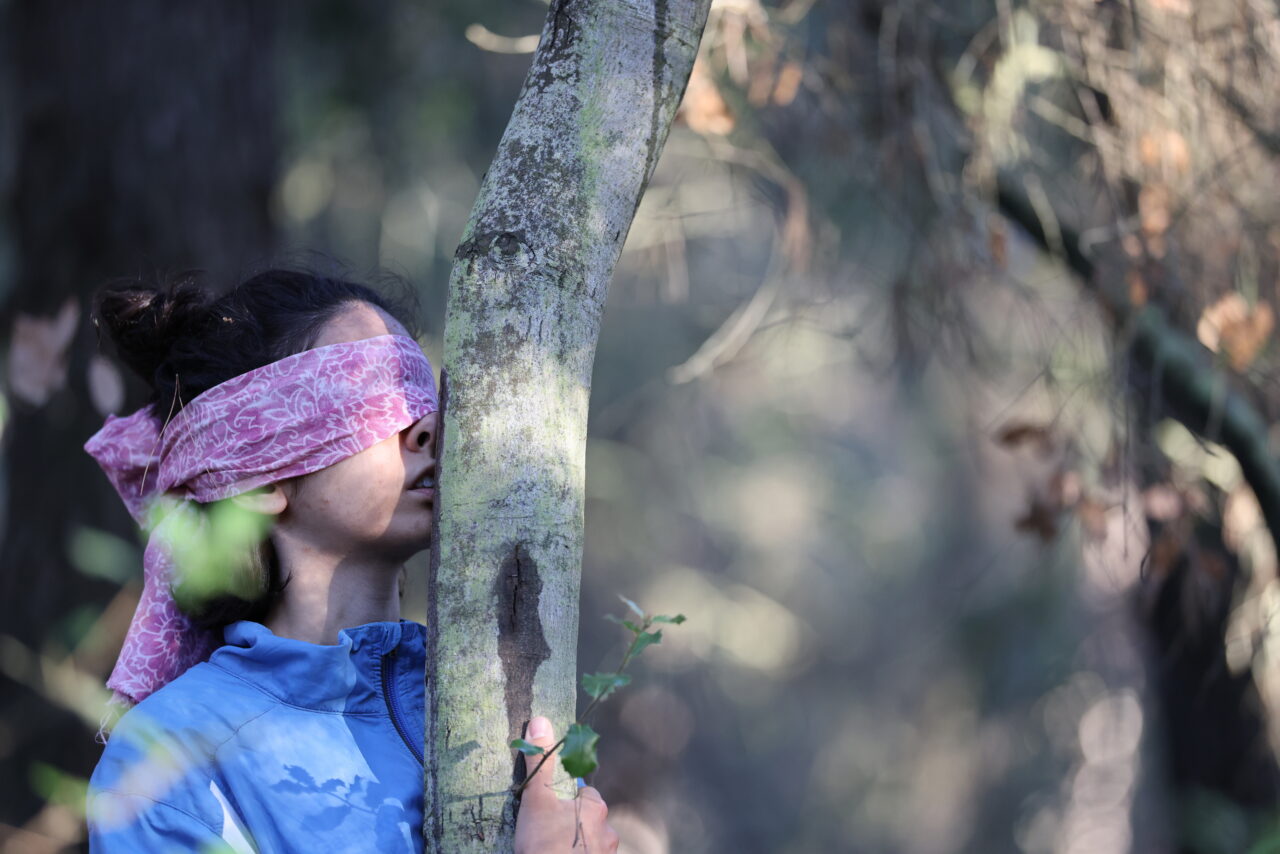
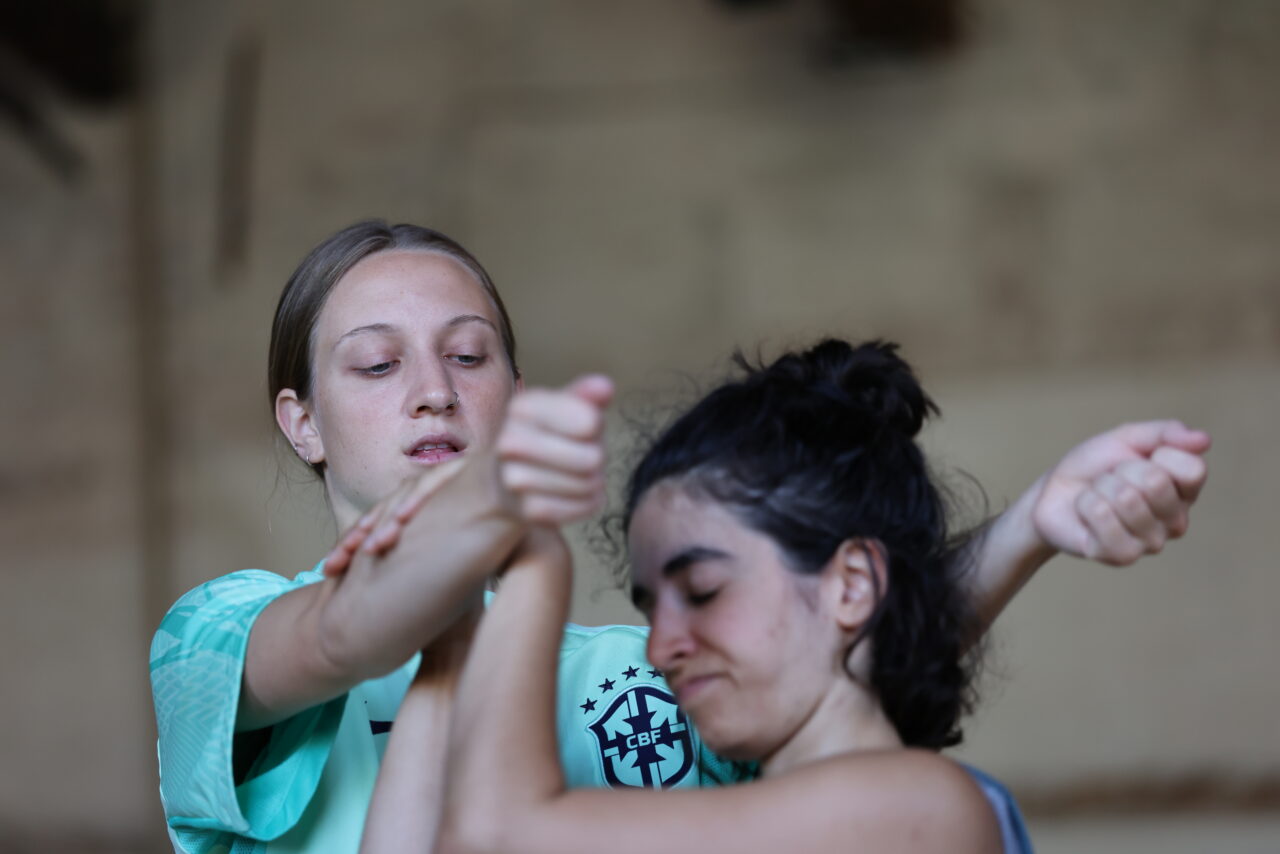
The week’s principles were set out early and were mostly refusals. Not judging, just moving. The body likes simple instructions. Set something, and then you can work with it. Other people can move you in ways you would never have thought of. When pairs traded three-movement sequences, the instruction was not to copy but to feel the movement of the other, and the showing that followed had no order and no front: each pair simply appeared in the space, so the stage kept moving and reforming around whoever was watching. A perfect unison was explicitly not wanted. In the evening the group worked blindfolded in pairs, one hand resting on the leader’s, no grip. The rule was that the blindfolded person facilitates their own experience. The leader holds the space and takes care of them. Over what is found, the leader has no power at all.
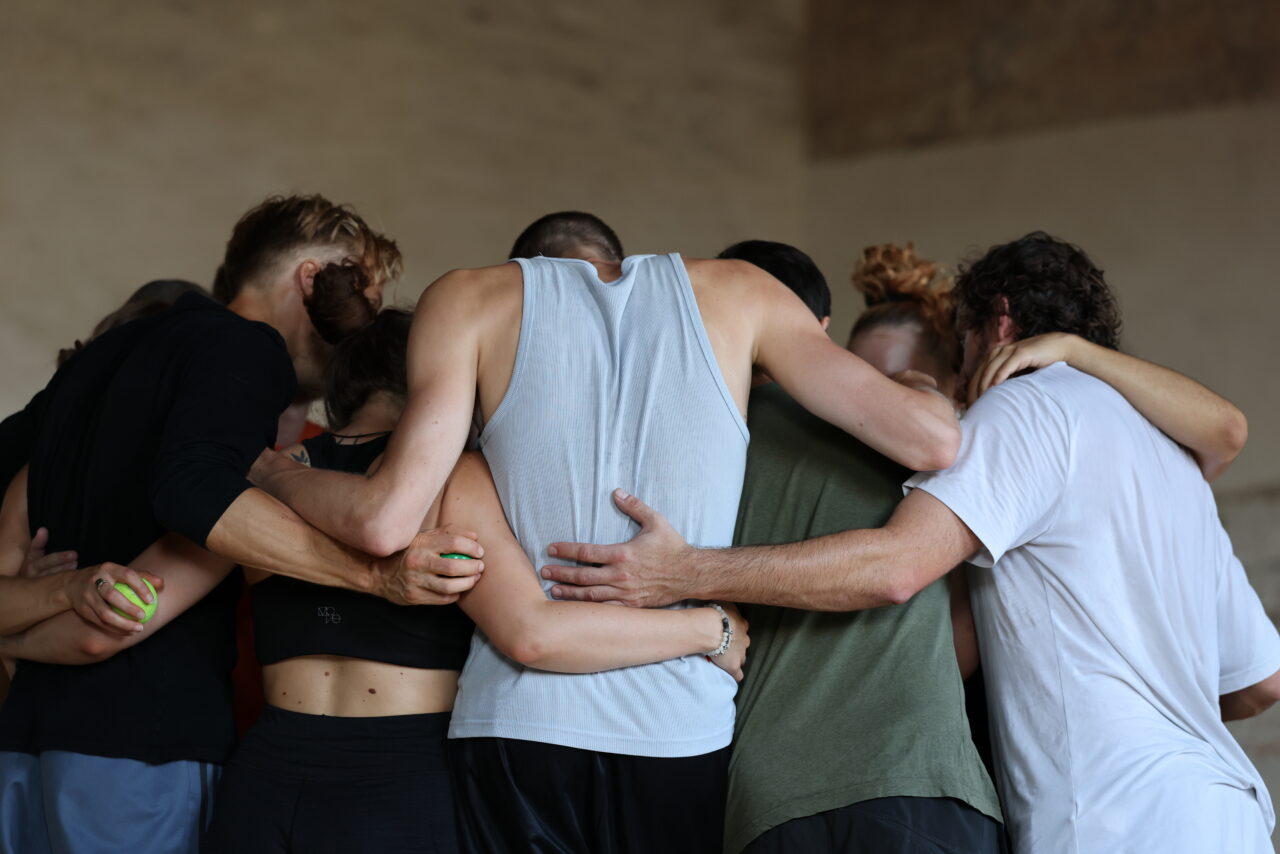
Two days later the room changed hands. Guillaume Pigé and Mary Johnson of Theatre Re led a week on the company’s own making process. Theatre Re makes highly visual, non-verbal theatre carried by original live music, reaching the large human subjects, memory, family, loss, through the body and the score rather than through speech. The Nature of Forgetting was named Best Physical Theatre at the 2025 Edinburgh Fringe. Every morning opened with the company’s ball game: a circle, balls of every size, weight and texture in the air at once, each thrower sprinting after the throw, a new rule added with every round, and one ping-pong ball that nobody ever solved. Its governing principle Pigé states plainly: actions come first and the meaning arrives later. The work has to be found, not planned, which means getting on your feet before you have decided what you are doing. From a readiness inherited from Étienne Decroux, the verb to be, the company works through four ways of writing material: with space, with weight, with rhythm and with inner space. Each follows the same arc. Find something truthful, articulate it, observe what it actually does, transform it, keep what survives. And the music is never added afterwards. Johnson played the week rather than scoring it, responding to the performers in real time from the first day.
Johnson’s warm-up reached the voice by way of the face: massage, the tongue stretched in four directions, engine sounds run up and down the register, and then an anthem the group learned and each of them translated into their own language. Pigé’s games were built around a single question. How do you cheat well without ruining the game? The week kept returning to it, because a rule you can only obey stops producing anything. Much of the work was walking and stopping: finding where the weight sits when you halt mid-step, stopping at points in the step a body would not normally choose, then letting the change of direction be led by the head, then the chest, then the torso. Endless options inside a single step, as he put it, like a piano. What matters is not the size of the change. It is that something shifts inside the performer when the movement starts somewhere else, and that the audience sees a different image because of it.
Put side by side, the two weeks approached the same craft from opposite ends. Punchdrunk begins with the spectator and builds a world for them to walk into, so the composition is of attention itself. Theatre Re begins with the performer’s body and what it can be made to mean, and trusts the audience to read it. One week asked where the audience stands. The other asked what the body is saying before anyone decides what it means. A cohort that has worked inside both within a fortnight holds a sharper instrument than either week alone would have given it.
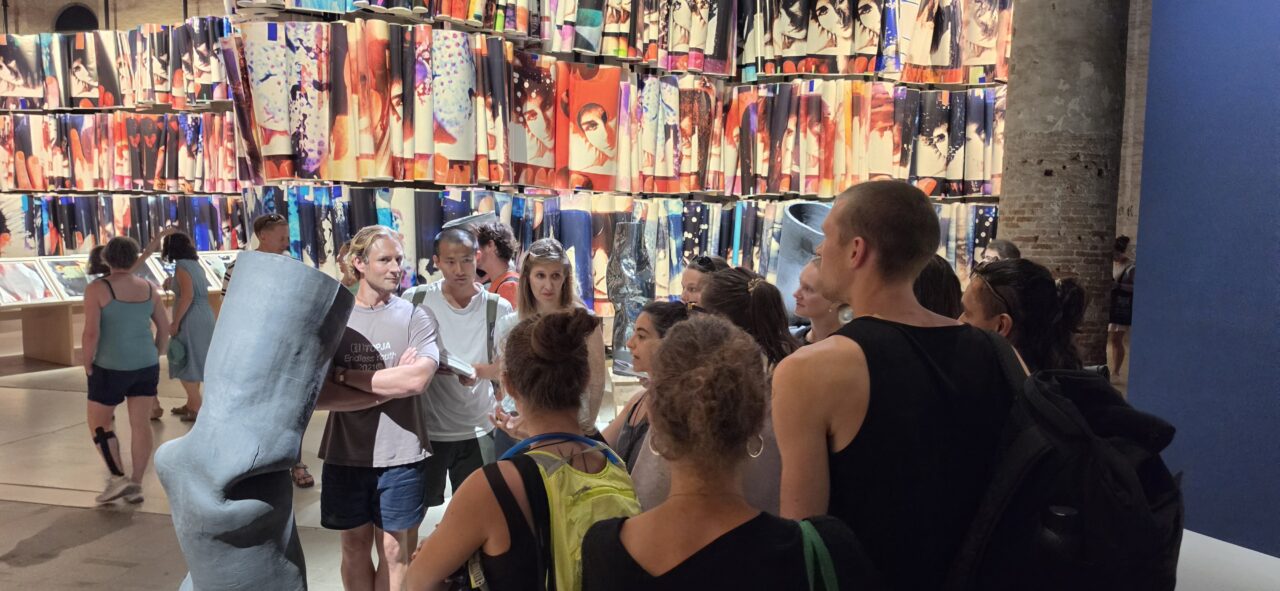
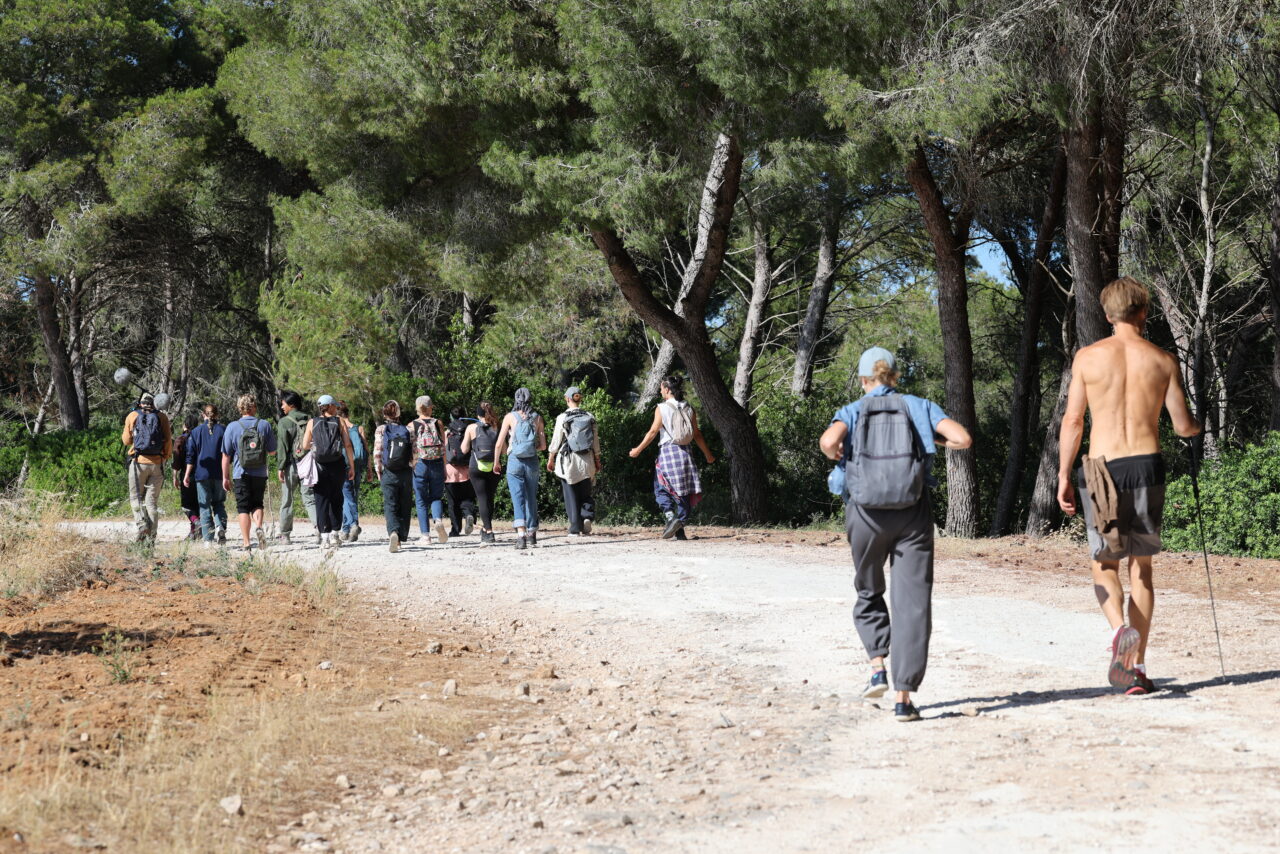
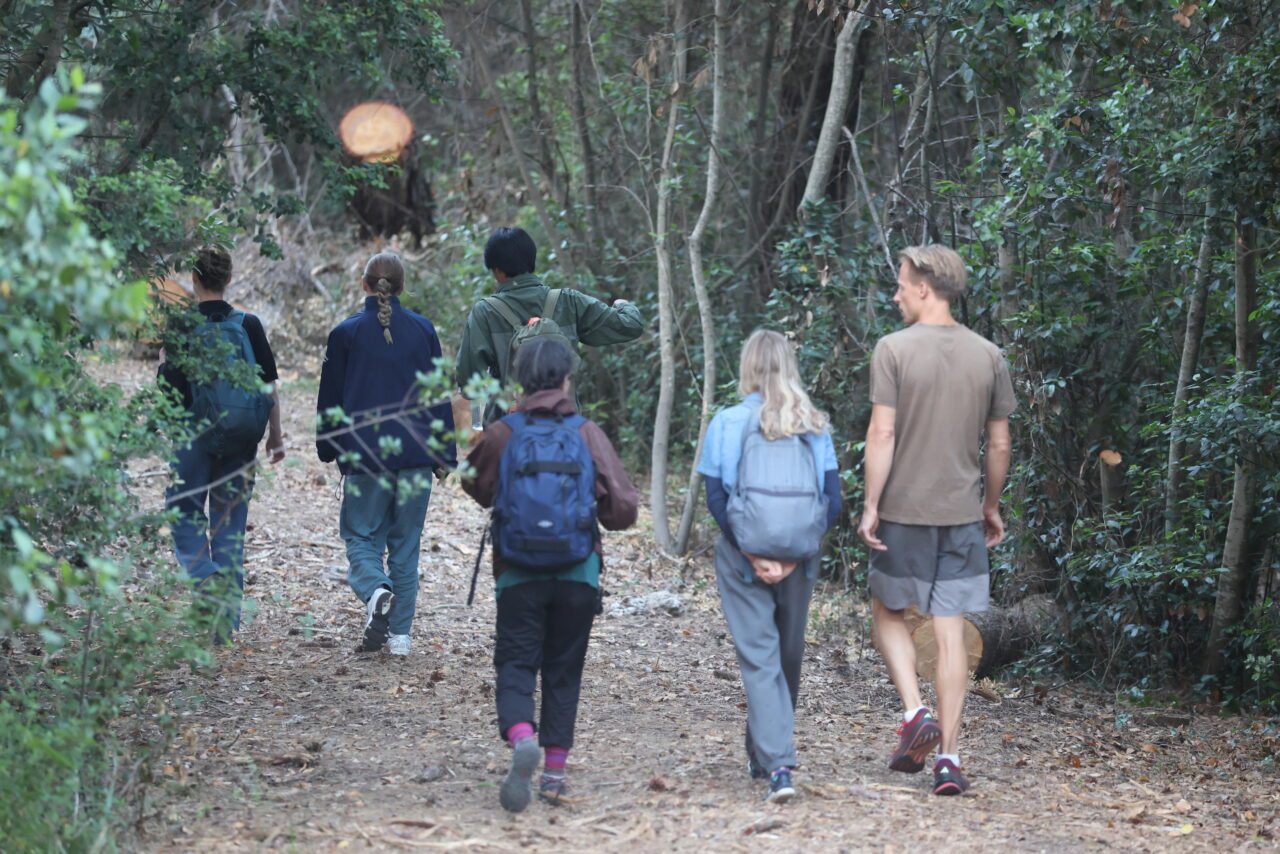
The second fortnight belonged to the cohort’s own making. Back with Schipper, and inside the 61st Venice Biennale, In Minor Keys, conceived by the late curator Koyo Kouoh, the students made six audio walks through the Giardini and the Arsenale, documentary performance in the Rimini Protokoll sense, built from the real exhibition and from what the makers found in it. Each one turns the ordinary audioguide inside out. It does not explain the art. It asks what you are doing when you look at it. The walks were presented on 25 July, and anyone with a Biennale ticket, headphones and a charged phone can still walk them.
Where habit ends.
From 3 to 8 August the cohort worked at the Horohronos Dance studio in Athens with Yorgos Karamalegos, founder of Physical Lab. There is a joke buried in that itinerary. They left the Biennale, where contemporary art shows itself to the world at maximum volume, and arrived in the country that invented theatre, and they did not spend the week on ancient texts. They spent it on the body, the one piece of equipment nobody has managed to redesign since.
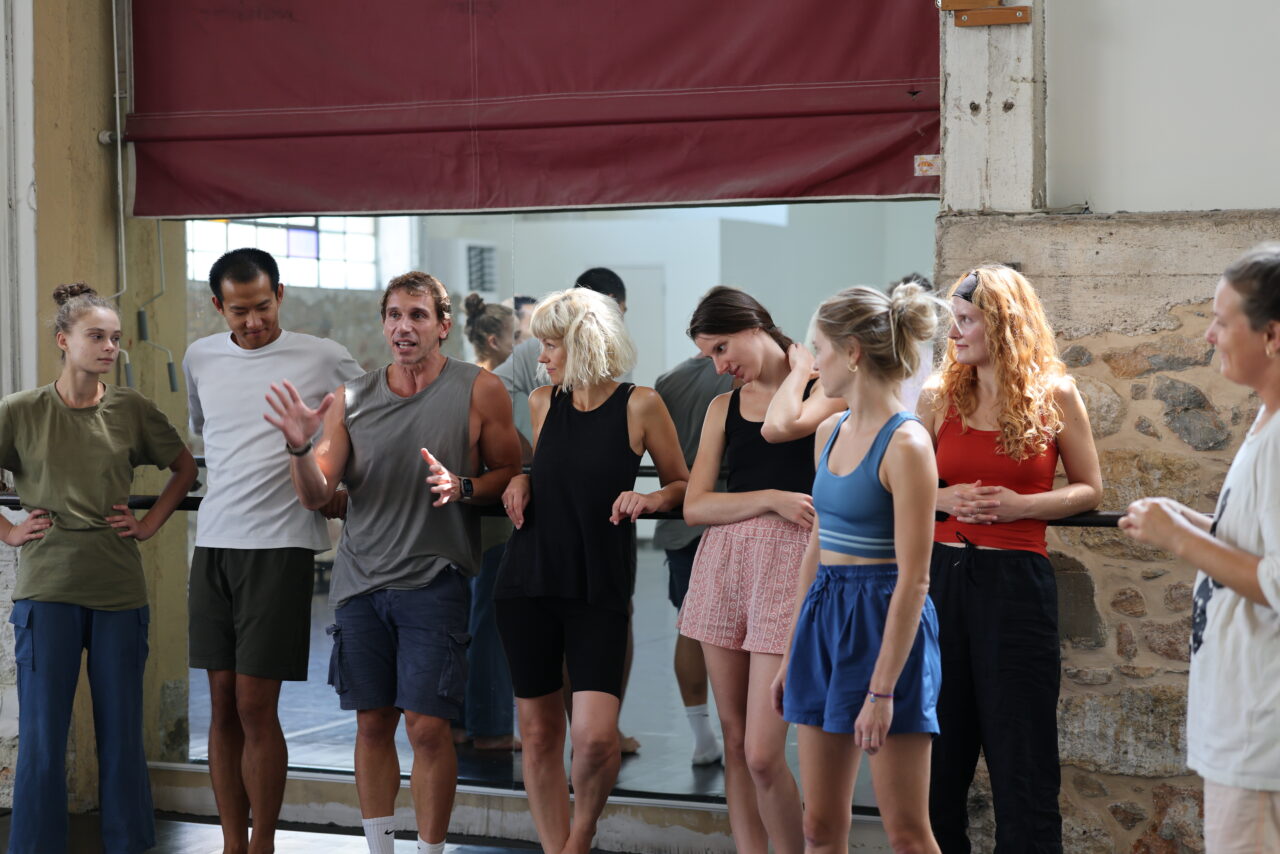
Physical Lab, London
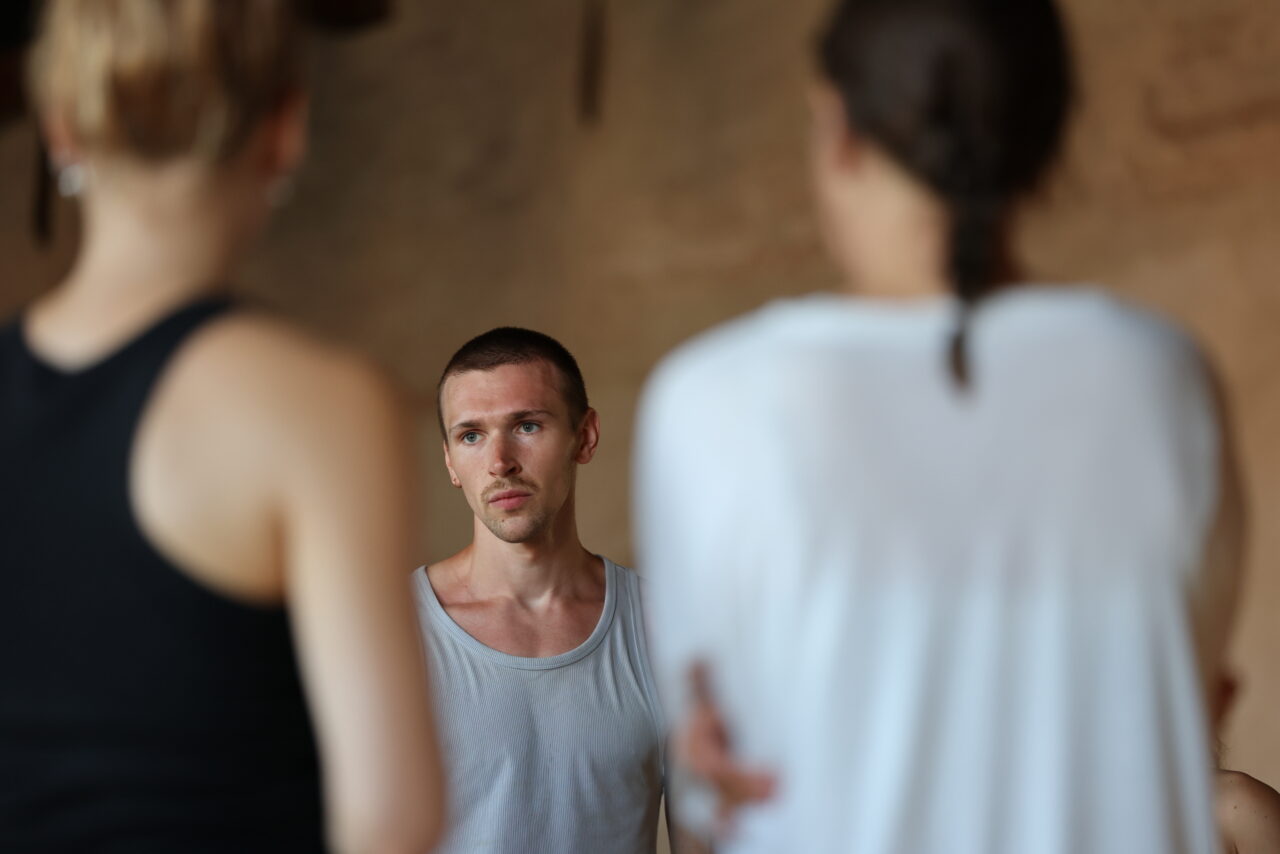
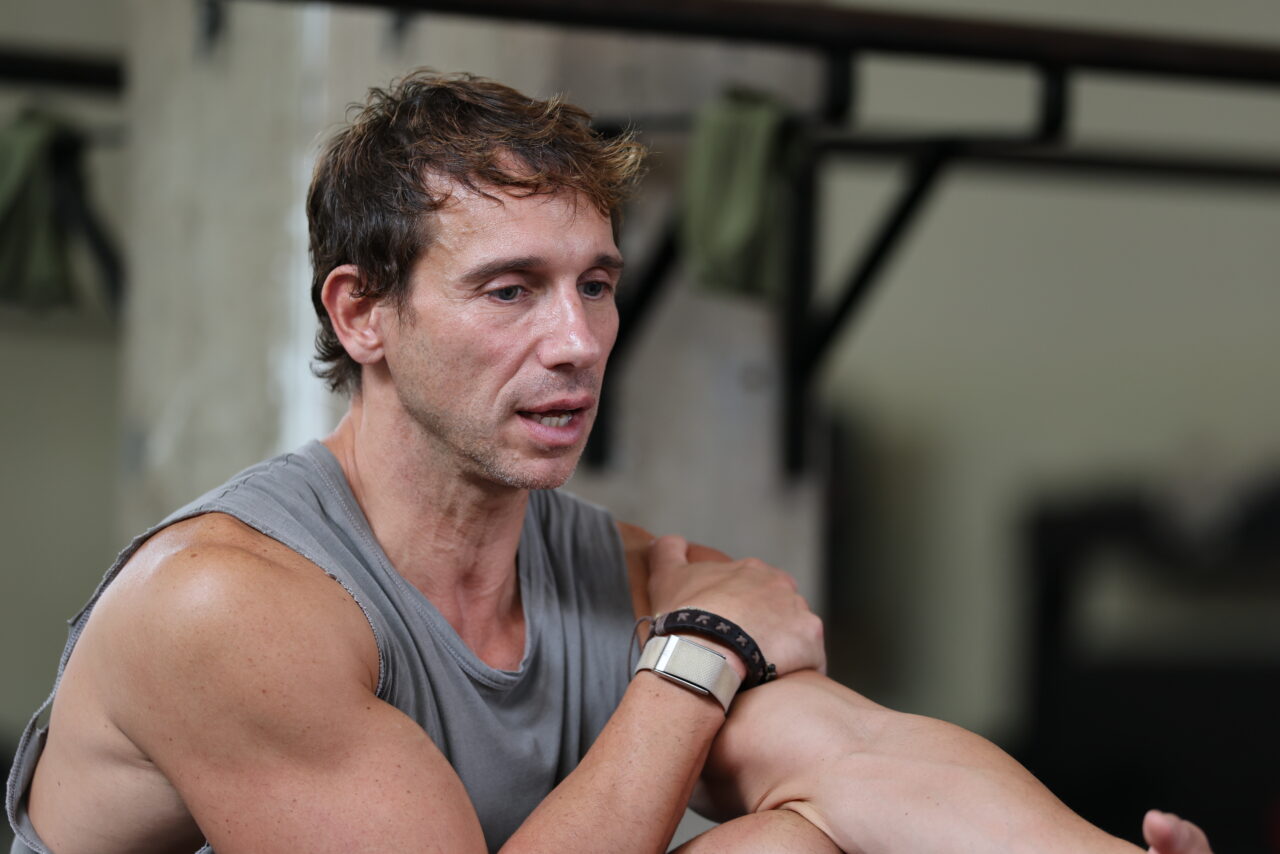
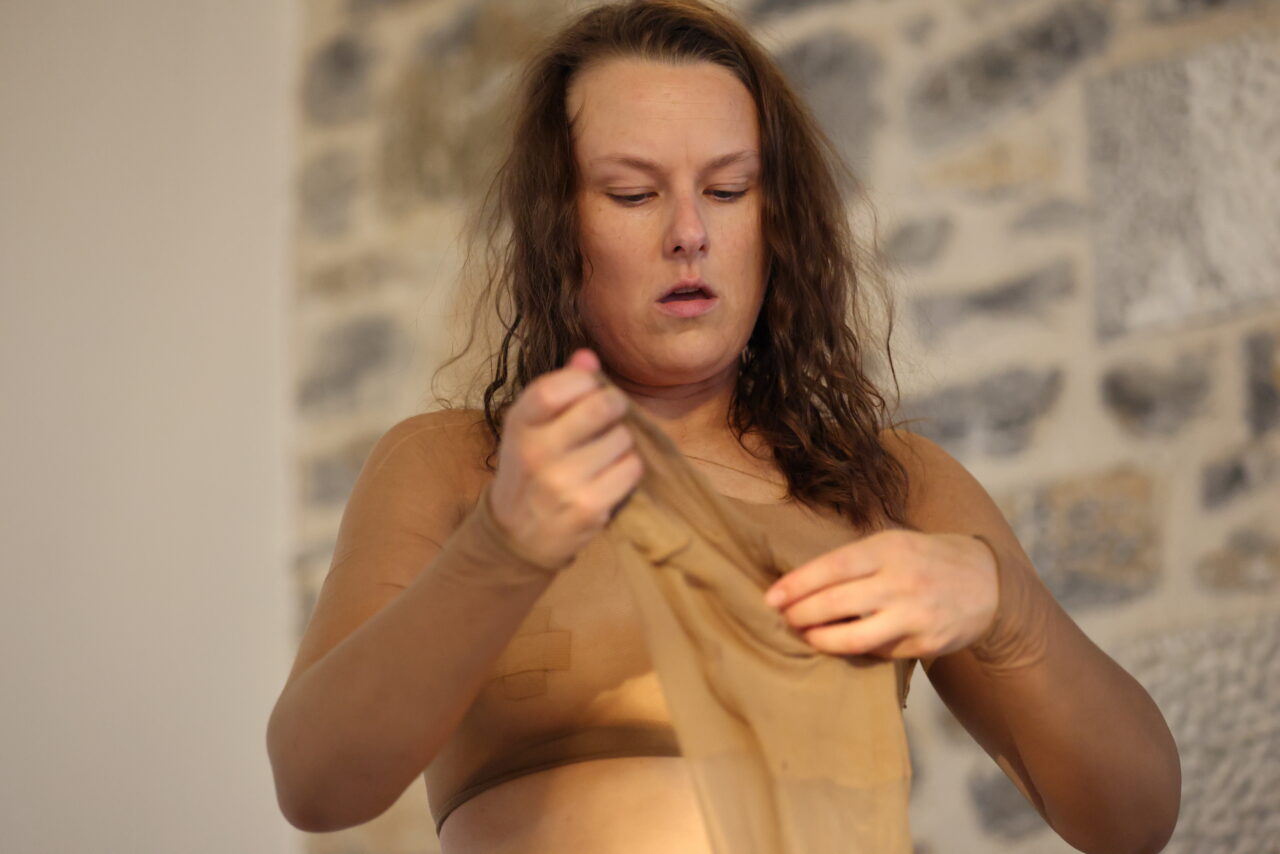
Karamalegos starts with impulse, the smallest thing a body does before it has decided to do anything, and works outwards from there, slowly, with close attention to sensation. That sounds gentle until you notice what it is doing: taking apart the patterns a performer has long stopped noticing they have. The unlearning is the harder half, and what comes out the other side is not a new technique laid over the old one. It is a body with more available to it.
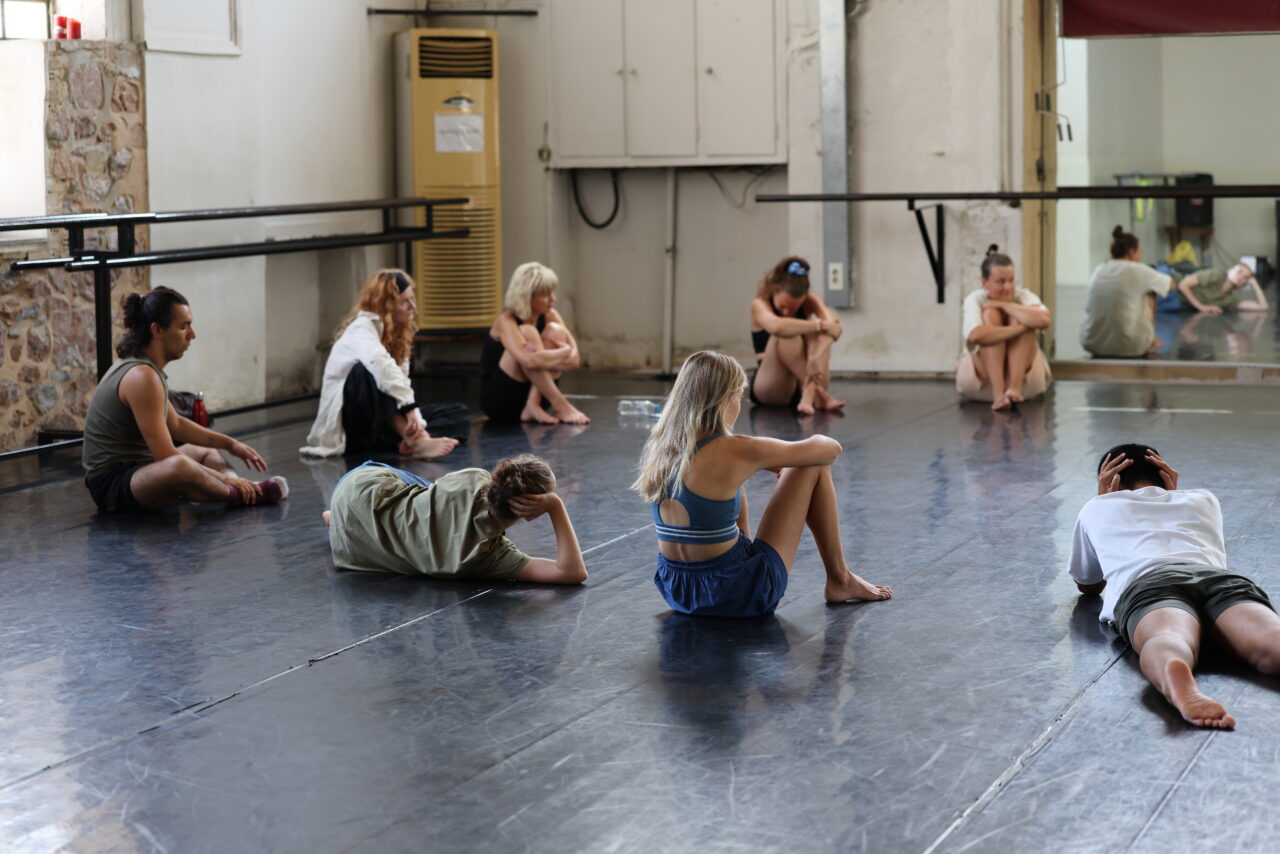
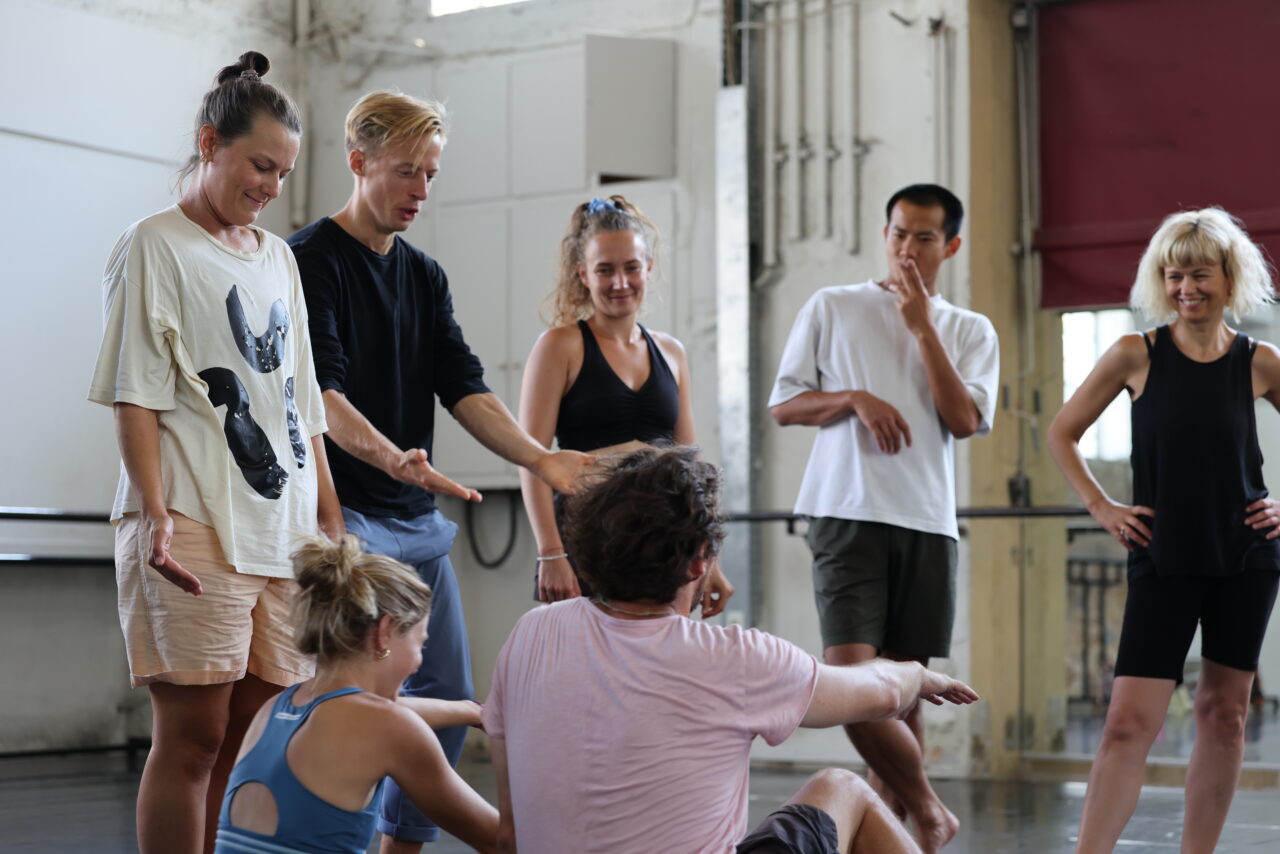
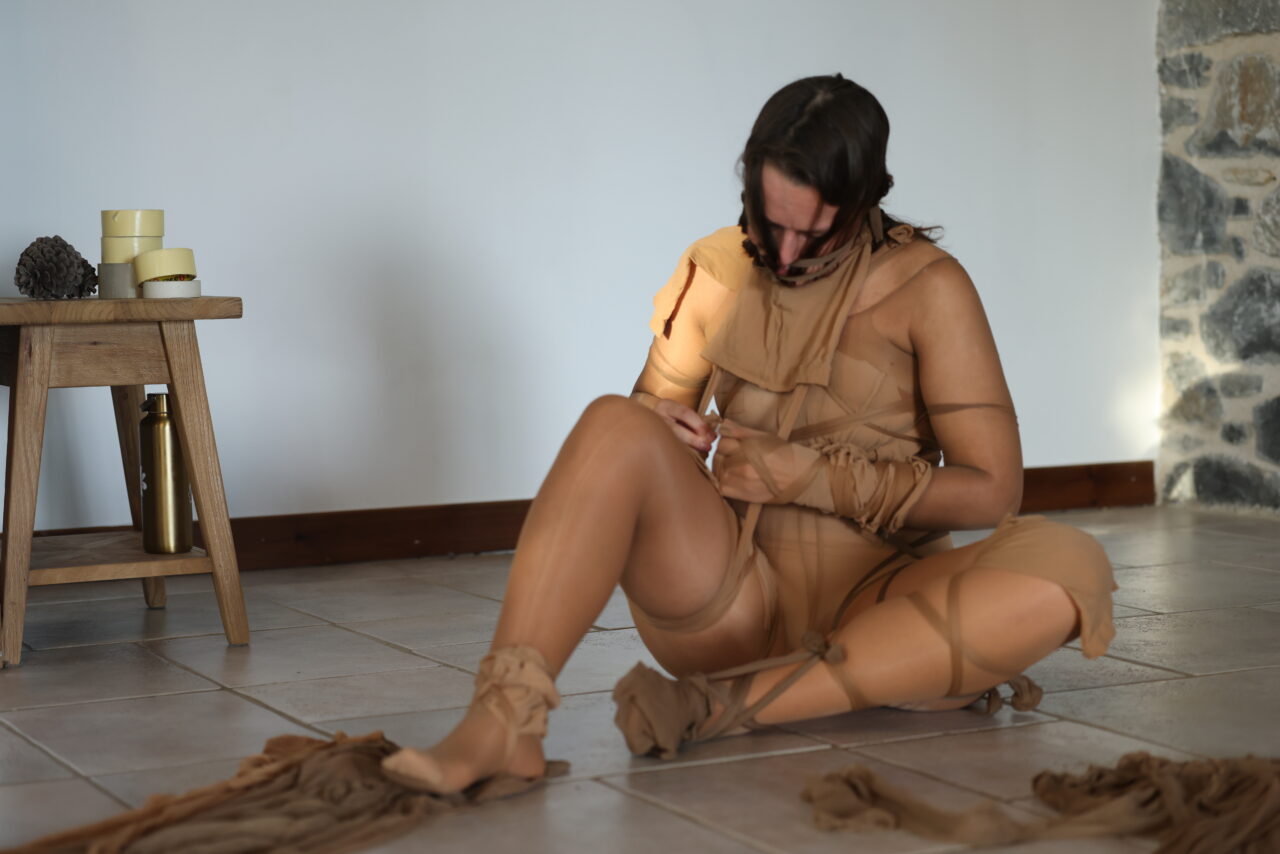
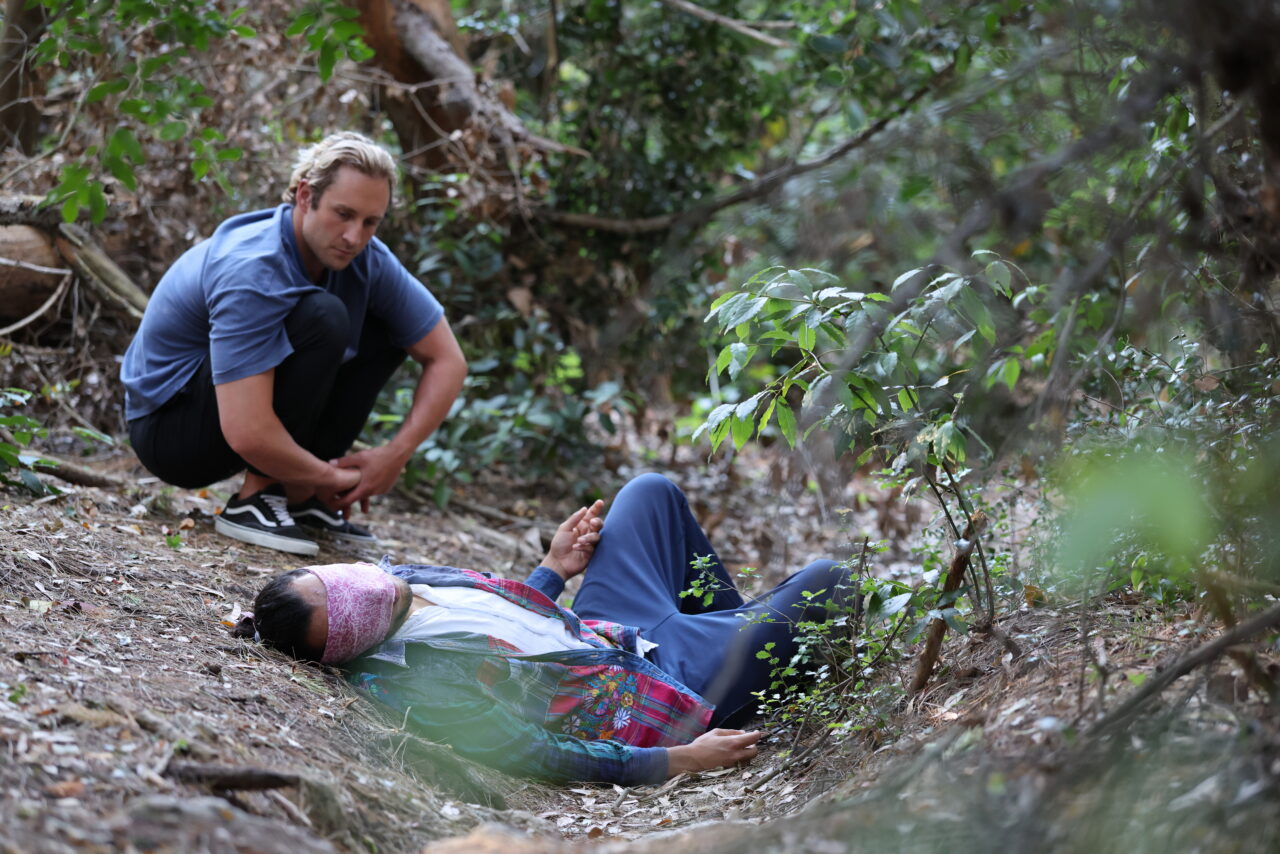
In practice that meant a week of taking the body past the point where it can still manage itself. Hours of improvisation in the circle, alone, in pairs, in fives. Techno. Boxing, exhaling into the punch and looking for freedom there. A ten-level scale in which you are at a party, steadily drunker and steadily less able to seduce anyone, until at level ten you no longer care who is watching. Running on the spot until exhaustion arrives, and only then speaking your text. Ten minutes alone in the middle of the circle, the first five of them blindfolded. His argument for all of it is that the habits a performer reaches for under pressure are exactly the ones worth losing: eight actors out of ten come off the floor certain they did nothing, having simply stopped using their tricks, while the room has just watched the most truthful thing they have done all week.
Karamalegos trained in Athens, built the method over a decade of physical-theatre making in Liverpool, where he co-founded Tmesis Theatre, and has run Physical Lab in London since 2011. He has a name for the attention it asks for, the Tasting Principle: meet material slowly enough to register what it actually is, rather than what habit expects it to be.
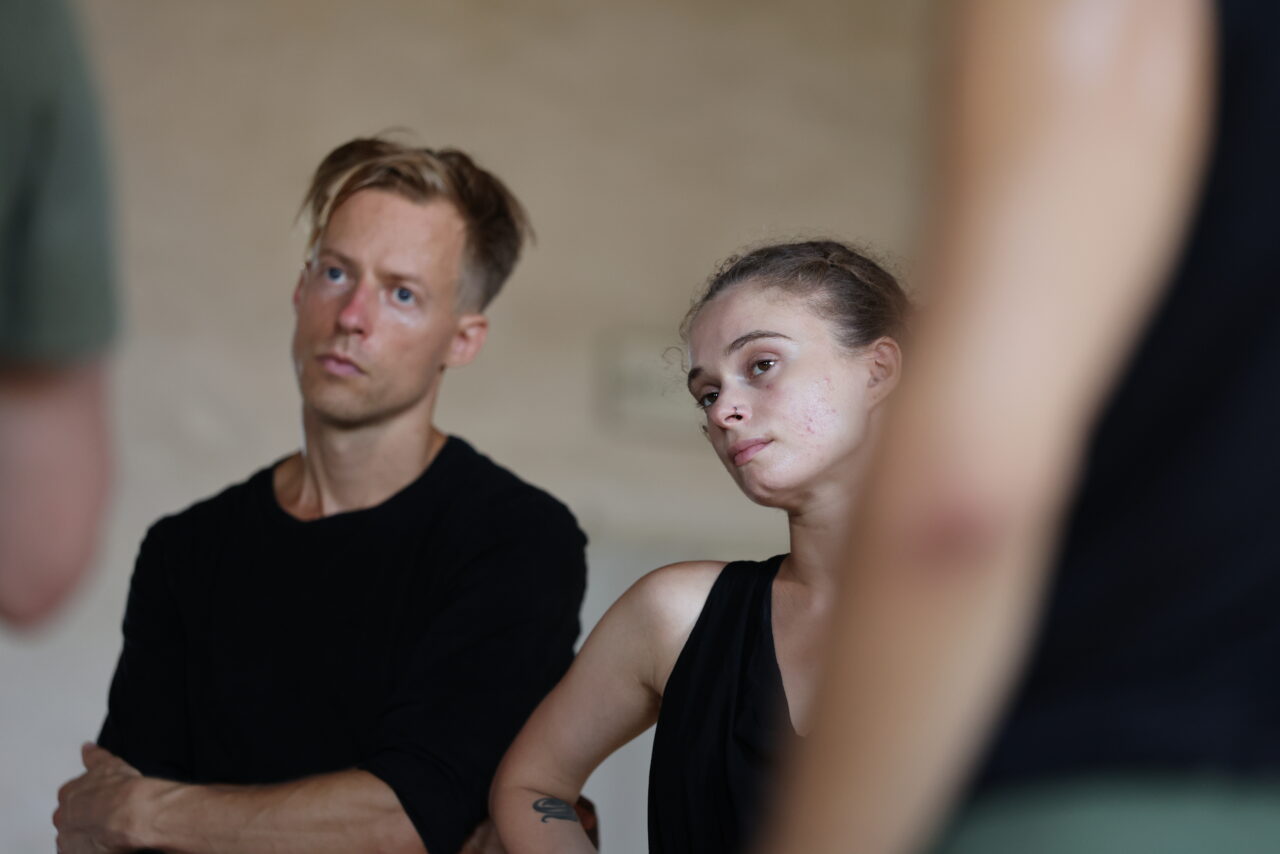
The word for what the week was after is presence, and Karamalegos came at it from every side at once: as an actor, as a performer, as a maker, as an artist. The days ran on intense physical work and on commitment, through the body, then through text, then through imagination, and what the room could watch happening was the change in quality in each person as the week went on. The hard part was not the work. It was allowing yourself to be changed by it. One student, writing her weekly reflection that evening in Athens, put it as plainly as anyone could.
Empty first, then hold.
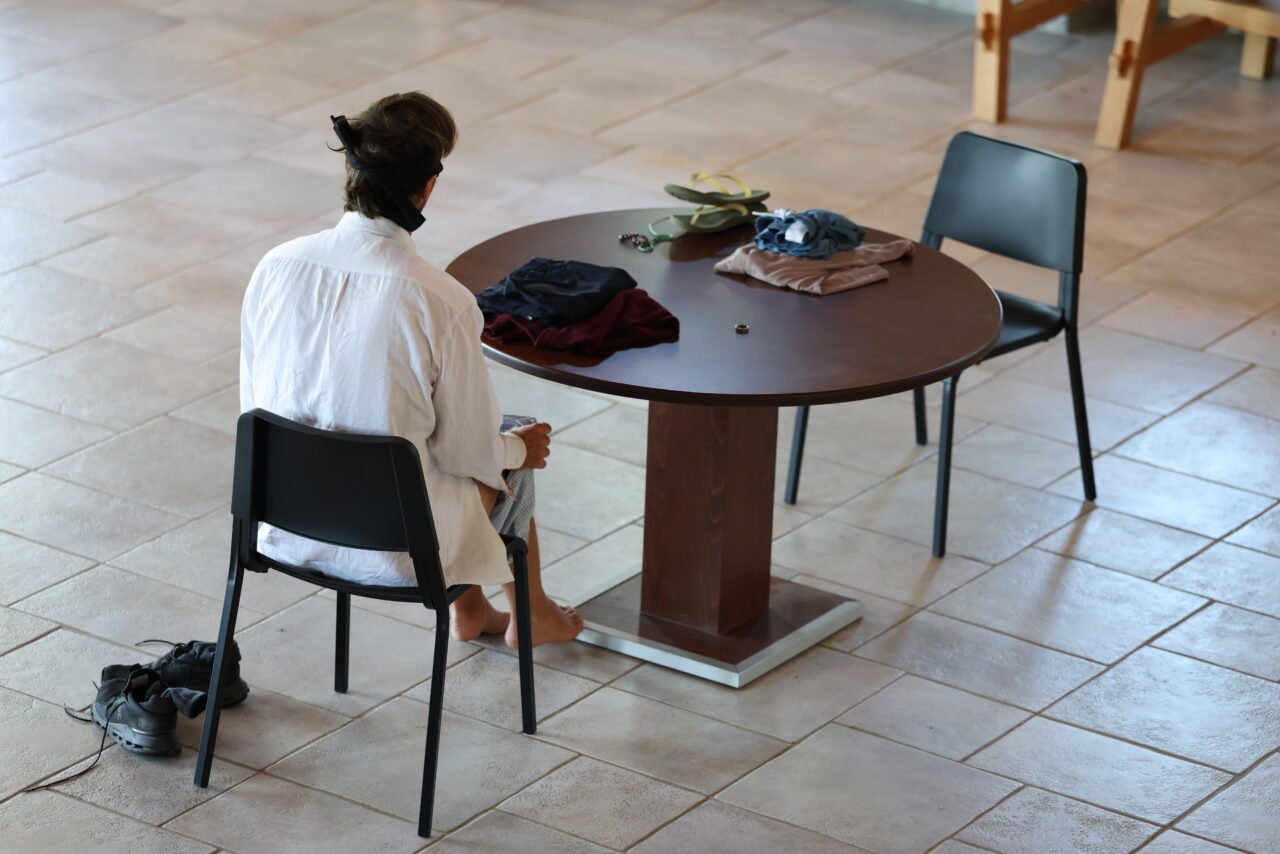
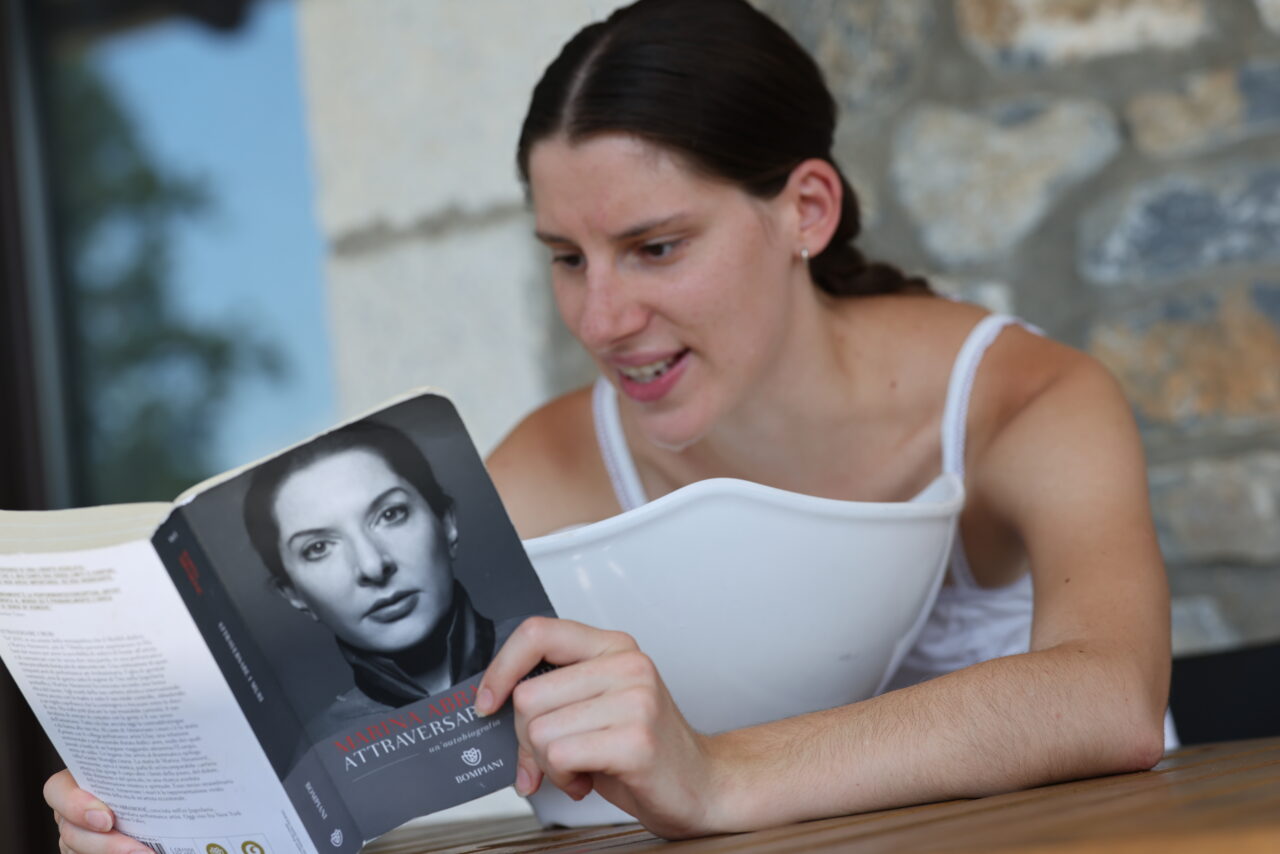
The last four weeks, from 10 August to 6 September, were spent at the Marina Abramović Institute’s Education Centre in Karyes, in the mountains of Laconia. The residency opened with Cleaning the House, the Institute’s foundational workshop: five days of slow-motion walking, held gazes and rice separated from lentils grain by grain, on an empty stomach and in silence. Abramović developed the exercises over forty years of teaching, as preparation for long durational performance, and at Karyes they were led by Paula Garcia and Billy Zhao, with the Institute’s director Thanos Argyropoulos. Every place before this one had asked the cohort to make something. Karyes asked them to stop.
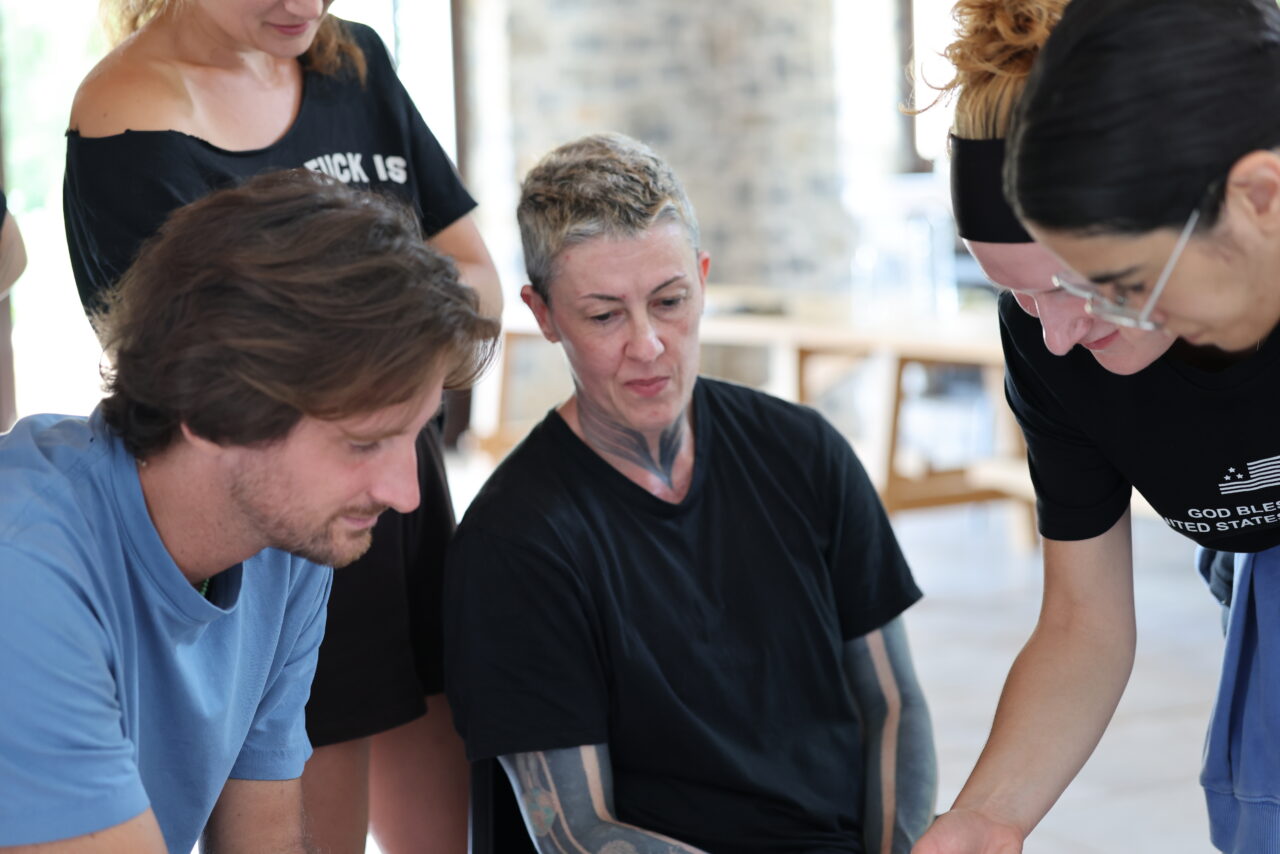
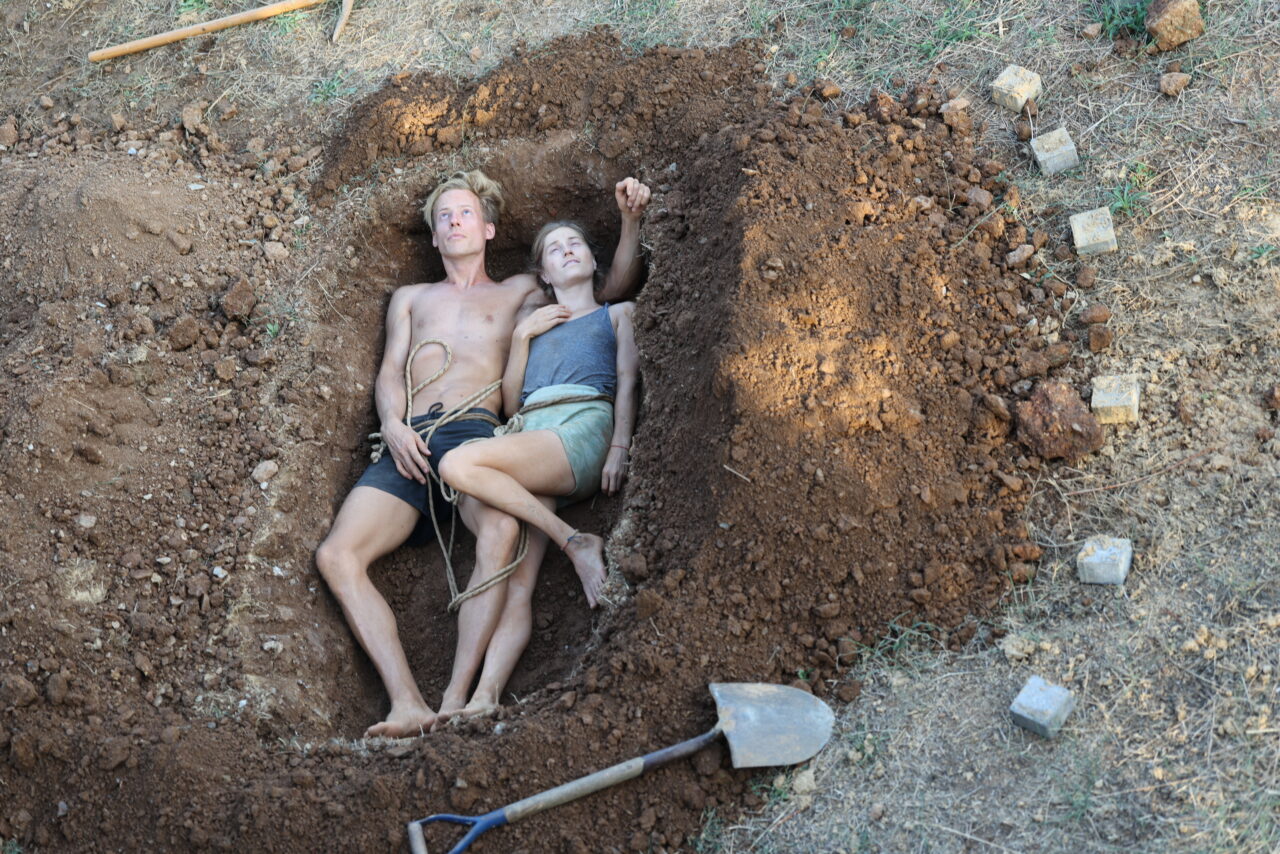
In the second week the students wrote protocols, the rules a performer fixes before beginning and then obeys for the whole duration of a work. In the third they performed them, each work twice, first for three hours and then for six, with no titles and no audience beyond the cohort and the three artists leading the residency. Marina Abramović joined by video from Germany, where she was opening Balkan Erotic Epic at the Ruhrtriennale.
Two other days from those weeks are worth recording. On one, each of them stood up and presented their own practice to the others. On another they spent the evening in front of Abramović’s teaching archive, which is ordered not by artist or period but by body part. Feet, chest, hands, stomach, eyes, body limits. Pina Bausch filed under feet. Chris Burden’s Shoot under hands. Un Chien Andalou under eyes.
They also watched Marina Abramović Takes Over TV end to end, six hours across two nights, the evening Sky Arts handed her in December 2020 and which she used to explain performance art to whoever happened to have the television on that Saturday night. Performers from thirty-two countries. A large share of the running time given to artists in their twenties who had never reached an audience that size. And not one archival film of her own, on the principle that a curator does not begin with their own work. Sitting through all of it is a durational exercise in its own right.
Garcia used one of the afternoons to make an argument the cohort will be living inside for the next year. Refusing the production mindset is itself a political position. Not being a factory. Not owing the world a work a year. And the balance of power between artists and the institutions that show them will not move on its own. It moves when artists make the projects and bring the institutions towards them, instead of waiting to be seen.
The last week pointed home
The fourth week at Karyes turned from the Institute’s work towards everything waiting in Tallinn, and it carried the most consequential work of the whole summer.
Each student presented their Artistic Development Viva, the conversation in which an artist sets out where their practice has arrived and why. For this cohort it concluded three semesters of study. Doing it there was not an accident of scheduling. A viva asks a performer to account for their own development, and they were asked to do so having just spent a fortnight finding out what they do when there is nothing left to perform.
They also finalised the draft proposals for their written research papers, and began planning the master’s projects that will premiere at CPPM Manifestal, the programme’s festival in Tallinn, in spring 2027. So the four months did not end with a summary. They ended with fourteen people deciding what they are going to make.
What the CPPM traineeship is for
Four months is a long time to have students out of their own building, and it is a fair question why a programme would do it. The answer is the conviction the CPPM traineeship is built on: performance makers are formed in real working contexts, not simulated ones.
A studio exercise can rehearse a problem. It cannot supply an actual town with actual opinions. It cannot supply a public that did not choose to be an audience, or a room of strangers whose working language is not yours, or a month in which the discipline holds or it does not. On a traineeship like this, unfamiliar places and sustained collaboration are not the setting for the curriculum. They are the curriculum.
And things were made. Six audio walks through the Biennale that are still walkable. A body of site work that a town became part of. A set of durational works in the mountains, held for six hours each, with no audience but the room. None of it could have been made in a studio in Tallinn.
Count the practices the cohort met in those four months and the other half of the argument appears. A residency whose method is contact with a town. A butoh-descended practice that treats stone and water as teachers. An immersive company that composes the audience before it composes anything else. A visual theatre that trusts action to arrive before meaning. A documentary dramaturgy that makes the spectator do some of the work. A laboratory that unlearns a performer’s habits. And an institute that keeps only duration and asks what survives it. These practices do not agree with each other, and CPPM does not ask them to.
Everything arrives at CPPM Manifestal.
The studio in Tallinn that waits for them will feel considerably smaller than it did in May. The cohort now has one academic year left, and sixteen projects are already in motion, one per artist. The written research and the final works run alongside each other through the year, and both arrive in public at CPPM Manifestal in the spring.
CPPM Manifestal is the programme’s own festival, staged every couple of years for a single purpose: to give each graduating artist a professional stage for a work that is entirely their own. Every piece is the artist’s, in the form the artist chose. Across two editions the works have ranged from one-to-one encounters to ensemble spectacles with casts of thirty, from promenade and immersive theatre to city-wide audio walks, and the festival has spilled out of the theatre and into the city. Black boxes and professional stages, yes, but an ash mountain, castle ruins, a river valley, a boiler house and a garage cooperative have all been venues for a few nights. The second edition, in 2024, ran for three months: fourteen final productions by artists from eleven countries, more than sixty performances, and a public talk with the makers after every premiere. The third, in spring 2027, will be the largest yet: sixteen works, one per artist, and after this summer it would be a surprise if any two of them wanted the same room.
Manifestal is where the work starts travelling. Pieces made there have gone on to tour, and performers who first appeared in a Manifestal production have later found their way into the programme as students. It also falls inside the admissions window, so anyone considering CPPM can watch the cohort ahead of them make and show original work before deciding to apply. The sixteen are the current CPPM cohort at the Estonian Academy of Music and Theatre.
The philosophy underneath all of it fits in a sentence. CPPM exists to empower each artist to find their own way, their own language and their own audience. The traineeship was that sentence walked, and Manifestal is where it will be seen.
guest weeks03Venice
audio walks04Athens
Physical Lab05Karyes
MAI06Four months
in Italy and Greece
Whatever they make this year began somewhere on that road.
Read more about the CPPM programme →
Gallery
photos Jüri Nael