Category: CPPM news
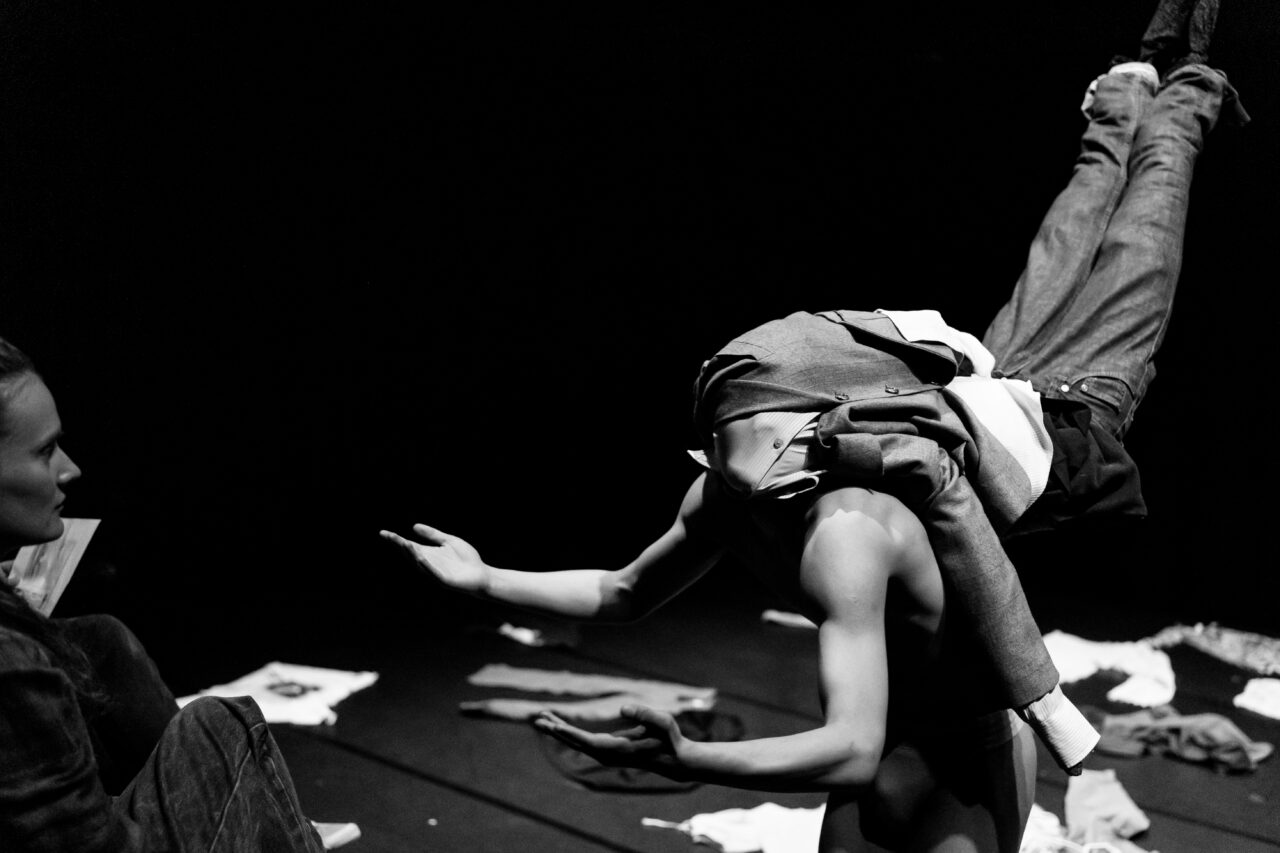
On 23 January 2026 at 21:30, the Estonian Academy of Music and Theatre (EAMT) hosts a public panel discussion titled “What Is Devised Performance and How Do You Eat It?” The event accompanies CPPM Triptych: Political Movement, created by students of the MA in Contemporary Physical Performance Making (CPPM), and takes place in the foyer of the academy.
The panel brings together Sandra Küpper (German dramaturg and festival curator, Senior Lecturer in Dramaturgy at EAMT), Nicolette Kretz (director, dramaturg and writer based in Bern), and Alissa Šnaider (Estonian visual artist, choreographer, dramaturg and curator). The discussion is moderated by theatre critic and researcher Karin Allik.
Together, the speakers explore devising as both an artistic impulse and a working method, including what draws artists to it and what kinds of conditions help devised processes flourish. The conversation circles questions of collective authorship and responsibility, including the familiar tension of whether shared responsibility risks becoming no responsibility at all, and what it takes to stay accountable while keeping the work genuinely collective.
The discussion also touches the ethics and realities of collaboration, from rehearsal conditions, time, preparation, and the people you choose to work with, to how a space is shaped where every voice can be heard without losing a shared direction. Running through this are larger questions about politics and context: whether devised theatre is political in its essence, how freelancing and project based production models influence devising, what wider social impact this way of working can have, and whether devising has become mainstream or is still in the process of becoming.
Entry is free, but registration is required.
 In photo (from right): Karin Allik (moderator), Alissa Šnaider, Nicolette Kretz, Sandra Küpper and Mart Kangro. Photo by Jüri Nael
CPPM is excited to announce the premiere of CPPM TRIPTYCH: POLITICAL MOVEMENT, a vibrant performance programme featuring three newly devised works by the international cohort of the MA in Contemporary Physical Performance Making (CPPM) at the Estonian Academy of Music and Theatre. The CPPM TRIPTYCH premieres on 23 January 2026 and continues with performances on 24, 26, 27, 28 and 29 January 2026.
CPPM TRIPTYCH: POLITICAL MOVEMENT brings three distinct performances into one shared curatorial frame: political movement. Across the evening, audiences are invited into three different artistic worlds, three different devising strategies, and three different ways of transforming individual perspectives into collective action. Expect cultural polyphony, sharp theatrical contrasts, and a compelling sense of how movement can be political, physical, and poetic all at once.
The programme
WalkYourChair
Performance dates: 23, 24, 26, 27, 28, 29 January 2026
Time: 18:00
Venue: Balti Jaama Tunnel
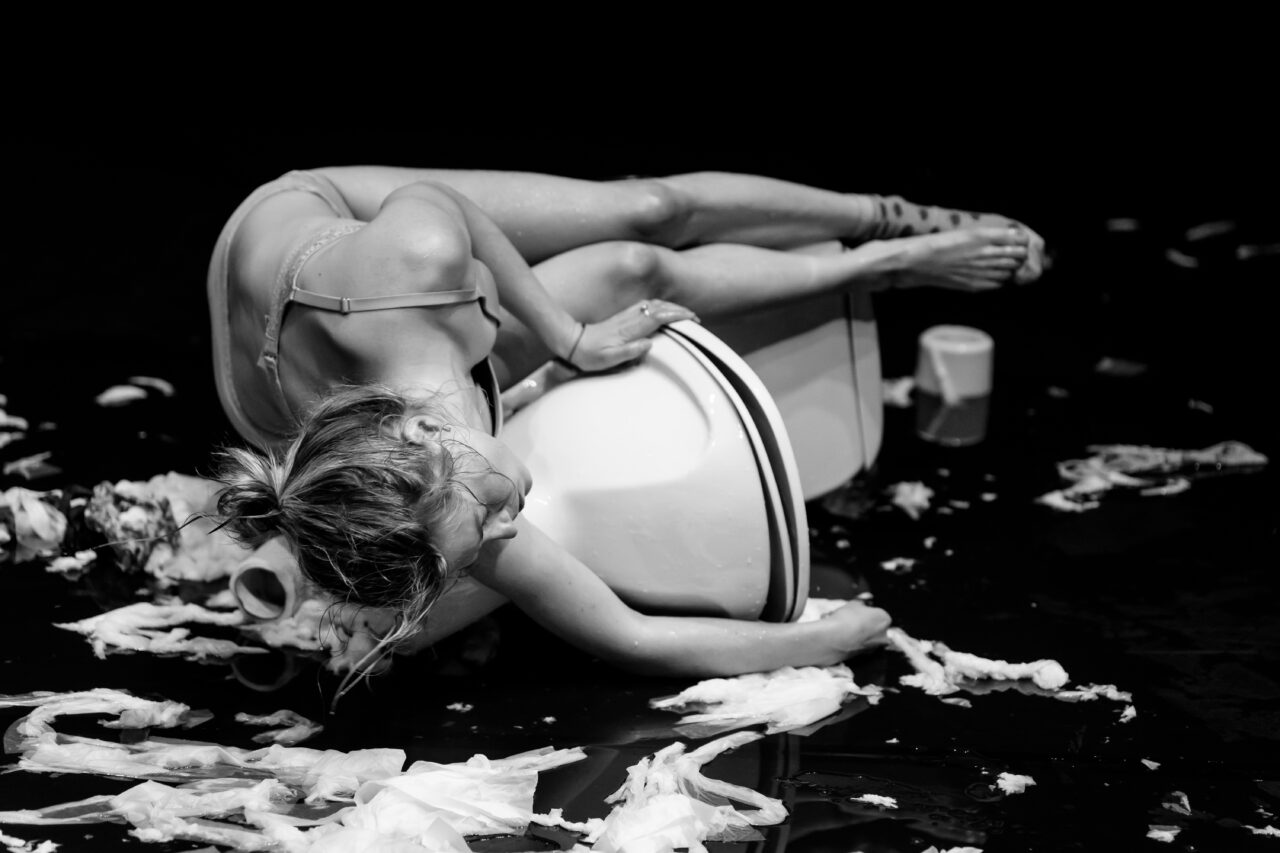
A site specific performance that begins with an audio guide and a simple proposal: take your chair for a walk, sit wherever you want, and see what happens if you let it lead you. In a space built for passing through, four performers give body and breath to four chairs, opening a surprising shift in how we perceive presence, place, and permission.
Creative team
Co authors and performers: Dita Lurina (Latvia), Daniel Ortiz (Colombia), Anette Pärn (Estonia), Edward Skaines (Australia)
Set designer: The Third
Sound designer: Kymbali Williams
EMIT
Performance dates: 23, 24, 26, 27, 28, 29 January 2026
Time: 20:00
Venue: EMTA black box
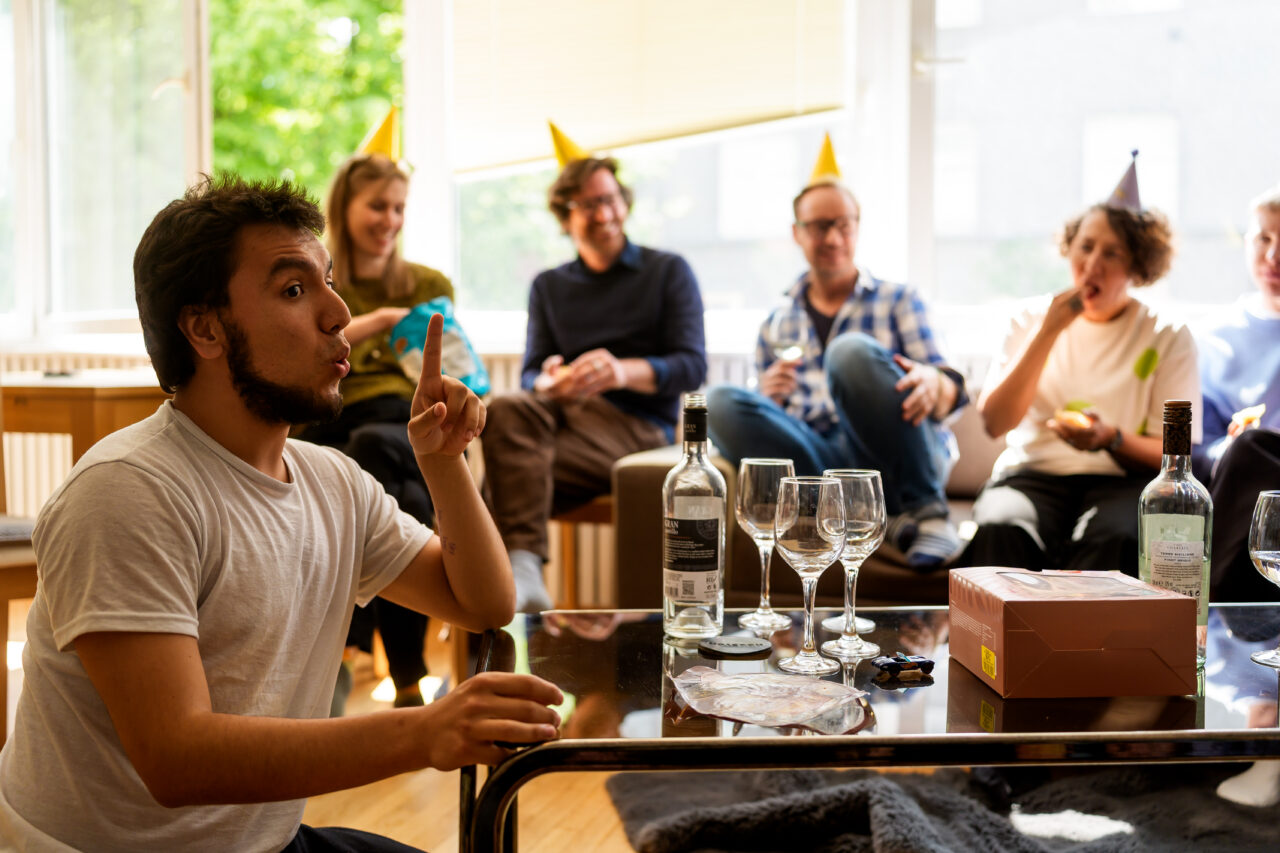
You have received an invitation from EMIT, and it is polite to accept it. Framed as a celebration of new beginnings, EMIT plays with the rituals of togetherness and the seductive language of hope. It welcomes you in, draws you close, and asks what it really means to gather, connect, and imagine a better world.
Creative team
Co authors and performers: Clarisse Degeneffe (Belgium), Juuli Hyttinen (Finland), Jeson Joy (India), Oskar Moore (Latvia), Maria Papachristodoulou (Greece), Ana Trif (Romania)
Set designer: Kairi Mändla
Lighting designer: Siim Reispass
Sound designer: Kenn Eerik Kannike
Night Watch
Performance dates: 23, 24, 26, 27, 28, 29 January 2026
Time: 23:00
Venue: EMTA black box
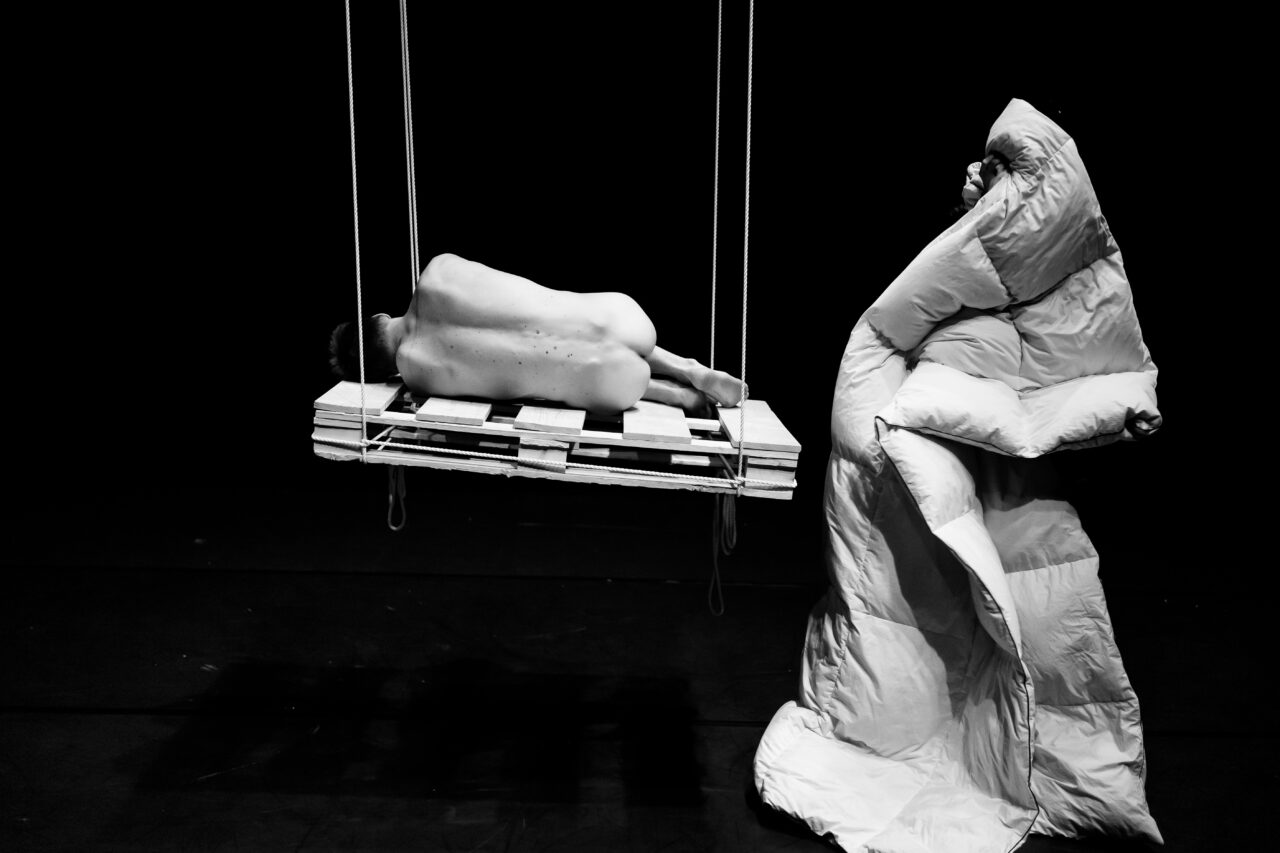
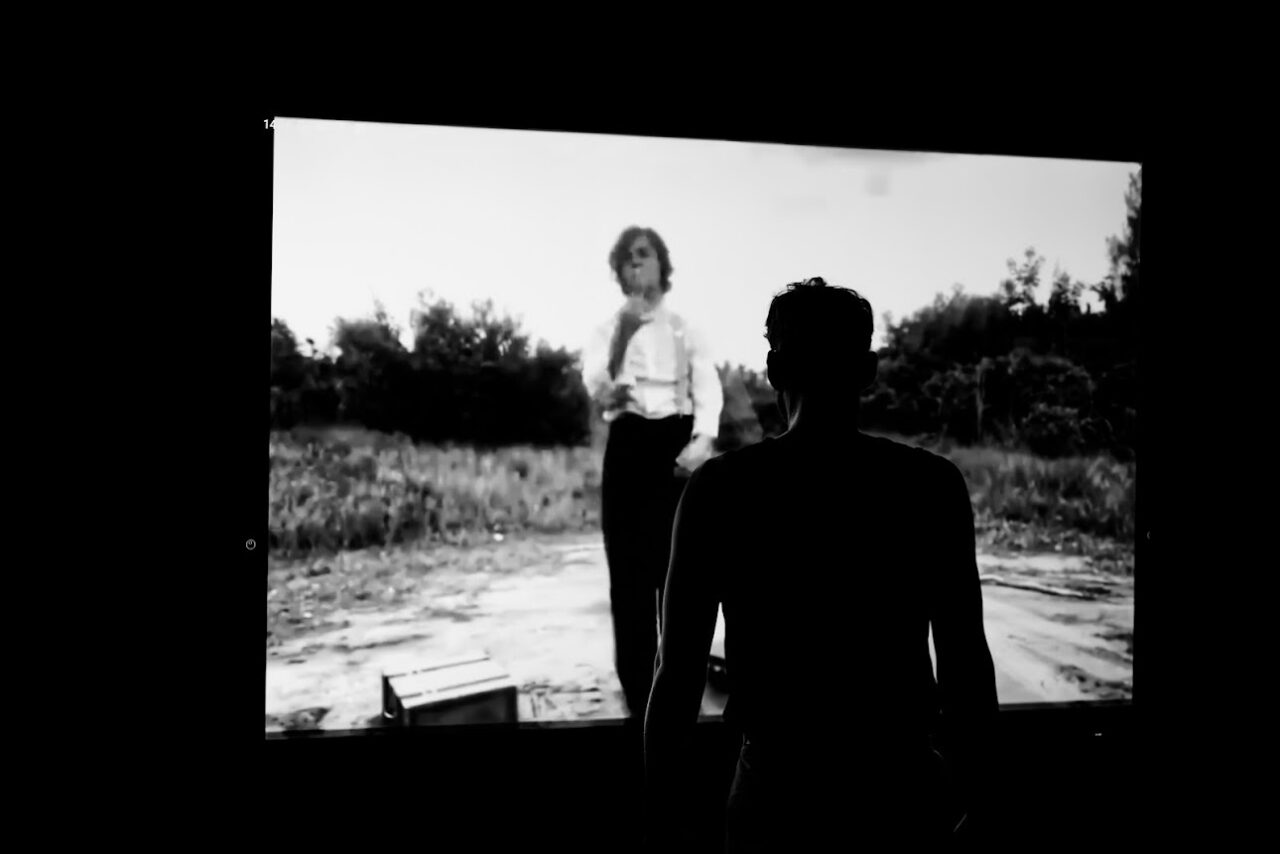
Night Watch invites the audience to drift on the border between wakefulness and sleep, where movement becomes a way of sensing austerity, abundance, and resilience. The performance conjures embodied worlds and future visions that appear when reality slips into fairytale like abstraction.
Creative team
Co authors and performers: Zhenyan Ding (China), Leah Gayer (Germany), Avery Gerhardt (USA), Charis Taplin (UK), Maarja Tosin (Estonia), Elar Vahter (Estonia)
Set designer: Kairi Mändla
Lighting designer: Siim Reispass
Sound designer: Kenn Eerik Kannike
Video artist: Ave Palm

CPPM welcomes its next guest artist, Peader Kirk, for a two-week workshop beginning on 8 December 2025 at the Estonian Academy of Music and Theatre. Known internationally for his bold performance-making practice across sound art, theatre, and site-responsive work, Kirk returns to CPPM with a new intensive that moves fluidly between theory and practice, engaging with the urgent tensions of our contemporary world and the role of the artist within it.
In this workshop, participants will work principally through practical exploration, while also stepping back to reflect on their creative processes and the moment we collectively inhabit. Kirk invites students to set aside the notion of “creative solutions” and instead dive into the strategies, processes, and provocations that underpin performance making today. Through task-based exercises, compositional approaches, and collaborative enquiry, students will generate material, build encounters, and create moments of performance that question how a work comes into being—and how it works. Along the way, they will explore physical languages, text generators, identities and personas, games that don’t yet exist, spontaneous composition, grids, resources, and the seeding of change. There will be rigorous questioning, imaginative experimentation, and laughter.
Central to Kirk’s methodology is the idea that artistic work emerges from a question about how the world is right now – a question impossible to answer in words alone, one that demands a creative response. This workshop asks participants to consider the fraught terrain of the future: Is it something we can shape, or something predetermined? Is it close at hand, or still out of reach? What might a “better future” look like, and better for whom? These provocations will guide the group through hands-on explorations that bridge performance, politics, imagination, and lived experience.
Running 8–19 December 2025, the workshop culminates in an Open Class on 19 December at 19:00 in the EMTA Black Box, where audiences are warmly invited to witness the outcomes of this dynamic, exploratory process.
This intensive forms part of CPPM’s commitment to world-leading postgraduate education, international collaboration, and advanced artistic training. Situated at the Estonian Academy of Music and Theatre in Tallinn, CPPM continues to offer transformative training opportunities for artists seeking to expand their creative development, physical performance, and performance-making strategies.

CPPM is welcoming its next guest artist, Mart Kangro, for a week-long workshop starting 1 December 2025. Kangro is one of Estonia’s most influential contemporary dance and performance makers, known for his conceptual, philosophical, and deeply reflective approach to embodiment, presence, and the semiotics of the stage. His practice bridges choreography, devised theatre, and performative research, making him an exceptional mentor for international artists seeking advanced professional development in physical performance.
Throughout this intensive, participants will engage with Kangro’s signature themes: presence and disappearance, memory and forgetting, embodiment as inquiry, and the subtle dramaturgies of gesture. Drawing from his extensive background, from classical ballet and work at the Estonian National Opera to major European collaborations, Kangro guides CPPM students through a process of movement research, text work, reflection, and sensorial awareness. The focus lies in understanding performance as “philosophy in action,” where thought becomes physical, minimal action becomes meaningful, and performers cultivate precision, intelligence, and vulnerability.
The workshop runs 1–6 December 2025, culminating in an Open Class on 6 December at 19:00 in the EMTA black box. Everyone is warmly invited to join and witness the week’s research and discoveries shared by an international group of artists.
This workshop is part of CPPM’s ongoing mission to foster artistic innovation, international collaboration, and high-level professional development for contemporary performance makers. Through intensive workshops, international masterclasses, and renowned guest artists, CPPM continues to position Tallinn as a leading hub for postgraduate education in physical theatre, choreography, performance making, and advanced creative research and development.

CPPM at the Estonian Academy of Music and Theatre in Tallinn continues its commitment to high-level professional development by welcoming its next guest artist, Clément Layes, for the workshop Dancing the Creature, starting today. Layes, a renowned choreographer, conceptual performance-maker and co-founder of the Berlin-based company Public in Private, brings to CPPM more than two decades of artistic research integrating contemporary dance, physical theatre, circus, visual arts and philosophical inquiry. His internationally acclaimed work has been presented at leading venues and festivals worldwide, including Théâtre de la Ville, Kaai Theatre, Walker Art Center and the Venice Biennale.
The workshop Dancing the Creature invites participants into a playful, poetic and cross-disciplinary exploration where the body encounters objects, imagination and conceptual thought. Rooted in somatic attention and the agency of both human and non-human bodies, the workshop opens pathways into altered states of creativity, object play, sensory fine-tuning and installation-making. Participants explore humour, repetition, failure, and the subtle architectures of attention that support artistic vitality. Rather than a linear technique class, the process unfolds as a shared journey, offering performers tools to expand their physical performance language and rethink collaboration, presence and creative development within contemporary dance and performance making.
The workshop runs throughout this week, and CPPM warmly invites everyone to an Open Class on 29 November at 19:00 in the EMTA Black Box, where the participants will share insights and outcomes from their intensive research with Layes. This workshop forms part of CPPM’s broader mission to create world-leading training opportunities and international masterclasses that support postgraduate education, artistic innovation and the evolving landscape of contemporary physical performance in Tallinn and beyond.

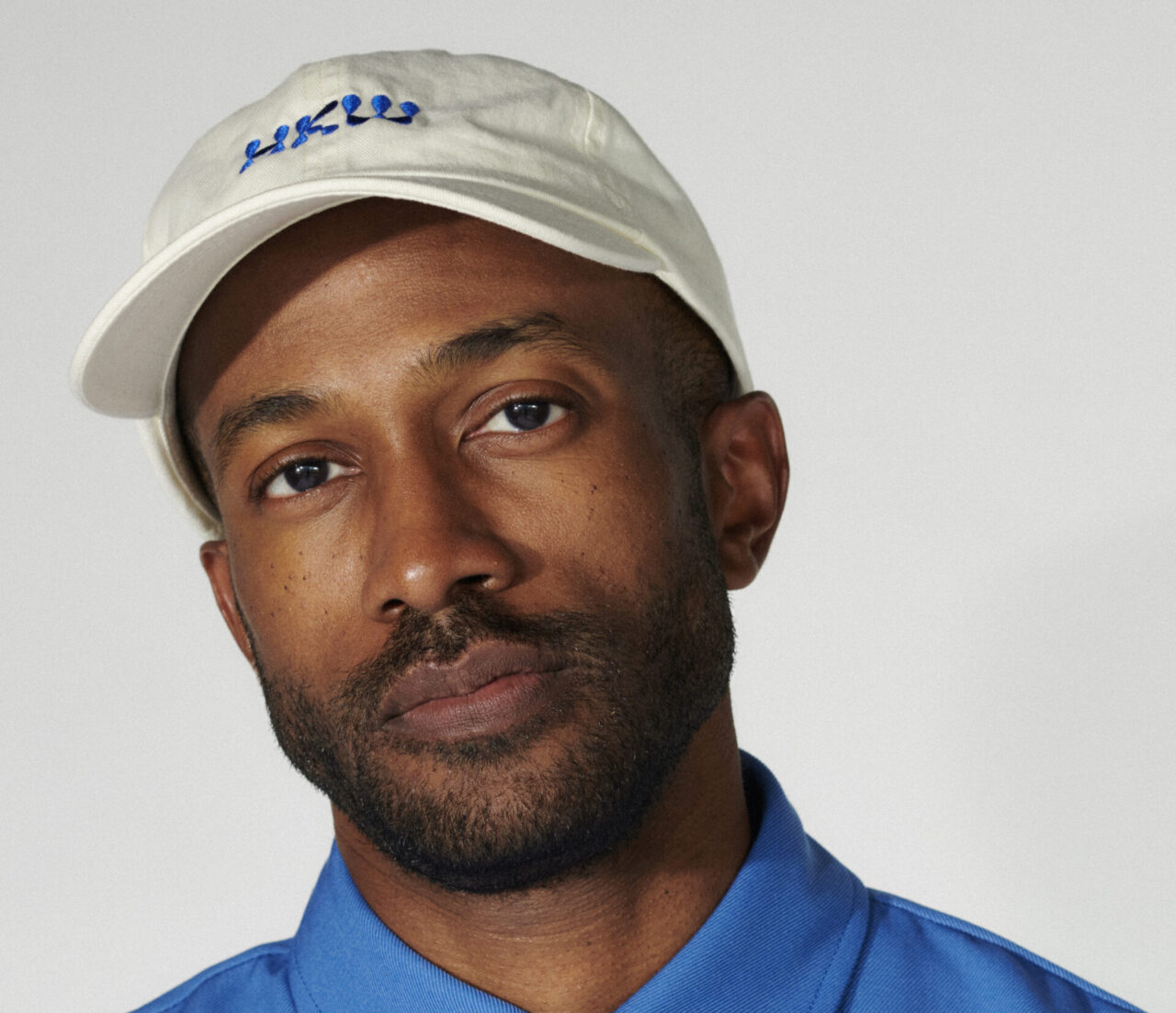
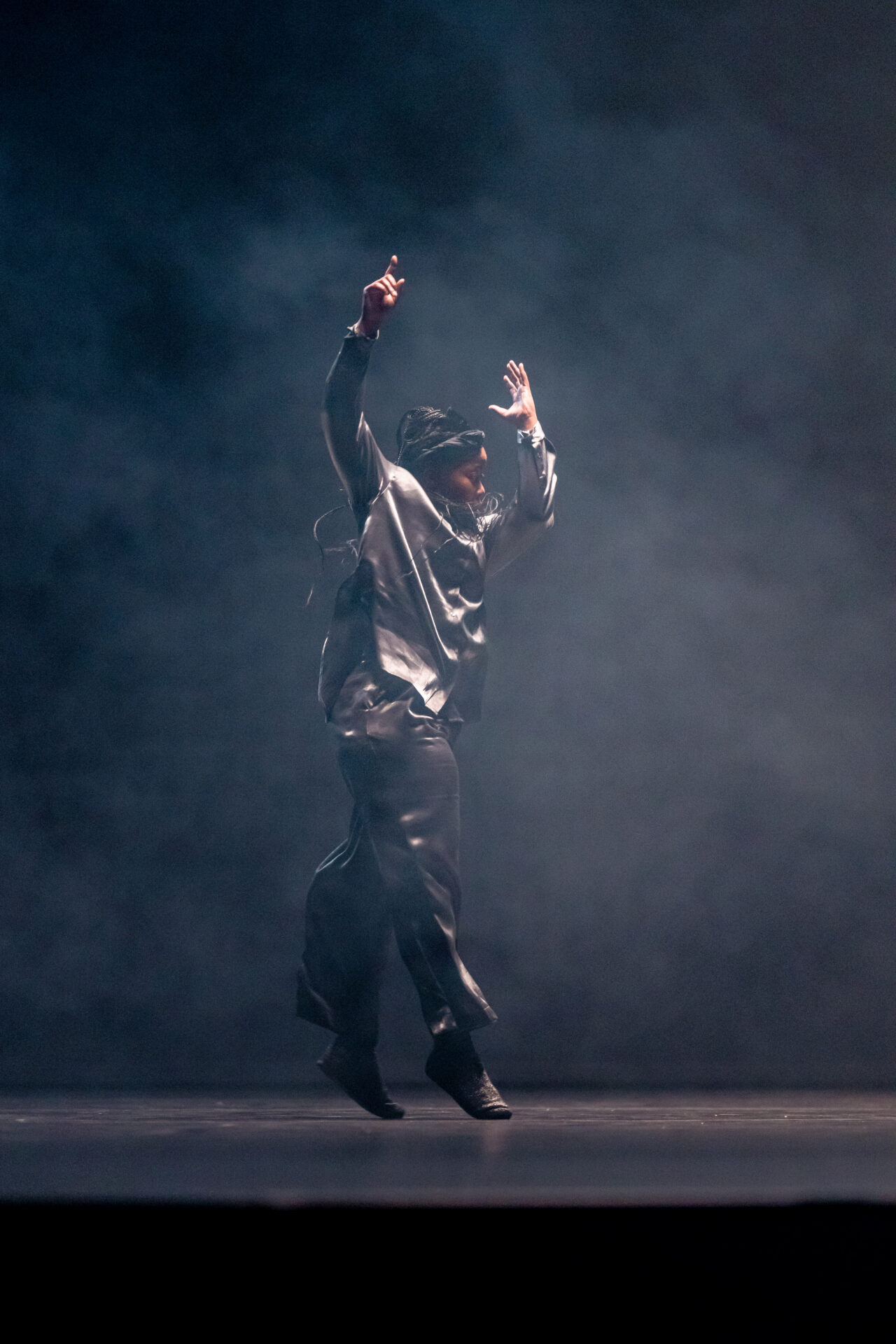
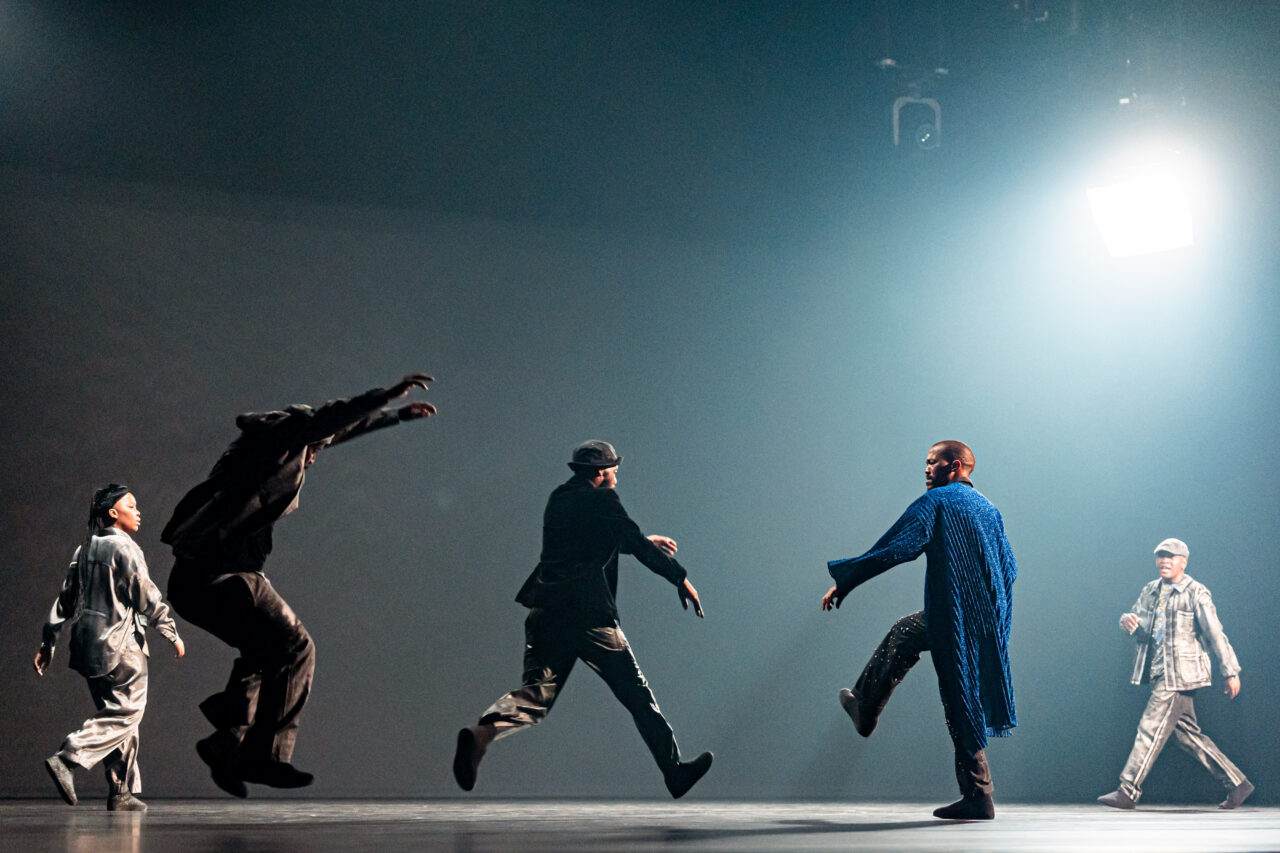
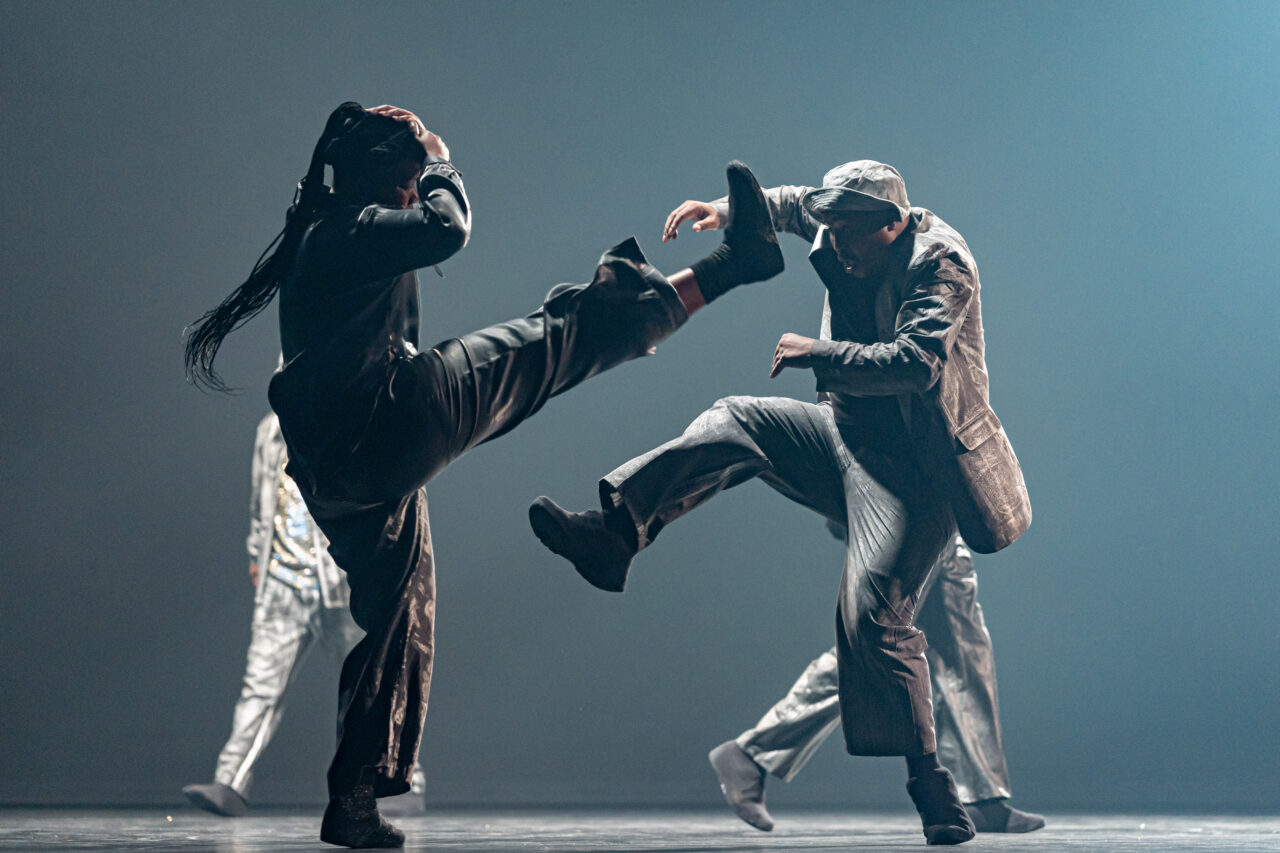
CPPM is welcoming its next guest artist, Jeremy Nedd, for the workshop Reimagining Marginalised Movement Languages, taking place 3–8 November 2025 at the Estonian Academy of Music and Theatre in Tallinn.
Based in Basel, Switzerland, and originally from the United States, Jeremy Nedd is an internationally acclaimed choreographer, dancer, and sound designer celebrated for his innovative approach to dance and cultural expression. His practice bridges the precision of classical ballet and contemporary technique with the dynamic energy of urban and social movement forms. Nedd’s artistry has earned him prestigious recognitions, including the New York Dance and Performance “Bessie” Award and the Swiss Performing Arts Award (2023), confirming his status as one of today’s most visionary and boundary-defying dance artists.
In this week-long intensive, CPPM students will explore how dance can serve as a form of cultural memory and collective storytelling. Drawing on Nedd’s collaborations with Impilo Mapantsula, Trajal Harrell, and a wide network of international artists, participants will be invited to engage the body as an archive, reclaiming movement languages often overlooked within contemporary performance contexts. The workshop blends physical precision, improvisation, rhythm, and sound design, offering participants an embodied encounter with the political, poetic, and spiritual dimensions of dance.
The workshop culminates in an Open Class on Saturday, 8 November at 19:00 in the EMTA Black Box, where audiences are warmly invited to witness the outcomes of this powerful exchange. Through its ongoing international guest artist programme, CPPM continues to champion artistic innovation, professional development, and cross-cultural collaboration within the field of contemporary physical performance making.
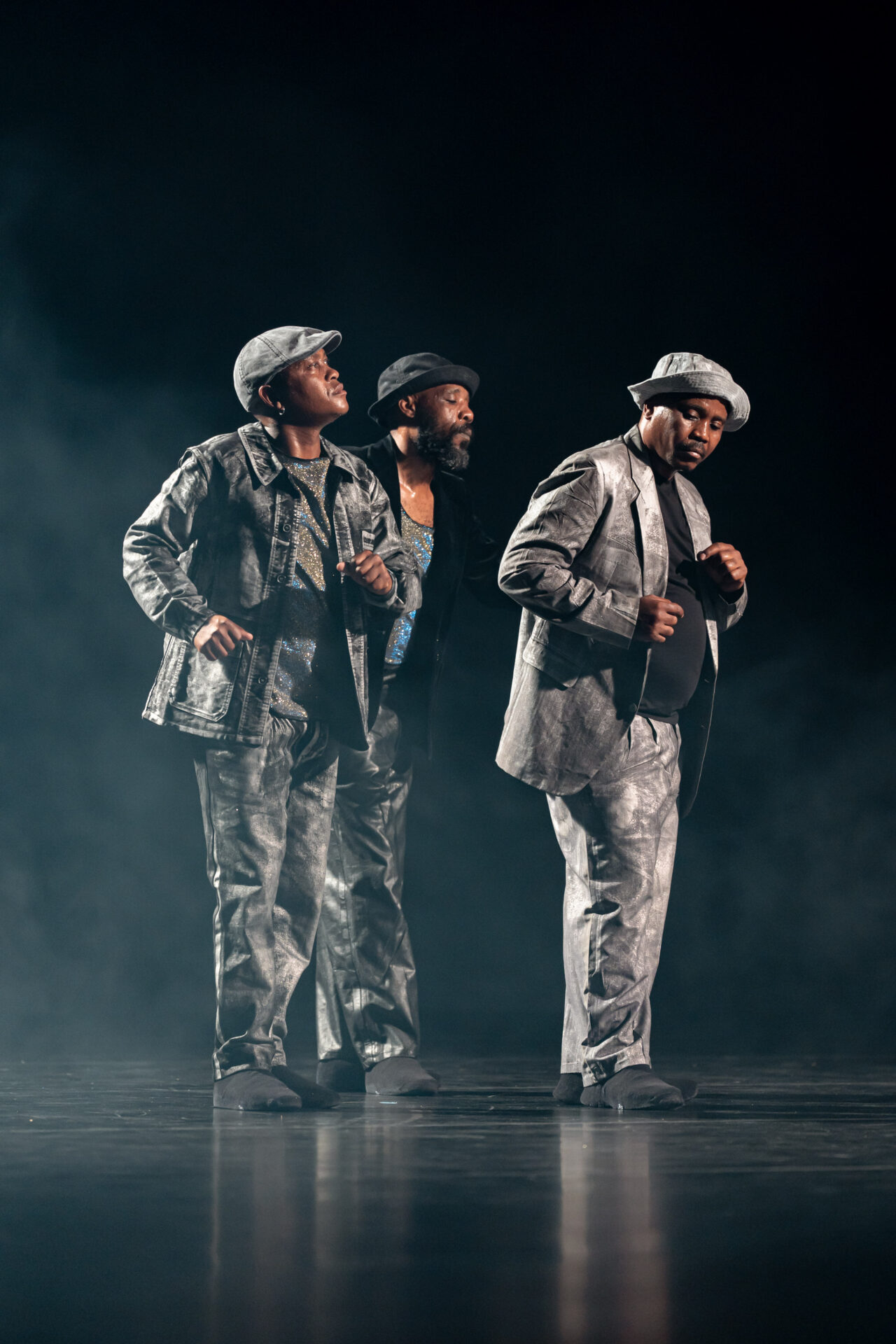
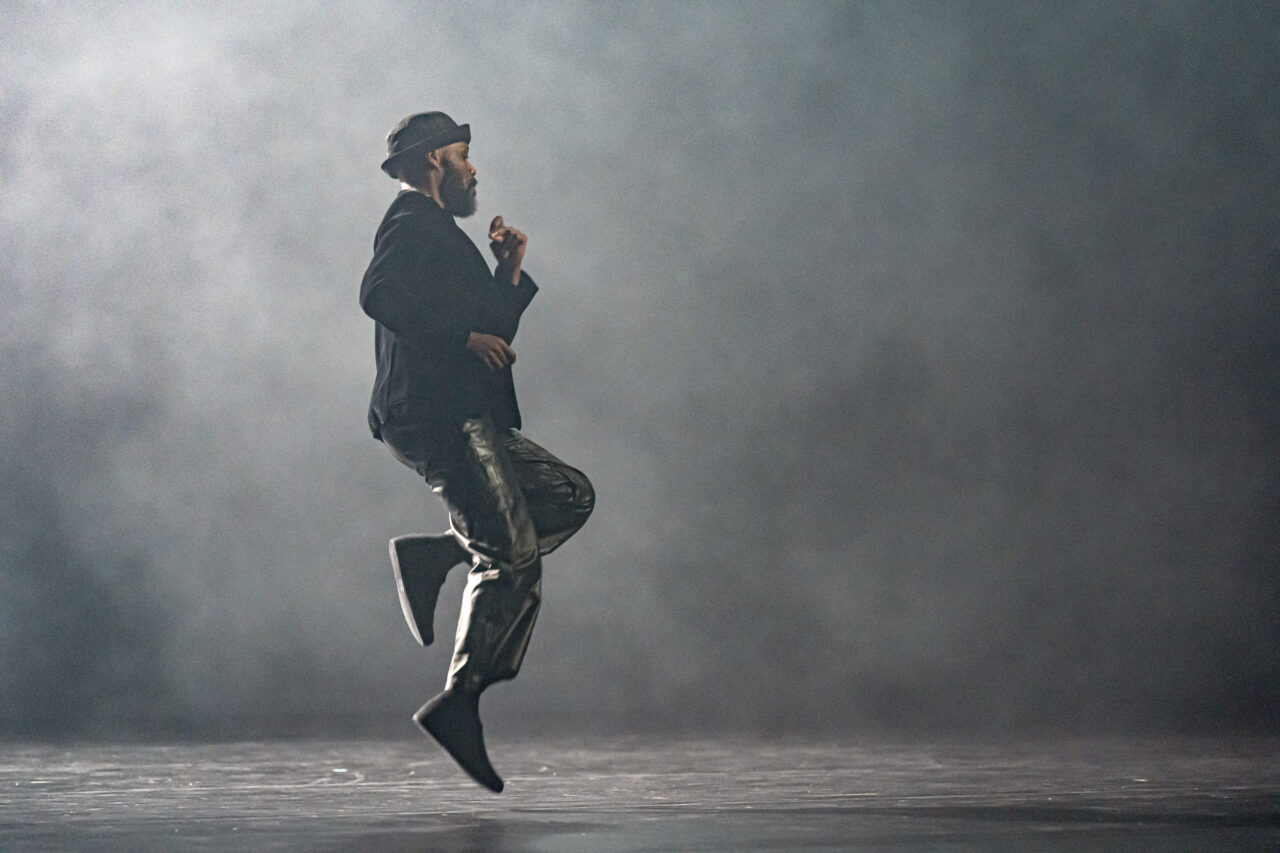
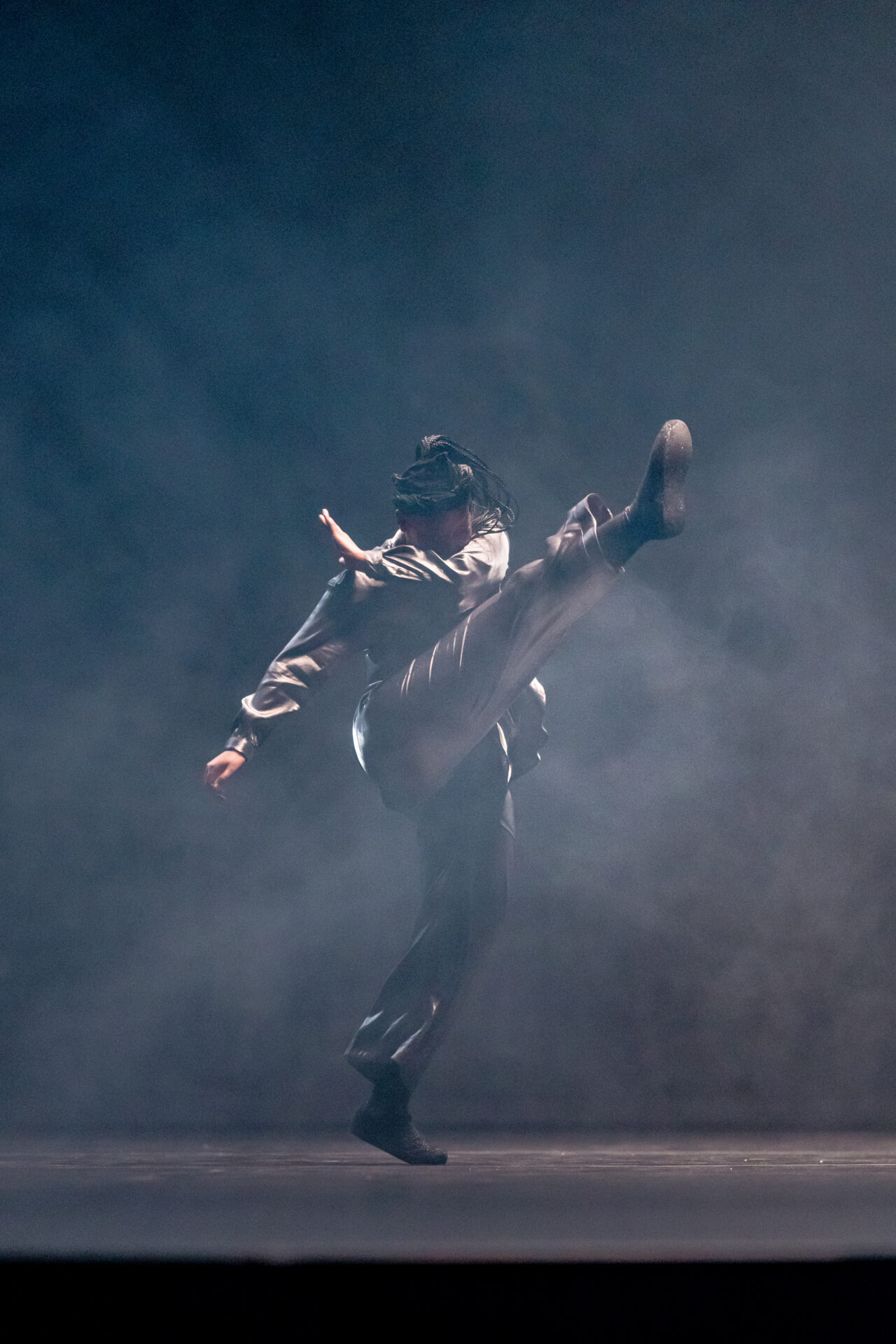
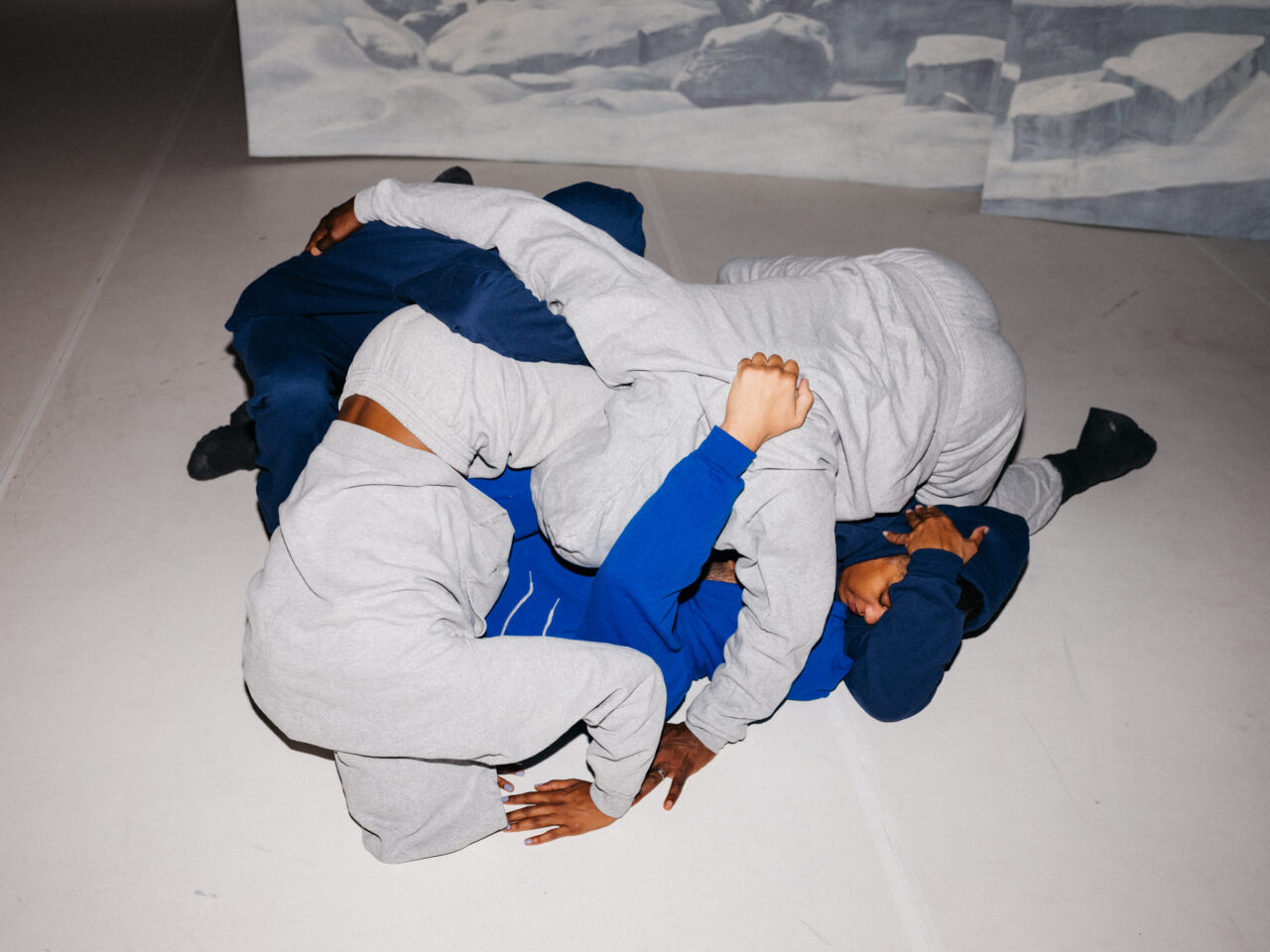
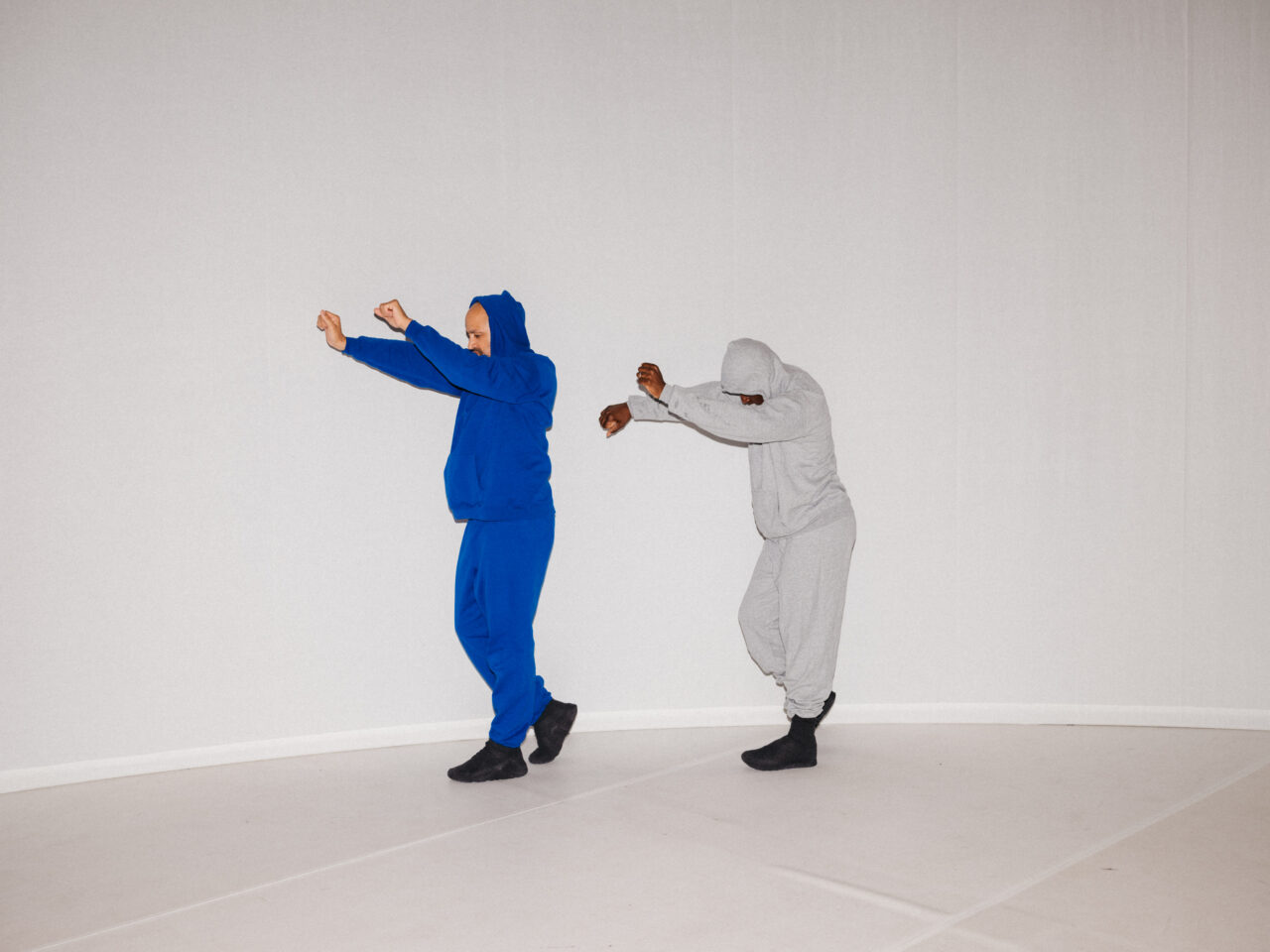
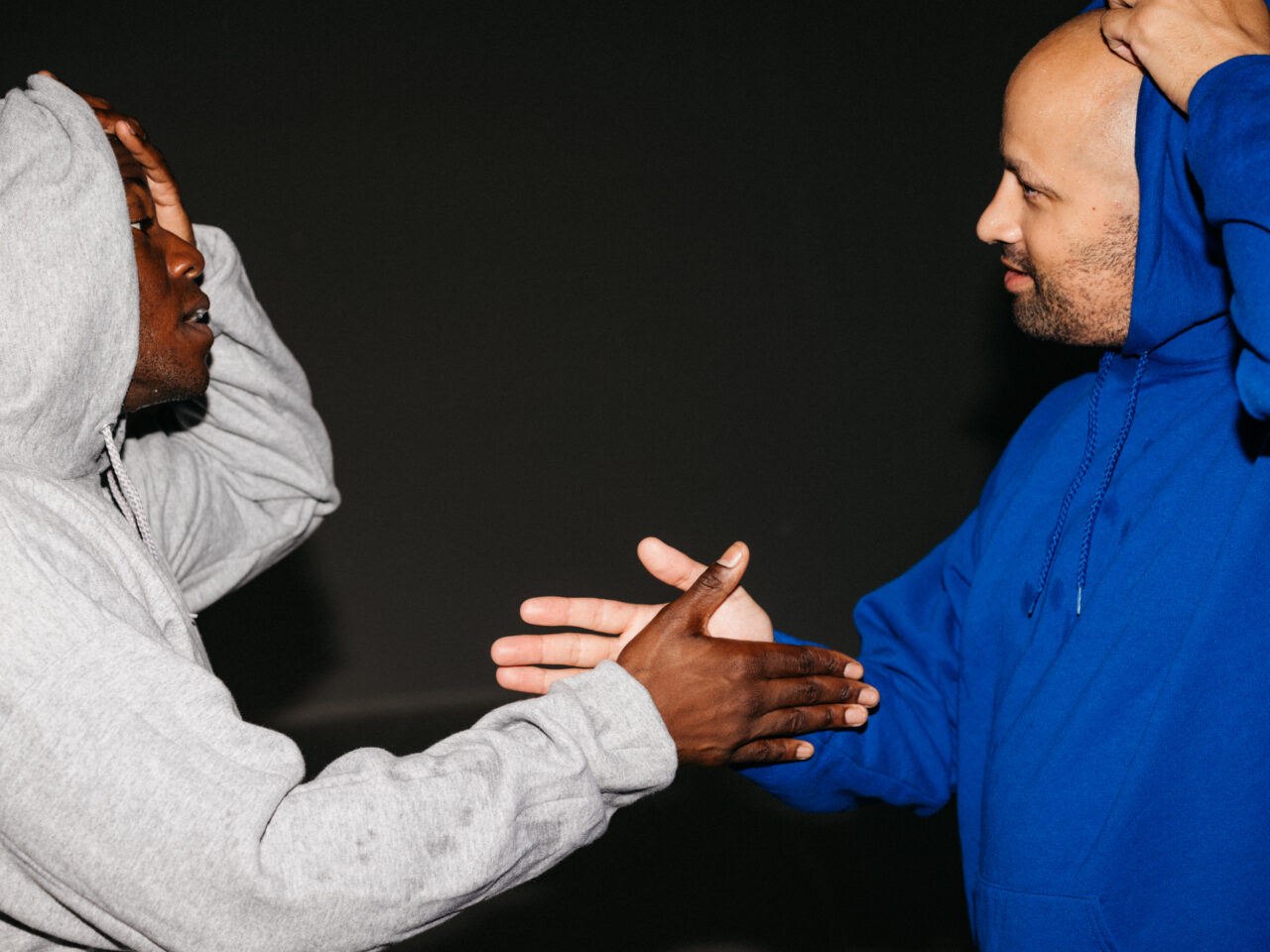
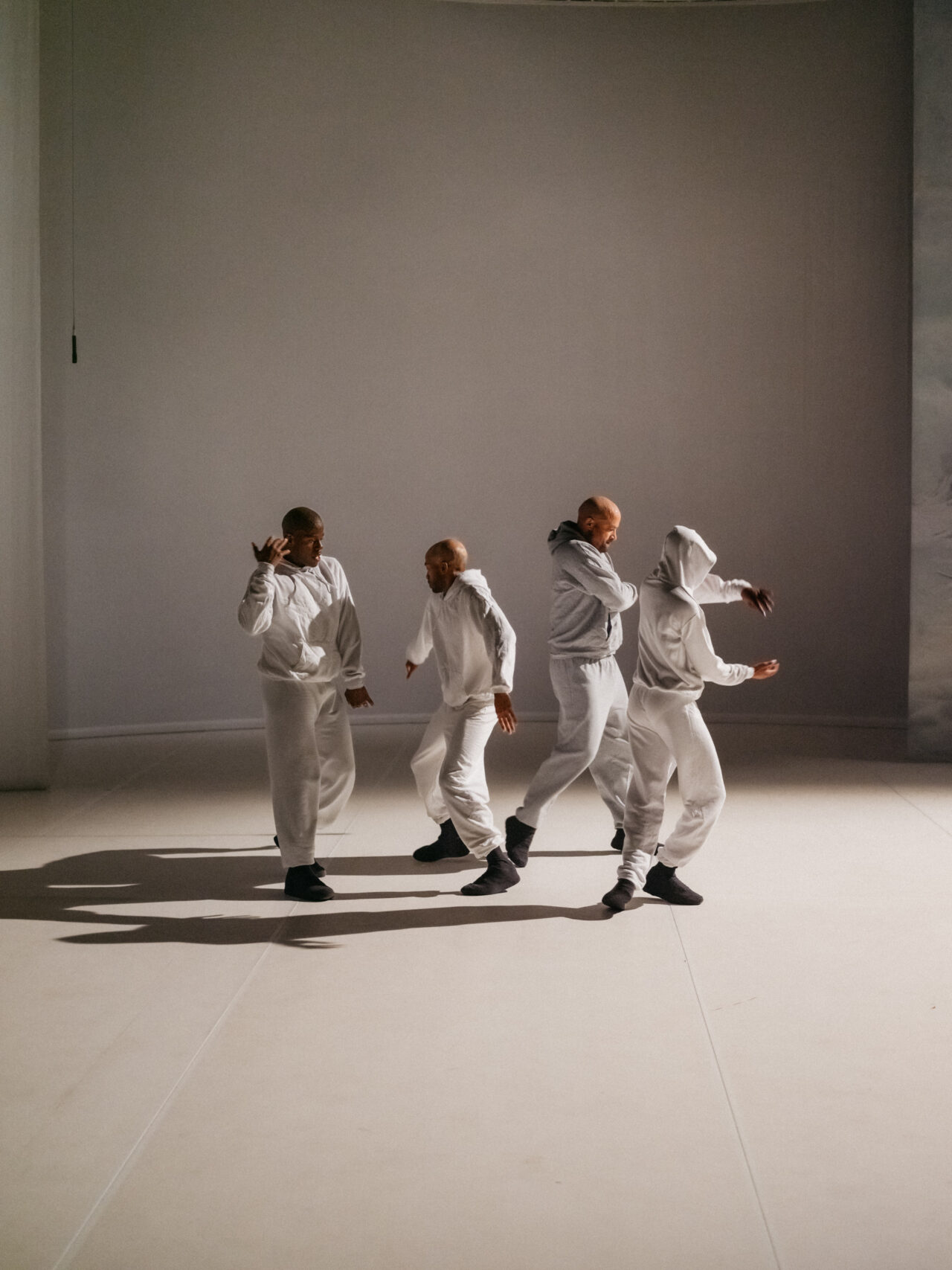
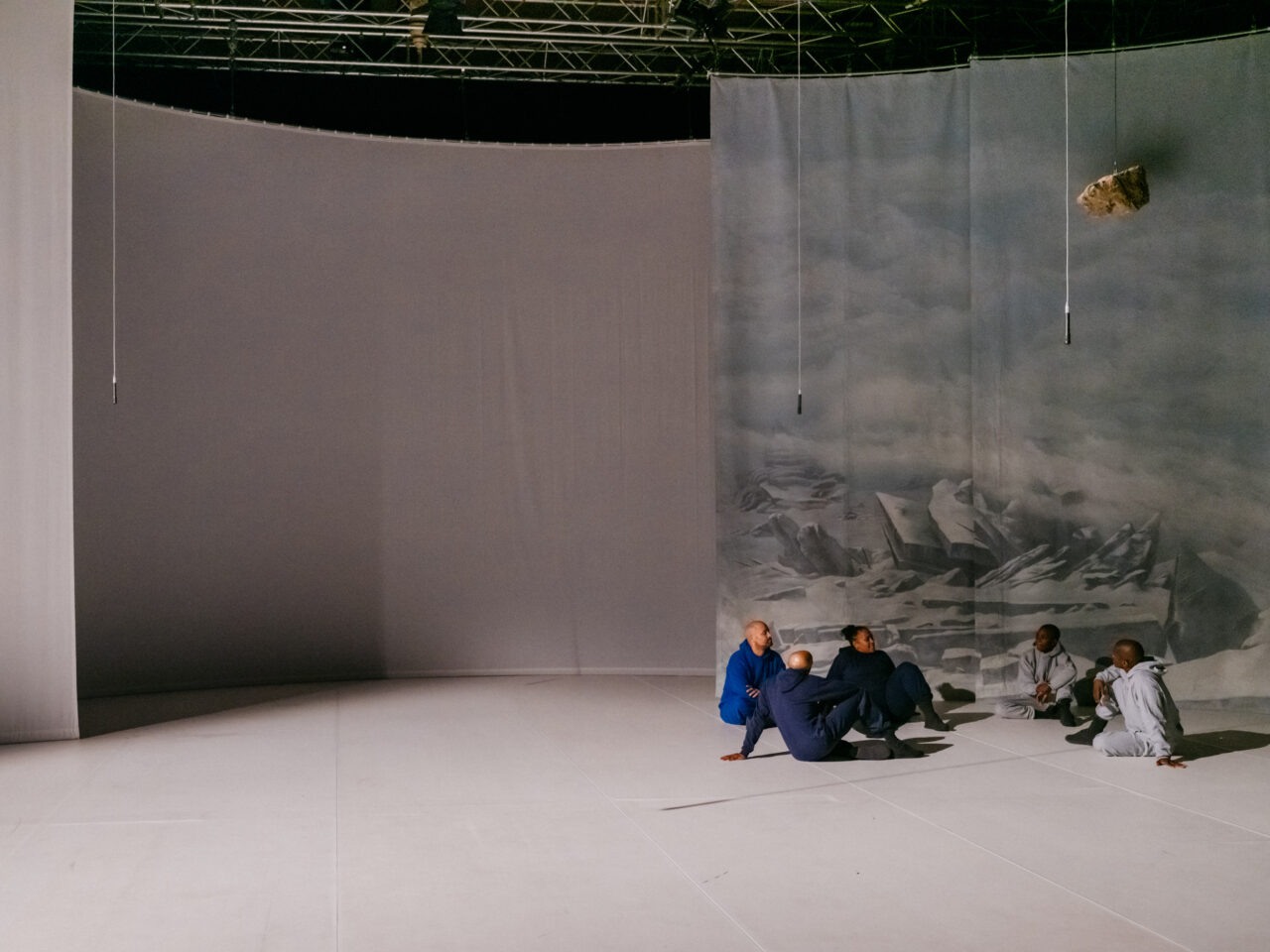
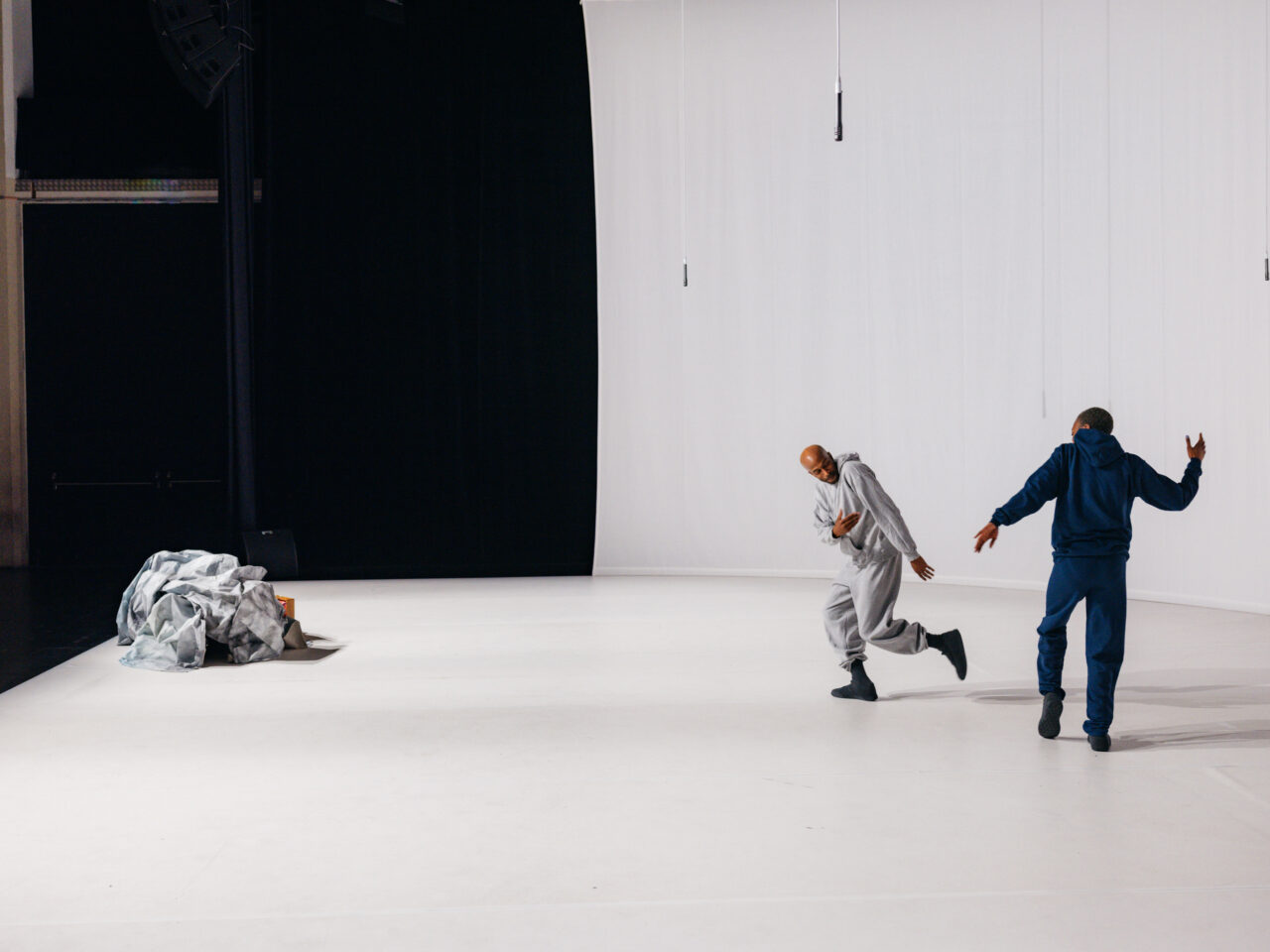
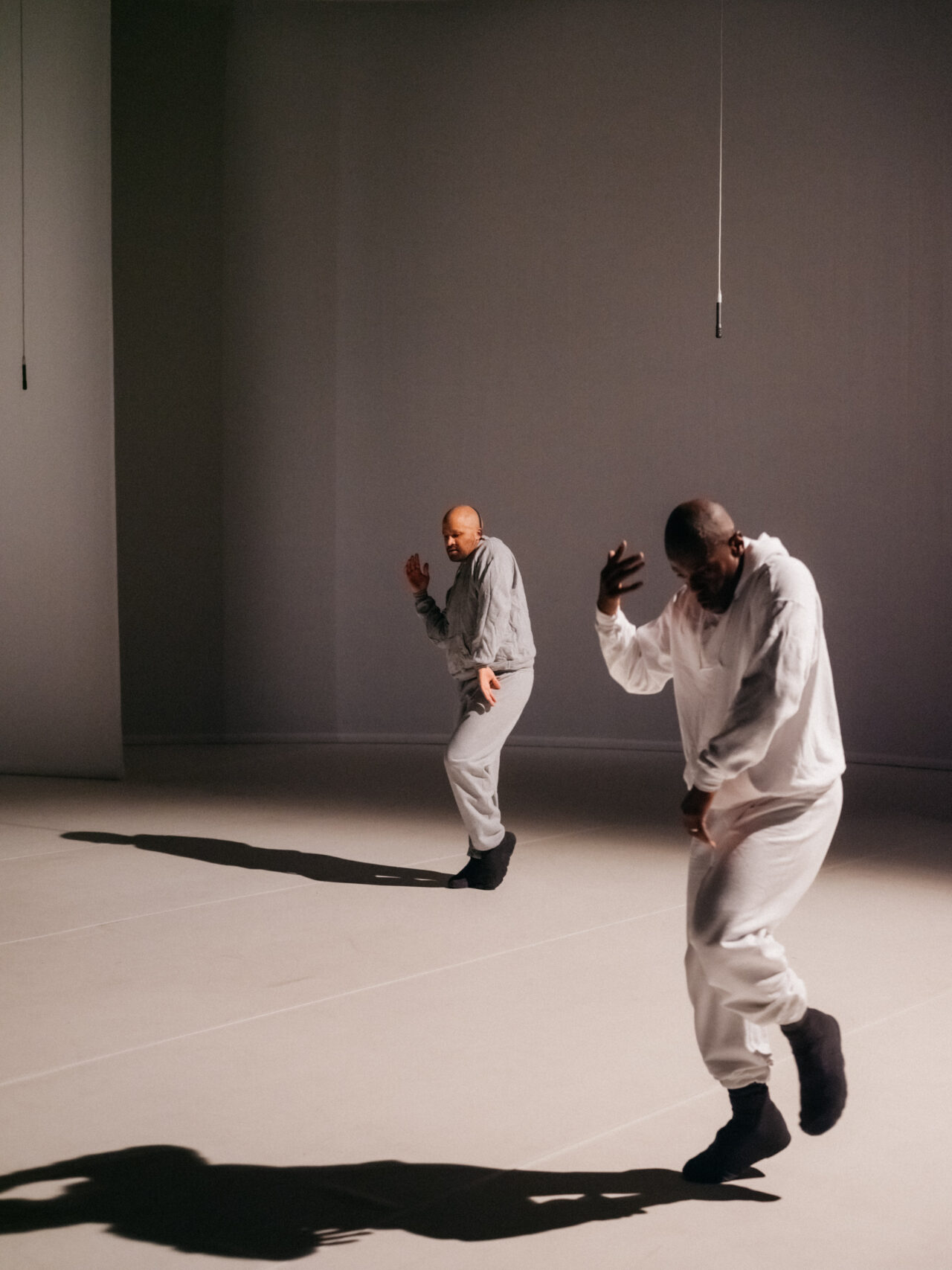
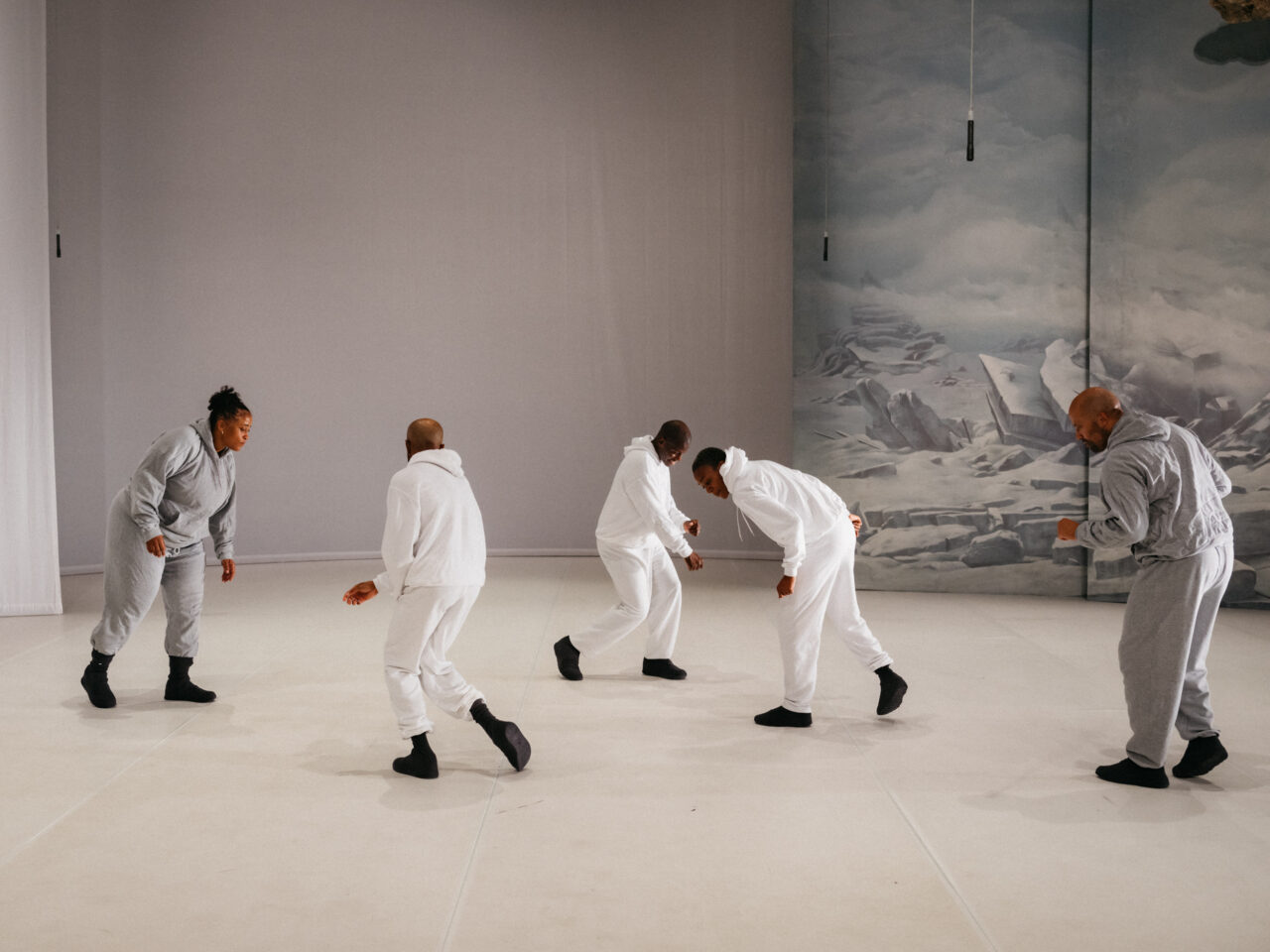
CPPM is welcoming its next guest artists, Roel Swanenberg and Arjan Gebraad, for the workshop The Readiness is All, taking place from 27 October to 1 November 2025 at the Estonian Academy of Music and Theatre. The workshop will culminate in an Open Class on 1 November at 19:00 in the EMTA black box, offering audiences a chance to witness the collaborative outcomes and the evolving creative processes that have shaped the week.
Roel Swanenberg, a multidisciplinary theatre artist born in the Netherlands and based in Belgium, is known for his ability to bridge classical texts with contemporary performance. His creative work brings together embodied storytelling, poetic dramaturgy, and audience engagement, forming a distinctive voice within the Flemish and Dutch theatre landscape. Over the past two decades, Swanenberg has collaborated with companies such as Het Nationale Theater, Het Zuidelijk Toneel, Theater Artemis, Het Toneelhuis, and Het Nieuwstedelijk. In 2008, he co-founded the theatre company kinderenvandevilla with Wanda Eyckerman, creating internationally recognised performances including Alleen op de Wereld and Leeghoofd. His solo work Shall I…? explores Shakespeare’s sonnets through contemporary media and personal narrative, revealing his continued curiosity for how language, body, and sound intertwine. Alongside his stage work, Swanenberg teaches at LUCA School of Arts in Genk, mentoring film and acting students through an approach that values creative autonomy, cross-disciplinary collaboration, and physical awareness.
Arjan Gebraad, also from the Netherlands, is a performer, director, and dramaturg whose practice expands across theatre, dance, and circus. After studies in Cultural Sciences at the University of Tilburg and directing at the Maastricht Academy of Performing Arts, he trained with both SITI Company and Mary Overlie, experiences that profoundly shaped his understanding of ensemble performance and non-hierarchical composition. His artistic work is remarkably diverse: he has served as dramaturg for urban dance and hip-hop projects, made short dance films, performed as a simulation actor in training contexts, and developed socially engaged works with the artist collective Tilburg Cowboys. As the founder of The Windmill Collective, Gebraad continues to experiment with new forms of performative research, exploring how performers can become authors through embodied investigation and creative dialogue.
Over the years, Swanenberg and Gebraad have formed a strong artistic partnership grounded in shared values of experimentation, curiosity, and pedagogical innovation. They have collaborated as co-directors, teachers, and researchers, and are both active ambassadors of the Mary Overlie Legacy Project, dedicated to extending her ideas to new generations of artists. Their joint teaching embraces The Six Viewpoints as a living practice, treating performance as a field of observation and participation rather than creation from hierarchy. Their approach invites performers to attend to the materials of Space, Shape, Time, Emotion, Movement, and Story, allowing compositions to emerge organically through collective attention and spatial listening.
The workshop The Readiness is All draws its title from Hamlet’s final words — a reflection on presence and acceptance that resonates deeply with Overlie’s philosophy. Throughout the week, CPPM students will engage in physical training, improvisation, and compositional exercises that investigate how perception can become a tool for creation. By combining physical theatre, textual exploration, and ensemble awareness, participants will learn to use composition as both a technical and poetic method for making performance. The process emphasises curiosity, responsiveness, and the dismantling of hierarchies between performer, director, and text, nurturing the performer’s authorship and sense of artistic independence.

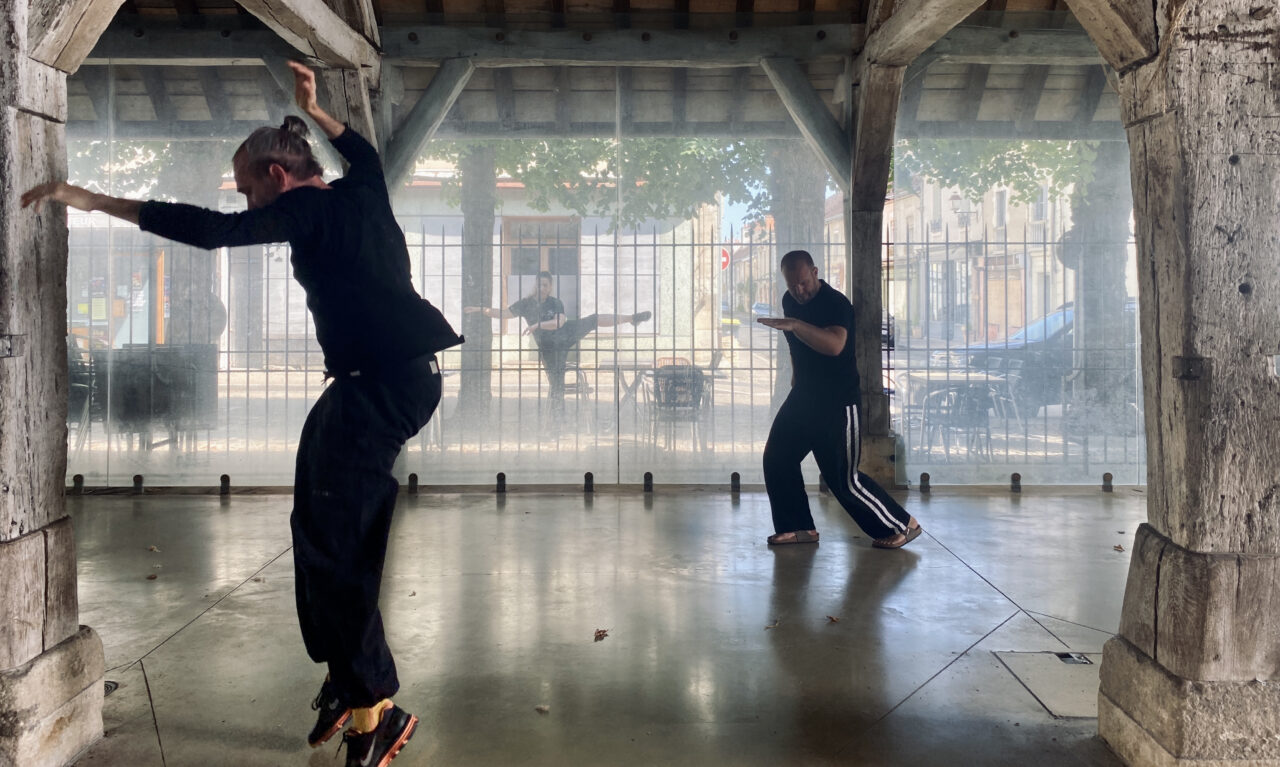
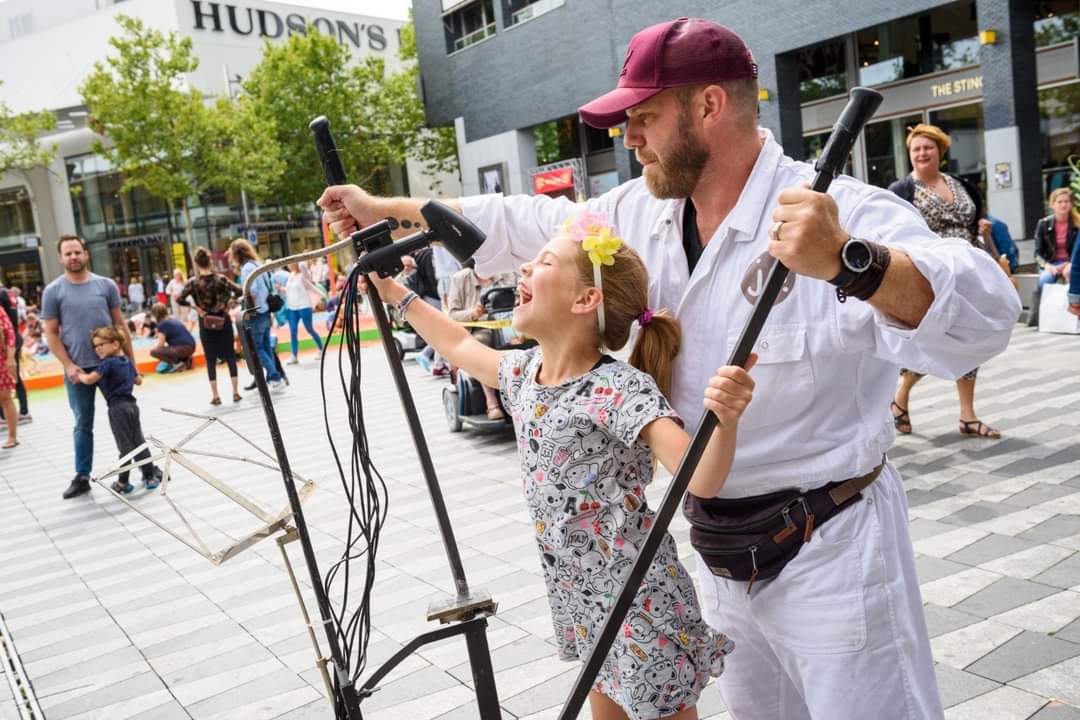
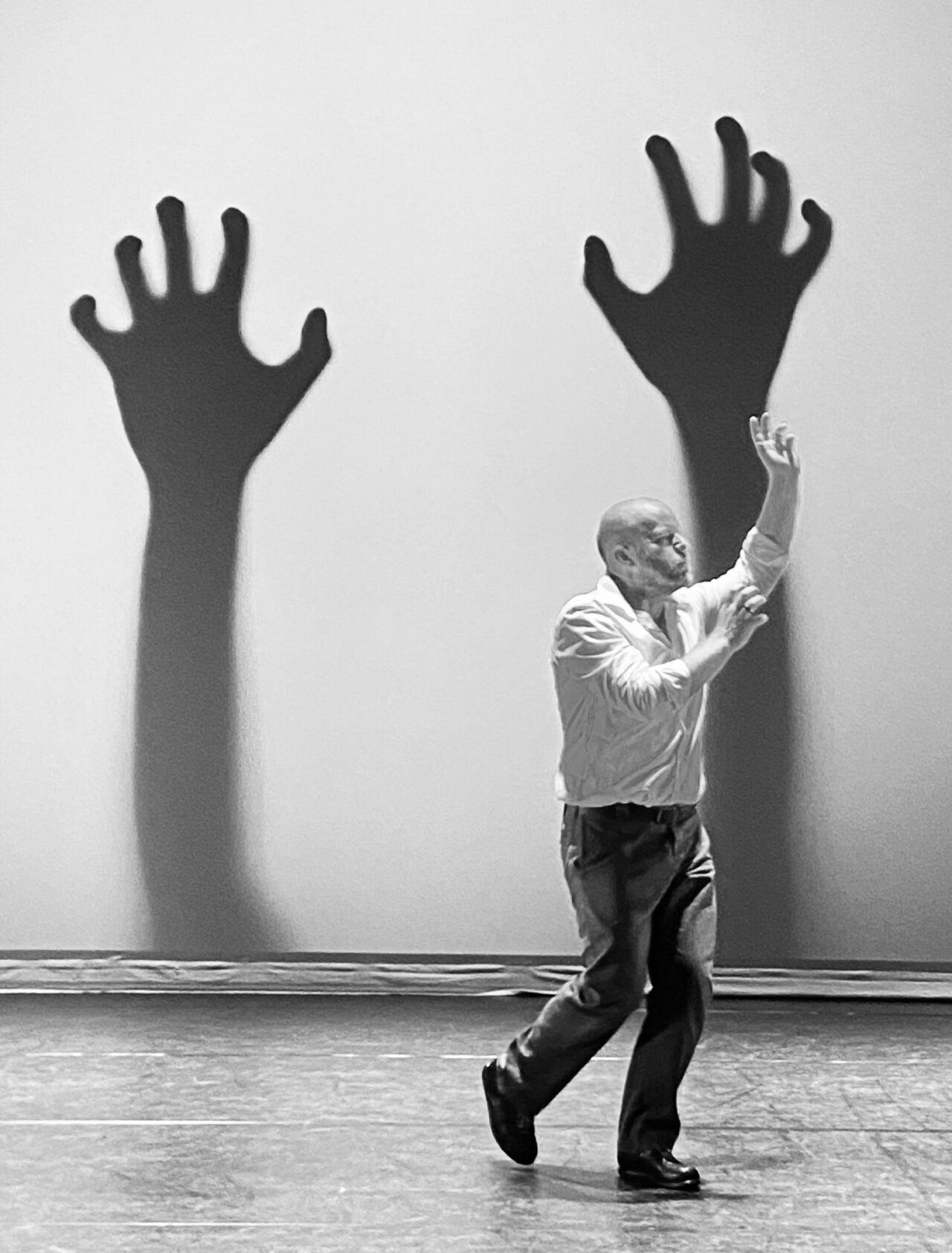

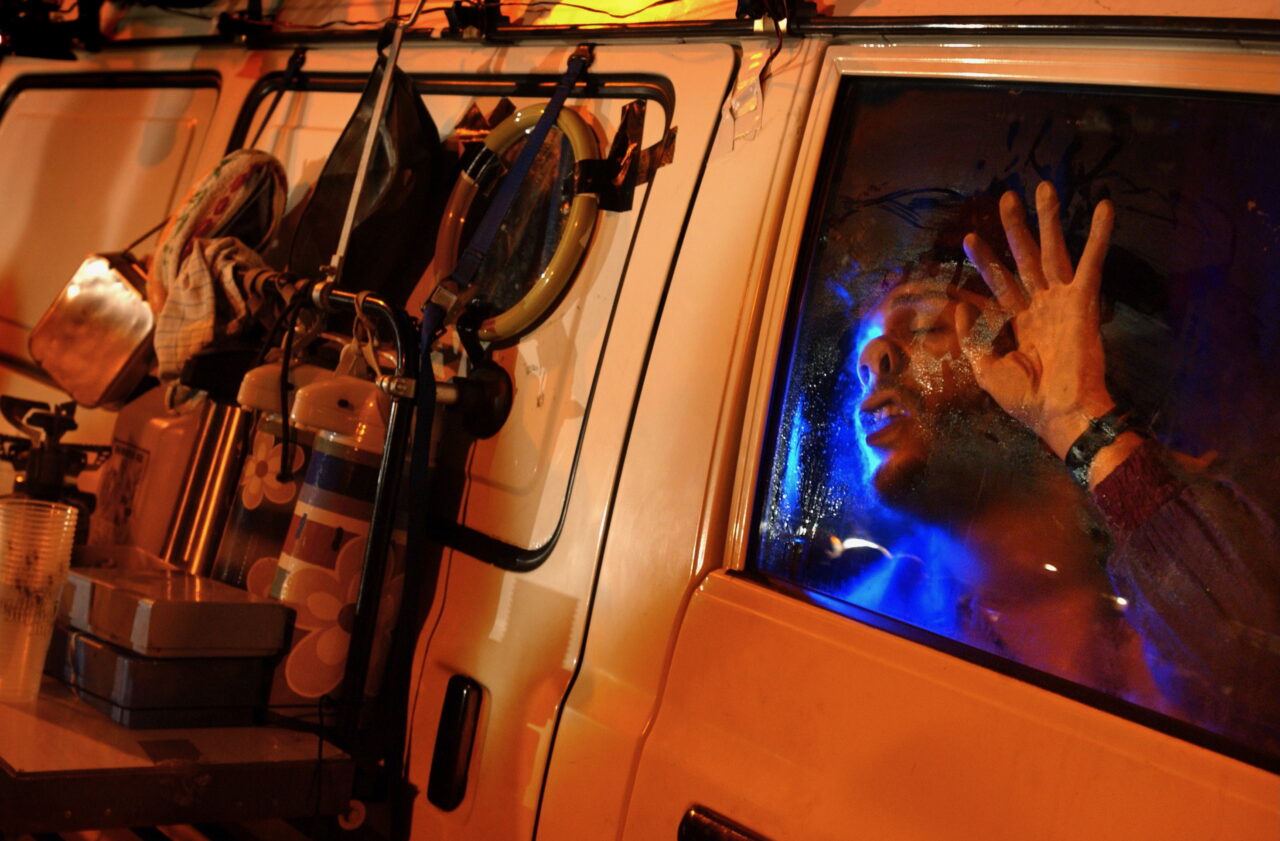
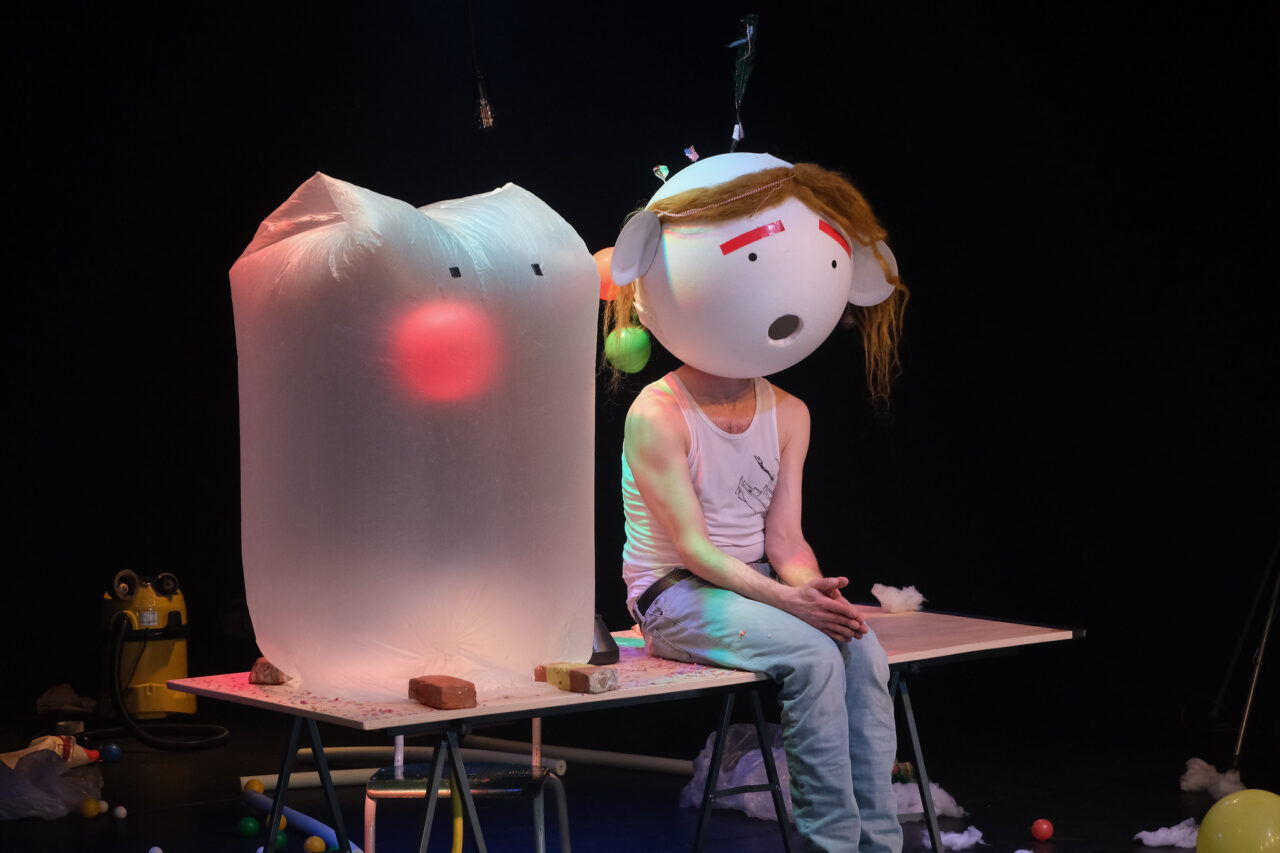
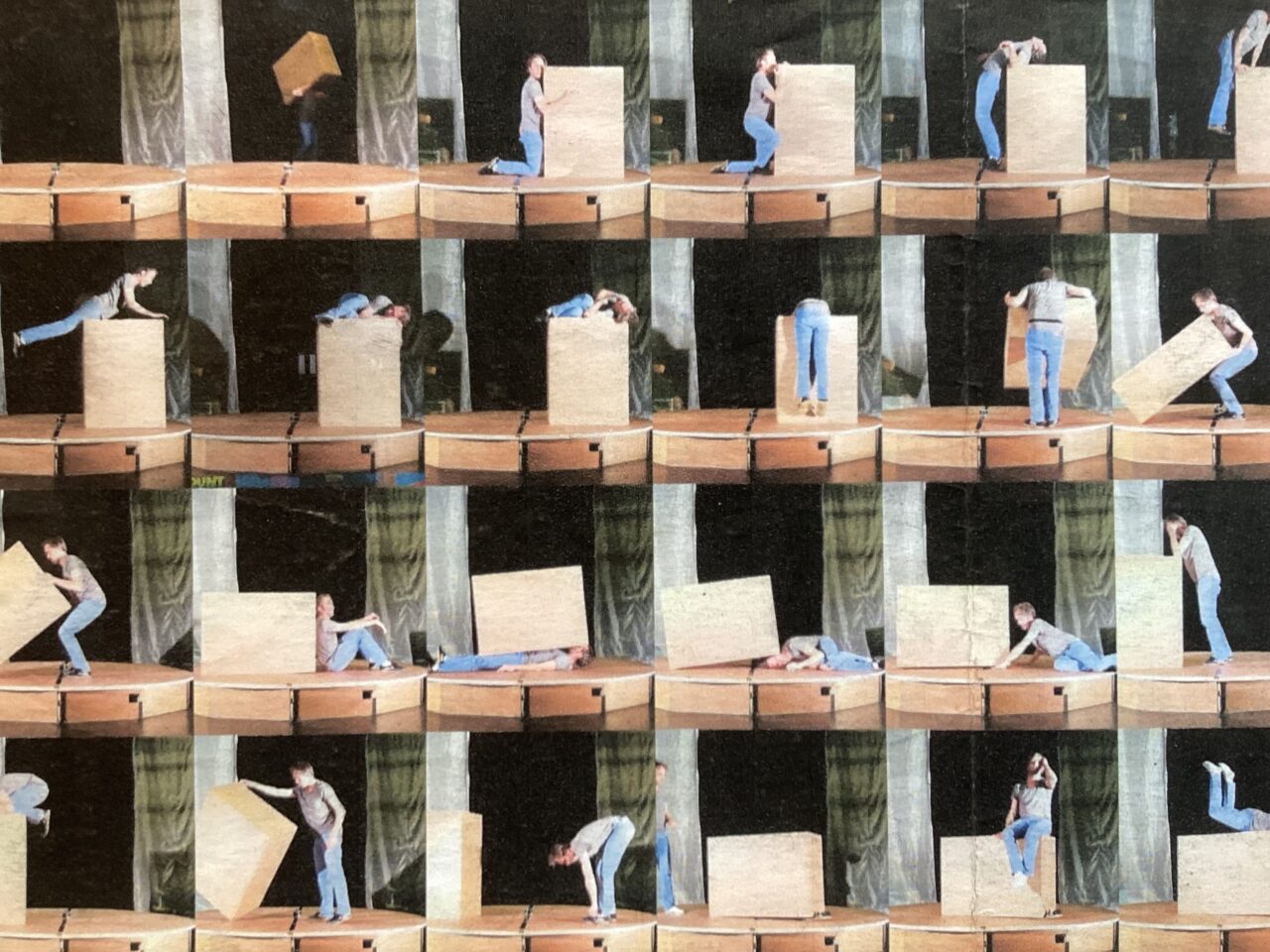
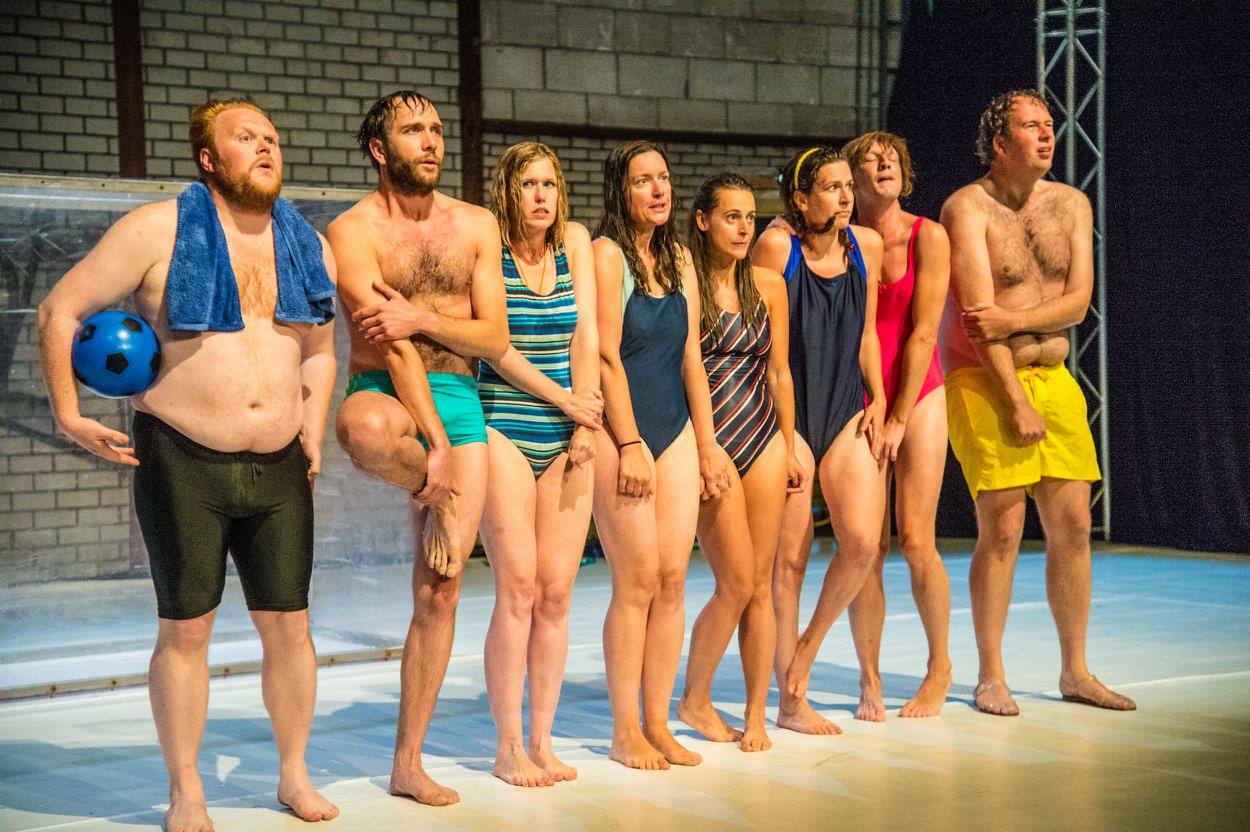
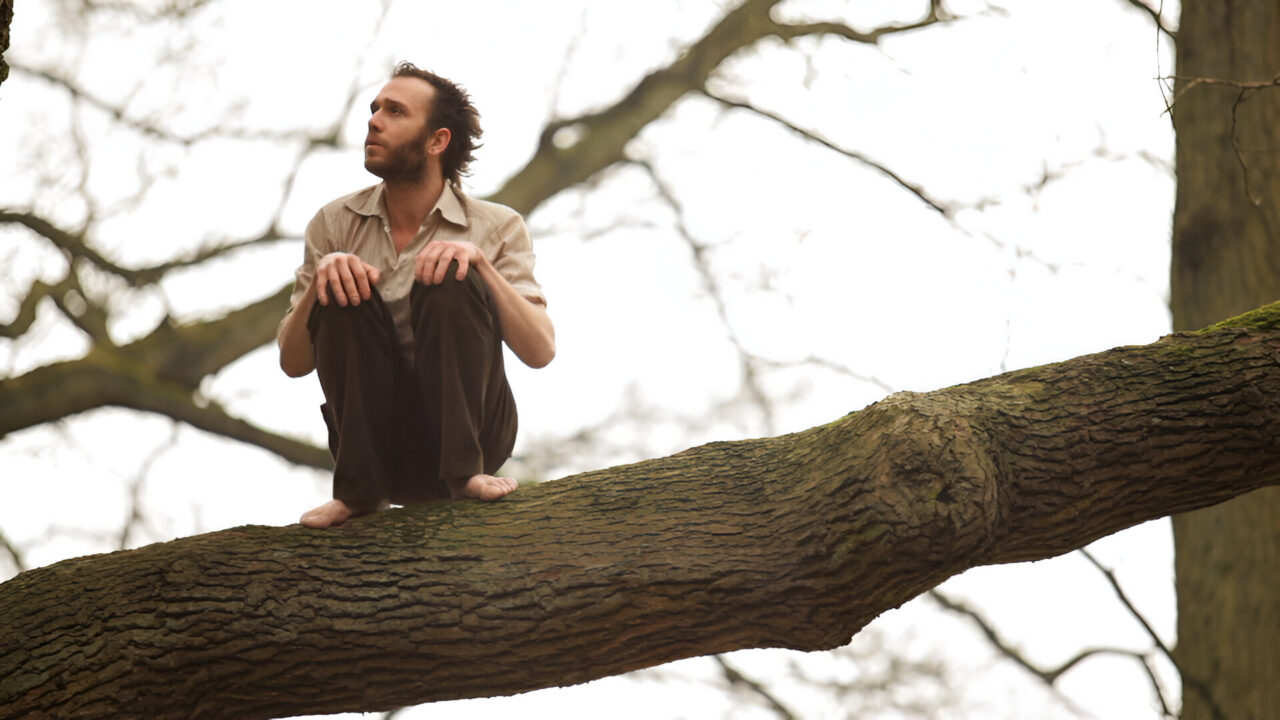
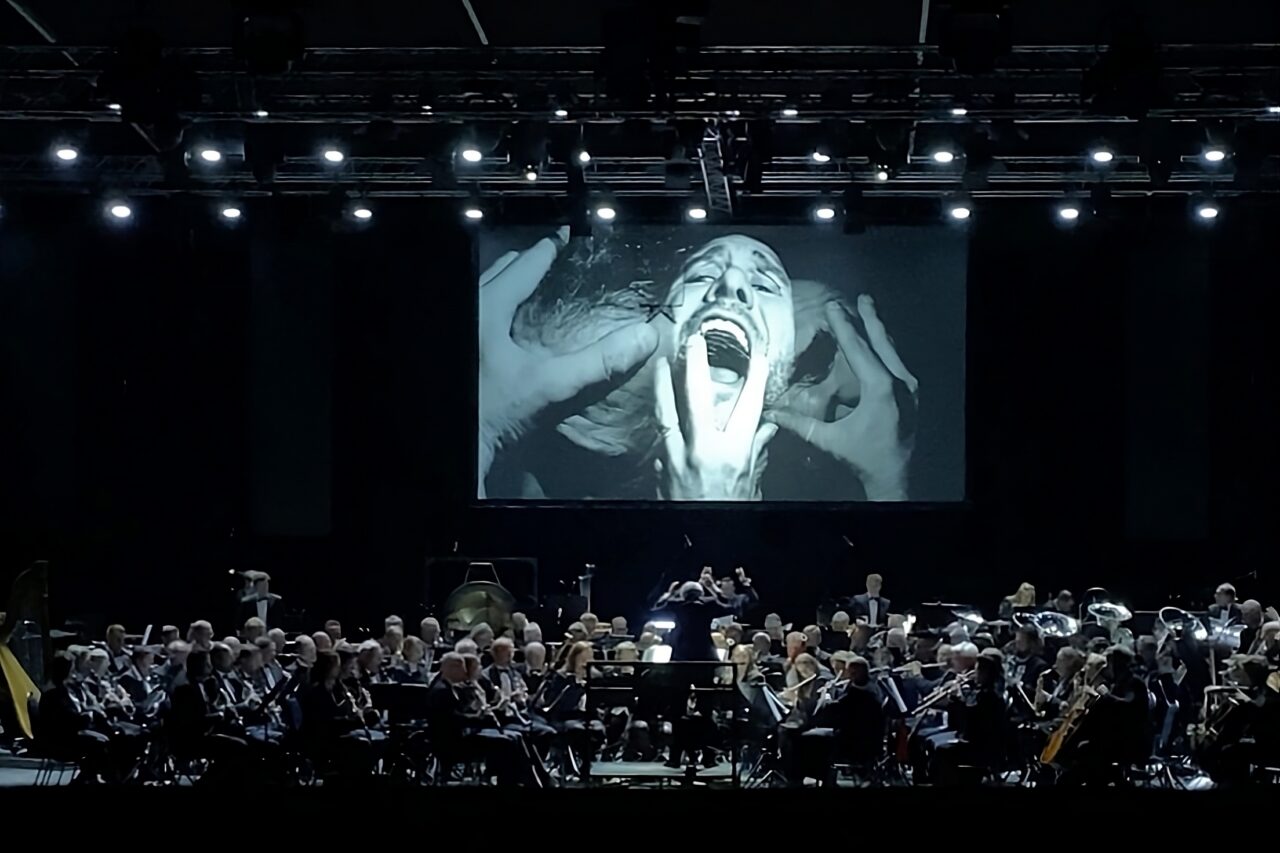
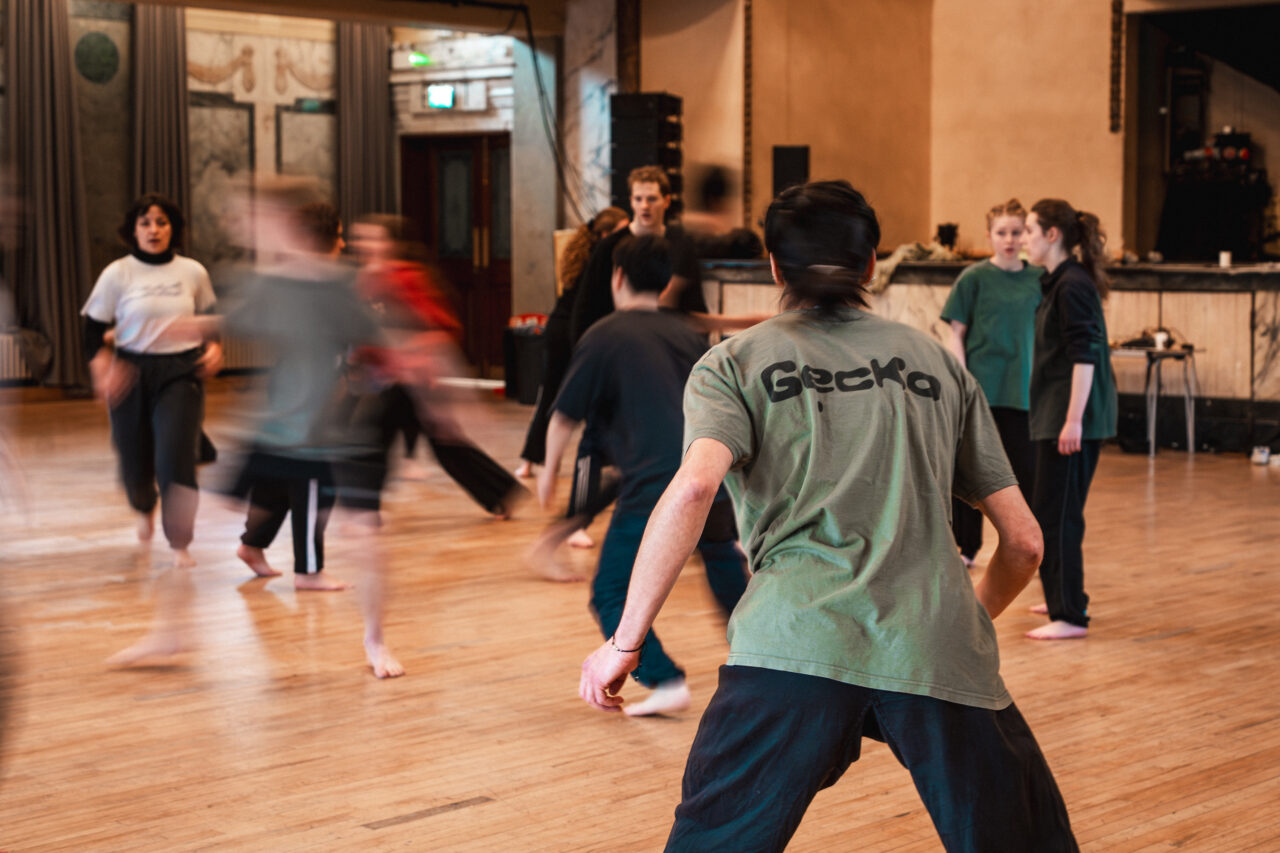
CPPM is welcoming its following guest artists, Lucia Chocarro and Katie Lusby from Gecko (UK), who are leading a 10-day physical theatre workshop for CPPM students, starting today, 29 September 2025.
For two weeks, Chocarro and Lusby will lead CPPM students into Gecko’s distinctive world of physical theatre and devising. Known for its emotionally resonant and visually striking productions, Gecko has built a global reputation for creating layered, physical narratives that transcend language. Under the vision of Artistic Director Amit Lahav, Gecko’s creative methodology integrates movement, sound, light, design, and text from the very beginning of the process. Students will be immersed in this holistic approach, developing tools to access trust, ensemble dynamics, serious play, and emotional depth through the body.
The workshop will run from September 29 to October 10, 2025, at the Estonian Academy of Music and Theatre. The public is warmly invited to an open class on 10 October at 19:00 in the EMTA black box, where the outcomes of this creative journey will be shared. This event offers a rare chance to experience first-hand the expressive intensity and collaborative spirit that define Gecko’s work.
Lucia Chocarro
Lucia Chocarro is a contemporary dance and physical theatre artist with extensive experience in performance, facilitation, and collaborative devising. She has performed with renowned artists and companies, including Akram Khan Company, Punchdrunk, Gecko Theatre, Dickson Mbi, and Maxine Doyle. Her film credits include Wonder Woman, Justice League, and Paddington in Peru. Beyond performance, Lucia supports choreographers and directors as a rehearsal director, assistant, and dramaturg, while also developing her own choreographic voice through workshops and intensives. She is a co-founder of Feet Off the Ground, an all-female collective that creates outdoor works and community projects combining physical expression with social engagement.
Katie Lusby
Katie Lusby trained at London Studio Centre and London Contemporary Dance School before embarking on a diverse career across dance and theatre. She has performed with Richard Alston Dance Company, Van Huynh Company, and New Adventures (Swan Lake tour and film). Katie’s stage work includes collaborations with choreographers such as Aletta Collins, James Cousins, Sarah Dowling, Akram Khan (Opening Ceremony of the London 2012 Olympics), Liam Steele, and Didy Veldman. She has also performed at the Royal Opera House and Den Norske Opera & Ballett. Katie joined Gecko in 2015 for The Time of Your Life (BBC4) and has since become an integral part of the ensemble, bringing her expertise in movement, musicality, and theatrical storytelling to the company’s international productions.
Gecko
Gecko, a British physical theatre company founded in 2001 and led by its visionary Artistic Director, Amit Lahav, has carved out a distinctive identity in the global theatre landscape. Their work is instantly recognisable for its breathtaking physicality, stunning visual narratives, and an emotional depth that profoundly resonates with audiences.
The company’s creative process is a rigorous, organic journey, often spanning up to two years for a single production. Moving beyond conventional script-based theatre, Gecko integrates all elements—movement, sound, lighting, set design, and even multiple languages—from the very first day. Lahav emphasises patiently allowing initial thoughts and ideas to surface before meticulously organising and connecting them to construct complex, layered narratives. The international ensemble, diverse in their backgrounds and personal histories, enriches the rehearsal room, contributing to a vibrant tapestry of experiences that inform the work. Trust and a non-judgmental environment are crucial, as they foster the emotional openness and physical discipline essential for Gecko’s highly expressive style.
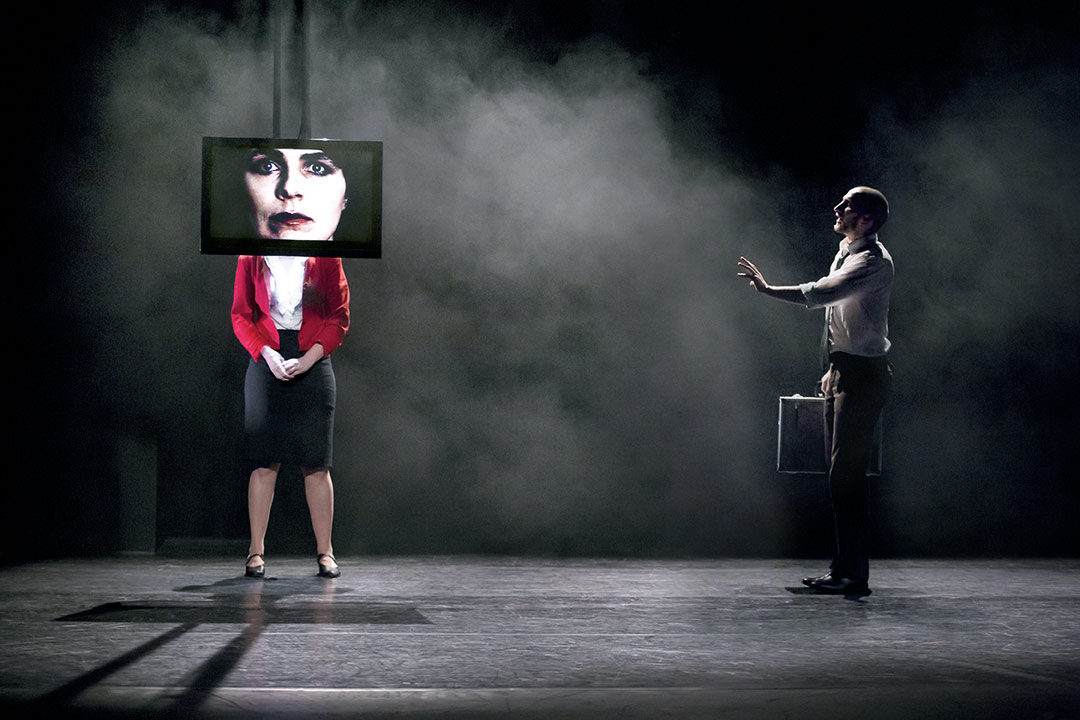
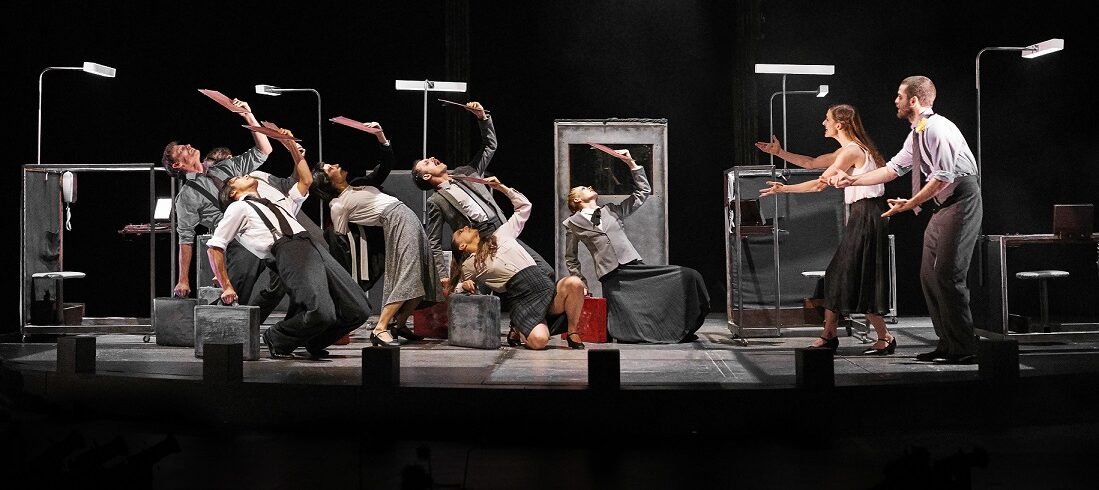
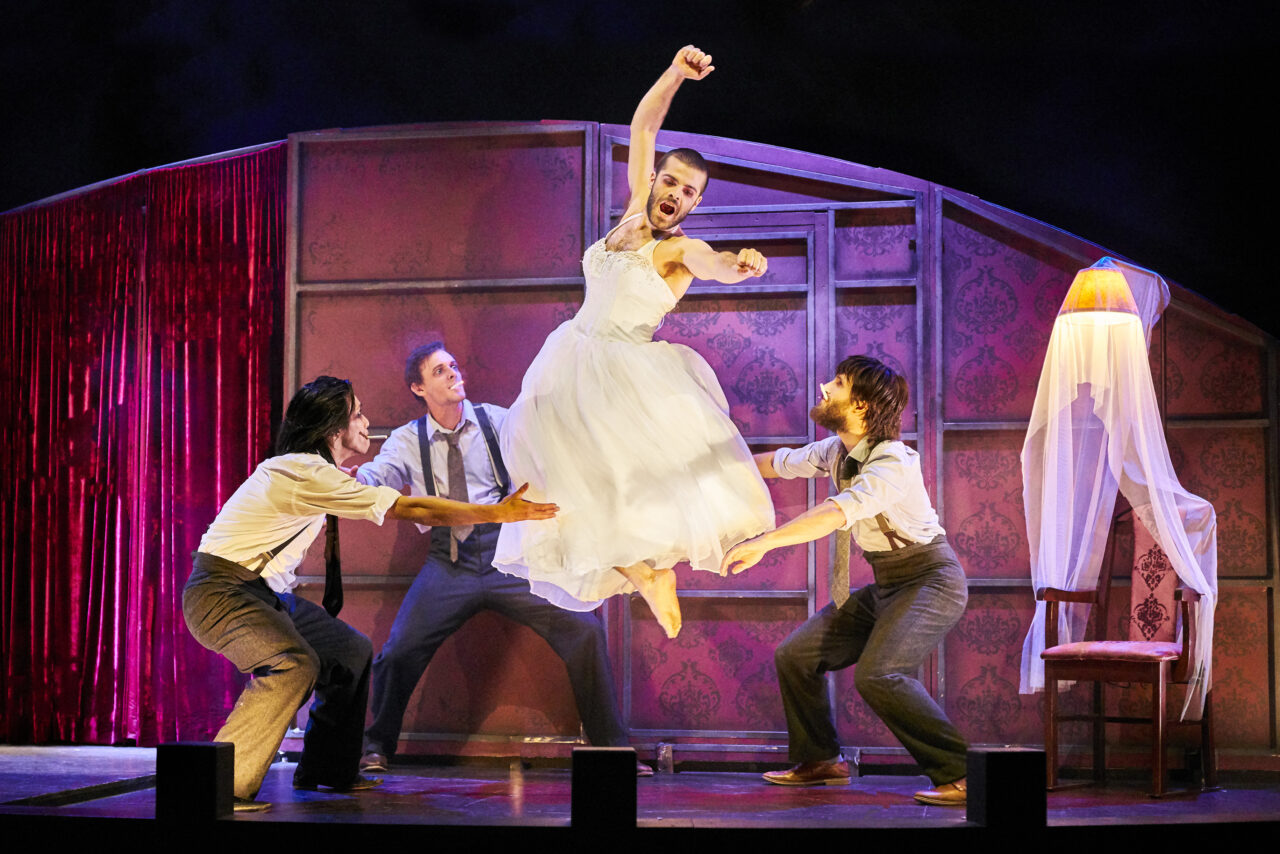
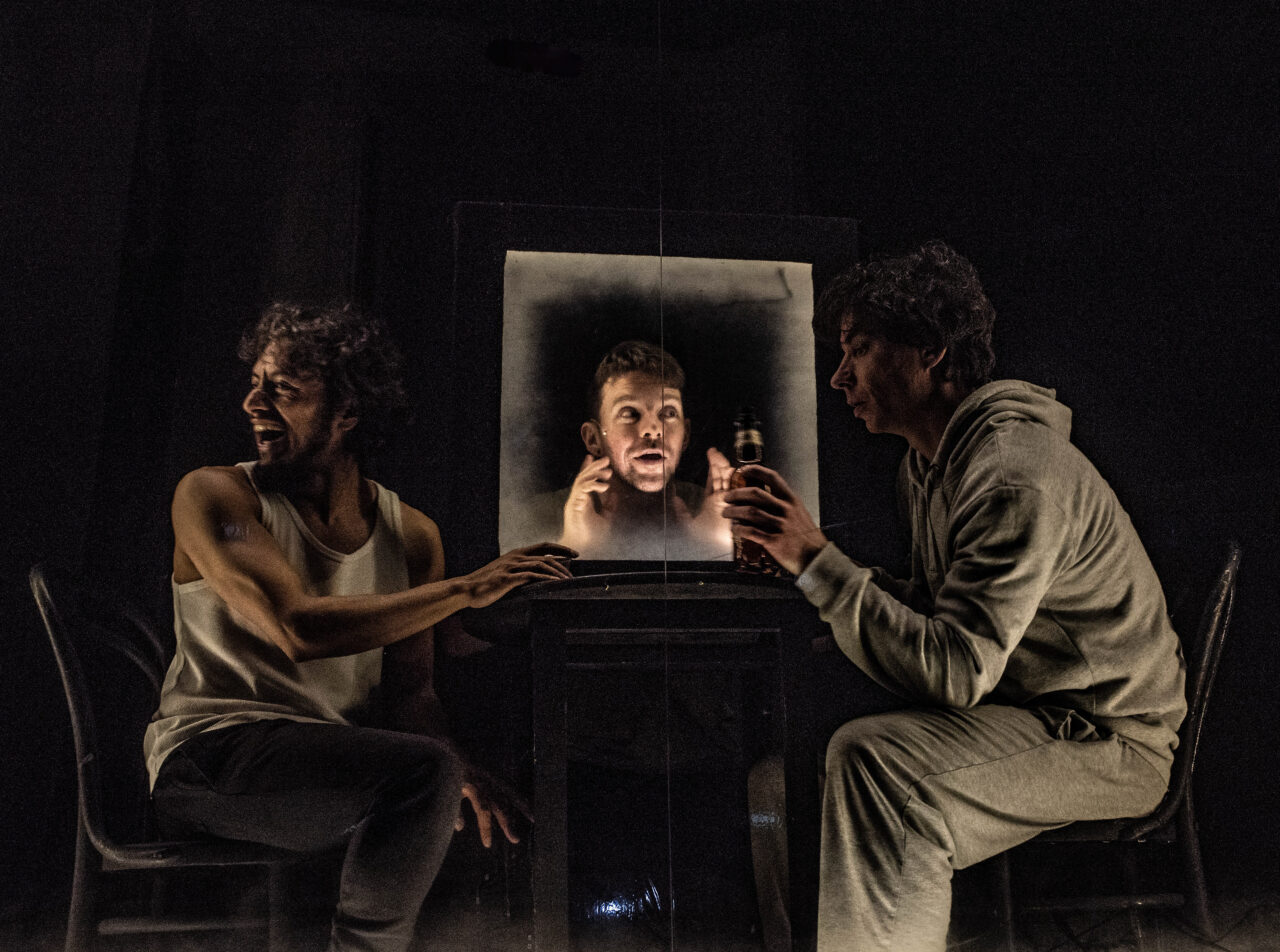
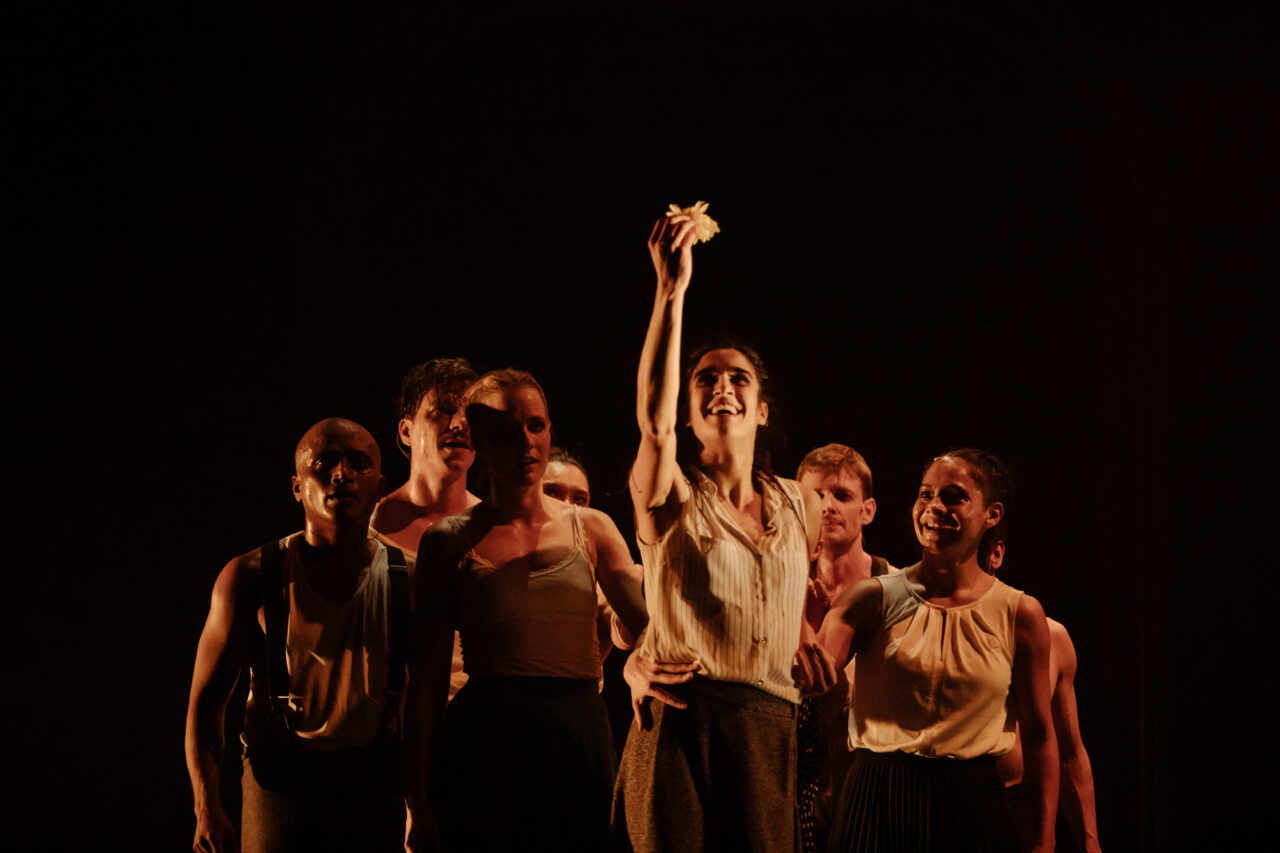
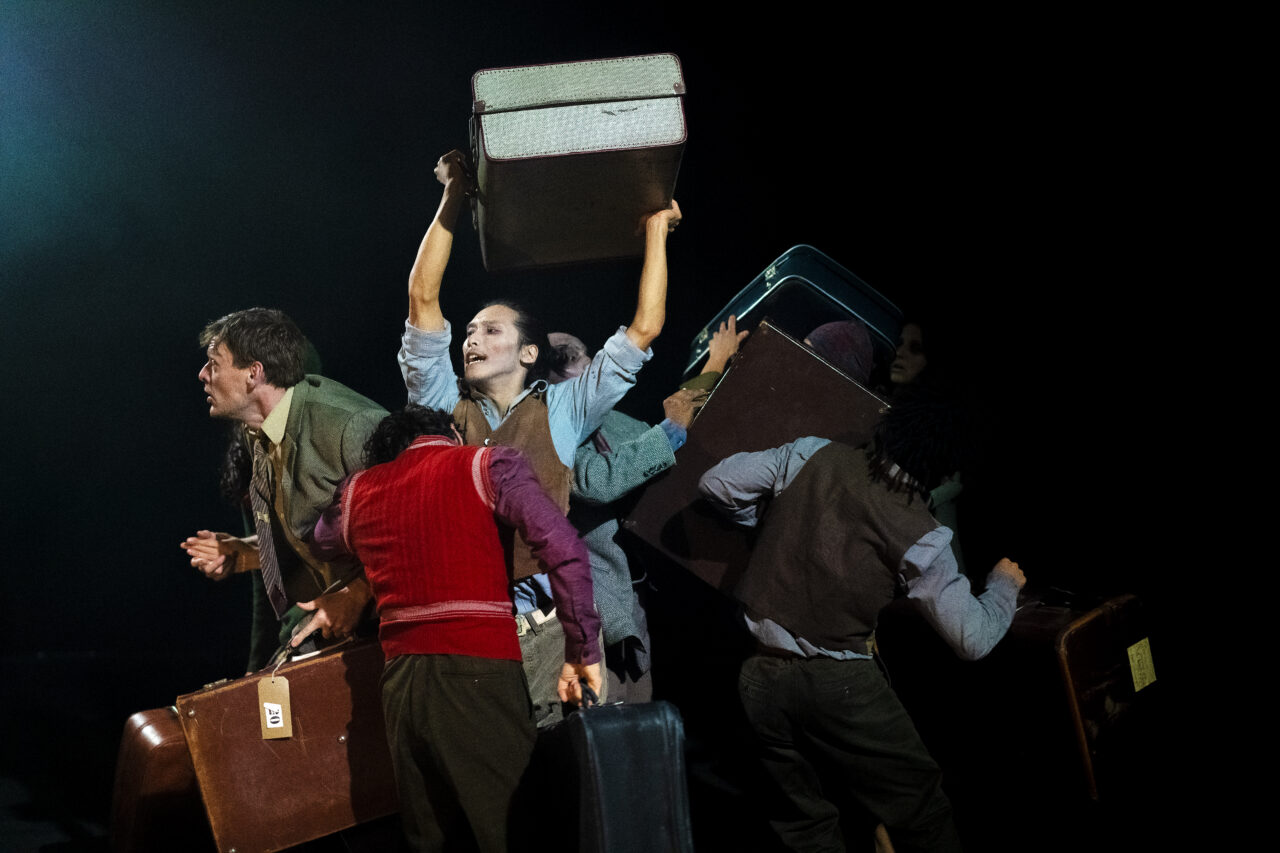
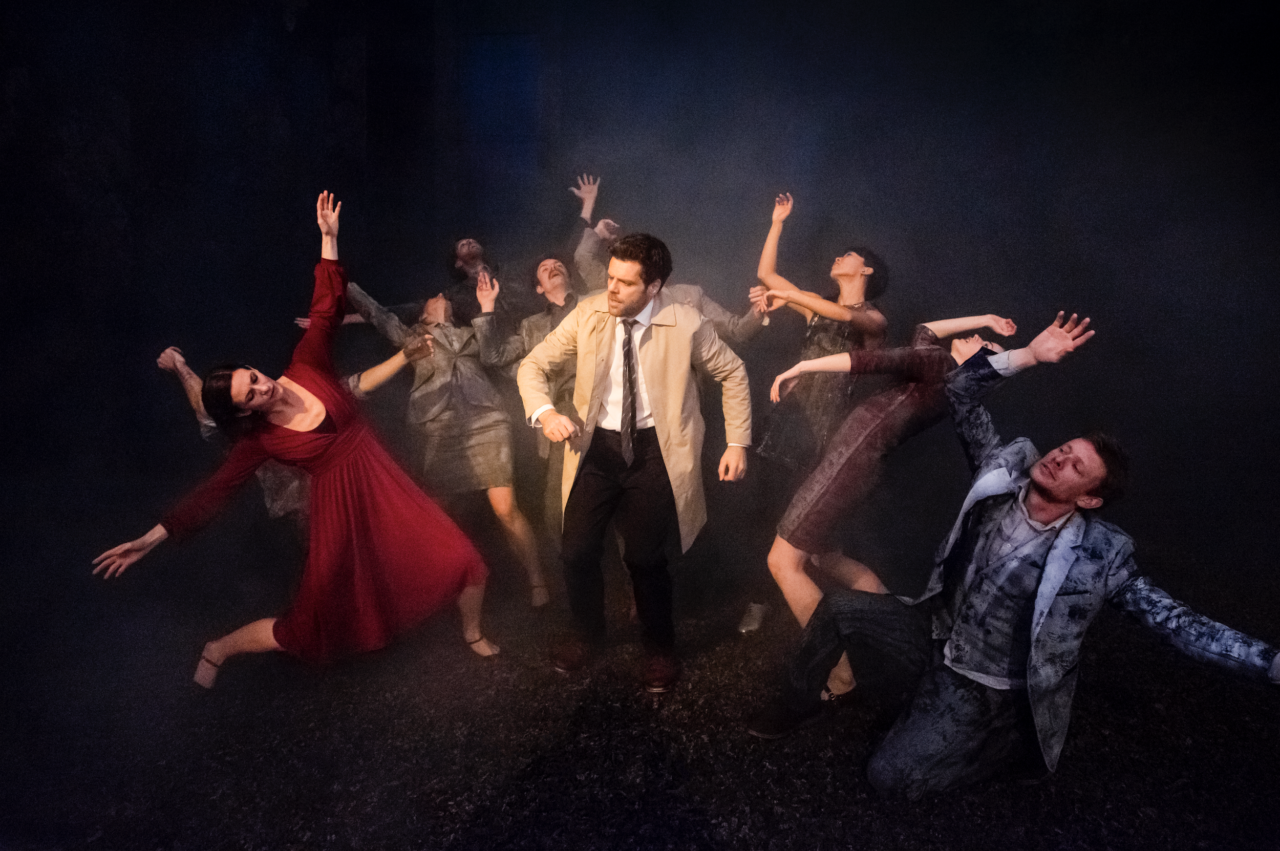
CPPM is welcoming its first guest artist of the second term, Eddie Martinez, for the workshop “Exploring the Legacy of Pina Bausch,” starting on 15 September 2025.
Eddie Martinez, an esteemed member of the internationally renowned Tanztheater Wuppertal Pina Bausch, brings decades of rich experience directly from one of the world’s most innovative dance theatre companies. Participants in this workshop will experience firsthand the profound choreographic methods pioneered by Pina Bausch. Through exercises focusing on personal narrative, emotional authenticity, and improvisation, Martinez will guide students towards discovering how everyday movements can evolve into powerful theatrical expressions. This immersive workshop promises to deepen participants’ understanding of contemporary dance-theatre and encourage exploration of their own creative potential.
Tanztheater Wuppertal Pina Bausch
Founded in 1973 by visionary choreographer Pina Bausch, Tanztheater Wuppertal revolutionised contemporary performance by blurring the boundaries between dance, theatre, voice, and visual art. Known globally for its emotionally charged imagery and poetic physicality, the company has created groundbreaking works that explore deeply human experiences and resonate profoundly with diverse audiences. Over five decades, Tanztheater Wuppertal has toured internationally to critical acclaim, captivating audiences and inspiring generations of artists, while remaining deeply connected to its home city of Wuppertal. Today, the ensemble continues to preserve and perform Bausch’s iconic repertoire and fosters bold new creations, upholding her legacy of curiosity, experimentation, and artistic integrity.
The workshop runs from 15 to 26 September 2025, culminating in an open class on 26 September at 19:00 in the EMTA Black Box. We warmly invite everyone interested to witness this unique event, where CPPM students, under Martinez’s mentorship, will share their journey through the transformative landscape of Tanztheater.
More information here.
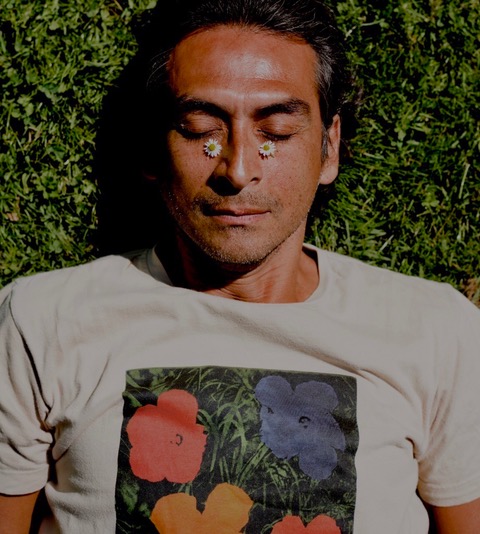
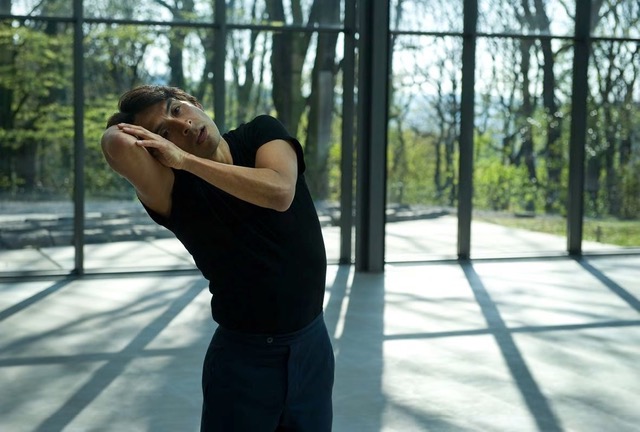
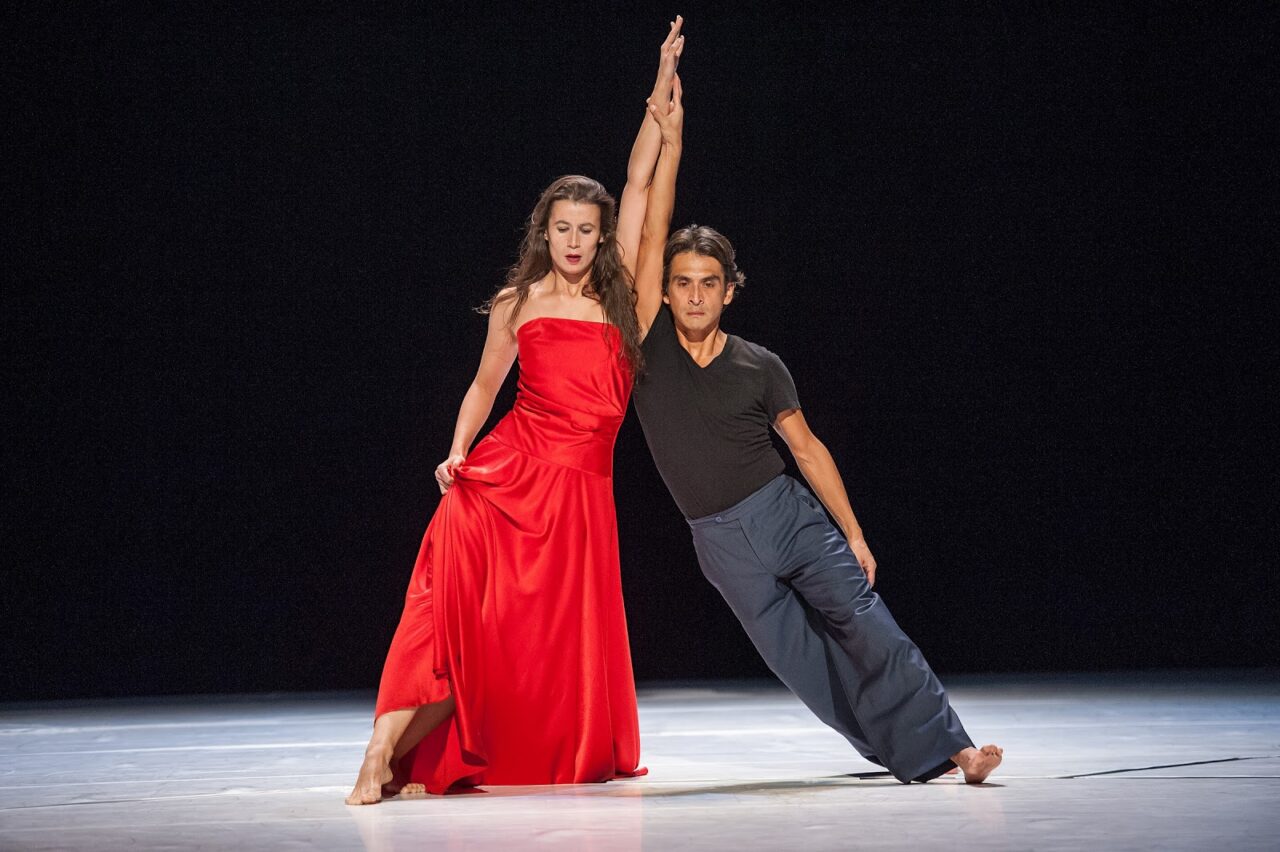
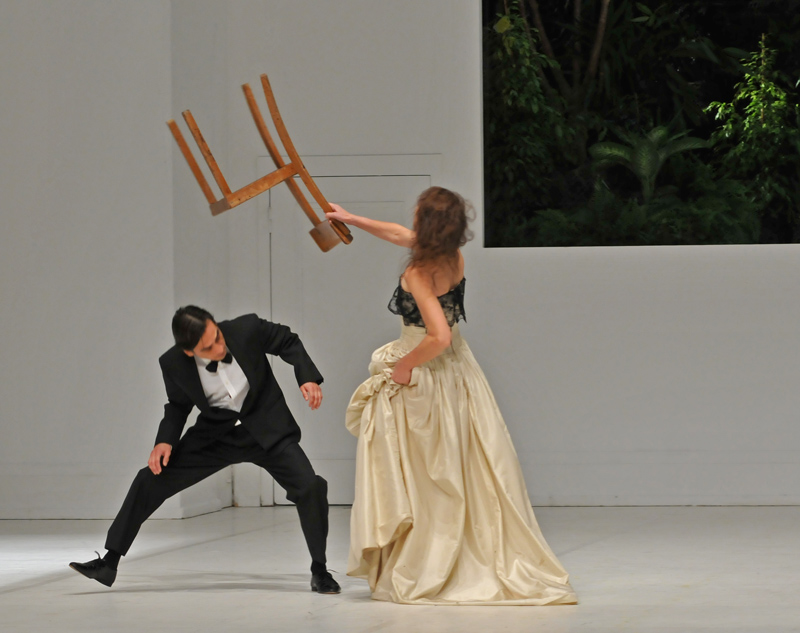
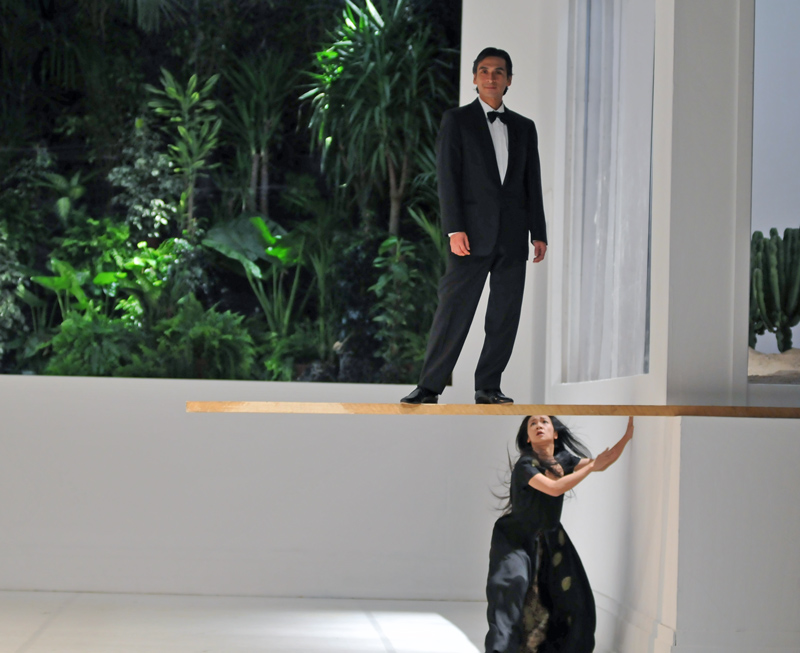
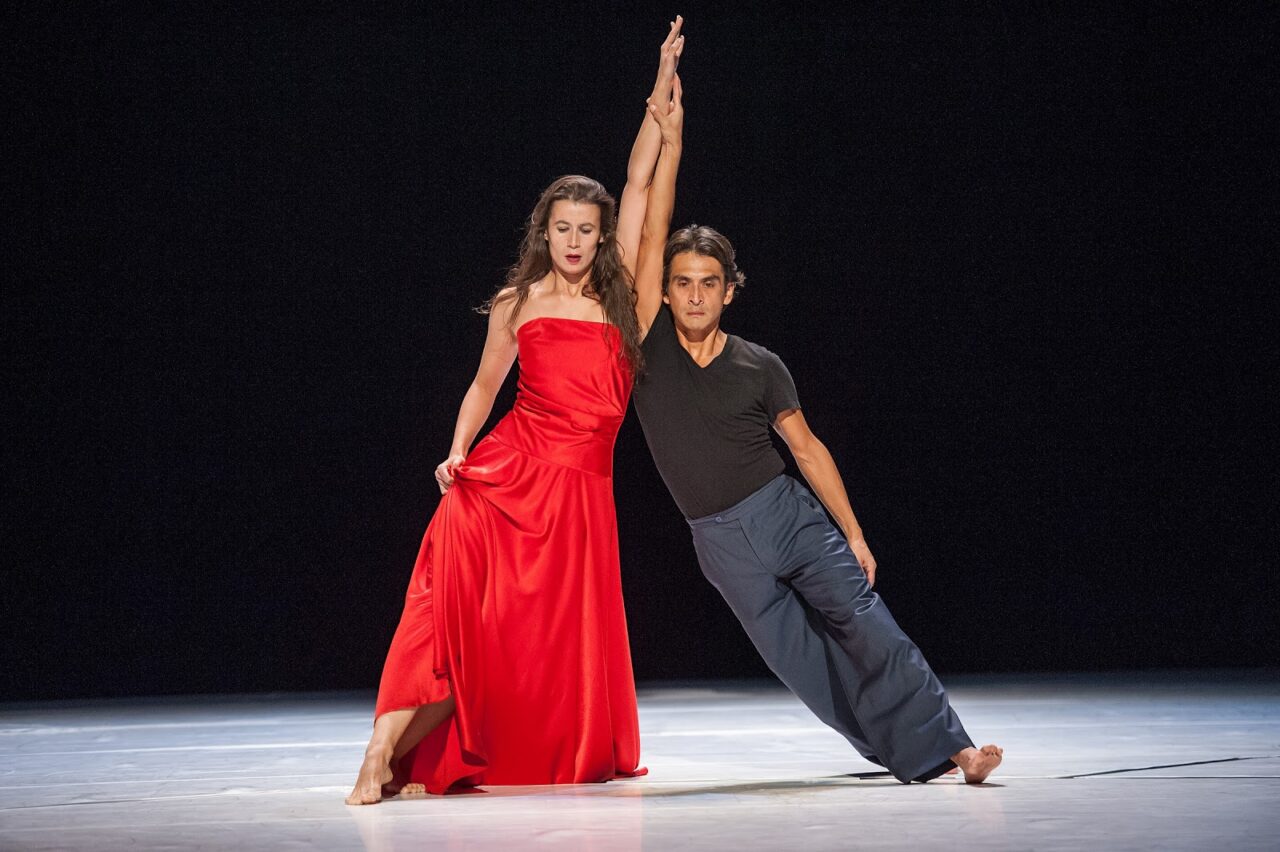
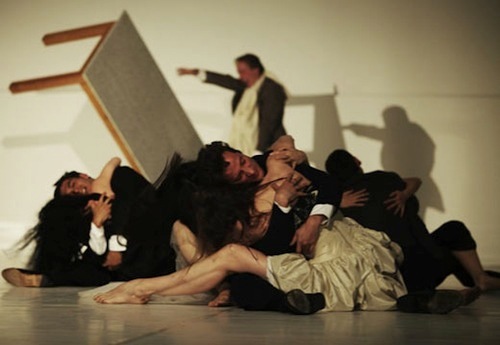
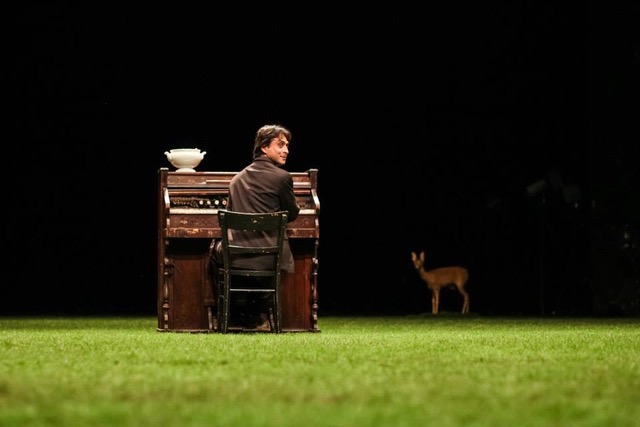
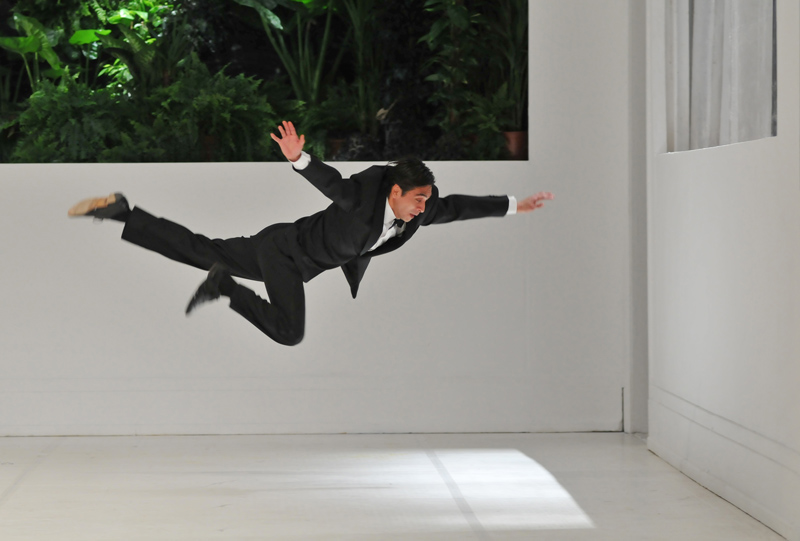
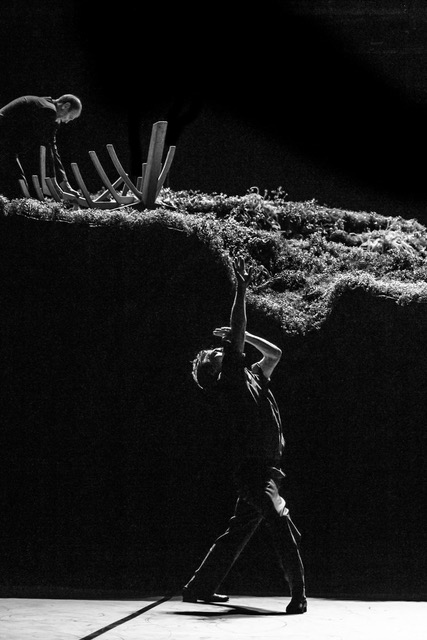
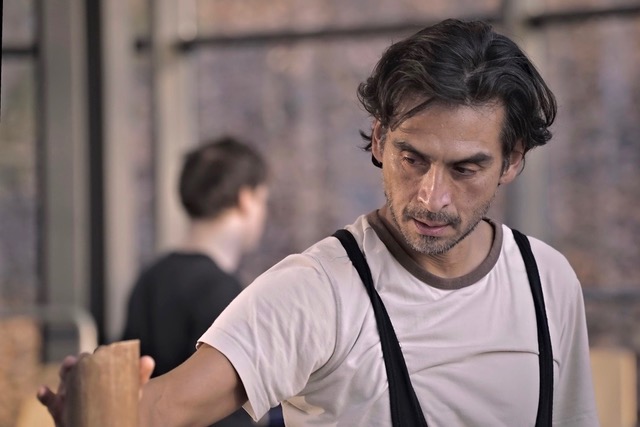
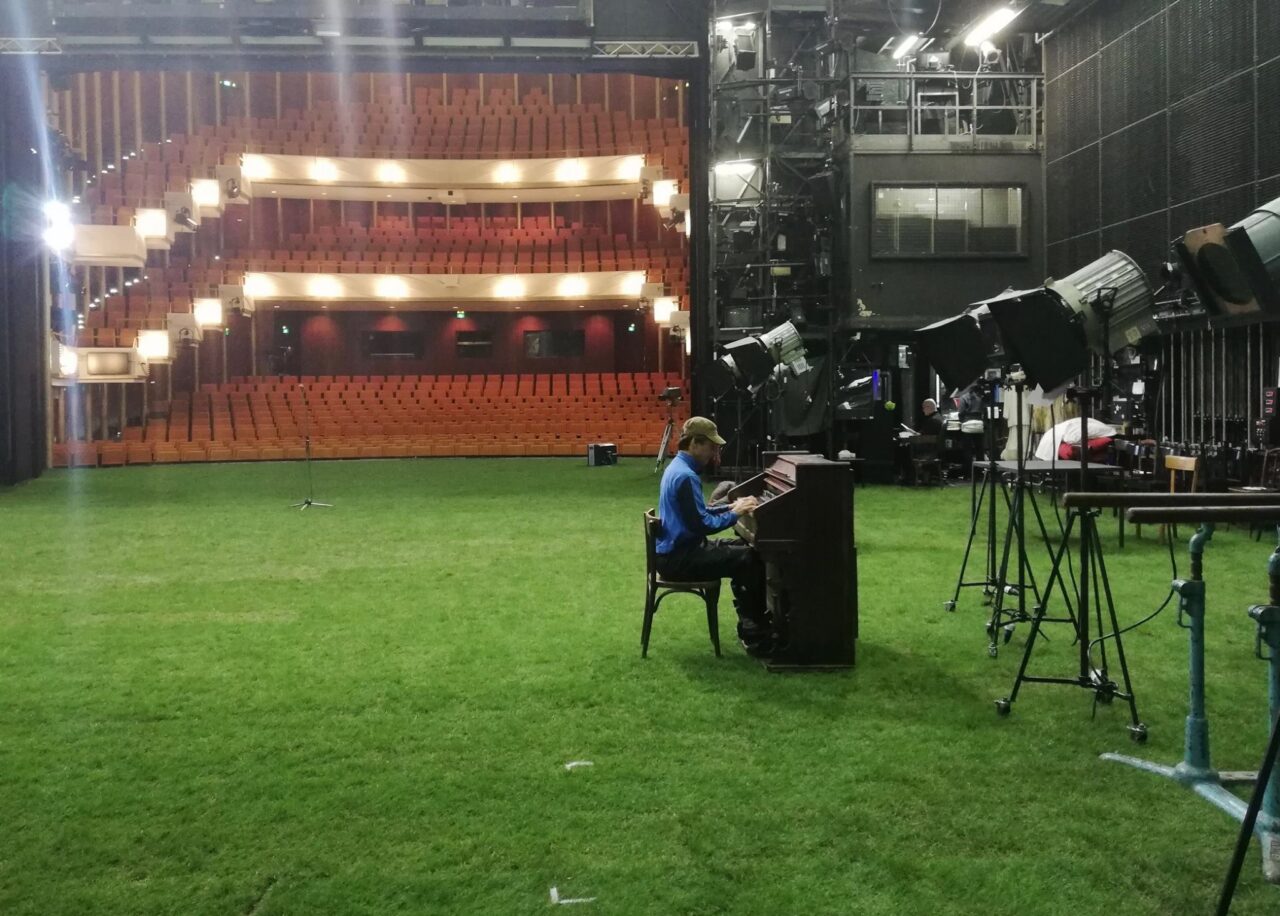
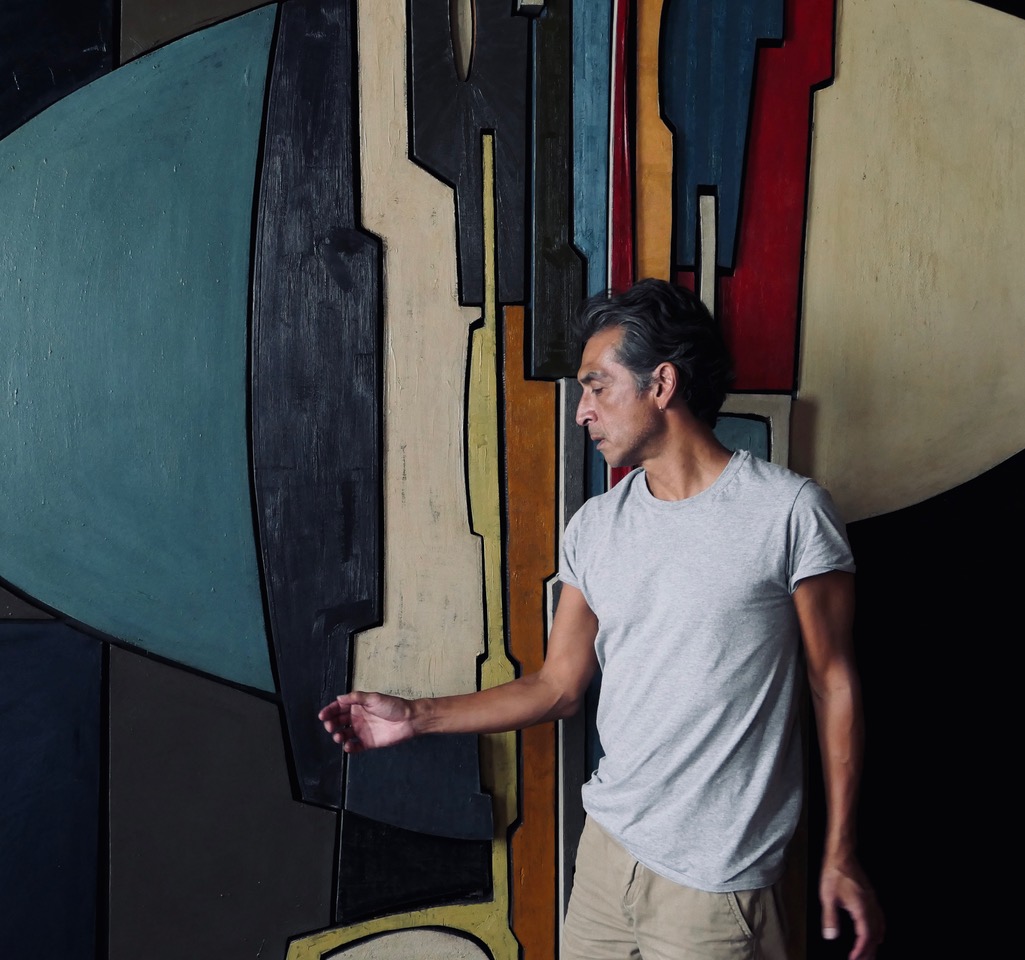
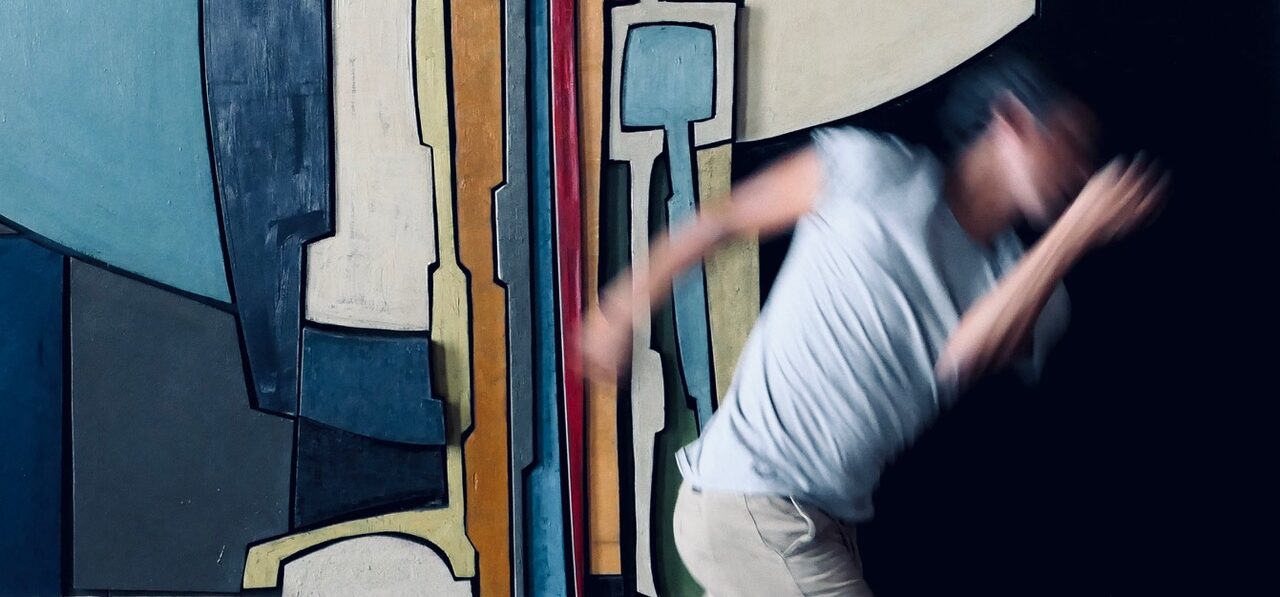
This September in Tallinn, the international MA programme in Contemporary Physical Performance Making (CPPM) at the Estonian Academy of Music and Theatre (EAMT) presents the second edition of the solo performance festival LÄBU. Performances will take place at the EAMT black box, Kanuti Gildi SAAL, Püha Vaimu SAAL, and in a private apartment. Tickets go on sale on 19 August via Piletikeskus.
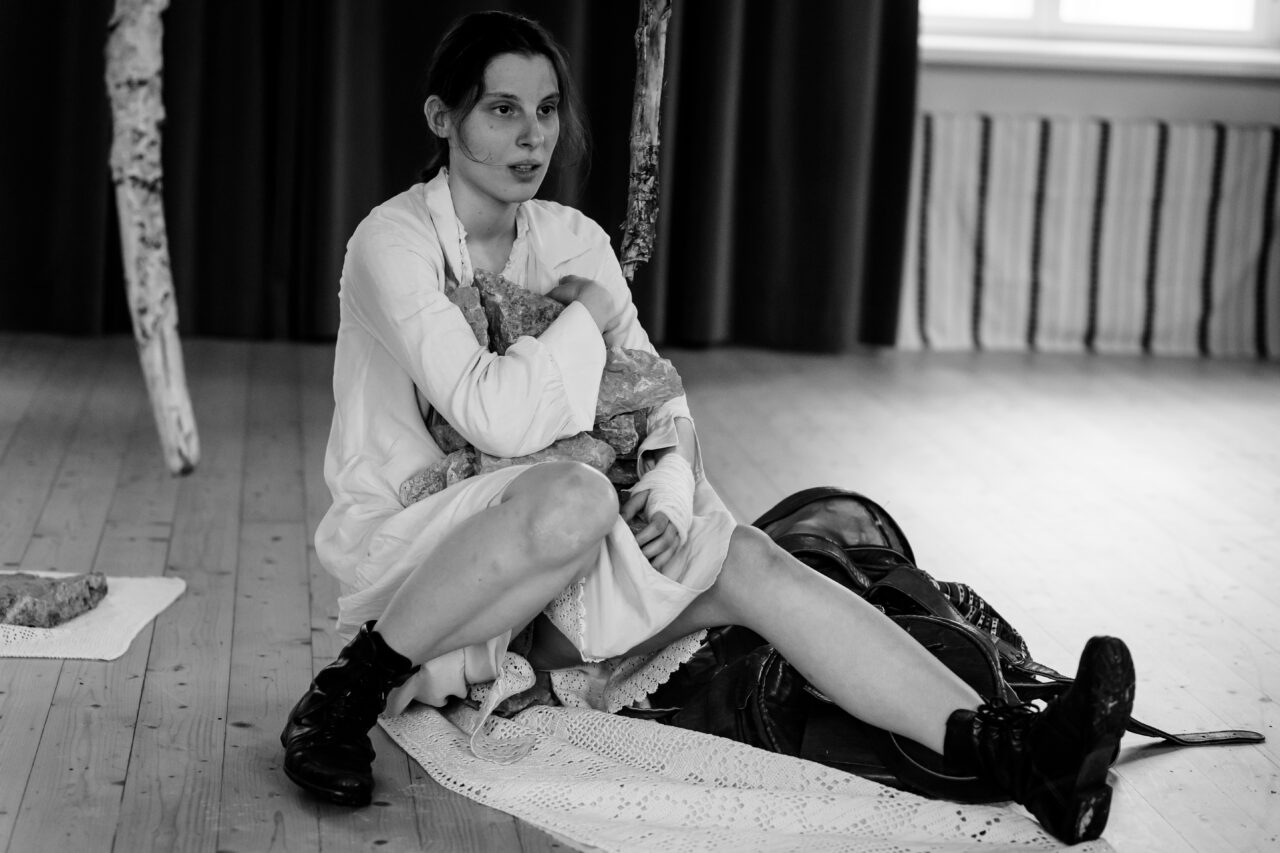
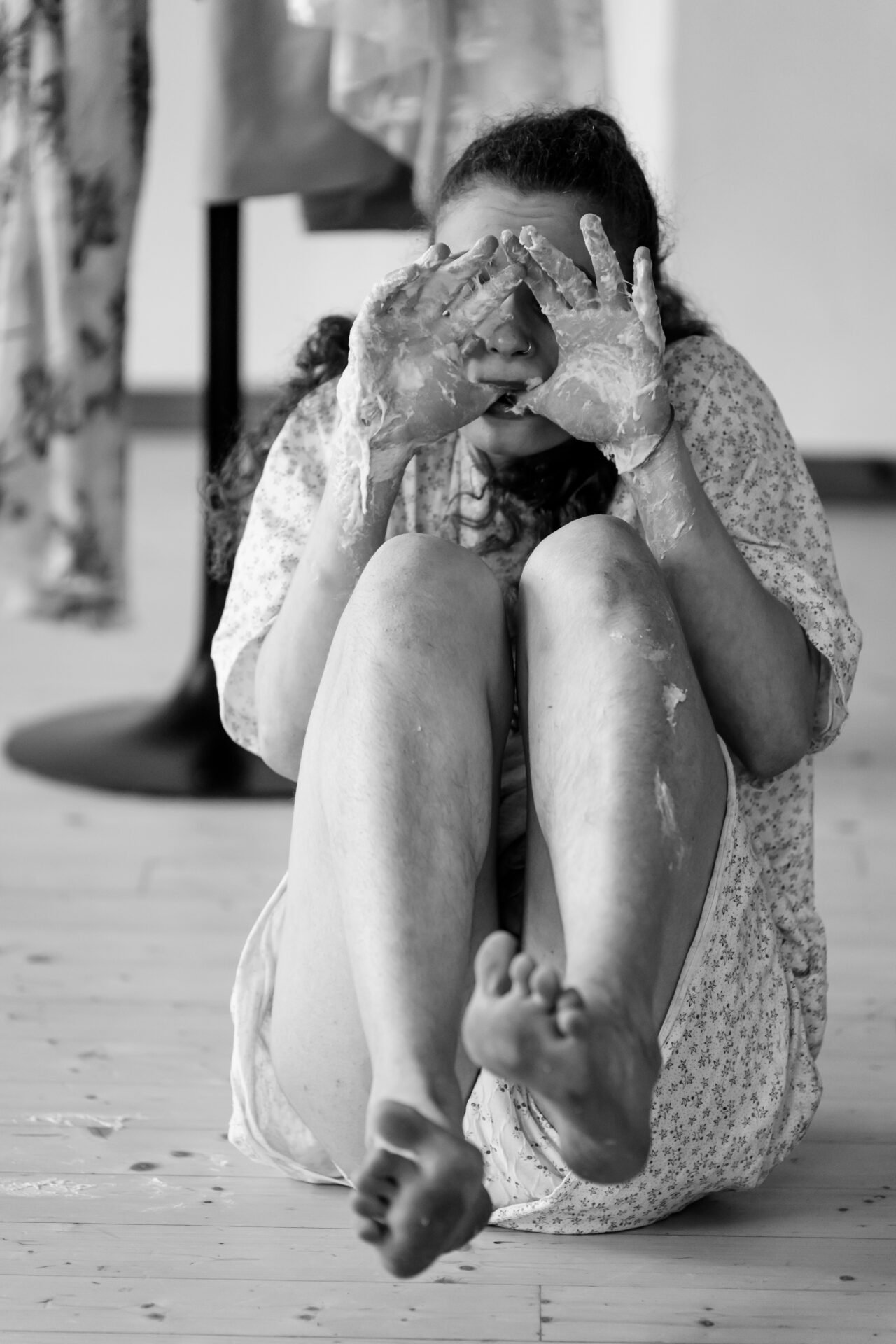
The festival will premiere 16 original solo works created by 16 CPPM students from 13 countries: Zhenyan Ding (China), Elar Vahter (Estonia), Leah Gayer (Germany/United Kingdom), Edward Skaines (Australia), Maarja Tosin (Estonia), Jeson Joy (India), Clarisse Degeneffe (Belgium), Daniel Ortiz Amézquita (Colombia), Ana Trif (Romania), Charis Tapin (United Kingdom), Avery Gerhardt (United States), Juuli Hyttinen (Finland), Dita Lūriņa (Latvia), Anette Pärn (Estonia), Oskar Moore (Latvia), Maria Papachristodoulou (Greece).
“These solo works are not polished productions that have toured for years but urgent first experiments—raw, uncompromising, and brimming with discovery. They have taken shape during the first semester of CPPM studies, made specifically for this festival and inspired by encounters with a range of directors, choreographers, and performance artists who worked with CPPM students this term: Lloyd Newson (DV8 Physical Theatre), Wim Vandekeybus & Maria Kolegova (Ultima Vez), Grzegorz Bral (Song of the Goat), Ivana Jozic (Troubleyn Jan Fabre), Stacy Makishi, Marco Donnarumma, Henry McGrath (Eden’s Cave), Sasha Pepelyaev, Giacomo Veronesi, and Sandra Küpper. Their artistic provocations, creative processes, and working methods have inspired, tested, and shaken these young artists—now they step before the public with their first creative trials in the format of a solo performance,” explains Jüri Nael, Leading Professor of Contemporary Performance and CPPM programme coordinator at the Estonian Academy of Music and Theatre.
The themes of the solos reflect the world the artists inhabit and the questions that can’t be ignored. Audiences will encounter works exploring identity and migration, grief and care, masculinity and vulnerability, language and translation, illness and resilience, ritual and myth, ecology and power. Some solos turn inward, drawing the viewer close to the performer’s personal experience; others look outward, inviting reflection on shared social structures and assumptions. All are united by the courage to act and to take the next step on the path of authorship.
Festival schedule and tickets are available via Piletikeskus