


Category: Ülemajalised uudised
10 May – 6 September 2026
Italy and Greece
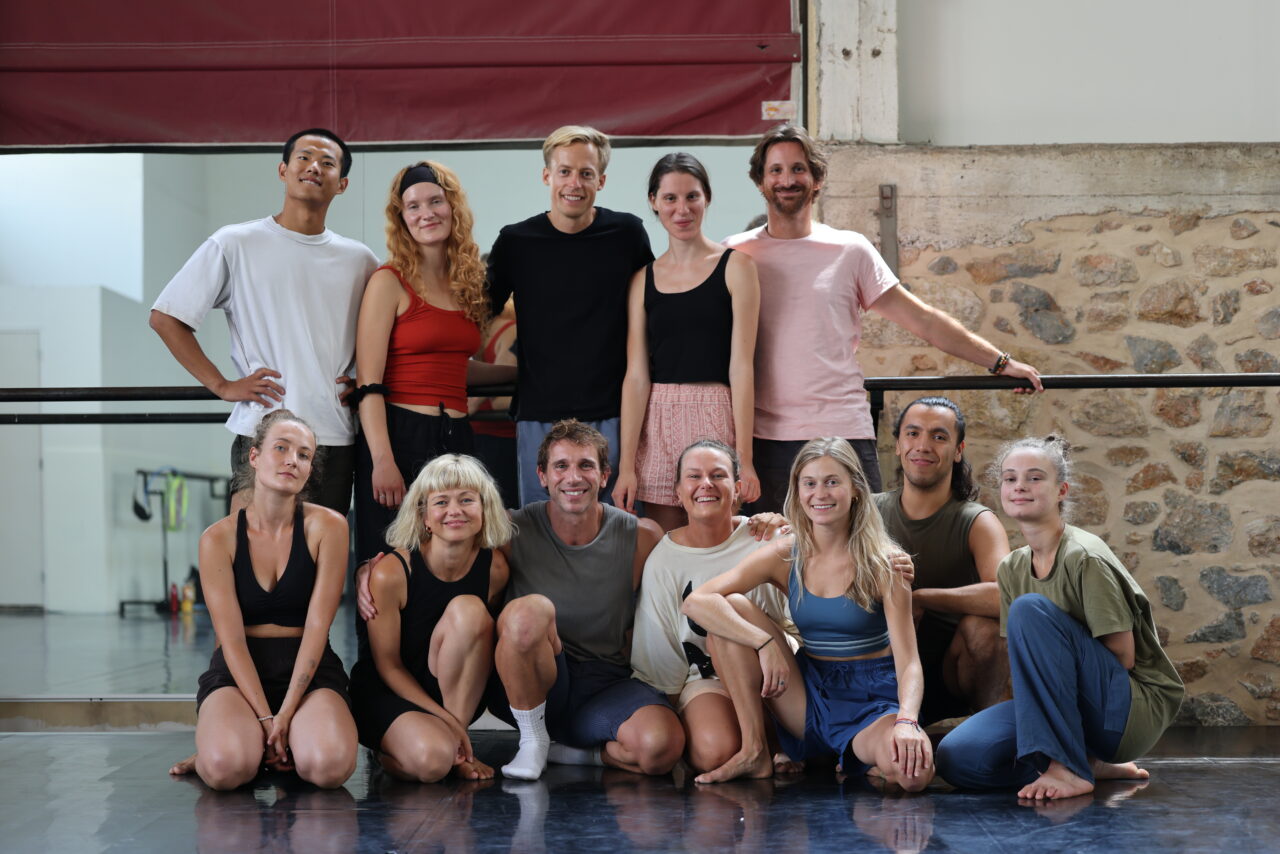
Fourteen CPPM students spent four months on the road. On 6 September they left the Marina Abramović Institute and every one of them flew home, and not to rest. They flew home to begin preparing their final projects, with a year of work in front of them and most of it already decided while they were away.
By Jüri Nael
The traineeship belongs to CPPM, the master’s programme in Contemporary Physical Performance Making at the Estonian Academy of Music and Theatre. It ran from 10 May to 6 September 2026, an Erasmus+ placement hosted throughout by the Italian cultural association Cracalia ETS. Fourteen of the sixteen students in the 2025 to 2027 cohort took the Italy and Greece itinerary together. The rest of the cohort was placed elsewhere in Europe.
Five places, and what each one asked
Laid out on a map it reads as an itinerary. Walked, it was a sequence of subtractions. Melpignano took away the rehearsal room. Corfu took away the studio altogether. Venice took away the stage. Athens took away habit. Karyes took away making. Here is the road, stop by stop.
Contact first.
The CPPM traineeship opened with six weeks in Melpignano, a small town in Puglia, and the ground of that opening was the simplest and hardest thing of all: contact. The days ran slow and were structured through invitations rather than fixed plans. Mornings began with a run or a swim in the sea, then an open somatic session with Silvia Marazzi. By midday the group had gathered at Palazzo Marchesale with the practitioners Cracalia had brought together for the residency: Anita Kremm, Fabio Ghidoni, Flavia Ripa, Francesca Ziggiotti, Kymbali Williams and Selvaggia Giacoppo, alongside CPPM’s own Giacomo Veronesi. The town was already part of the work: its streets, its squares, its people. When it went right the research spilled past the schedule and nobody wanted to stop it.
The site work the cohort made was not polished for an audience back home. It was made for the people of Melpignano who watched it take shape, and by the final week those people were part of it. What you bring back from a month like that is not a finished piece. It is a different relationship to your own work, and a strong clue as to how you would run a residency of your own.

Some of it is still online. As the residency went on, the participants built Progetto TRA, a page where each of them documented their own research and experiments as the work happened. It is split down the middle: one half belongs to the artists, the other half to the community, which answers back. See Progetto TRA.
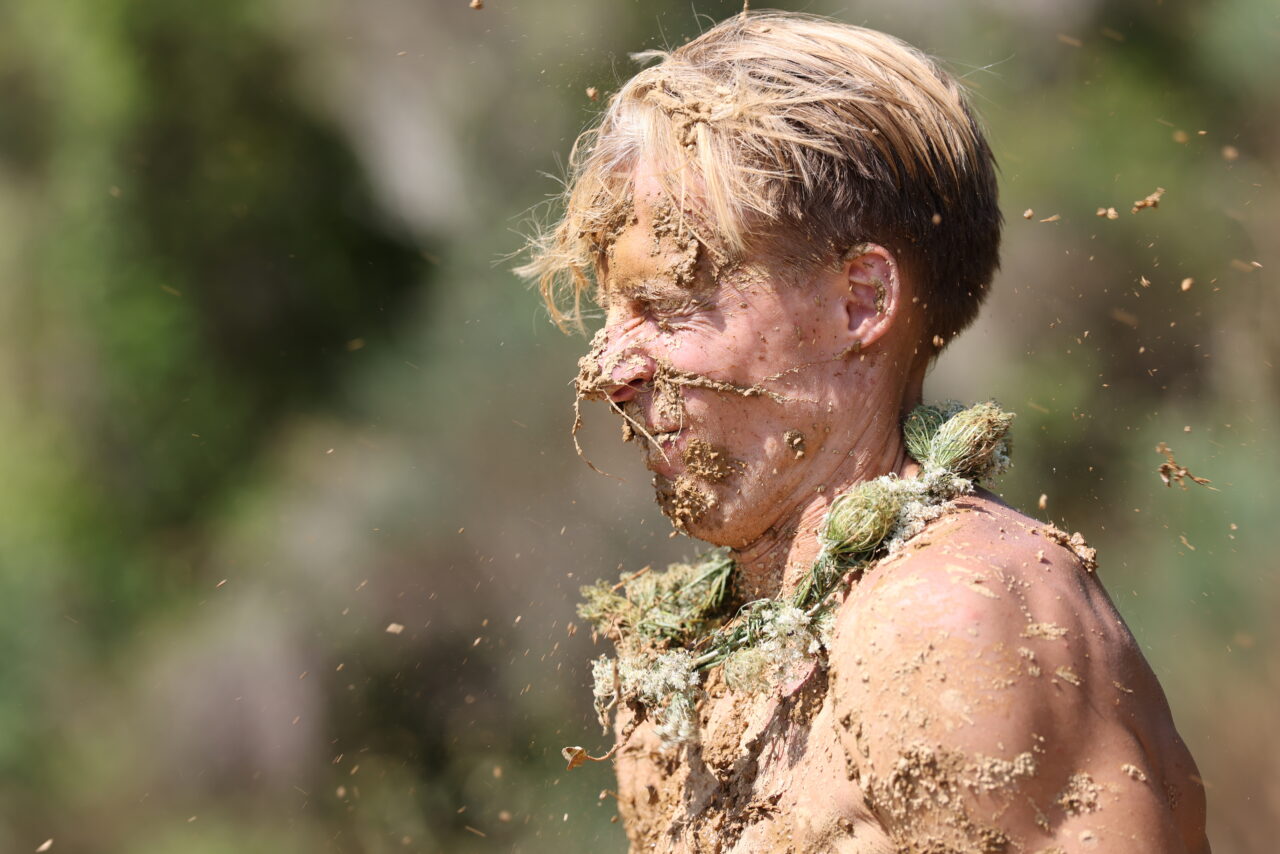
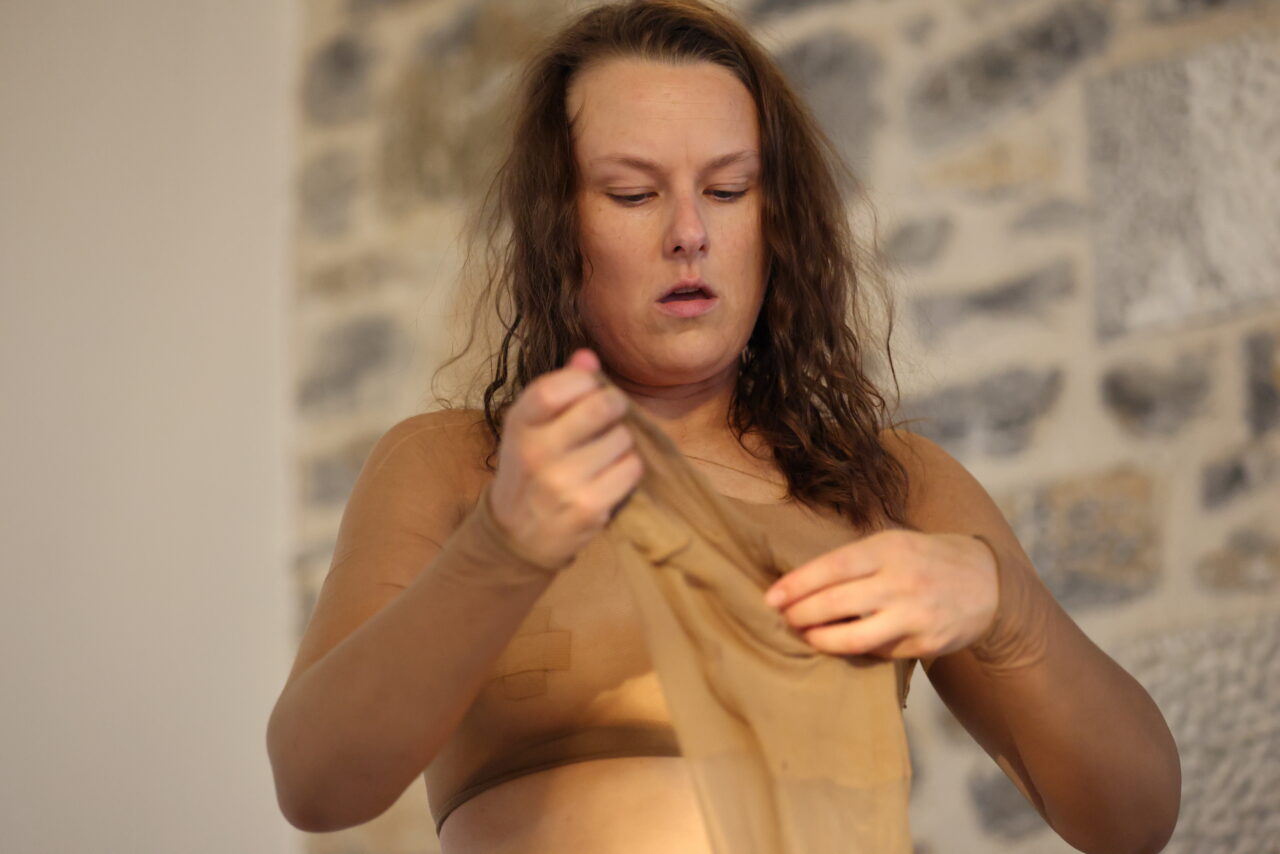
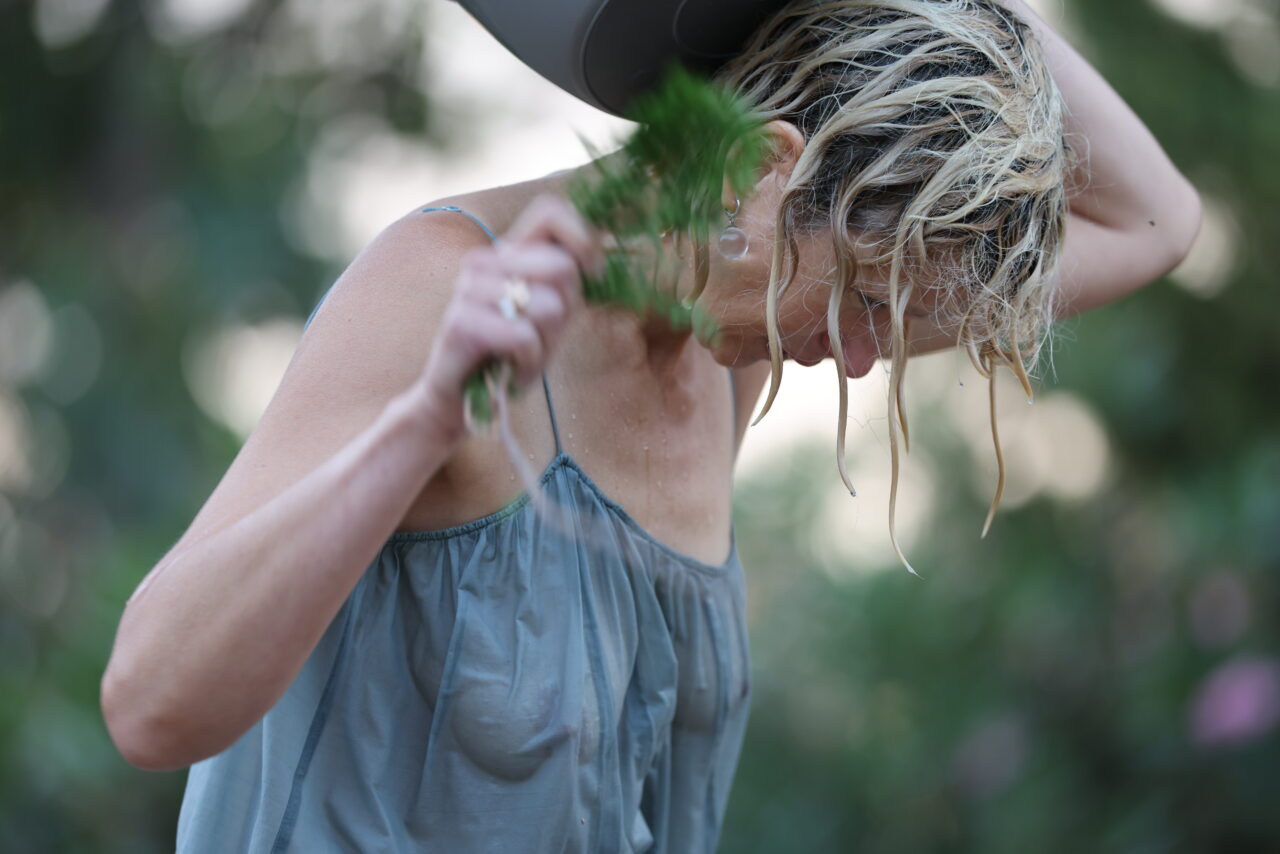
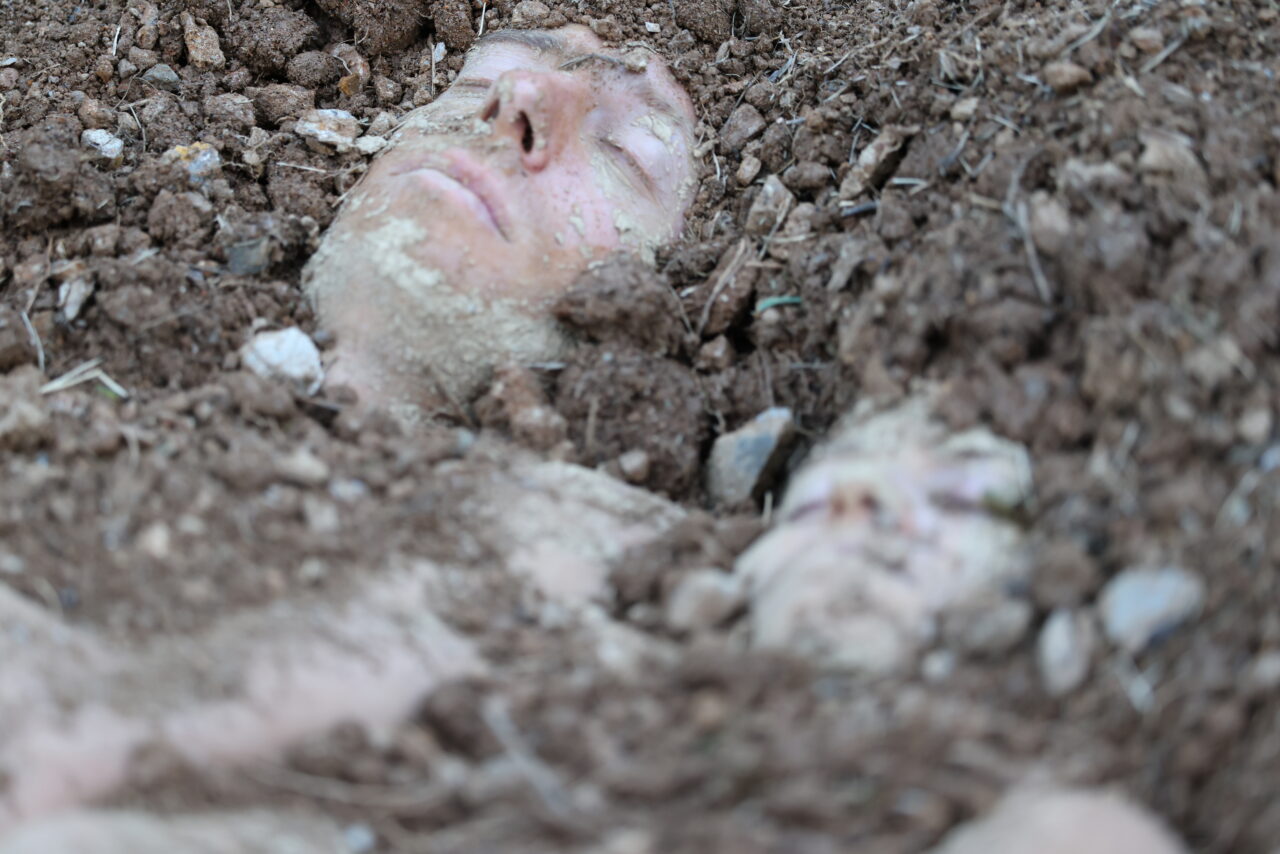
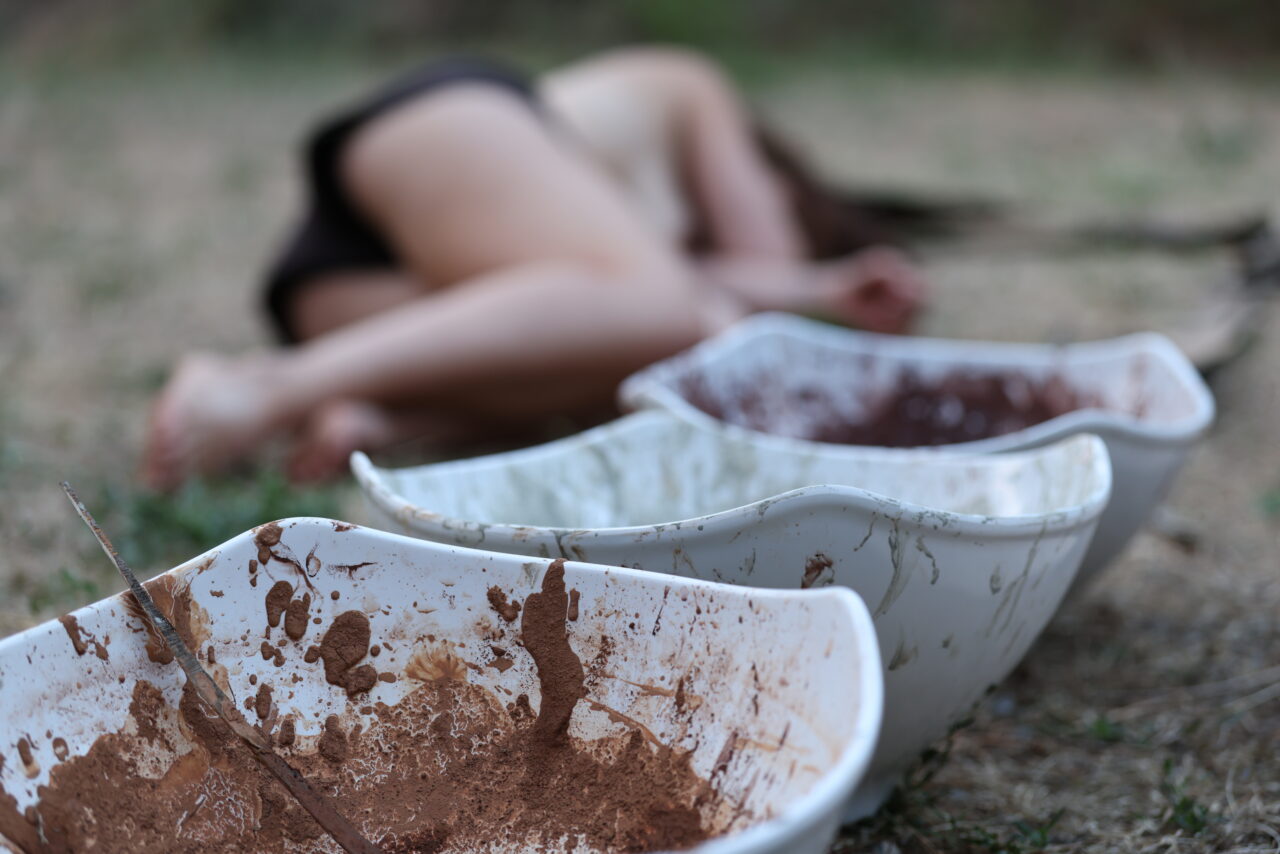
Then, from 8 to 20 June, the residency turned from the human community to the earth. Choreographer Ephia Gburek and accordionist Vincent Valente of Djalma Primordial Science led Merging into Matter, two weeks of body weather research divided between the studio and outdoor immersion in the Puglian landscape. Gburek studied butoh with Min Tanaka and Kazuo Ohno in Japan and co-founded Djalma in 1998. The company’s works blur theatre, dance and performance, and turn up in galleries, derelict buildings and landscapes as readily as in theatres. Each morning an intensive warm-up connected the group to the place, to sensation, to breath and voice. Then the research slowed down, guided by a poetic language and accompanied by Valente’s live accordion, until movement detached itself from stillness almost imperceptibly. Become a cliff. Become a river. Be a leaf. The cohort approached matter as existence, blurring the line between the animate and inanimate worlds, in what the artists call an act of metamorphosis.
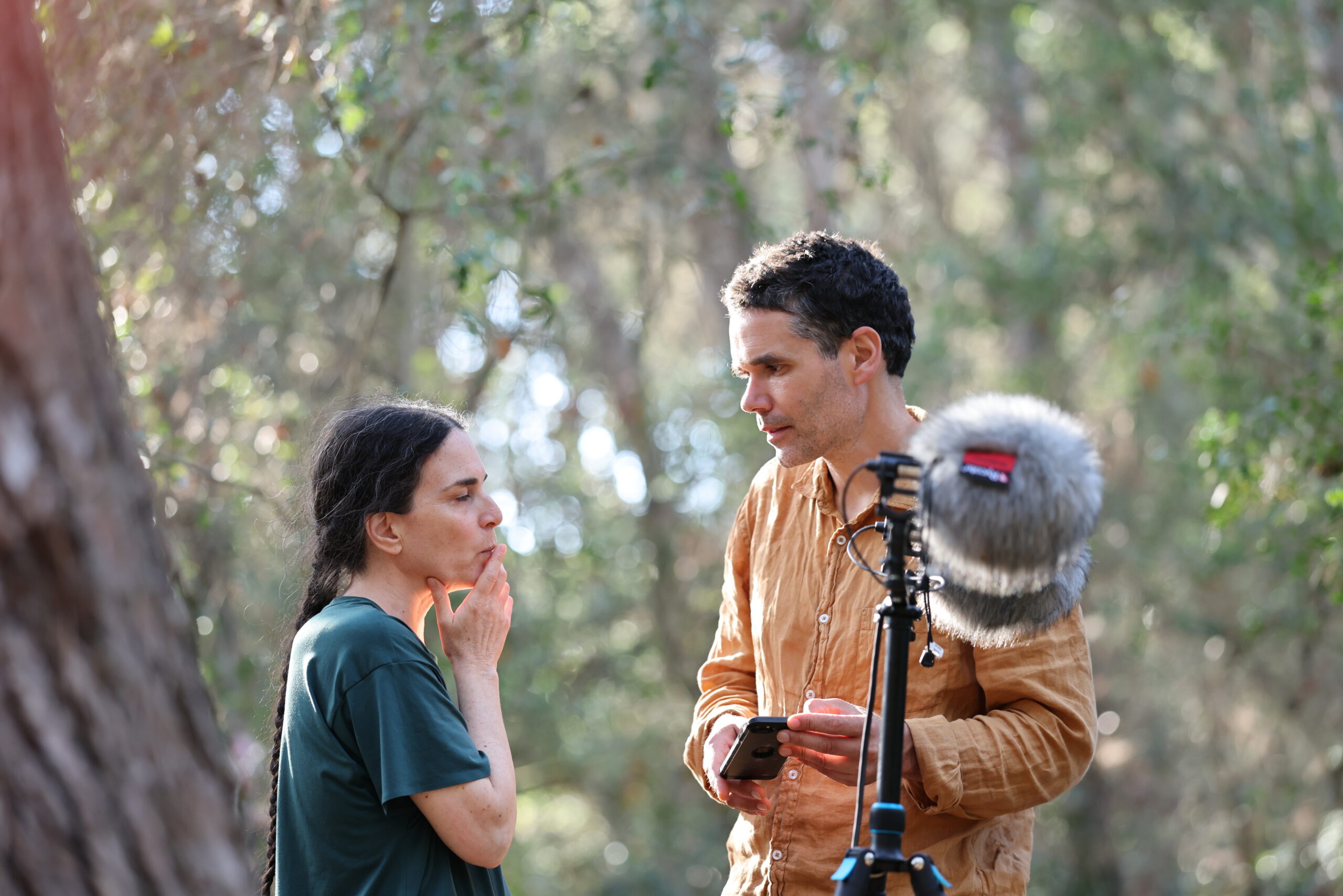
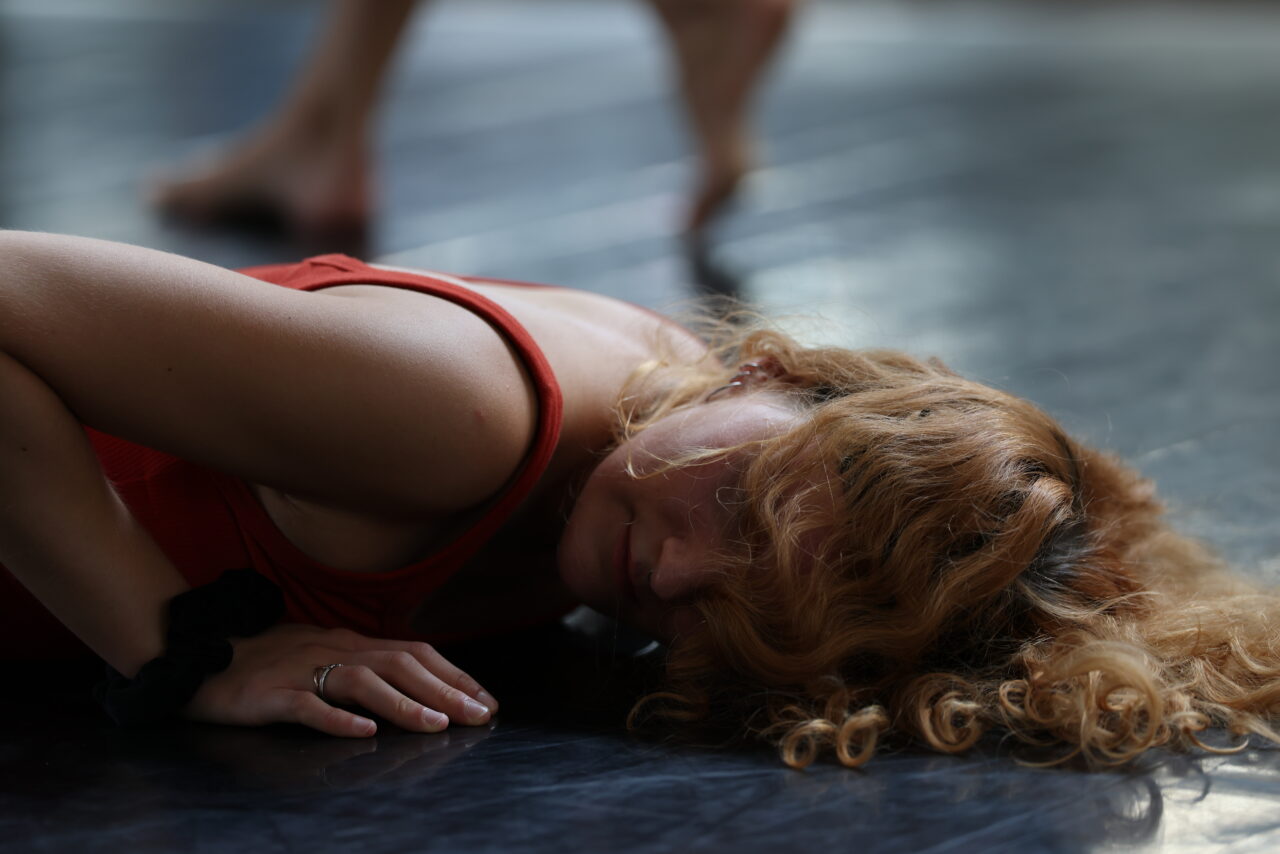
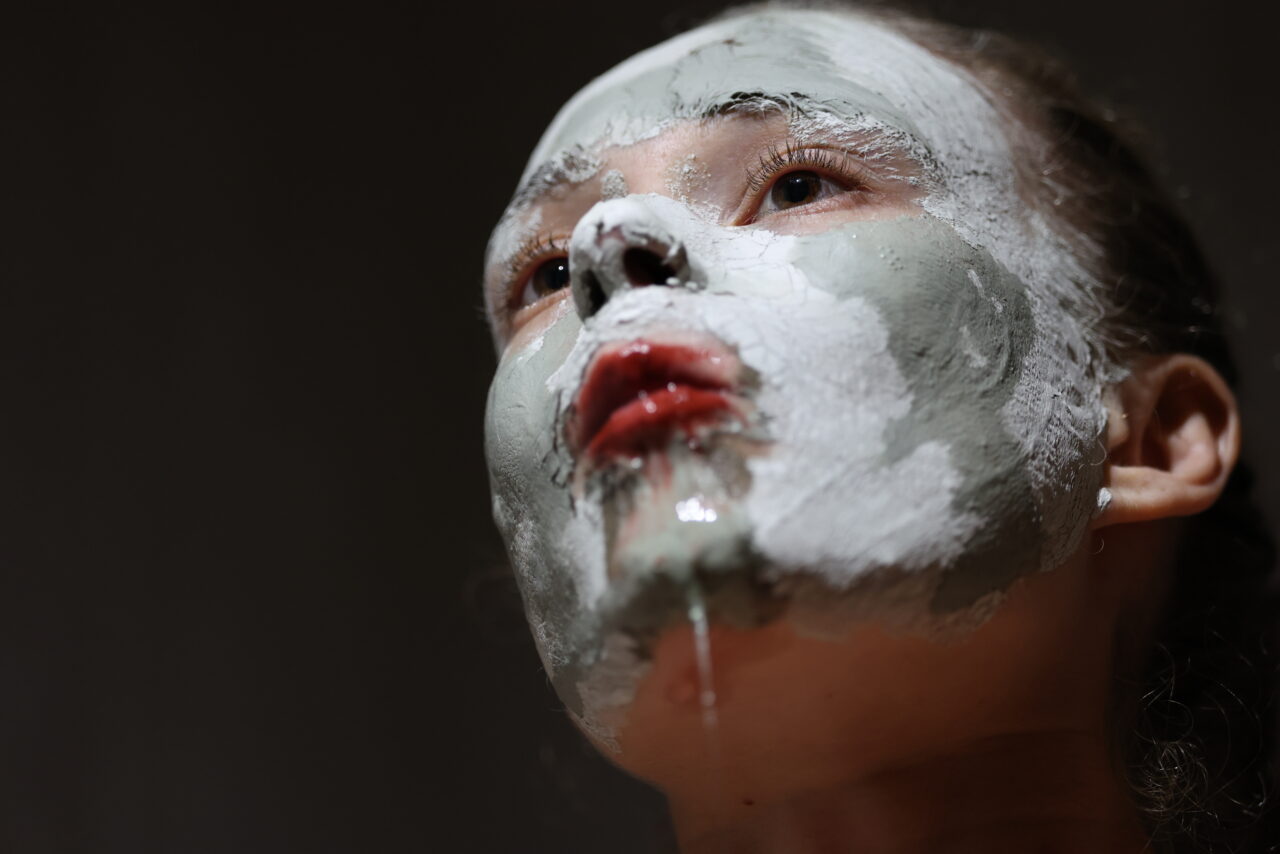
The score was spoken, never demonstrated, and it ran for hours. The day began by cleaning the space. Then a clay body on a clay floor, as if it had fallen from the sky and lain there for thousands of years: six to eight minutes of radical immobility before the first impulse, and after that an attention to every trace the body leaves as it forms and deforms, skin mixing with floor. The air thickens until it resists. A tunnel is carved. Late in the score the students walked backwards, seeing with the skin of the back and the soles of the feet, until, in Gburek’s phrase, the room became one river. The instructions were invitations rather than tasks: forget the form, decentre the human, superposition the senses using imagination.
Valente went on listening after the work stopped. The two weeks have since become a fifteen-minute sound postcard, Melpignano, made from what the residency actually sounded like. Listen to it here.
A week of reading in an olive grove.
Between Puglia and Venice came a week at Elaionas, an olive-grove retreat near Arillas on Corfu, and with it the third practice of the summer. Imanuel Schipper is a dramaturge and performance scholar who has worked with the Berlin collective Rimini Protokoll for more than twenty years, and he first taught at CPPM in 2020, with the programme’s first cohort. Rimini Protokoll makes documentary theatre with what it calls the experts of everyday life rather than with actors, and Schipper’s seminar, Watching Otherwise, turned that attention around onto the audience: how we watch, who is allowed to watch, and under what conditions. The group read, walked and watched together under the trees, starting from Jacques Rancière’s claim that the spectator is never passive, and moving through Claire Bishop on distracted attention and Diana Taylor on the body as a memory no archive can hold. They left the grove carrying one question, and the next month answered it on its feet: how does a spectator stop being a bystander and become a co-producer of the work?
The seminar’s sharpest instrument was a sentence. A tree. Then a cherry tree. Then a cherry tree behind my house. Then a cherry tree in winter. The writer supplies only signs. Every reader builds a different tree out of their own memory, and never receives the writer’s. From there the questions got harder. Are we steering an audience towards a response, or issuing an invitation? How emancipated is a spectator’s imagination, really, after a glass of wine, or for a spectator who is autistic, or for one whose history produces a different meaning out of the same forty minutes? Alongside Rancière the group read Guy Debord, for whom the spectacle is not a pile of images but the way social relations come to be mediated by them: an argument that landed squarely on the habit of turning a present moment into content for a future one.
Two companies, then six walks.
The Venice chapter ran for four weeks from 28 June at the Centro Teatrale di Ricerca on the Giudecca, the long island across the water from the tourist city. The first fortnight belonged to two companies that changed how audiences meet a performance, and each of their weeks ended with the doors opened to the public.
Sarah Dowling led the first week. Punchdrunk, founded in London in 2000 by Felix Barrett, built the form most people now mean by immersive theatre, where the audience, masked and silent, walks through a world rather than sitting in front of one. Dowling has been a collaborator since 2002: Lady Macbeth in the original Sleep No More, Associate Director on The Burnt City. What she brought was a practice the cohort stood inside. The week worked on spectatorship in immersive and site-sympathetic space. Material was built fast and deliberately unjudged. The audience became a variable to compose with: how close they stand, where they place themselves, how long they are willing to look. Architecture stopped being a container and became a partner. By the third day the question had turned to the spectator’s senses, and the answer was mostly slowness. Do not bypass the small things. Let temperature and texture and sound arrive. Her way of working was itself part of the teaching: complete preparation, total attention to the room, and no wasted energy.
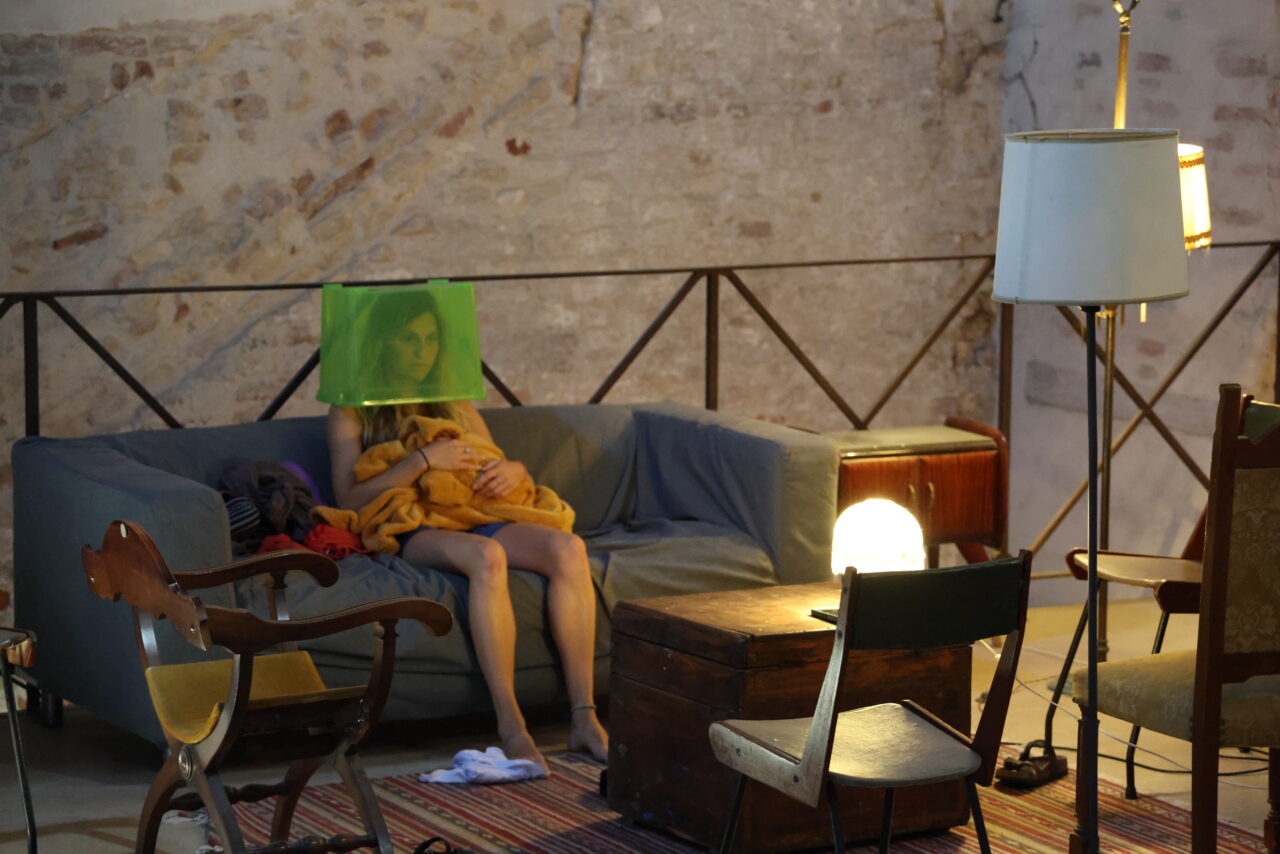
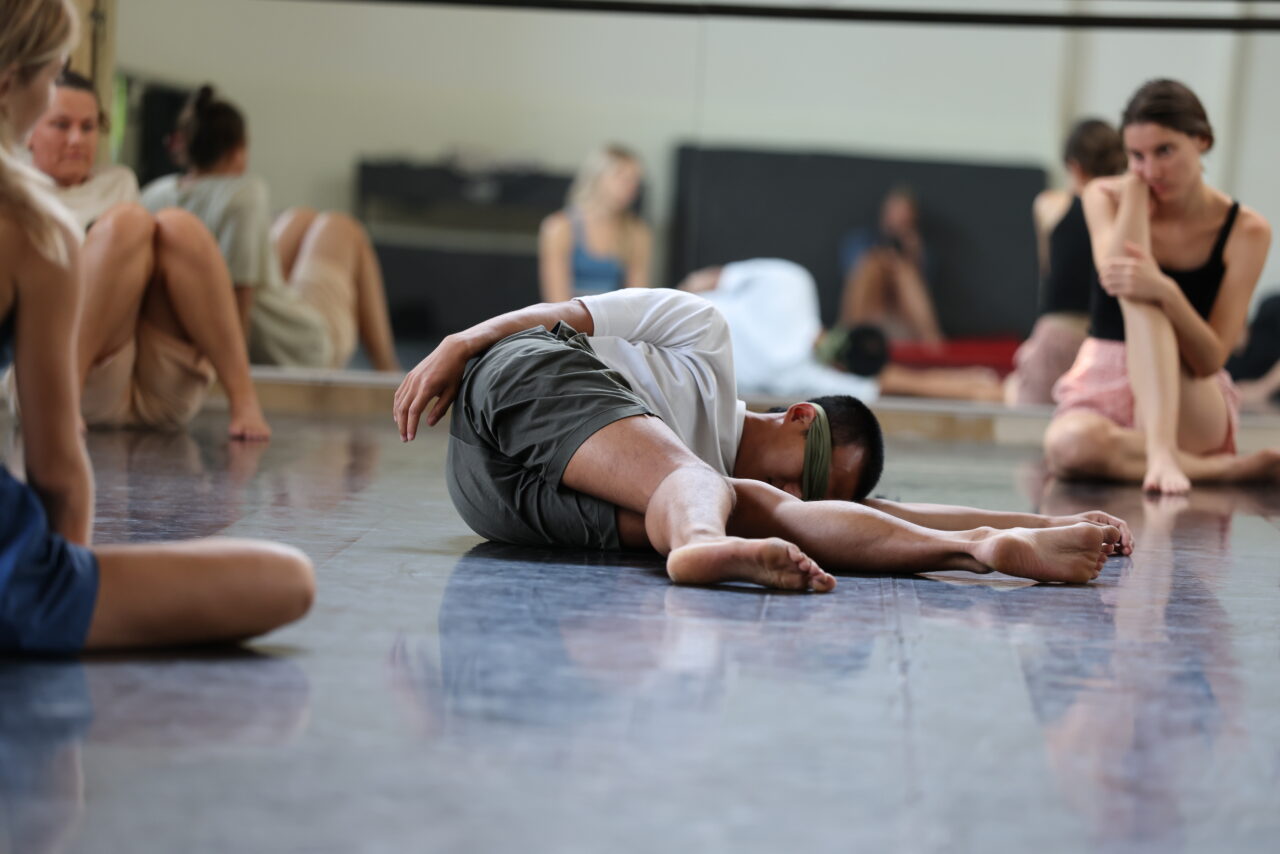
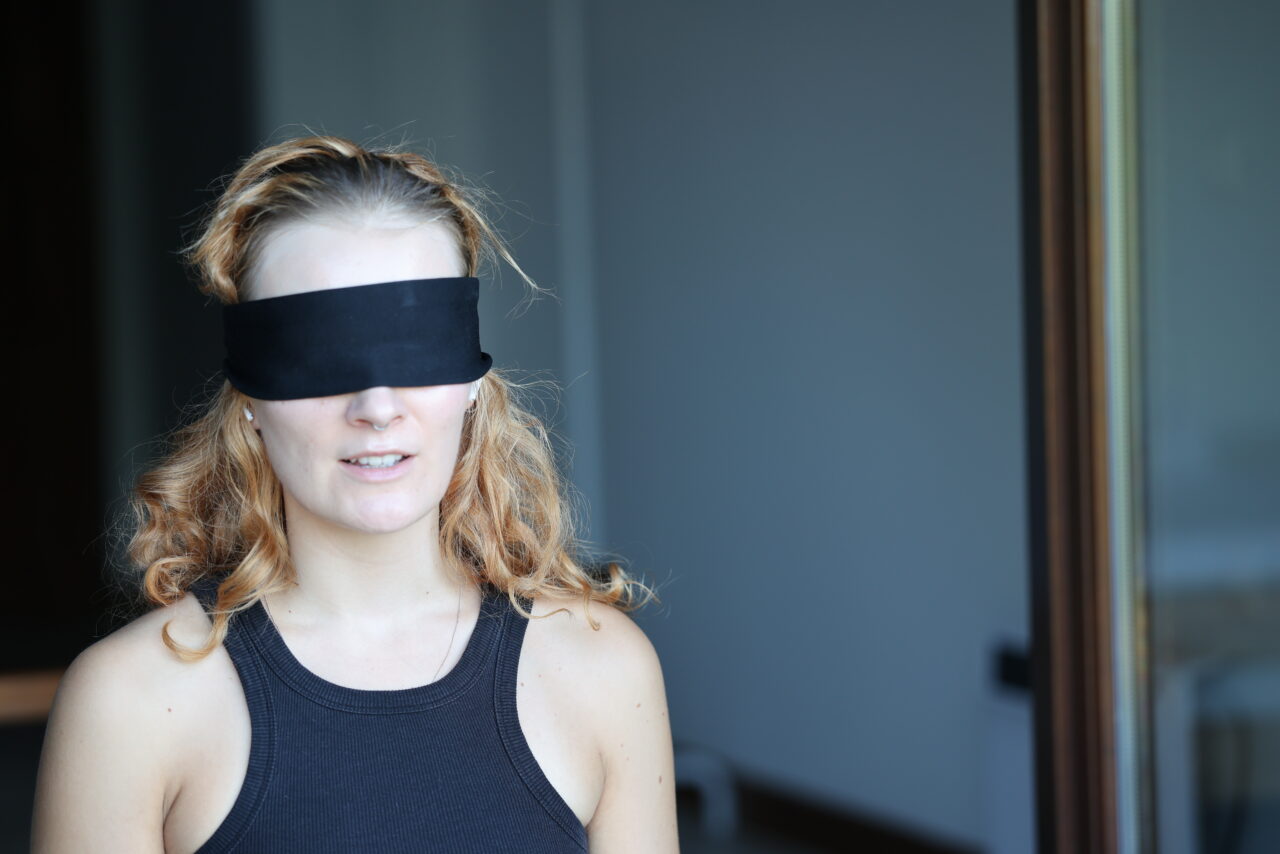
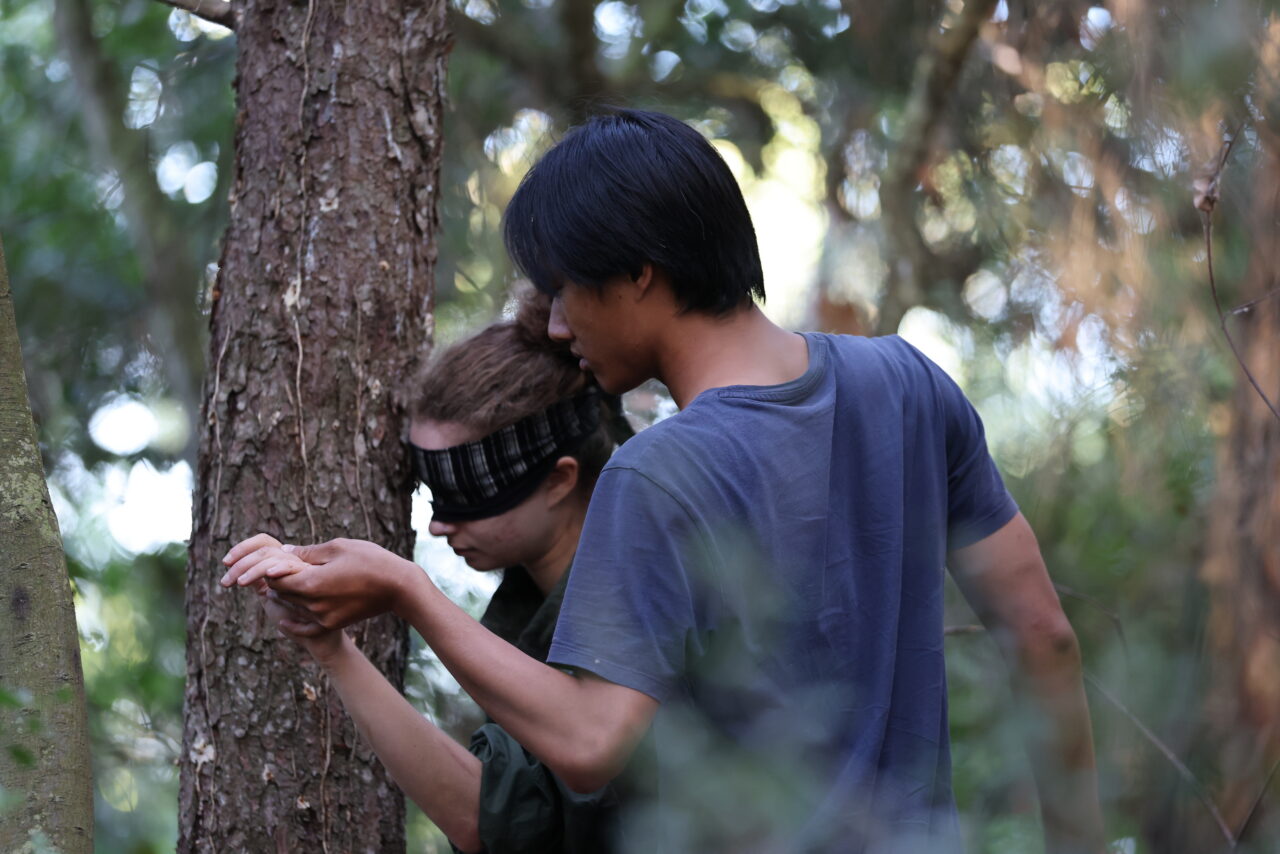
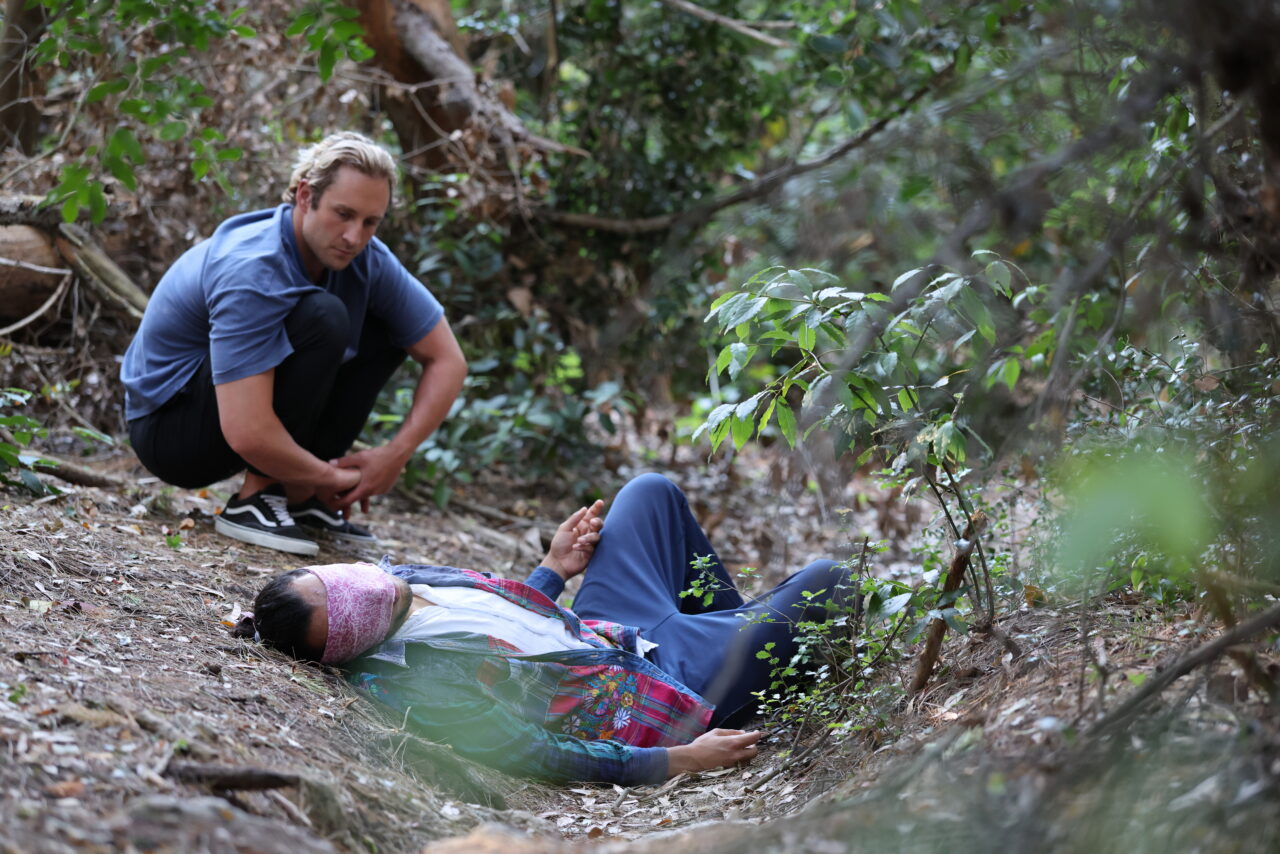
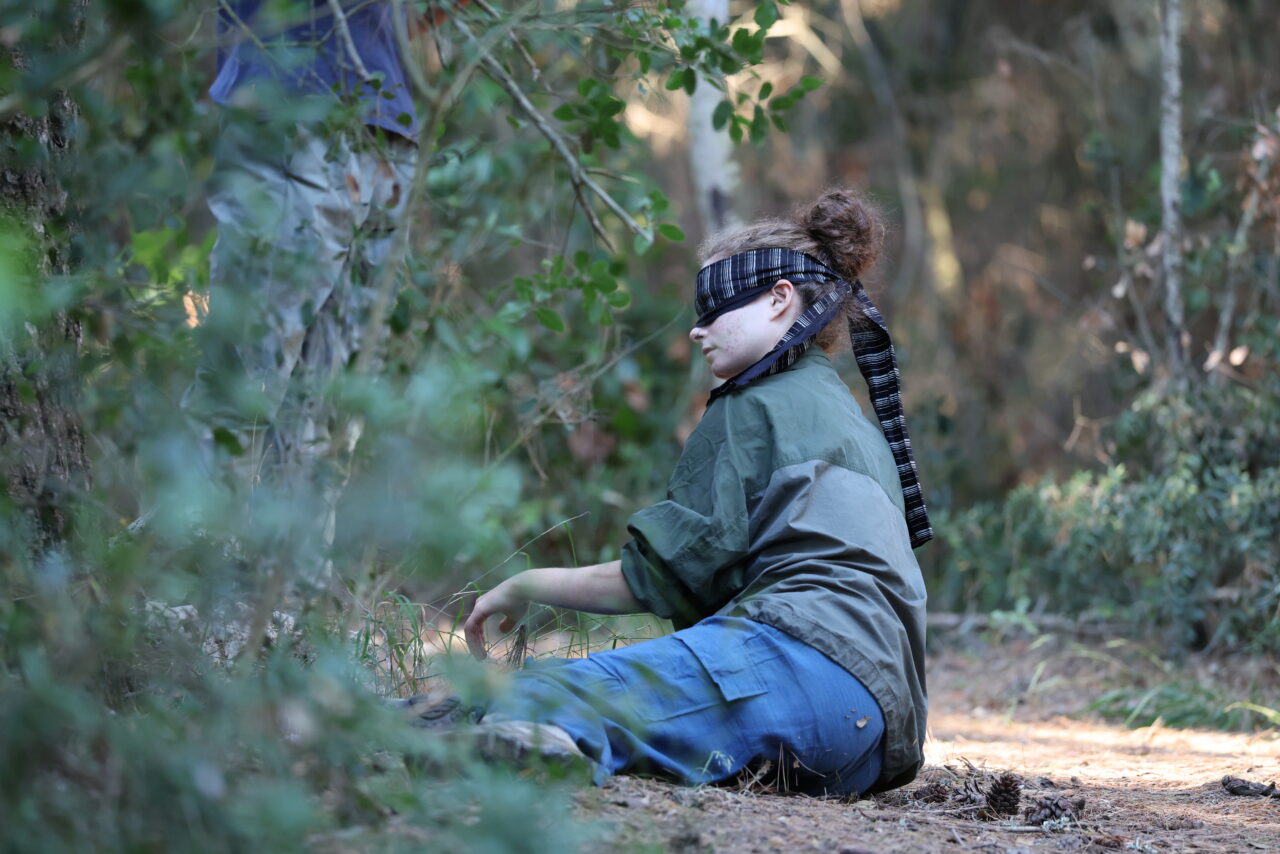
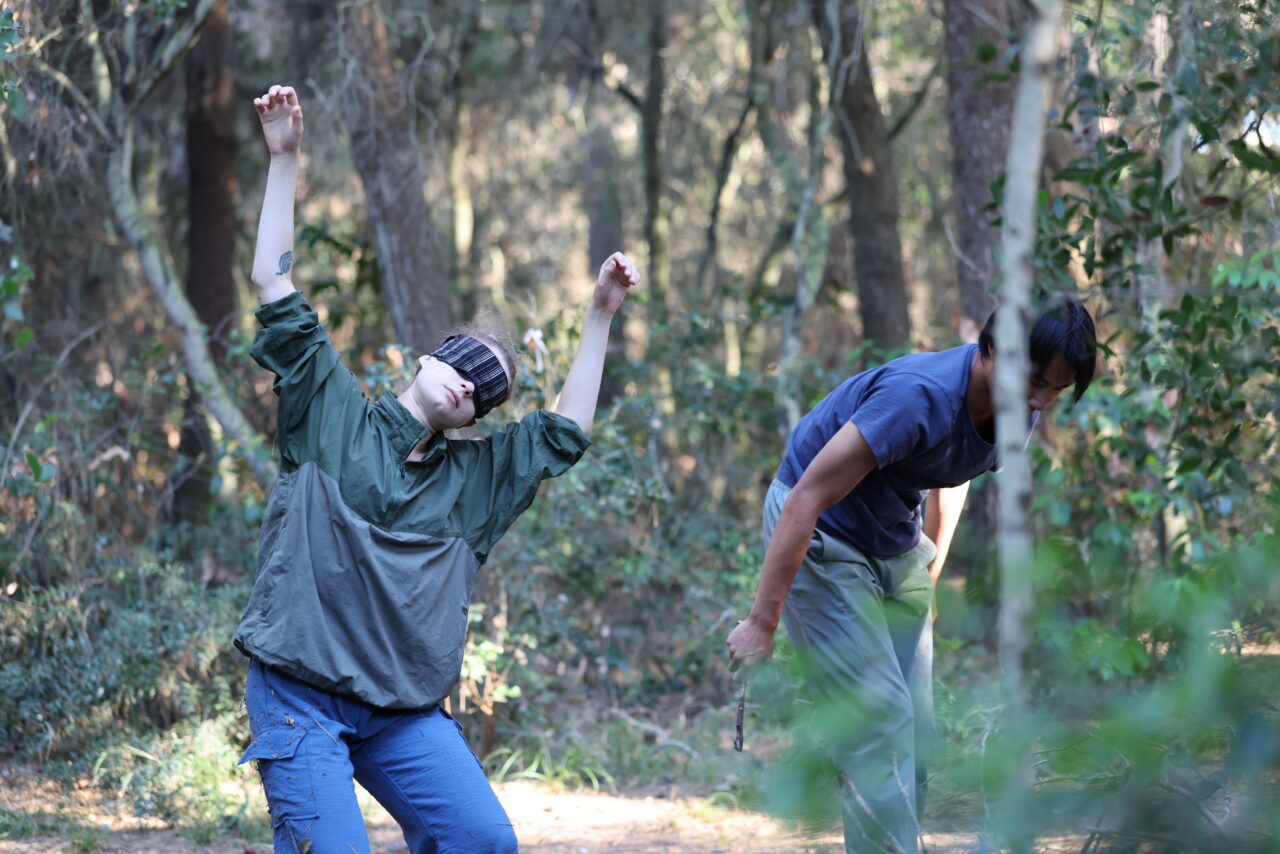
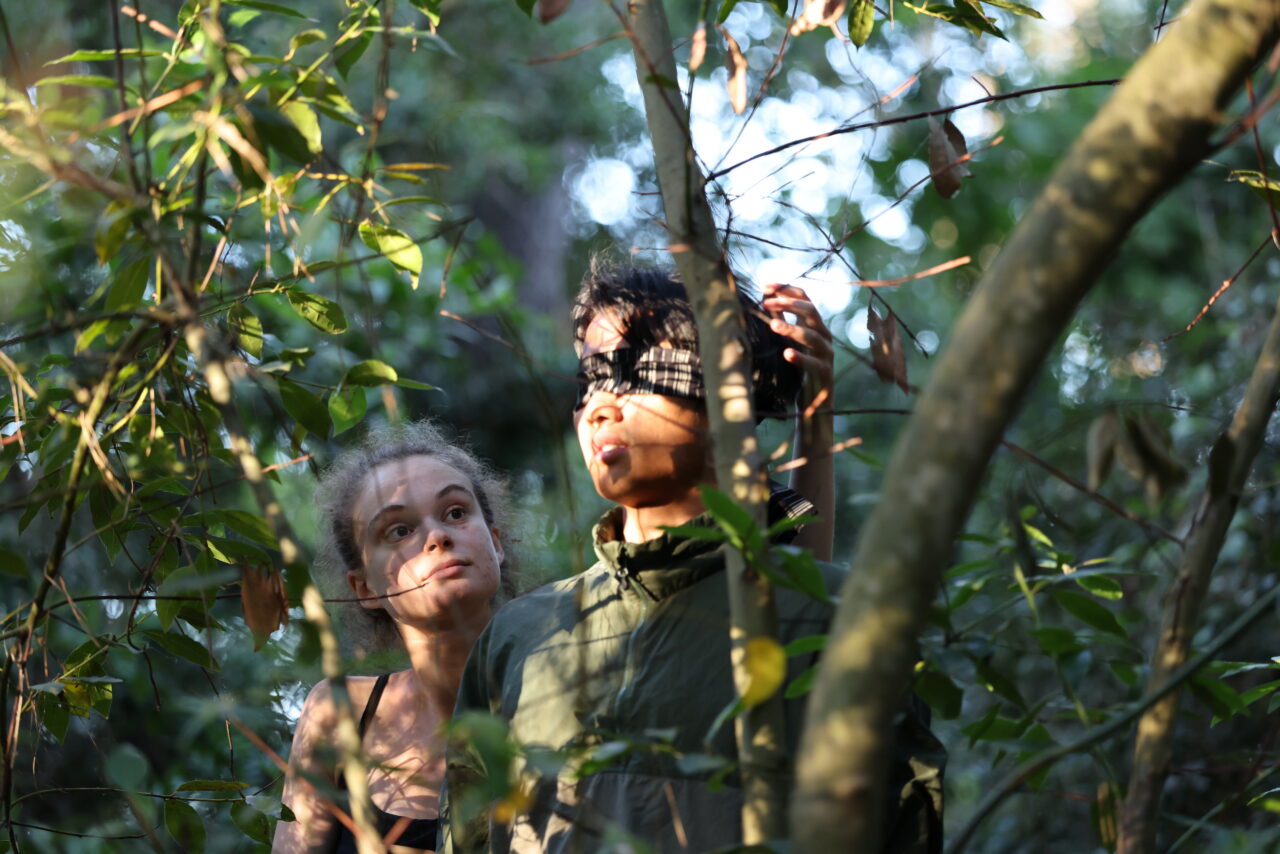
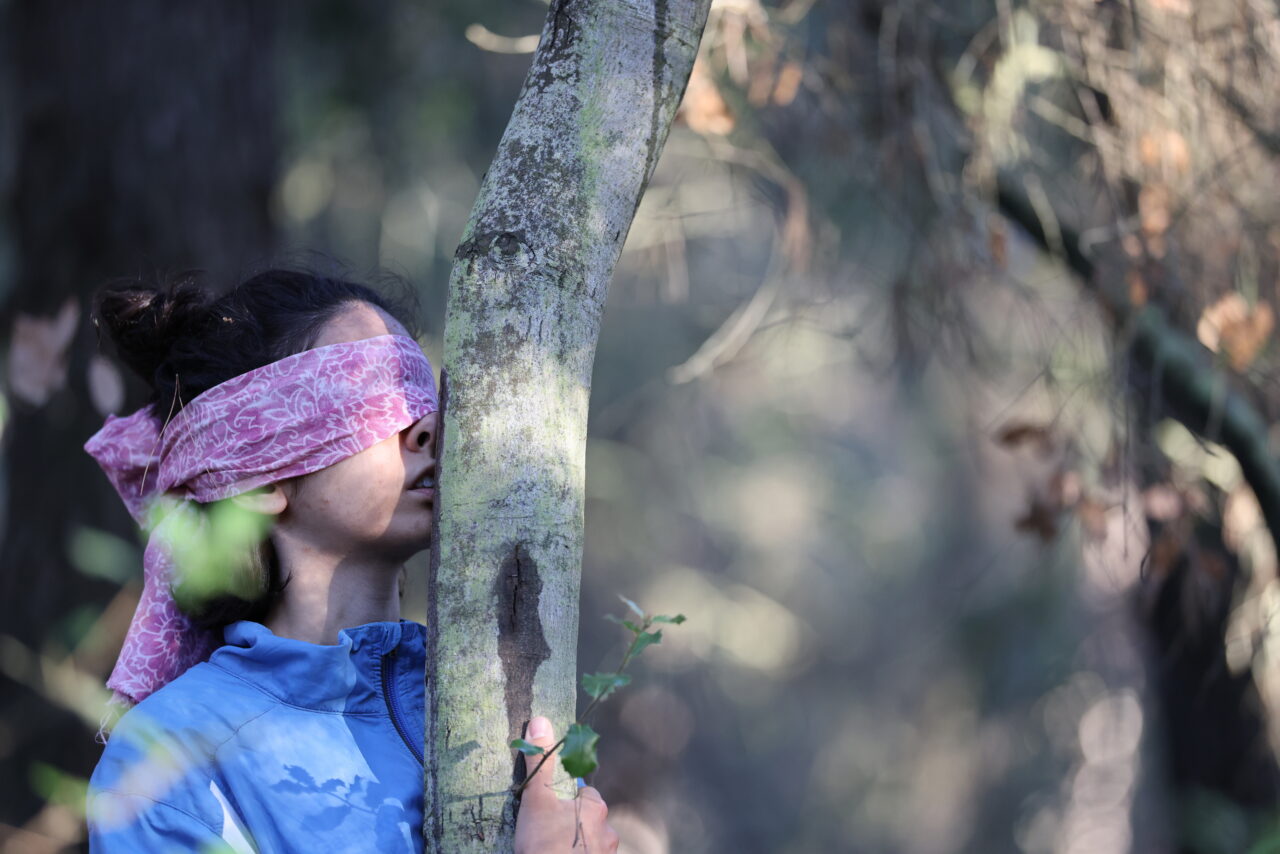
The week’s principles were set out early and were mostly refusals. Not judging, just moving. The body likes simple instructions. Set something, and then you can work with it. Other people can move you in ways you would never have thought of. When pairs traded three-movement sequences, the instruction was not to copy but to feel the movement of the other, and the showing that followed had no order and no front: each pair simply appeared in the space, so the stage kept moving and reforming around whoever was watching. A perfect unison was explicitly not wanted. In the evening the group worked blindfolded in pairs, one hand resting on the leader’s, no grip. The rule was that the blindfolded person facilitates their own experience. The leader holds the space and takes care of them. Over what is found, the leader has no power at all.
Two days later the room changed hands. Guillaume Pigé and Mary Johnson of Theatre Re led a week on the company’s own making process. Theatre Re makes highly visual, non-verbal theatre carried by original live music, reaching the large human subjects, memory, family, loss, through the body and the score rather than through speech. The Nature of Forgetting was named Best Physical Theatre at the 2025 Edinburgh Fringe. Every morning opened with the company’s ball game: a circle, balls of every size, weight and texture in the air at once, each thrower sprinting after the throw, a new rule added with every round, and one ping-pong ball that nobody ever solved. Its governing principle Pigé states plainly: actions come first and the meaning arrives later. The work has to be found, not planned, which means getting on your feet before you have decided what you are doing. From a readiness inherited from Étienne Decroux, the verb to be, the company works through four ways of writing material: with space, with weight, with rhythm and with inner space. Each follows the same arc. Find something truthful, articulate it, observe what it actually does, transform it, keep what survives. And the music is never added afterwards. Johnson played the week rather than scoring it, responding to the performers in real time from the first day.
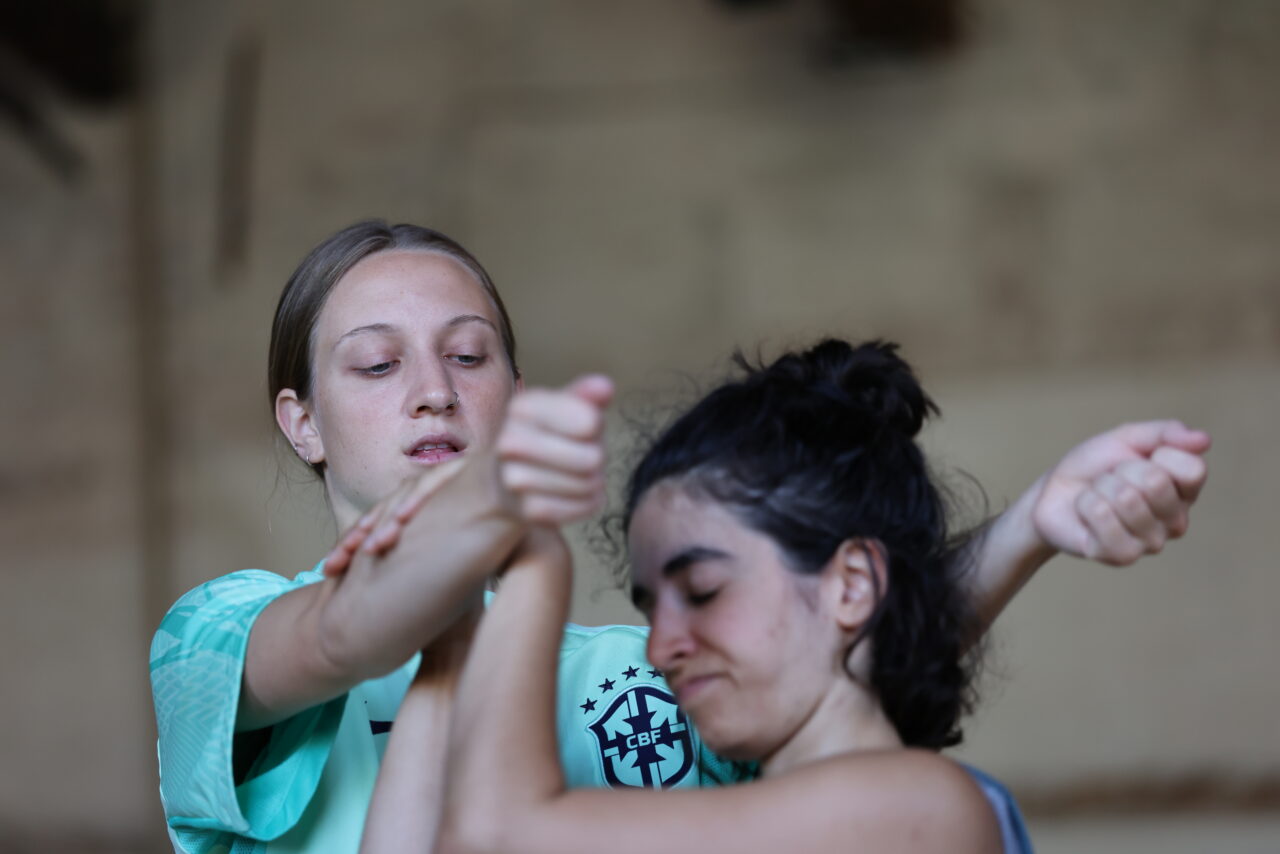
Johnson’s warm-up reached the voice by way of the face: massage, the tongue stretched in four directions, engine sounds run up and down the register, and then an anthem the group learned and each of them translated into their own language. Pigé’s games were built around a single question. How do you cheat well without ruining the game? The week kept returning to it, because a rule you can only obey stops producing anything. Much of the work was walking and stopping: finding where the weight sits when you halt mid-step, stopping at points in the step a body would not normally choose, then letting the change of direction be led by the head, then the chest, then the torso. Endless options inside a single step, as he put it, like a piano. What matters is not the size of the change. It is that something shifts inside the performer when the movement starts somewhere else, and that the audience sees a different image because of it.
Put side by side, the two weeks approached the same craft from opposite ends. Punchdrunk begins with the spectator and builds a world for them to walk into, so the composition is of attention itself. Theatre Re begins with the performer’s body and what it can be made to mean, and trusts the audience to read it. One week asked where the audience stands. The other asked what the body is saying before anyone decides what it means. A cohort that has worked inside both within a fortnight holds a sharper instrument than either week alone would have given it.
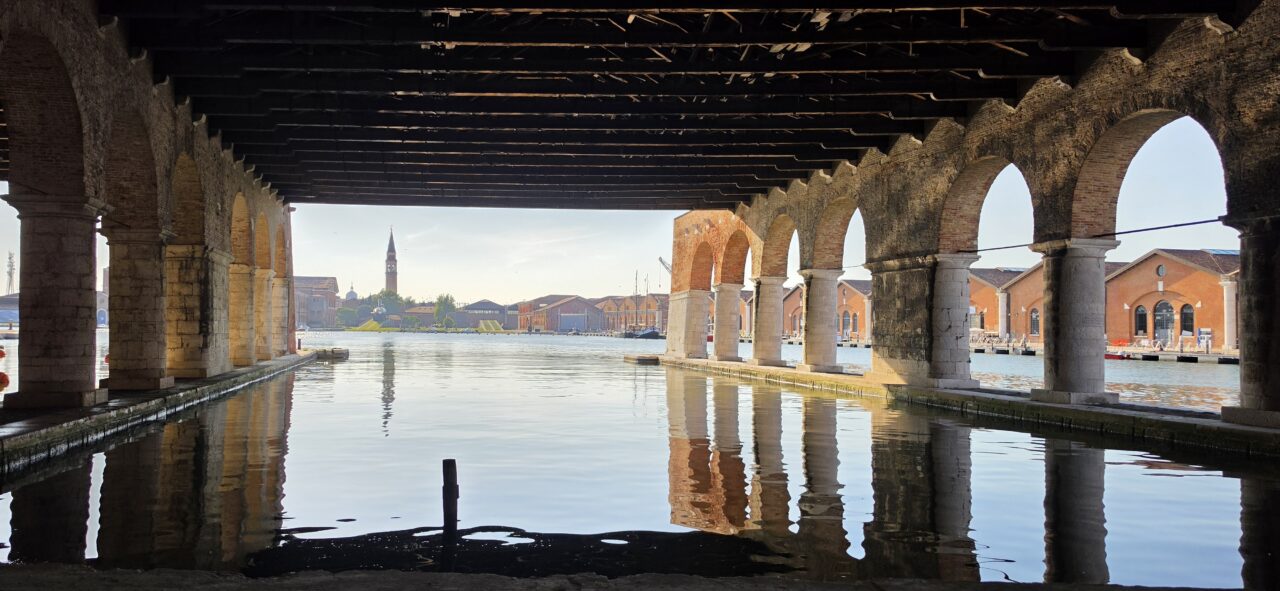
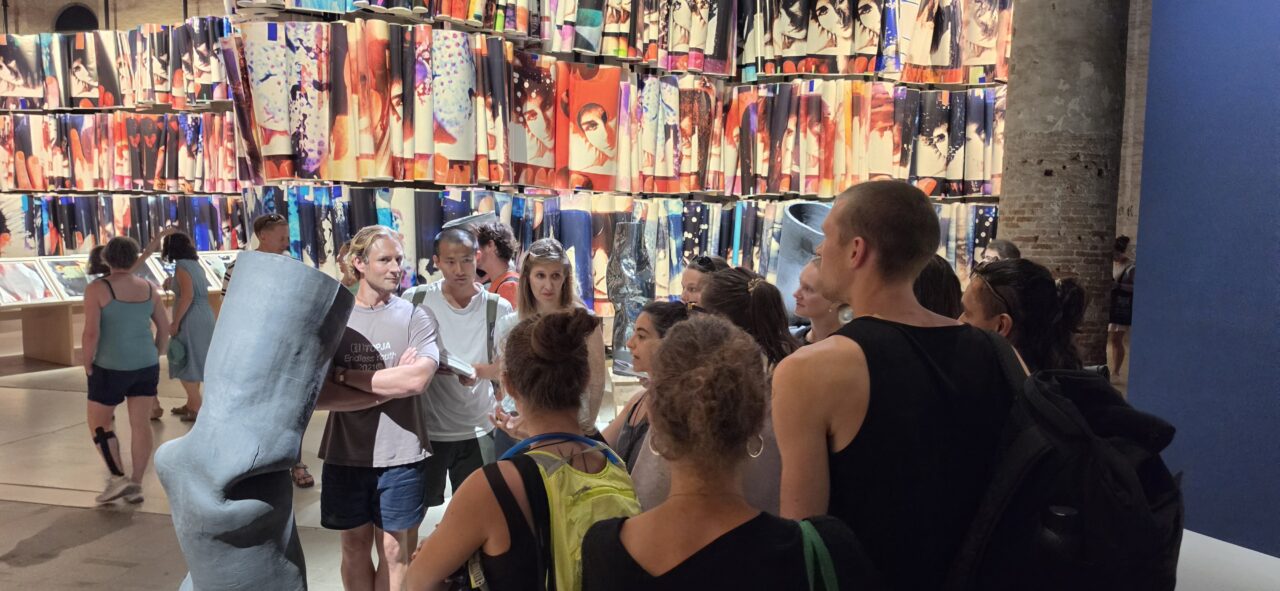
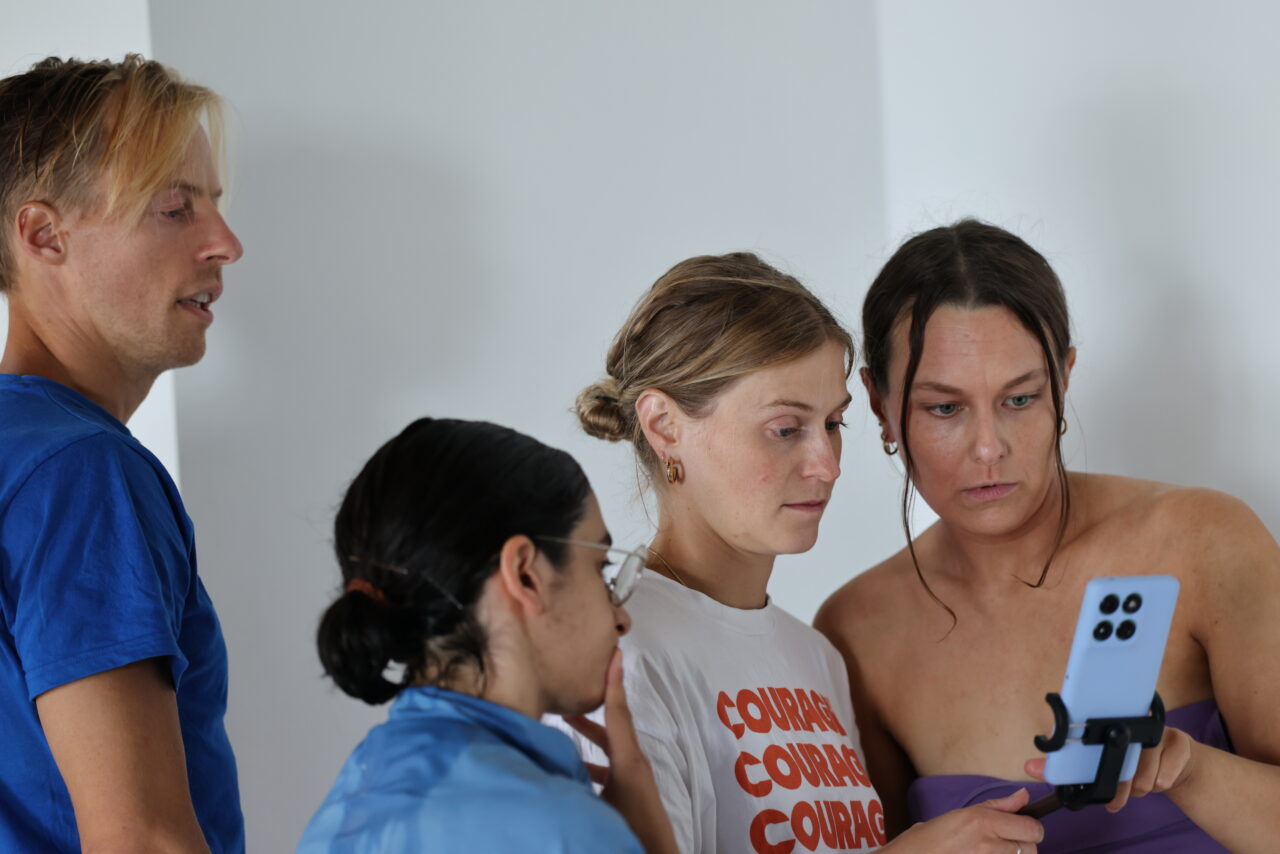
The second fortnight belonged to the cohort’s own making. Back with Schipper, and inside the 61st Venice Biennale, In Minor Keys, conceived by the late curator Koyo Kouoh, the students made six audio walks through the Giardini and the Arsenale, documentary performance in the Rimini Protokoll sense, built from the real exhibition and from what the makers found in it. Each one turns the ordinary audioguide inside out. It does not explain the art. It asks what you are doing when you look at it. The walks were presented on 25 July, and anyone with a Biennale ticket, headphones and a charged phone can still walk them.
Where habit ends.
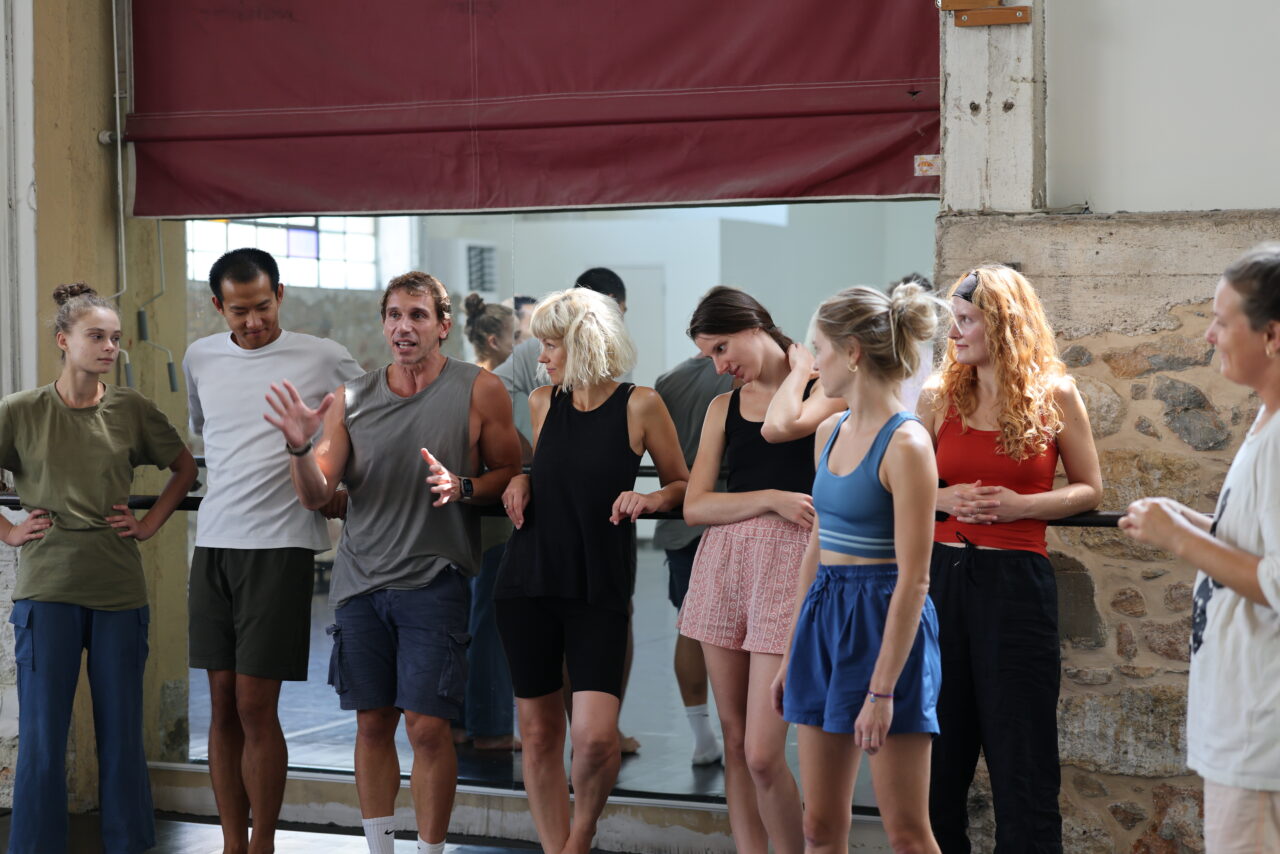
From 3 to 8 August the cohort worked at the Horohronos Dance studio in Athens with Yorgos Karamalegos, founder of Physical Lab. There is a joke buried in that itinerary. They left the Biennale, where contemporary art shows itself to the world at maximum volume, and arrived in the country that invented theatre, and they did not spend the week on ancient texts. They spent it on the body, the one piece of equipment nobody has managed to redesign since.
Physical Lab, London
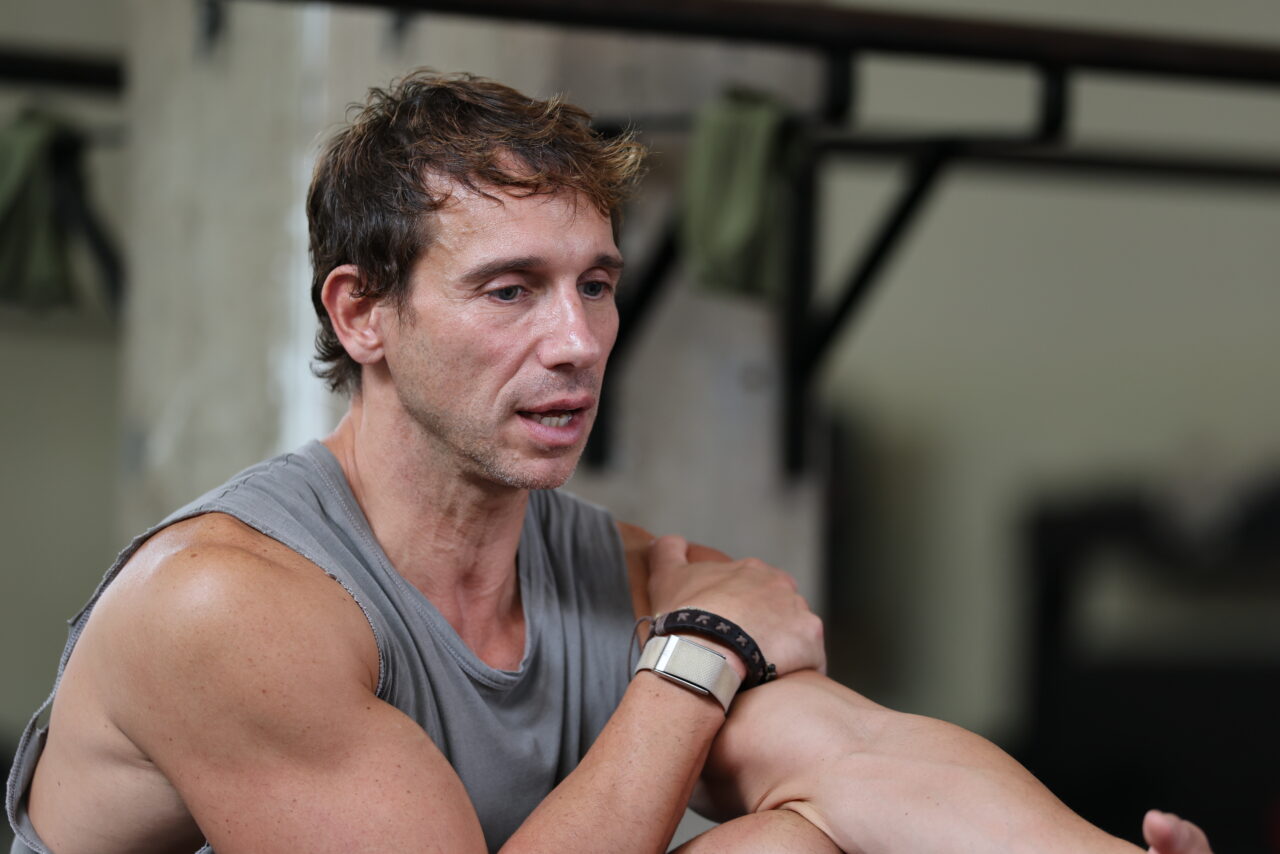
Karamalegos starts with impulse, the smallest thing a body does before it has decided to do anything, and works outwards from there, slowly, with close attention to sensation. That sounds gentle until you notice what it is doing: taking apart the patterns a performer has long stopped noticing they have. The unlearning is the harder half, and what comes out the other side is not a new technique laid over the old one. It is a body with more available to it.
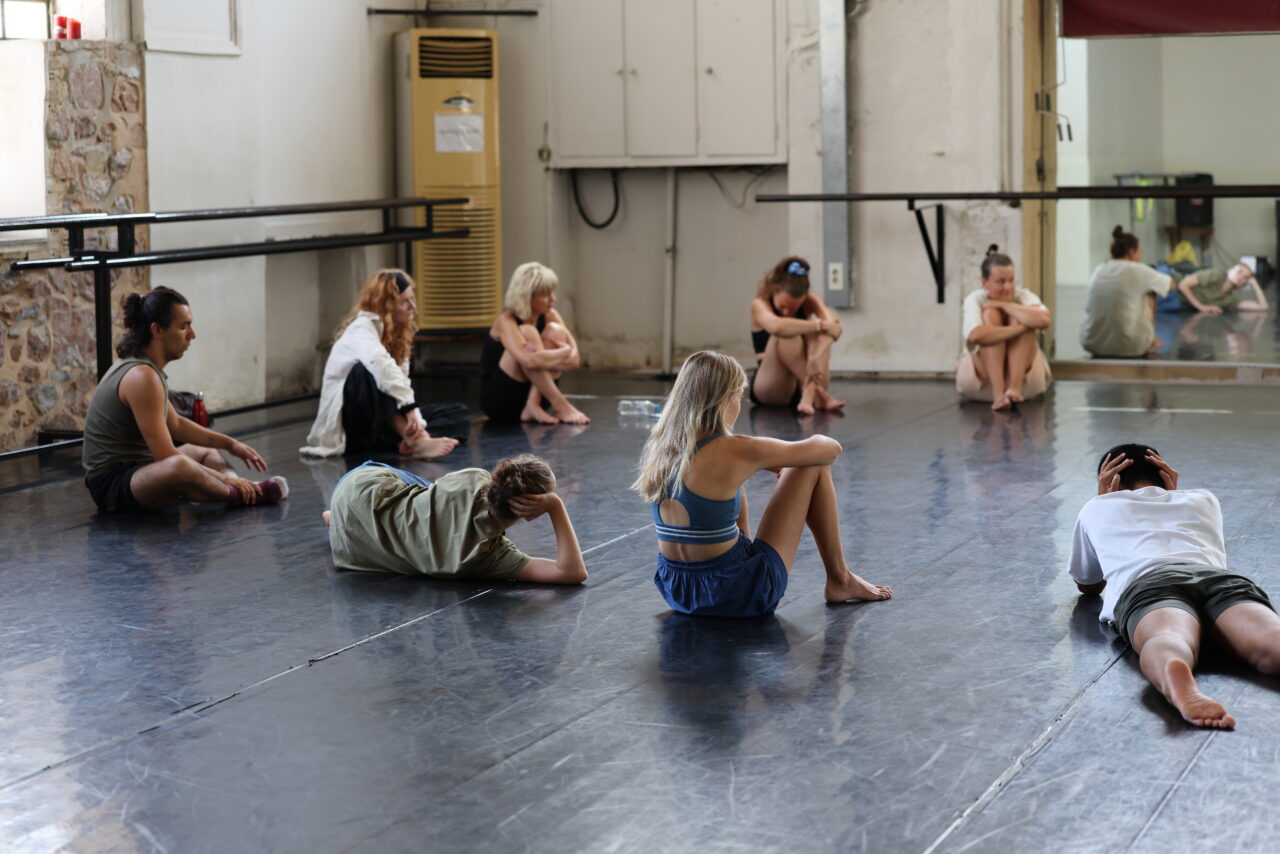
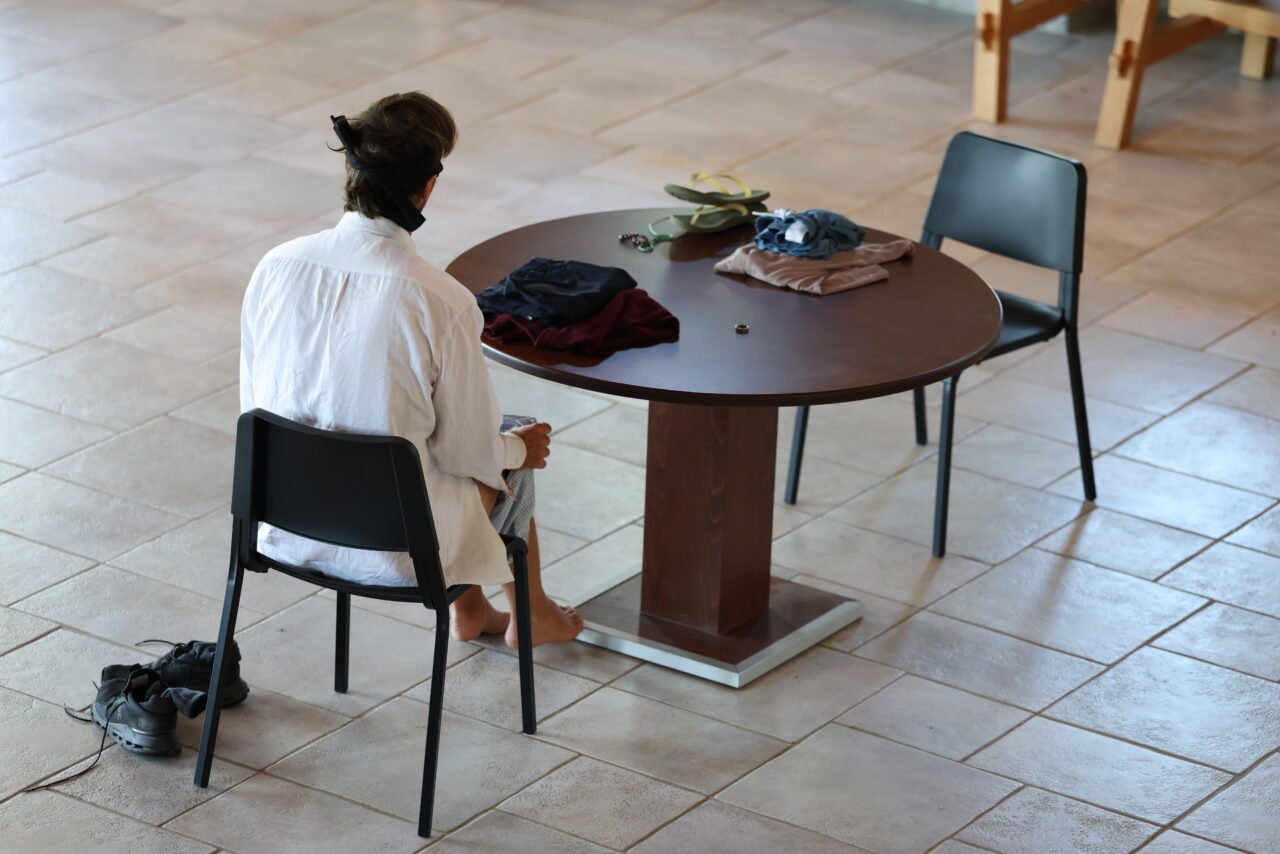
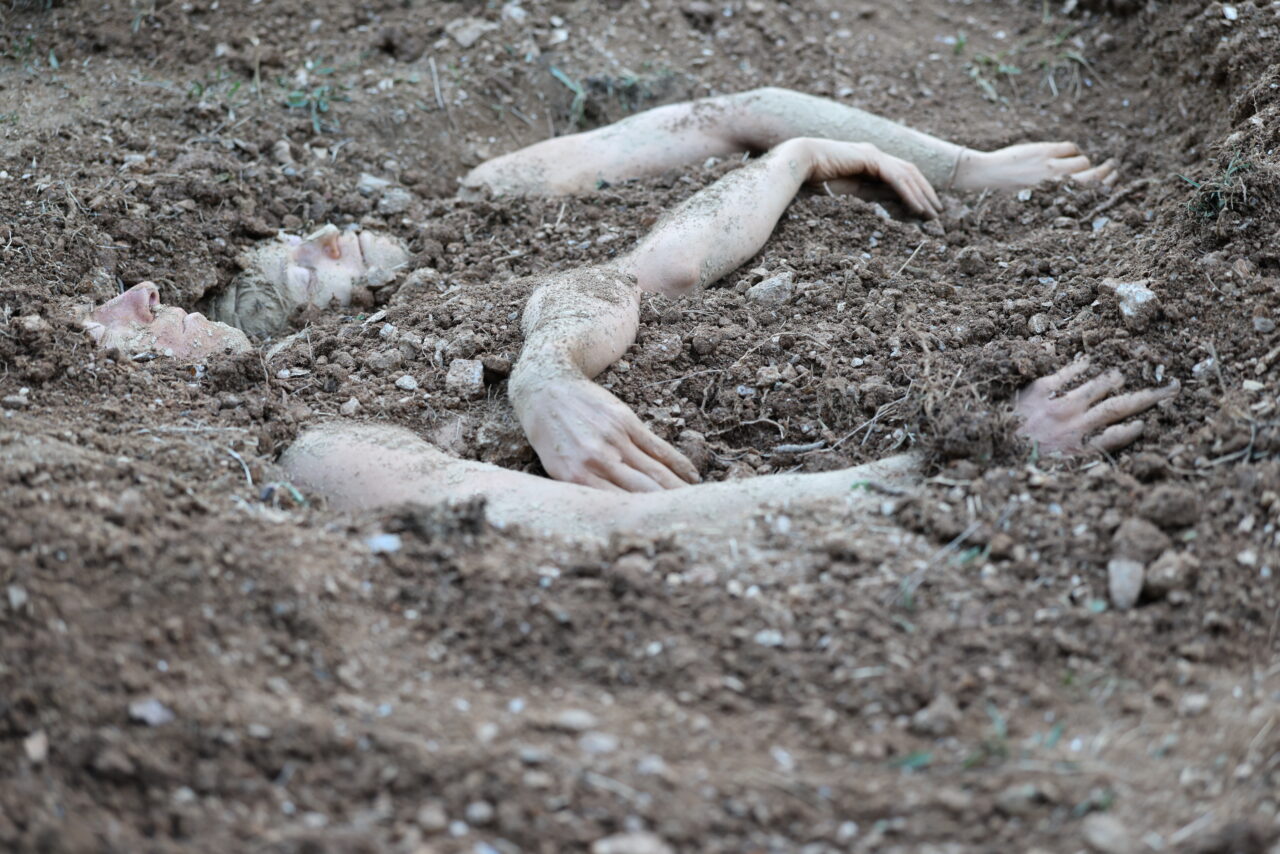
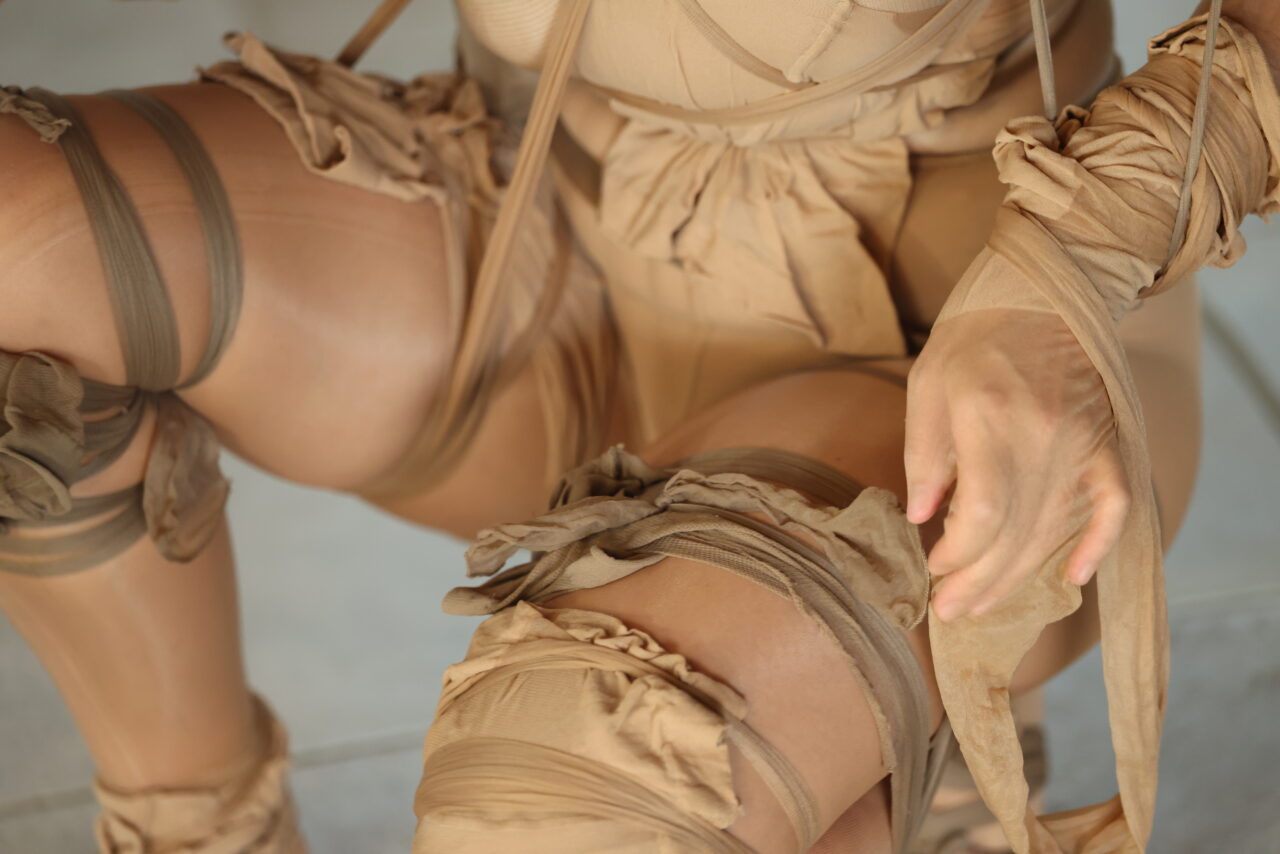
In practice that meant a week of taking the body past the point where it can still manage itself. Hours of improvisation in the circle, alone, in pairs, in fives. Techno. Boxing, exhaling into the punch and looking for freedom there. A ten-level scale in which you are at a party, steadily drunker and steadily less able to seduce anyone, until at level ten you no longer care who is watching. Running on the spot until exhaustion arrives, and only then speaking your text. Ten minutes alone in the middle of the circle, the first five of them blindfolded. His argument for all of it is that the habits a performer reaches for under pressure are exactly the ones worth losing: eight actors out of ten come off the floor certain they did nothing, having simply stopped using their tricks, while the room has just watched the most truthful thing they have done all week.
Karamalegos trained in Athens, built the method over a decade of physical-theatre making in Liverpool, where he co-founded Tmesis Theatre, and has run Physical Lab in London since 2011. He has a name for the attention it asks for, the Tasting Principle: meet material slowly enough to register what it actually is, rather than what habit expects it to be.
The word for what the week was after is presence, and Karamalegos came at it from every side at once: as an actor, as a performer, as a maker, as an artist. The days ran on intense physical work and on commitment, through the body, then through text, then through imagination, and what the room could watch happening was the change in quality in each person as the week went on. The hard part was not the work. It was allowing yourself to be changed by it. One student, writing her weekly reflection that evening in Athens, put it as plainly as anyone could.
Empty first, then hold.
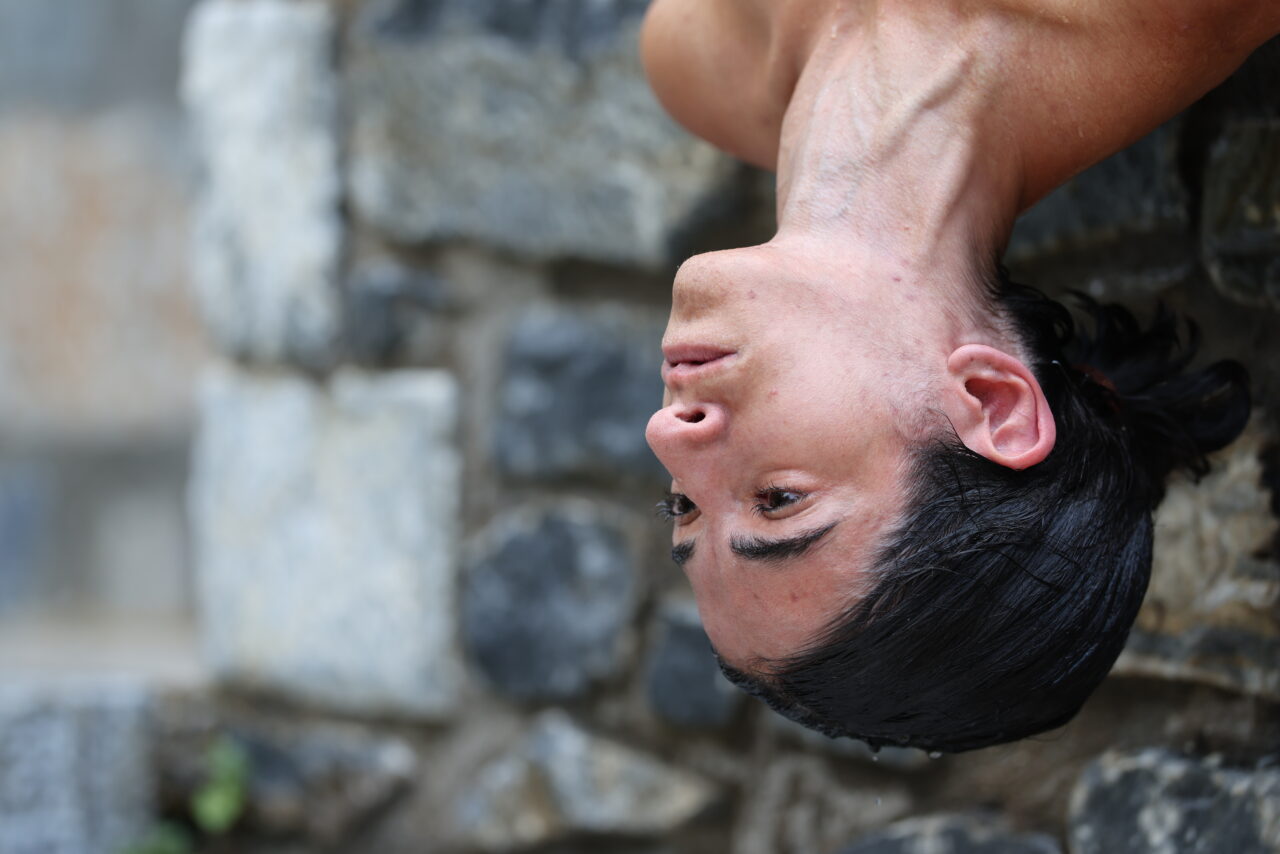
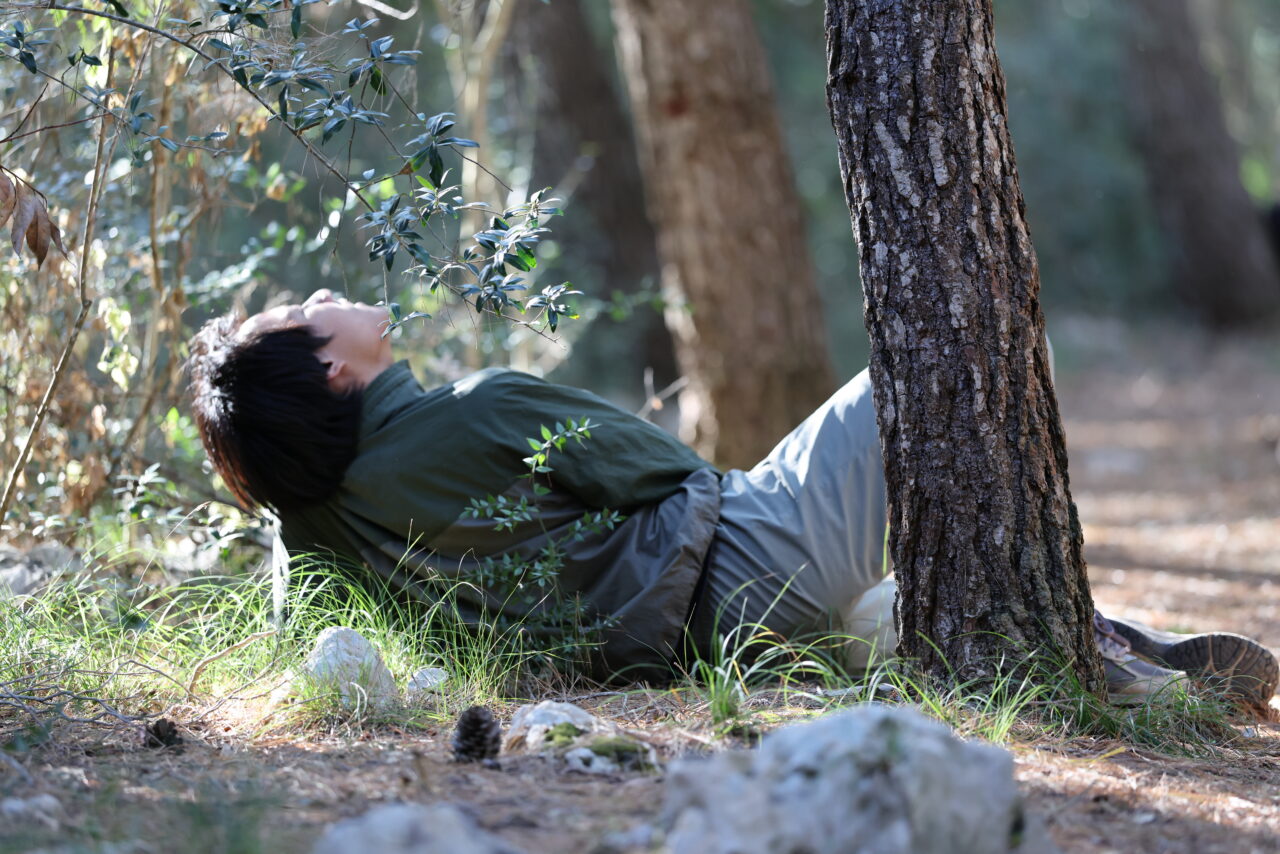
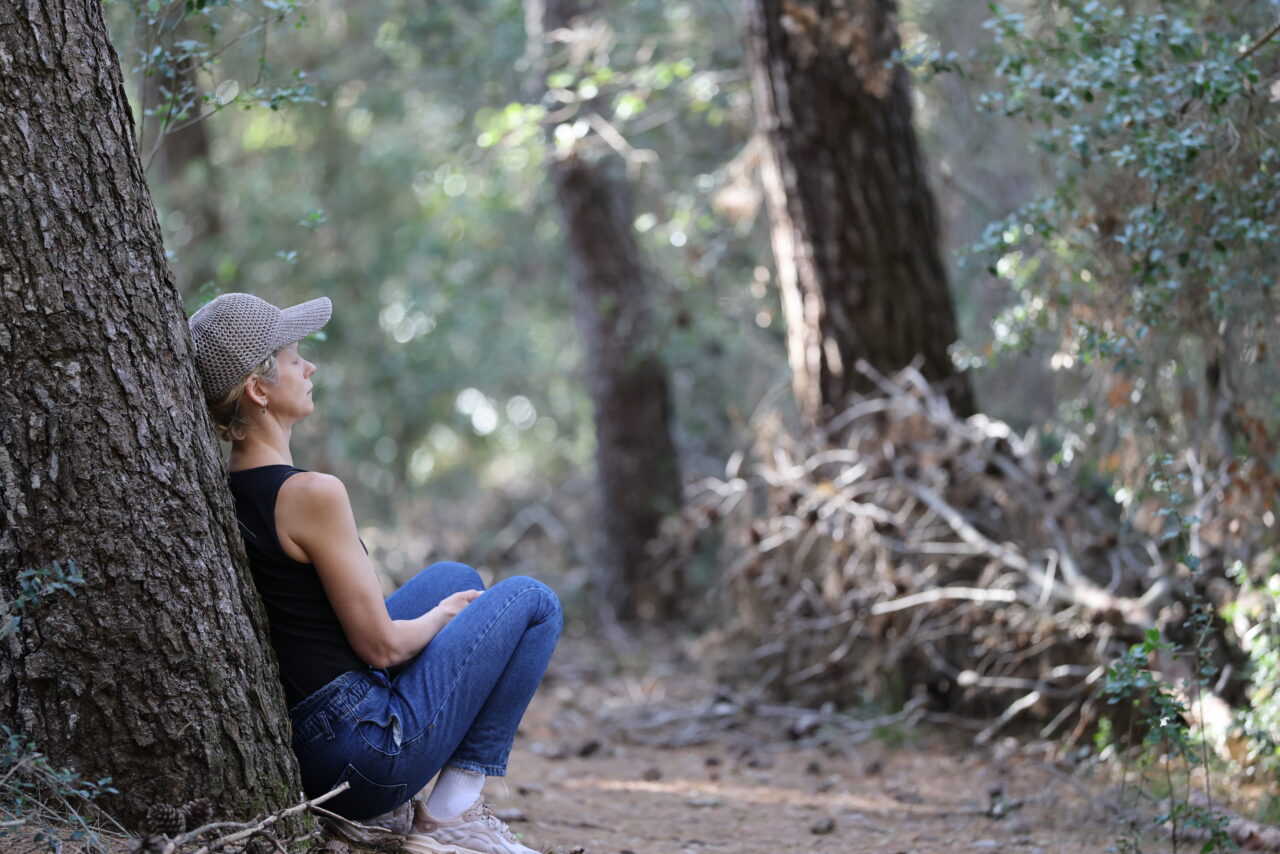
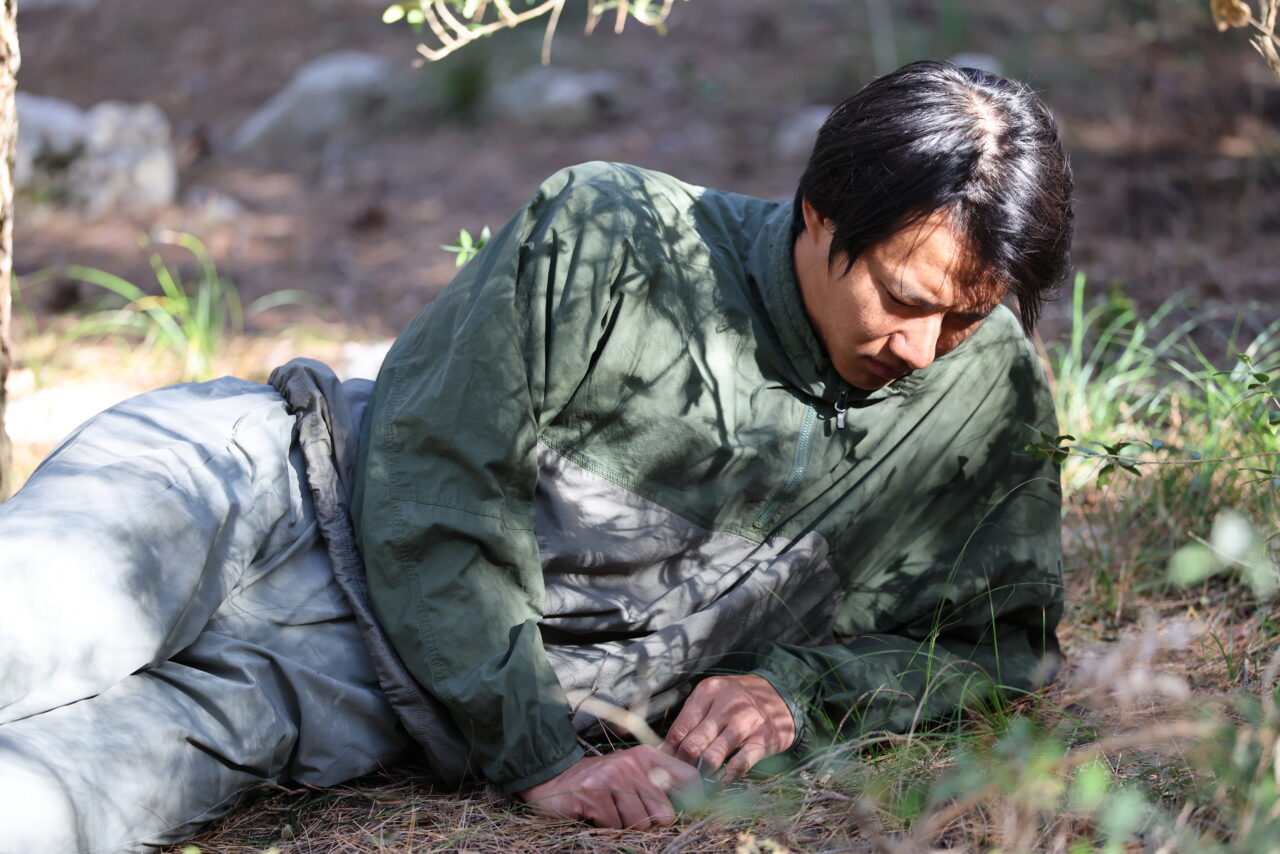
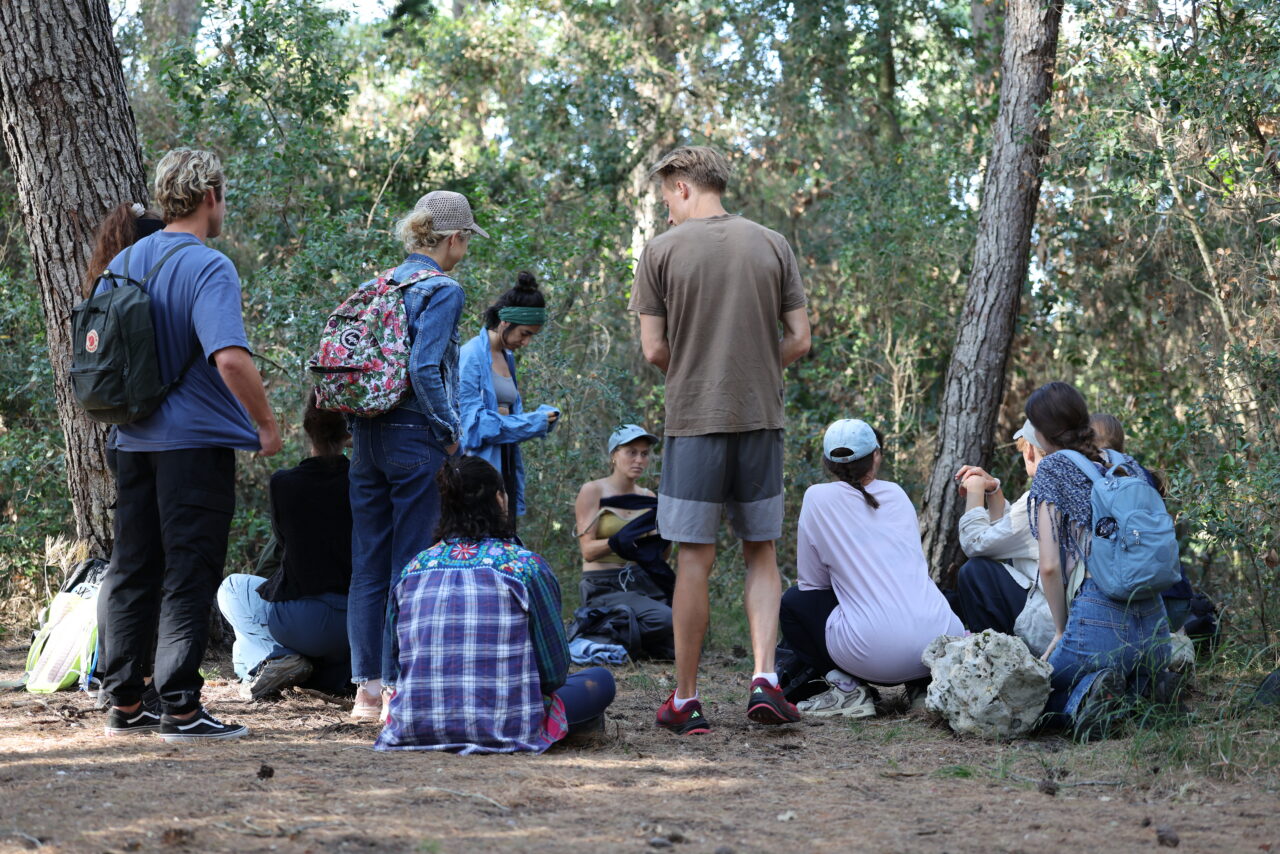
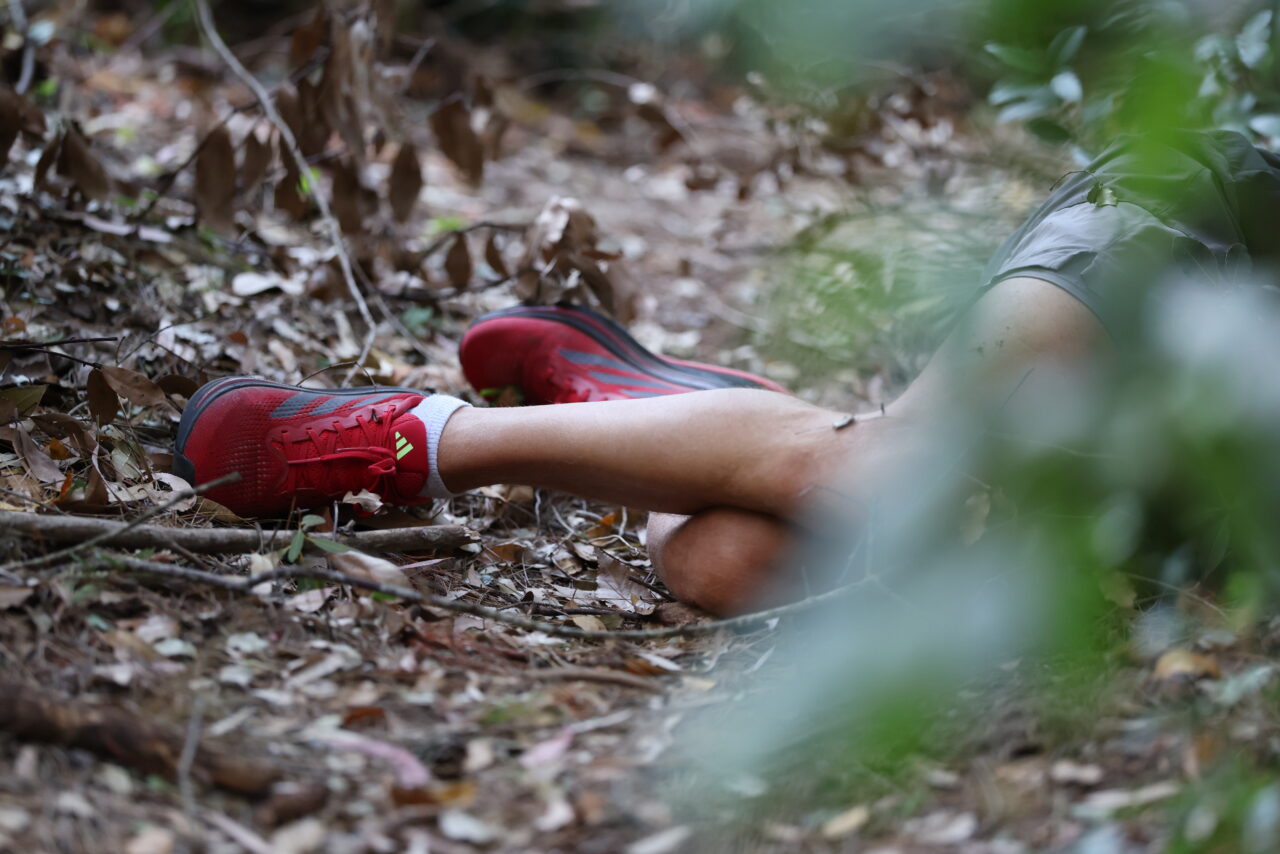
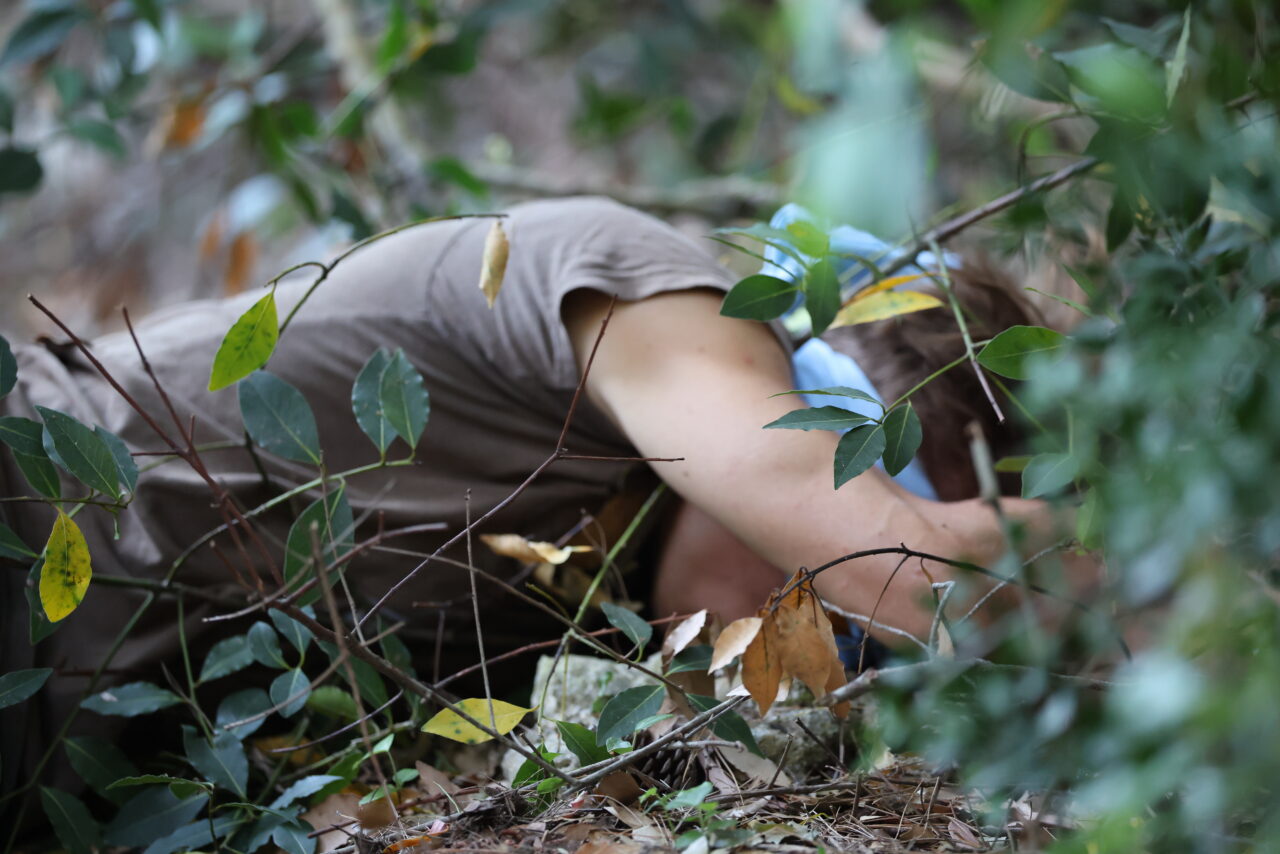
The last four weeks, from 10 August to 6 September, were spent at the Marina Abramović Institute’s Education Centre in Karyes, in the mountains of Laconia. The residency opened with Cleaning the House, the Institute’s foundational workshop: five days of slow-motion walking, held gazes and rice separated from lentils grain by grain, on an empty stomach and in silence. Abramović developed the exercises over forty years of teaching, as preparation for long durational performance, and at Karyes they were led by Paula Garcia and Billy Zhao, with the Institute’s director Thanos Argyropoulos. Every place before this one had asked the cohort to make something. Karyes asked them to stop.
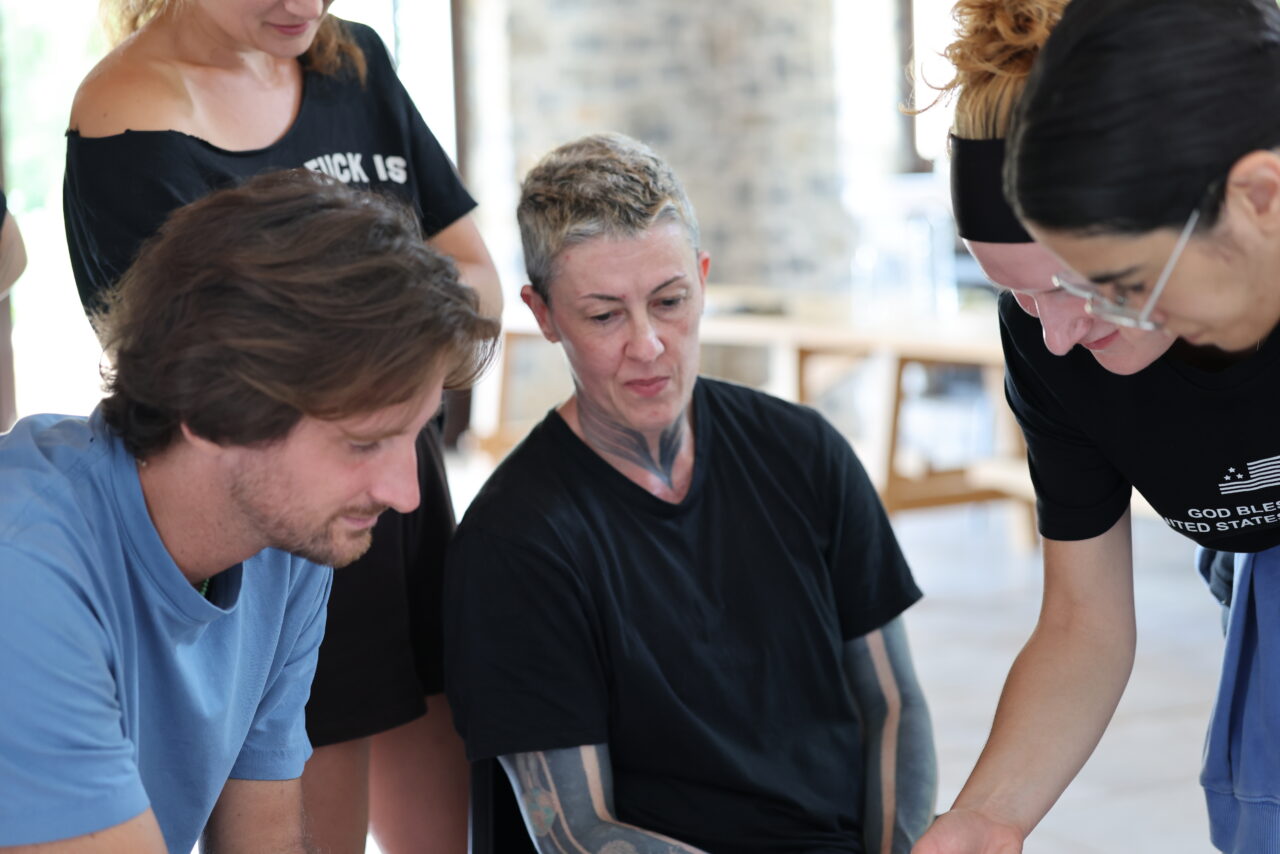
In the second week the students wrote protocols, the rules a performer fixes before beginning and then obeys for the whole duration of a work. In the third they performed them, each work twice, first for three hours and then for six, with no titles and no audience beyond the cohort and the three artists leading the residency. Marina Abramović joined by video from Germany, where she was opening Balkan Erotic Epic at the Ruhrtriennale.
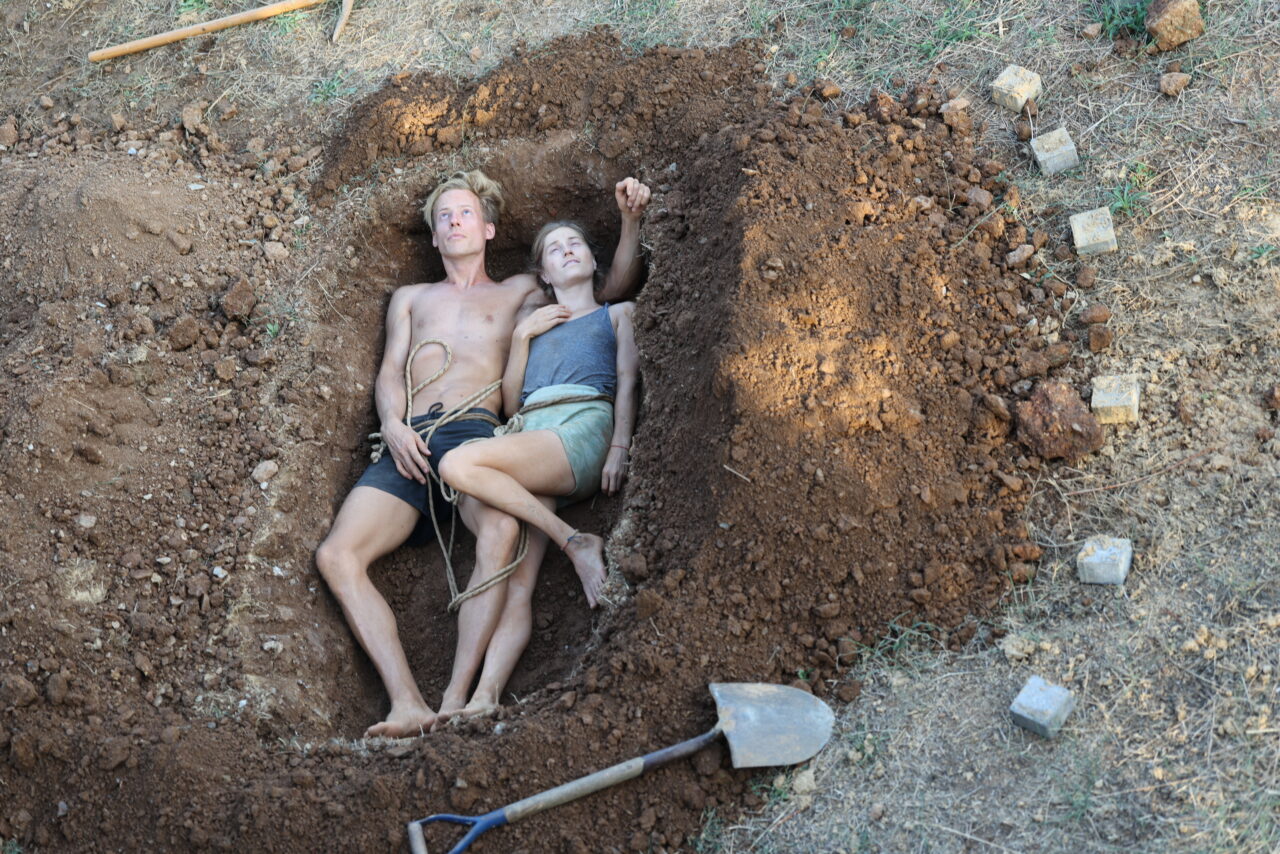
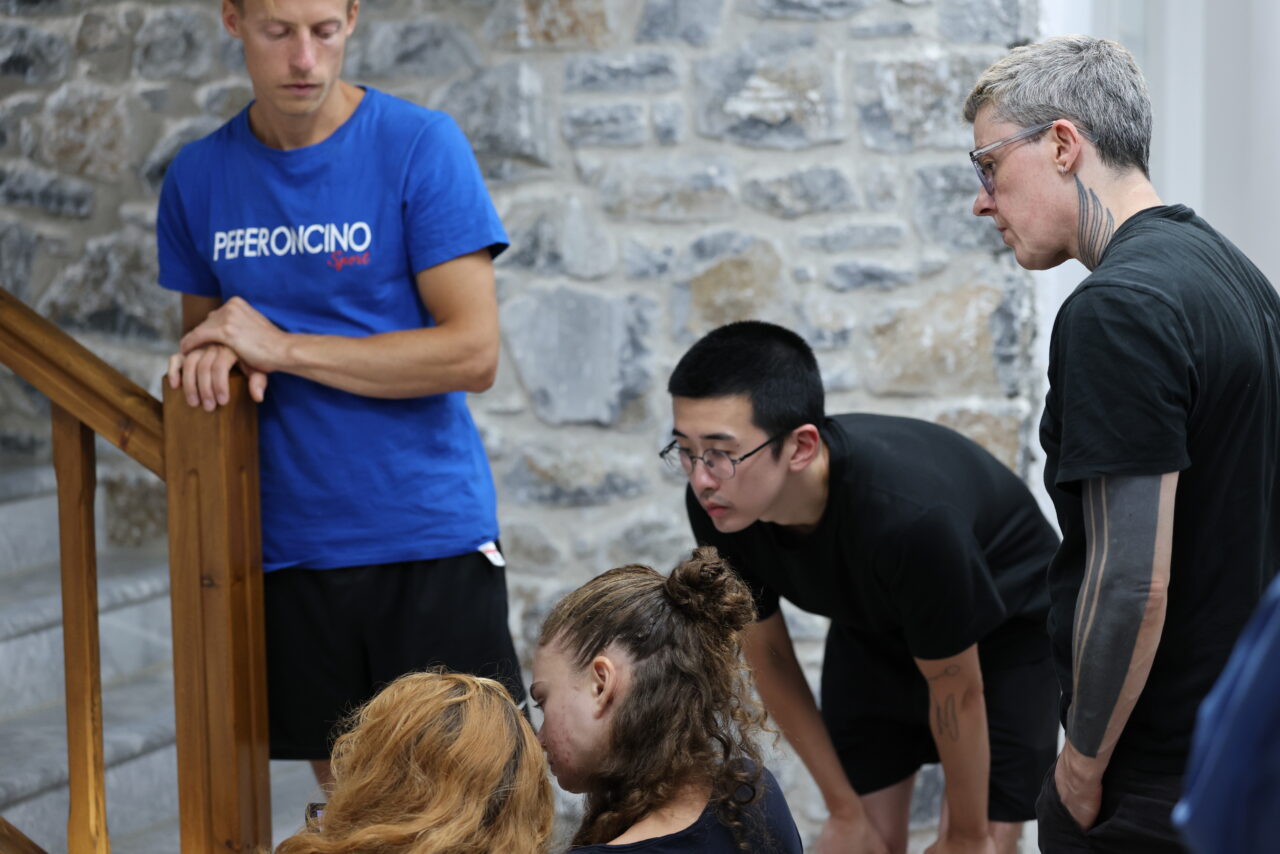
Two other days from those weeks are worth recording. On one, each of them stood up and presented their own practice to the others. On another they spent the evening in front of Abramović’s teaching archive, which is ordered not by artist or period but by body part. Feet, chest, hands, stomach, eyes, body limits. Pina Bausch filed under feet. Chris Burden’s Shoot under hands. Un Chien Andalou under eyes.
They also watched Marina Abramović Takes Over TV end to end, six hours across two nights, the evening Sky Arts handed her in December 2020 and which she used to explain performance art to whoever happened to have the television on that Saturday night. Performers from thirty-two countries. A large share of the running time given to artists in their twenties who had never reached an audience that size. And not one archival film of her own, on the principle that a curator does not begin with their own work. Sitting through all of it is a durational exercise in its own right.
Garcia used one of the afternoons to make an argument the cohort will be living inside for the next year. Refusing the production mindset is itself a political position. Not being a factory. Not owing the world a work a year. And the balance of power between artists and the institutions that show them will not move on its own. It moves when artists make the projects and bring the institutions towards them, instead of waiting to be seen.
The last week pointed home
The fourth week at Karyes turned from the Institute’s work towards everything waiting in Tallinn, and it carried the most consequential work of the whole summer.
Each student presented their Artistic Development Viva, the conversation in which an artist sets out where their practice has arrived and why. For this cohort it concluded three semesters of study. Doing it there was not an accident of scheduling. A viva asks a performer to account for their own development, and they were asked to do so having just spent a fortnight finding out what they do when there is nothing left to perform.
They also finalised the draft proposals for their written research papers, and began planning the master’s projects that will premiere at CPPM Manifestal, the programme’s festival in Tallinn, in spring 2027. So the four months did not end with a summary. They ended with fourteen people deciding what they are going to make.
What the CPPM traineeship is for
Four months is a long time to have students out of their own building, and it is a fair question why a programme would do it. The answer is the conviction the CPPM traineeship is built on: performance makers are formed in real working contexts, not simulated ones.
A studio exercise can rehearse a problem. It cannot supply an actual town with actual opinions. It cannot supply a public that did not choose to be an audience, or a room of strangers whose working language is not yours, or a month in which the discipline holds or it does not. On a traineeship like this, unfamiliar places and sustained collaboration are not the setting for the curriculum. They are the curriculum.
And things were made. Six audio walks through the Biennale that are still walkable. A body of site work that a town became part of. A set of durational works in the mountains, held for six hours each, with no audience but the room. None of it could have been made in a studio in Tallinn.
Count the practices the cohort met in those four months and the other half of the argument appears. A residency whose method is contact with a town. A butoh-descended practice that treats stone and water as teachers. An immersive company that composes the audience before it composes anything else. A visual theatre that trusts action to arrive before meaning. A documentary dramaturgy that makes the spectator do some of the work. A laboratory that unlearns a performer’s habits. And an institute that keeps only duration and asks what survives it. These practices do not agree with each other, and CPPM does not ask them to.
Everything arrives at CPPM Manifestal.
The studio in Tallinn that waits for them will feel considerably smaller than it did in May. The cohort now has one academic year left, and sixteen projects are already in motion, one per artist. The written research and the final works run alongside each other through the year, and both arrive in public at CPPM Manifestal in the spring.
CPPM Manifestal is the programme’s own festival, staged every couple of years for a single purpose: to give each graduating artist a professional stage for a work that is entirely their own. Every piece is the artist’s, in the form the artist chose. Across two editions the works have ranged from one-to-one encounters to ensemble spectacles with casts of thirty, from promenade and immersive theatre to city-wide audio walks, and the festival has spilled out of the theatre and into the city. Black boxes and professional stages, yes, but an ash mountain, castle ruins, a river valley, a boiler house and a garage cooperative have all been venues for a few nights. The second edition, in 2024, ran for three months: fourteen final productions by artists from eleven countries, more than sixty performances, and a public talk with the makers after every premiere. The third, in spring 2027, will be the largest yet: sixteen works, one per artist, and after this summer it would be a surprise if any two of them wanted the same room.
Manifestal is where the work starts travelling. Pieces made there have gone on to tour, and performers who first appeared in a Manifestal production have later found their way into the programme as students. It also falls inside the admissions window, so anyone considering CPPM can watch the cohort ahead of them make and show original work before deciding to apply. The sixteen are the current CPPM cohort at the Estonian Academy of Music and Theatre.
The philosophy underneath all of it fits in a sentence. CPPM exists to empower each artist to find their own way, their own language and their own audience. The traineeship was that sentence walked, and Manifestal is where it will be seen.
guest weeks03Venice
audio walks04Athens
Physical Lab05Karyes
MAI06Four months
in Italy and Greece
Whatever they make this year began somewhere on that road.
Read more about the CPPM programme →
Gallery
photos Jüri Nael


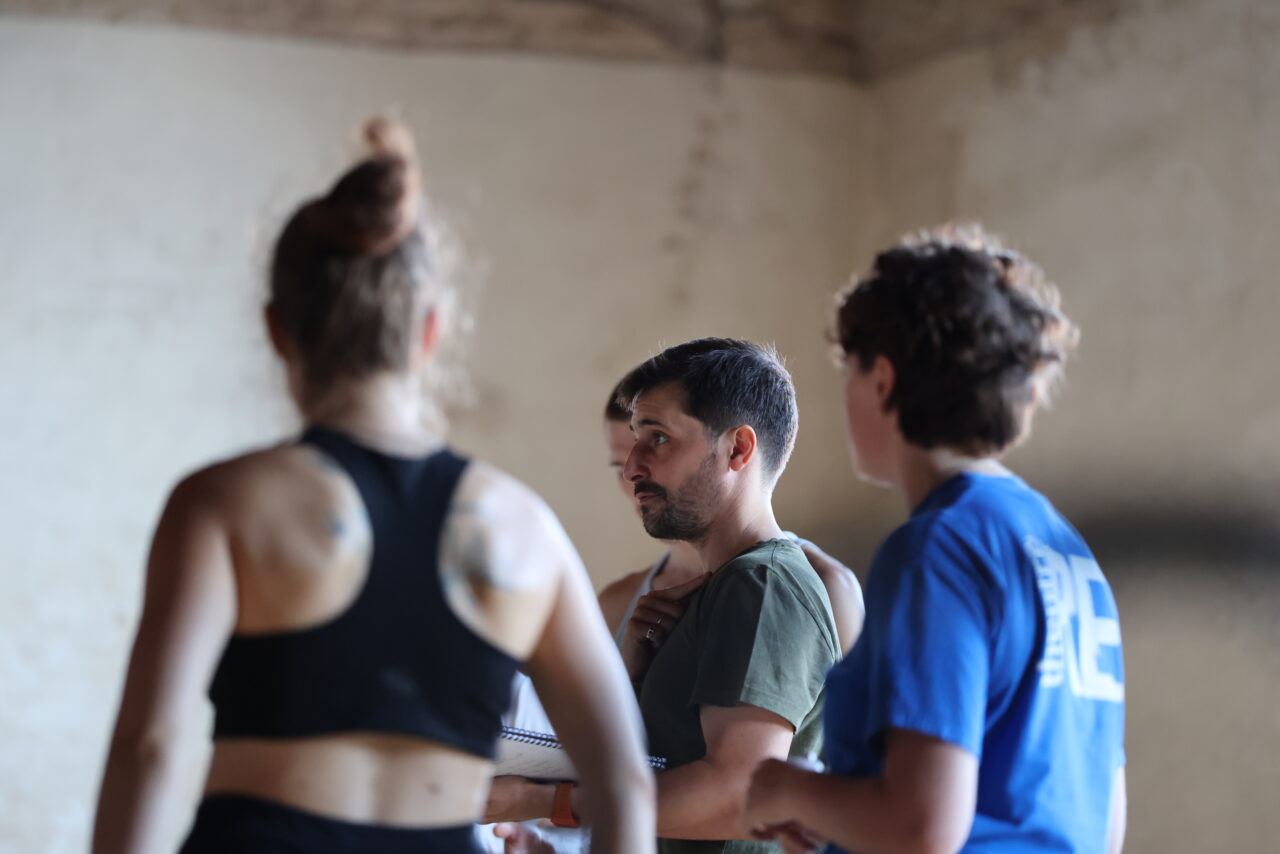
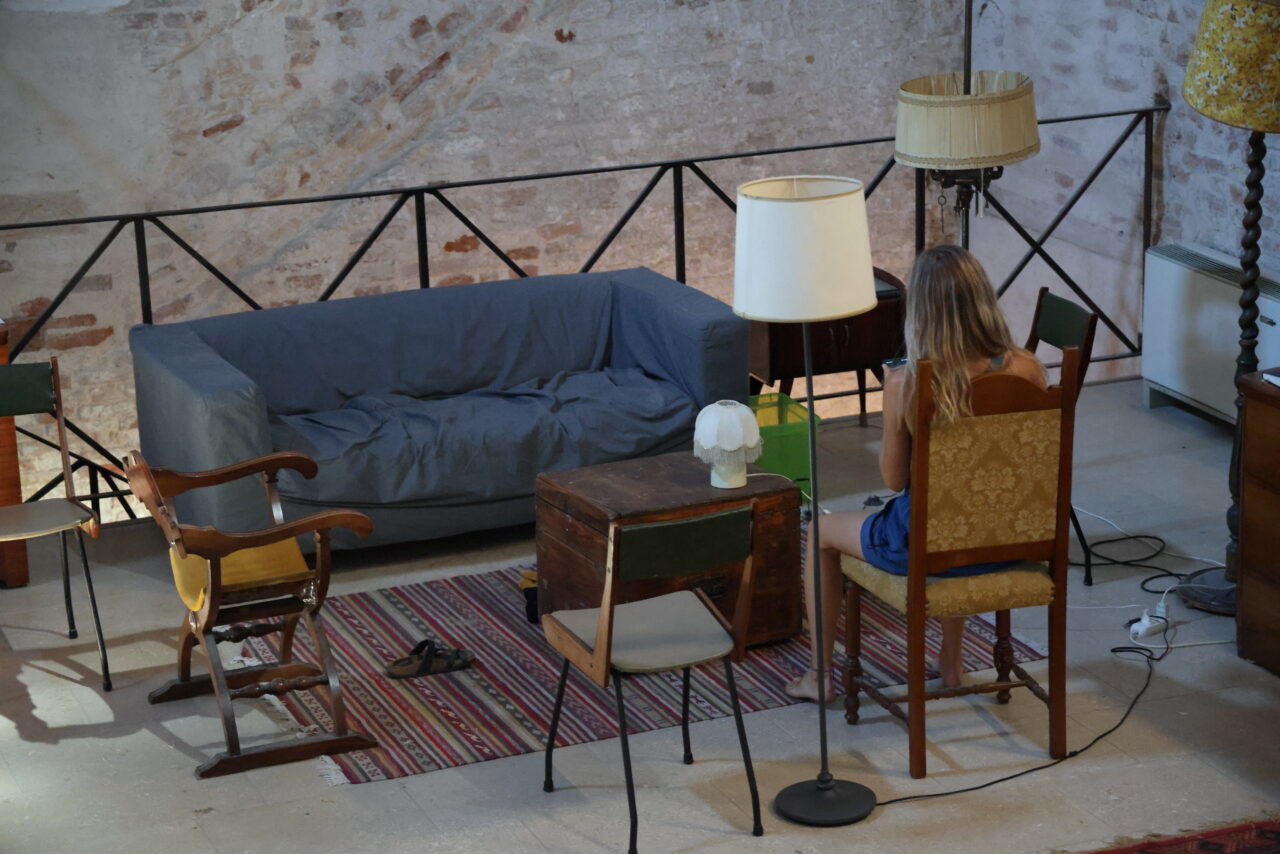
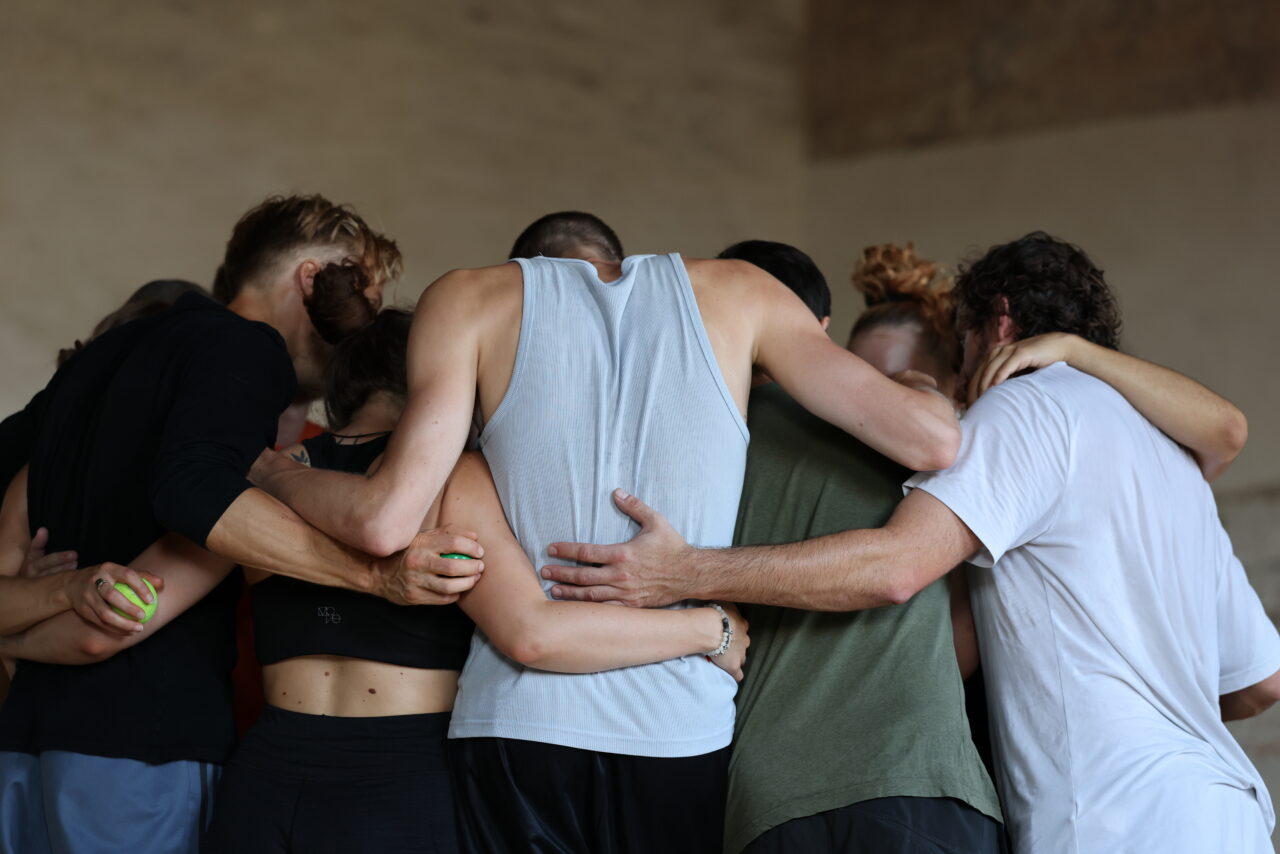
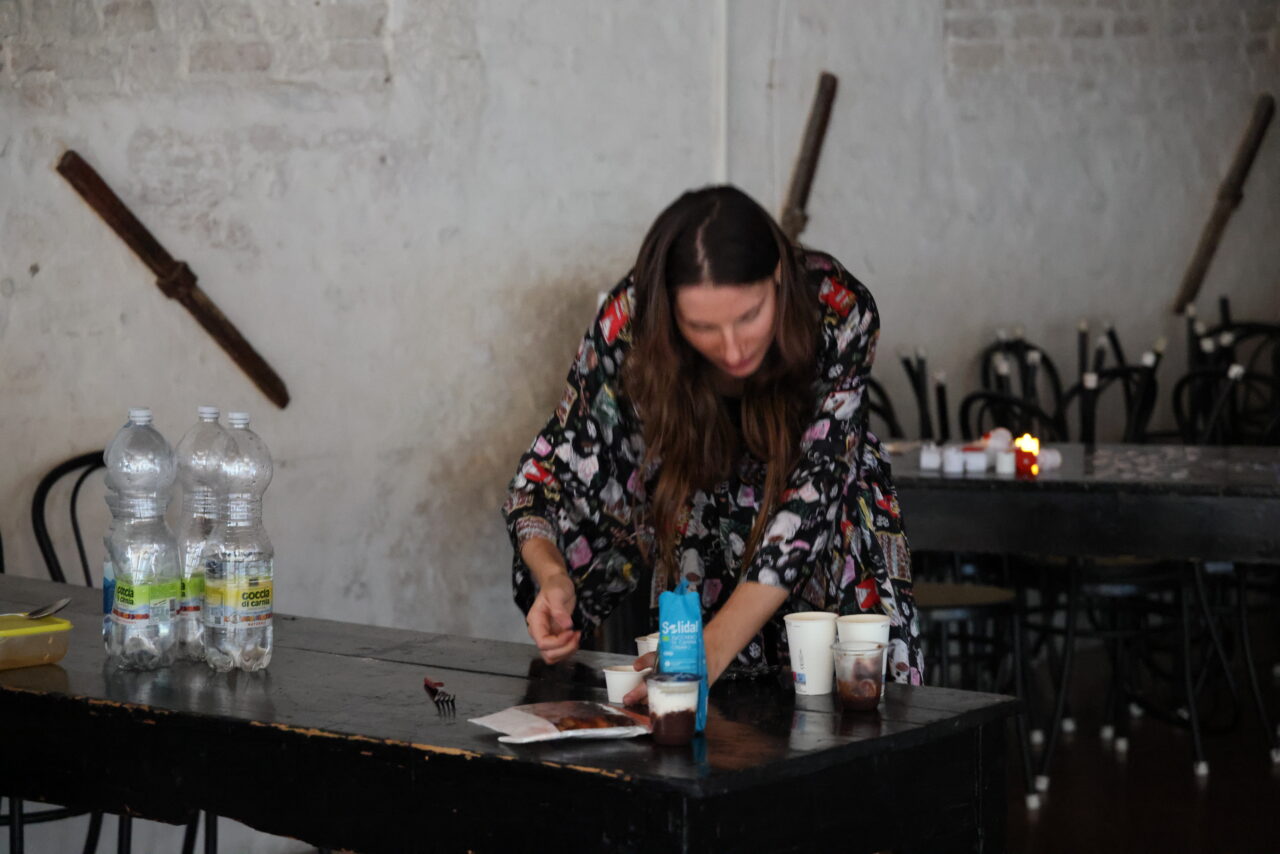
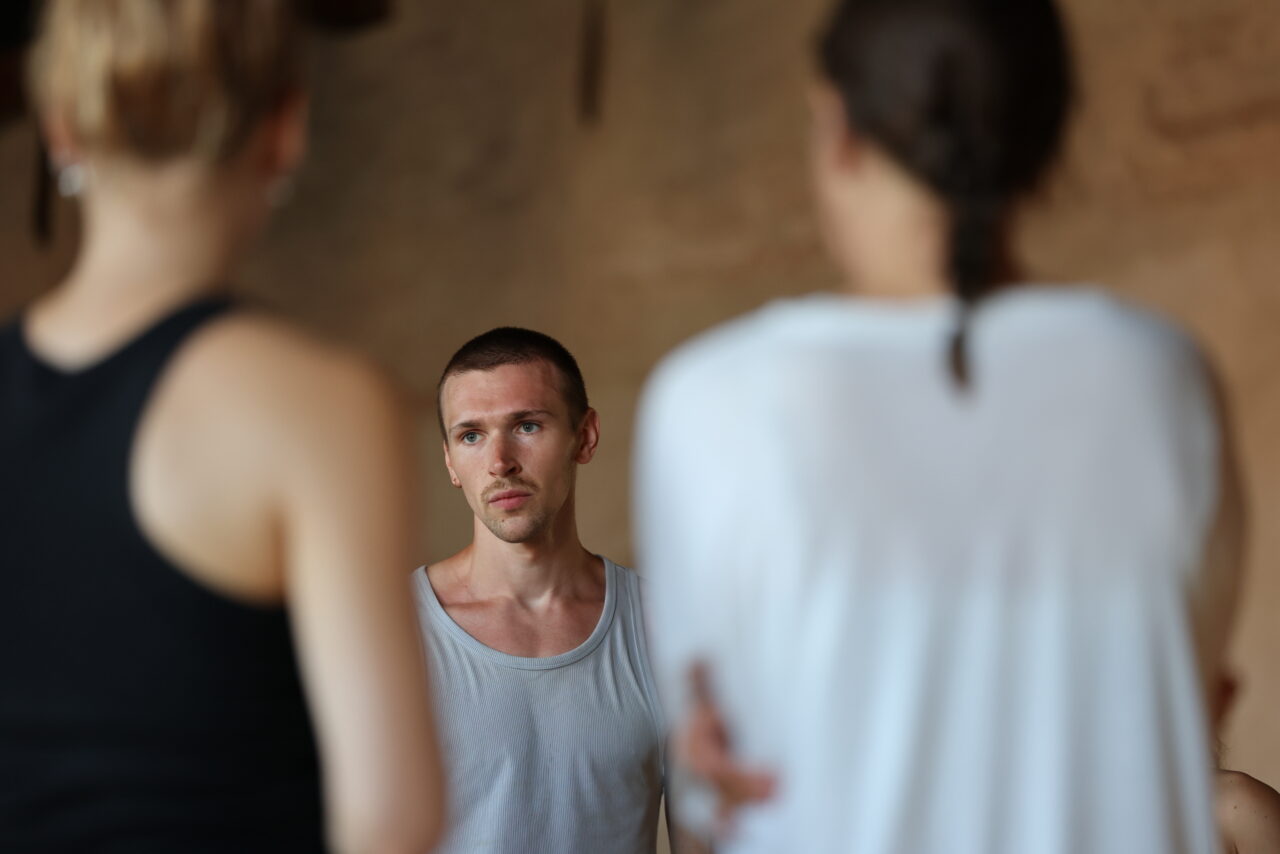
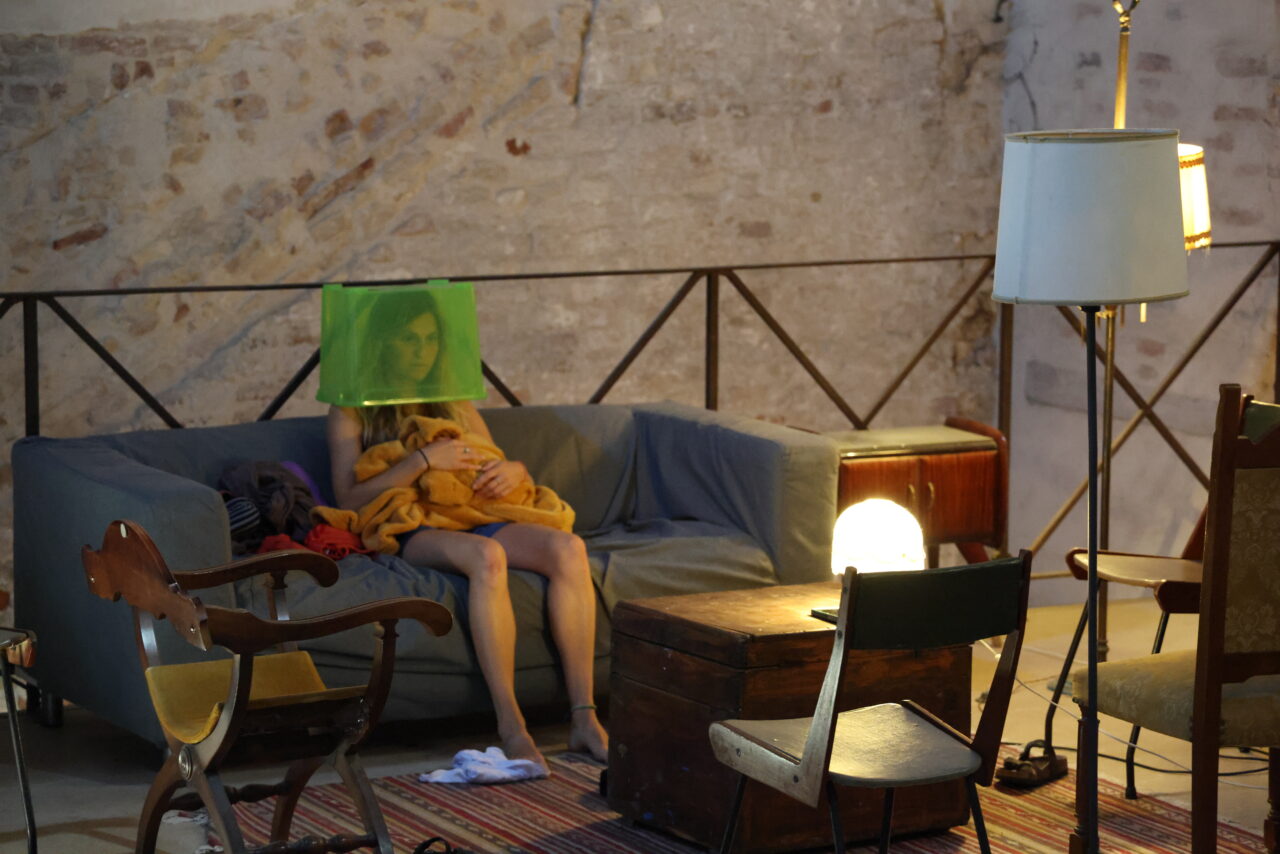
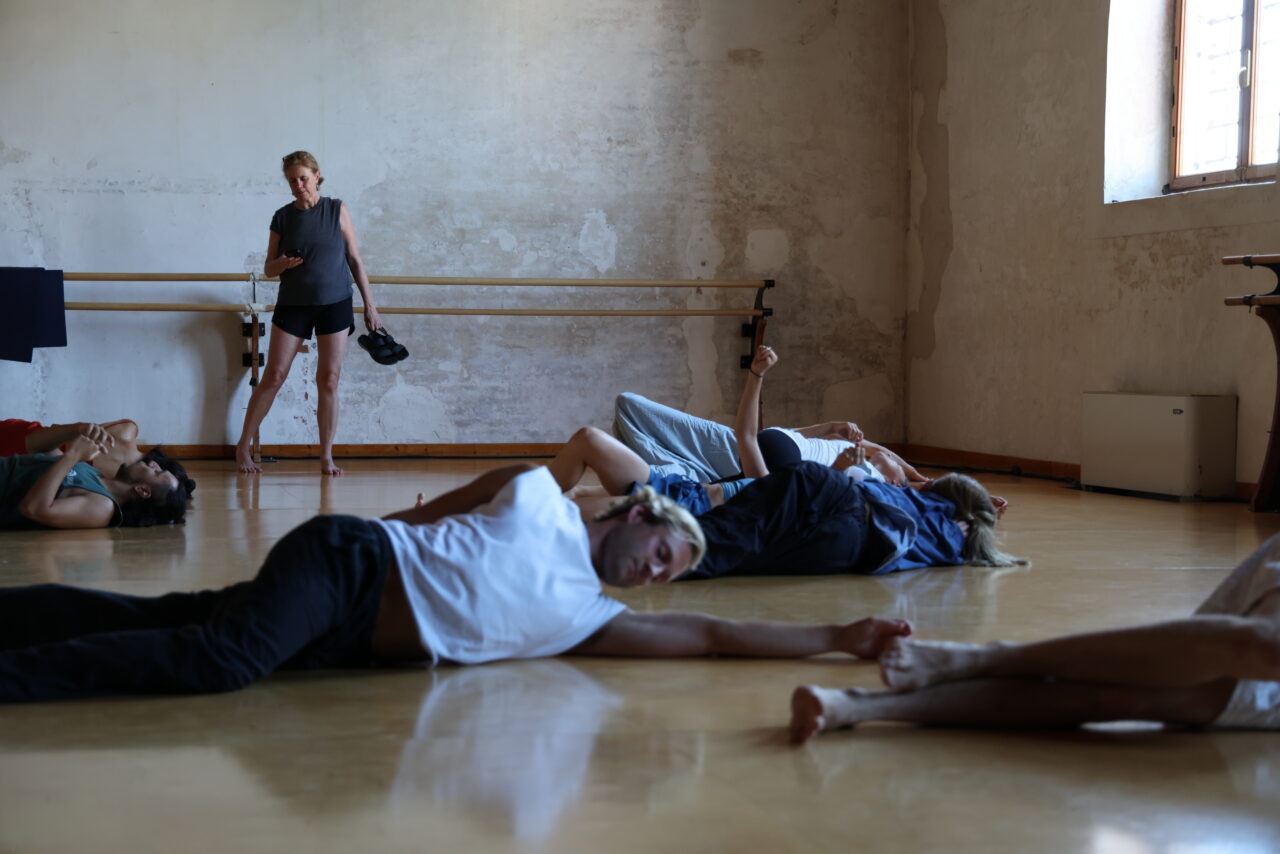
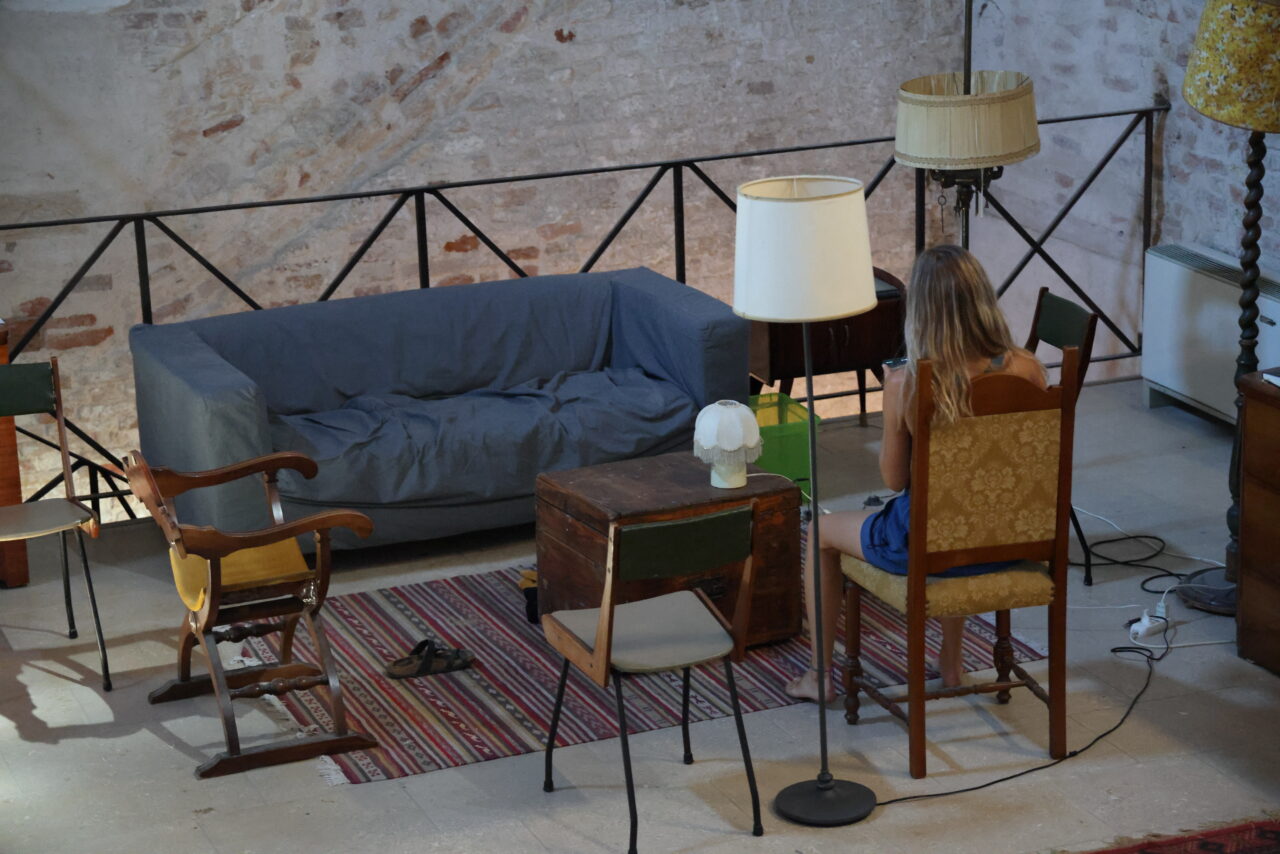
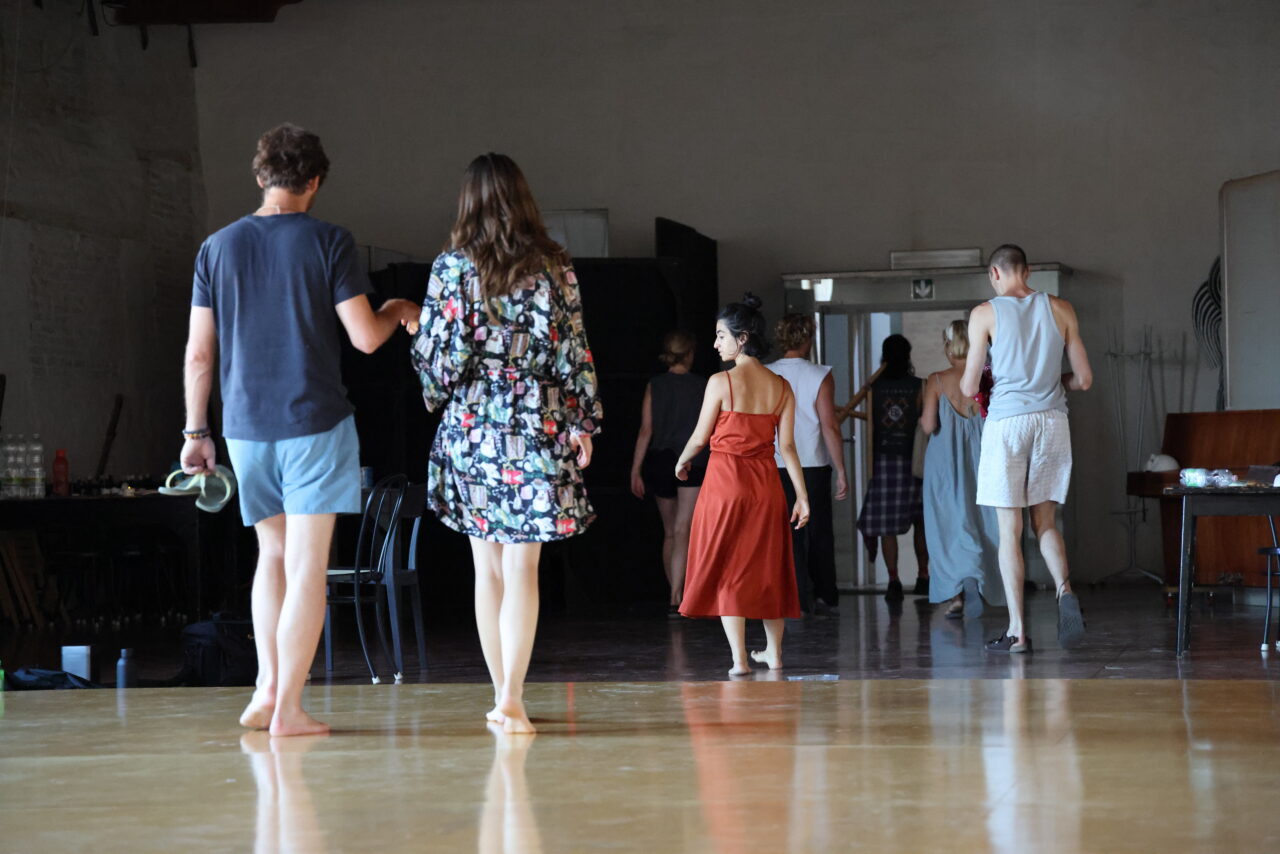
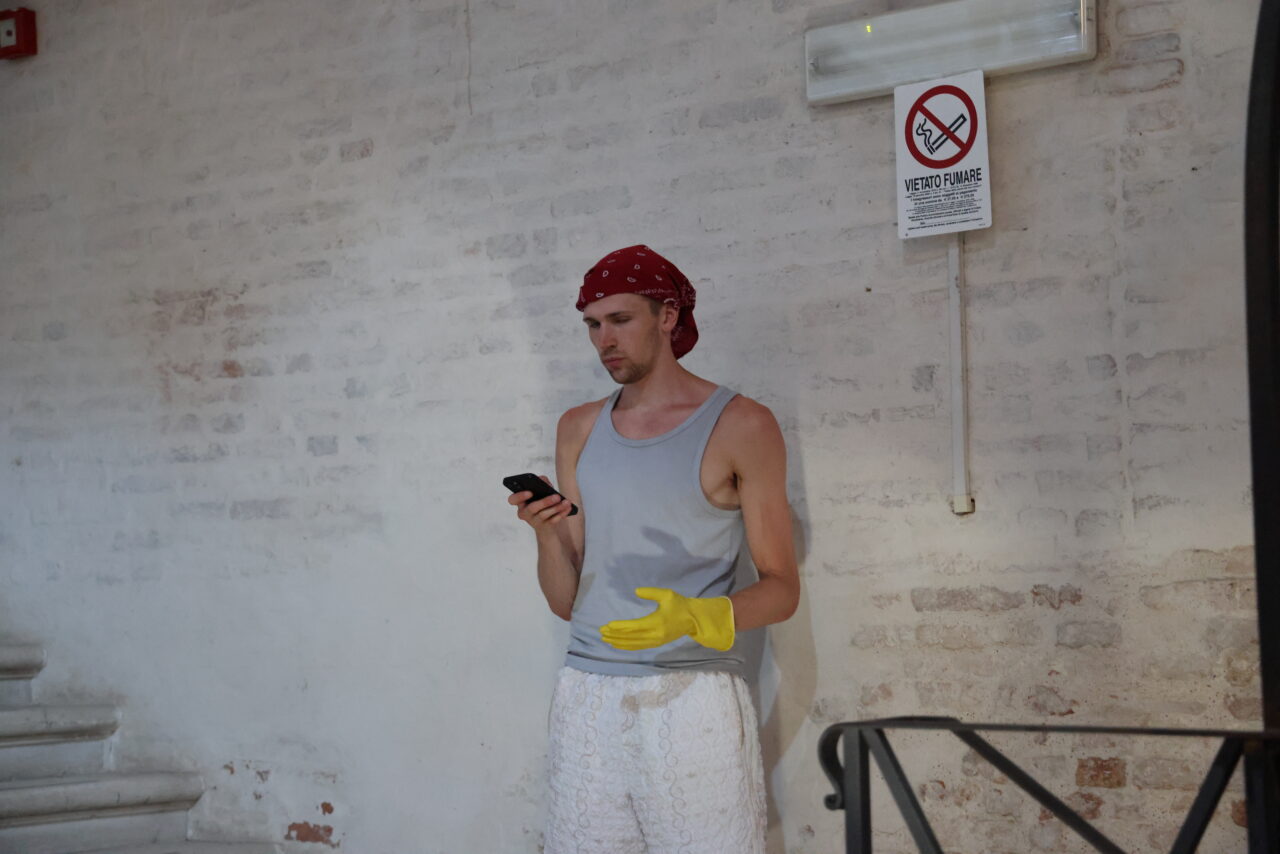
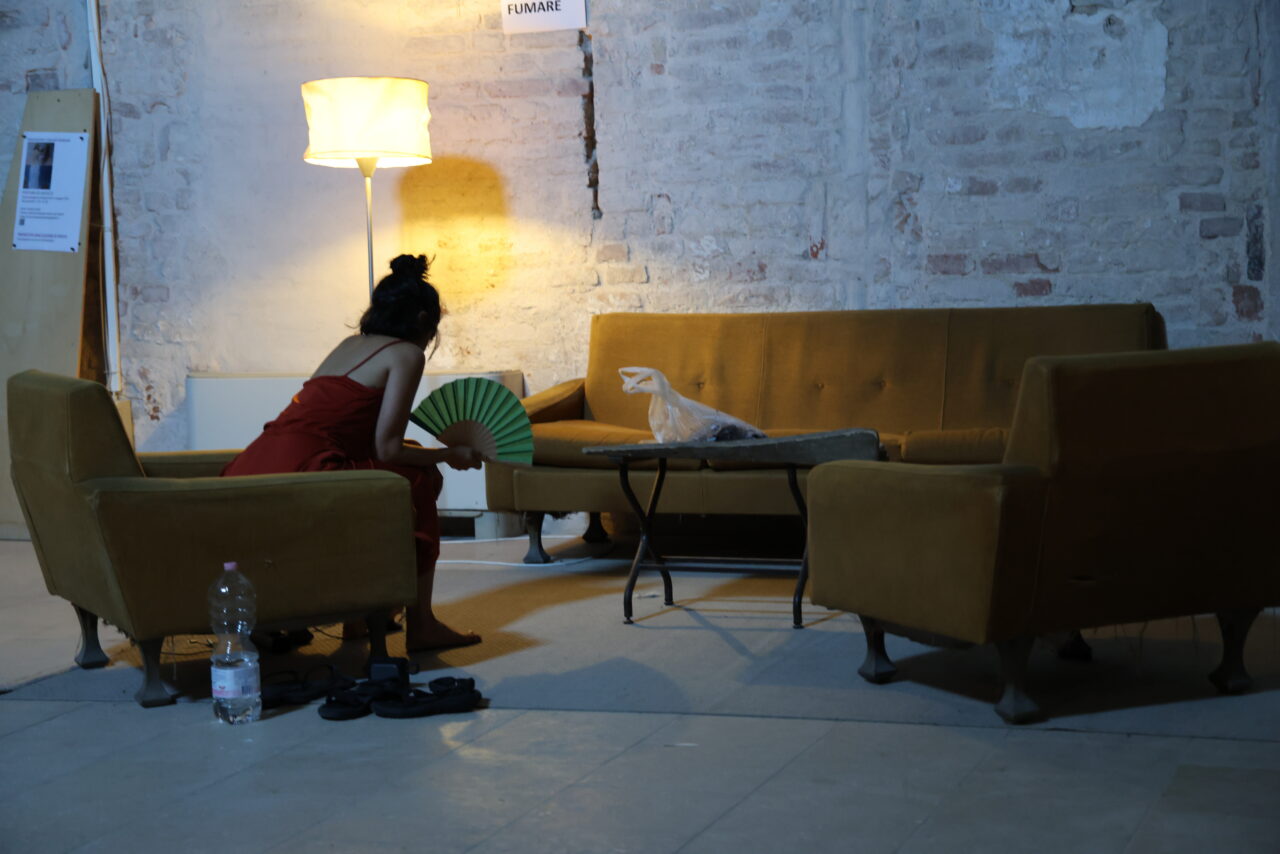
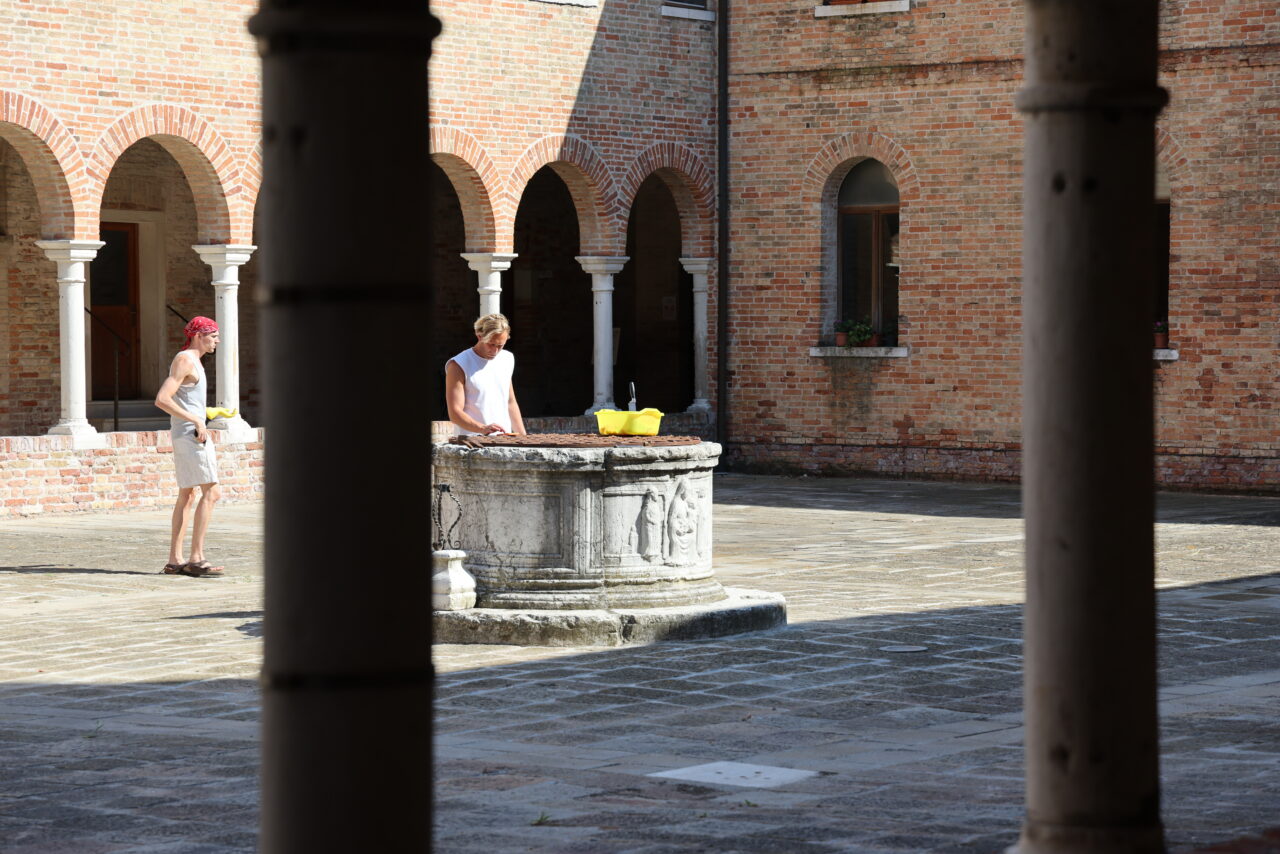
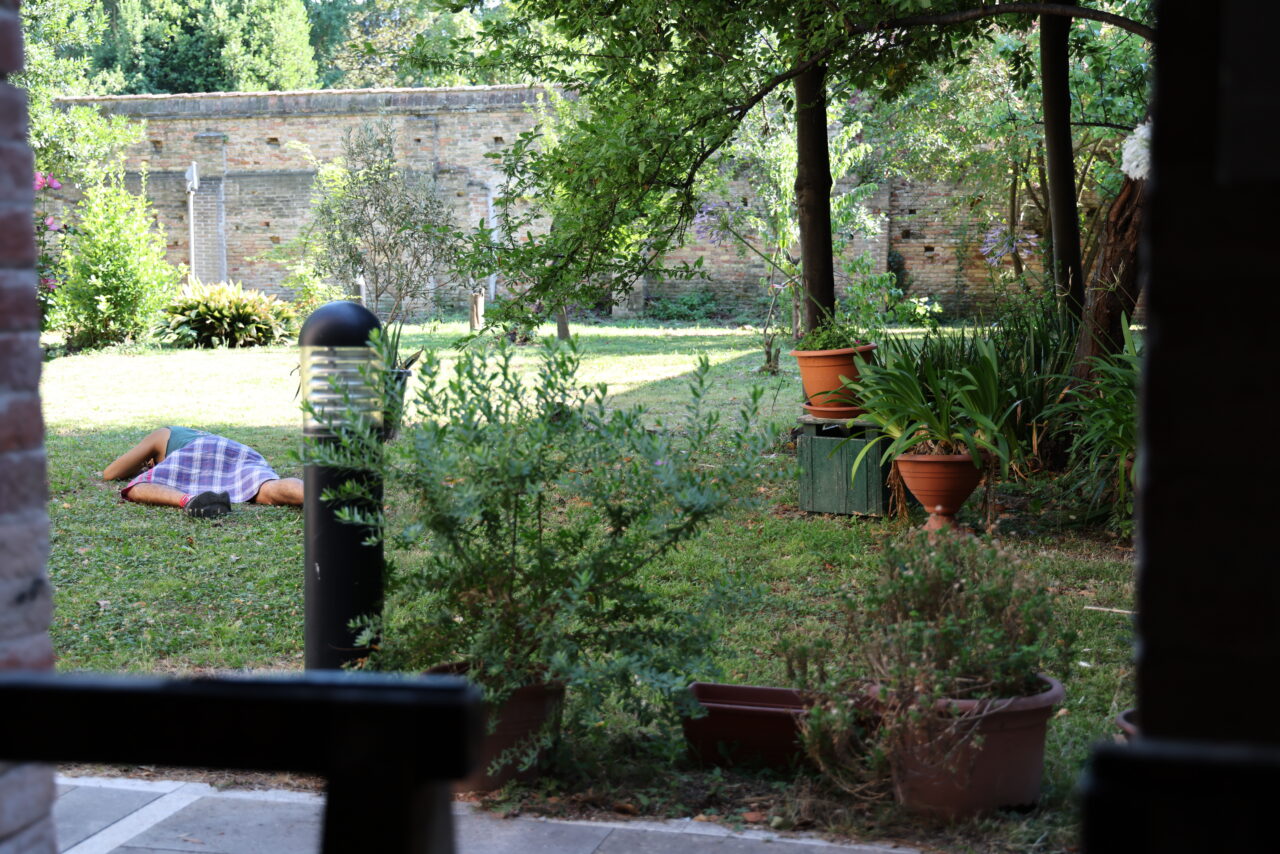
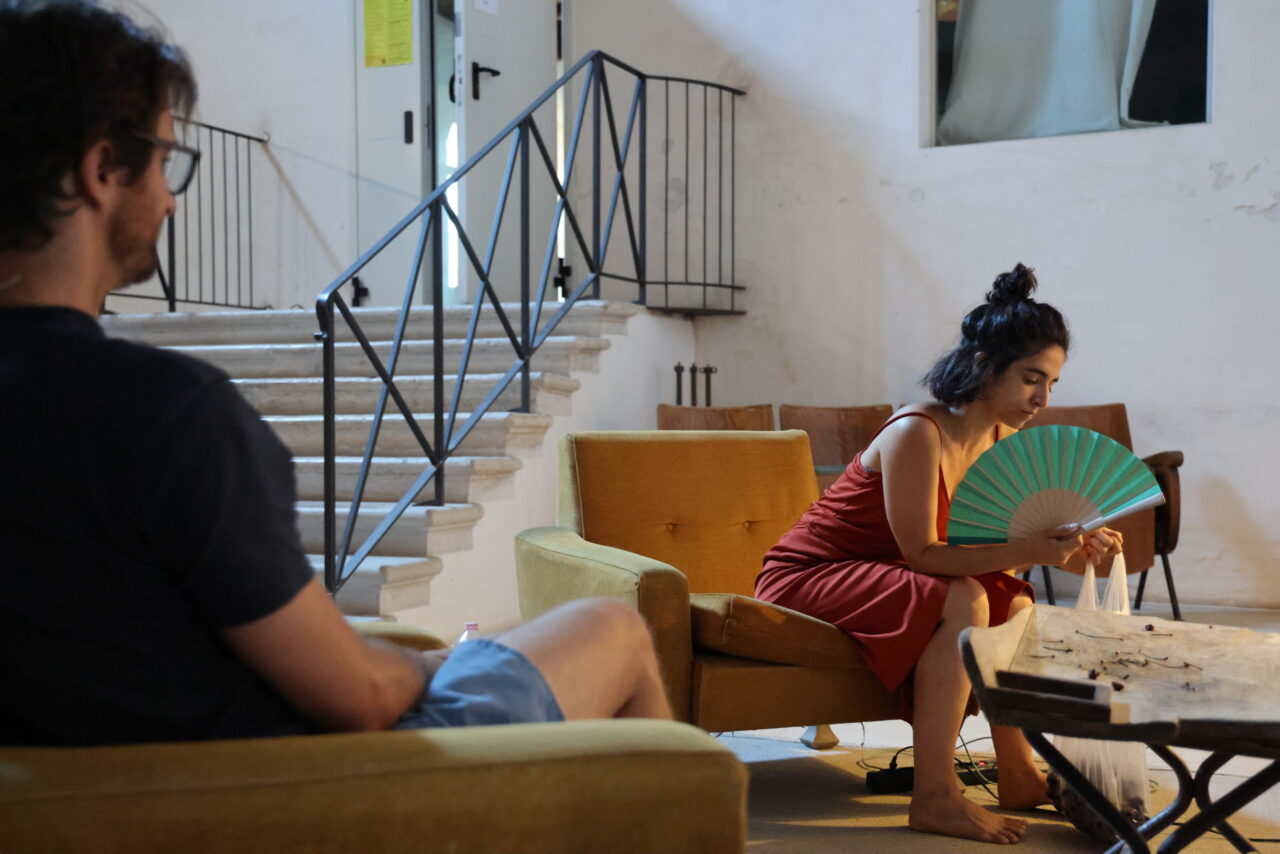
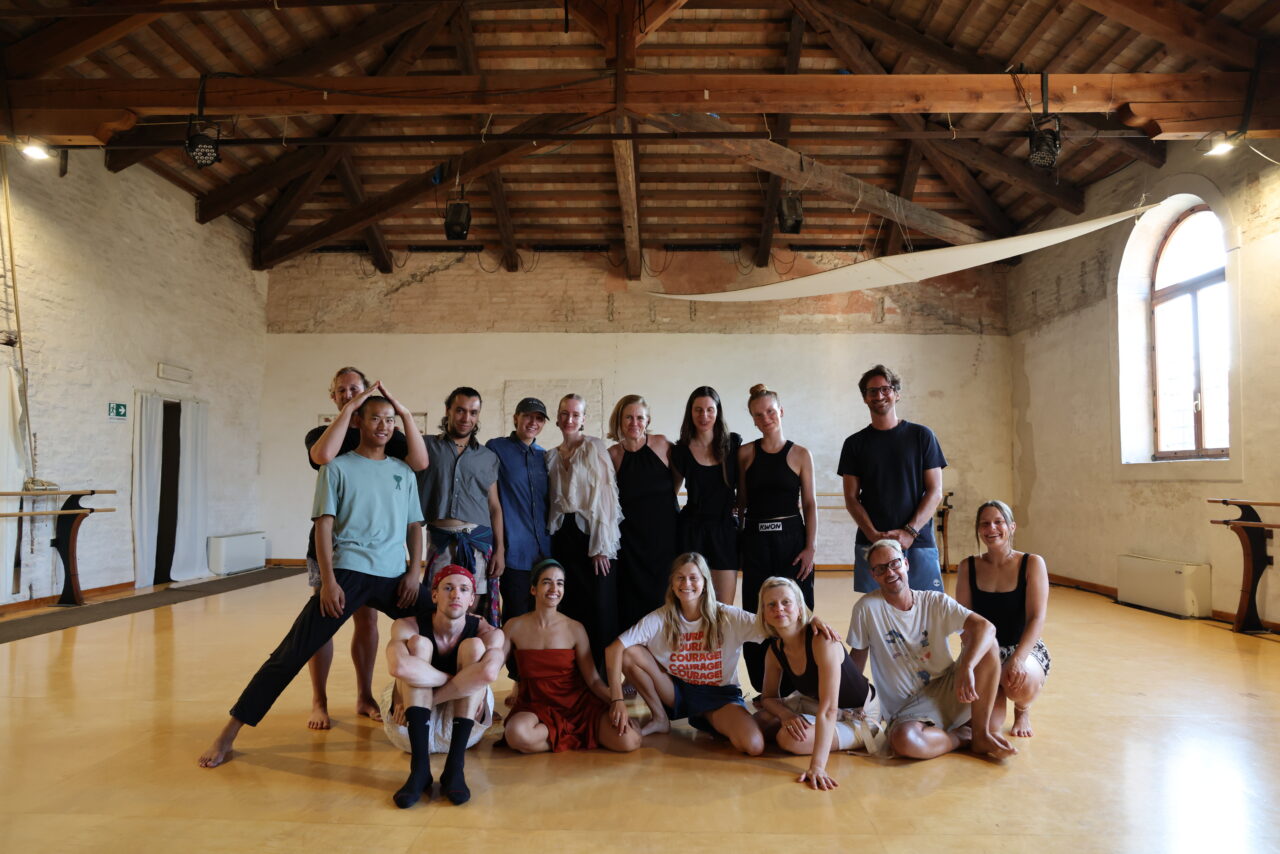
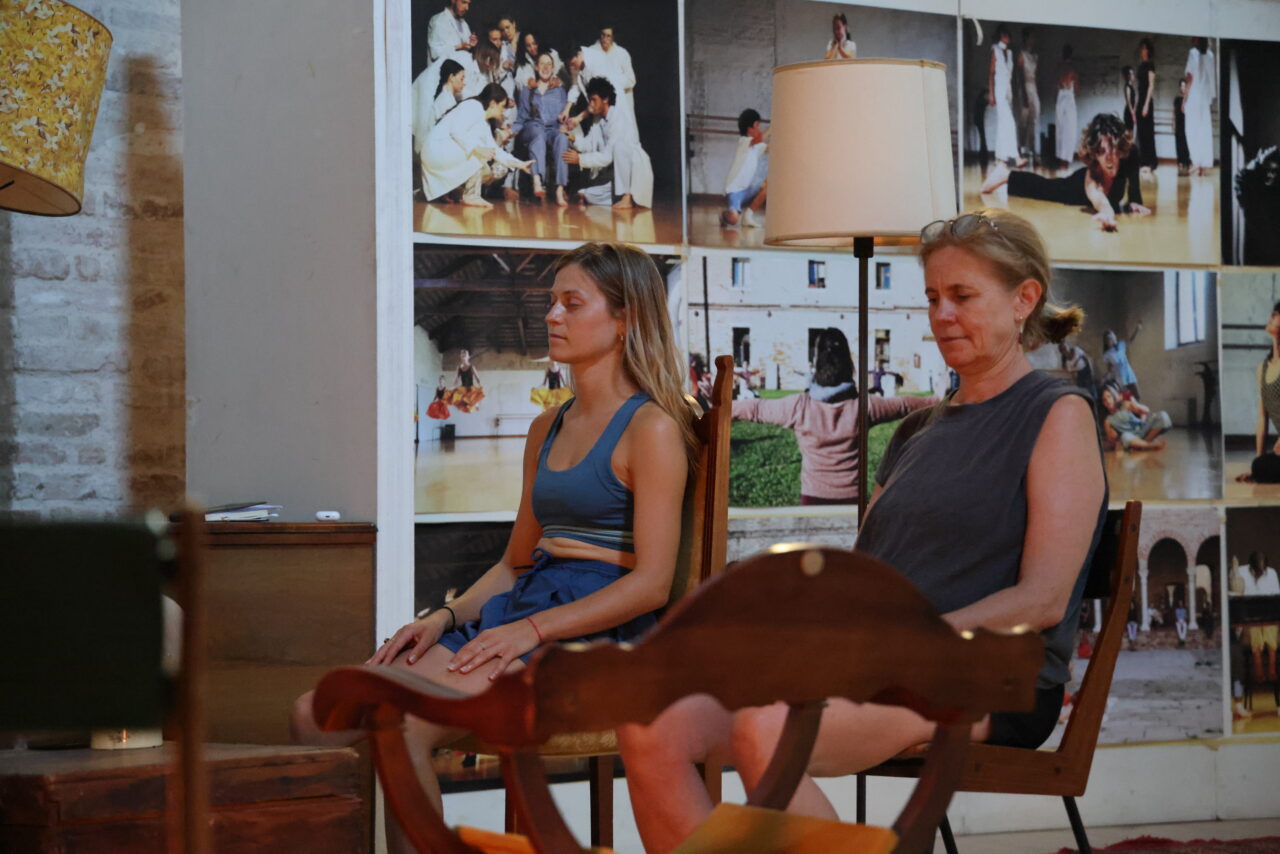
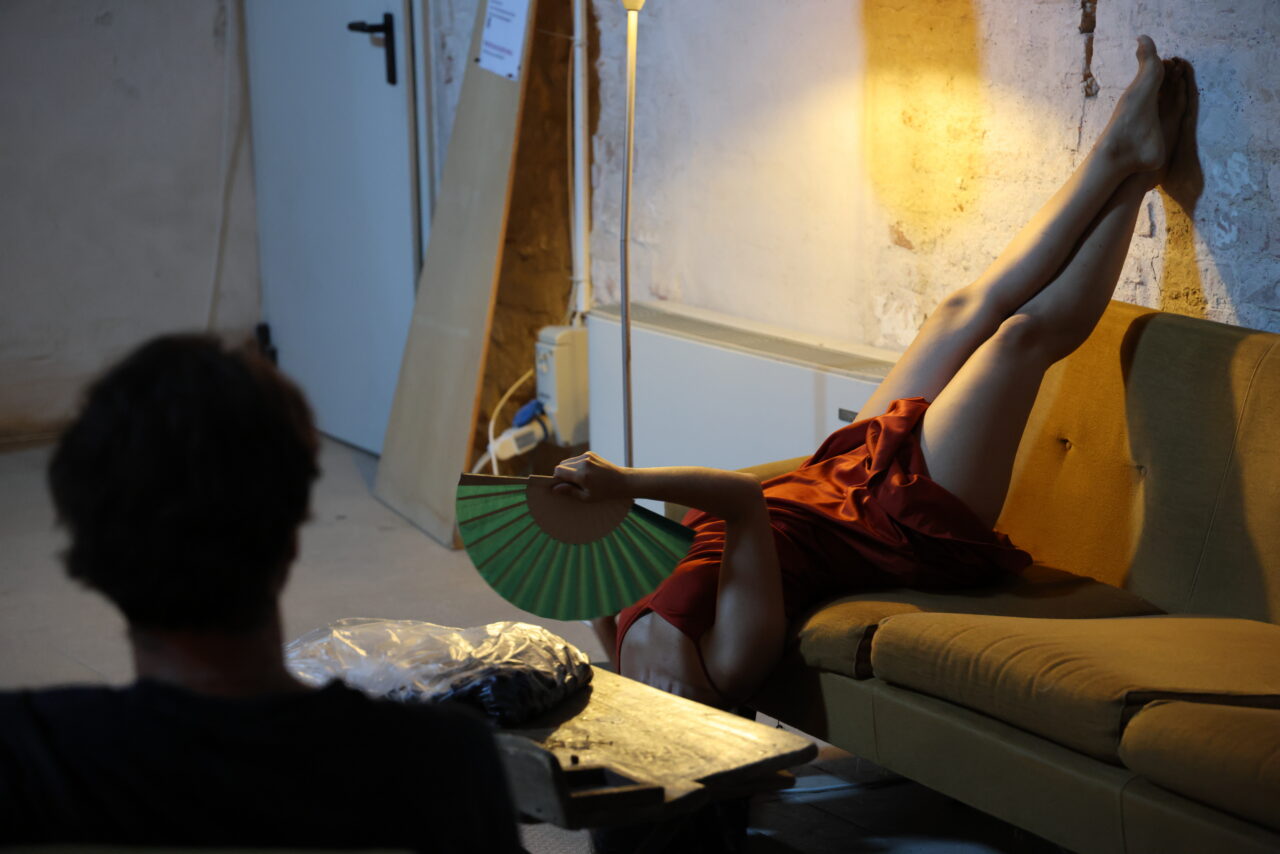
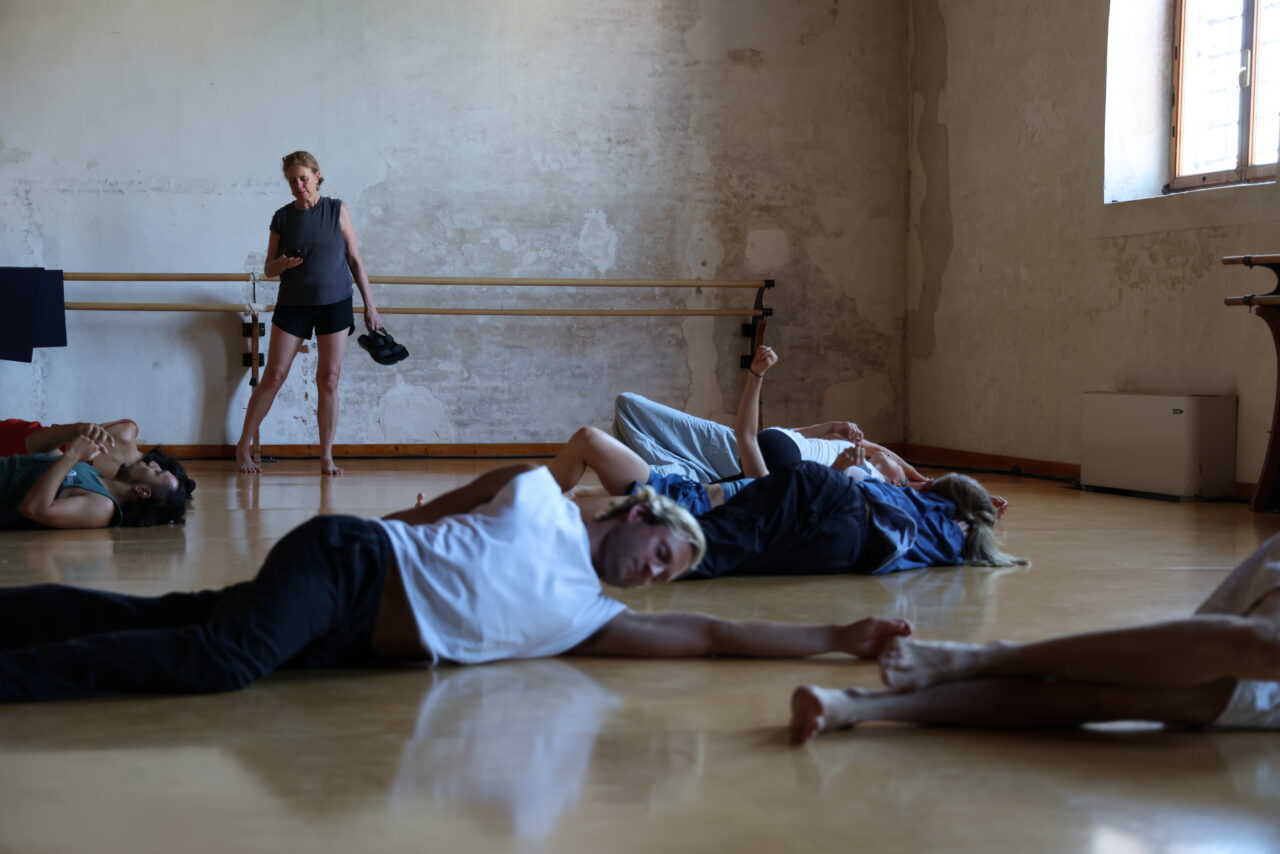
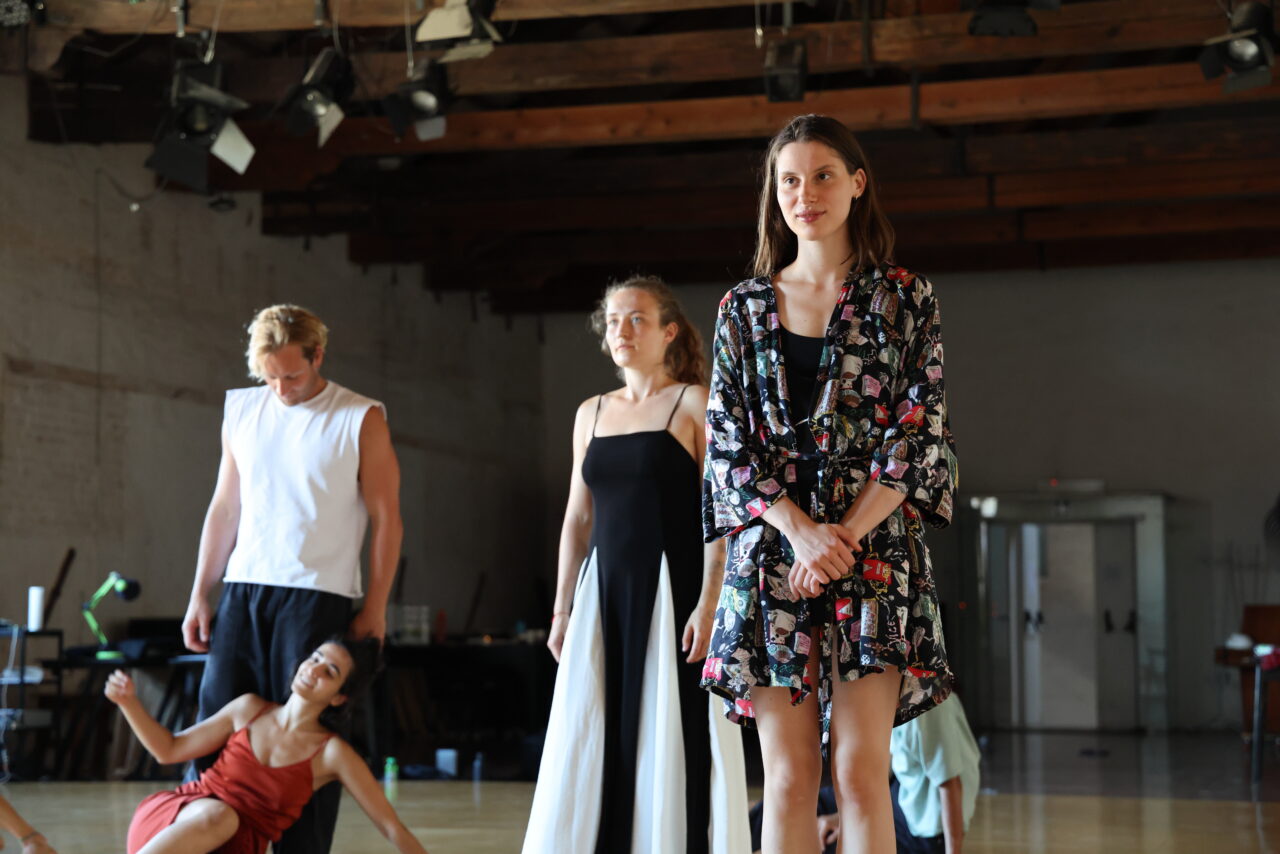
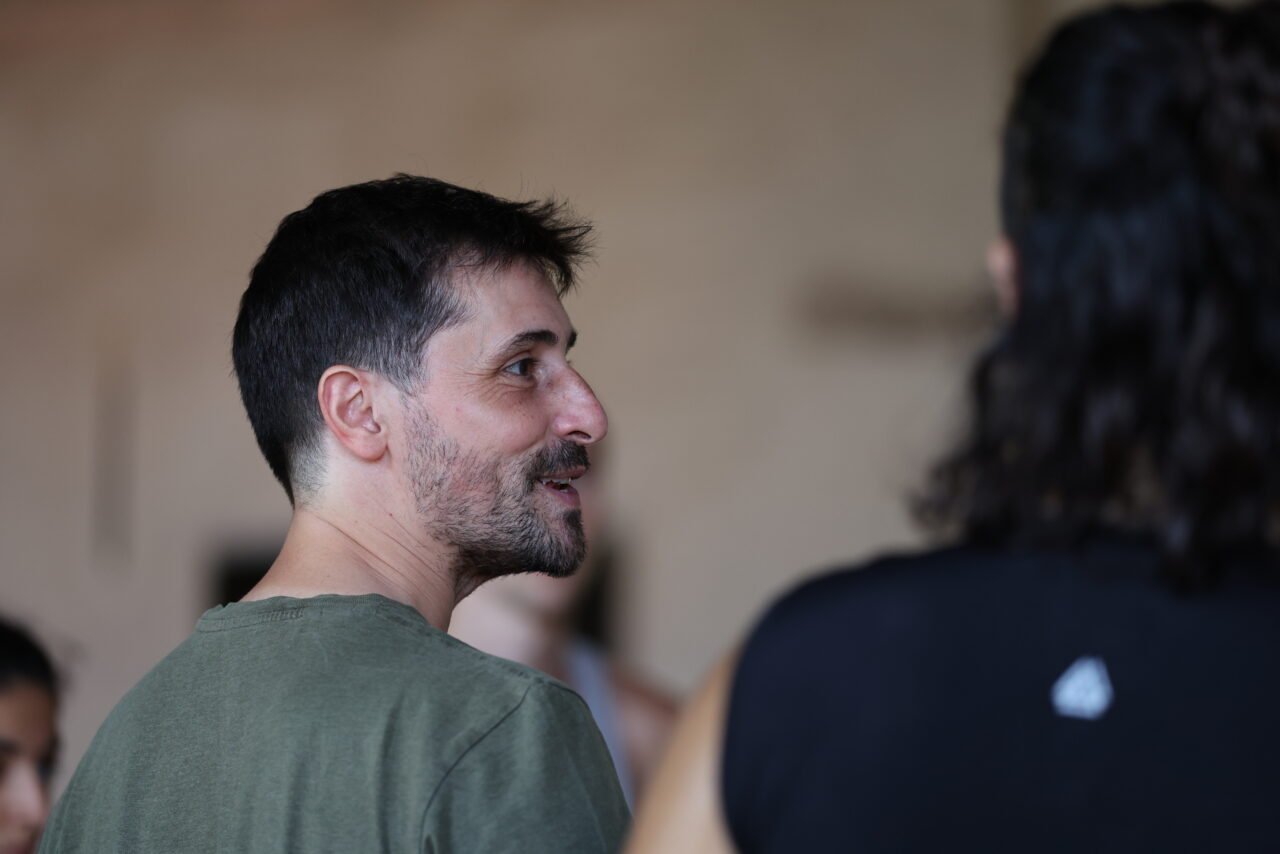
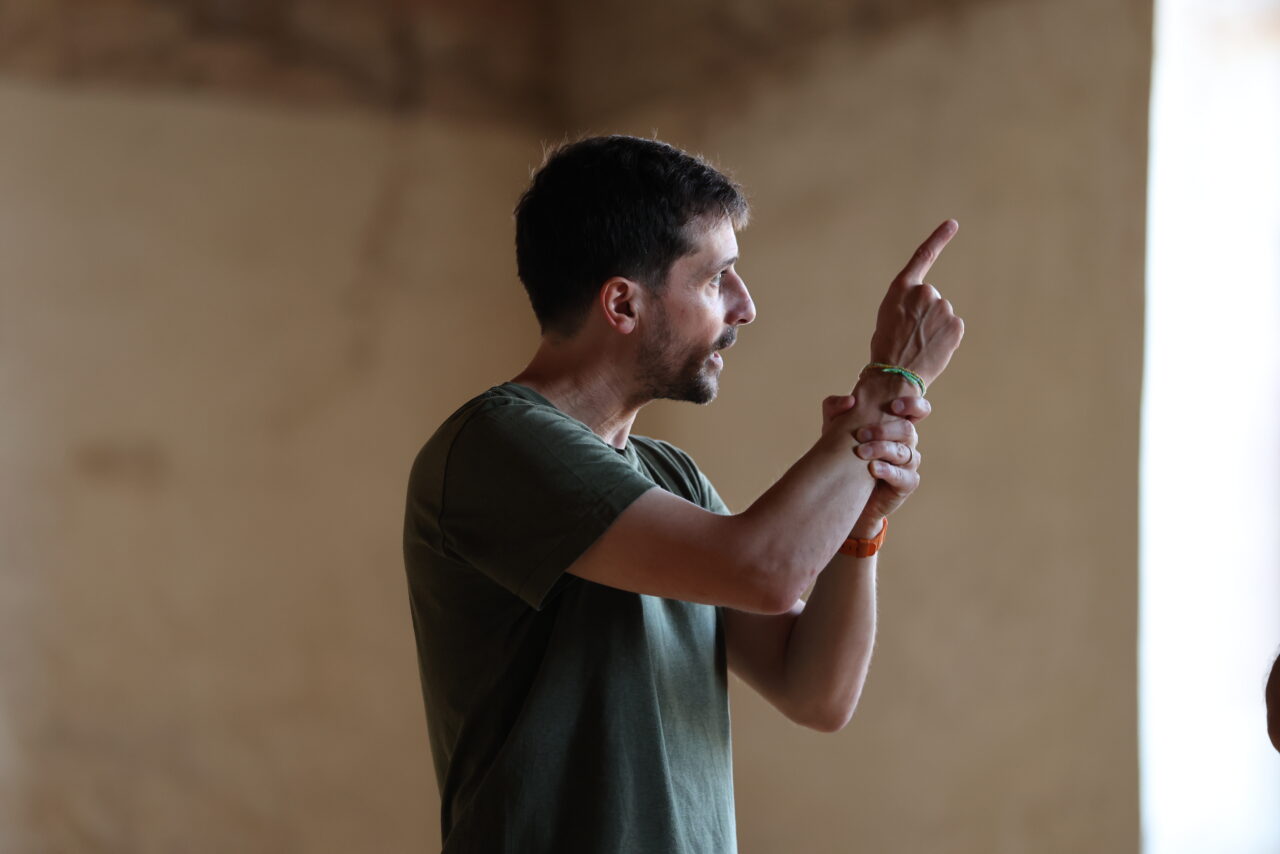
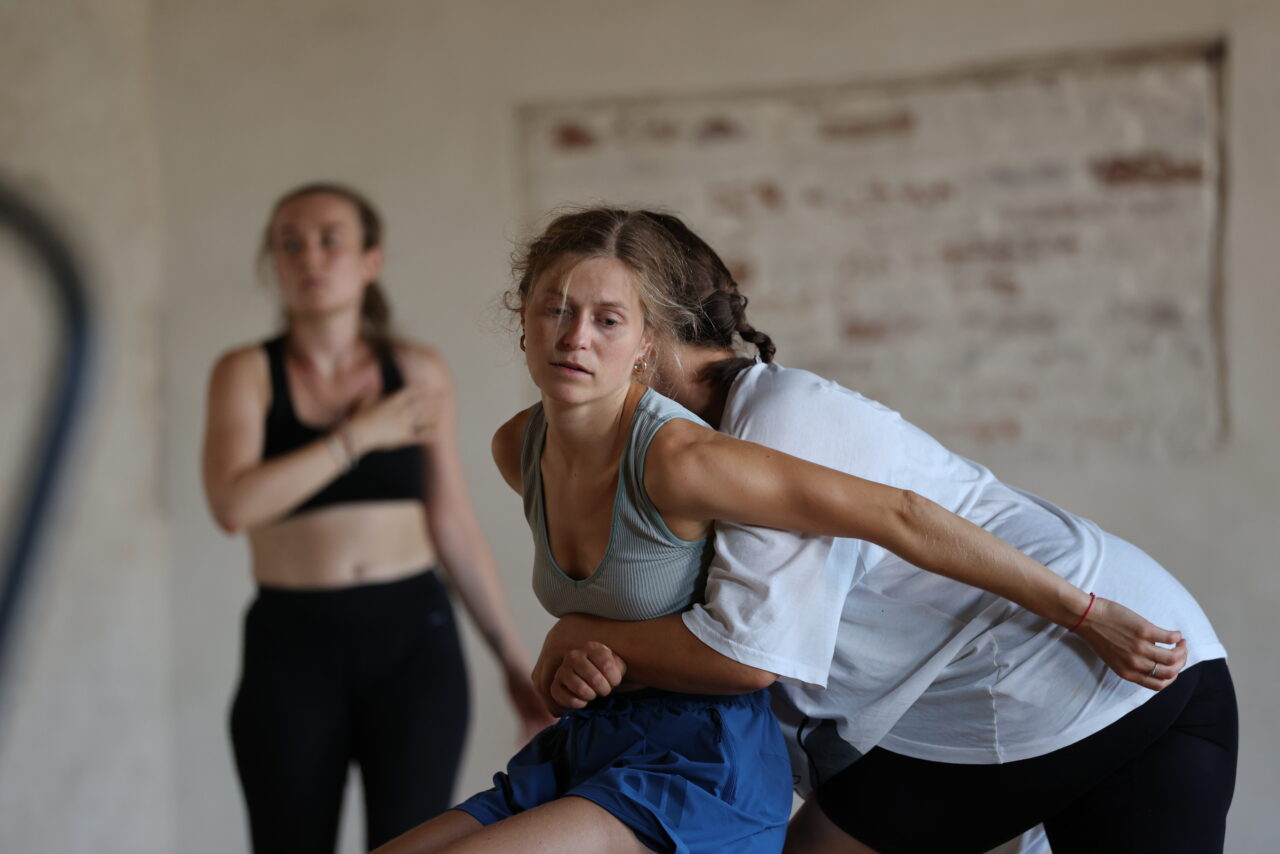
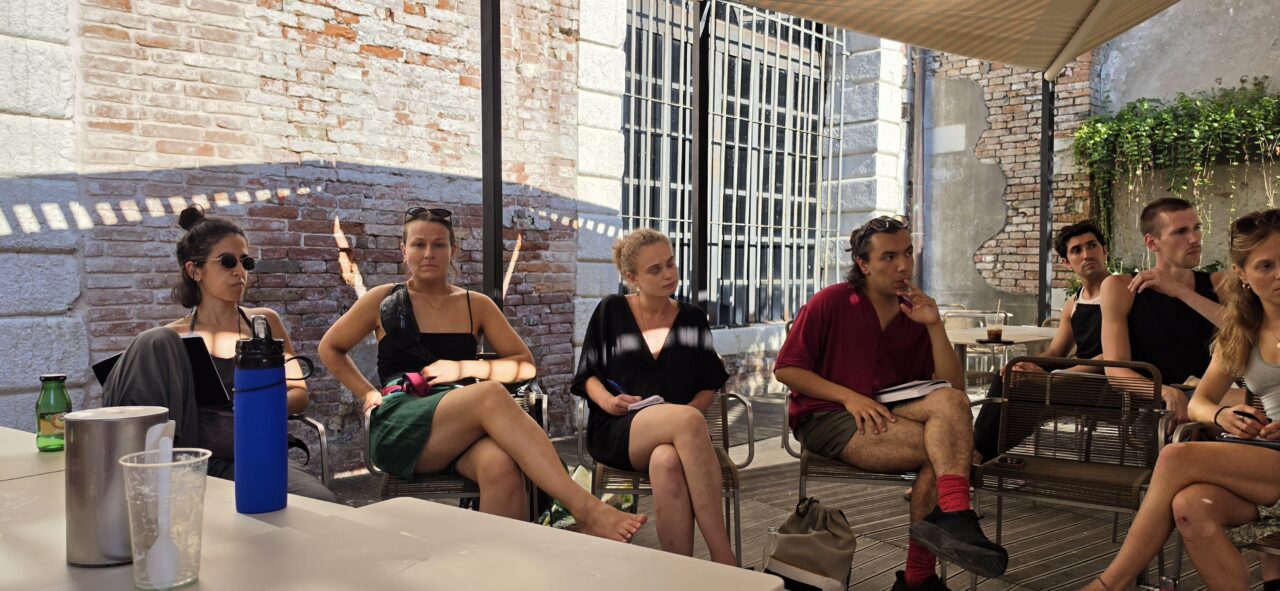
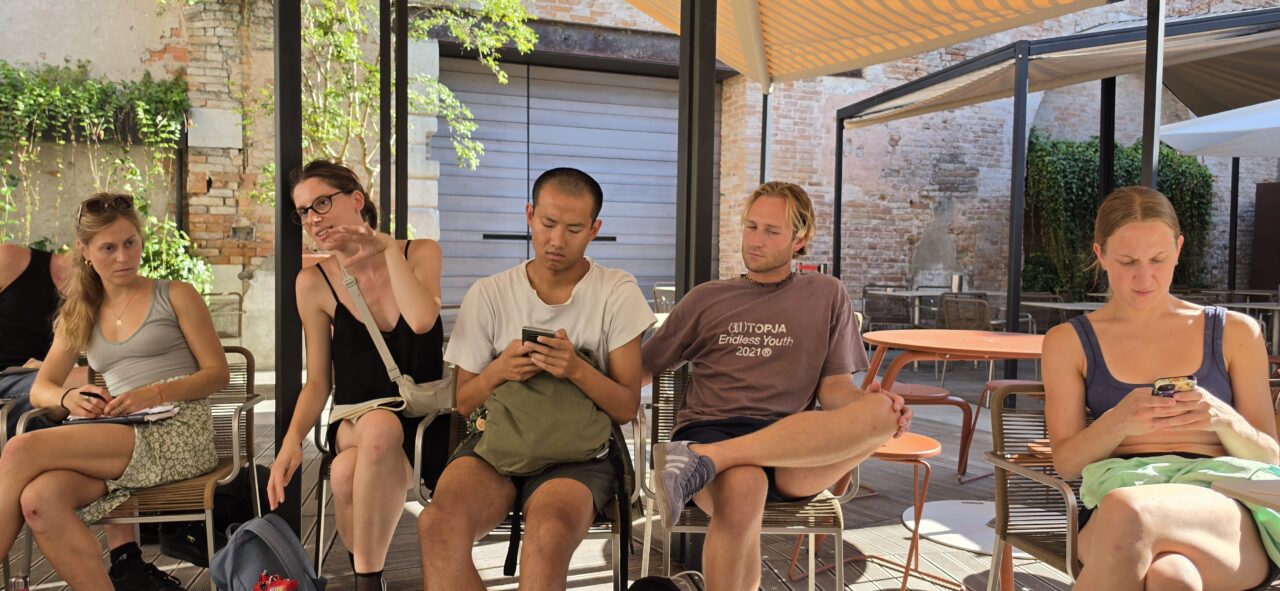
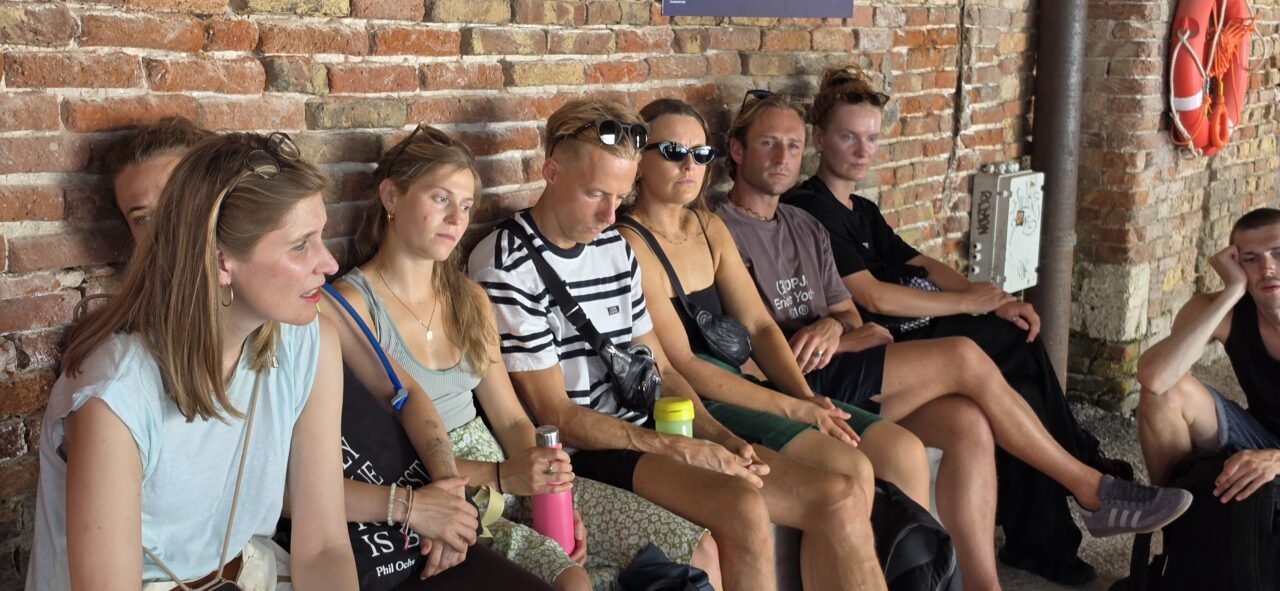
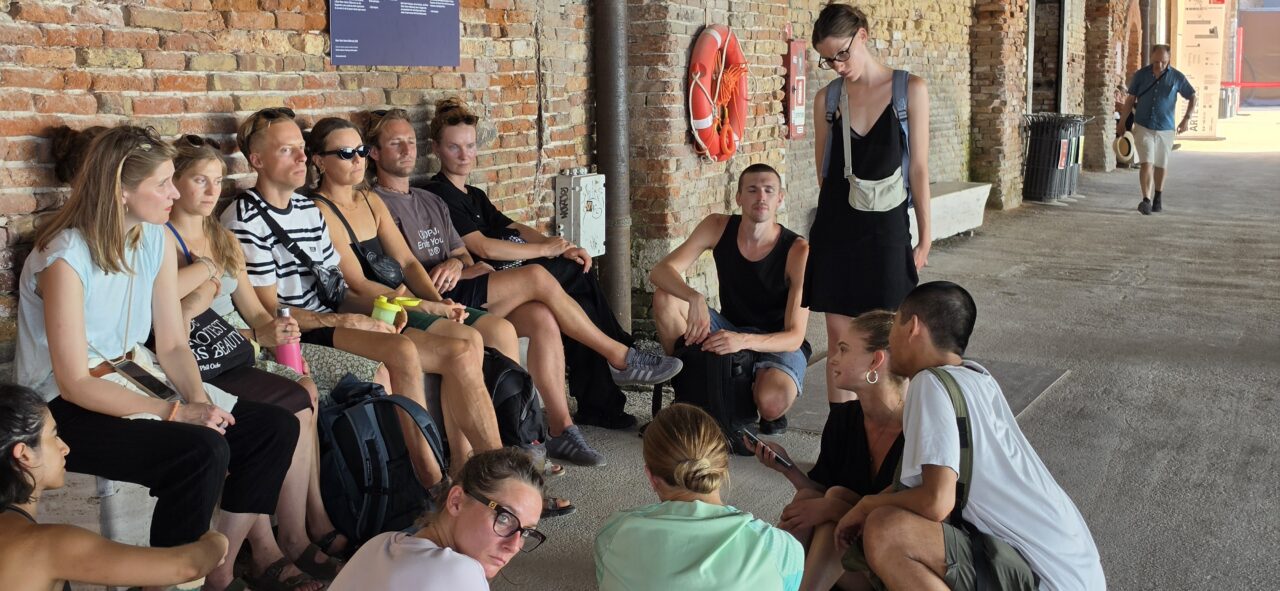
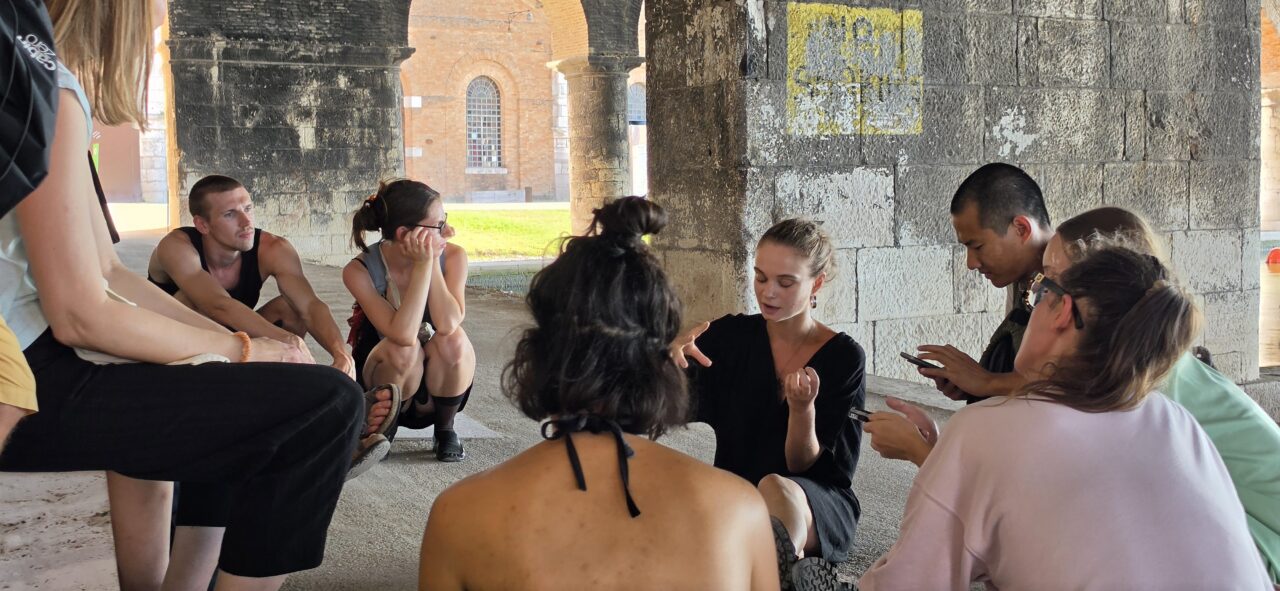
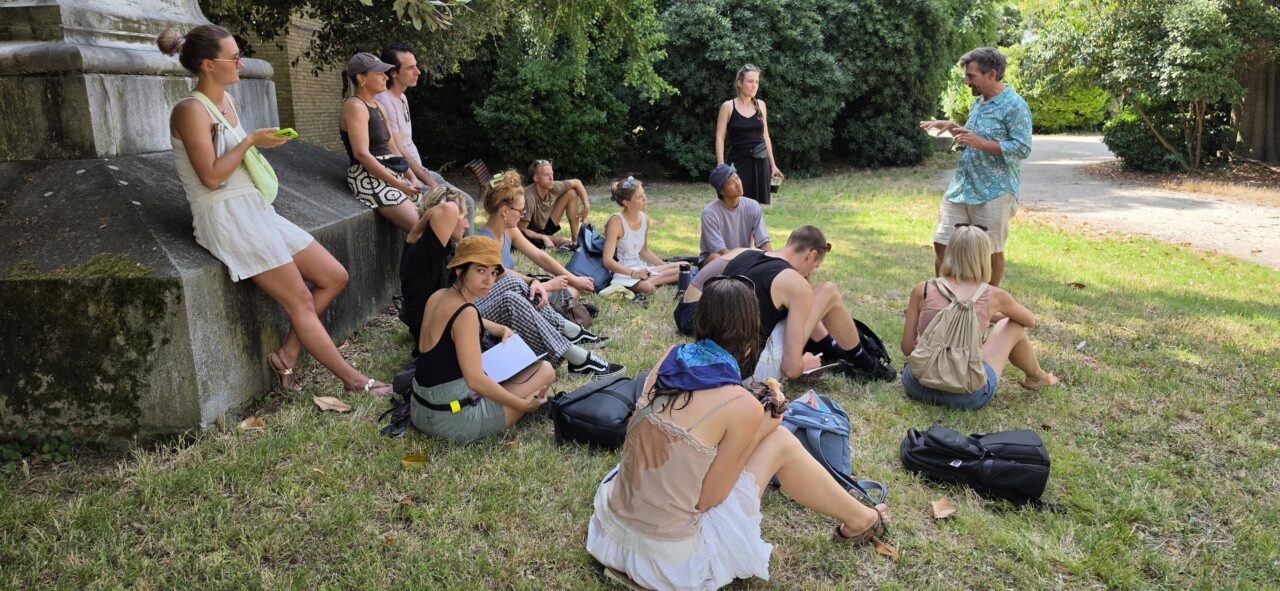
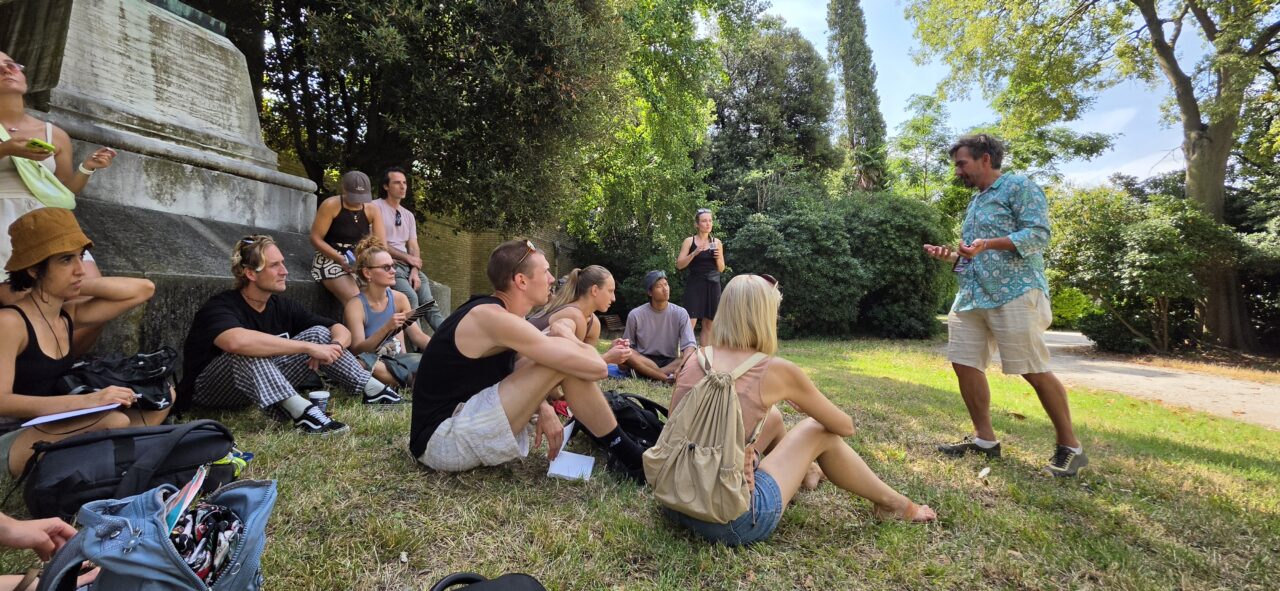
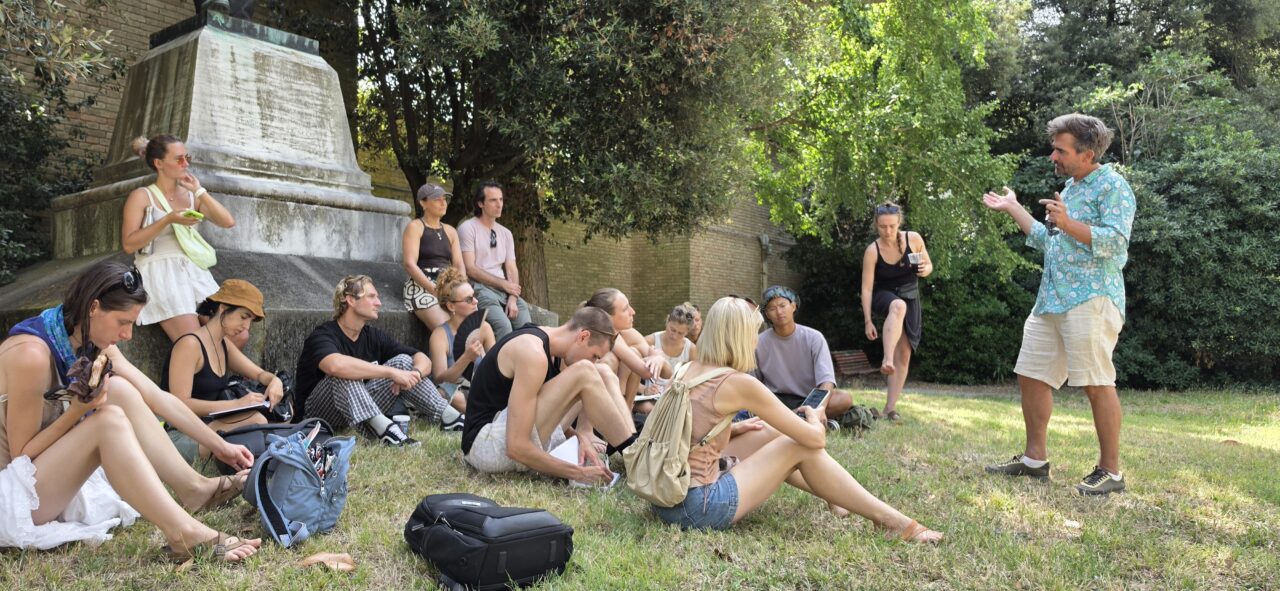
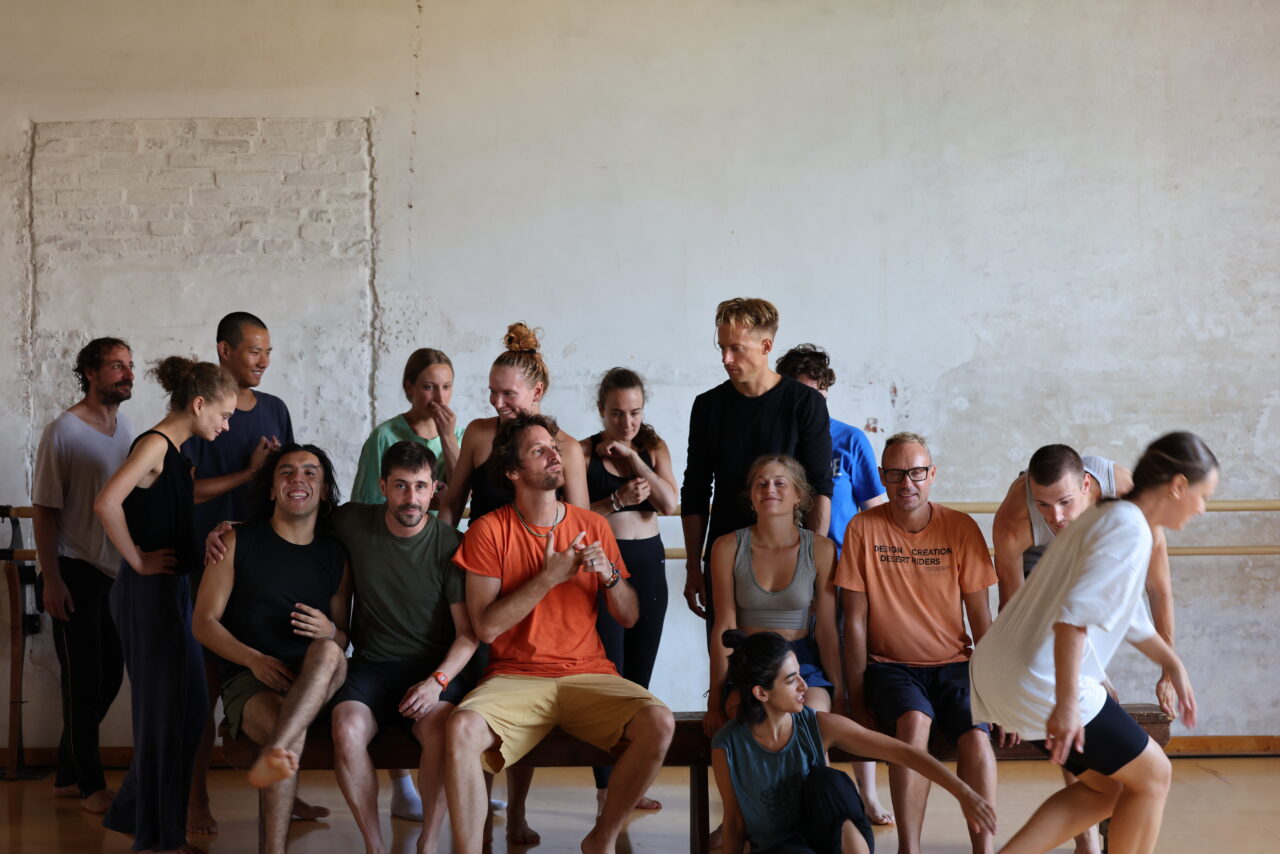
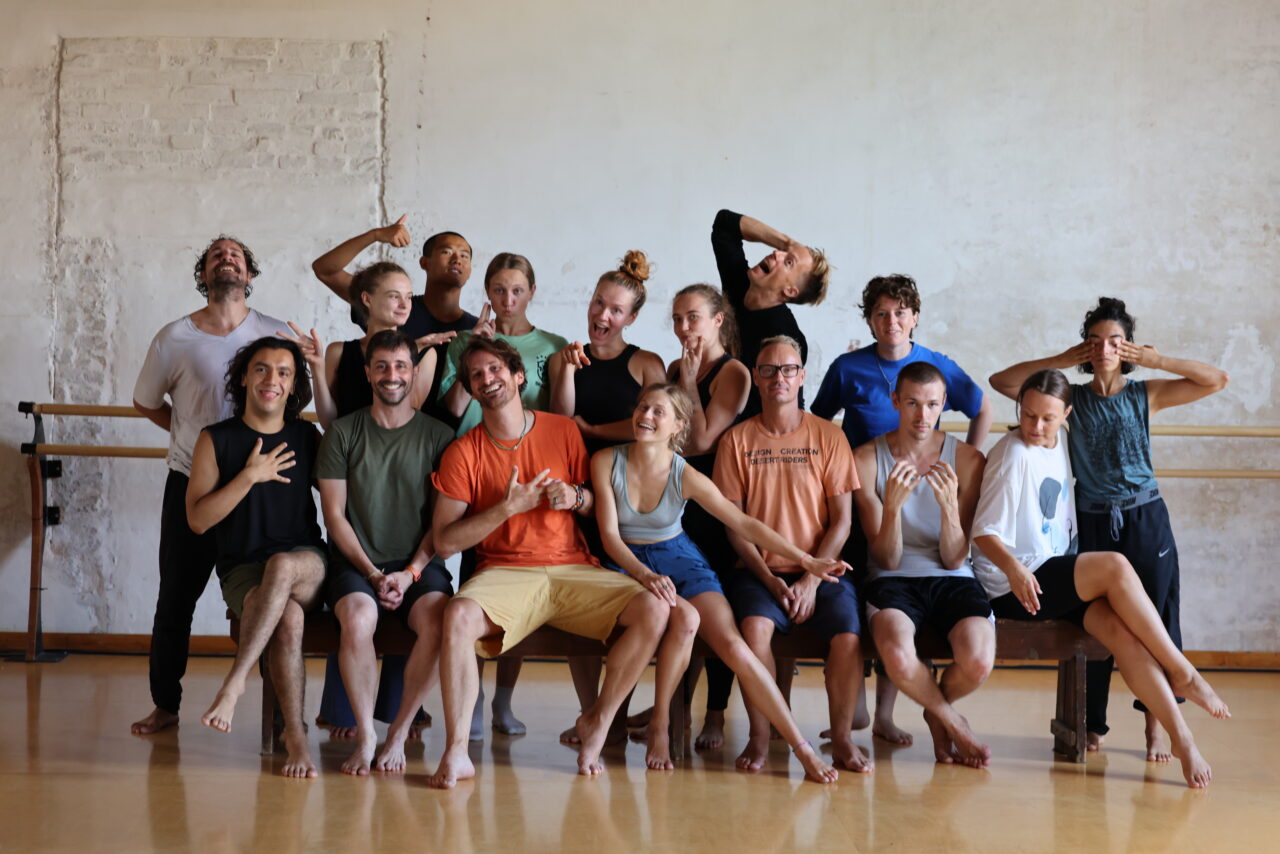
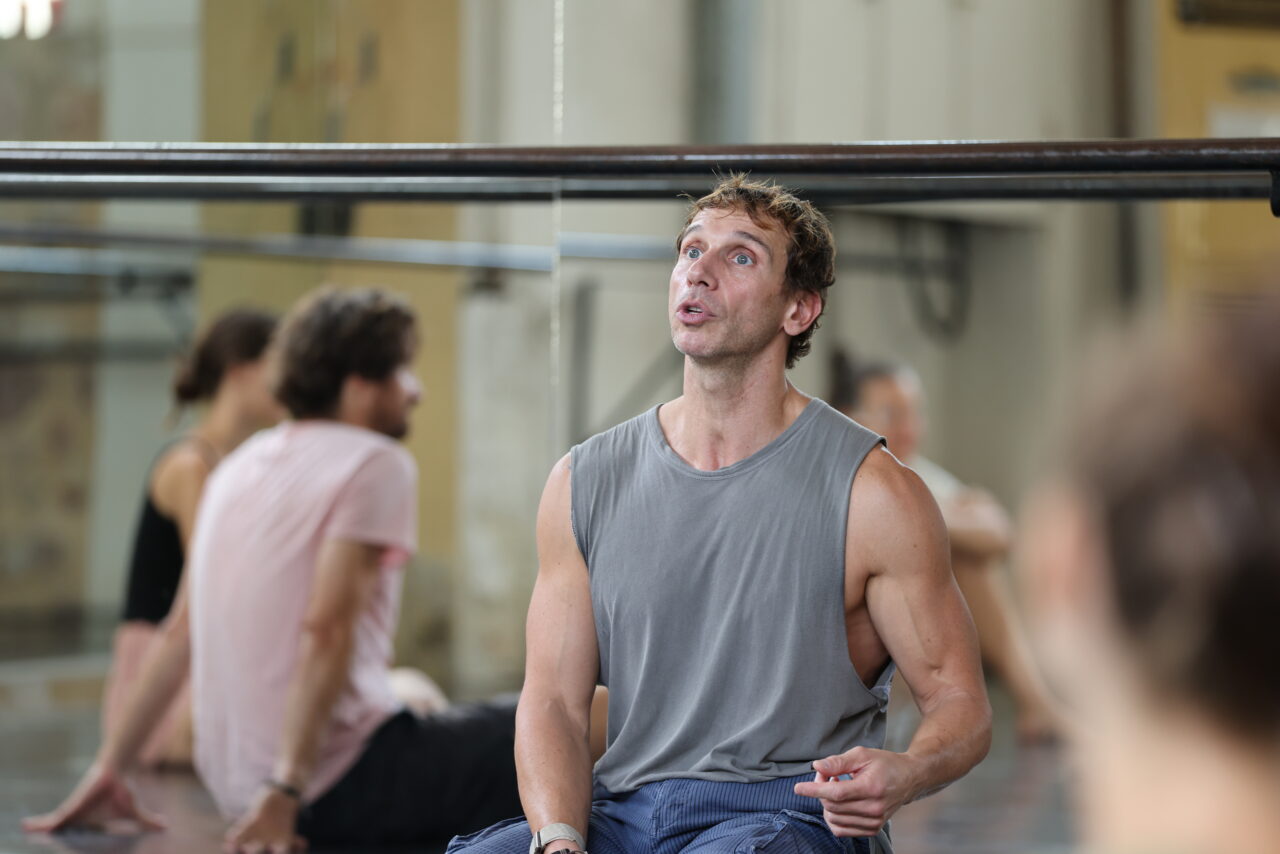
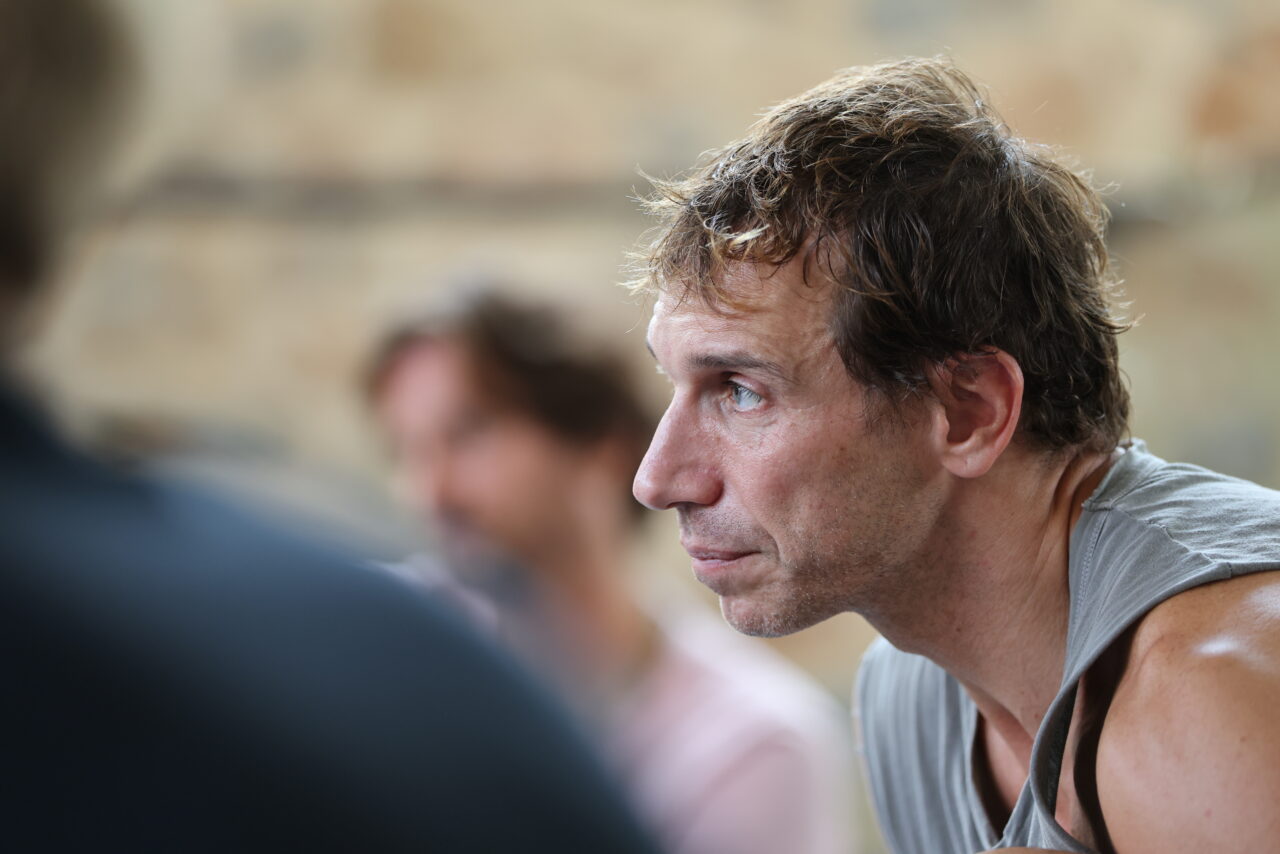
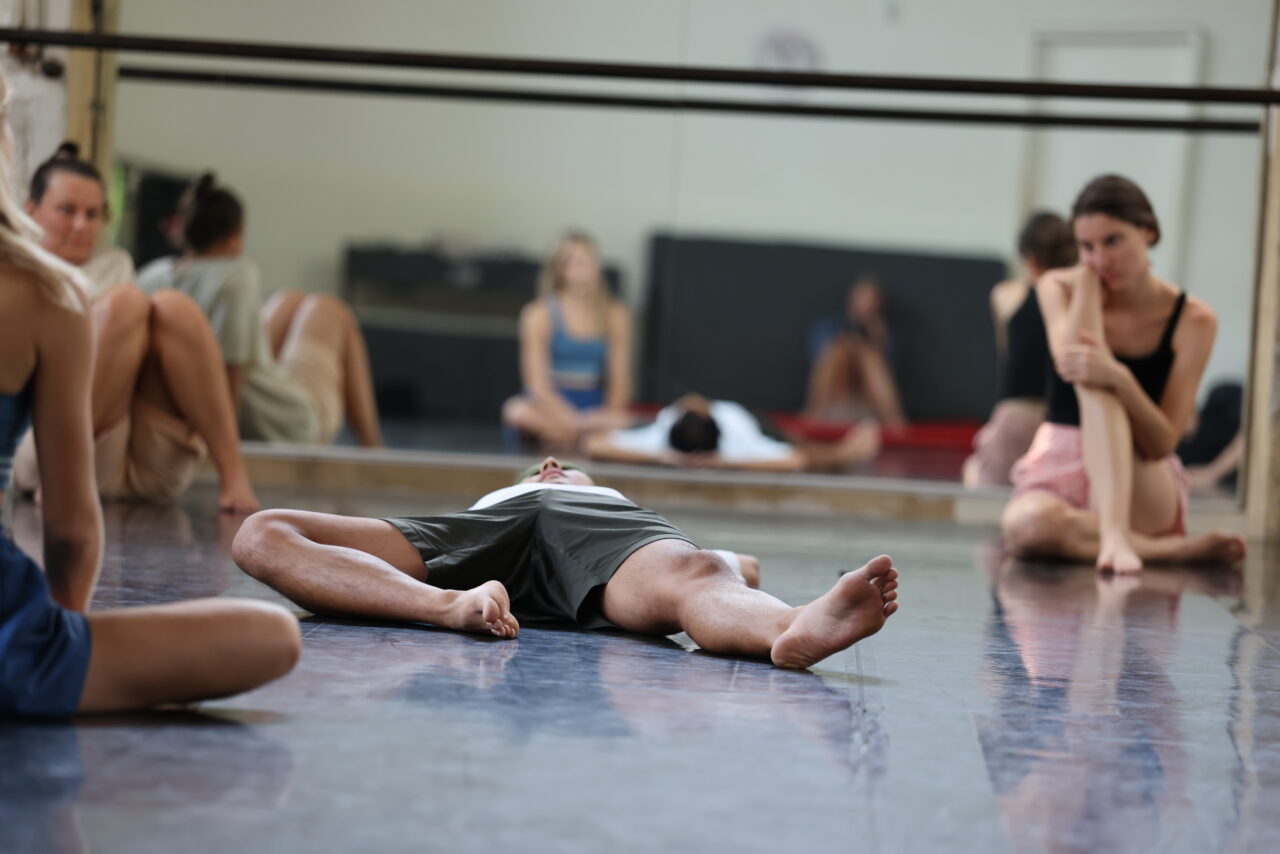
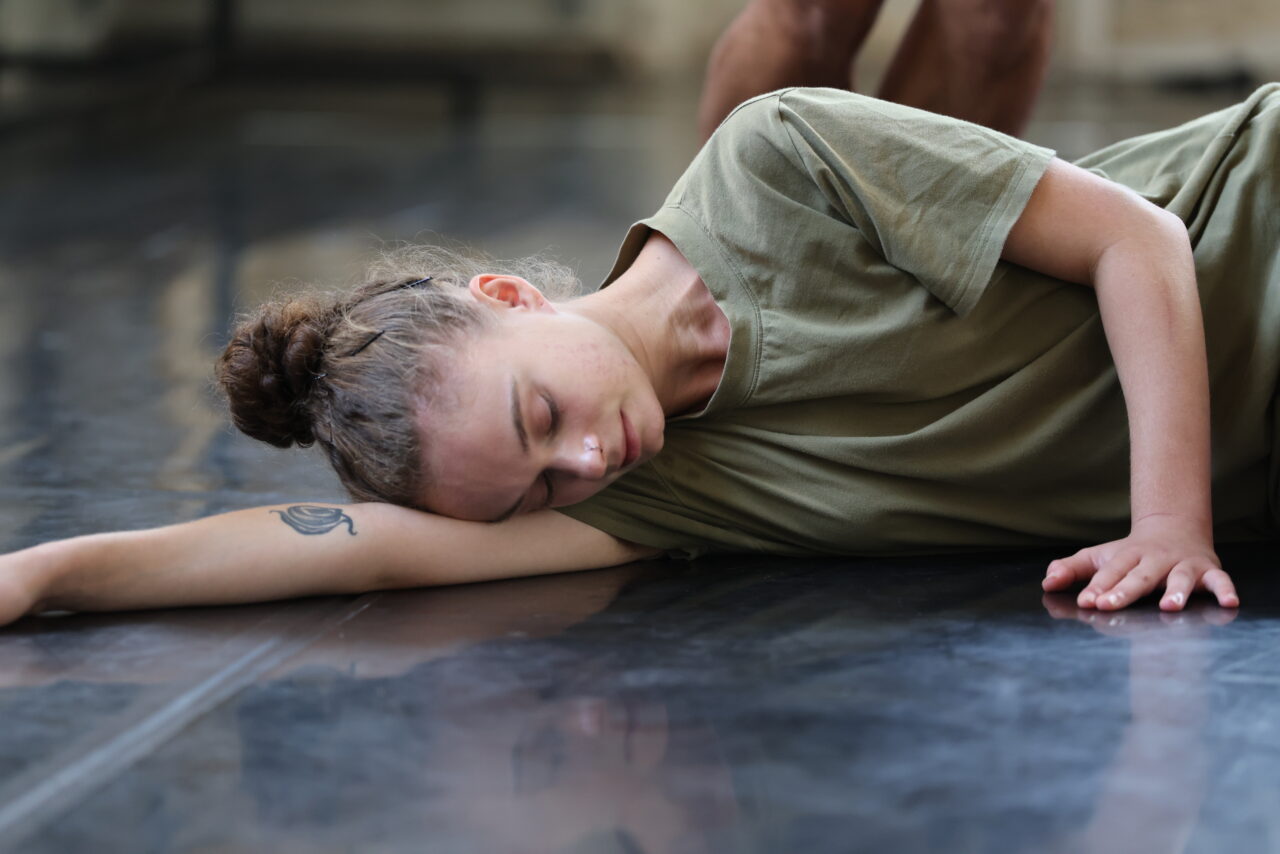
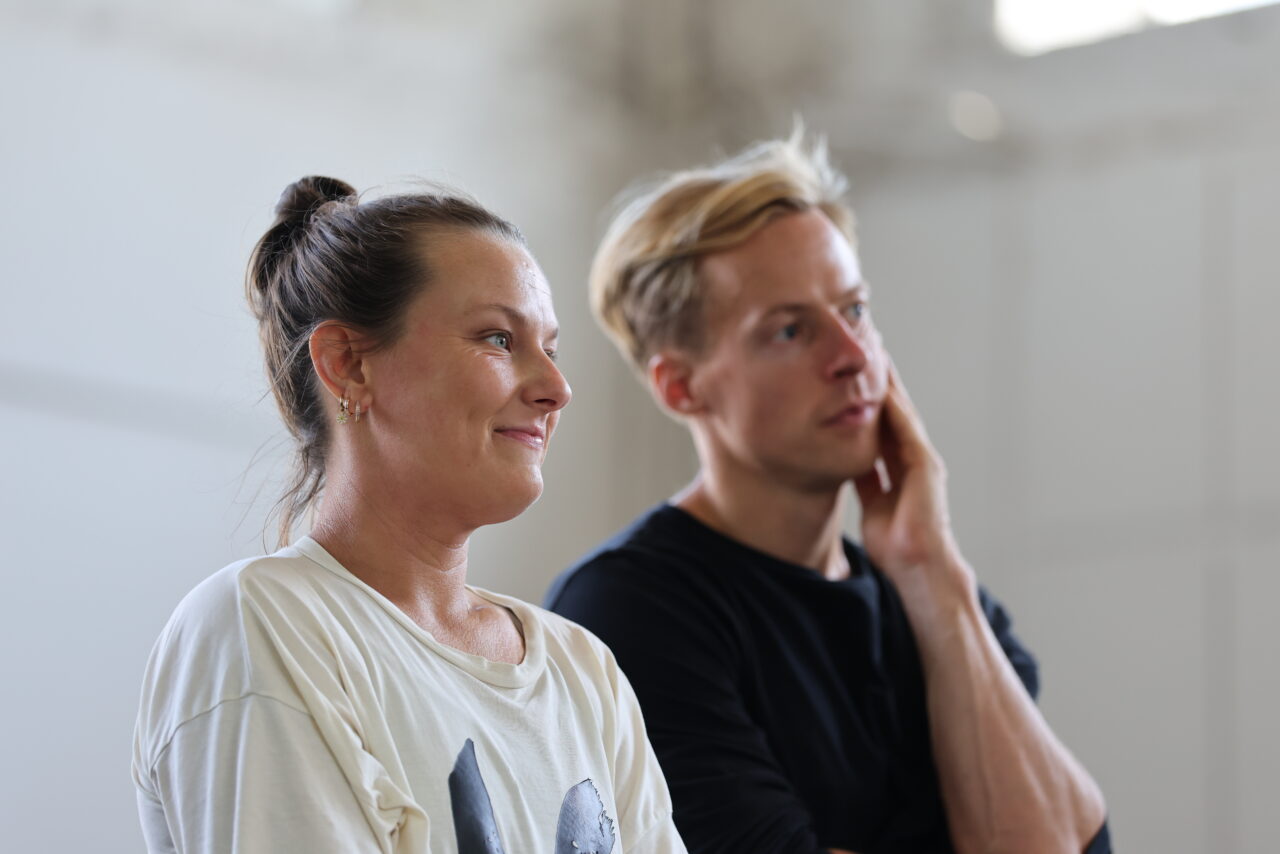
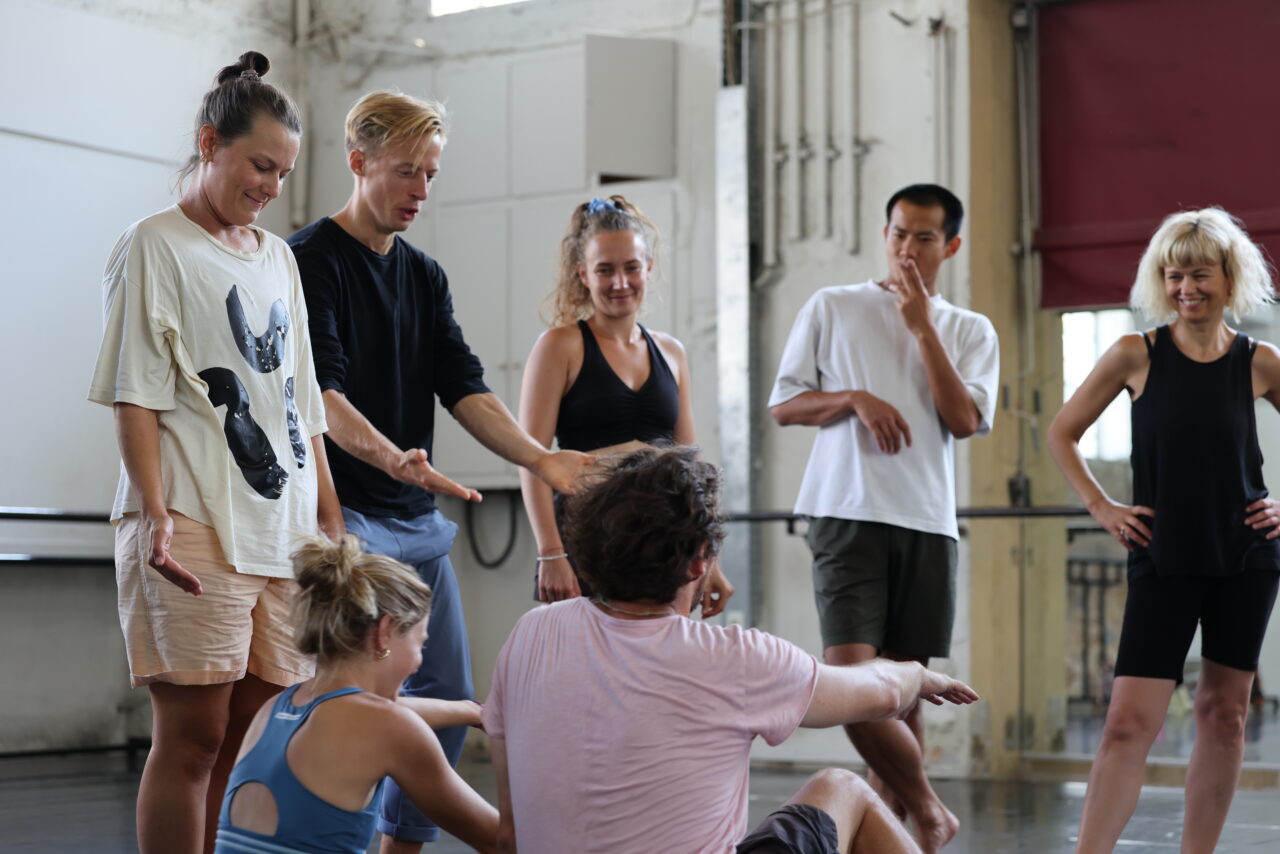
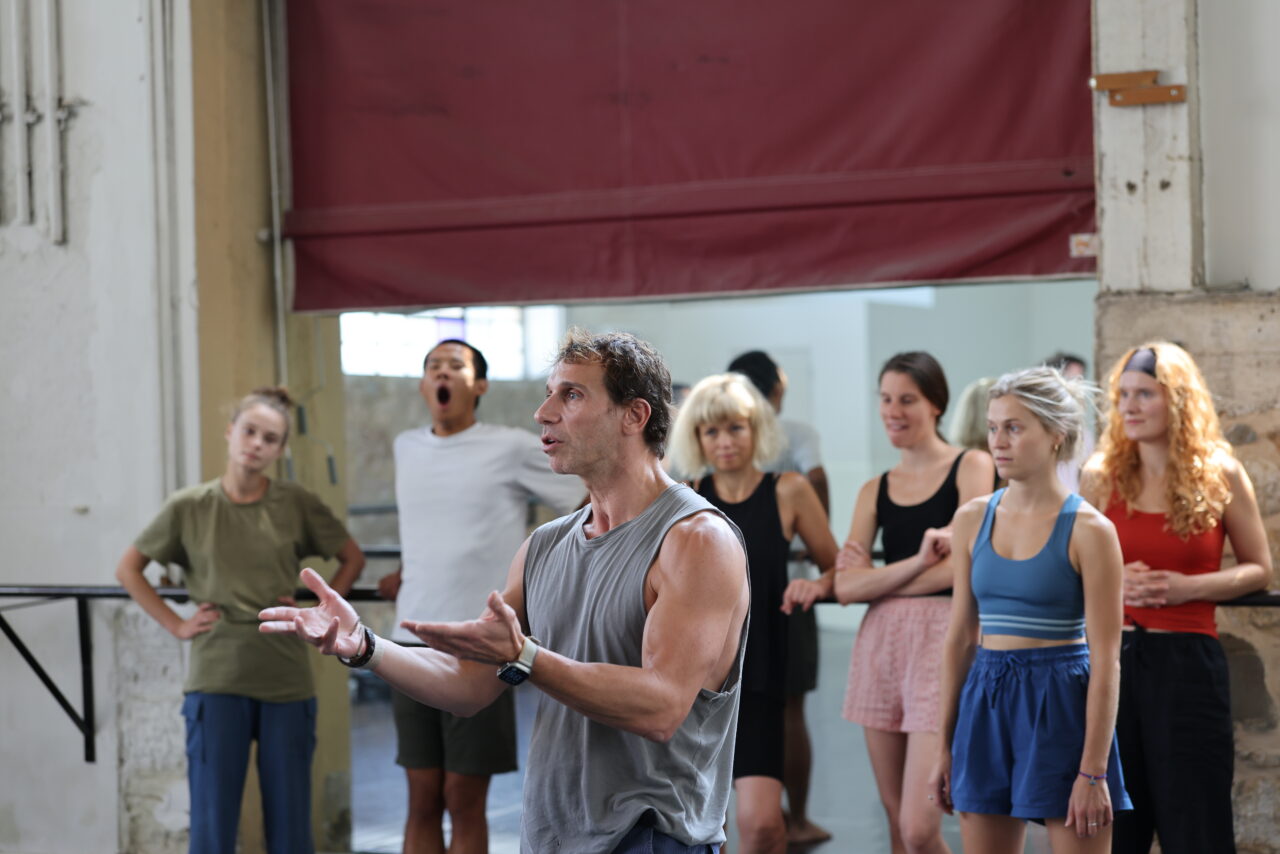
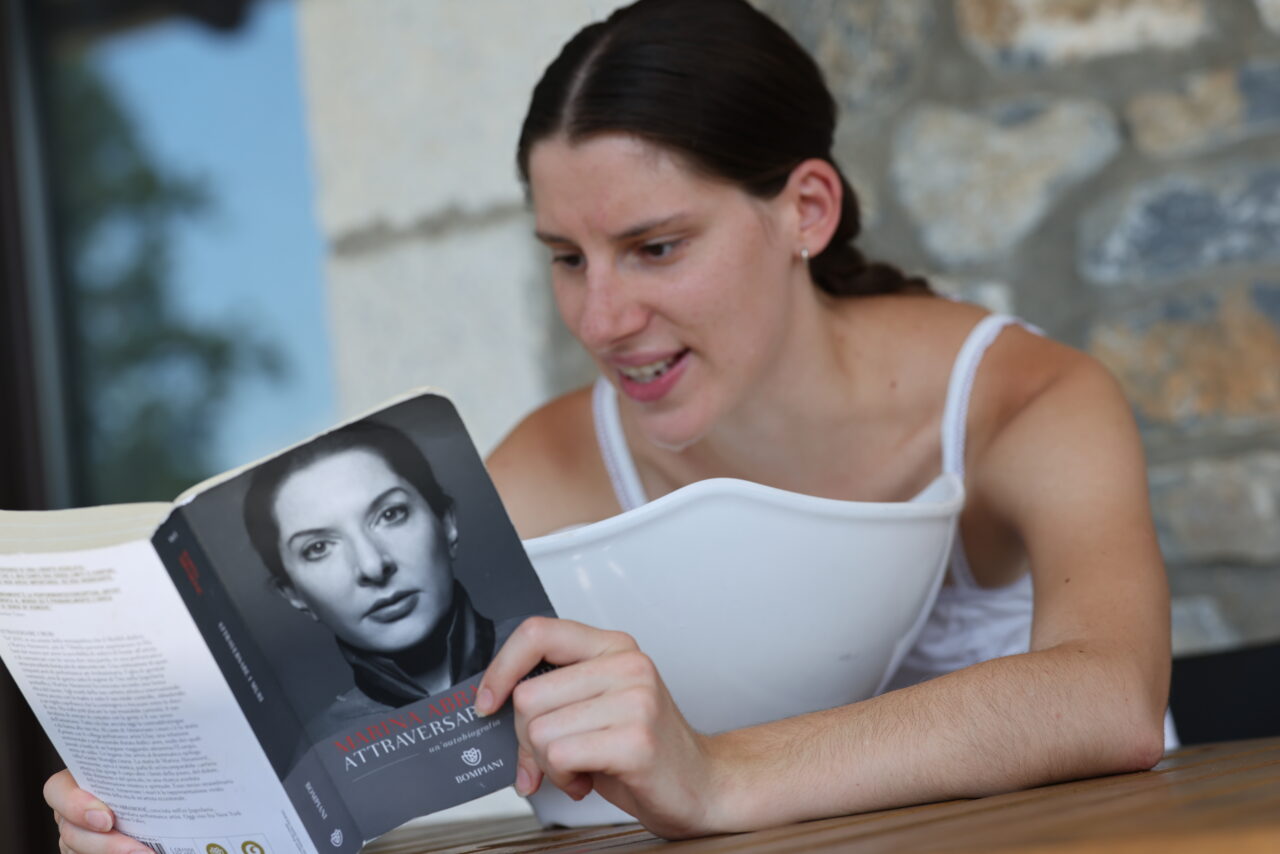
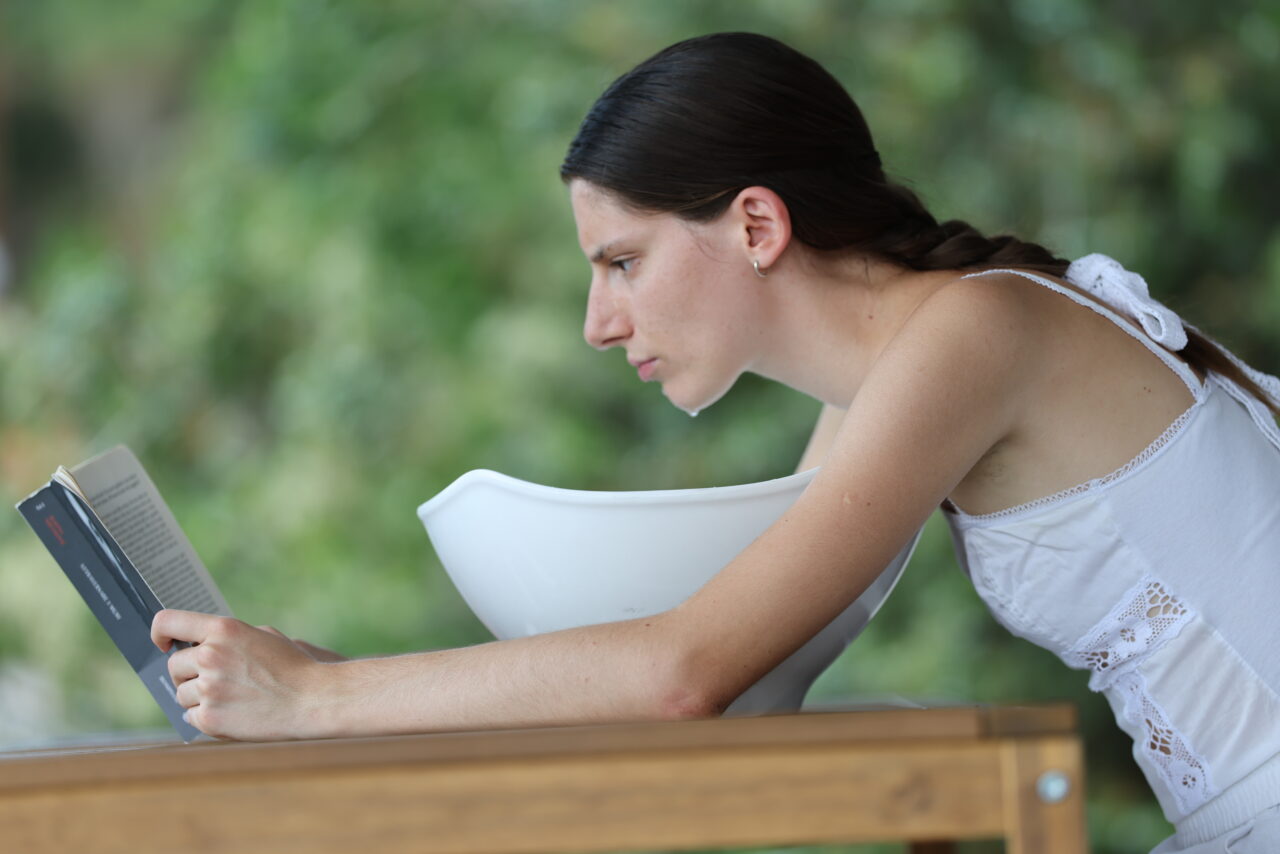
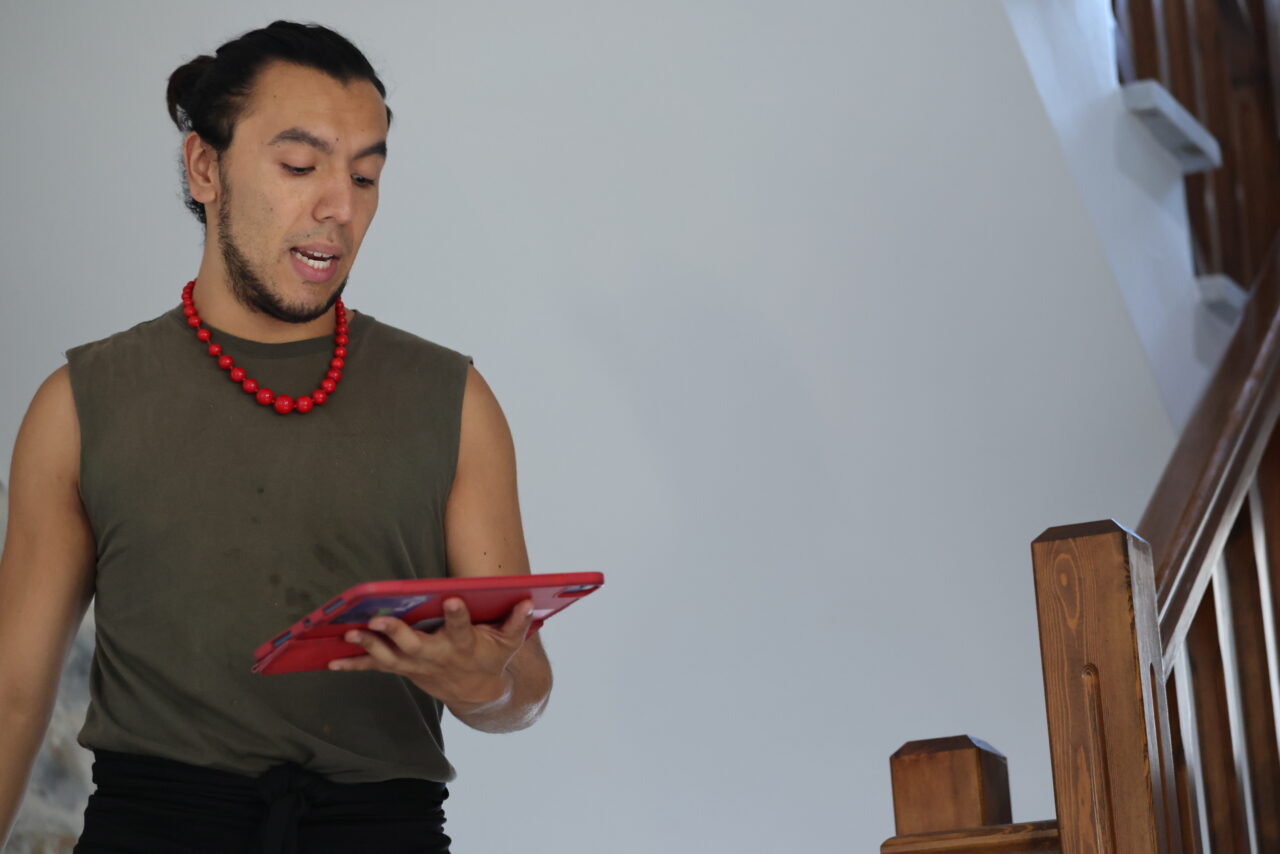
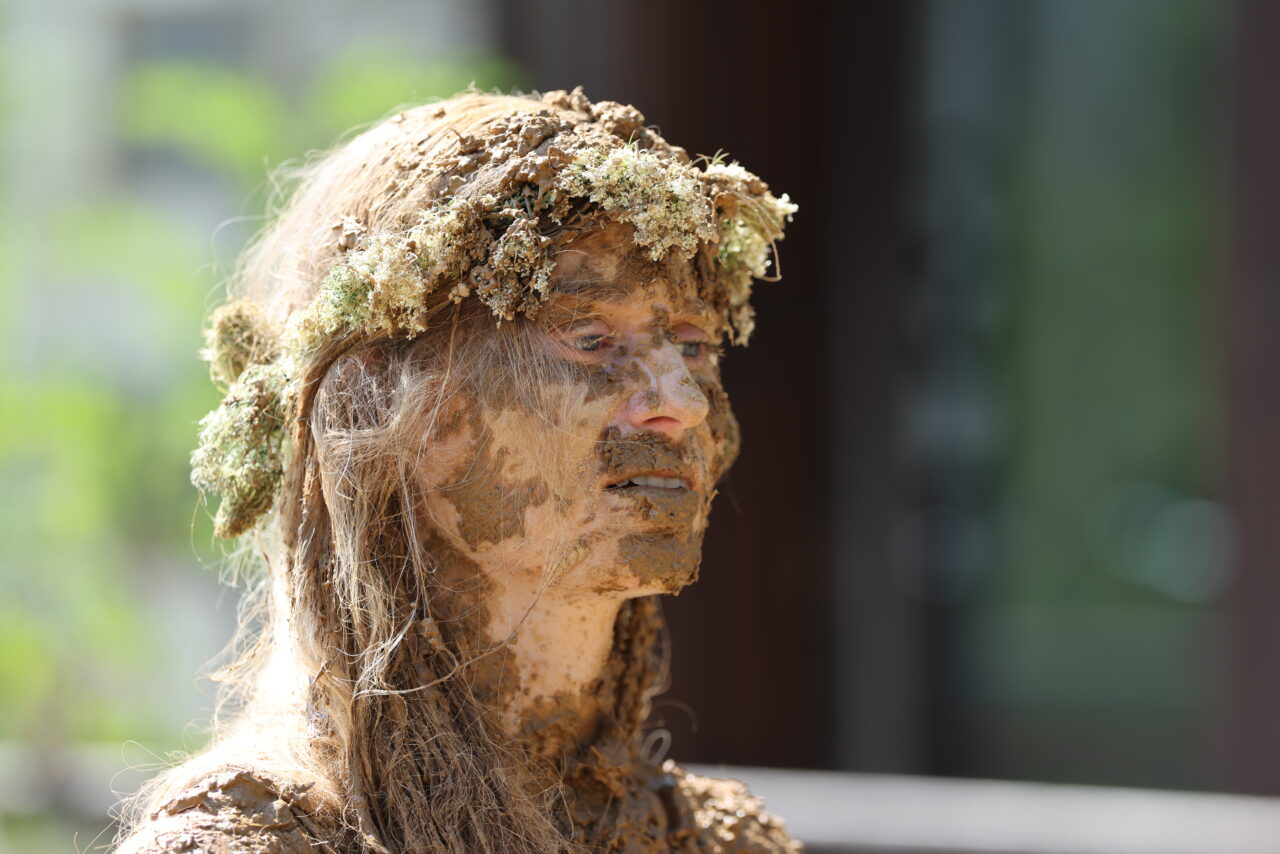
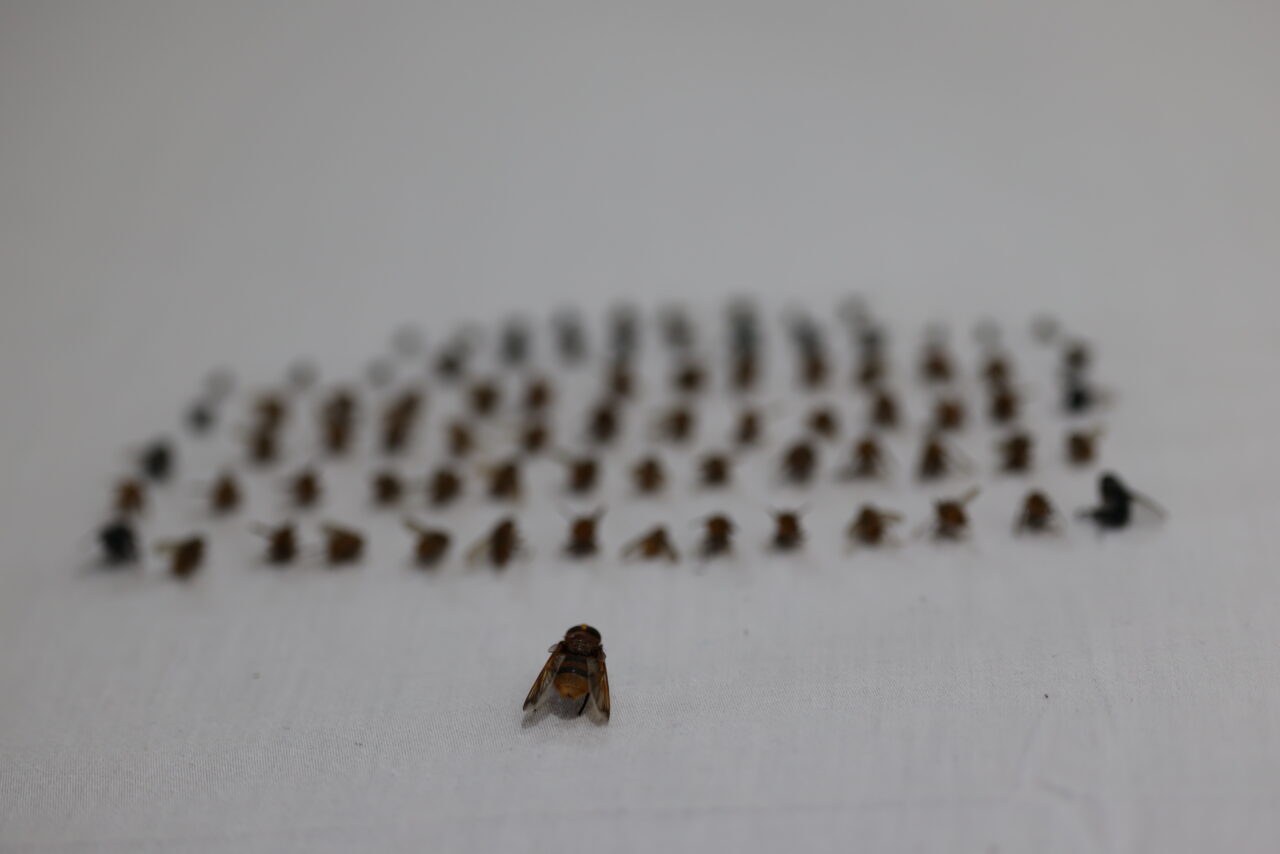
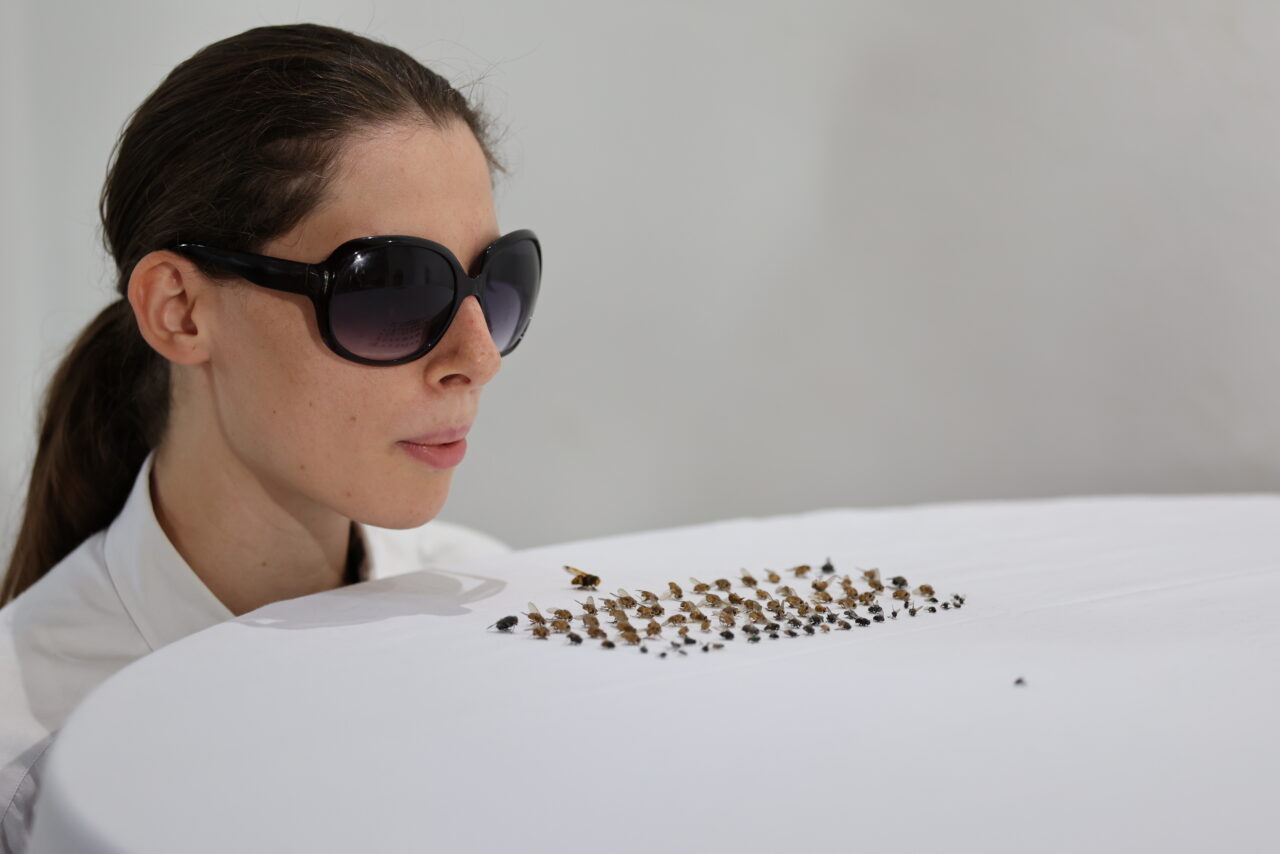
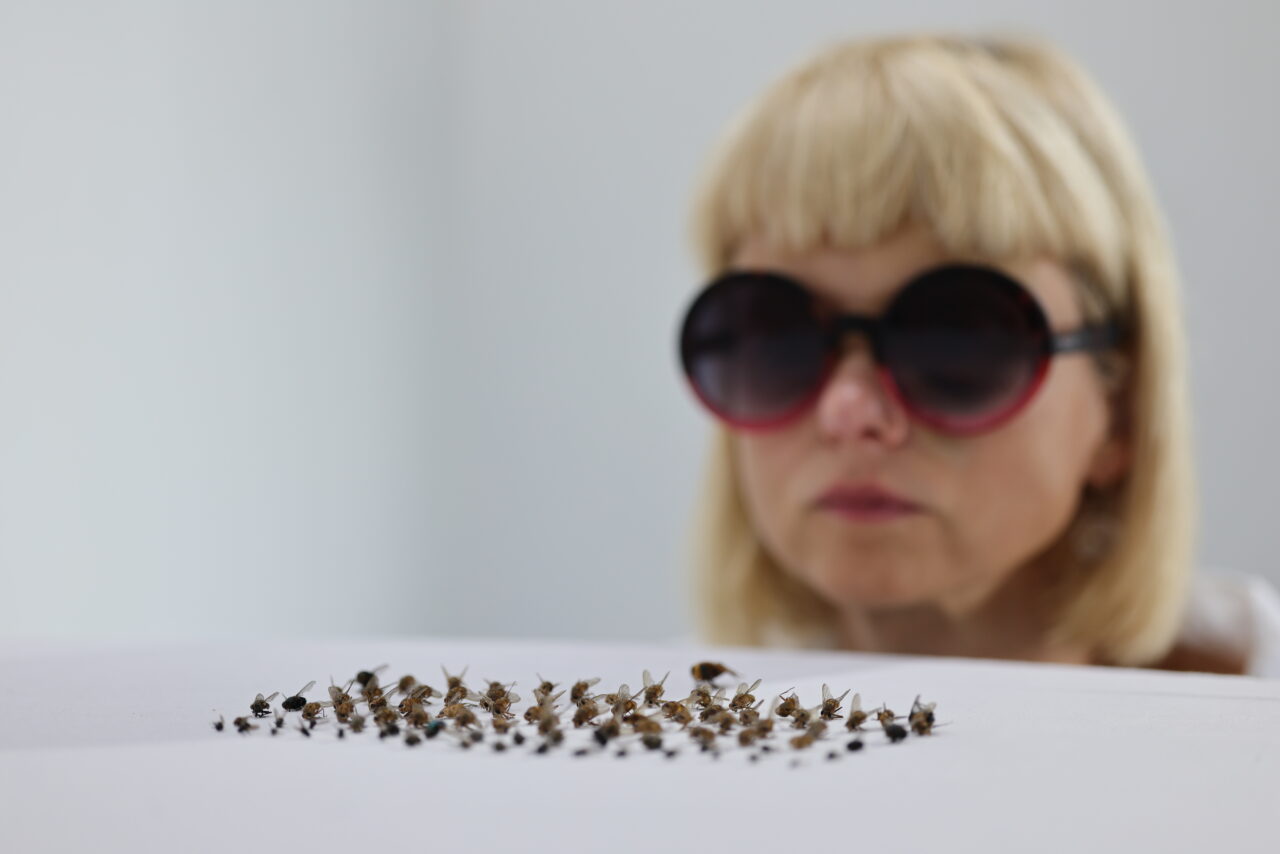
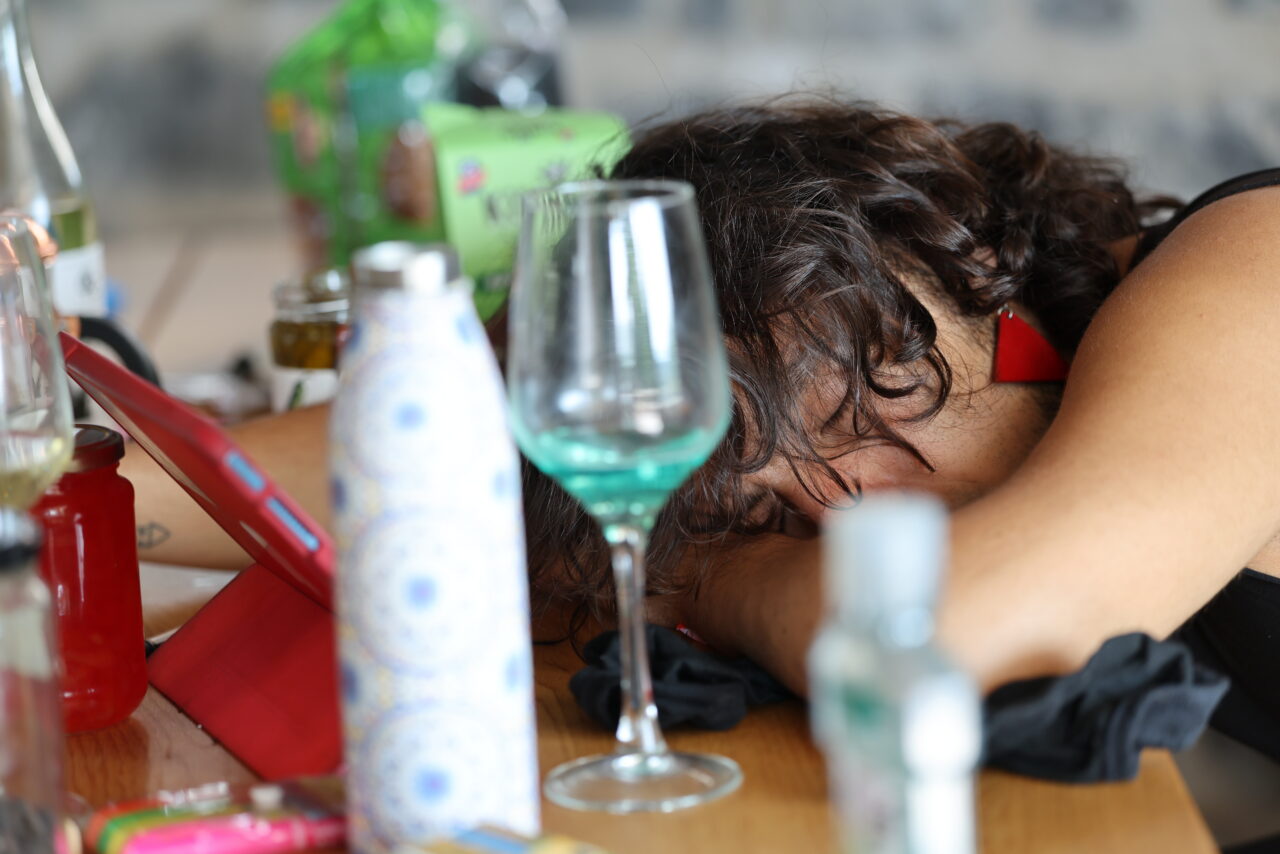
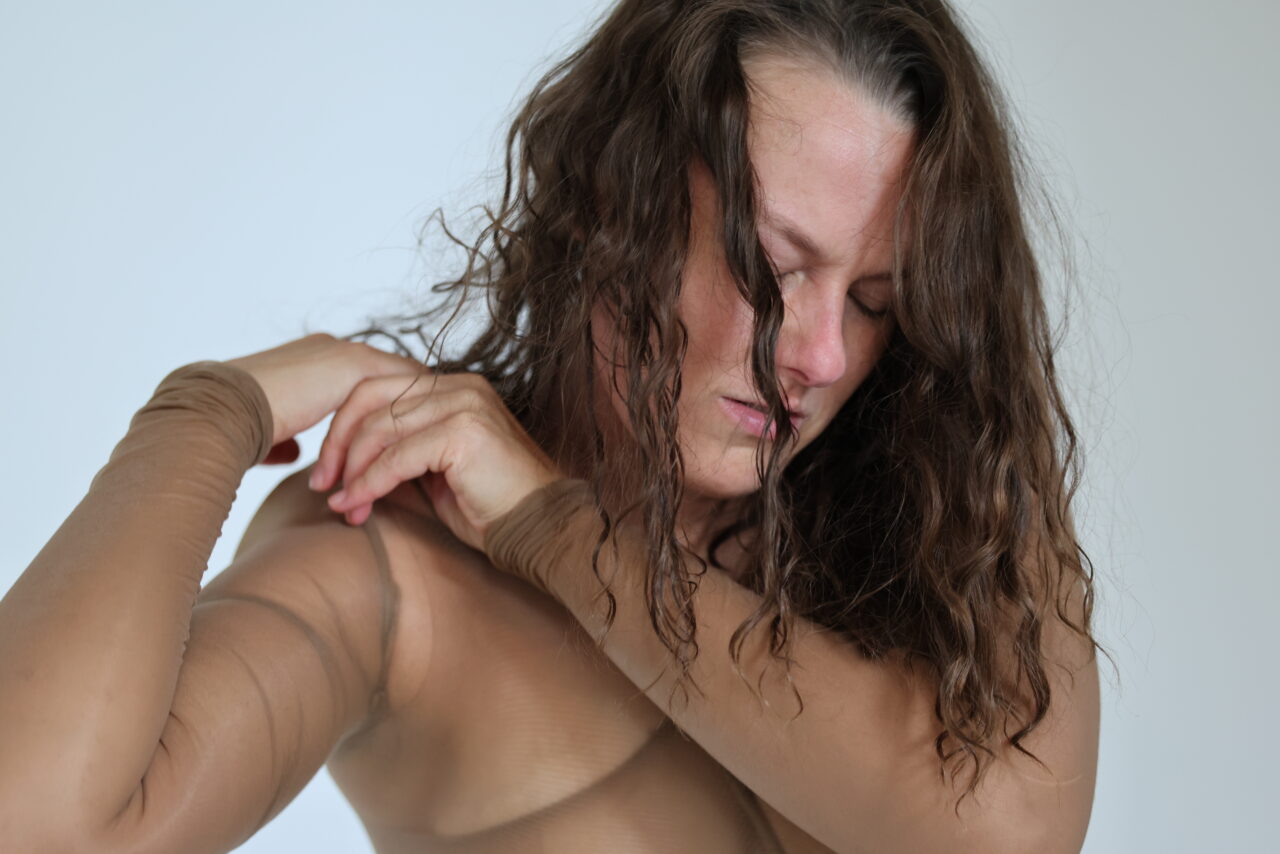
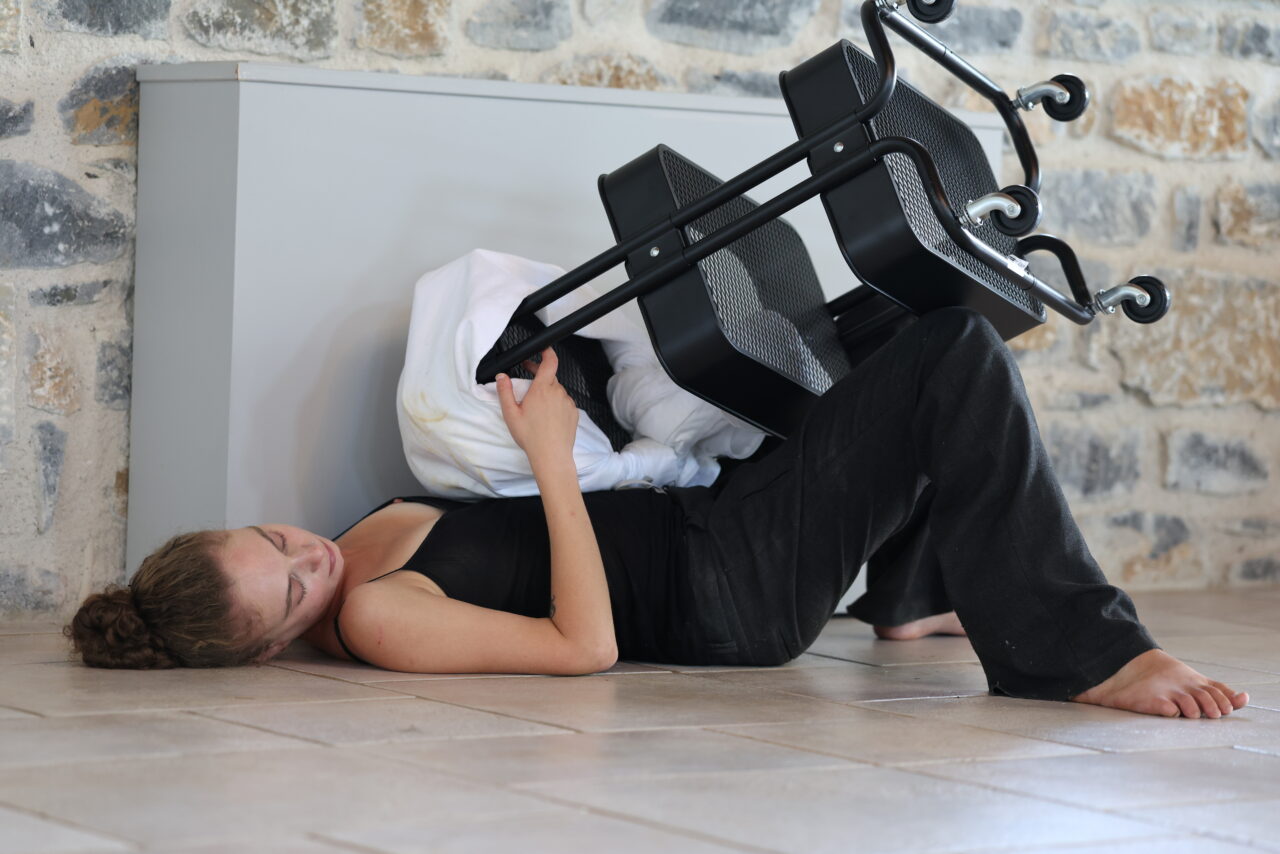
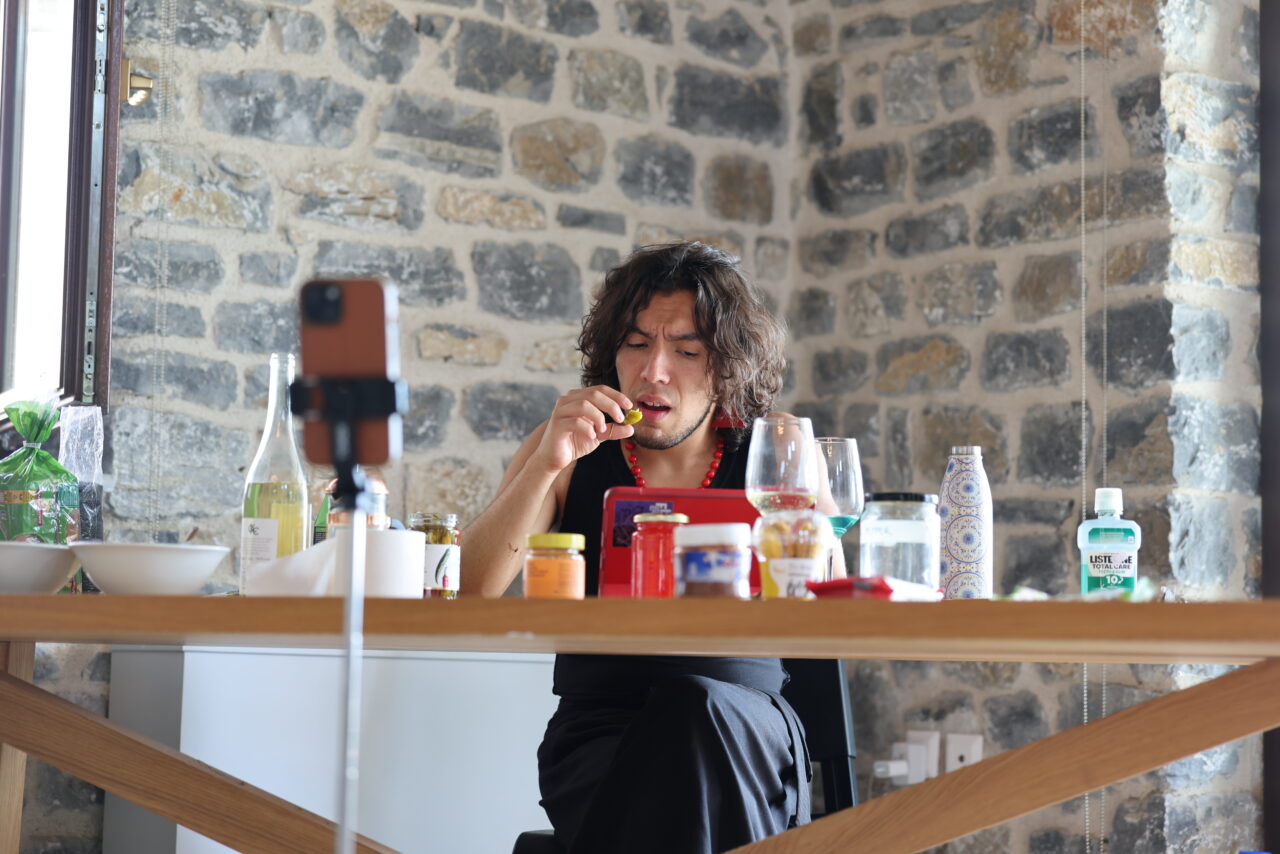
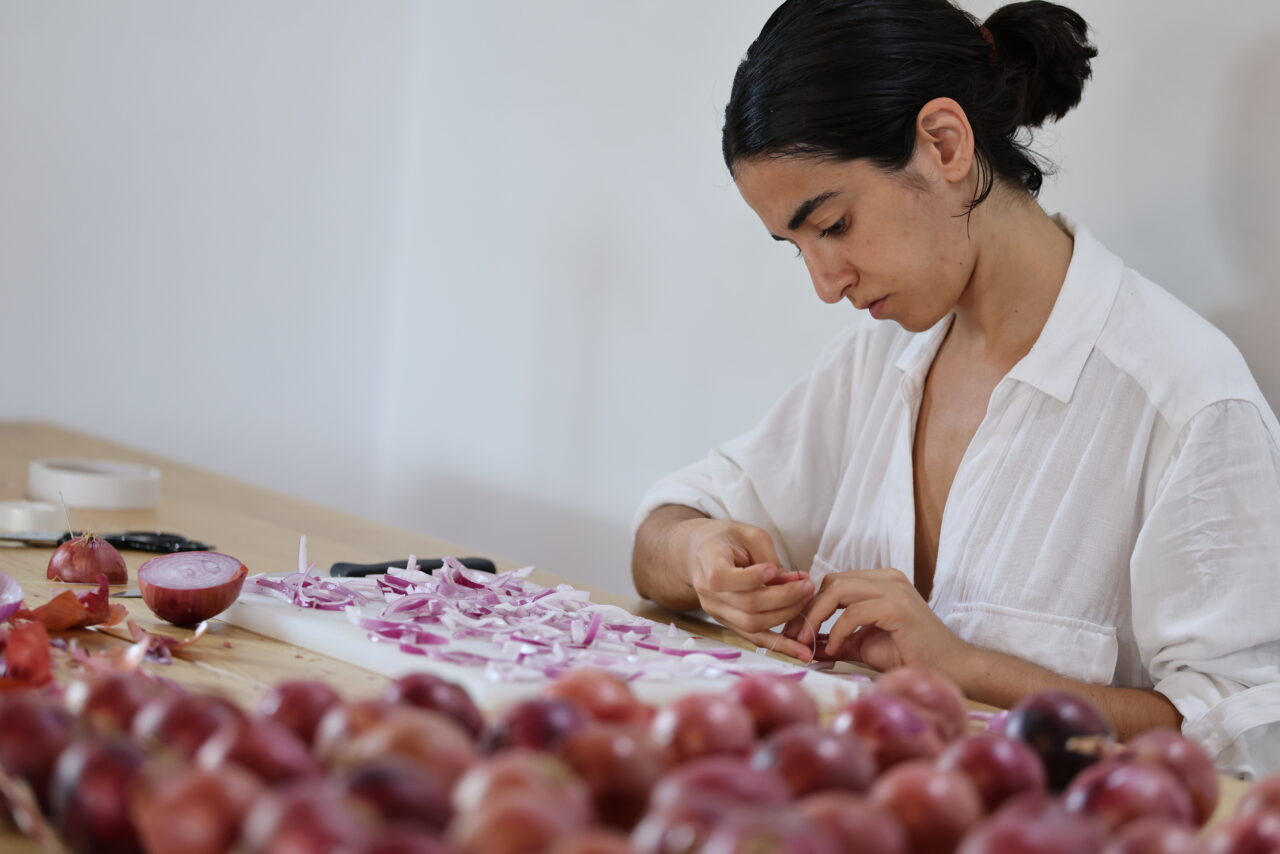
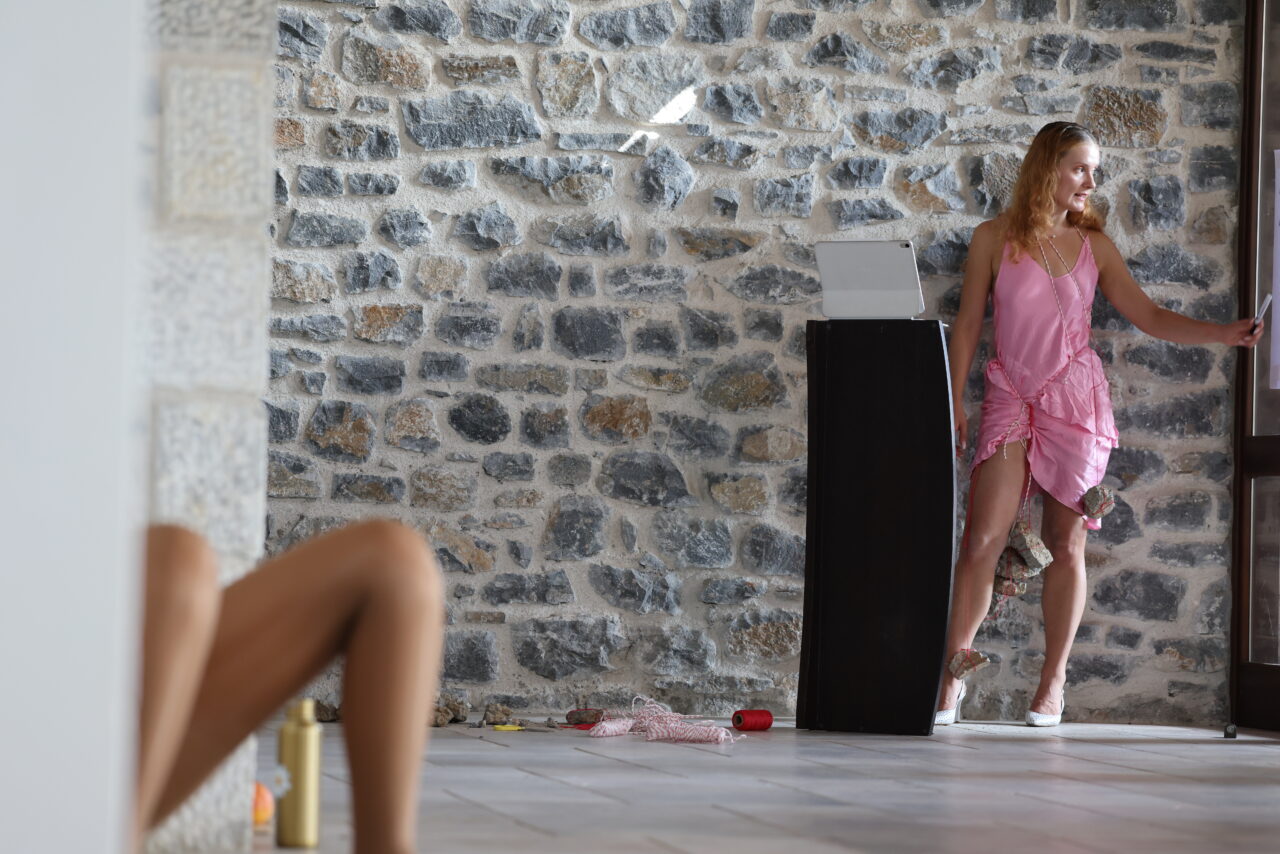
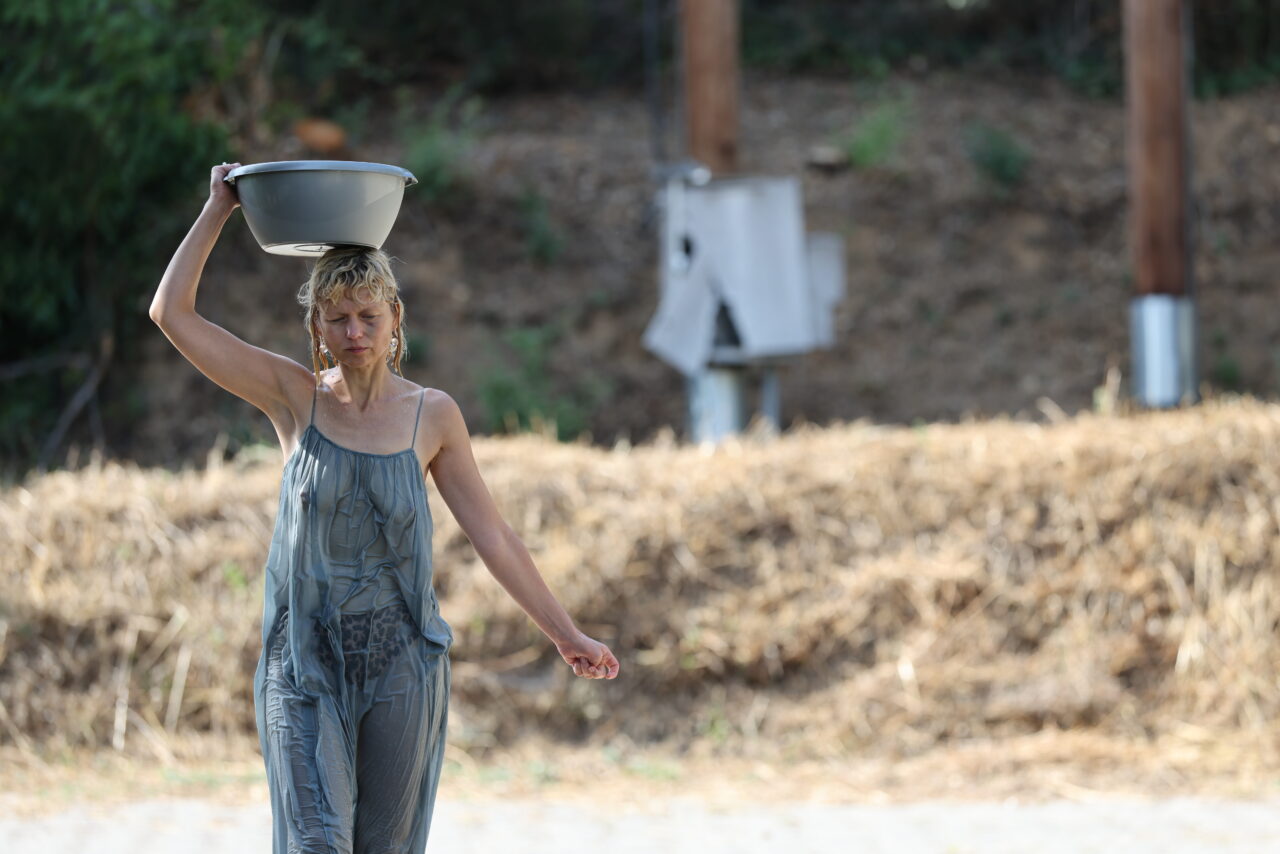
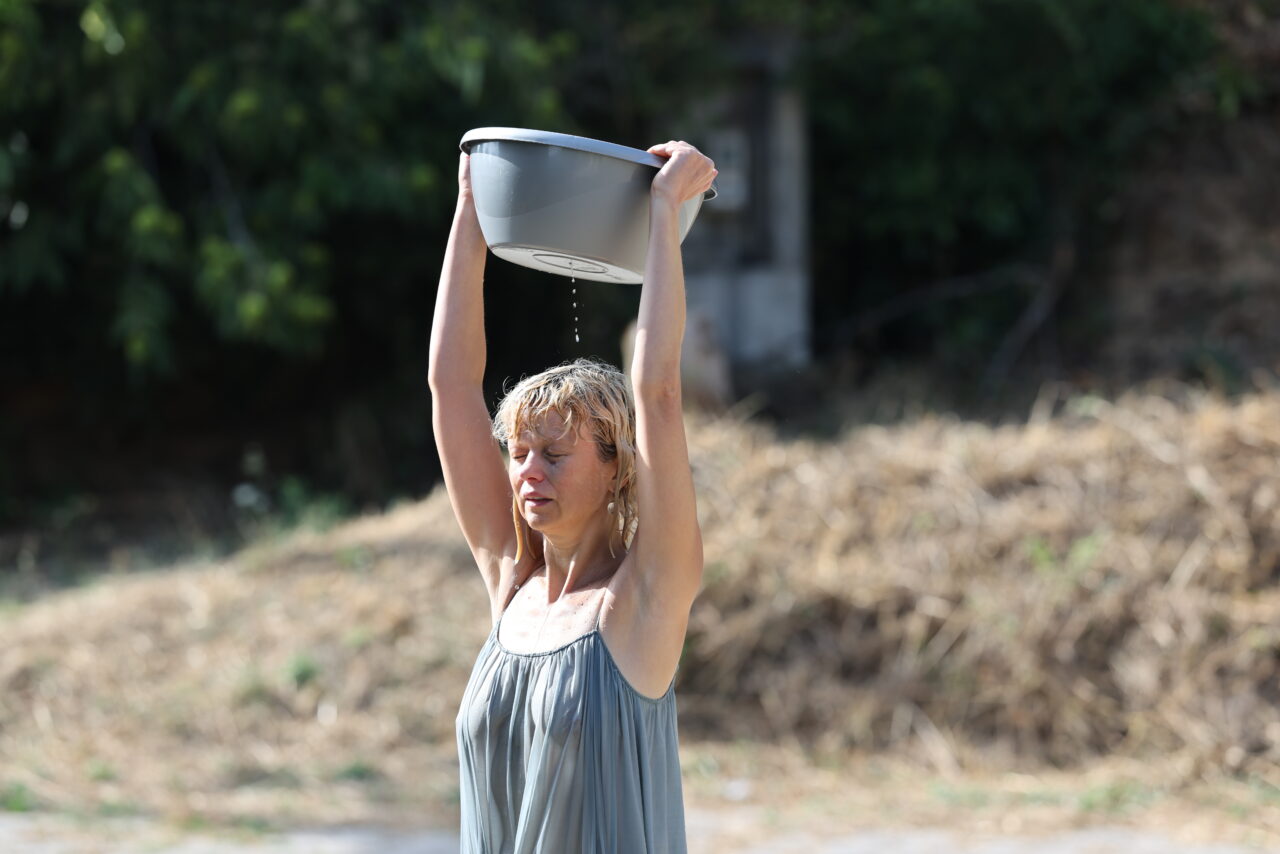
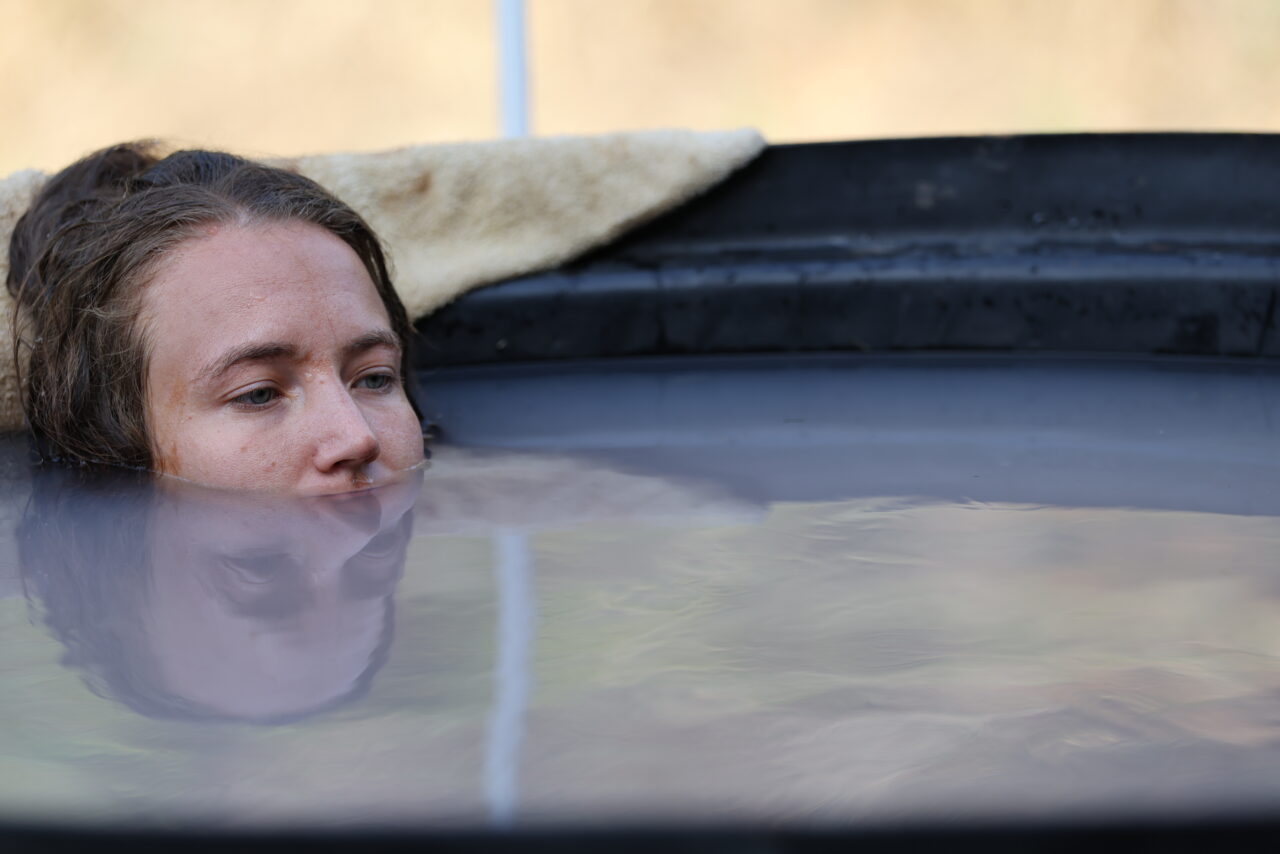
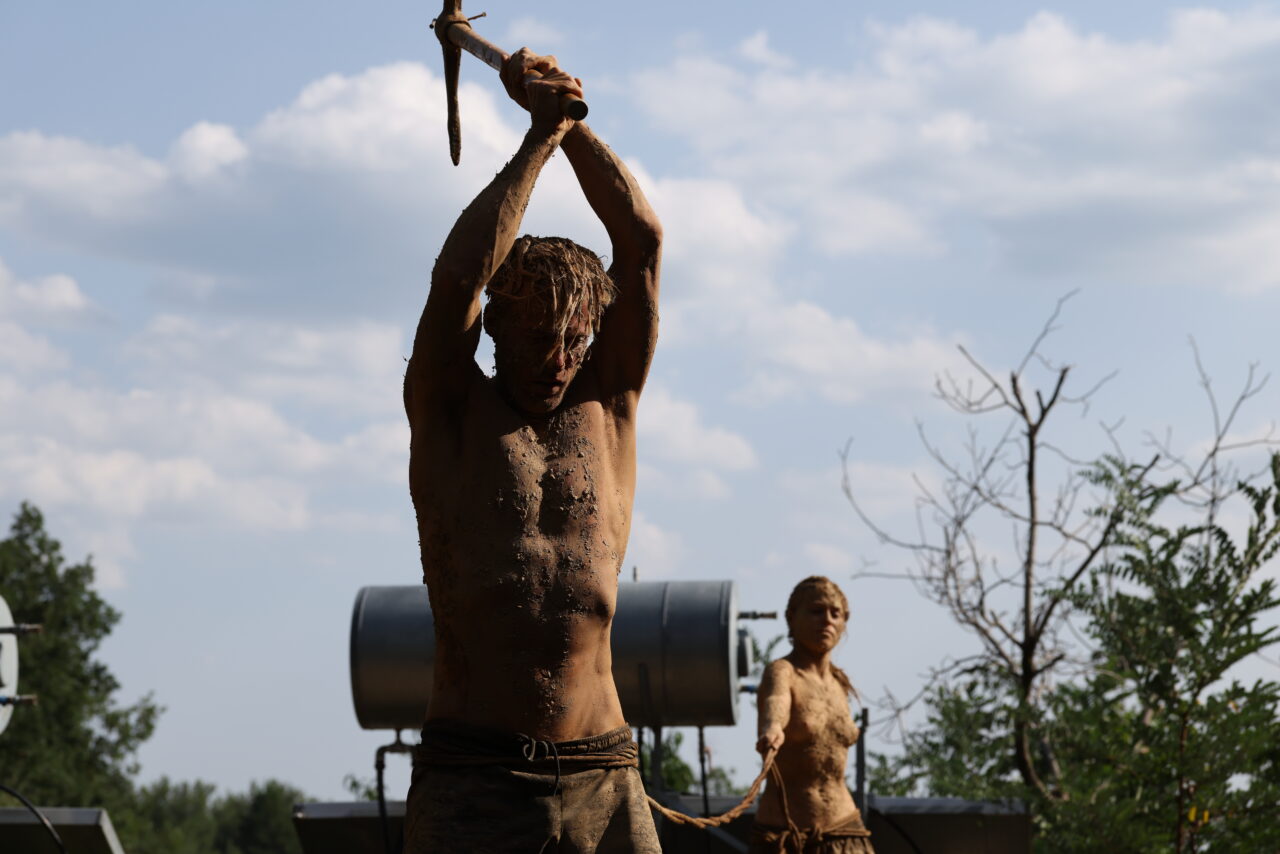
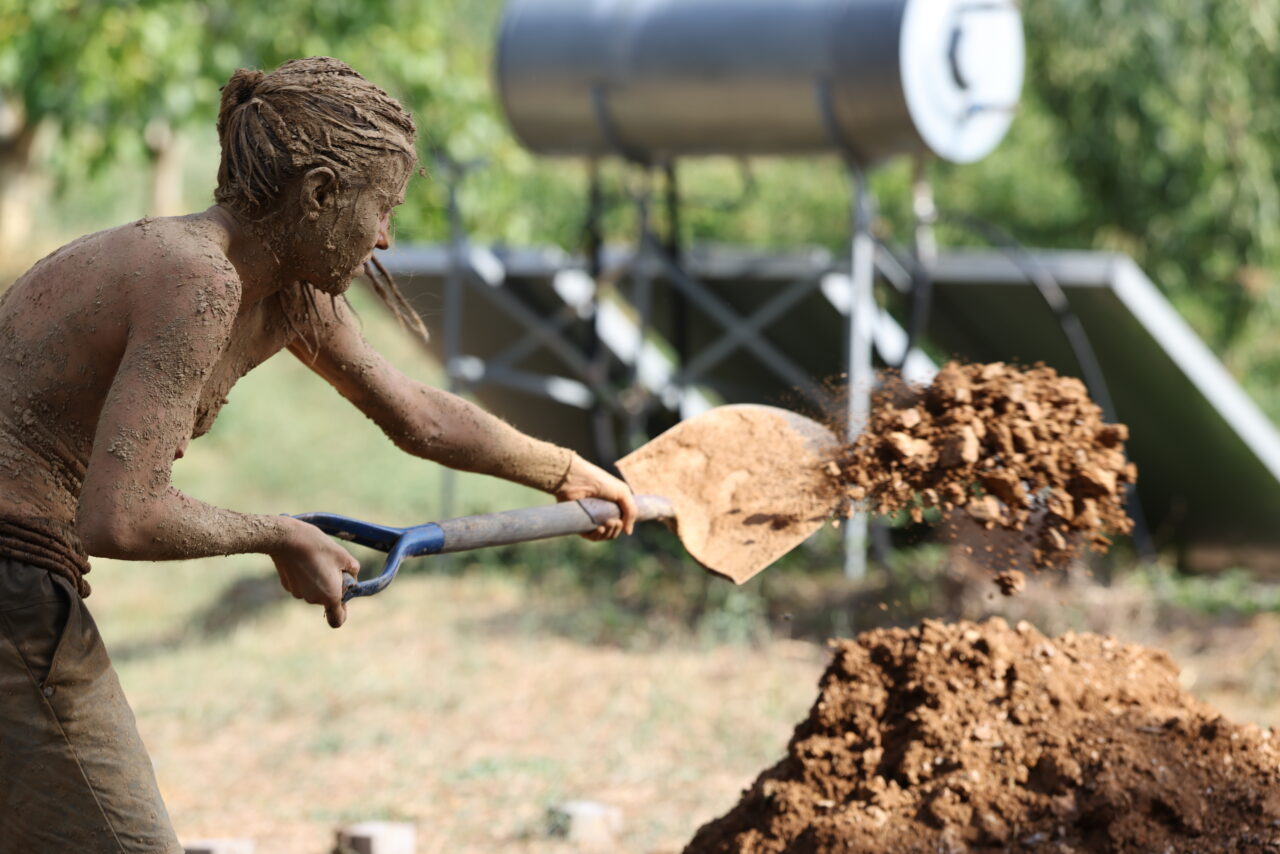
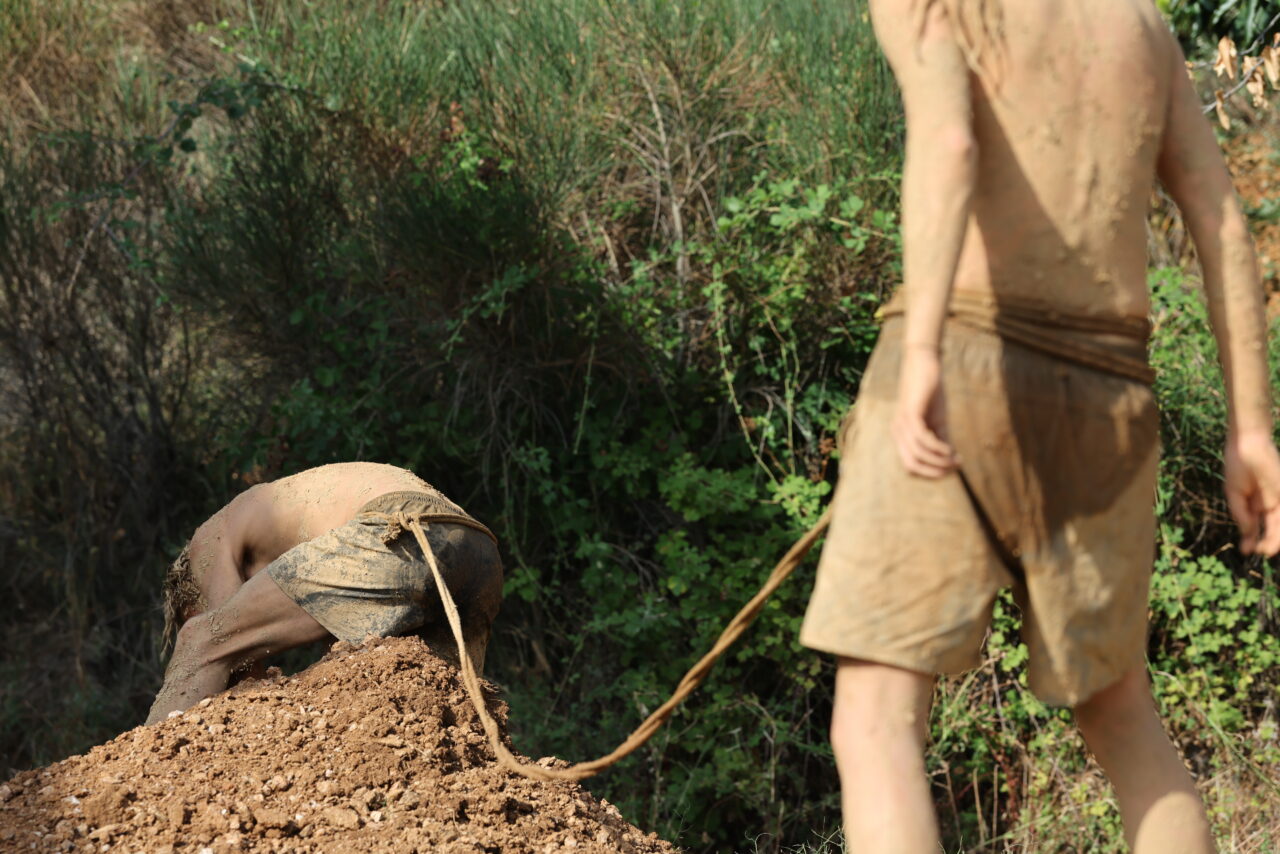
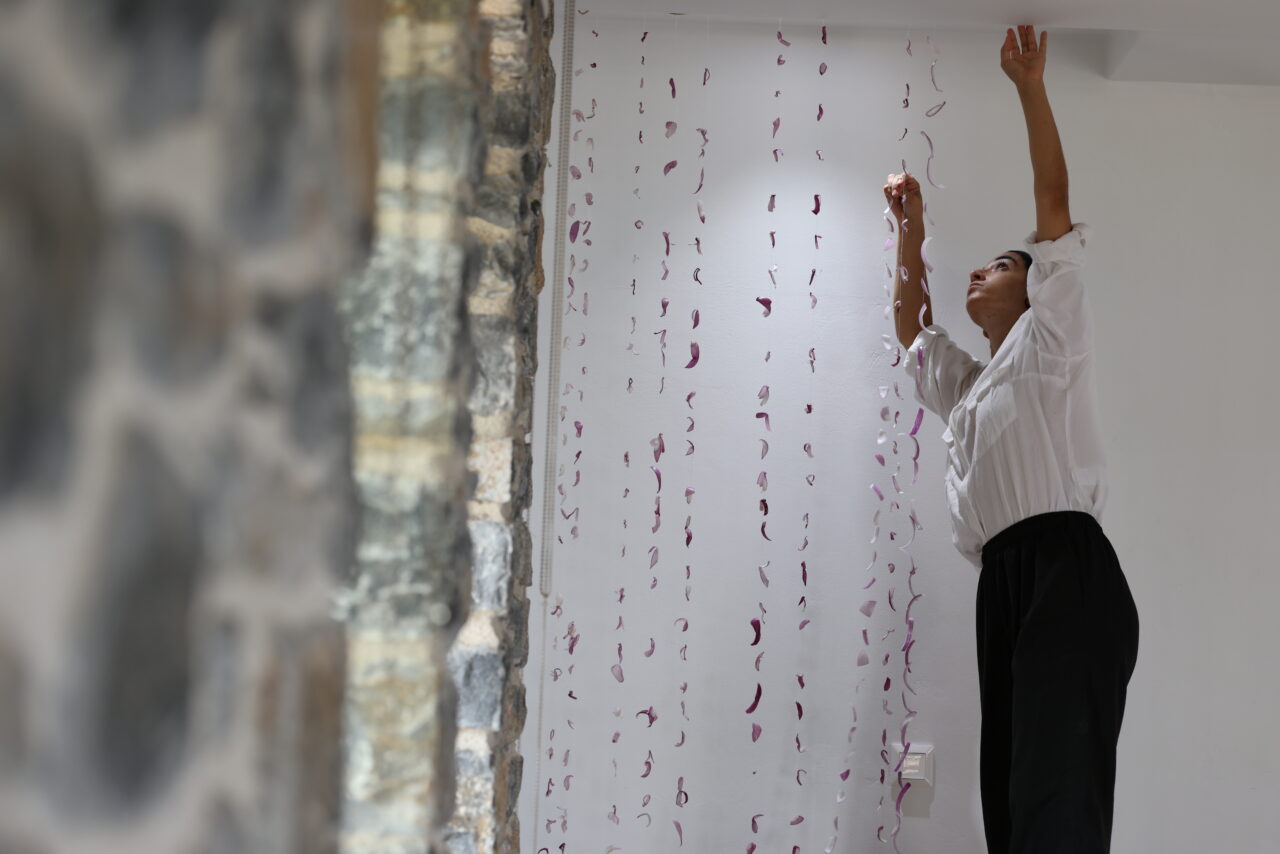
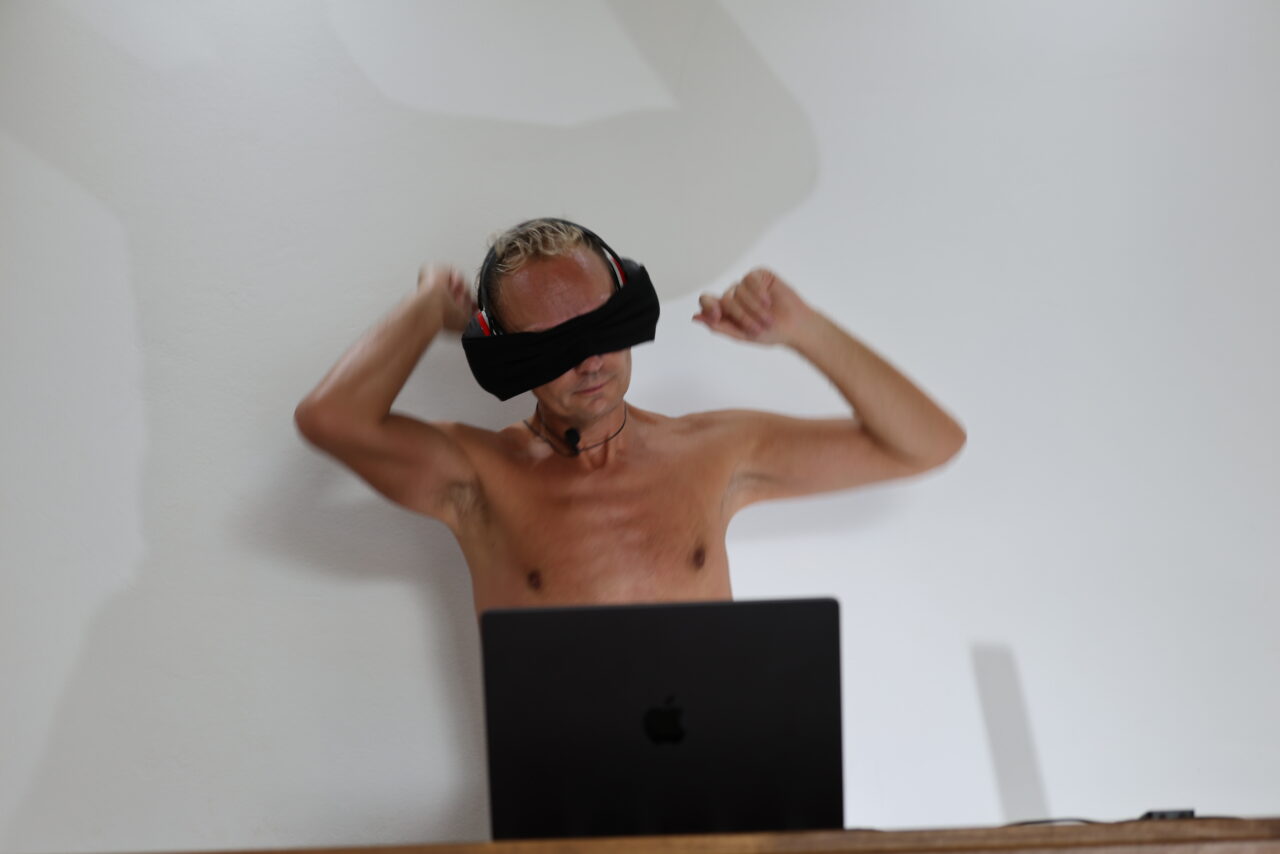
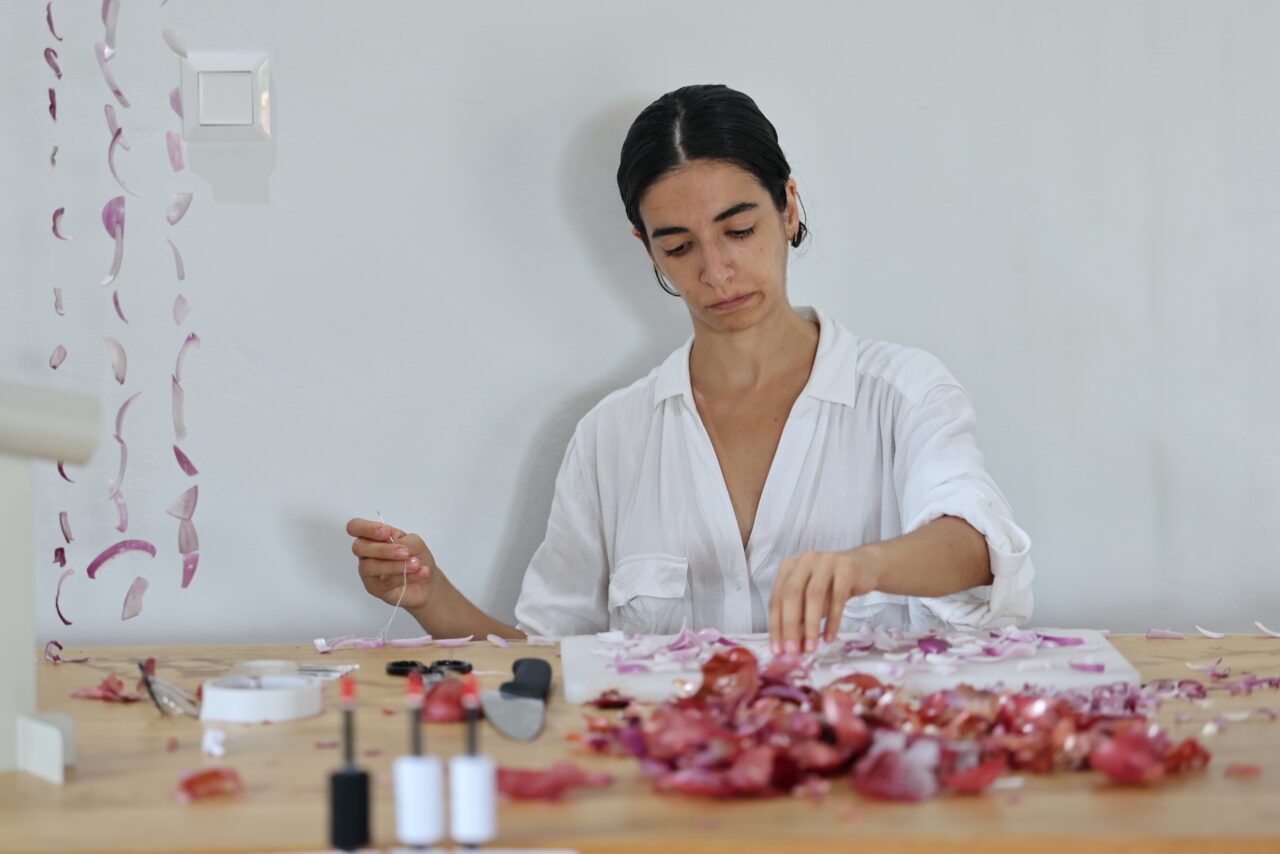
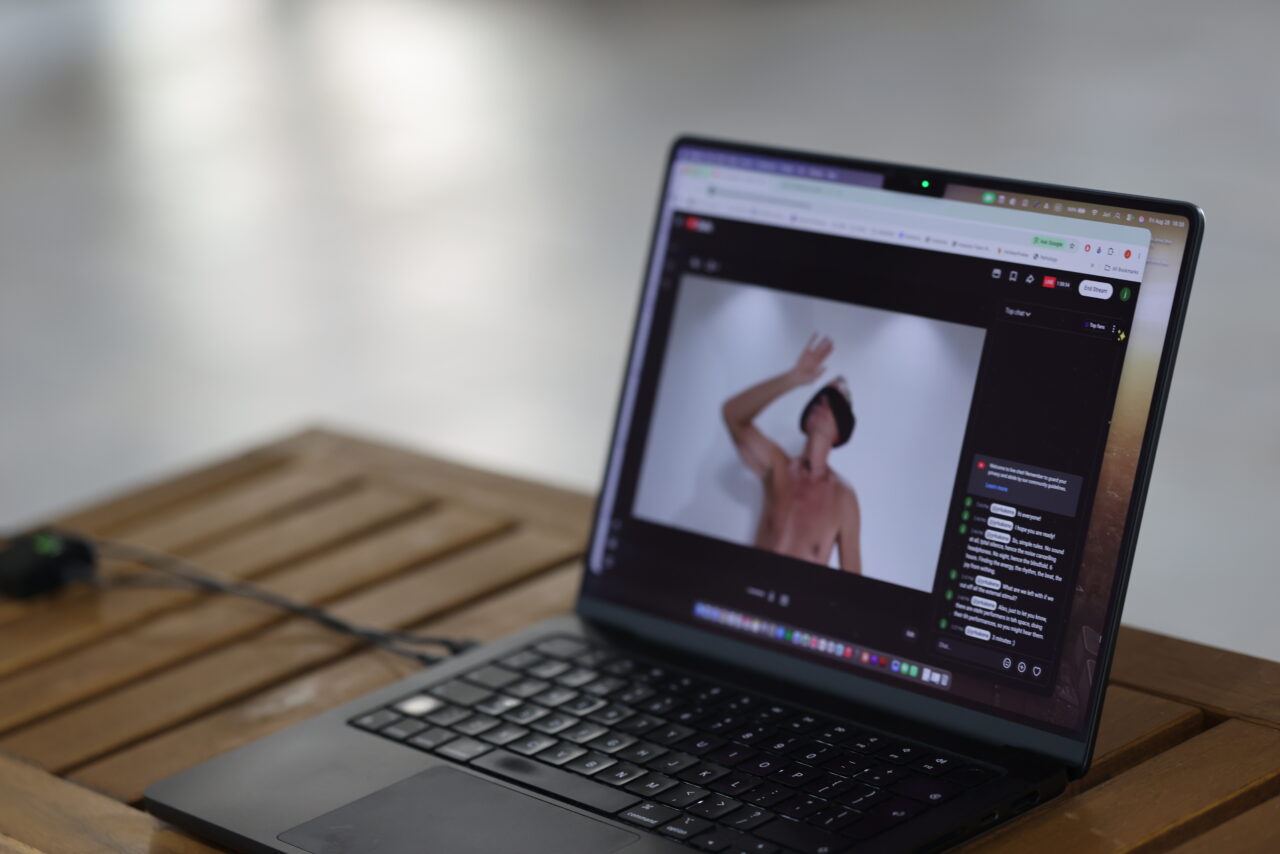
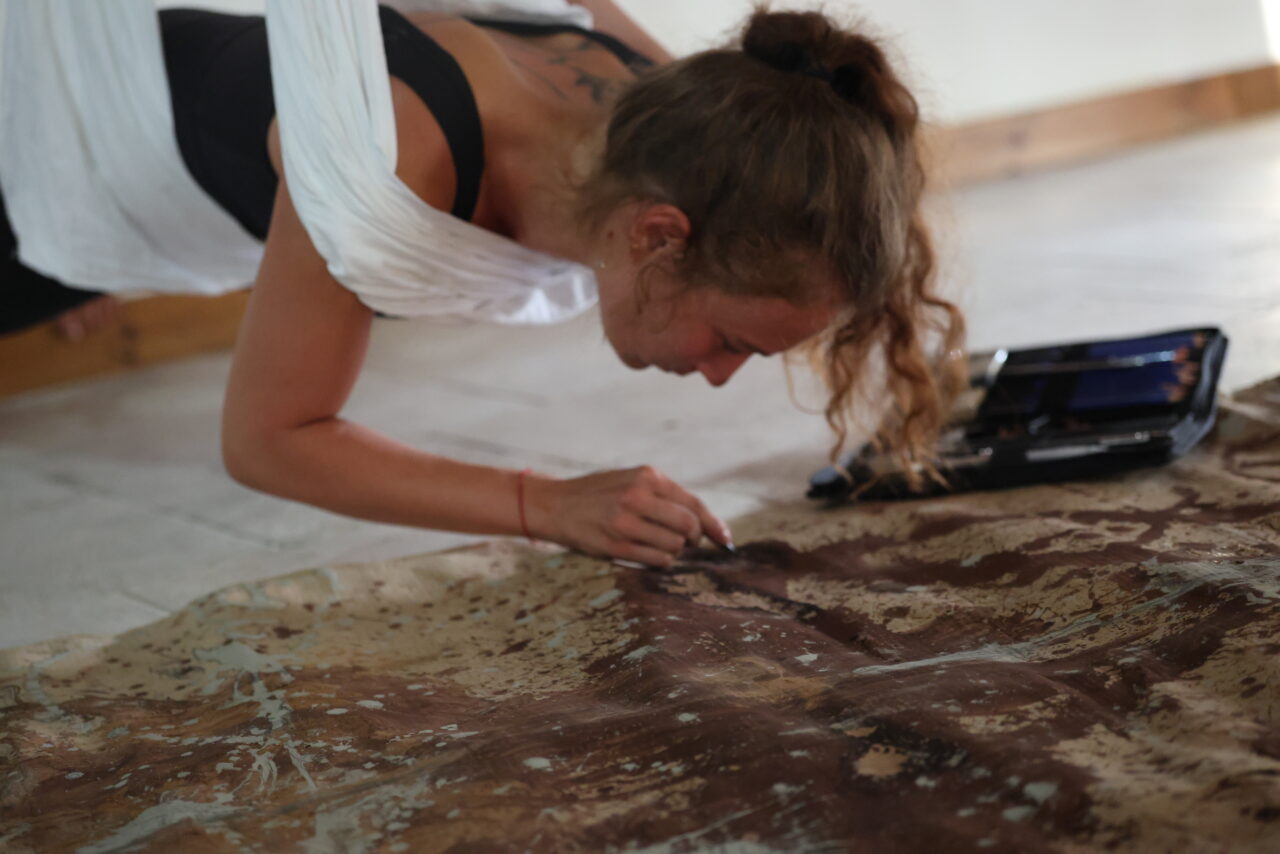
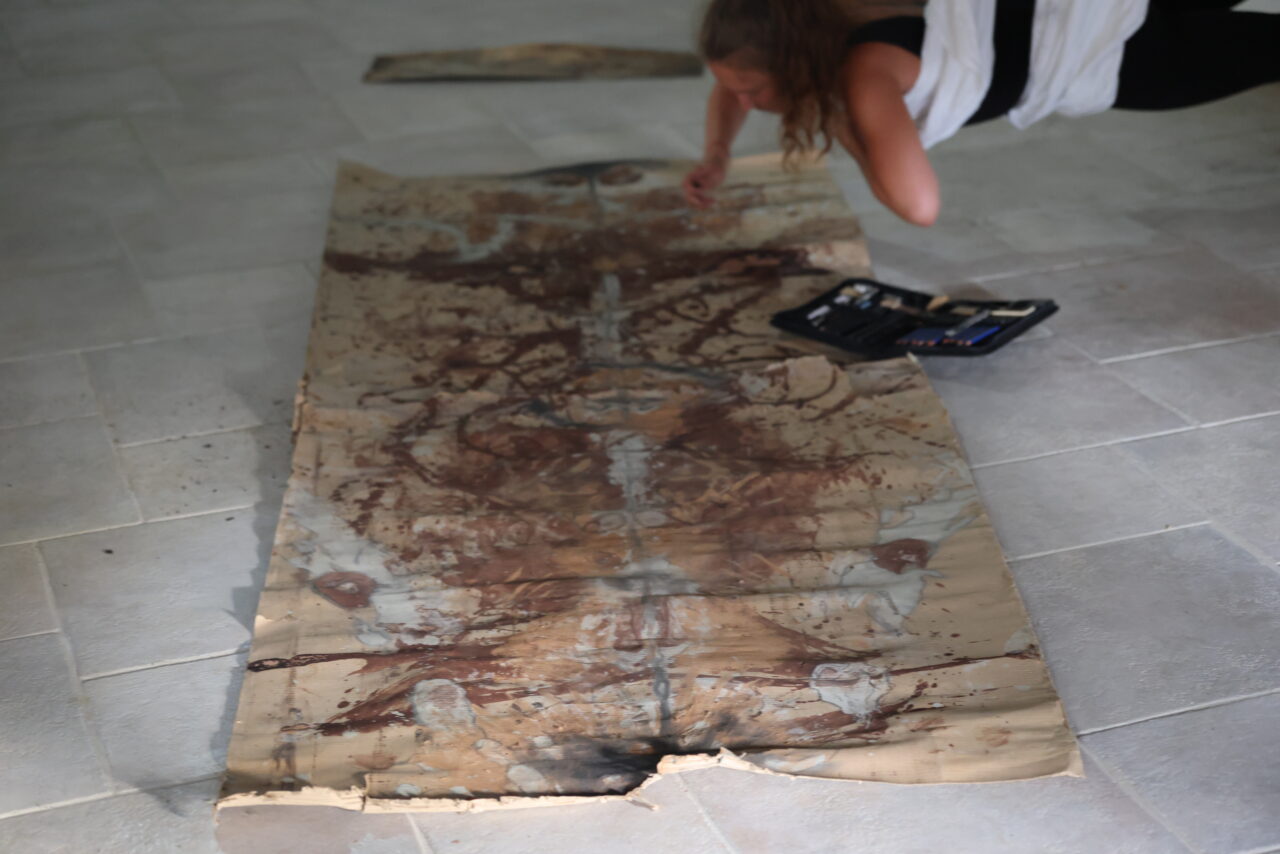
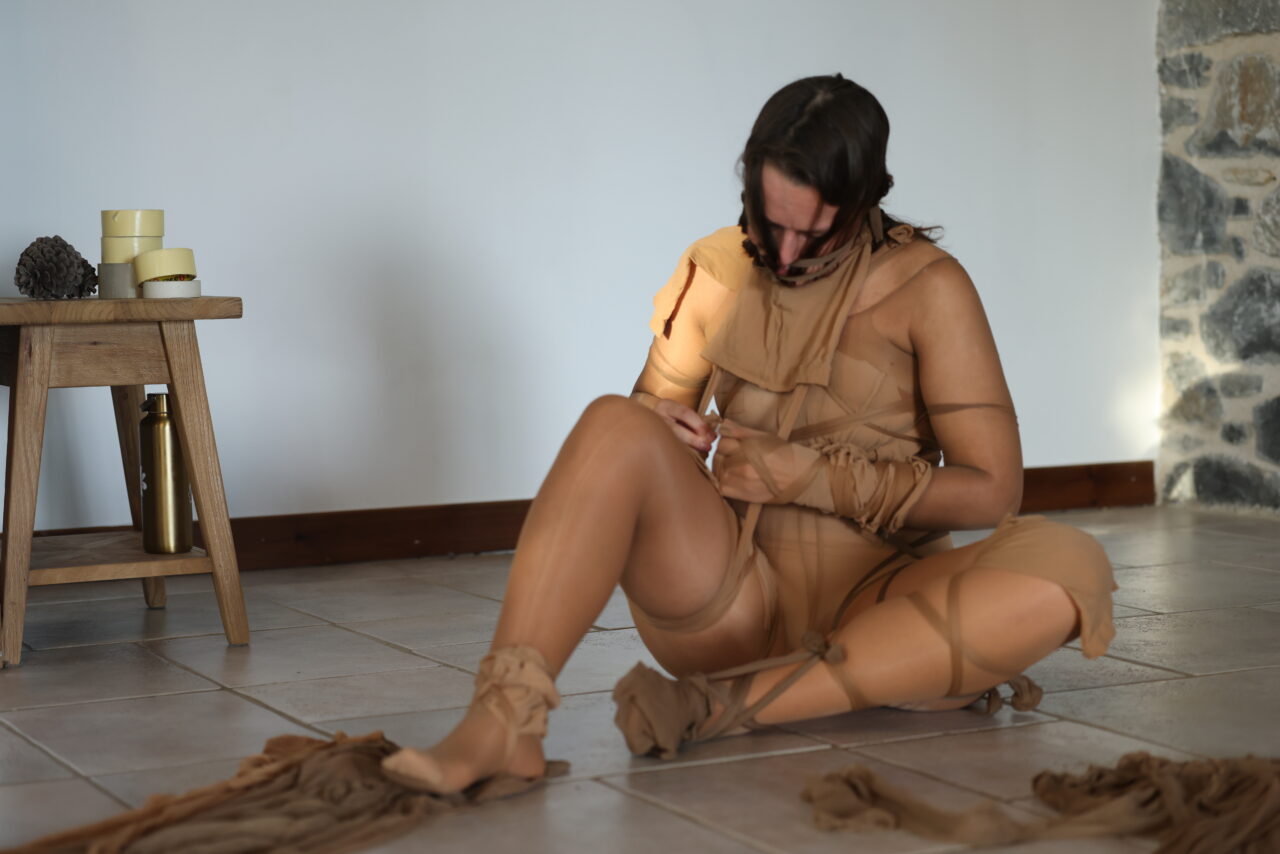
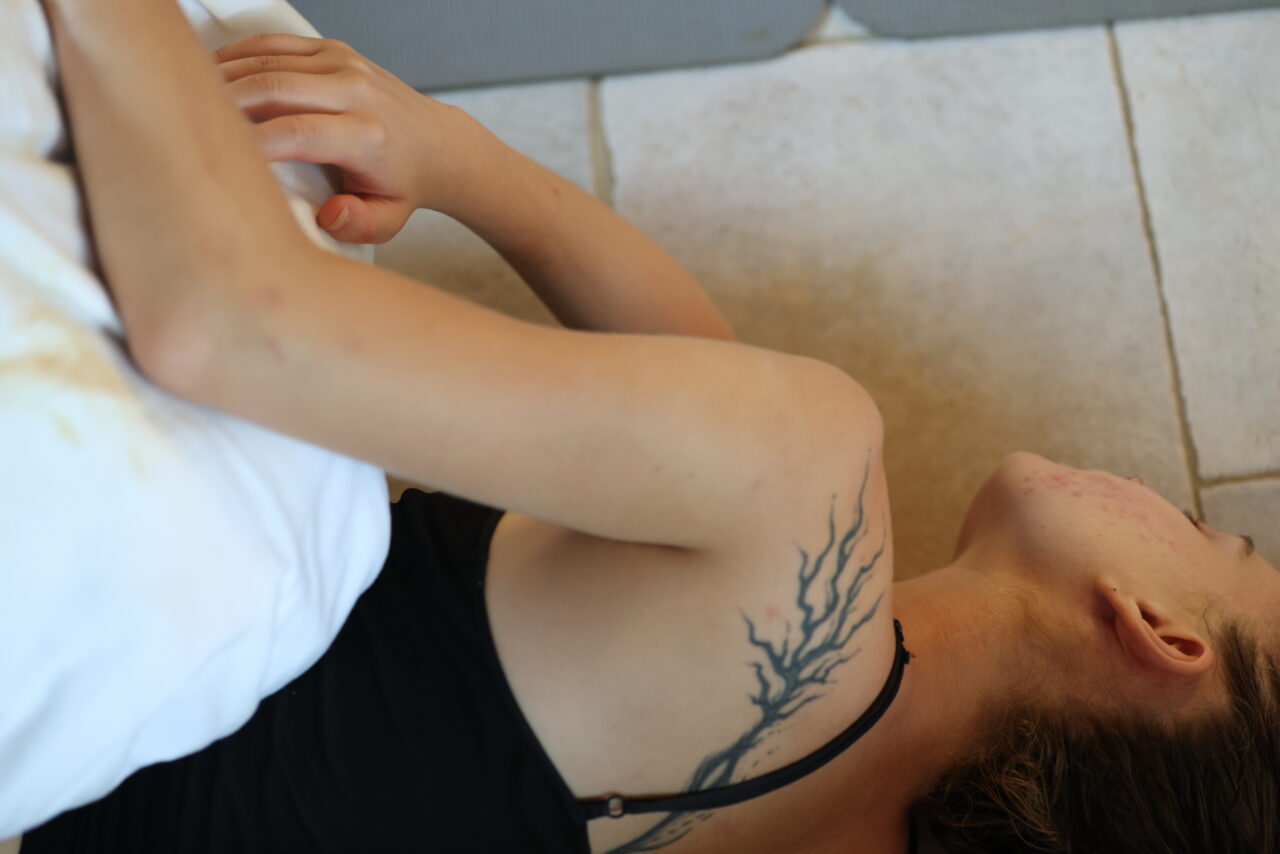
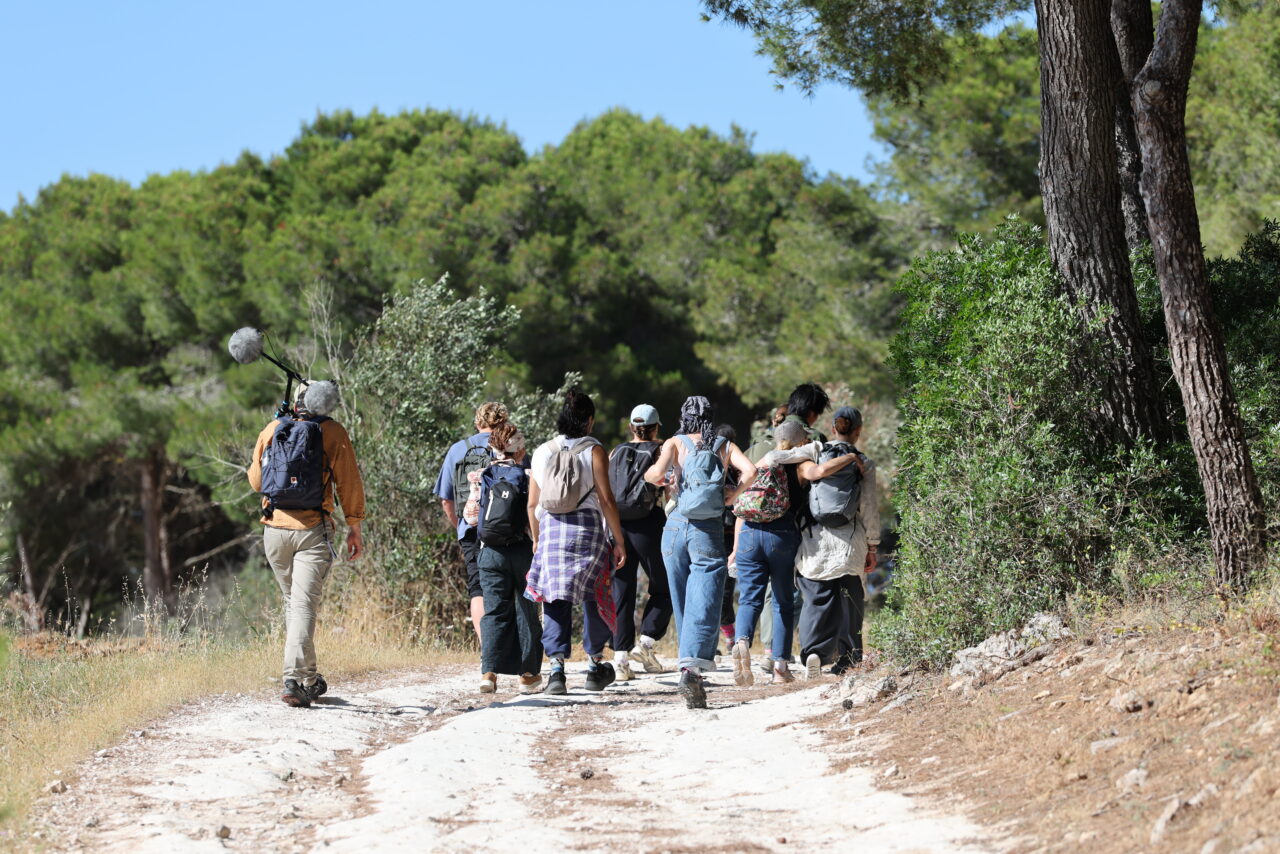
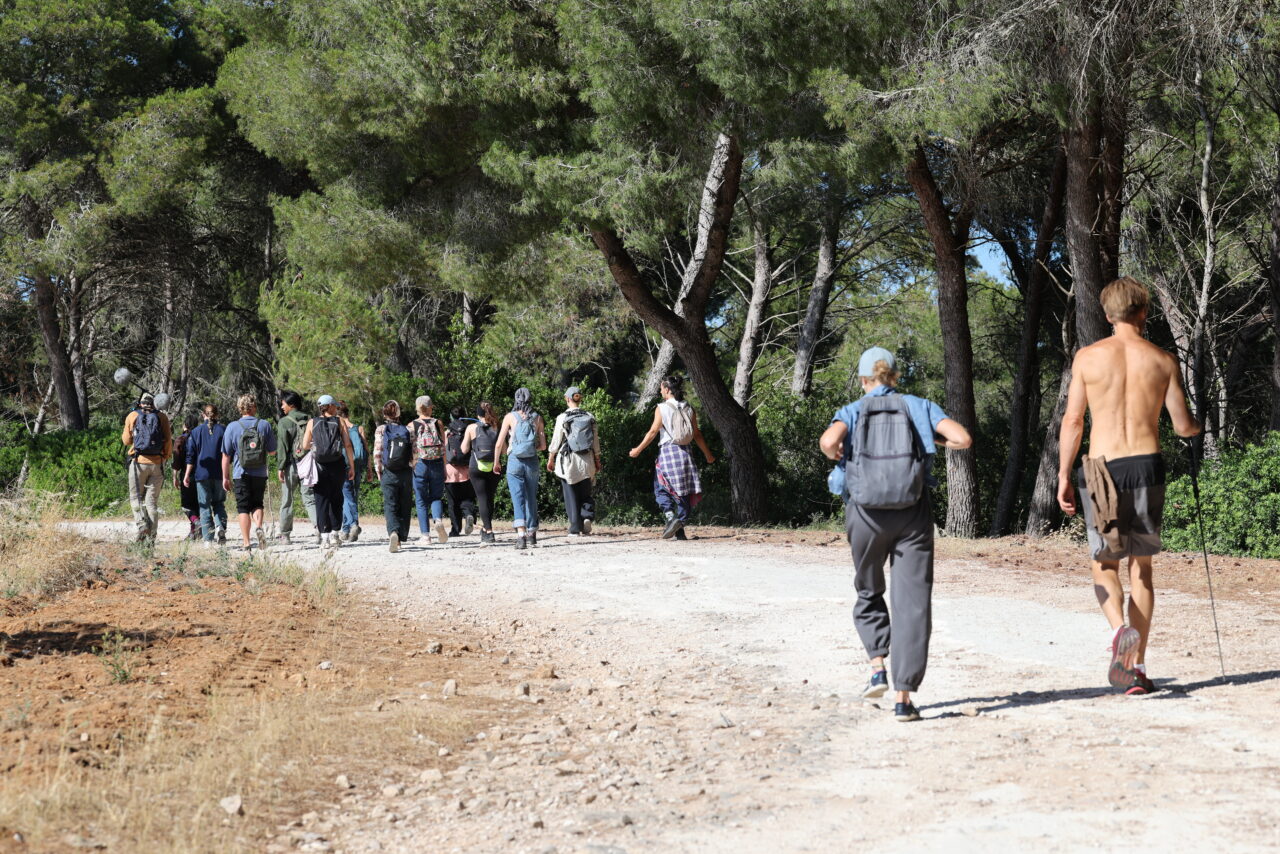
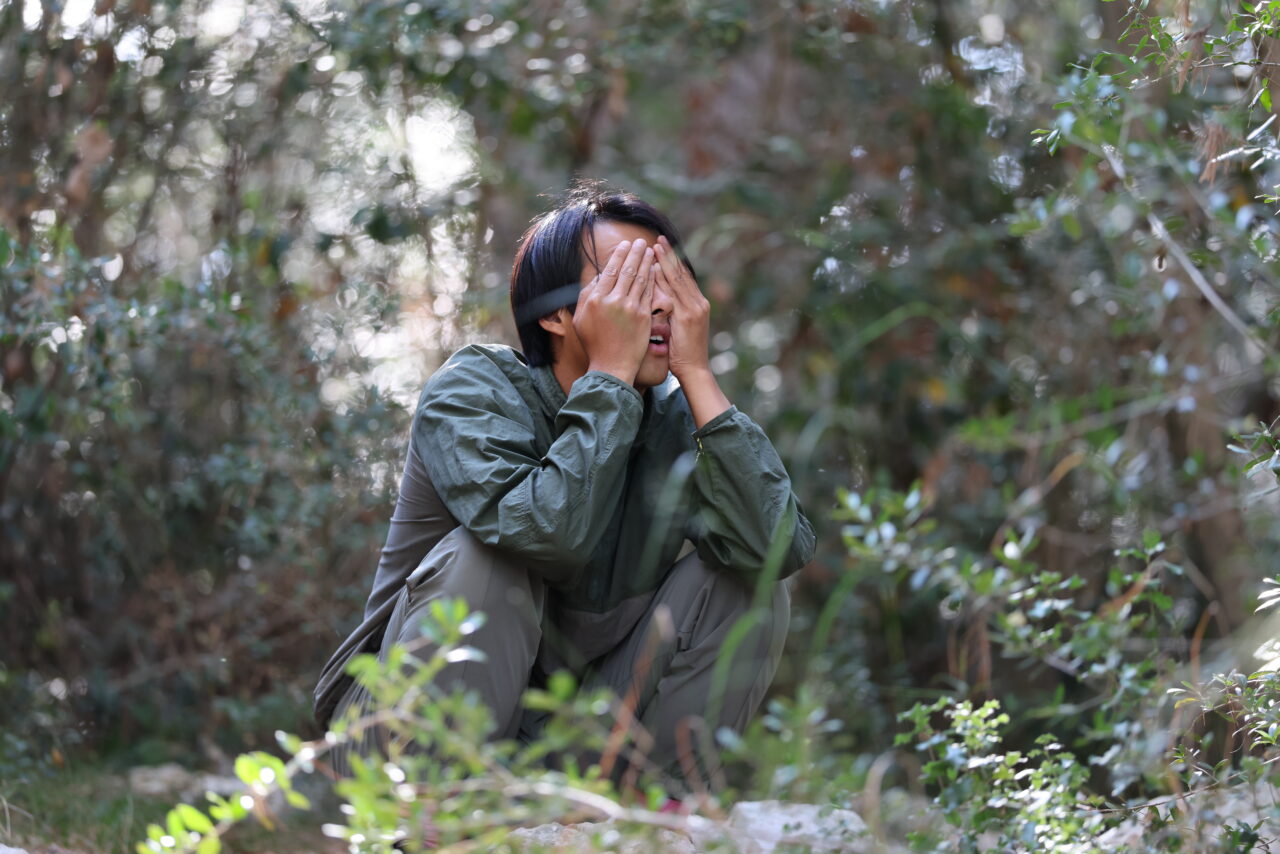
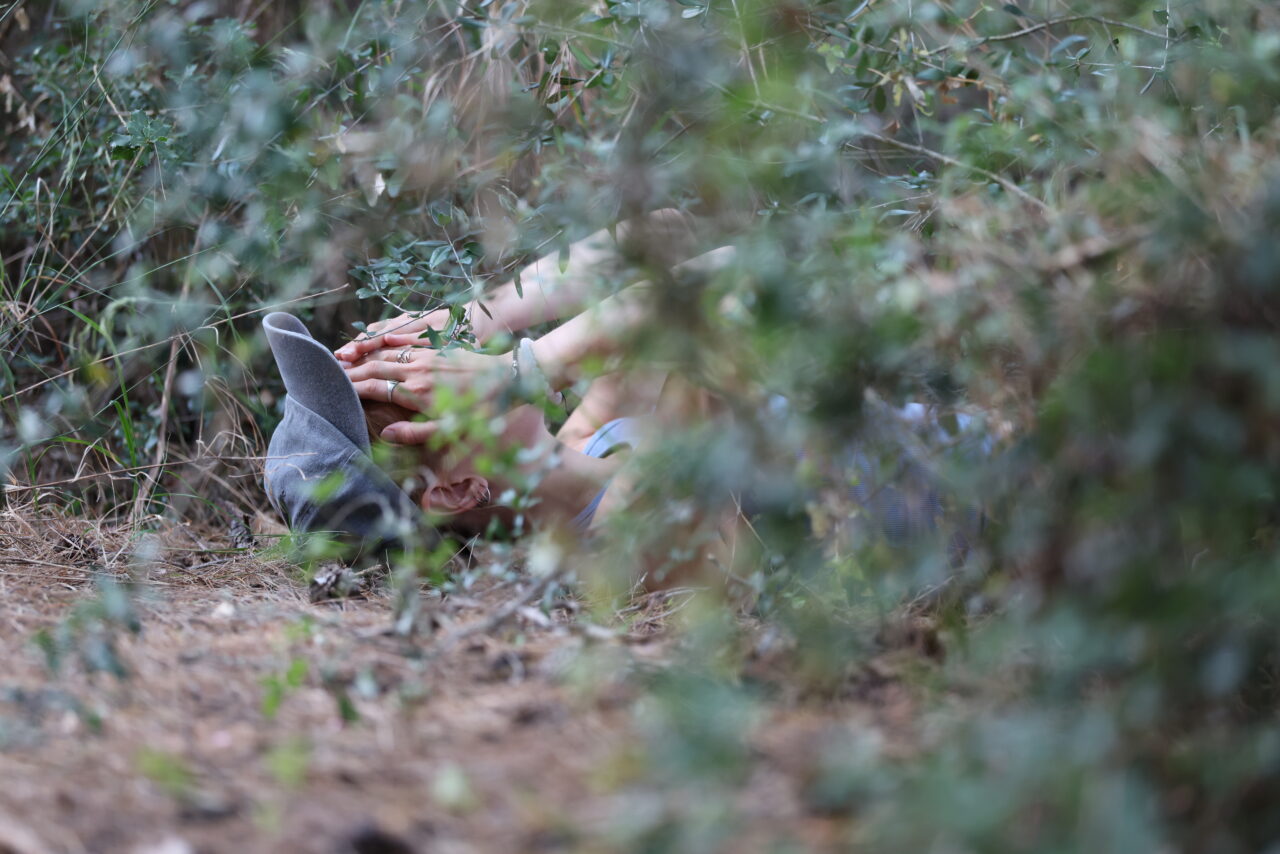
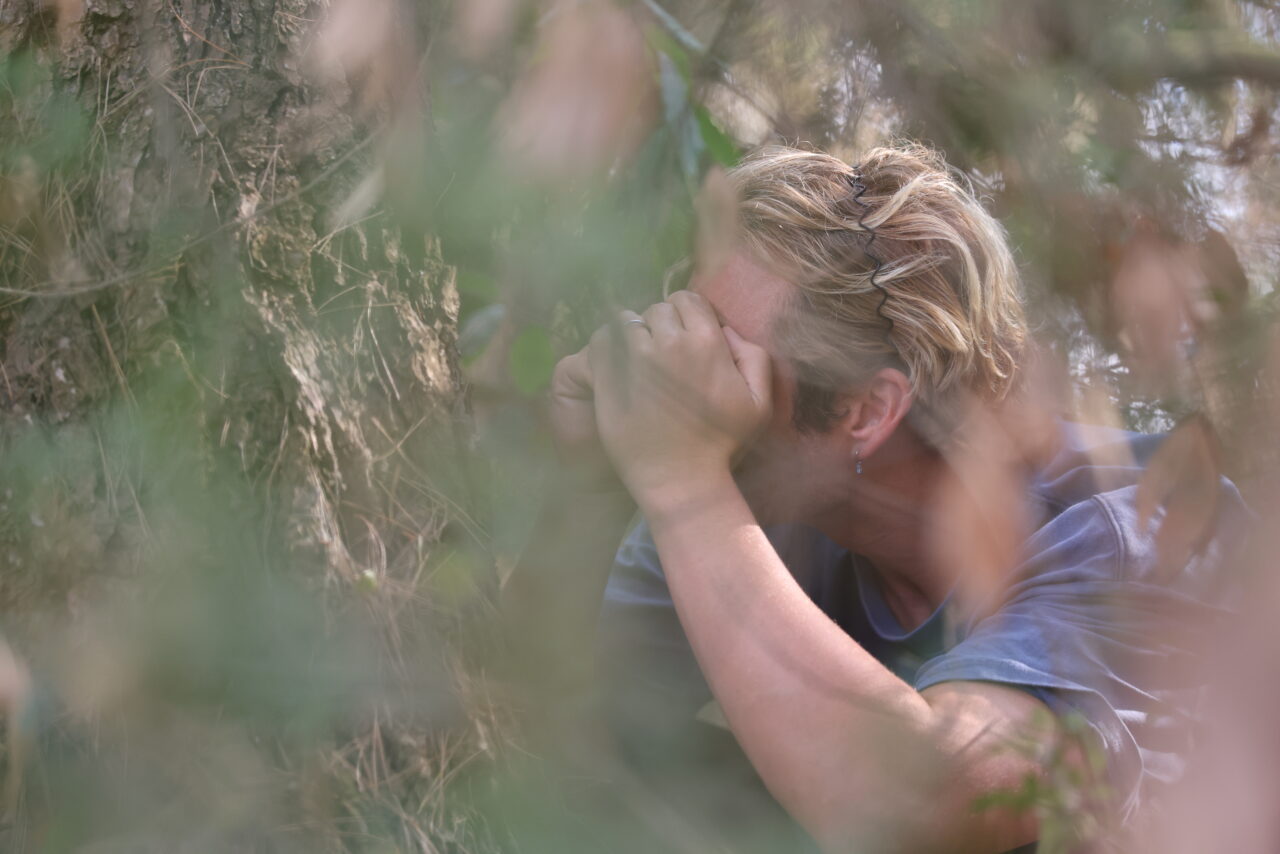
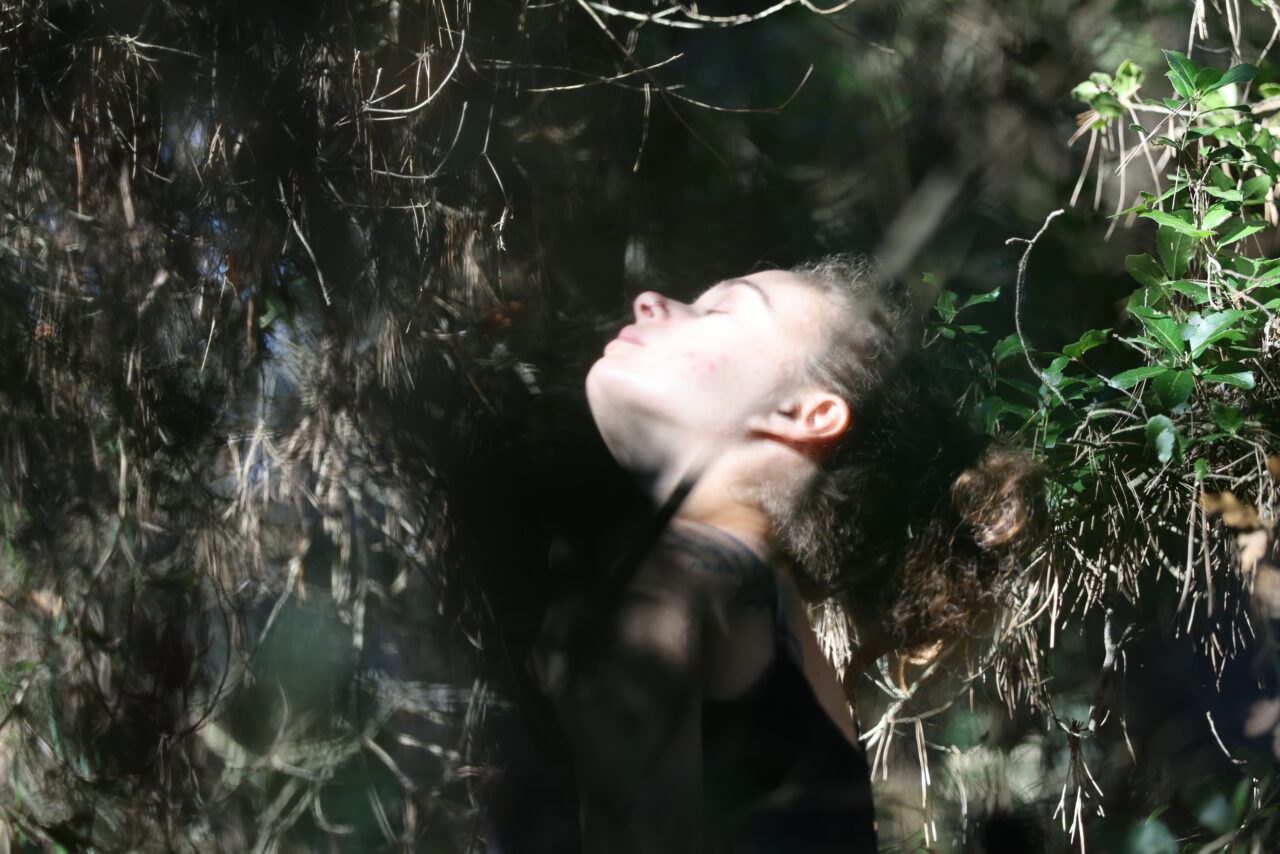
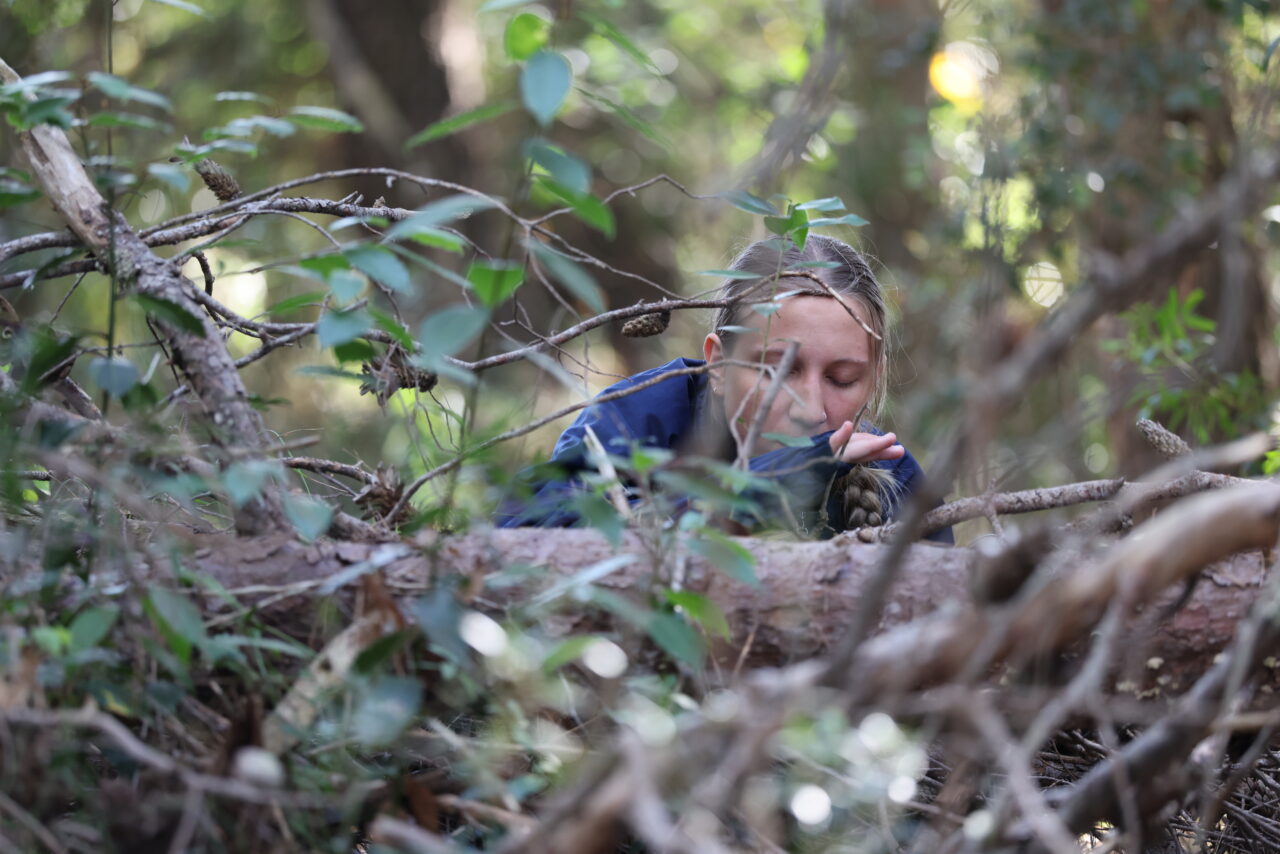
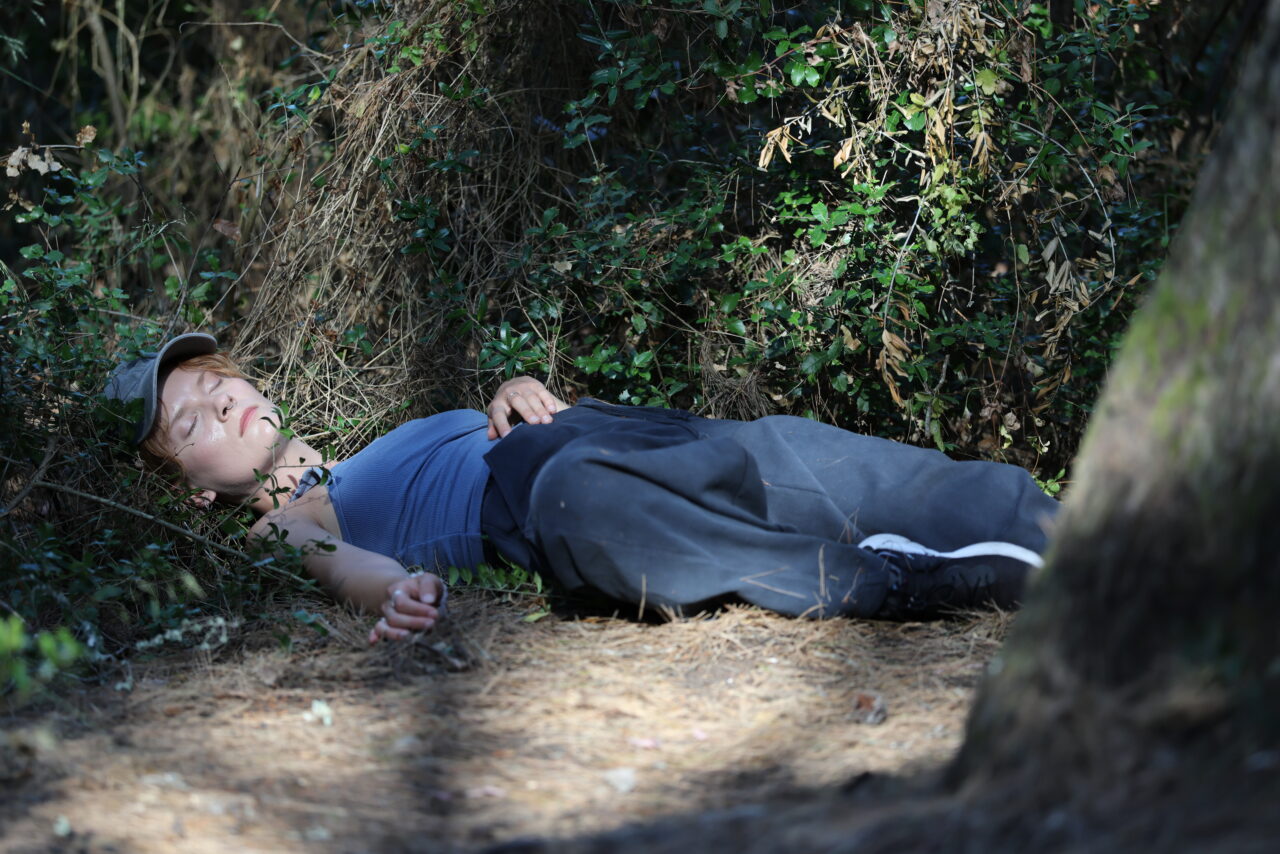
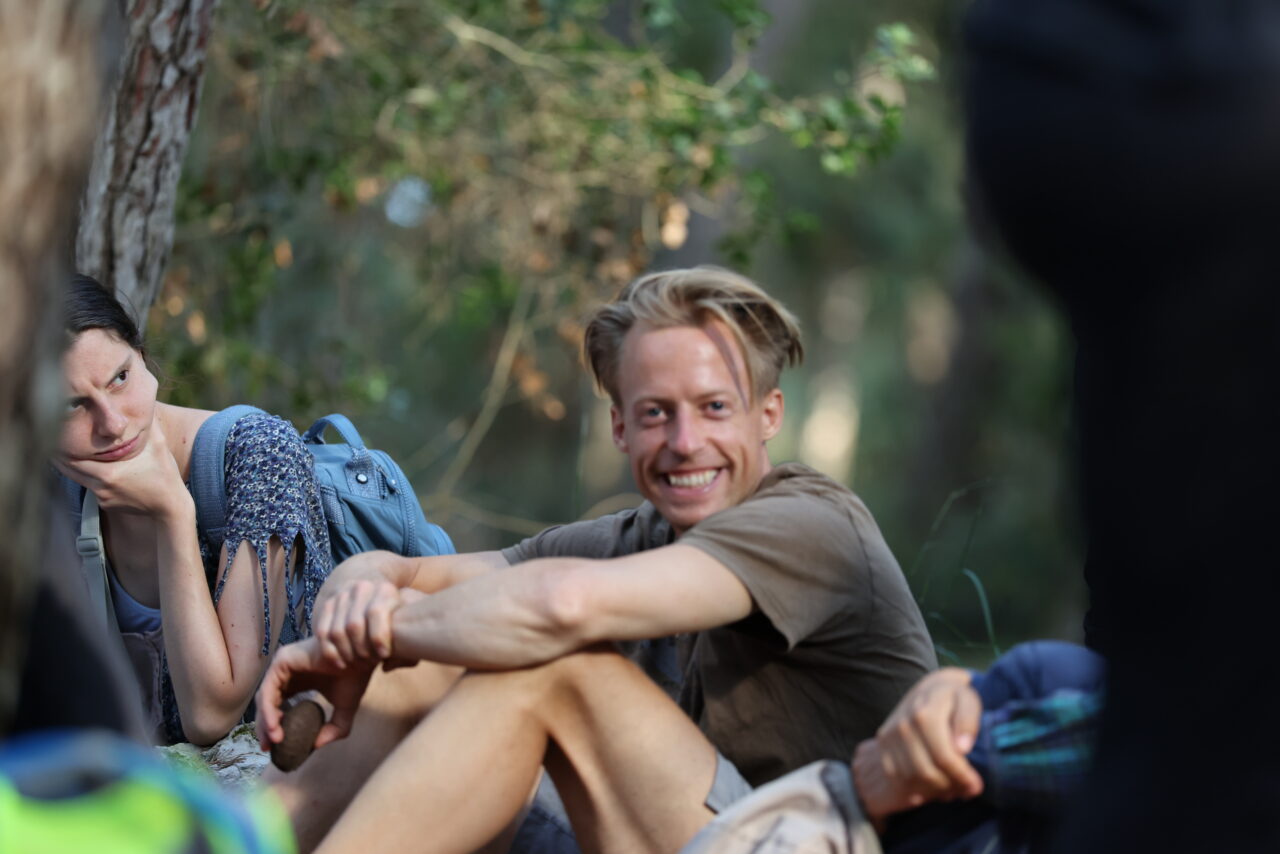
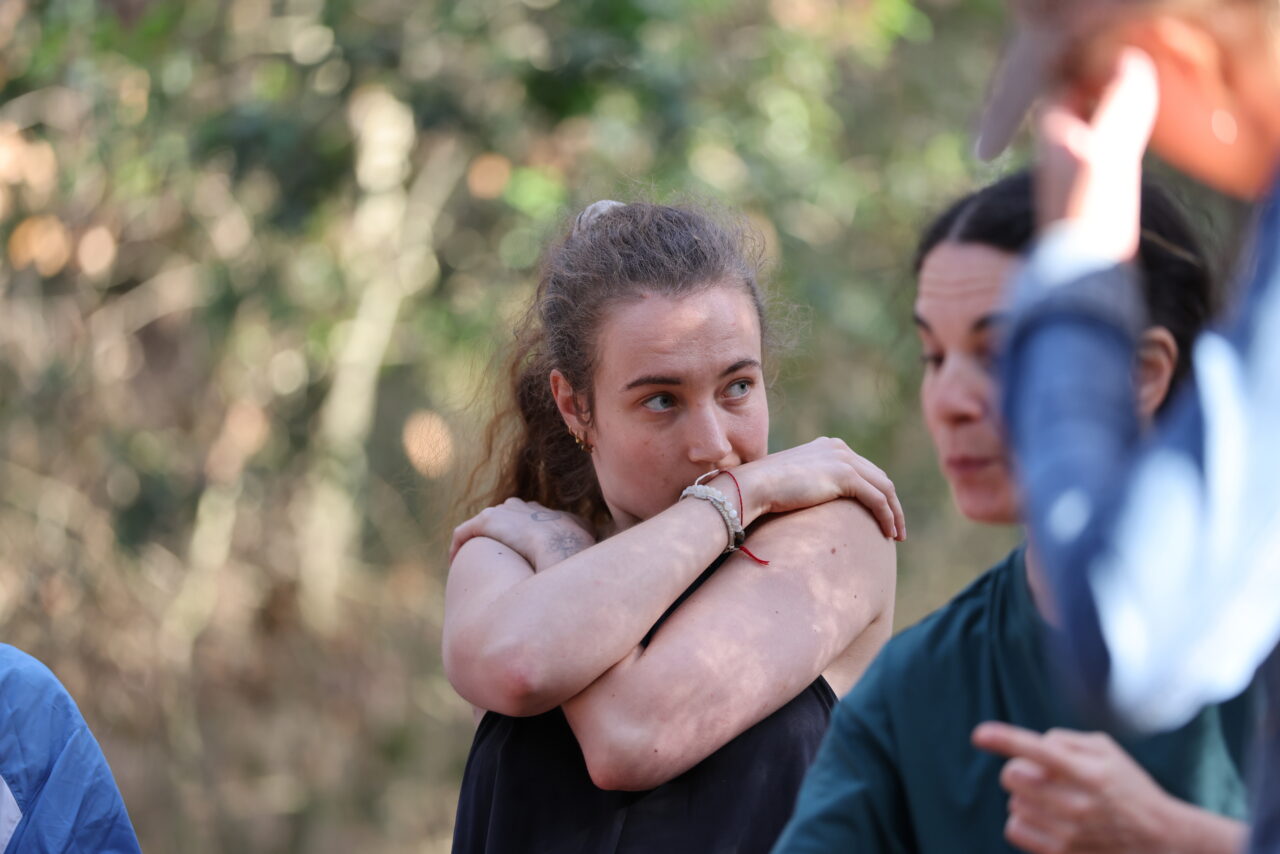
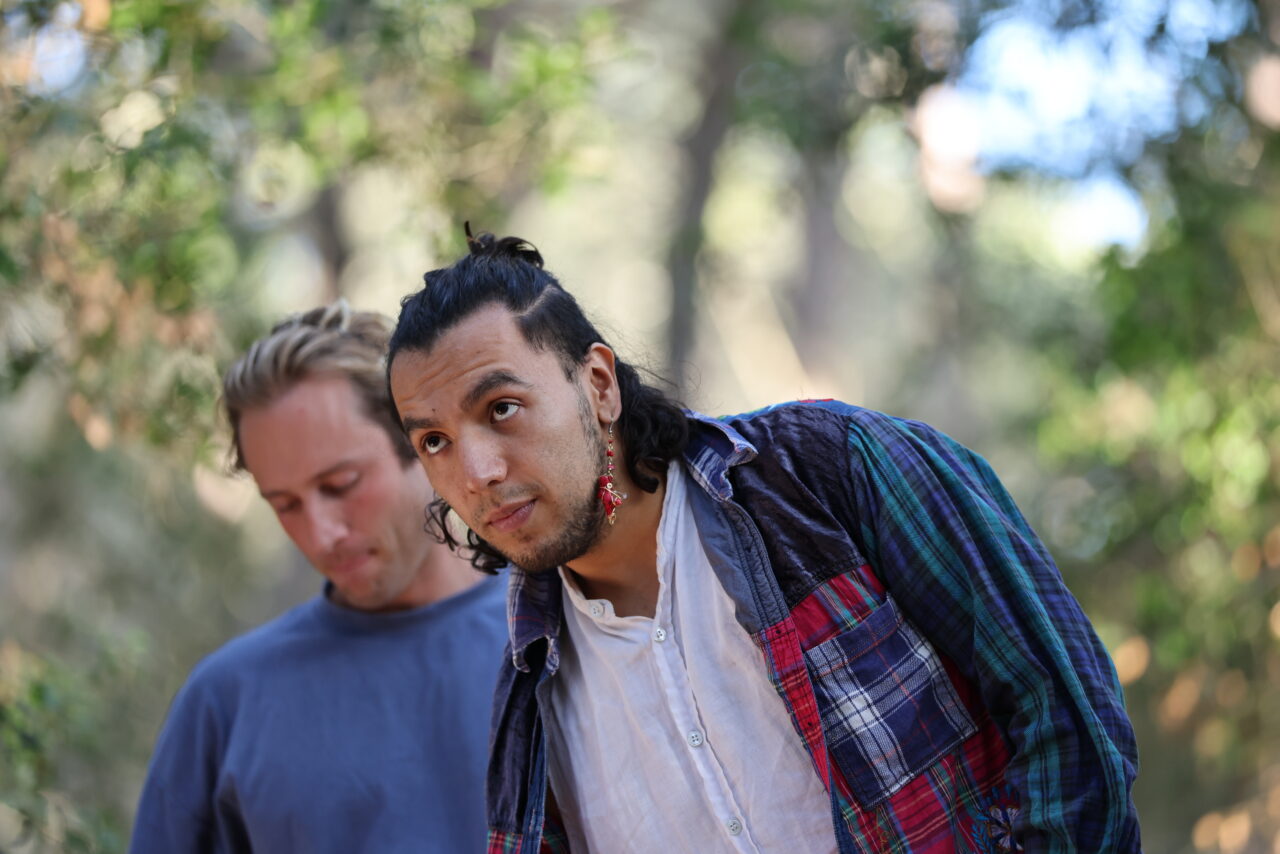
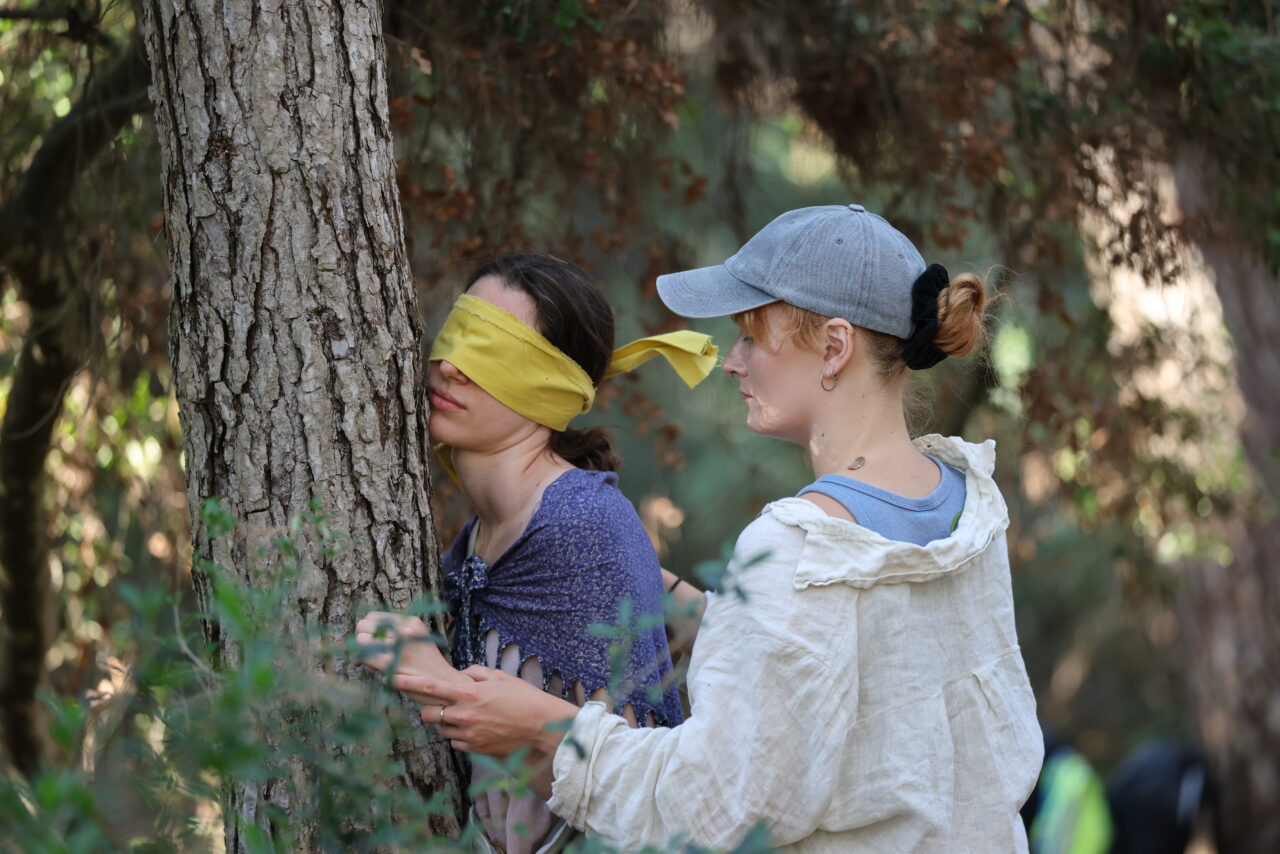
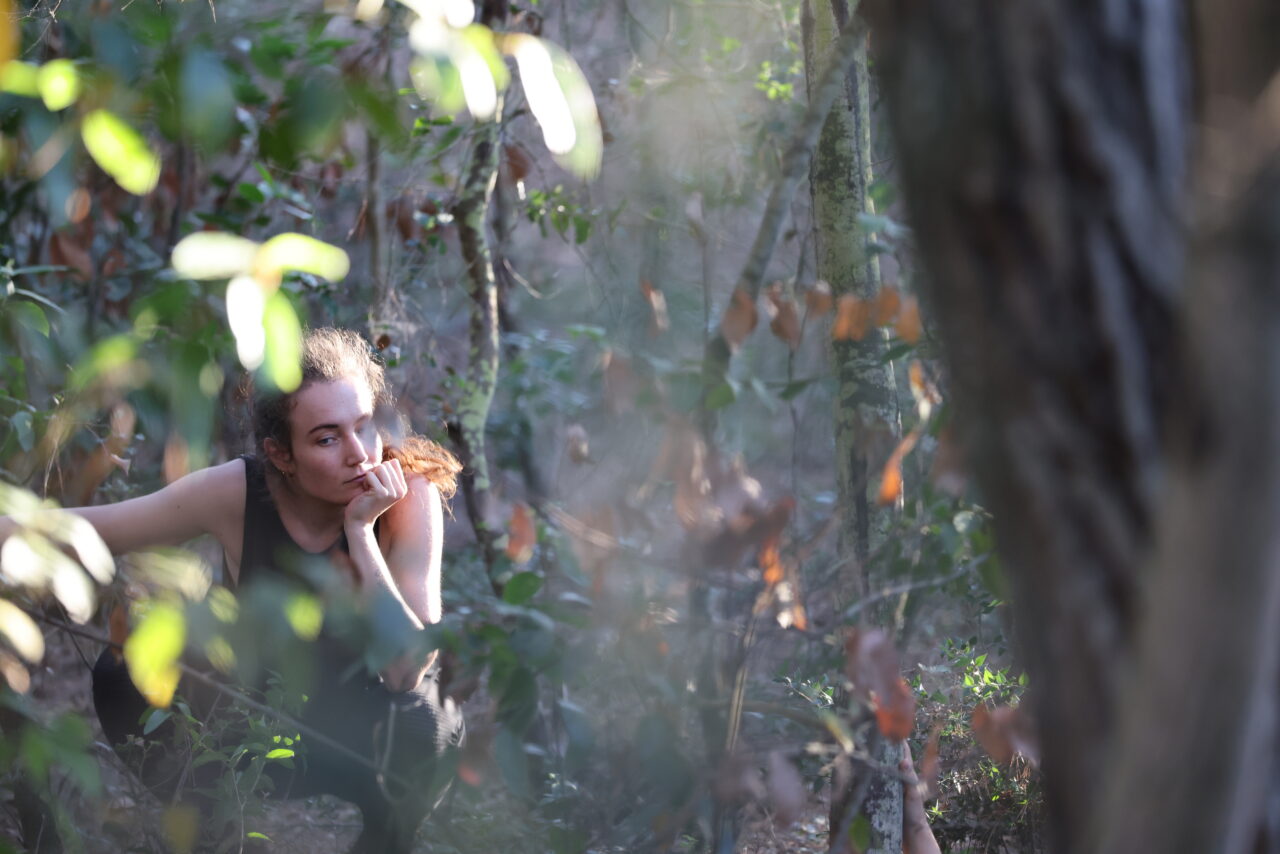
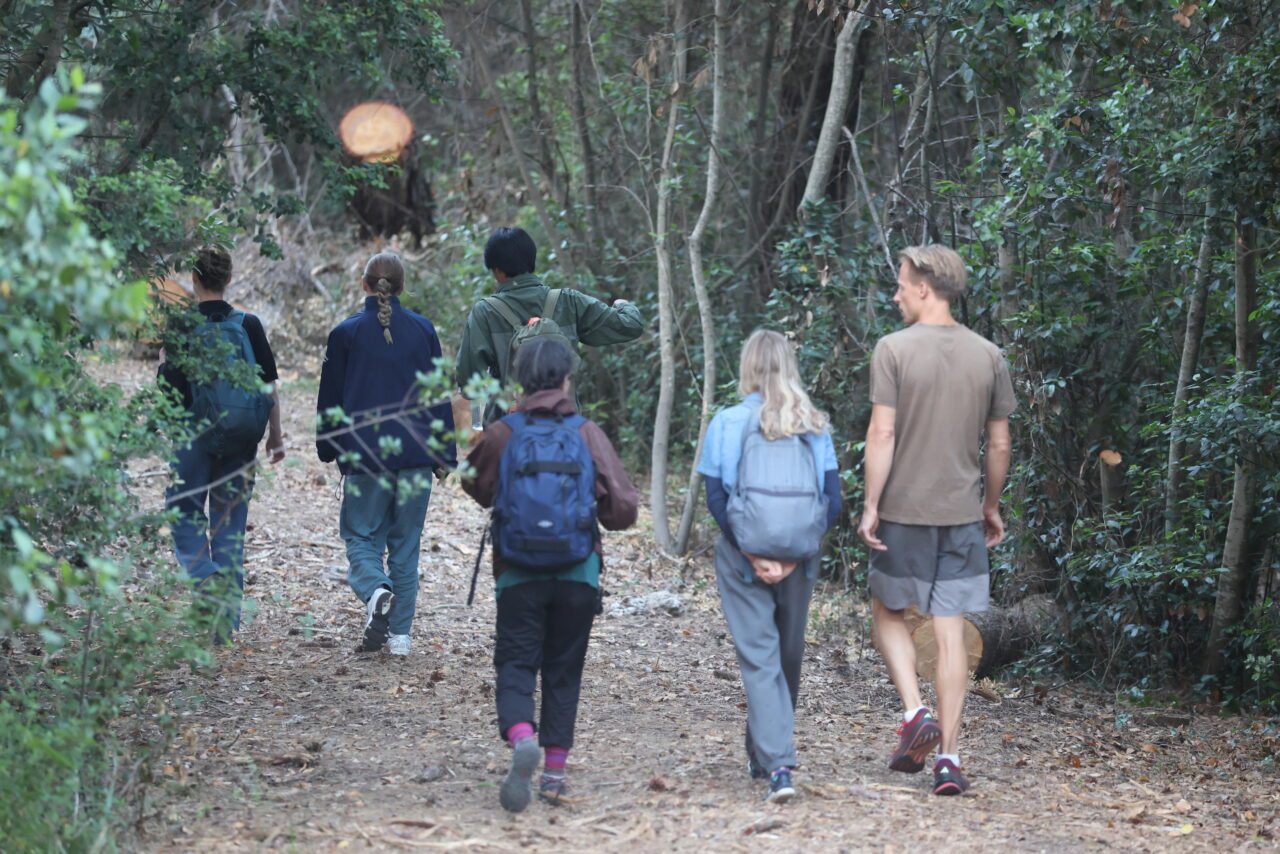
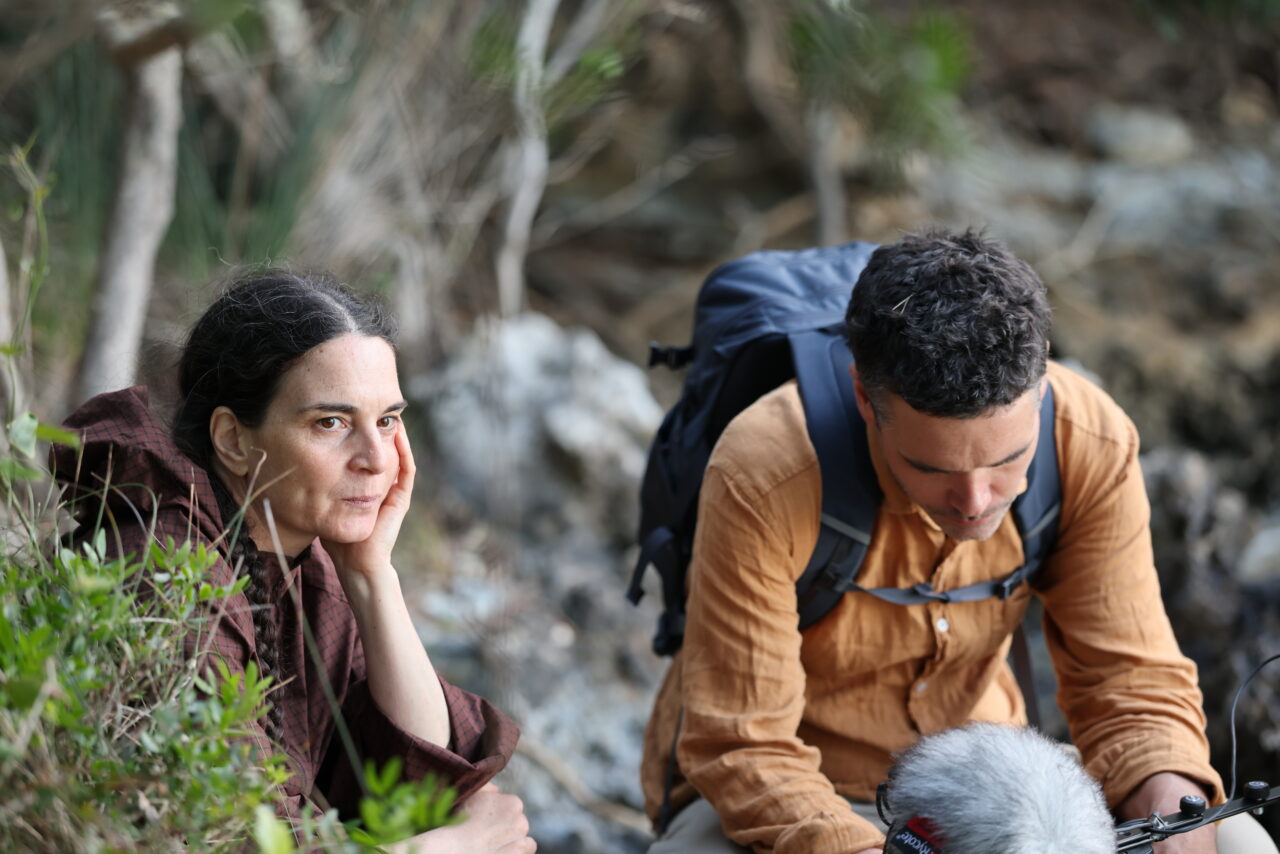
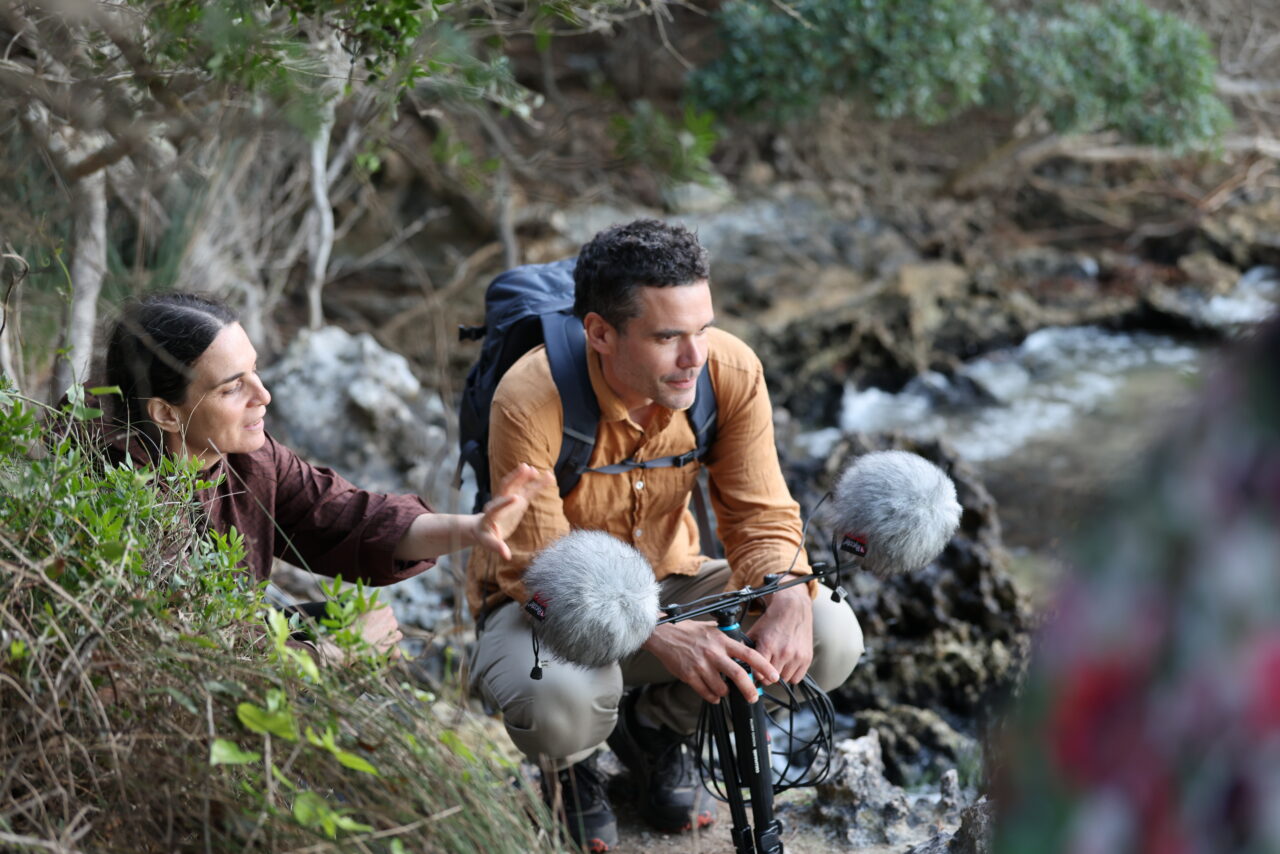
10 August – 6 September 2026
Karyes · Laconia · Greece
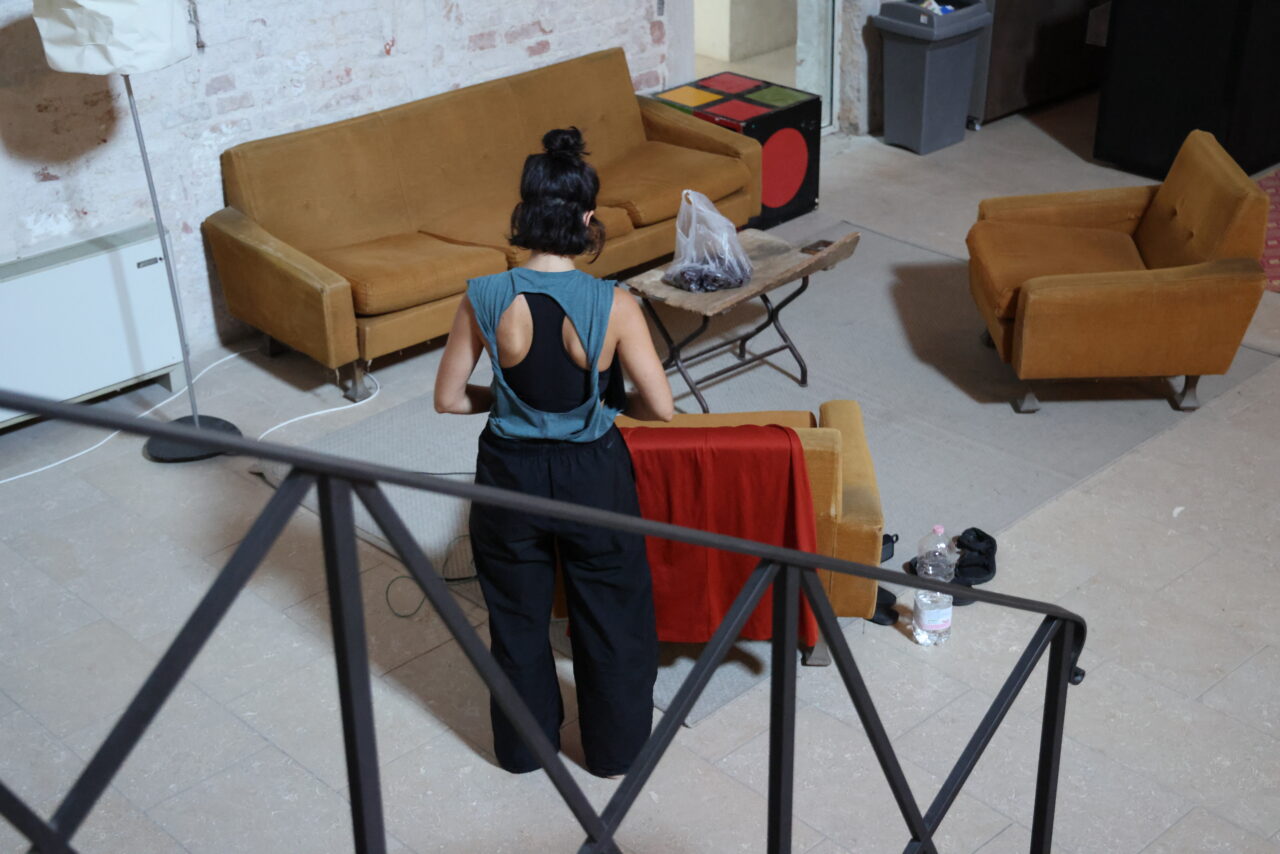
Fourteen performers who had spent the summer making work arrived in a village in the mountains of the Peloponnese in August and were asked, first, to make nothing at all. By the third week they were holding works of their own for six hours at a stretch, watched by nobody except each other and the artists teaching them. It was the hardest thing any of them did all summer, and it is where the summer had been heading since May.
The Marina Abramović Institute residency ran from 10 August to 6 September 2026 at the Institute’s Education Centre in Karyes, in the Greek region of Laconia. It was four weeks in one place, and it closed a four-month Erasmus+ traineeship through Italy and Greece that had already moved the cohort through four others.
Fourteen of the sixteen students in the 2025 to 2027 cohort took that itinerary together, hosted throughout by the Italian cultural association Cracalia ETS. The remaining two spent their traineeship elsewhere in Europe. What the fourteen arrived at in August was not another workshop. It was a method with a reputation for taking things away from performers rather than giving them anything.
Empty first.
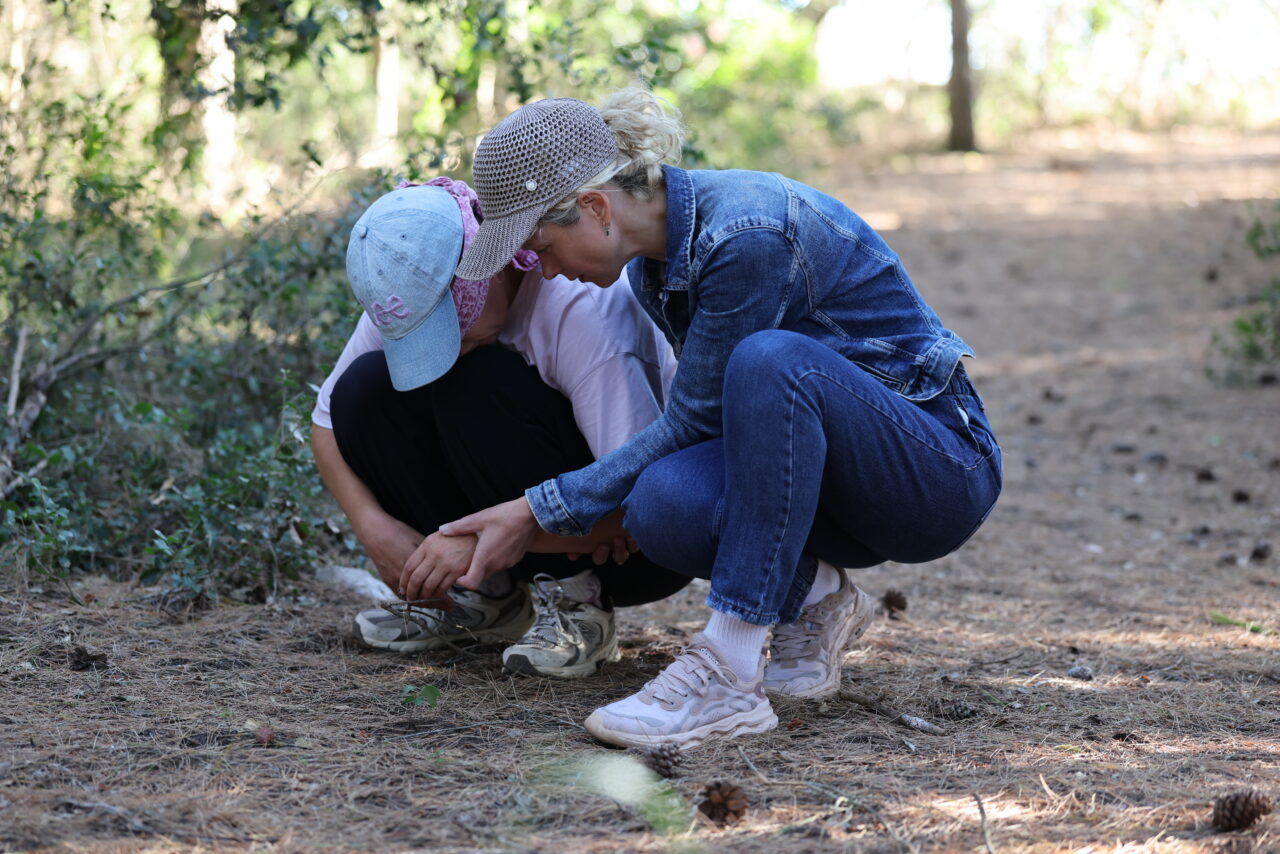
The residency opened with Cleaning the House, the Marina Abramović Institute’s foundational workshop, led by Paula Garcia and Billy Zhao. The name is not a metaphor about tidying. It describes emptying a performer of everything they arrive carrying.
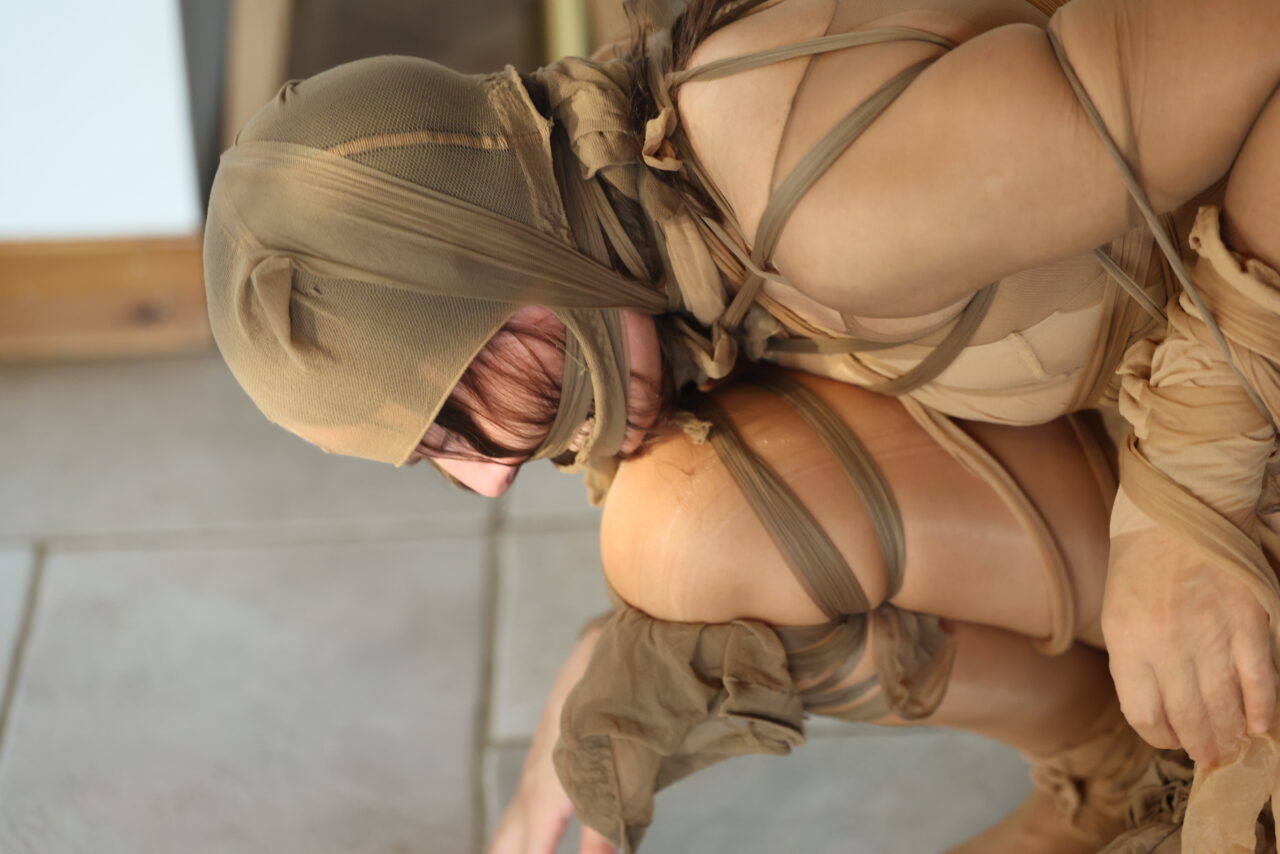
It lasts five days. The last meal is on Sunday evening and the next one is on Friday evening, and in the five days between, nobody eats and nobody speaks, reads, or touches a phone. What fills the time instead sounds almost absurdly simple until you try it. Walking in slow motion. Holding another person’s gaze. Separating a pile of mixed rice and lentils, grain by grain, for hours. None of it produces anything, and that is the point. The exercises are built to exhaust the part of a performer that is always producing, until what is left is attention itself.
For a cohort arriving from four months of intensive making, the reversal was severe. Every place before this one had asked them to make something. Karyes handed them a bowl of rice and lentils and asked them to stop.
Write the rule you will have to keep.
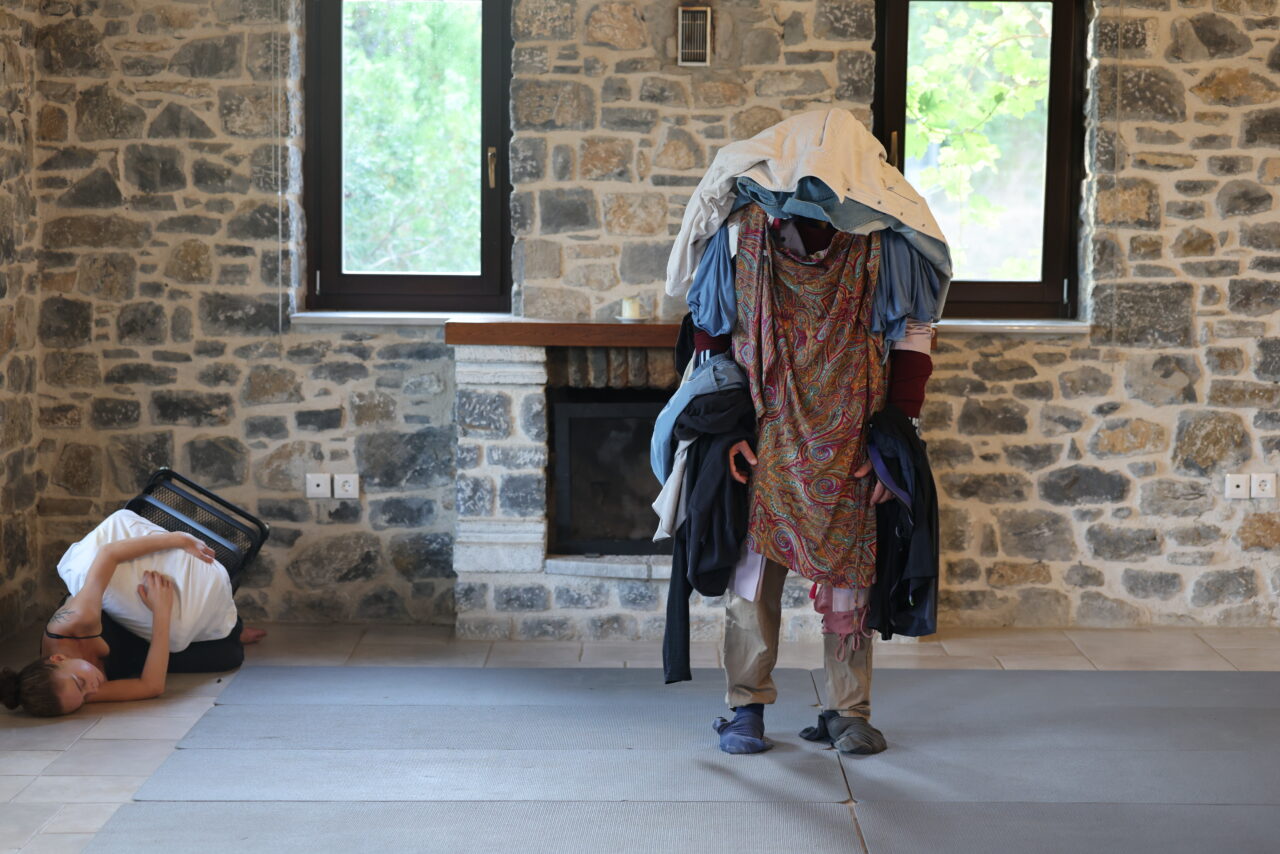
The second week went further into long-durational practice. It began with the head pieces. Each student made one: a work in which the head is both the playground and the performance venue, and nothing else is allowed to carry the piece. A small, strange, strict brief, and the first time the students had set the rules for themselves.
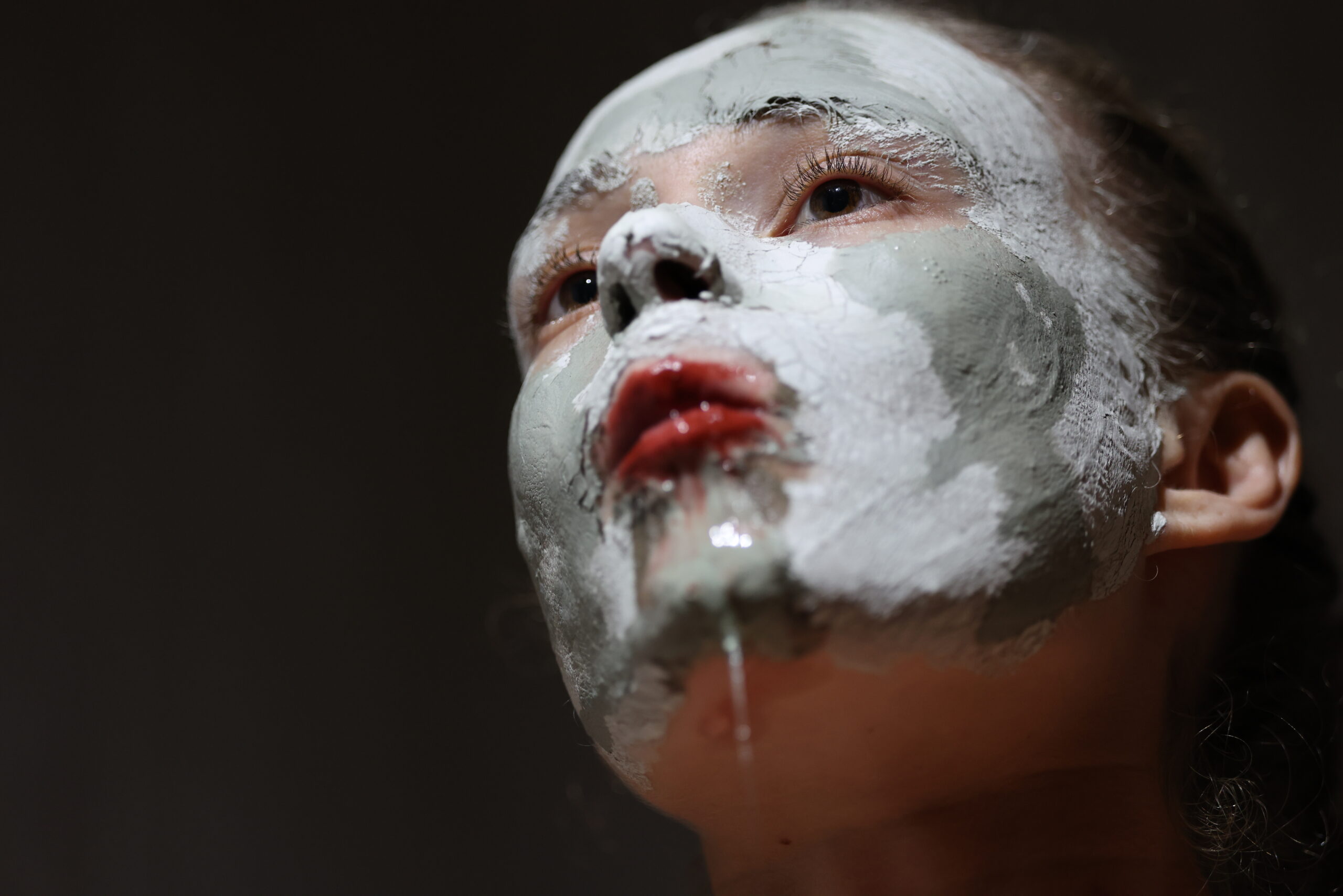
Then the week turned that over to them completely. They wrote protocols.
A protocol, in this tradition, is the set of rules a performer fixes before beginning and then obeys for the whole duration of the work. What the body will do. What it will not do. Where it will be, and for how long. It matters because duration removes the escape route. Over six hours nobody can improvise their way through, charm an audience, or lean on the moments they know work. Whatever the performer decided in advance is what they are left holding, so the decision has to be honest before the performance starts. Writing a protocol is where the artistic thinking actually happens, and performing it is mostly a matter of keeping your word.
Rhythm 0, and what it costs to keep a rule
The clearest demonstration is one of Abramović’s earliest works. For Rhythm 0, at Studio Morra in Naples in 1974, she laid out seventy-two objects on a table. Among them were a rose, a feather, scissors, a gun and a bullet. Beside them she posted written instructions: the objects could be used on her as the public wished, and she took responsibility for what followed. Then she stood still for six hours. The audience began gently and did not stay gentle. They cut her clothes off, wrote on her skin, and by the end someone was holding the gun to her head. She did not break the rule she had written, because the rule was the work.
That is the extreme end of it. What a student writing a protocol in Karyes faces is more ordinary, and it asks the same thing. Whatever you put on the page, you have to keep at hour five, when you no longer want to.
Protocols matter to the Institute for a second reason, which is preservation. In 2005 Abramović performed Seven Easy Pieces at the Guggenheim, seven works from the 1960s and 1970s, seven hours each, on seven consecutive days. Most were not hers, and she staged them only with the express consent of the original artists or their estates. She had grown angry at watching performance ideas get reused without credit. The piece proposed a working rule for the whole form. Obtain permission, credit the source, offer a new interpretation, and show the original documentation alongside it. That rule is much of why an institute devoted to performance can exist at all. Art made of living bodies outlives those bodies only if somebody has written down how it was done.
Three hours. Then six.
In the third week the cohort performed. Each student made their own work, some of them in pairs. Each work was performed twice, first as a three-hour piece and then as a six-hour one.
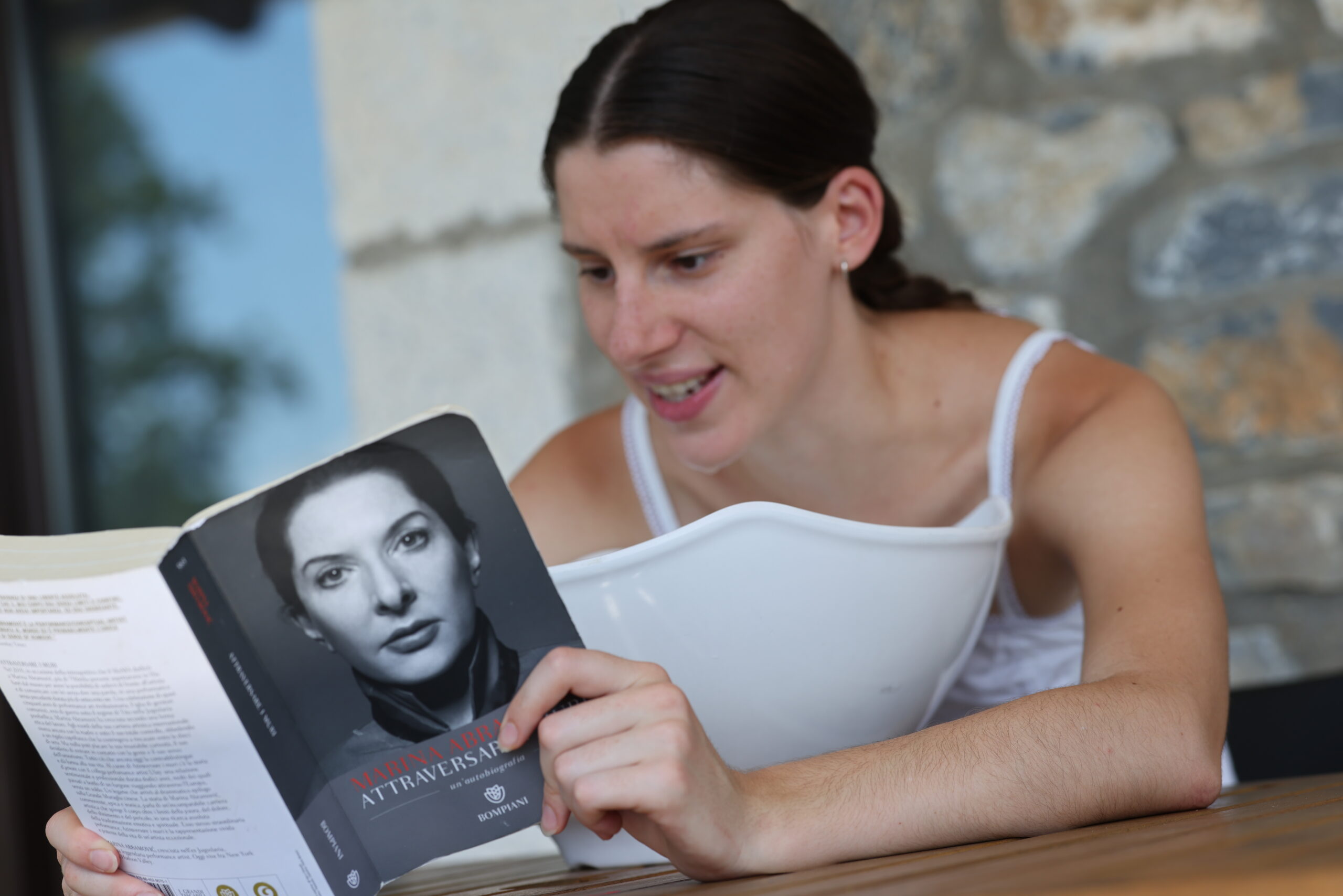
The works had no titles. They were witnessed only by the cohort and the facilitators, and by nobody else. That is a deliberate condition rather than an omission. A showing changes what a performer does. The moment there is a public, there is a temptation to be seen doing it well. Removing the audience removes the last place to hide. What a performer reaches for when the reaching stops working is exactly what the Method is designed to expose, and six hours is long enough to run out of strategies.
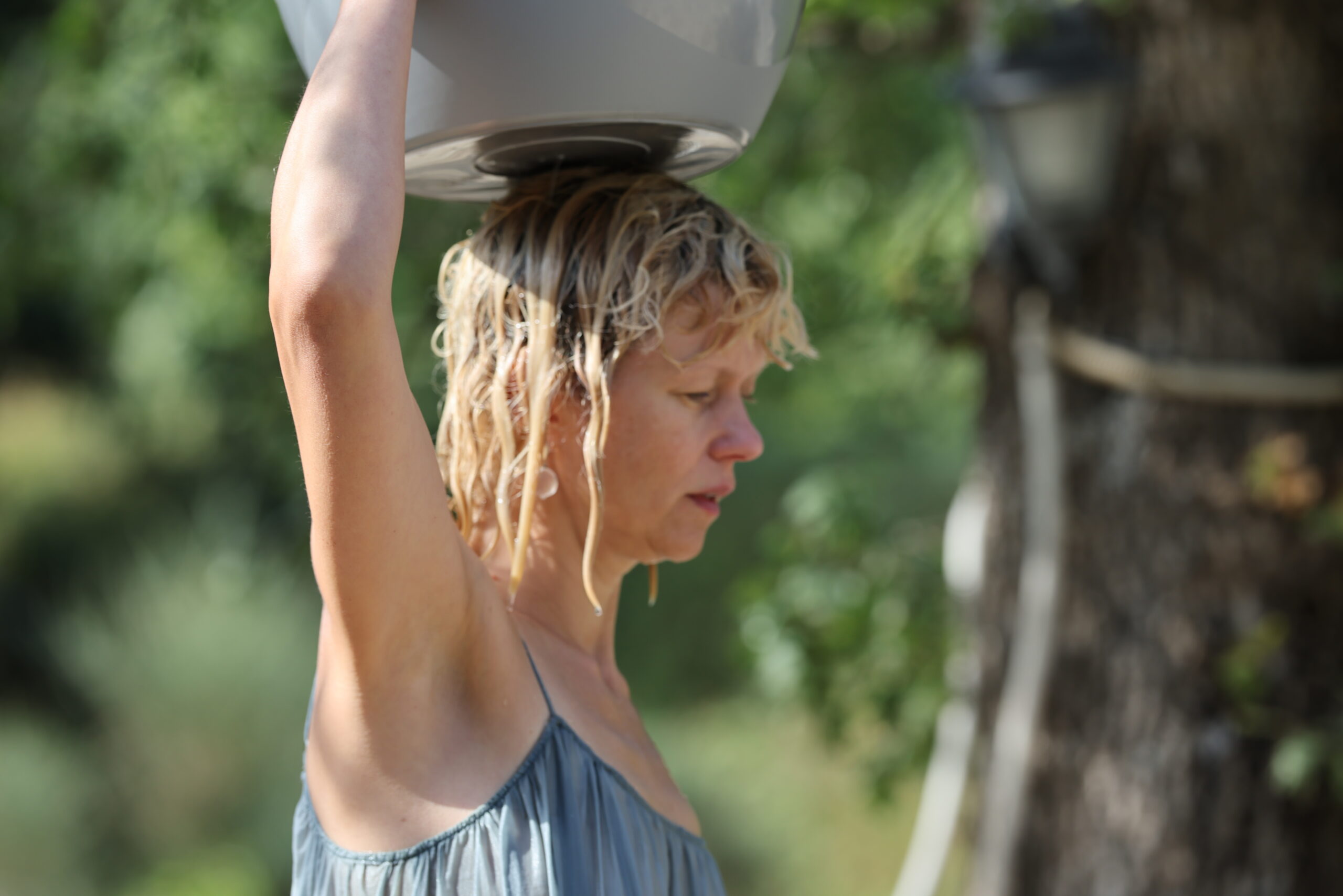
One of the fourteen, Dita Lūriņa, described what it was like on the far side of that.
CPPM 2025-27
Six hours is also, as it happens, the length of Rhythm 0. The scale this tradition is built for runs a great deal further than that. The Artist Is Present, at MoMA in 2010, lasted for the museum’s entire opening hours across three months. That came to 736 hours and thirty minutes. Abramović sat silently at a table and visitors sat down opposite her, one at a time. No speaking, no touching. Four years later at the Serpentine, 512 Hours made the exercises themselves the exhibition. Visitors in noise-cancelling headphones counted rice and lentils, walked in slow motion and stood facing a wall, guided by eighty-four facilitators trained for the purpose. Those are the direct ancestors of what the cohort did in Karyes, which is worth knowing when the description makes it sound as though nothing much is happening.
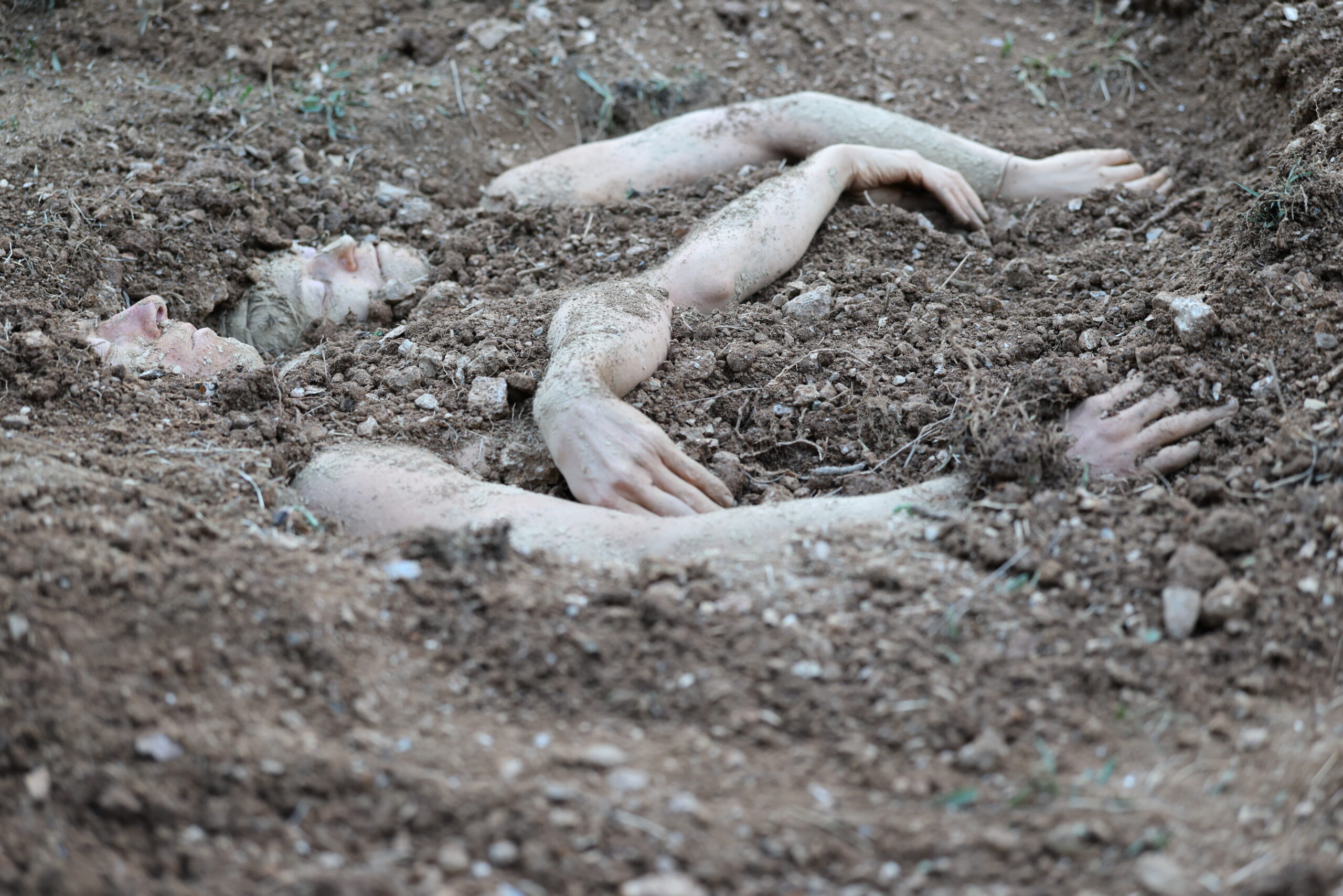
The three artists in the room
Alongside the practice ran a parallel course of lectures on performance art and on the body in performance. The three MAI artists leading the residency gave them together: Thanos Argyropoulos, Paula Garcia and Billy Zhao.
Argyropoulos directs the Institute. He has run it through its takeover years, from Athens with NEON in 2016 to London and Adelaide, and he is the person who turns a founder’s idea into a building, a budget and a programme, Karyes included. Garcia is a Brazilian performance artist and a curator at the Institute. She is known for the Noise Body series, in which she wears an iron armour fitted with magnets. Collaborators throw nails and iron scrap at her until she can no longer stand under the weight. She is, in other words, a person with unusual authority on what it means to keep a rule when it hurts. Zhao is a writer, researcher and curator of performance at the Institute. He was teaching assistant to Marina Abramović during her Pina Bausch Professorship at the Folkwang University of the Arts, where the two of them made an interdisciplinary performance lab with conservatoire students not unlike these ones.
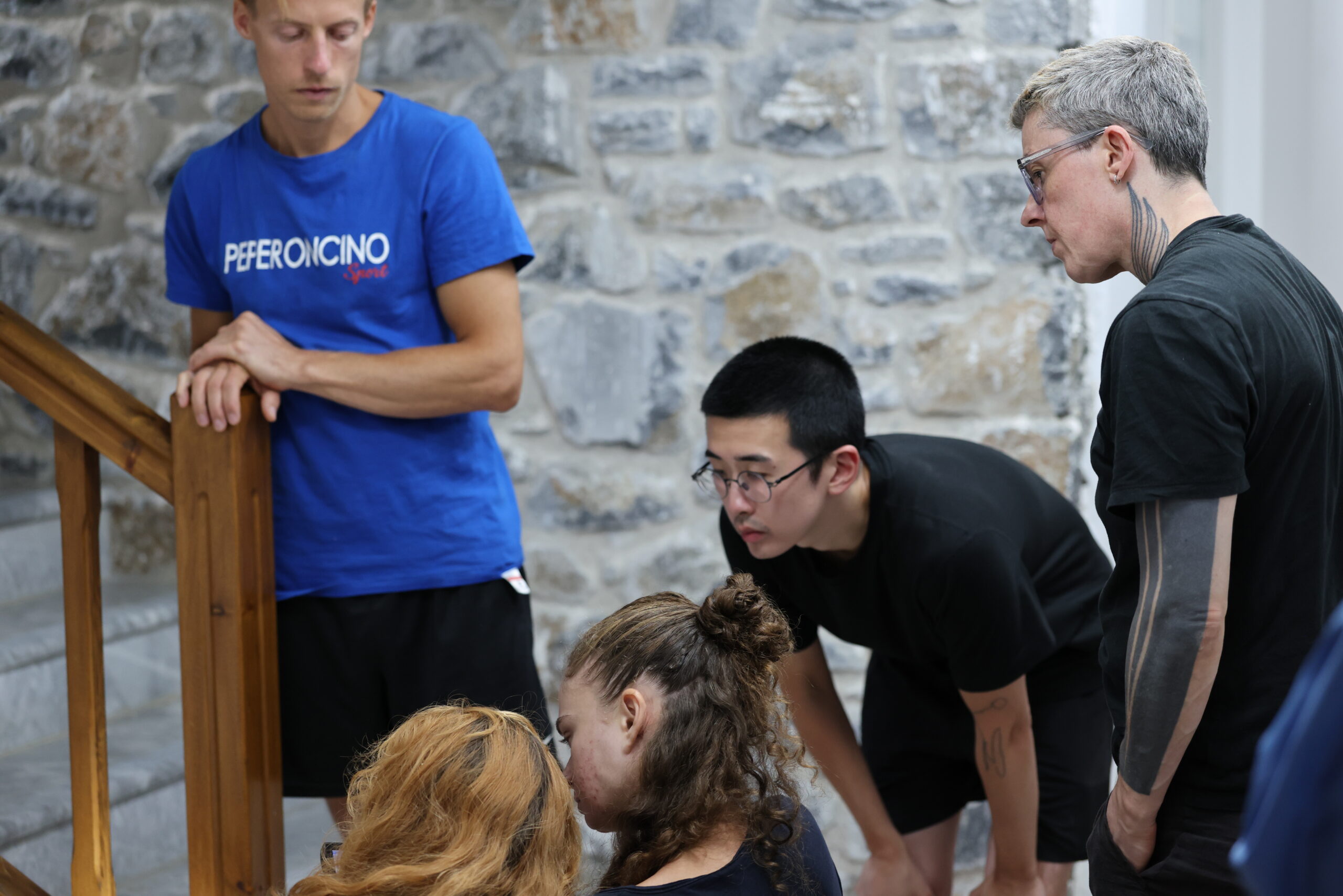
Argyropoulos
Marina Abramović Institute
Garcia
Curator, MAI
Zhao
Durational director, Balkan Erotic Epic
Marina Abramović, on a screen from Germany
Abramović founded the Institute and did not teach the residency, which is how the Method has always been transmitted, through facilitators she has trained. She did, however, appear to the cohort by video from Germany, where she was opening Balkan Erotic Epic at the Ruhrtriennale.
That work is a four-hour piece in thirteen scenes drawn from Balkan rituals, legends and beliefs, staged in the Kraftzentrale of the Landschaftspark Duisburg-Nord from 3 to 11 September. Its durational performance director is Billy Zhao. The artist teaching fourteen students how to hold a six-hour work in a room in Karyes was, in the same fortnight, holding a four-hour one in a decommissioned power plant in the Ruhr. The scale changes. The problem does not. And it is not every residency whose founder dials in from her own premiere.
Inside the Marina Abramović Institute
The Marina Abramović Institute presents and supports performance art internationally, with a focus on long-durational work, and has been based in Greece since 2023. Its takeover projects have occupied some of the largest cultural buildings in the world. Among them are São Paulo in 2015, Athens with NEON at the Benaki Museum in 2016, London’s Southbank Centre in 2023 and Adelaide in 2024.
The Method itself was not designed as a wellness practice. Abramović developed it across five decades of teaching, for a strictly practical reason. Her own performers could not survive her work without it. The pieces described above sit at one end of what that means. So does the Great Wall Walk of 1988. She and Ulay set out from opposite ends of the Great Wall of China, walked for three months, met in the middle and parted. This is work measured in months and in physical risk, and no ordinary training prepares a body for it. What began as preparation for her own company has since been opened to anyone.
Marina Abramović Institute
A letter, a week, an answer.
In 2023 the programme’s leader, Jüri Nael, wrote to Marina Abramović directly, proposing that the two institutions find something to do together. That is the sort of letter most schools never send, and fewer still expect an answer to. A week later she answered by inviting the CPPM team and the Institute’s founding members onto a video call, and the two sides spent it trading ideas about what a collaboration might actually be.
What they first discussed was a one-week workshop. It grew into a four-week residency because both sides simply got too excited about the collaboration to stop at a week. And the extra weeks mattered for the same reason the residency took the shape described above. A week is enough to introduce the Abramović Method. It is nowhere near enough for a student to find out what durational performance really asks, to arrive at a protocol of their own, and then to discover whether they have the discipline to hold to it. Four weeks was. That is how a month at the Institute came about, recognised as part of the students’ degree.
In its final week the residency turned from the Method towards what comes after it. On 6 September the cohort left the Institute and every one of them flew home, to begin preparing their final projects.
It began, as it would end three years later, with Marina Abramović on a screen.
guest weeks03Venice
audio walks04Athens
Physical Lab05Karyes
MAI06Four months
to follow
Read more about the CPPM programme →
Gallery
photos Jüri Nael and Daniel Ortiz Amézquita
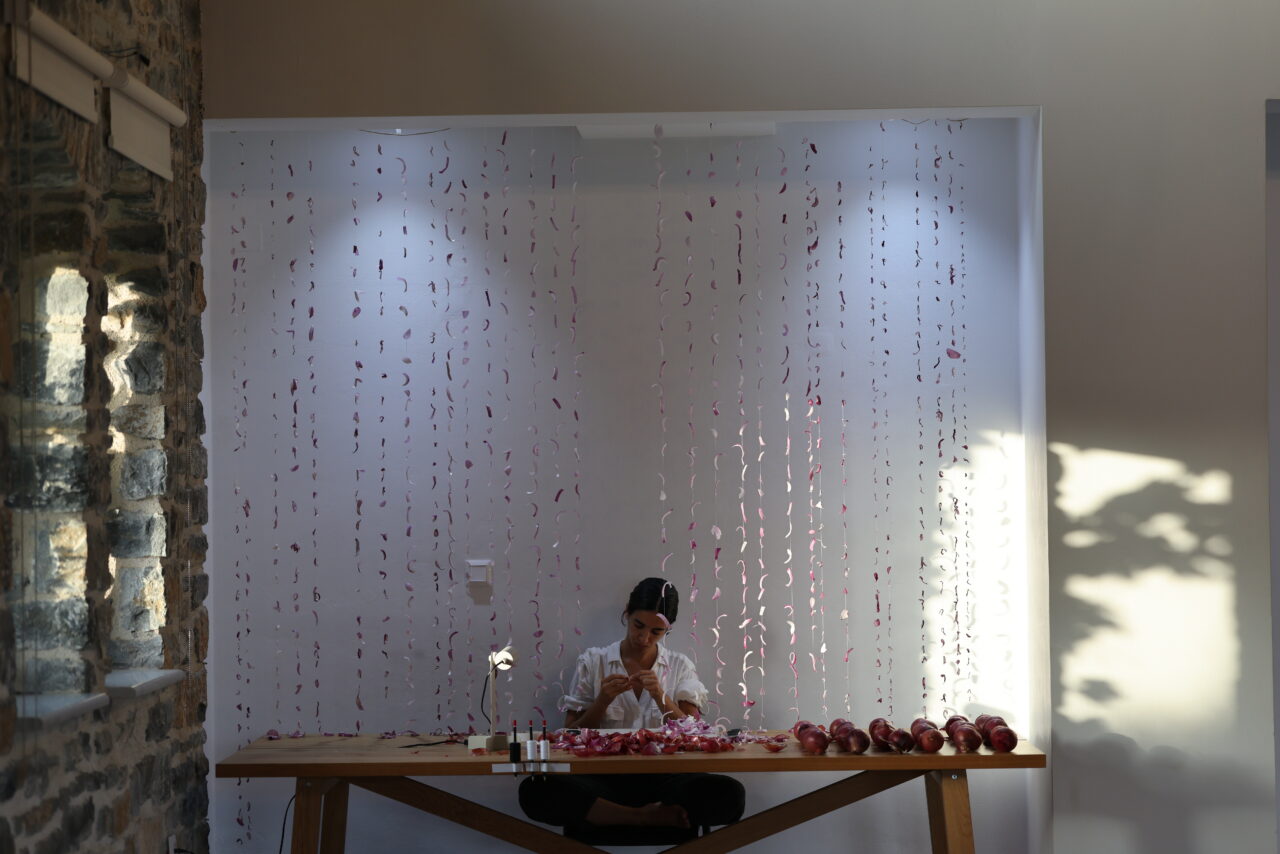
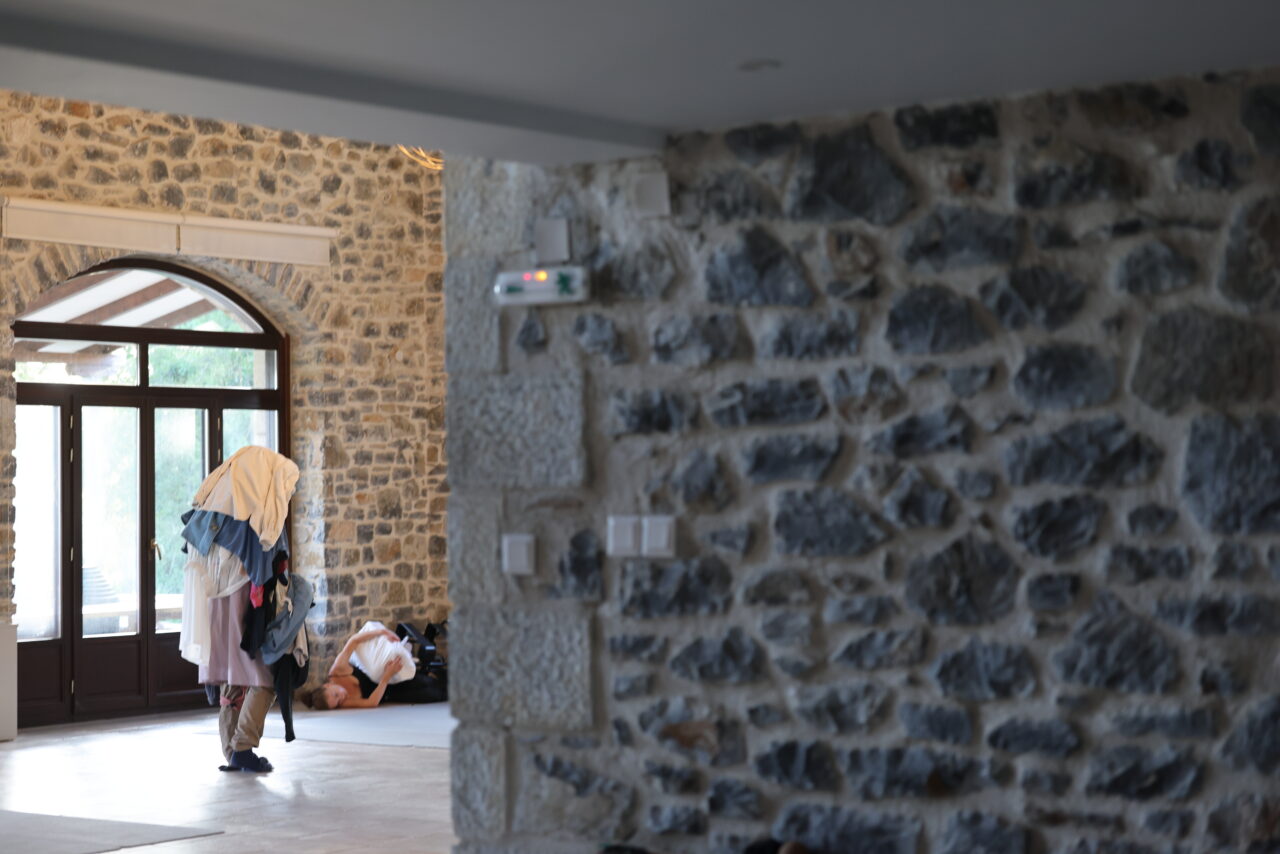
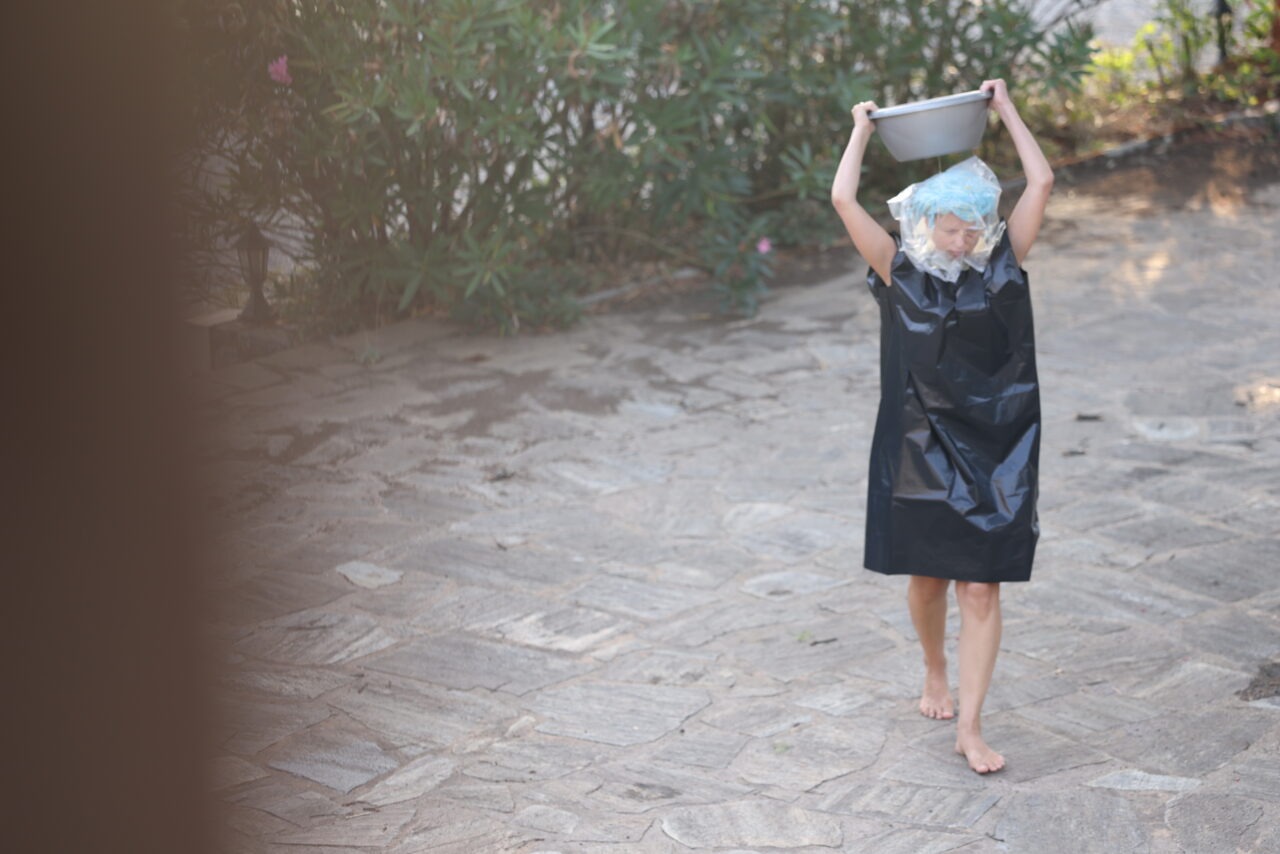
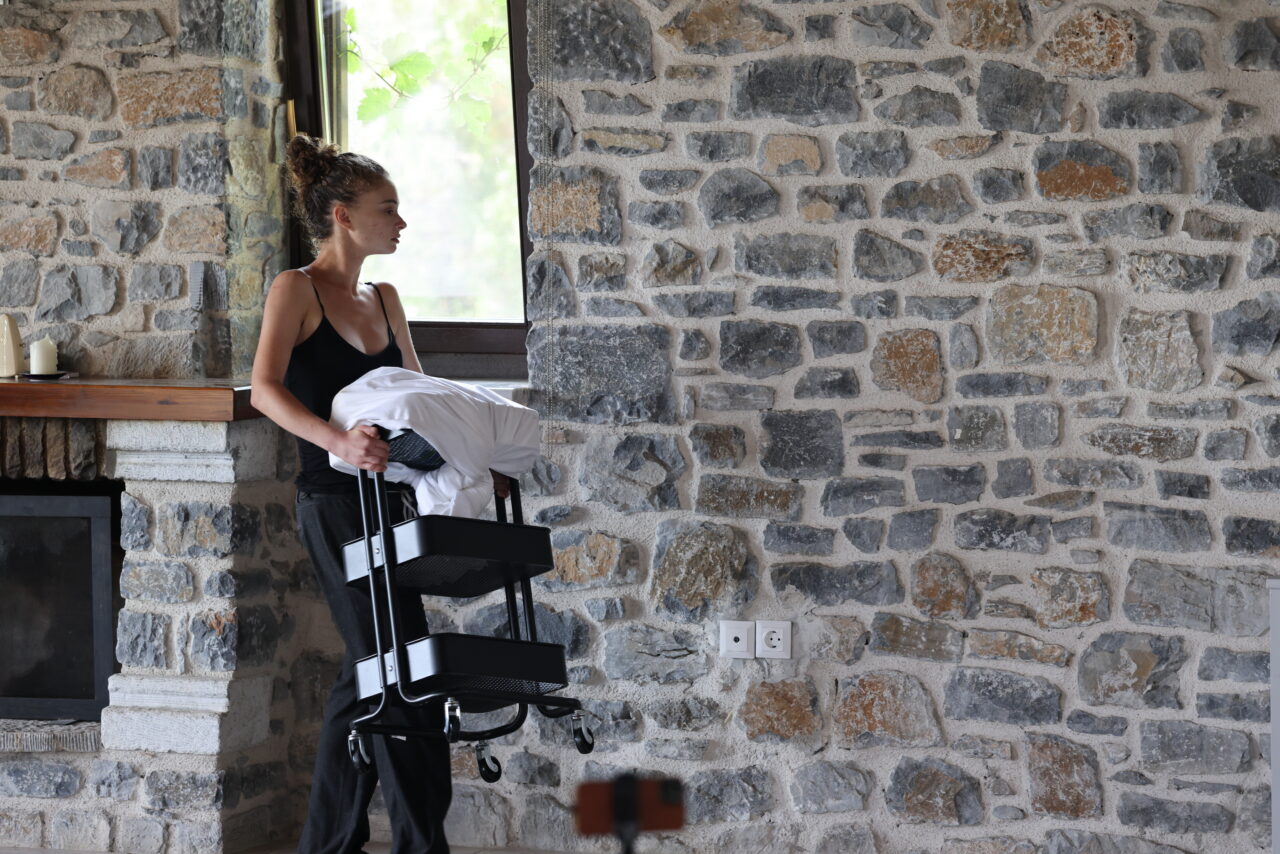
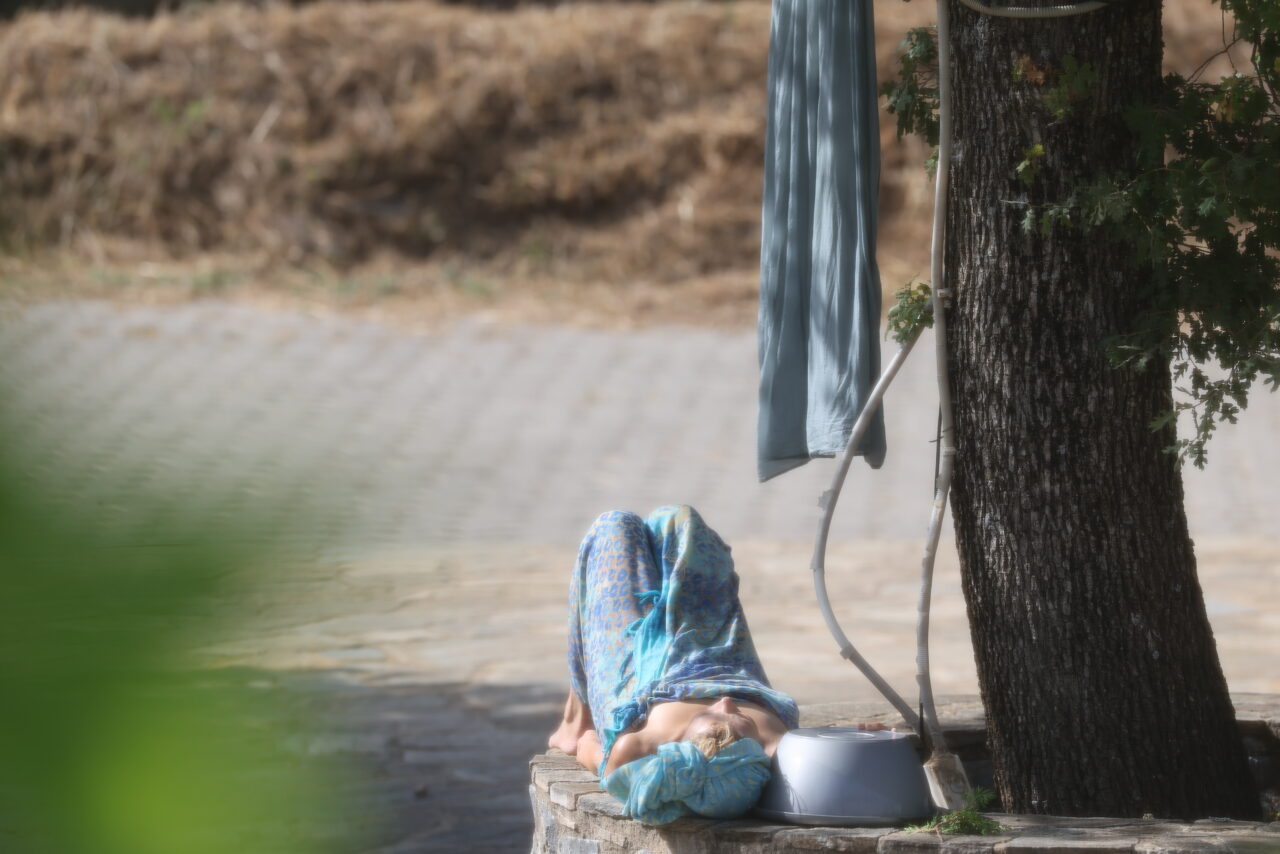
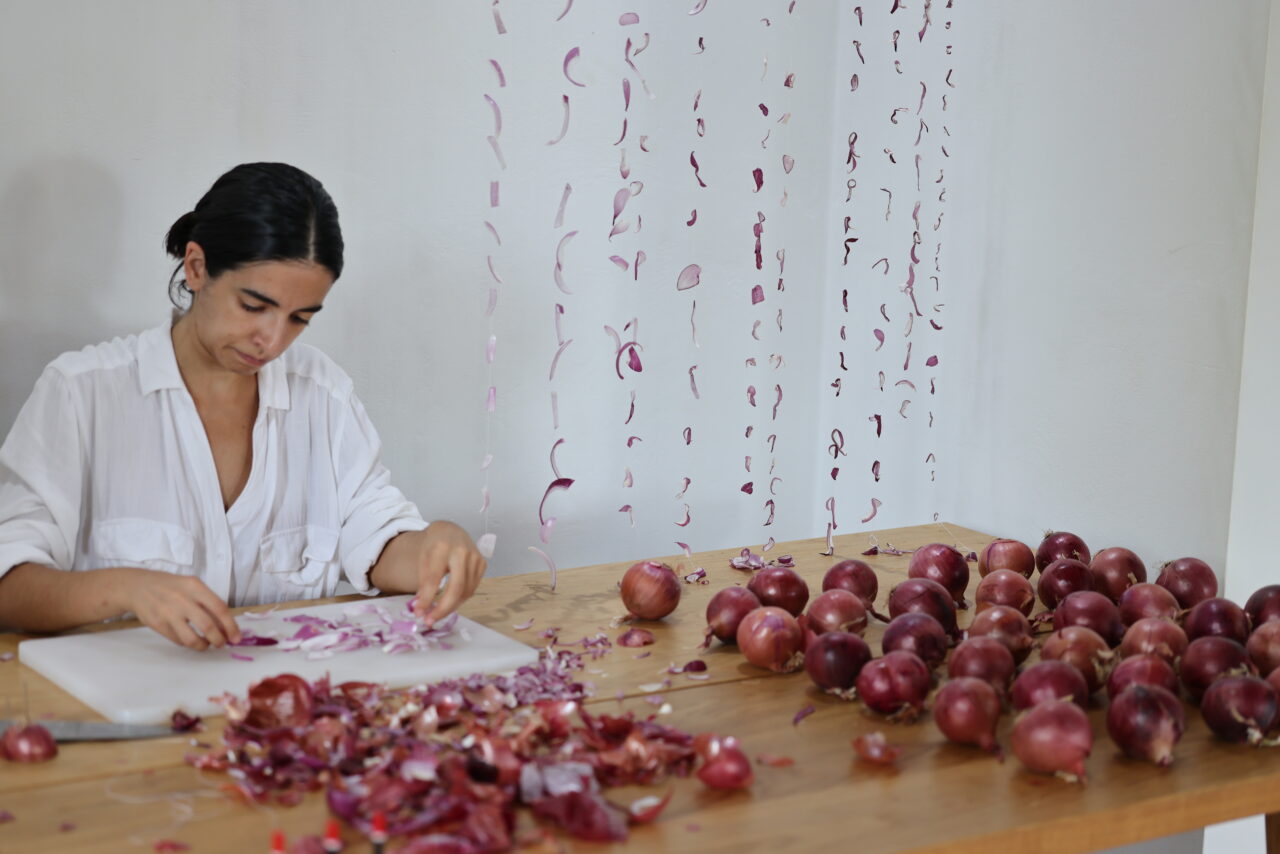
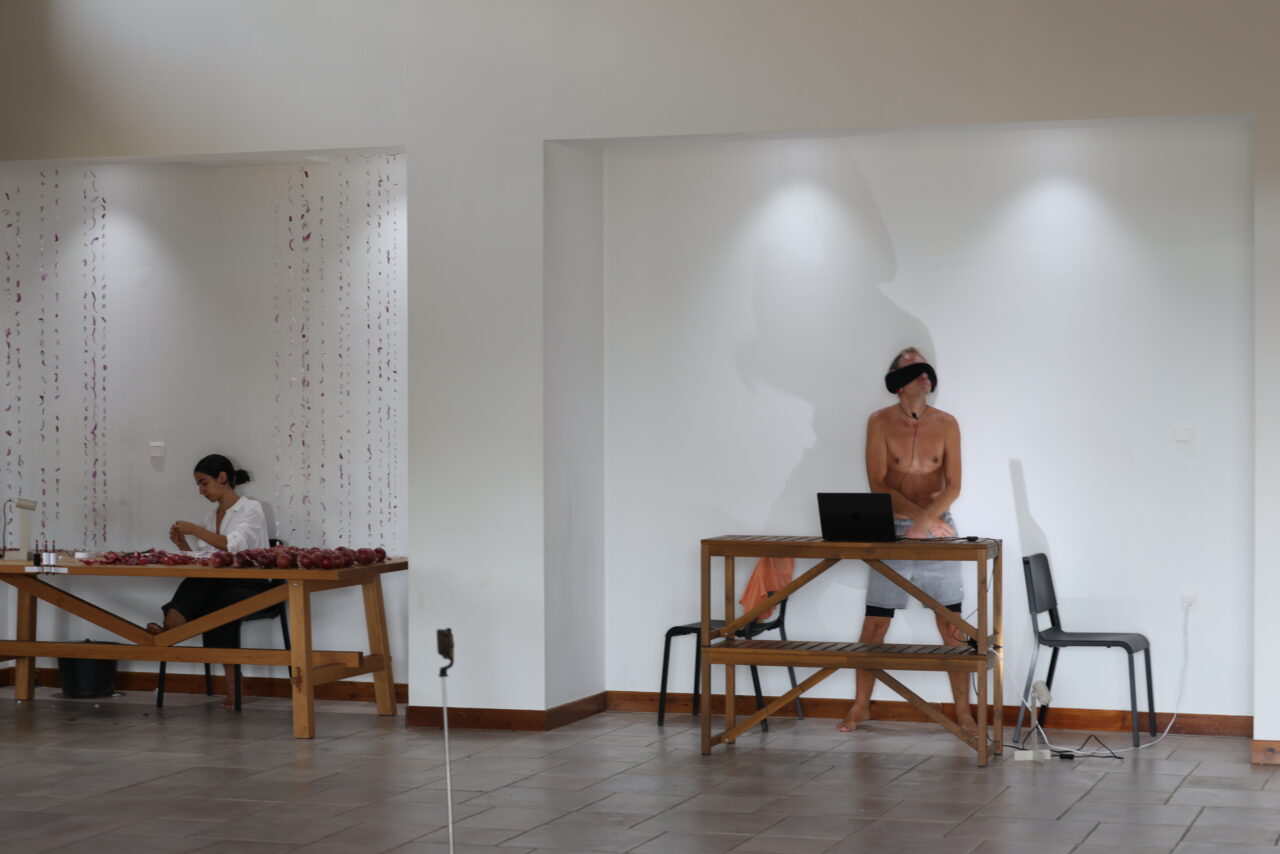
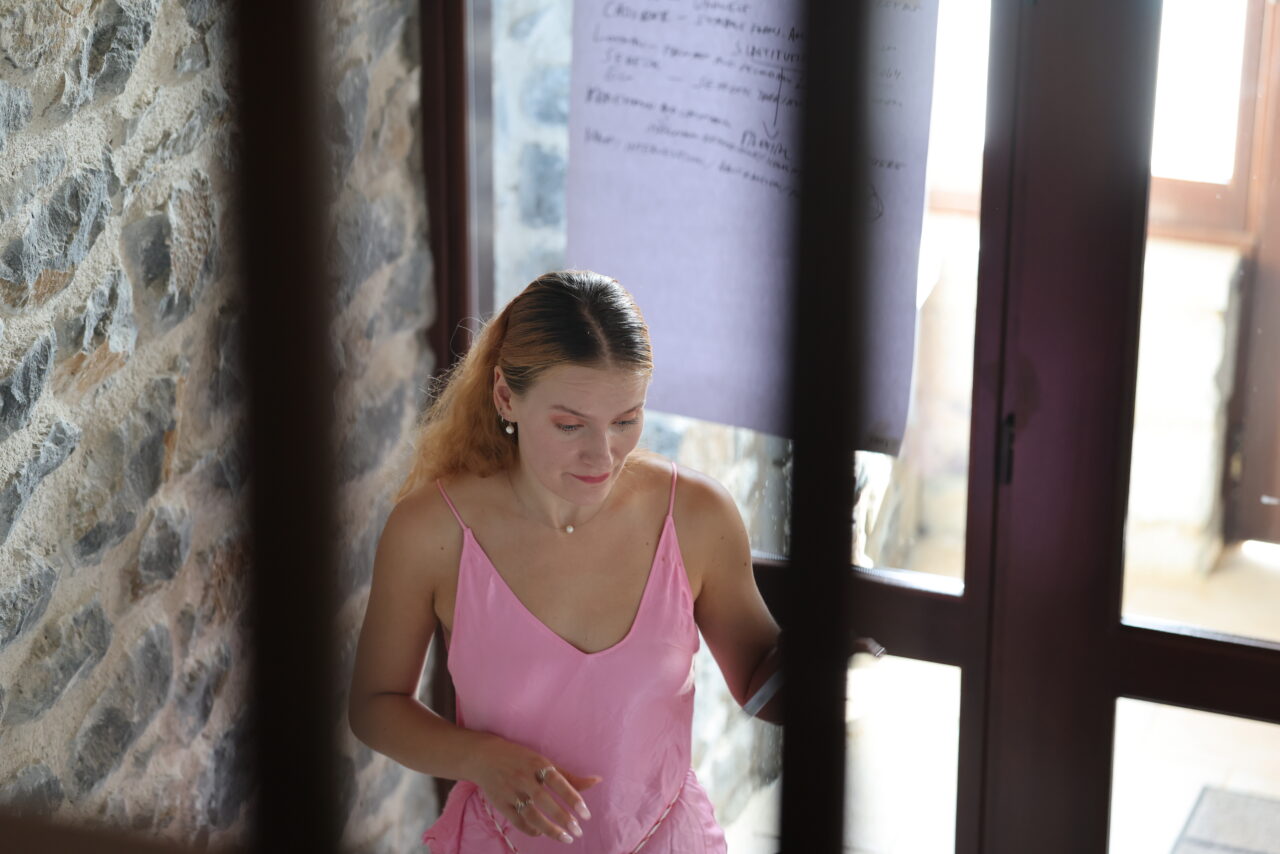
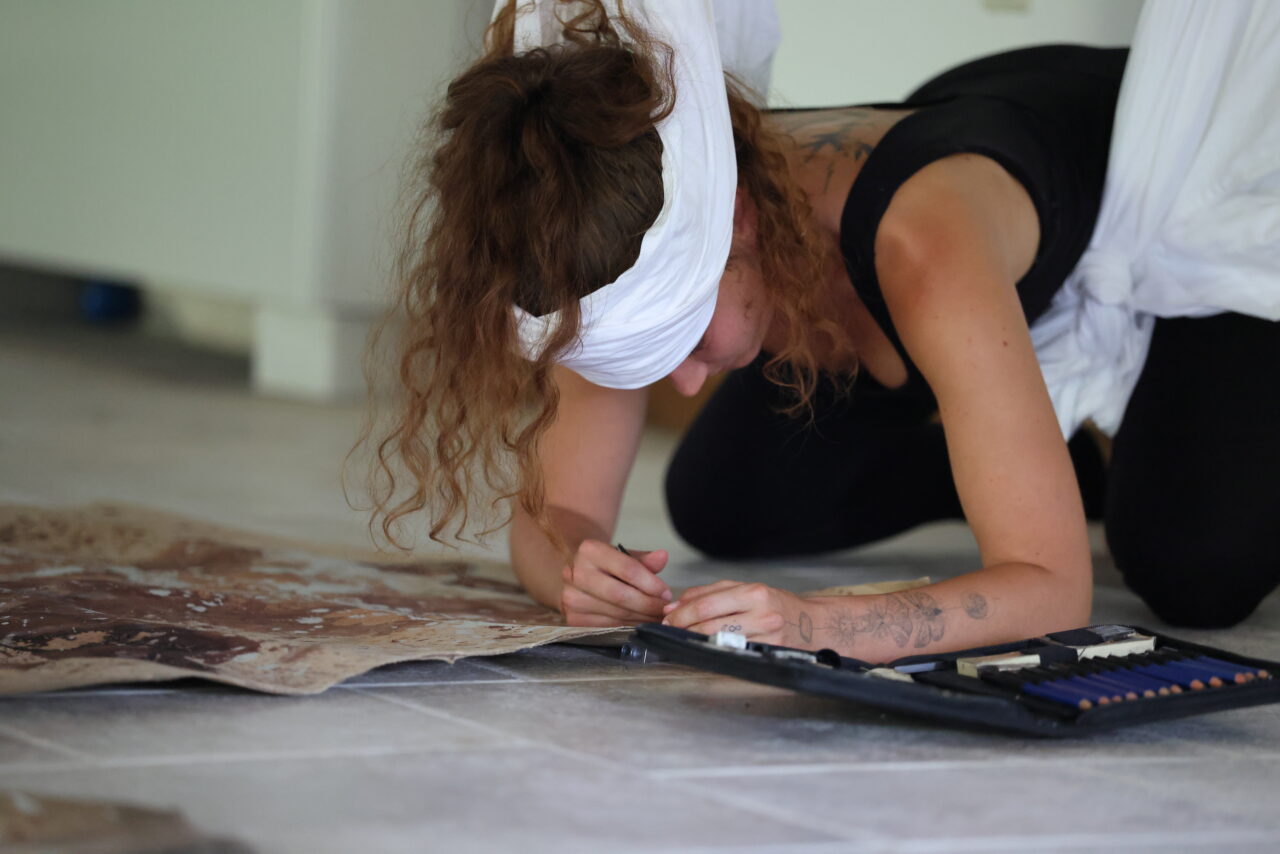
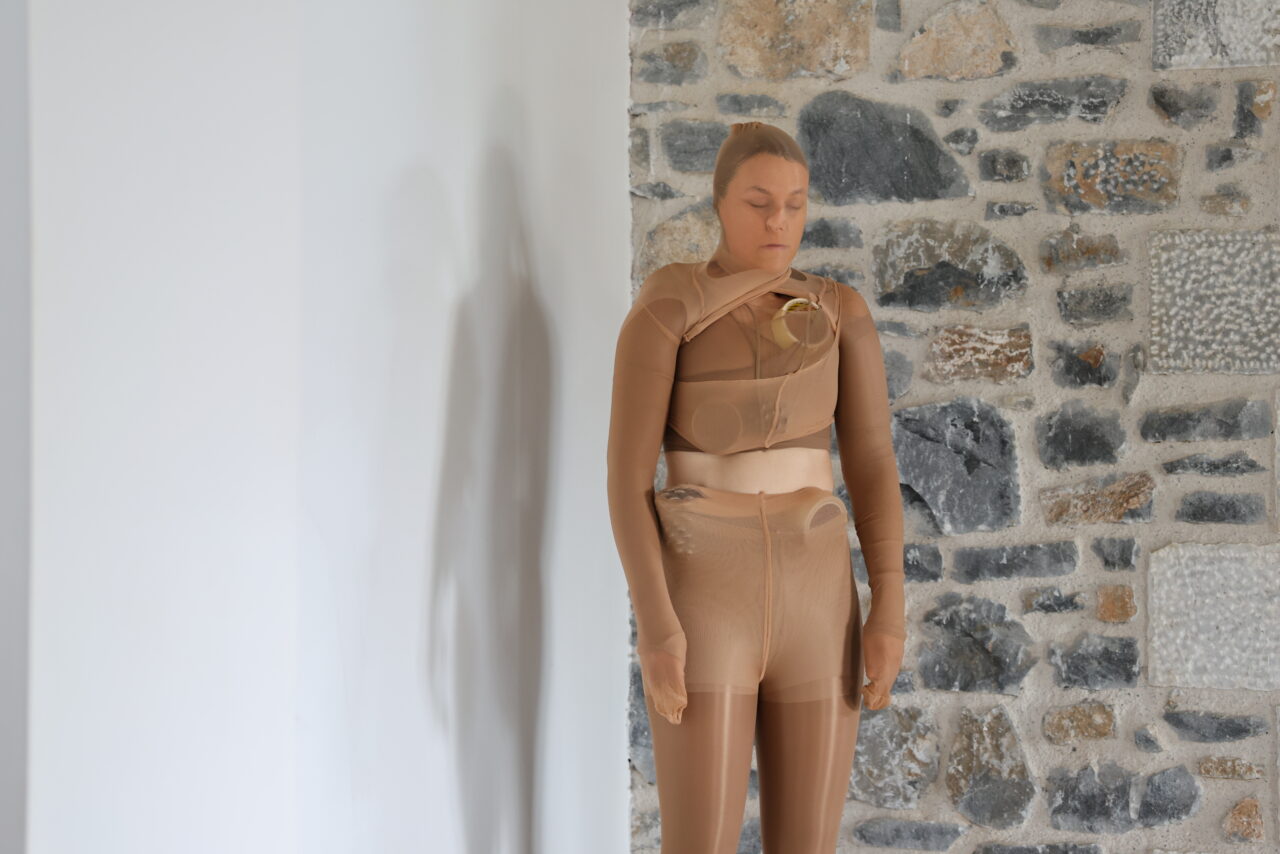
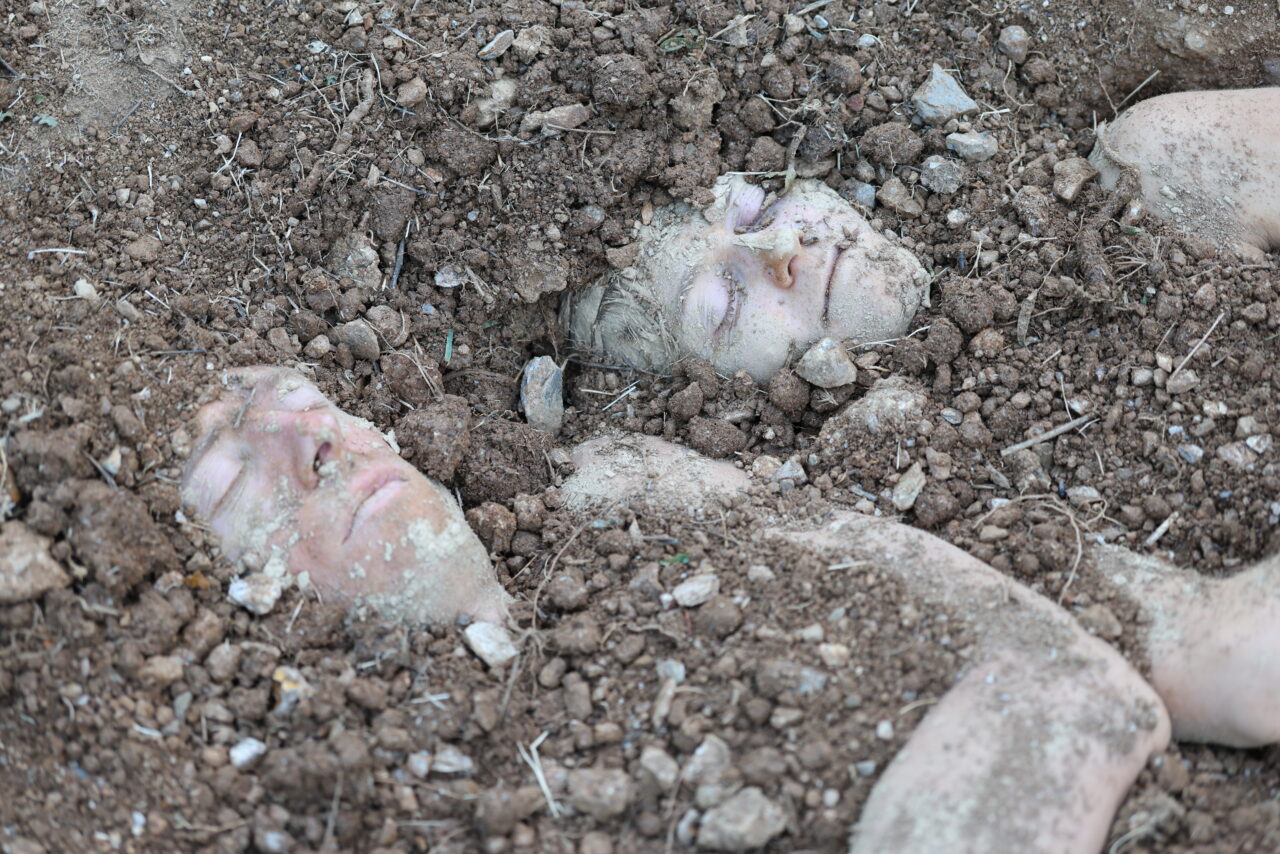
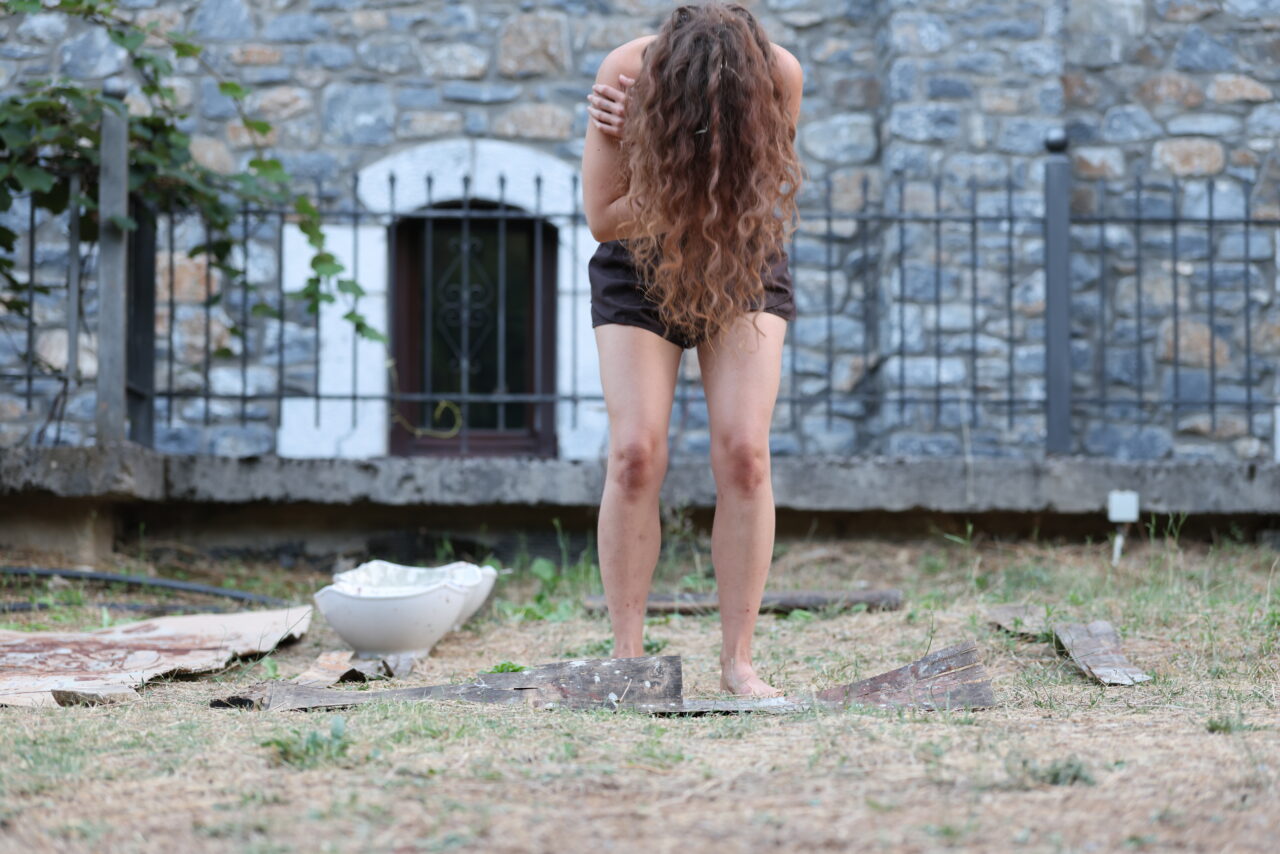
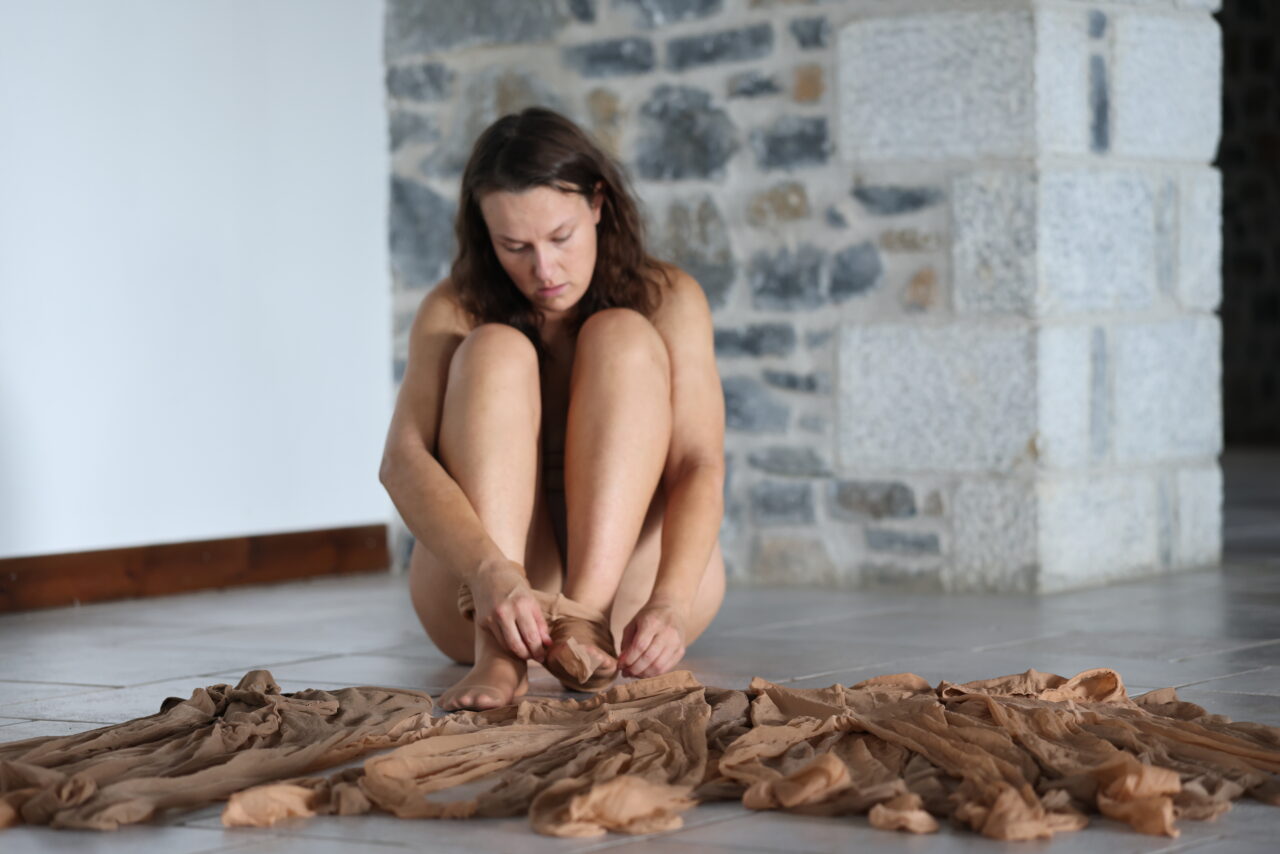
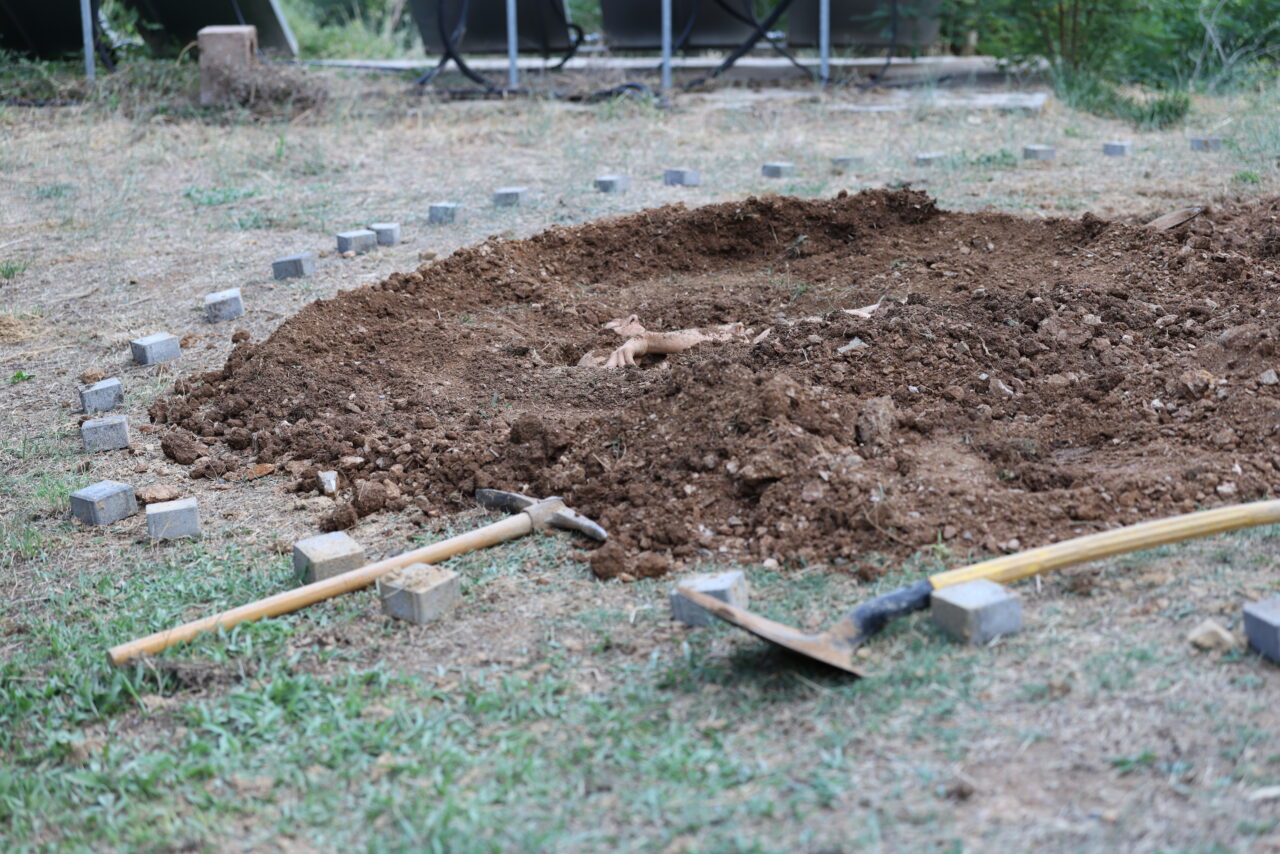
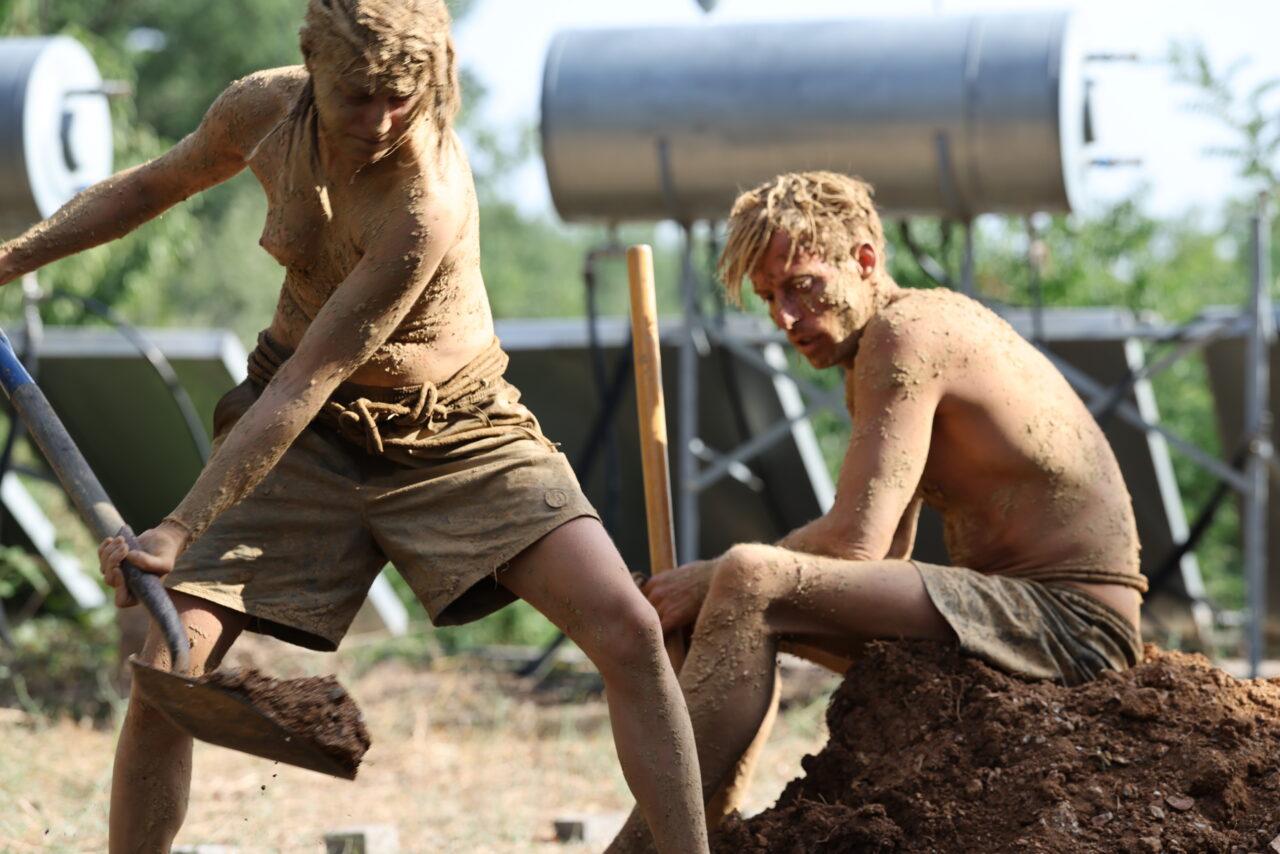
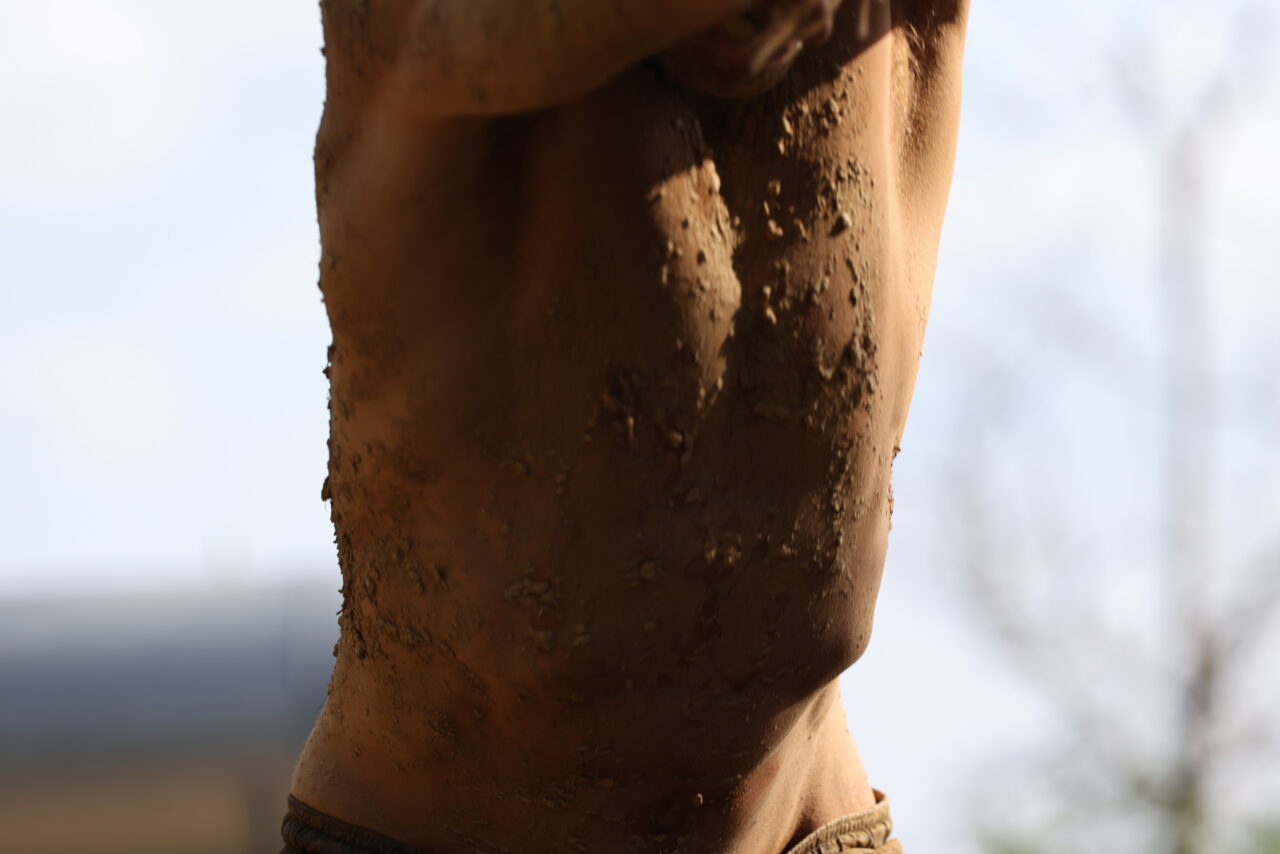
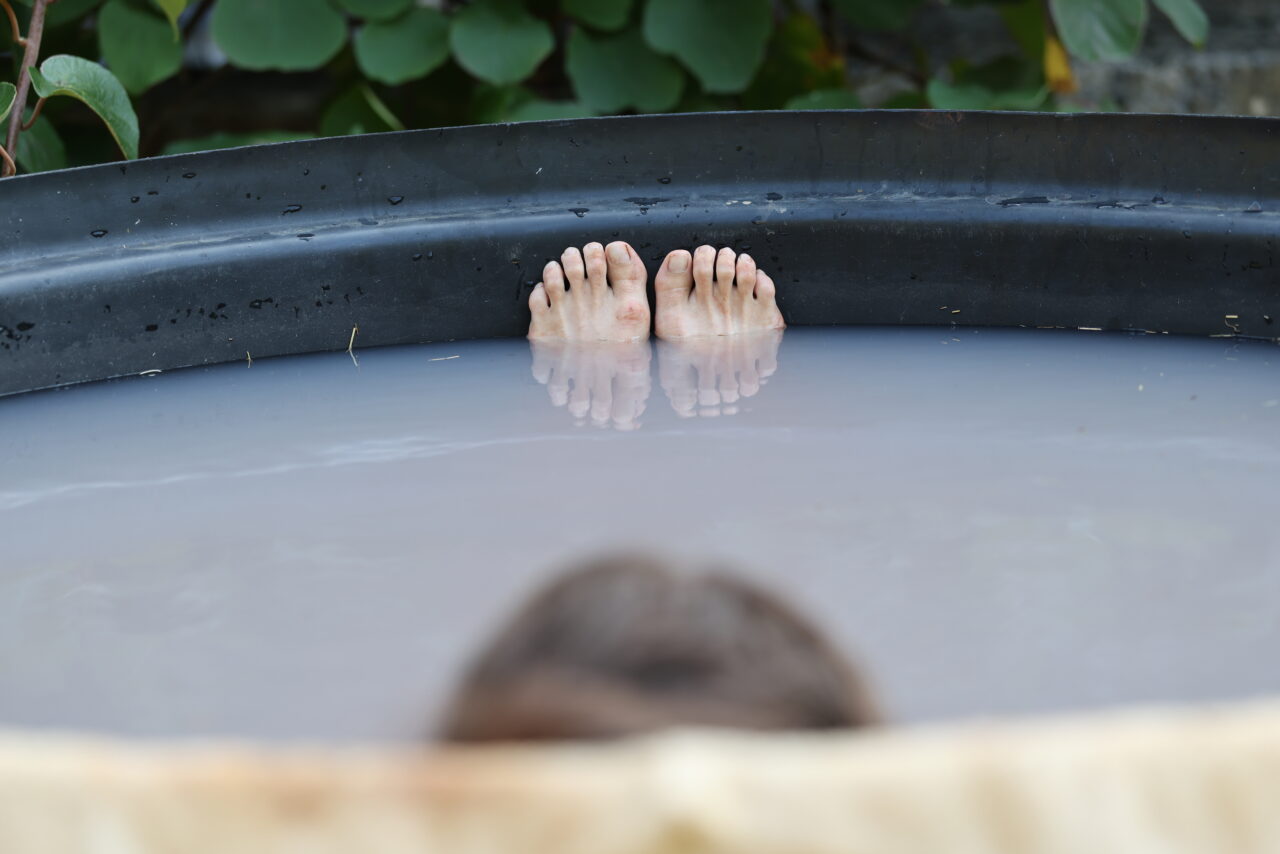
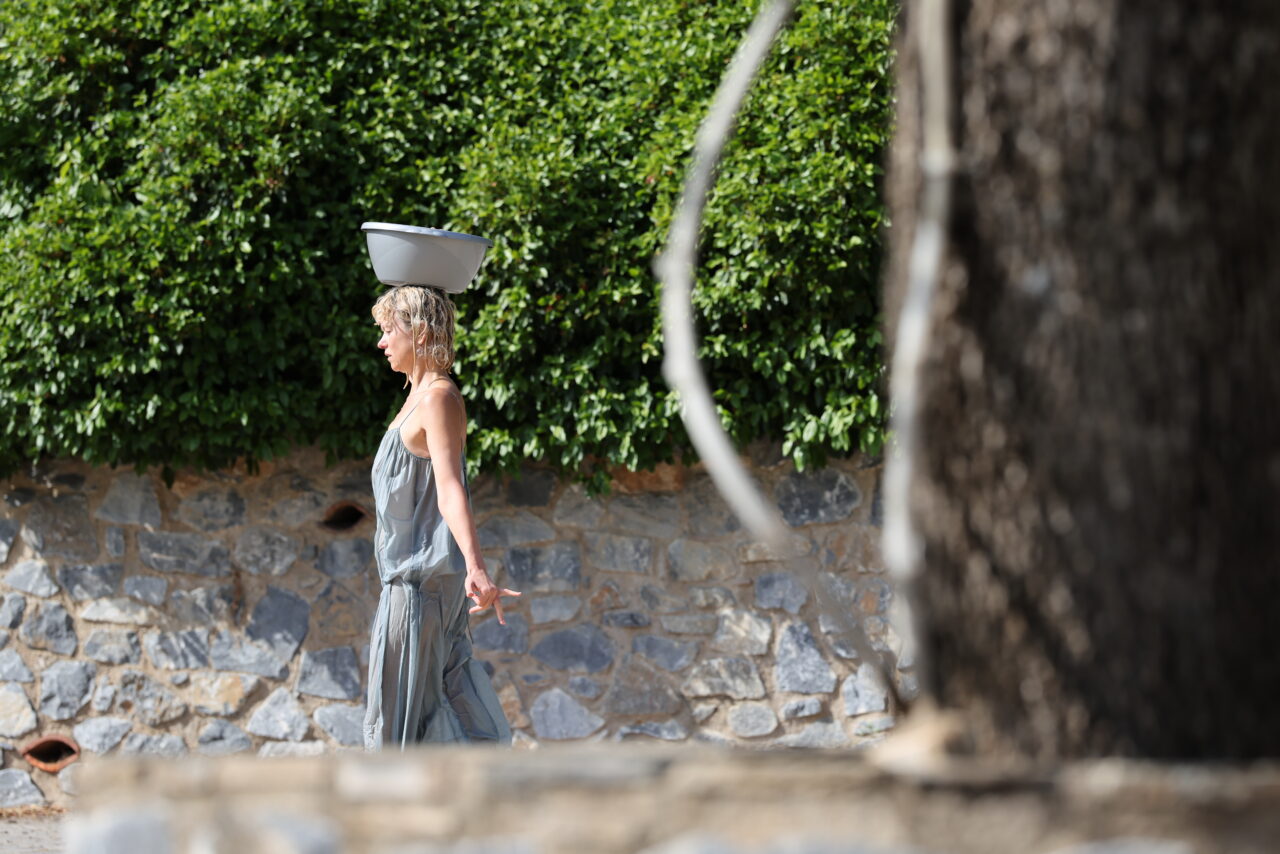
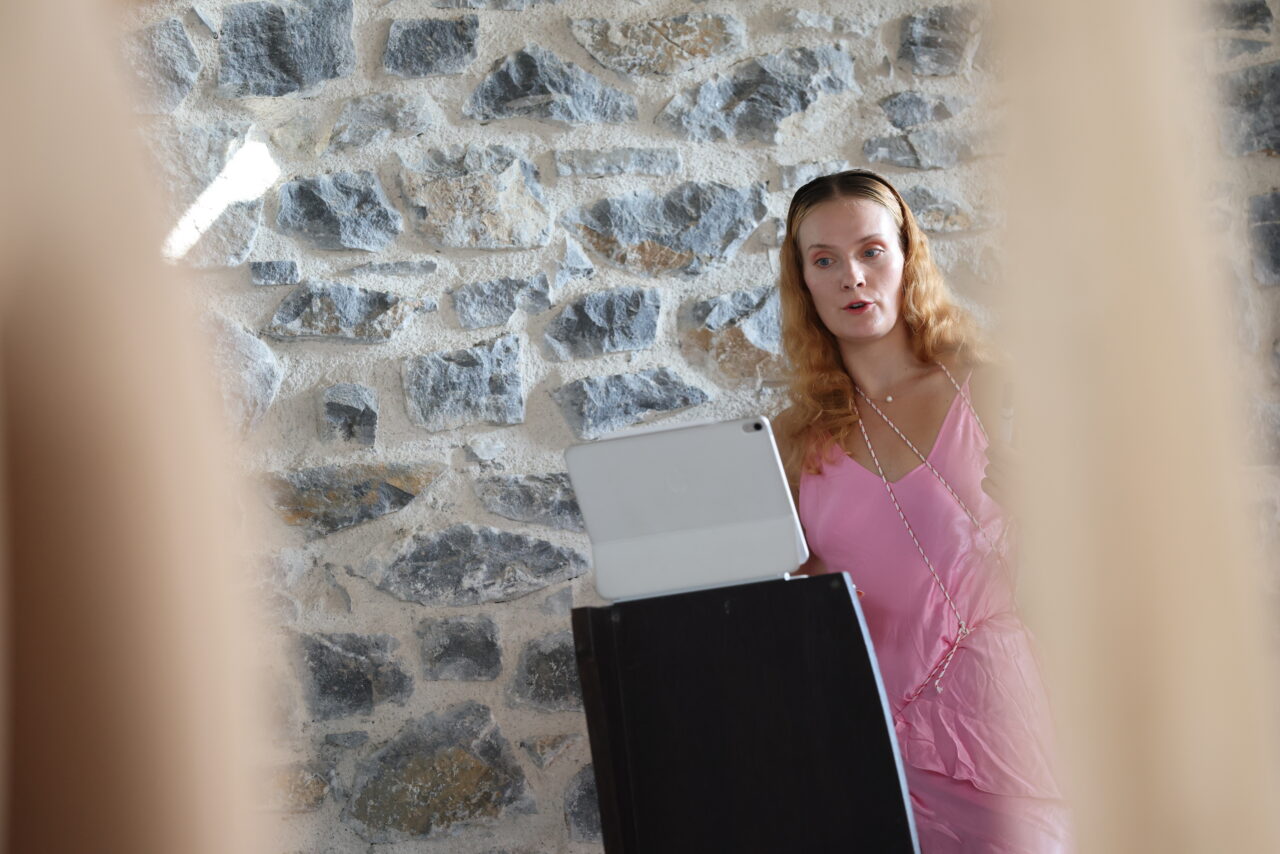
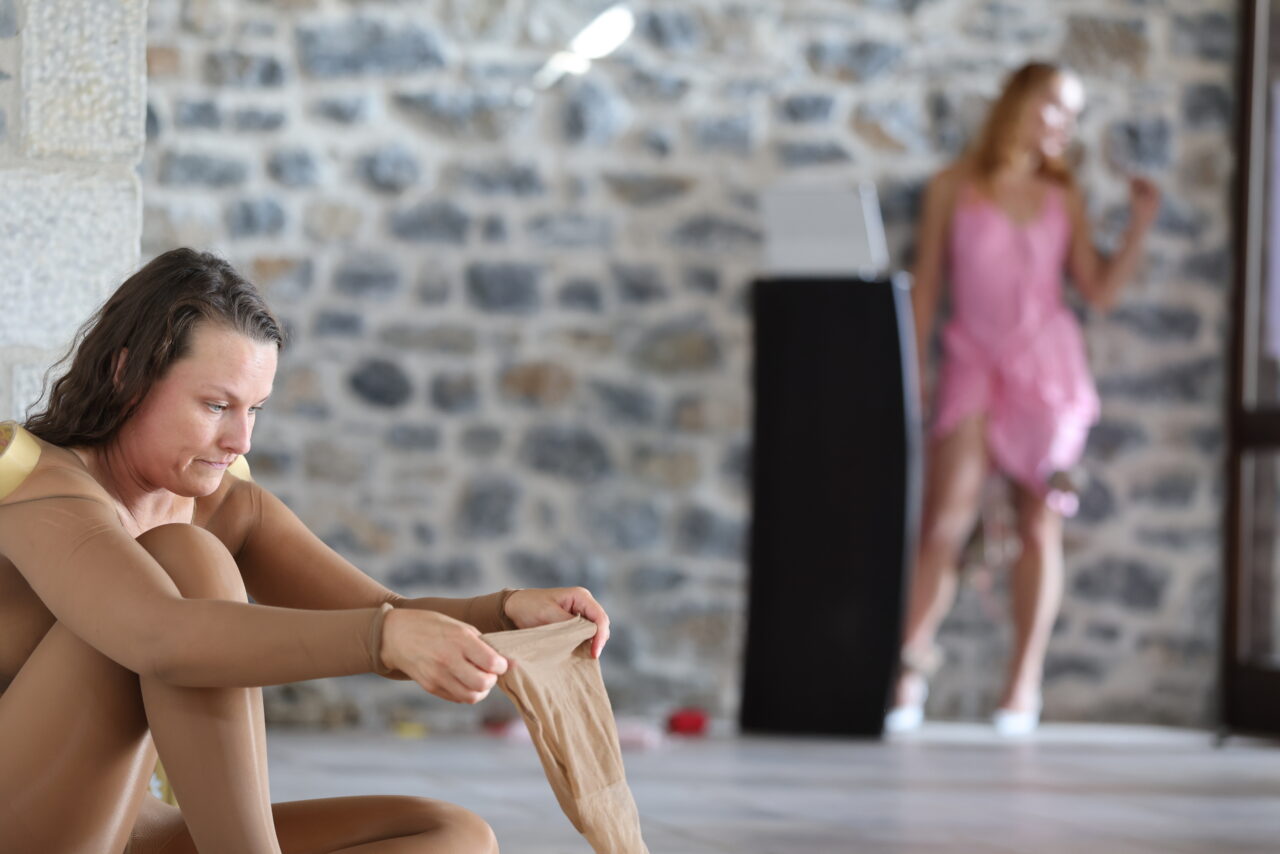
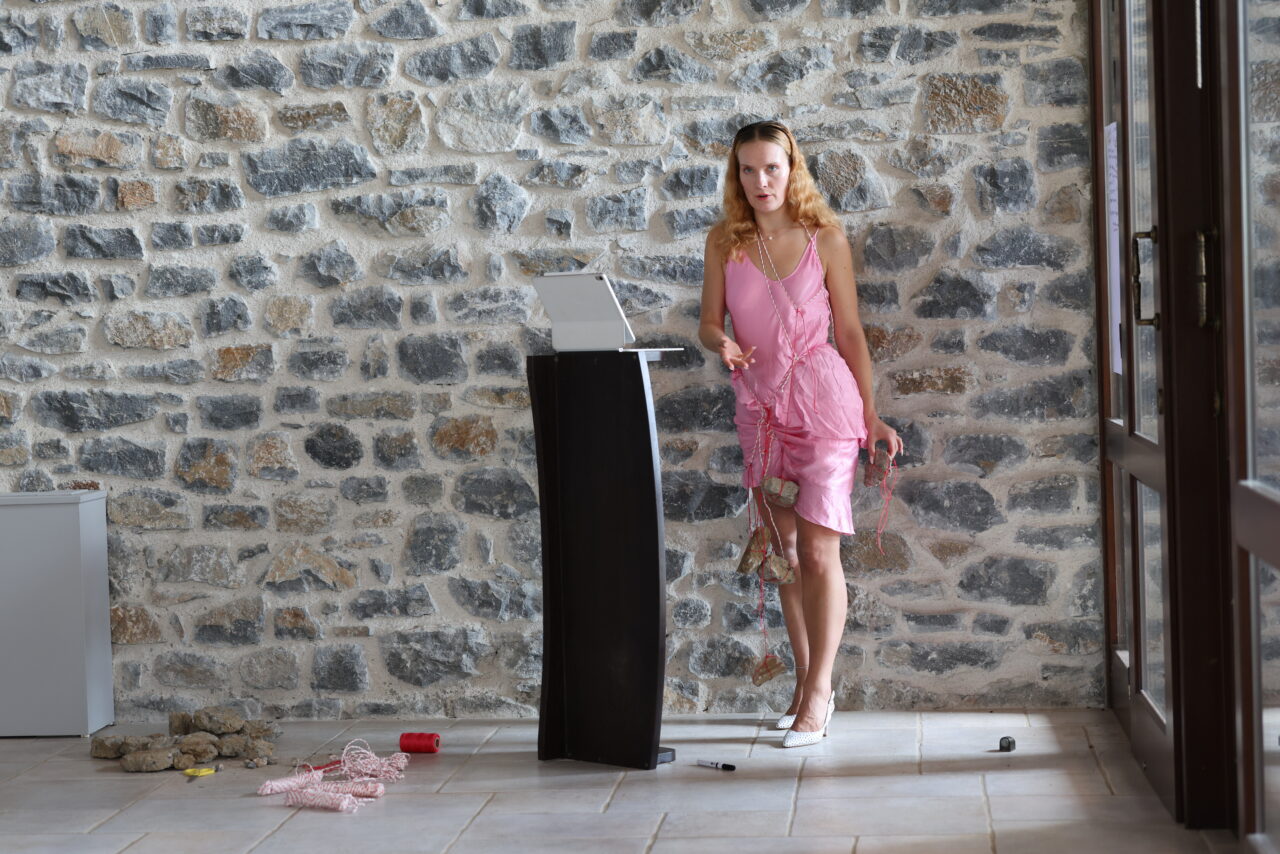
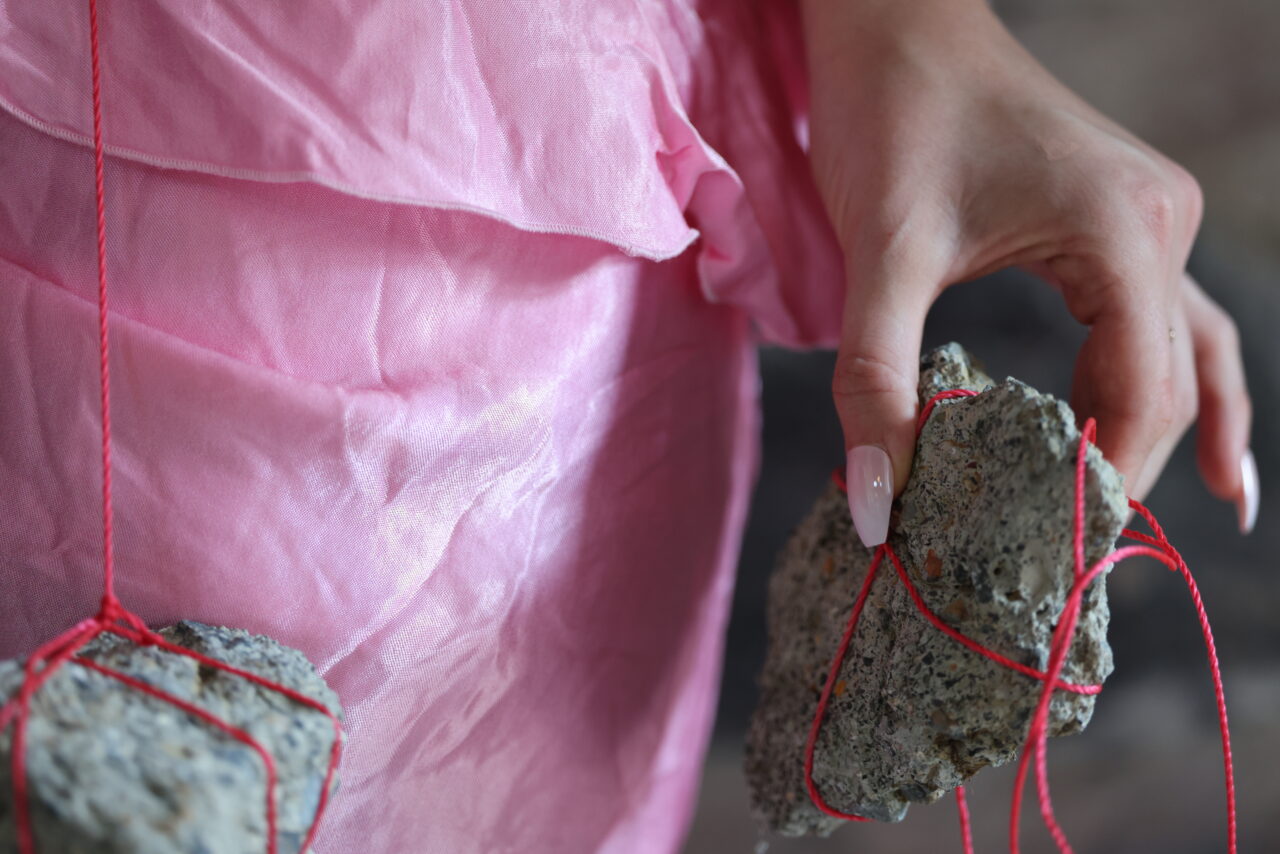
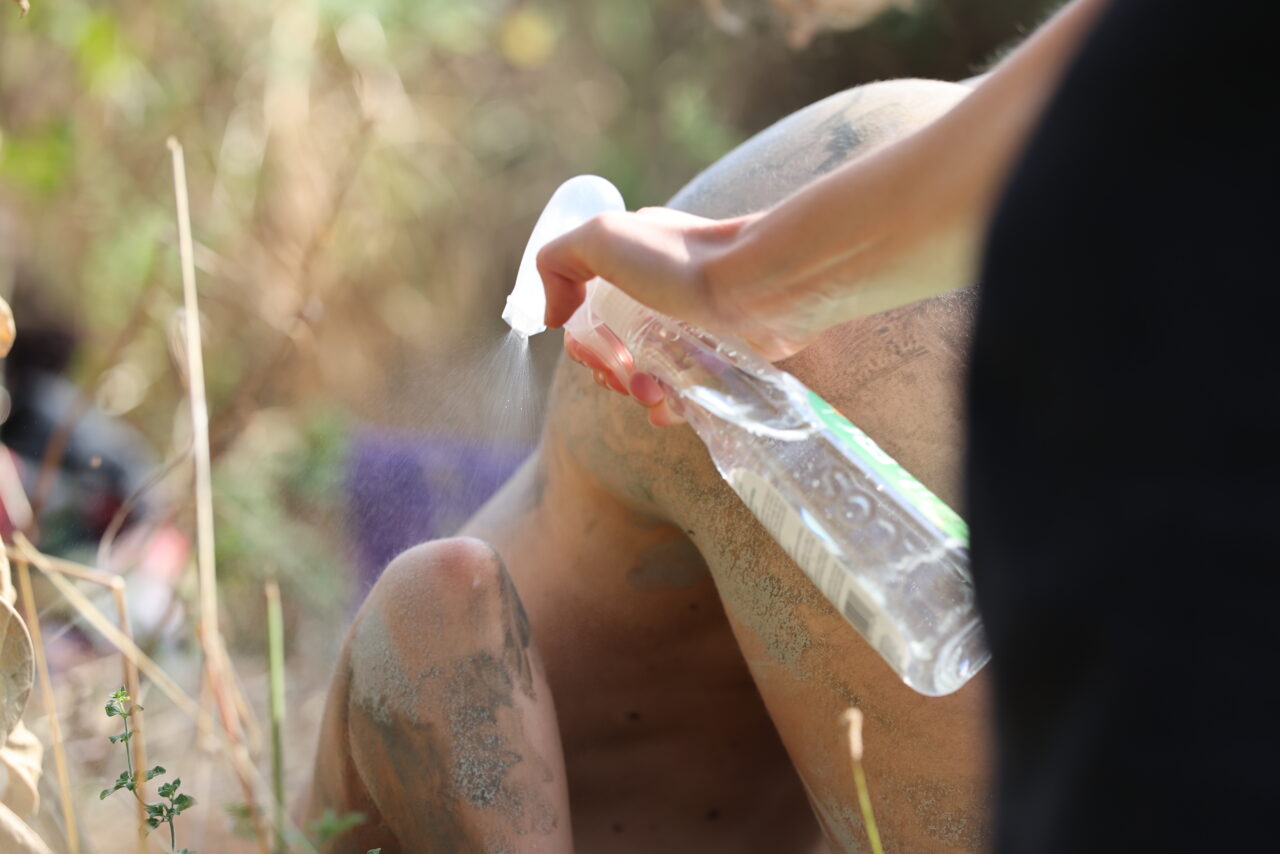
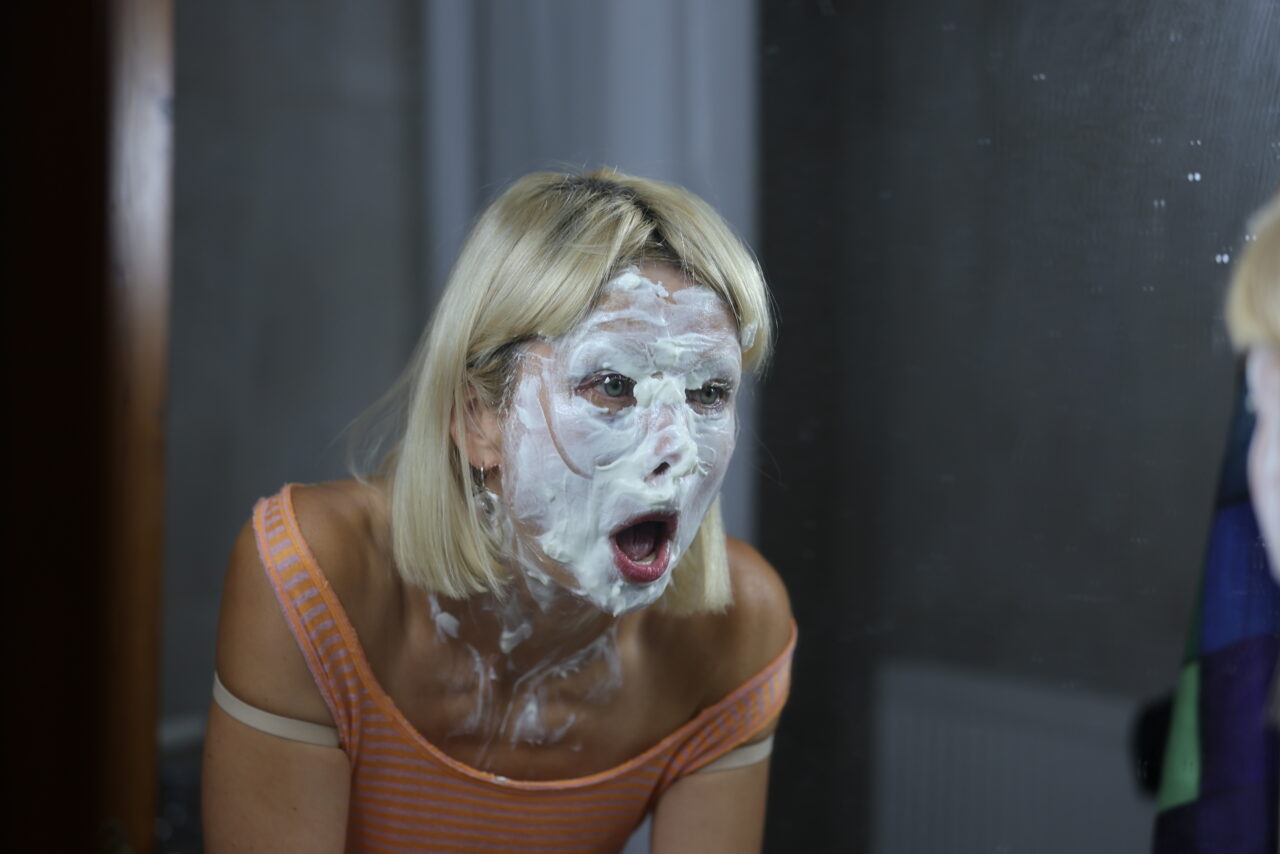
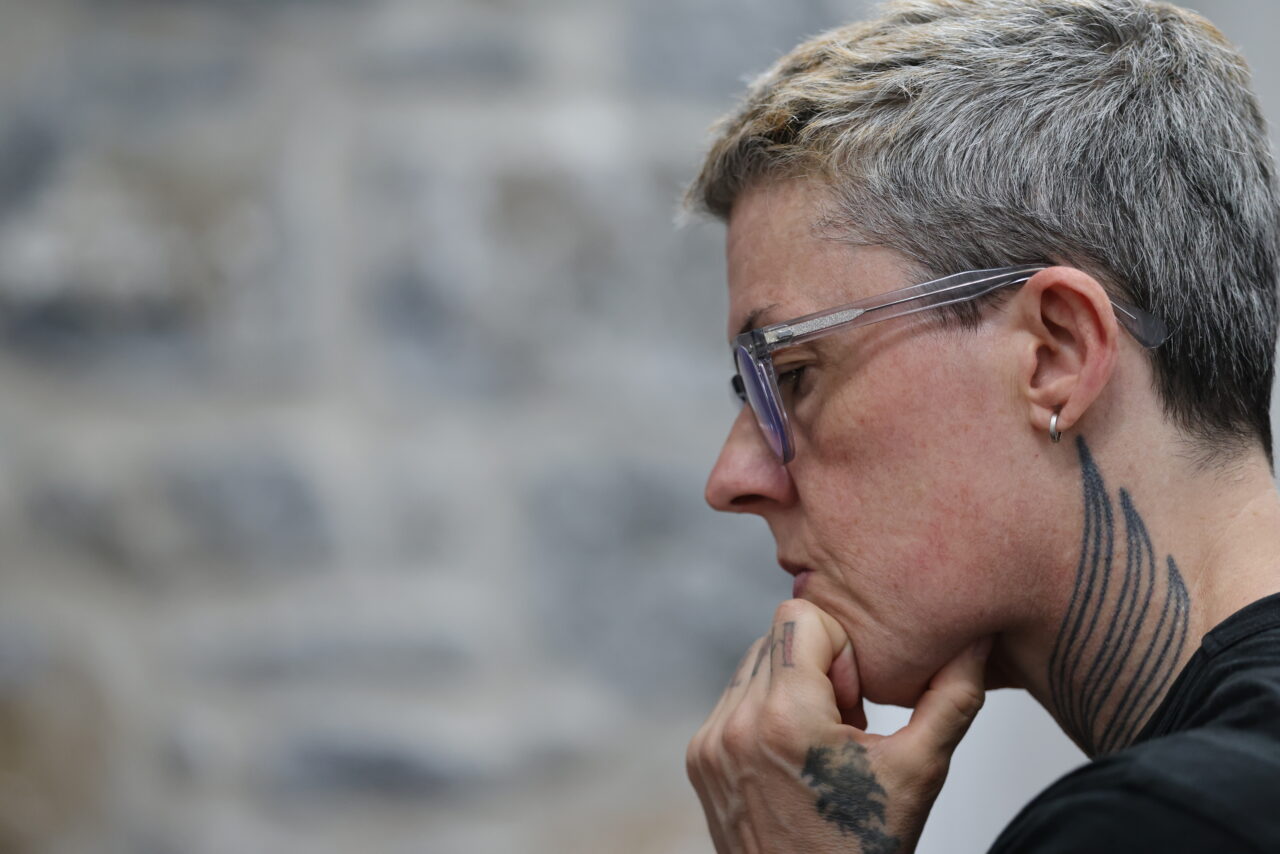
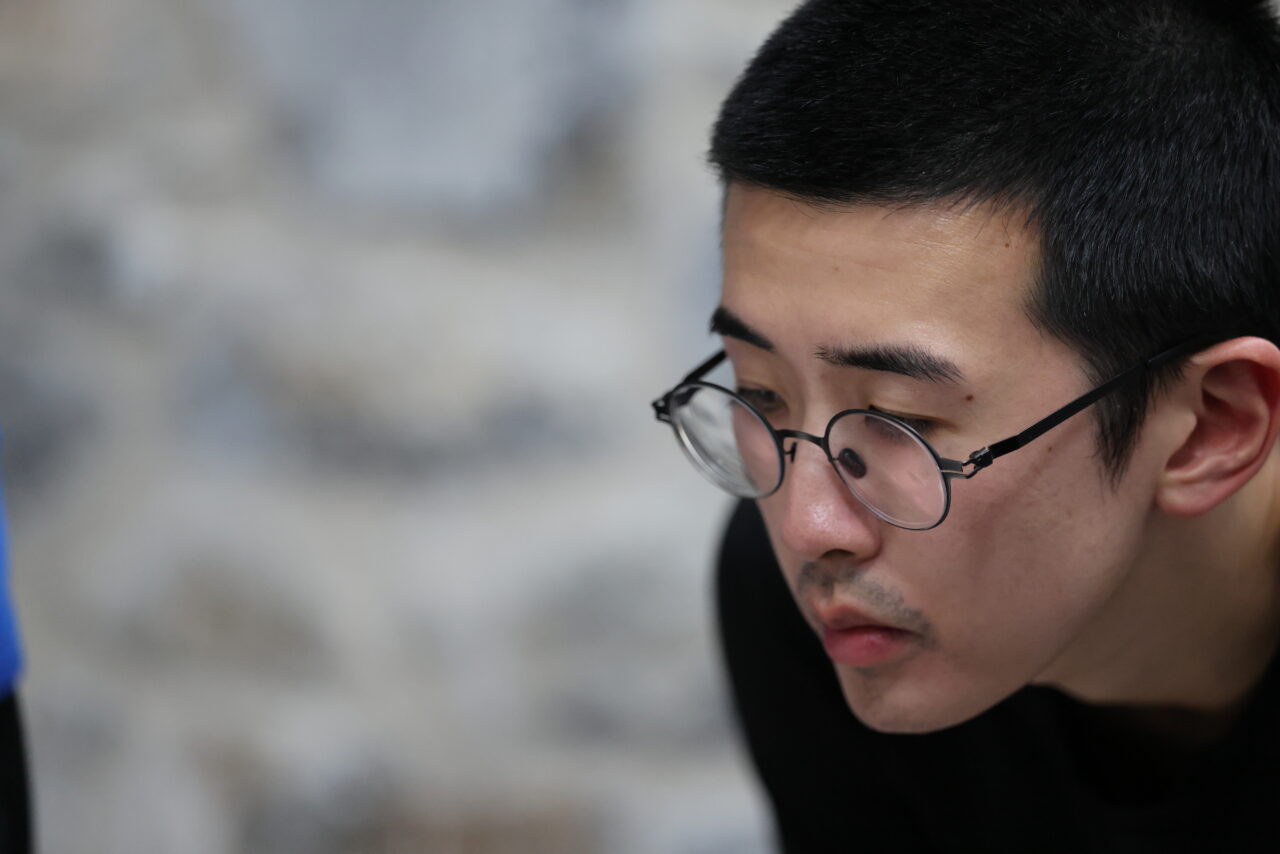
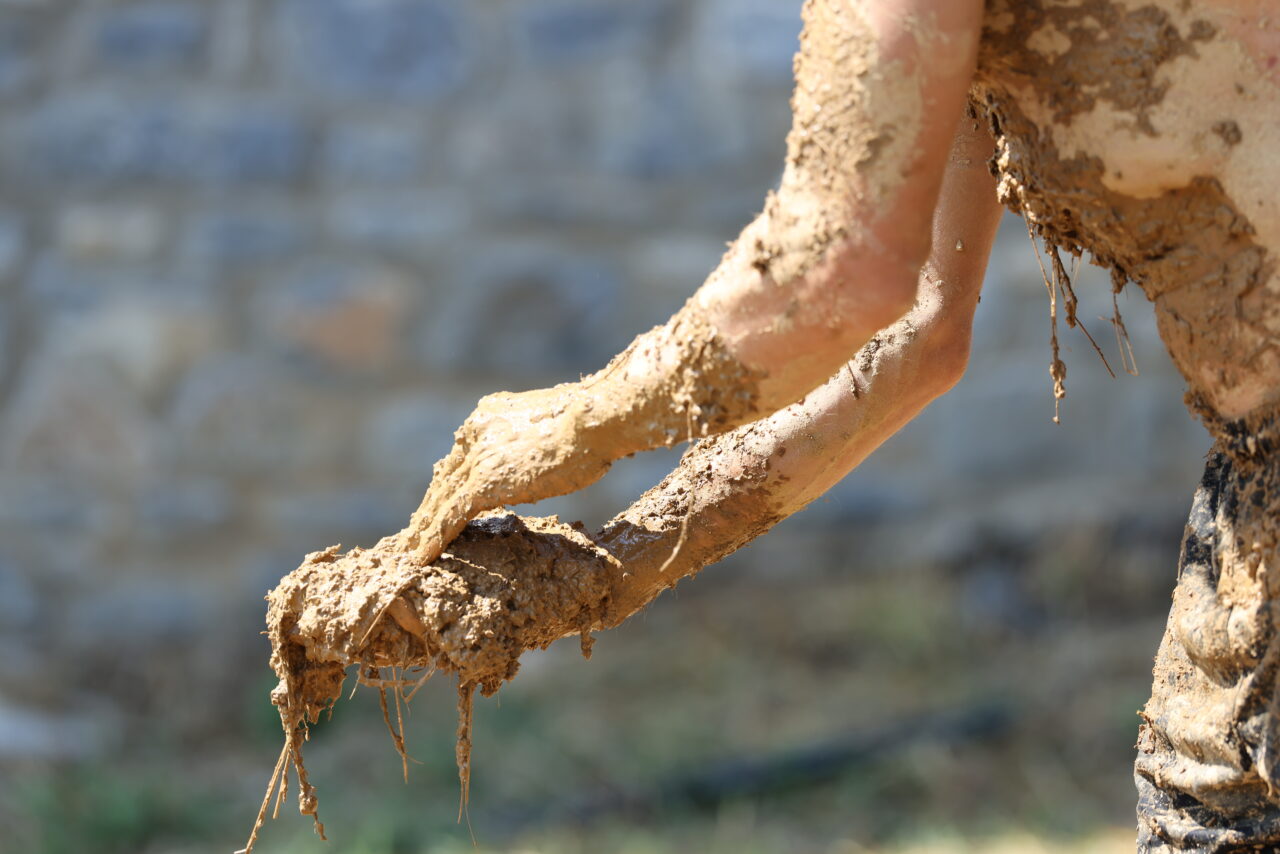
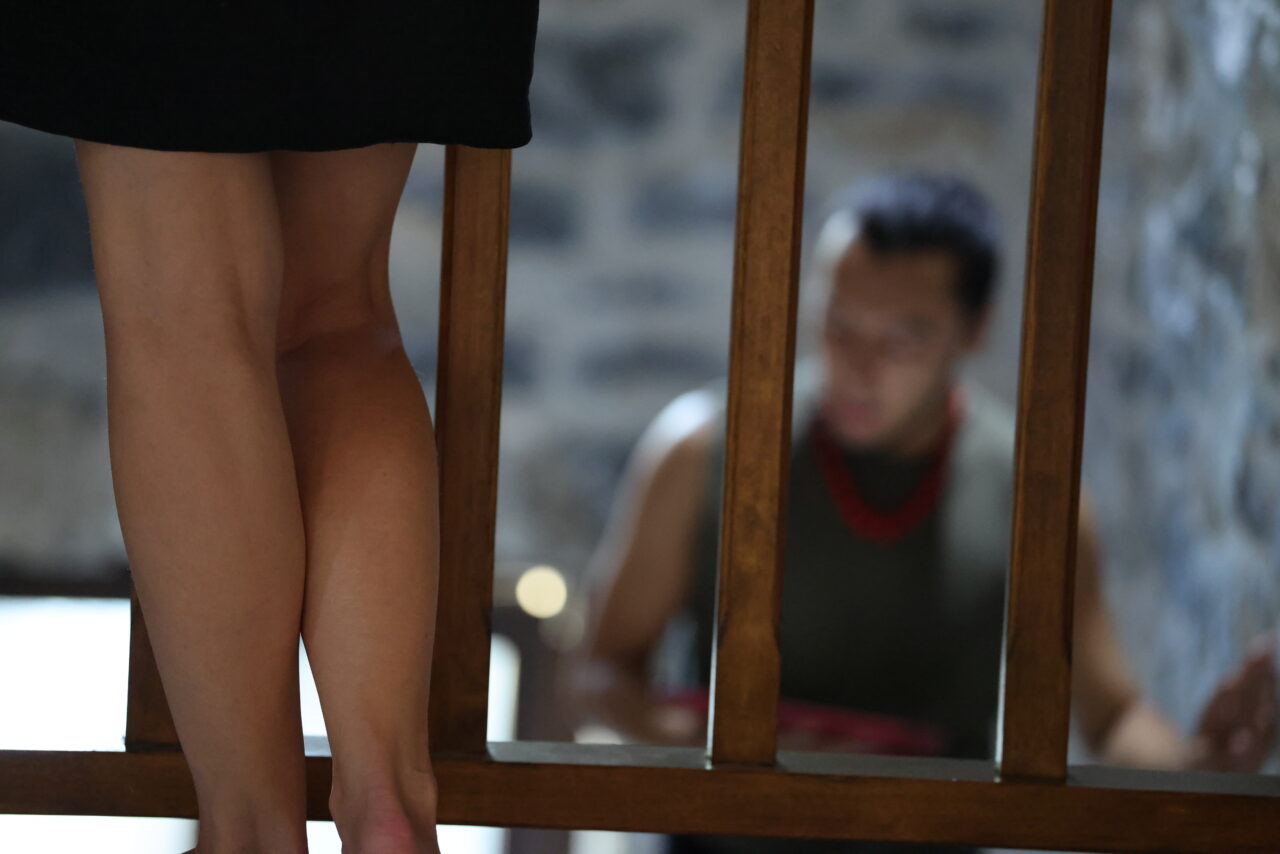
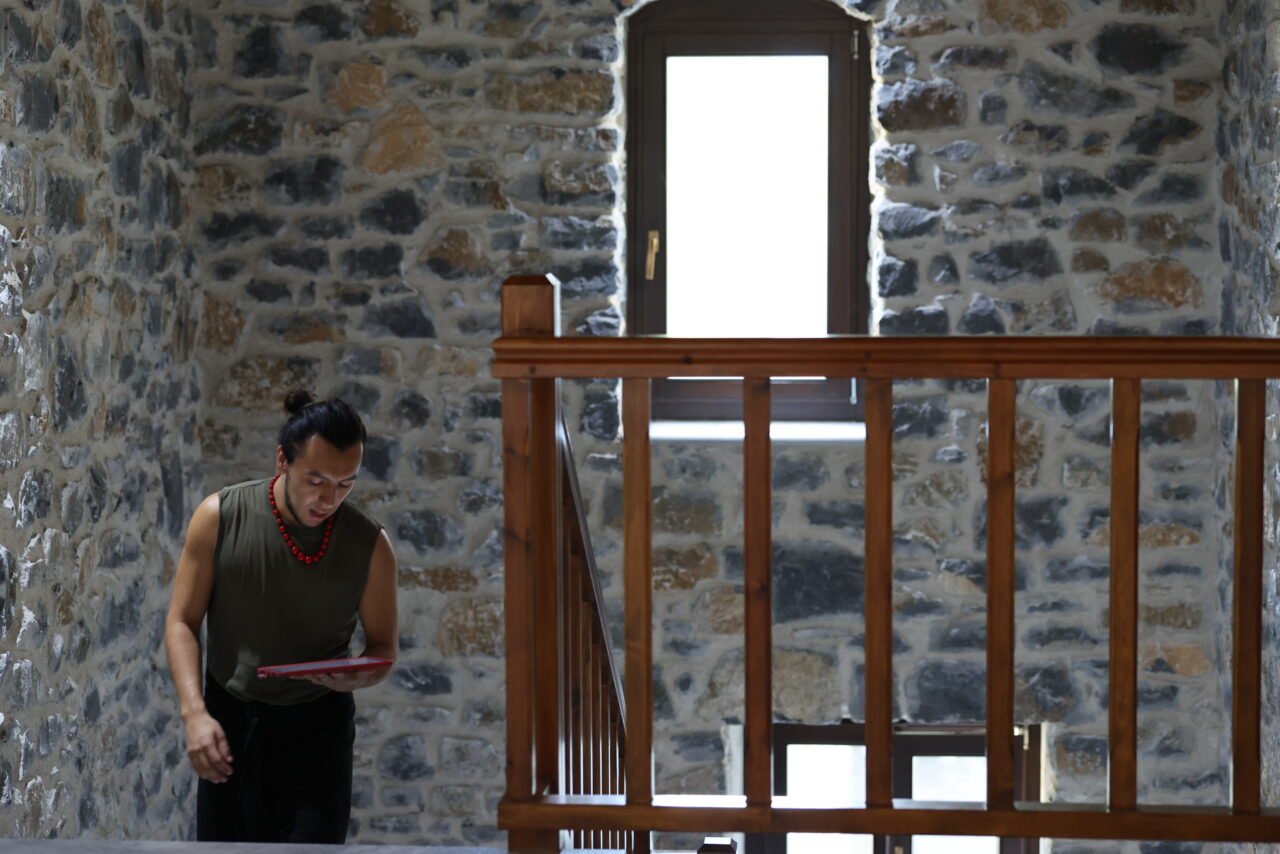
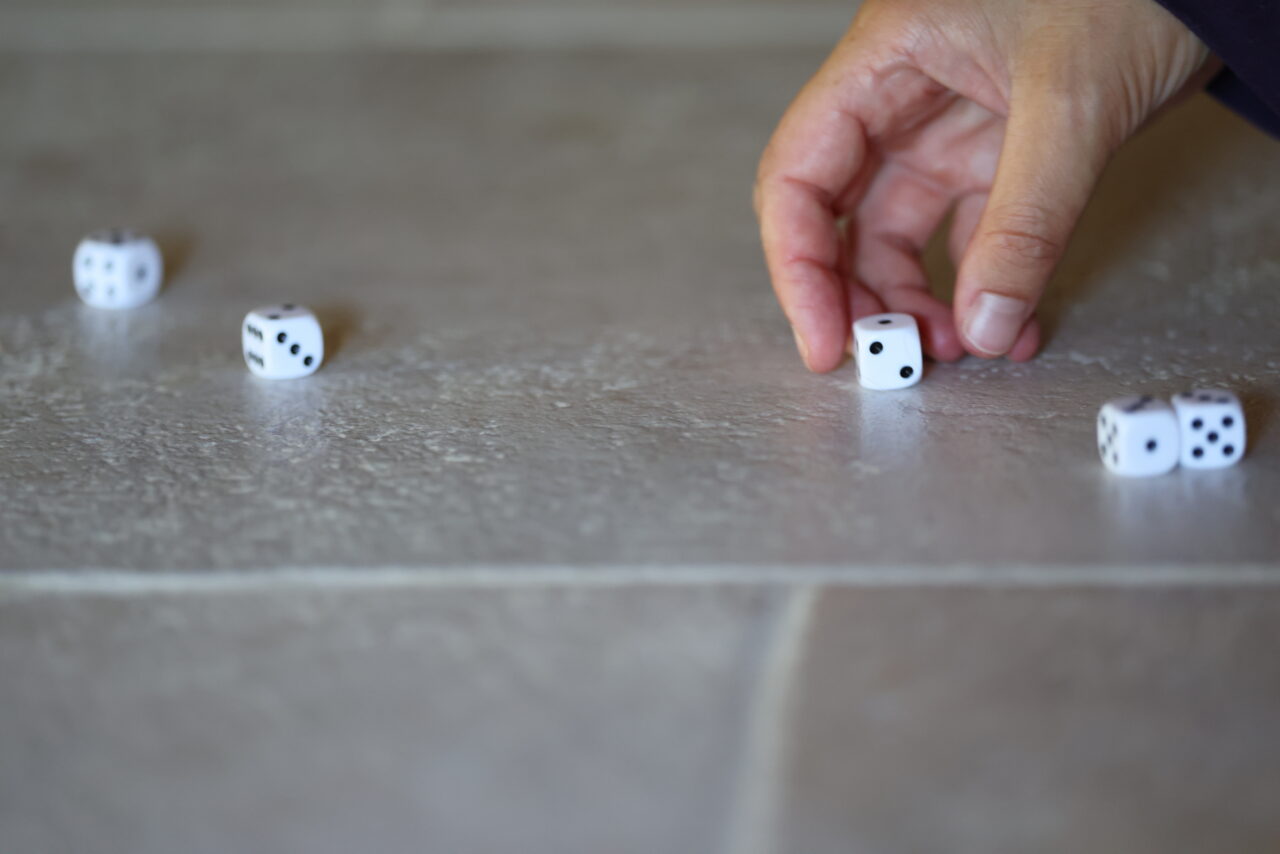
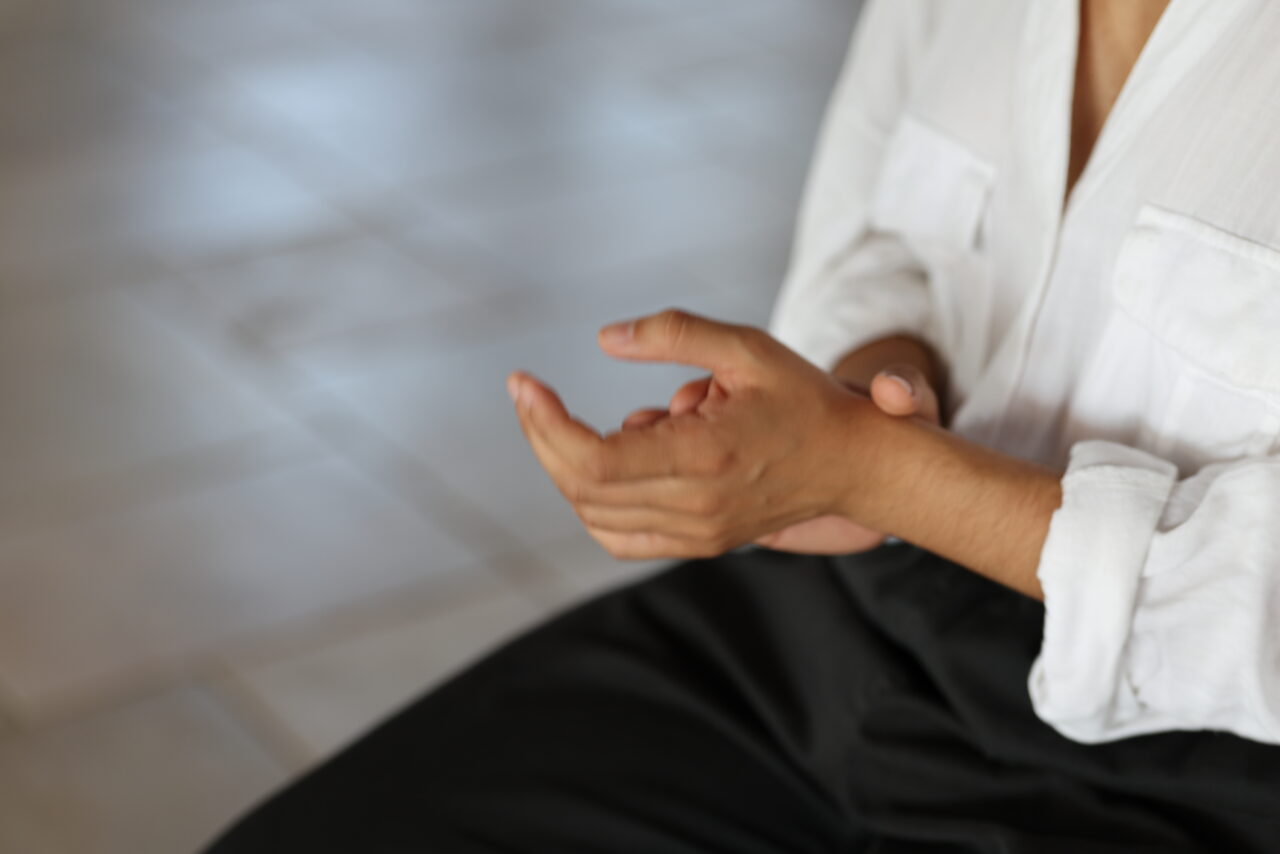
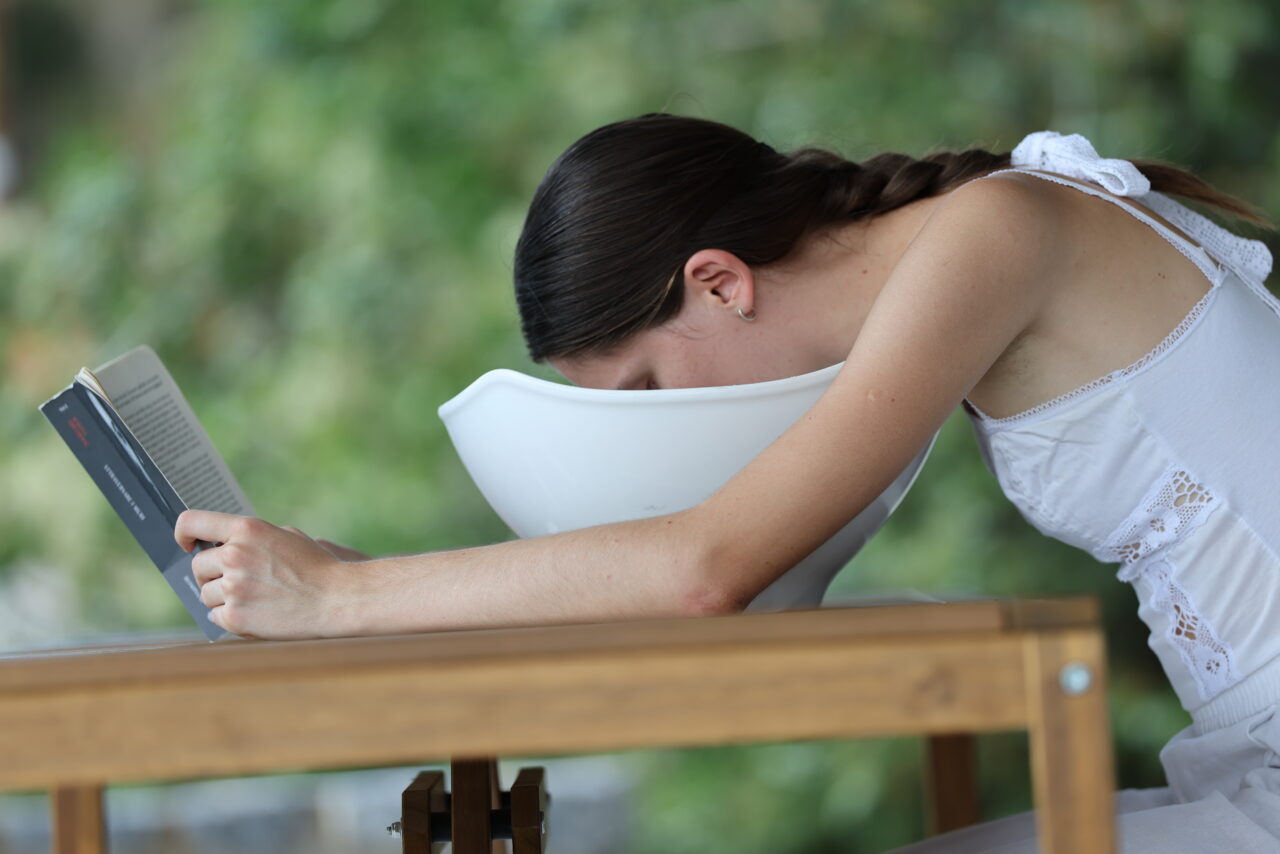
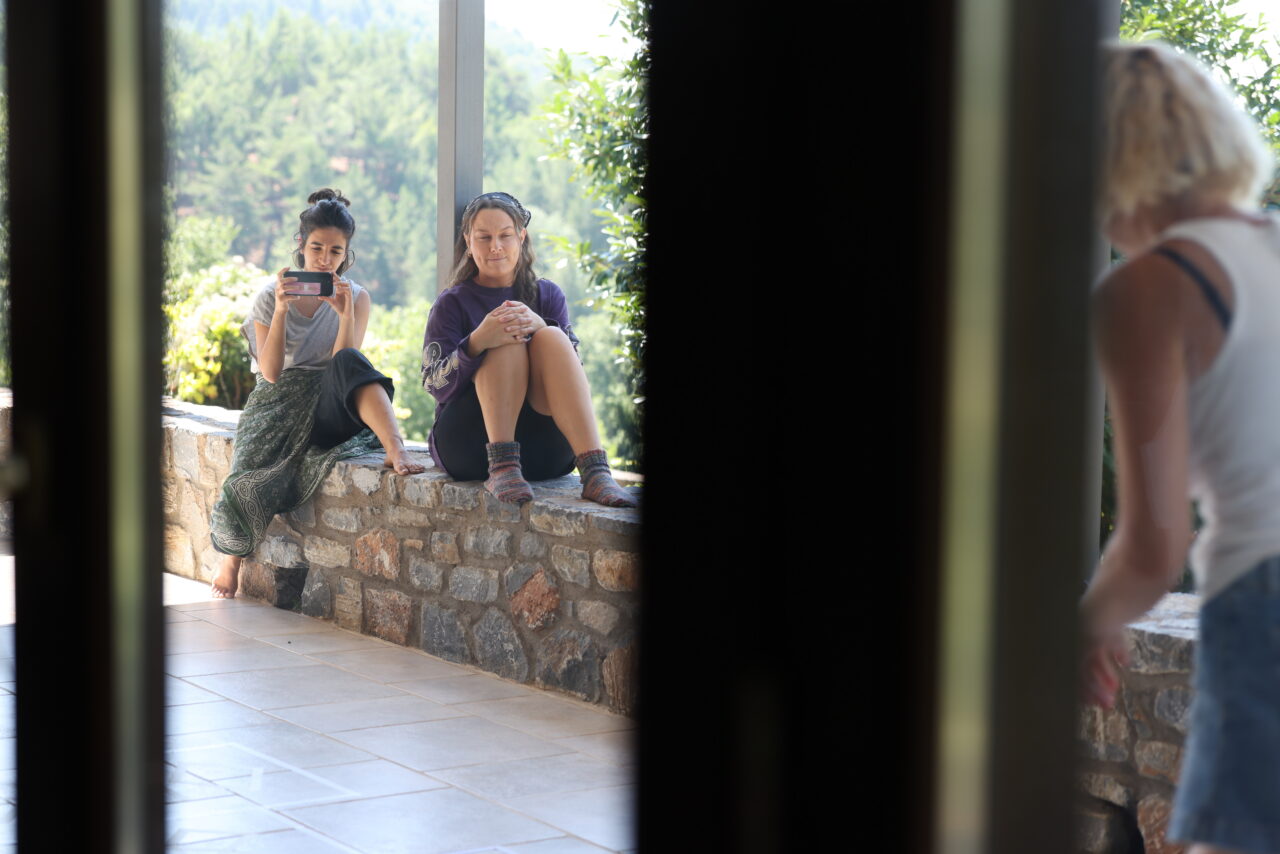
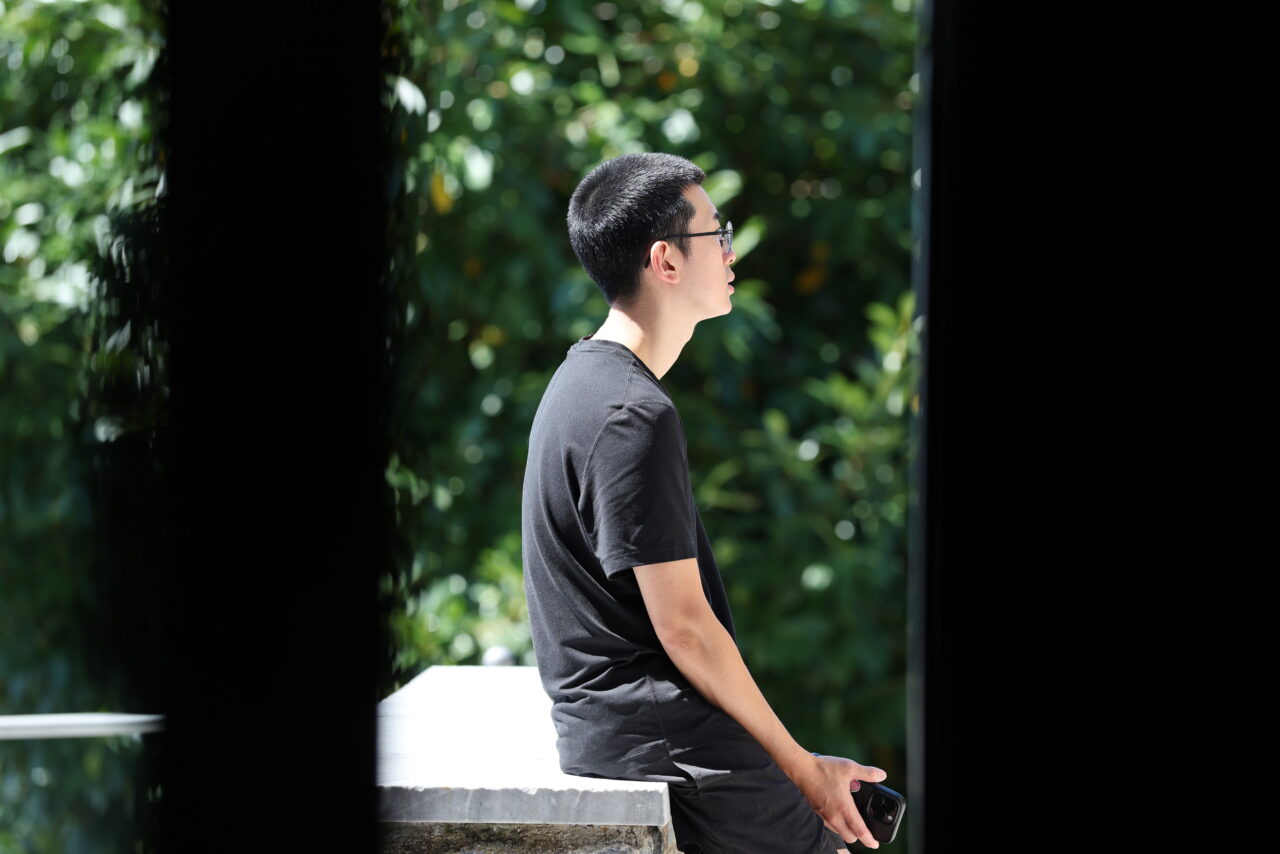
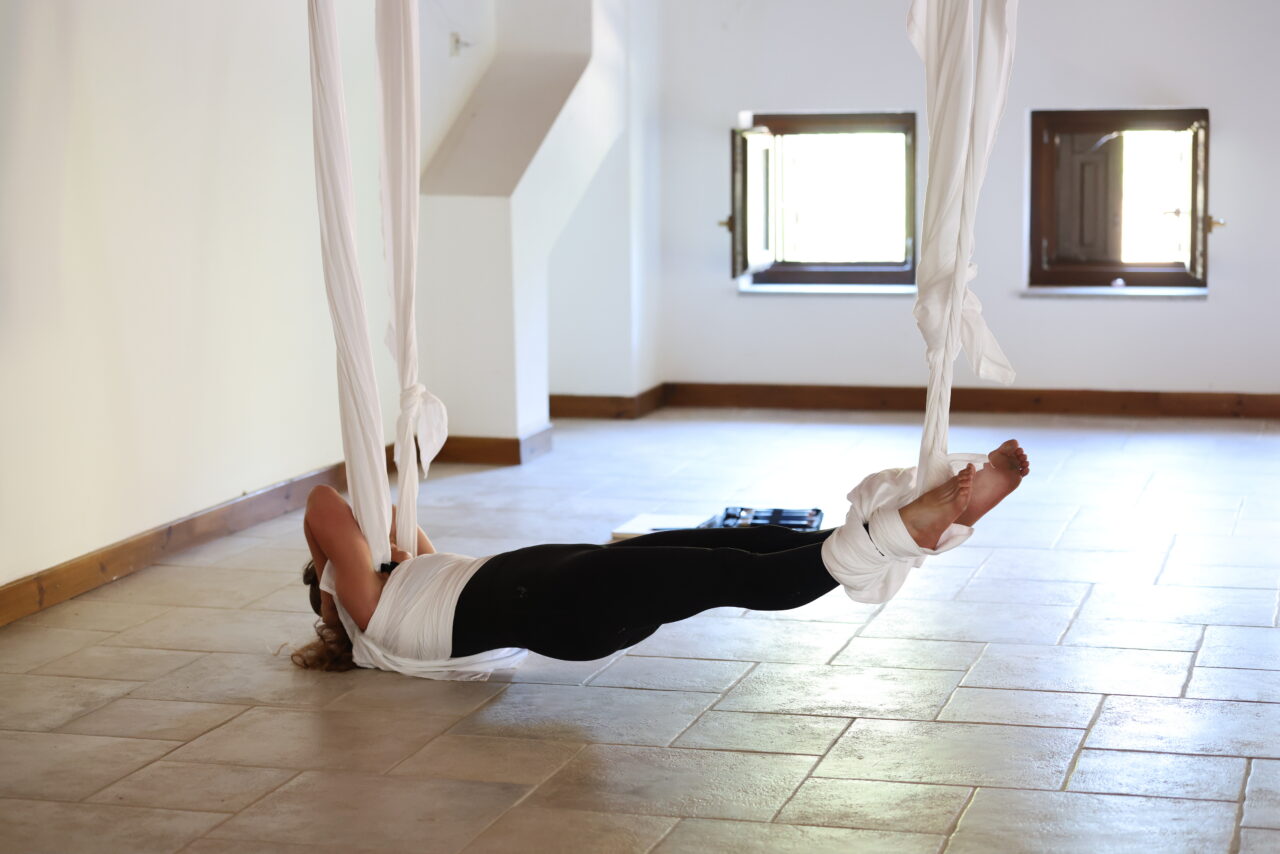
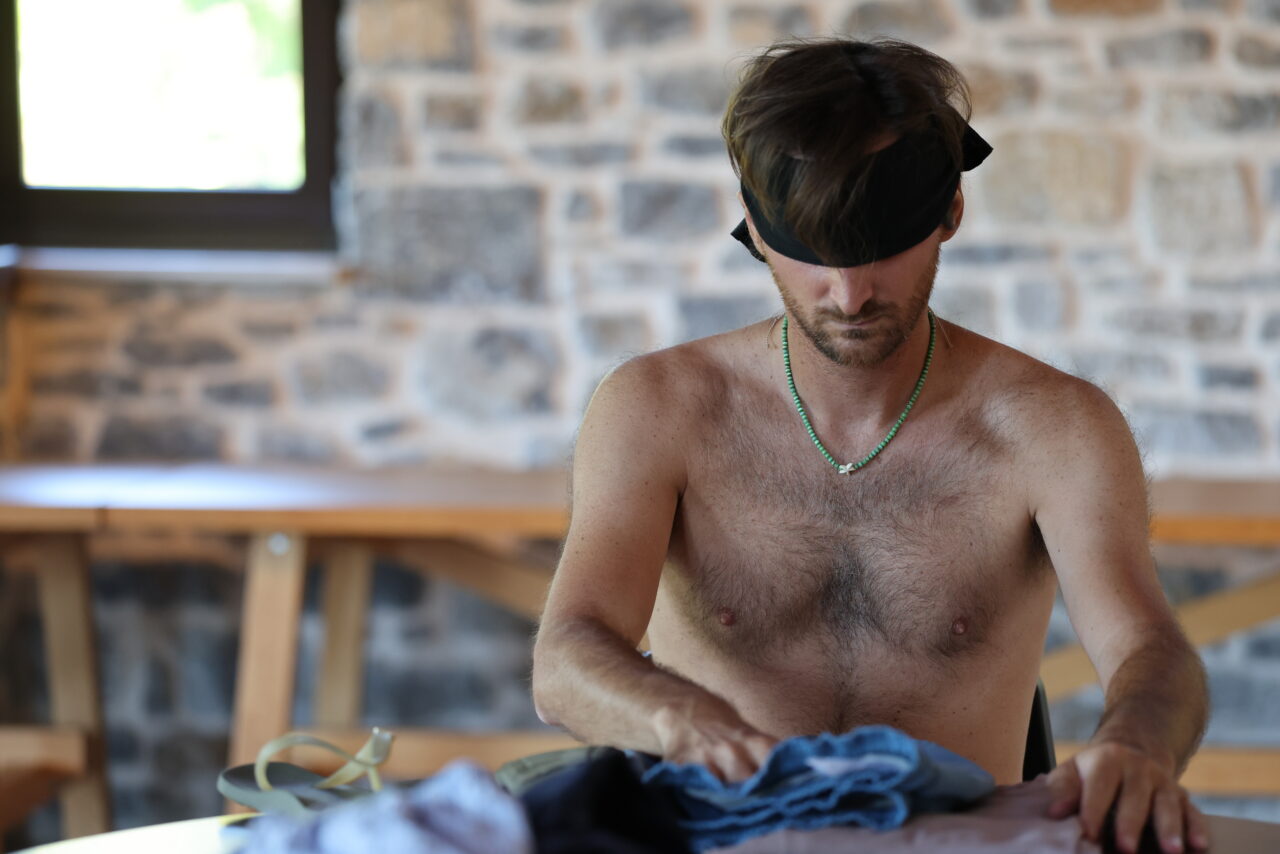
3 to 8 August 2026 · Horohronos Dance studio, Athens
A performer’s most honest work often begins where habit ends. That is the ground Physical Lab sets out to reach, and for a week at the start of August the CPPM cohort worked there, in a dance studio in Athens, with the company’s founder Yorgos Karamalegos.
The physical theatre workshop in Athens ran from 3 to 8 August at the Horohronos Dance studio and opened the Greek leg of a four-month Erasmus+ traineeship through Italy and Greece. It was the fourth of the journey’s five phases, and the first after a month in Venice.
There is a joke buried in that itinerary. The cohort left the Biennale, where contemporary art shows itself to the world at maximum volume, and arrived in the country that invented theatre in the first place. They did not spend the week on ancient texts. They spent it on the body, which is the one piece of equipment nobody has managed to redesign since.
For Karamalegos it was also a homecoming, though not entirely: he never quite left. He was born in Athens and trained there, at Nelly Karra’s school, before a career in Greek film and television and a move to the United Kingdom in 2001, and his Lab still returns to Greece every year for its residency on Crete. This time Greece came with students attached.
Working from the body outwards
Karamalegos starts with the body and works outwards. The practice is movement-based and slow, built on close attention to impulse and sensation, which sounds gentle until you notice what it is doing: taking apart the patterns a performer has long stopped noticing they have. The method has a name for the quality of attention it asks. He calls it the Tasting Principle, meaning you meet material slowly enough to register what it actually is, rather than what habit expects it to be.
The unlearning is the harder half. A trained performer arrives carrying habits that were useful once and have since gone automatic, and the week worked at exactly that seam. It is uncomfortable, in the way useful things often are. What comes out the other side is not a new technique laid over the old one. It is a body with more available to it.
Karamalegos puts the principle behind that plainly. He does not believe there is one acting technique that works for everyone, because every actor is a unique ecosystem. His role, as he describes it, is not to fit performers into a predefined method but to help them understand how they are built and how they function, so that what they arrive at is not a borrowed method but a technique emerging from their own nature.
The practitioner and the laboratory
Karamalegos founded Physical Lab in London in 2011 and has built the method there since, teaching short Labs across Europe and the United States. Before that came a decade of physical-theatre making in Liverpool, where he co-founded Tmesis Theatre and the festival Physical Fest. He directed the award-winning solo Wolf Red in 2013 and acted in the film The Last Note in 2017. He has taught at LAMDA, RADA, the Drama Centre and Williams College.
Karamalegos had taught at CPPM before. He was here as early as the late summer of 2019, when the programme was barely under way. The students who stood in front of him in the Athens studio, though, were CPPM’s third cohort, meeting him for the first time. The week belonged to a summer built to get students out of the home studio in Tallinn and into a room with the best in their field.
Physical Lab
The road continues
This is the fourth dispatch from the traineeship. The first told the story of the opening residency in Melpignano, and the second and third followed the cohort through its month in Venice, from the guest weeks with Punchdrunk and Theatre Re to the six audio walks made at the Biennale. From Athens the road turns inland and south, to Karyes in the Peloponnese, where the four months end with a residency at the Marina Abramović Institute. The cohort stays in the country that invented theatre a while longer. It just keeps climbing.
Studio time with practitioners like this runs through the whole degree. Read more about the CPPM programme.
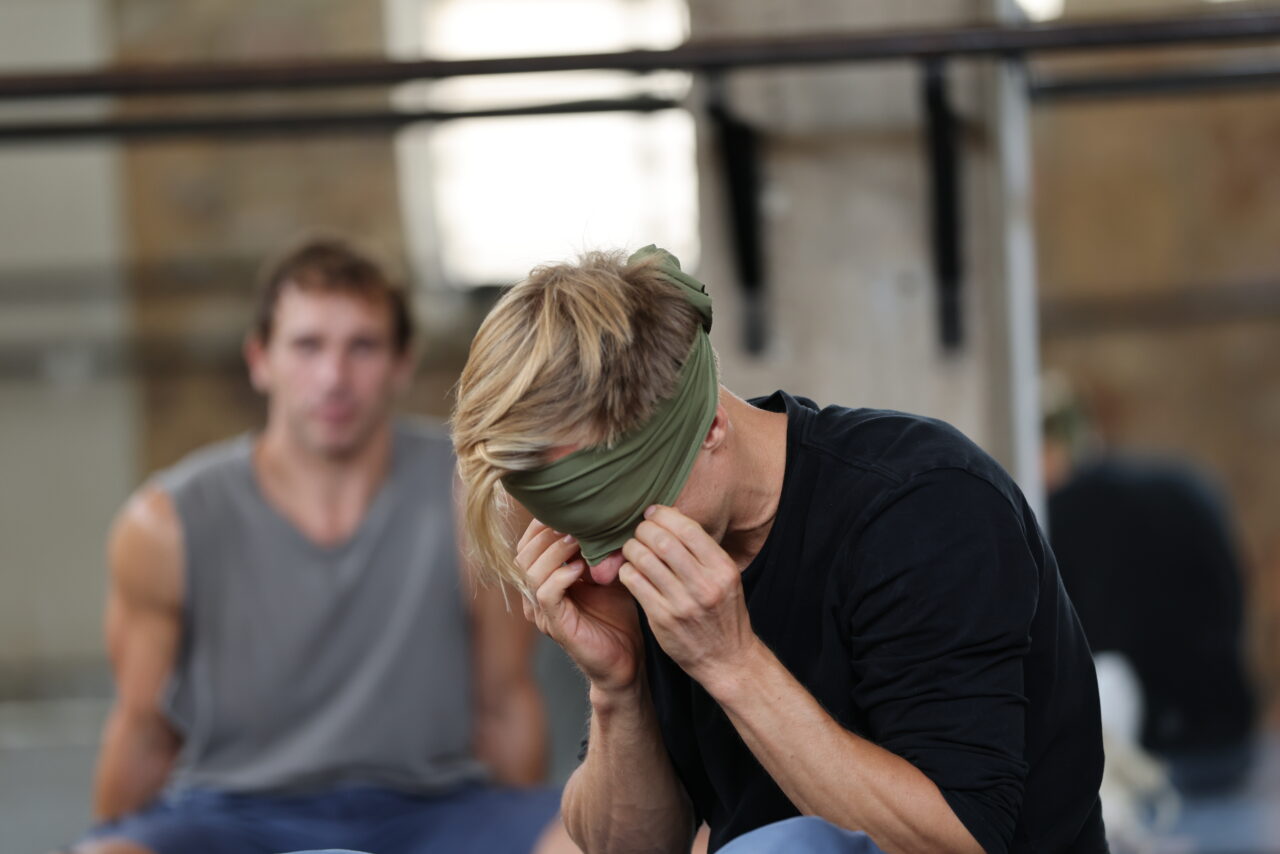
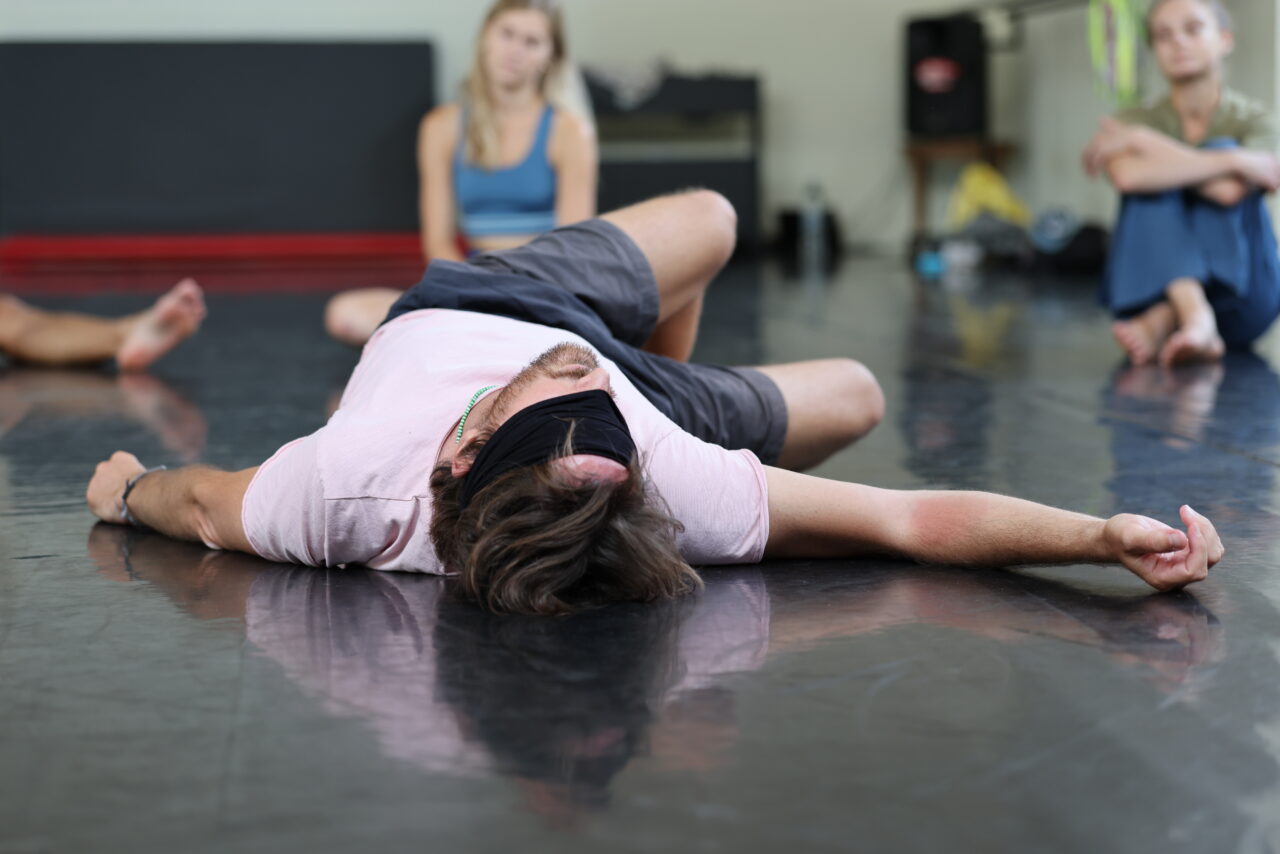
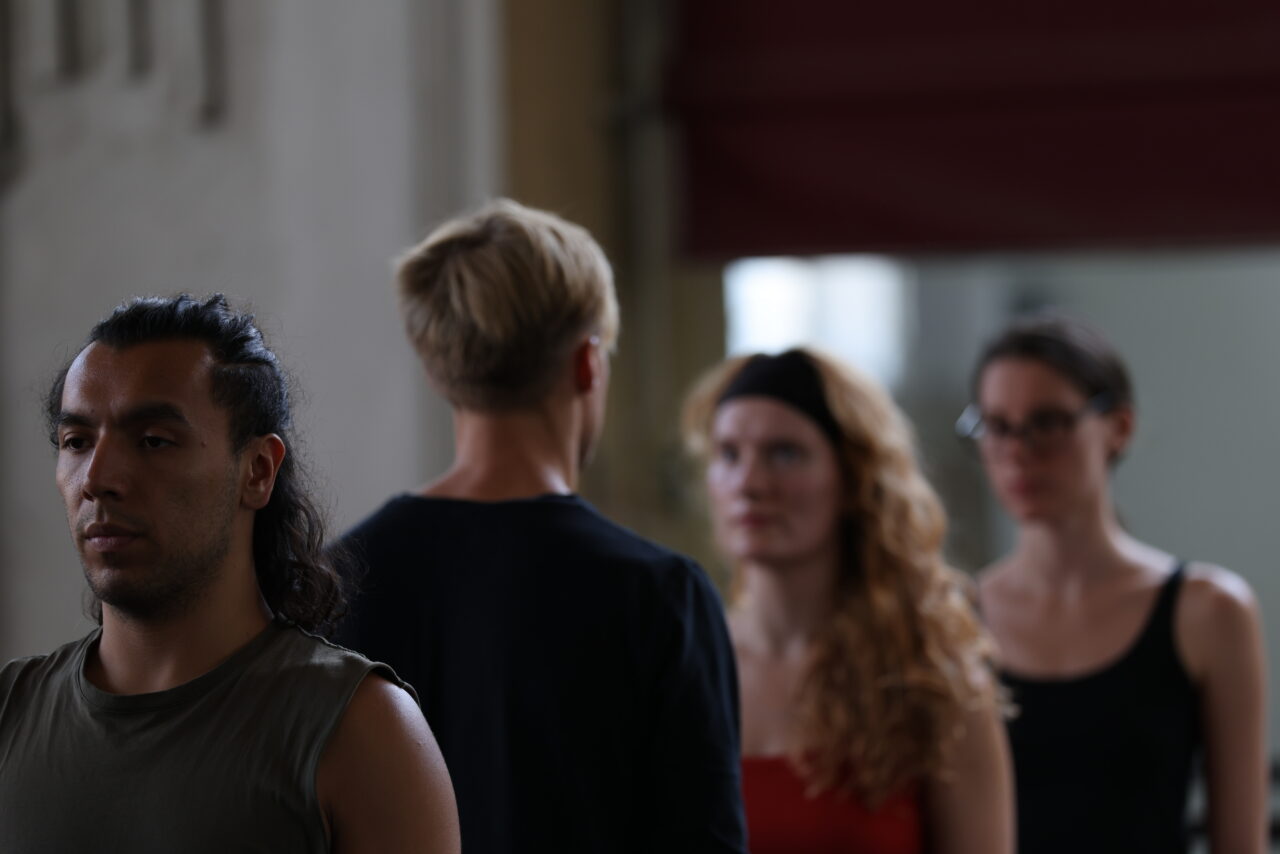
29 June to 12 July 2026 · Centro Teatrale di Ricerca, Giudecca, Venice
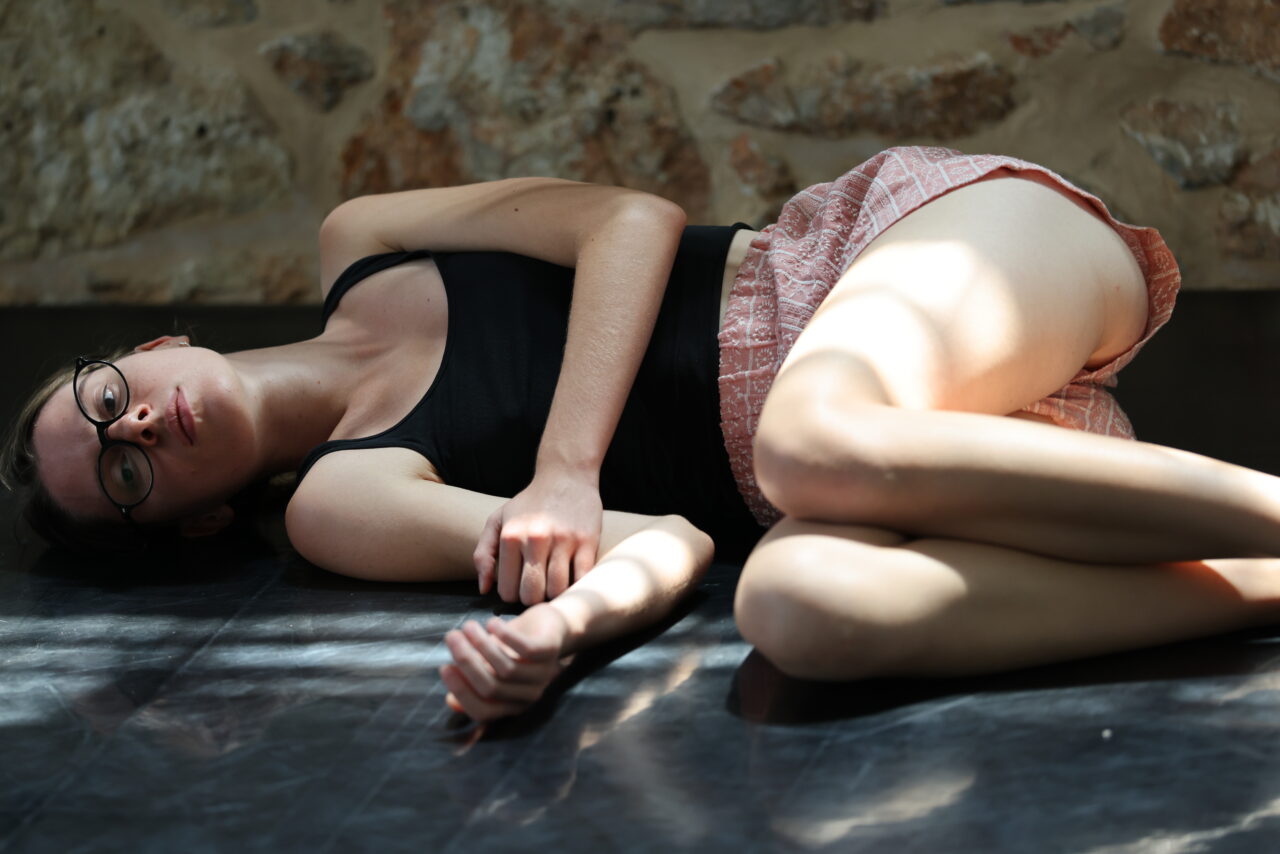
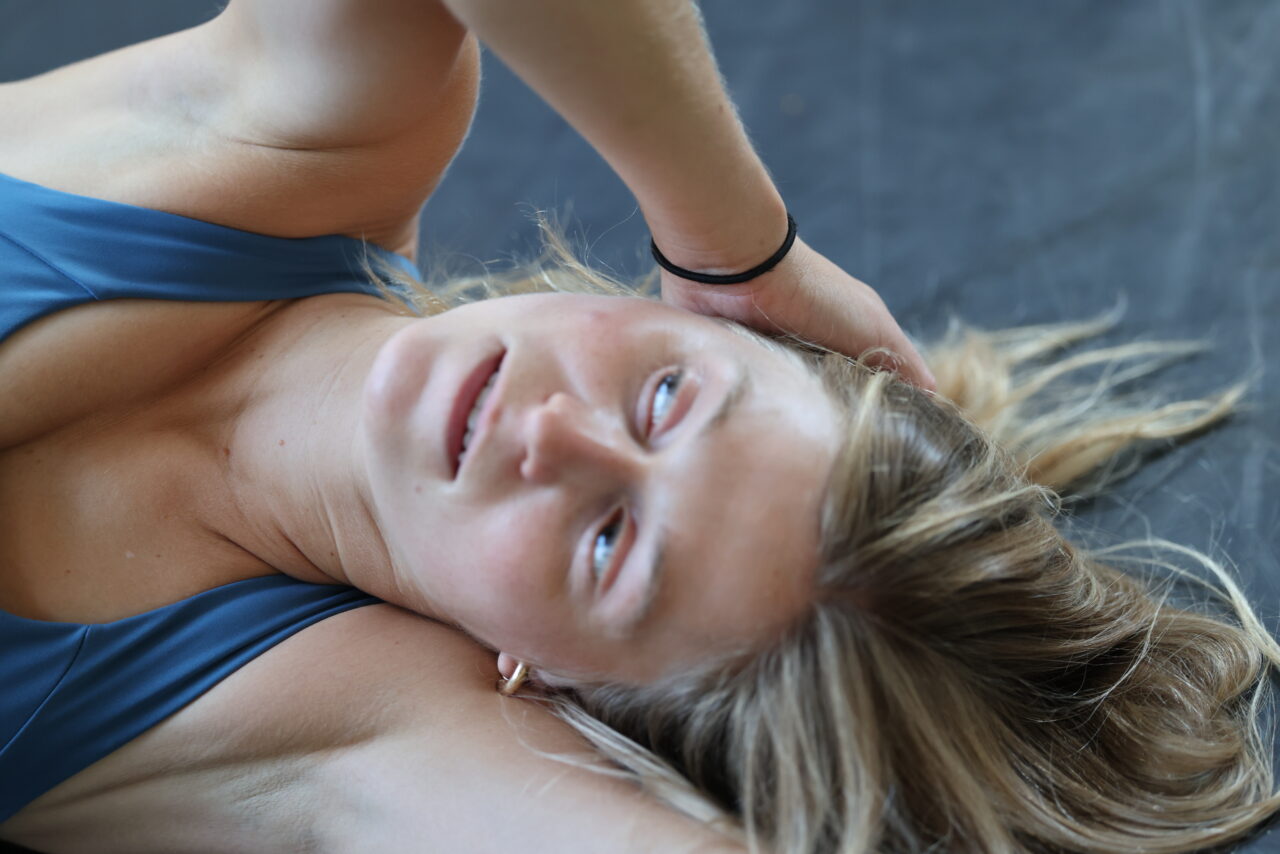
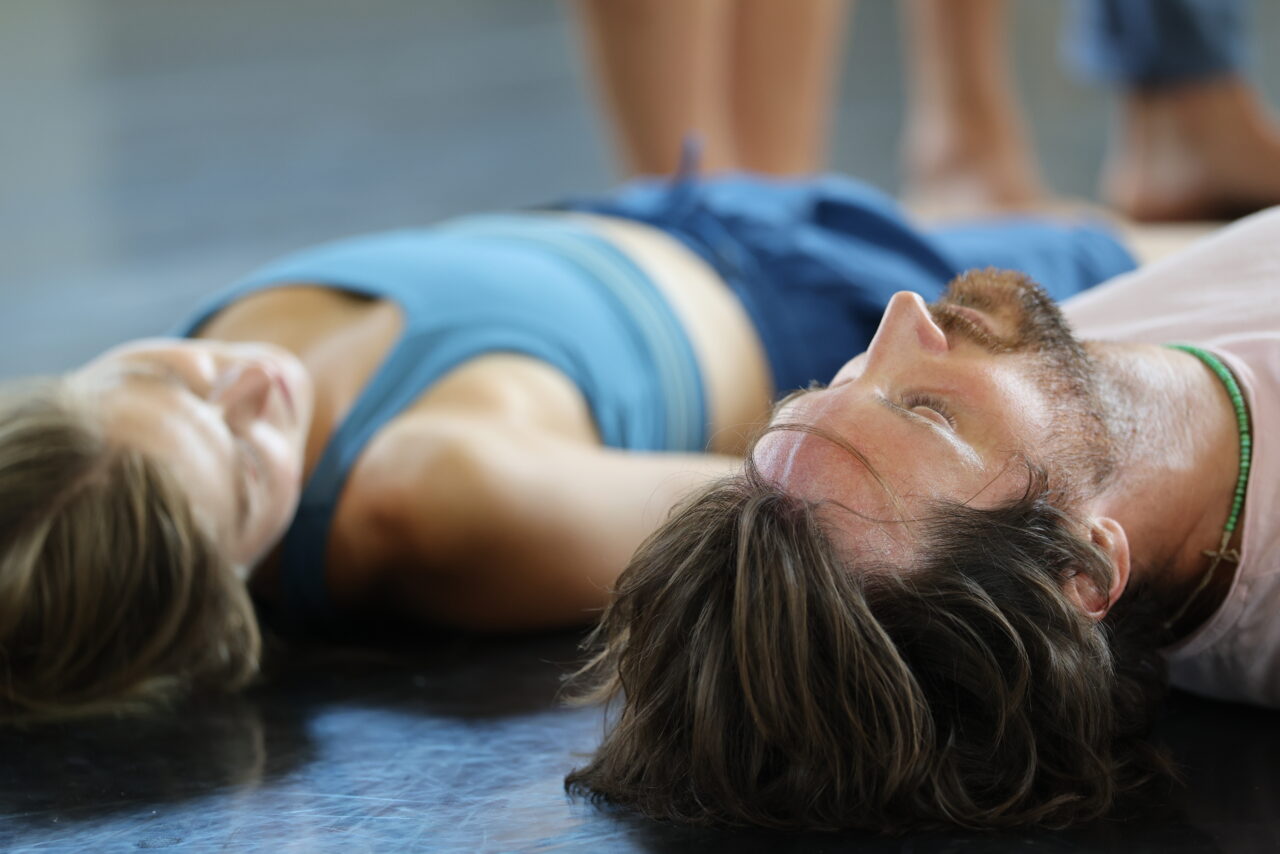
For two weeks either side of the turn of July, the CPPM cohort worked in a theatre on the Giudecca with two of the companies that changed how audiences meet a performance. First Punchdrunk, then Theatre Re. Each week ended with the doors opened to the public.
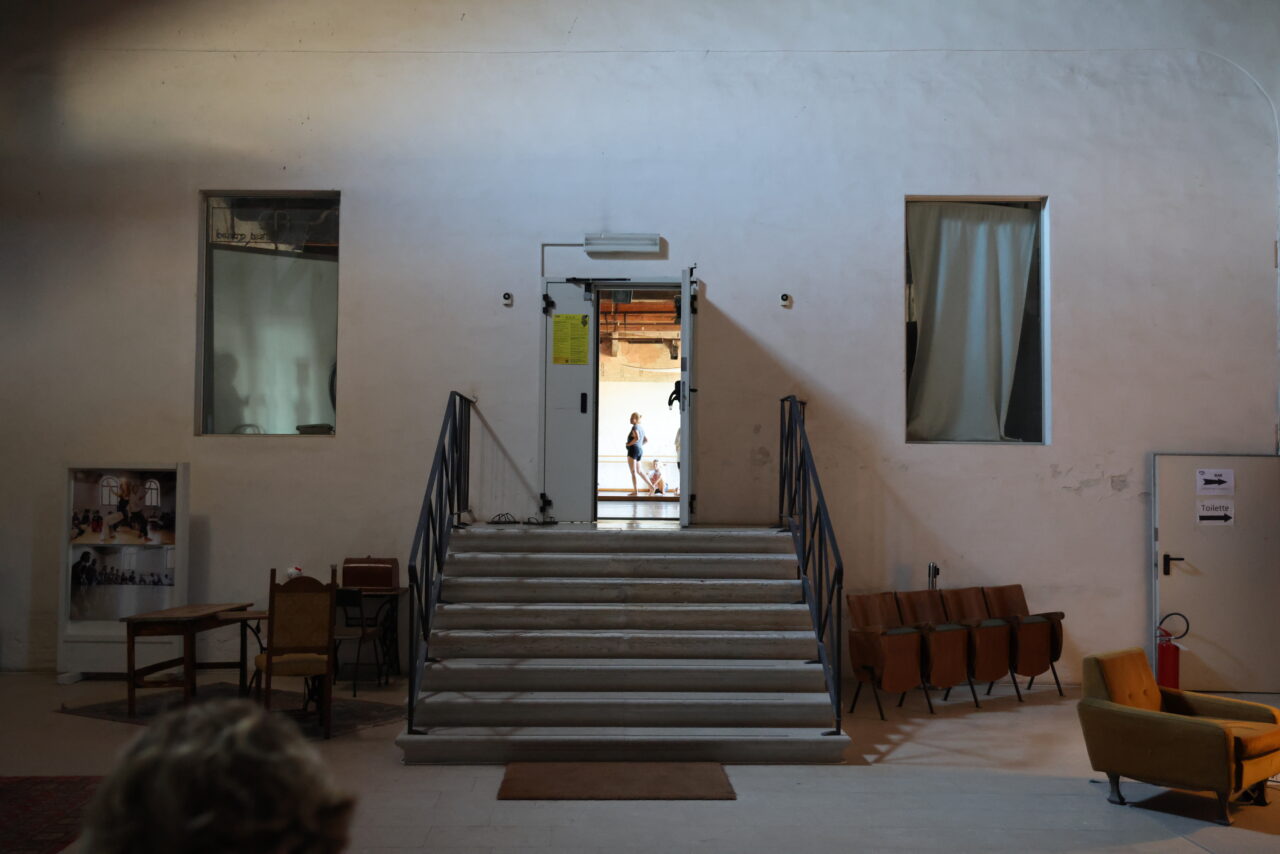
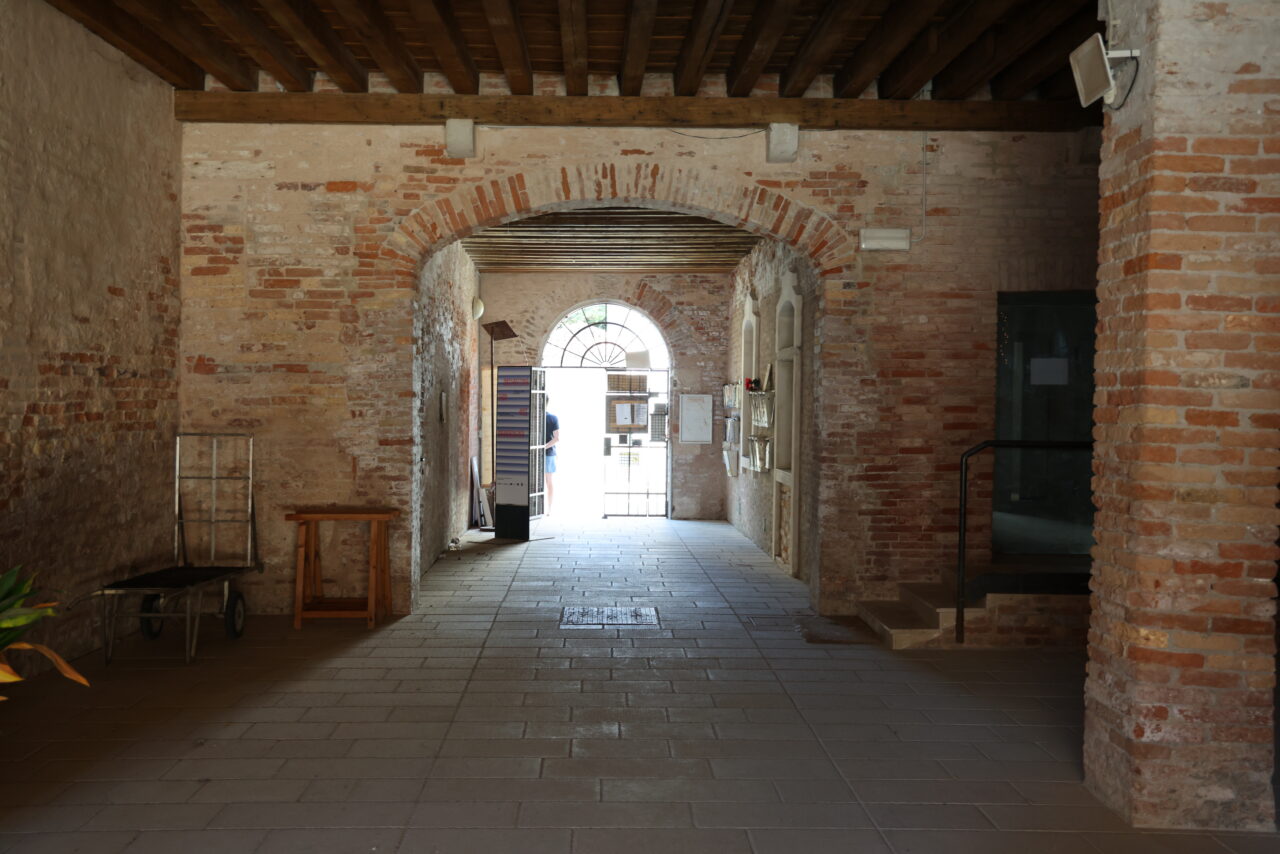
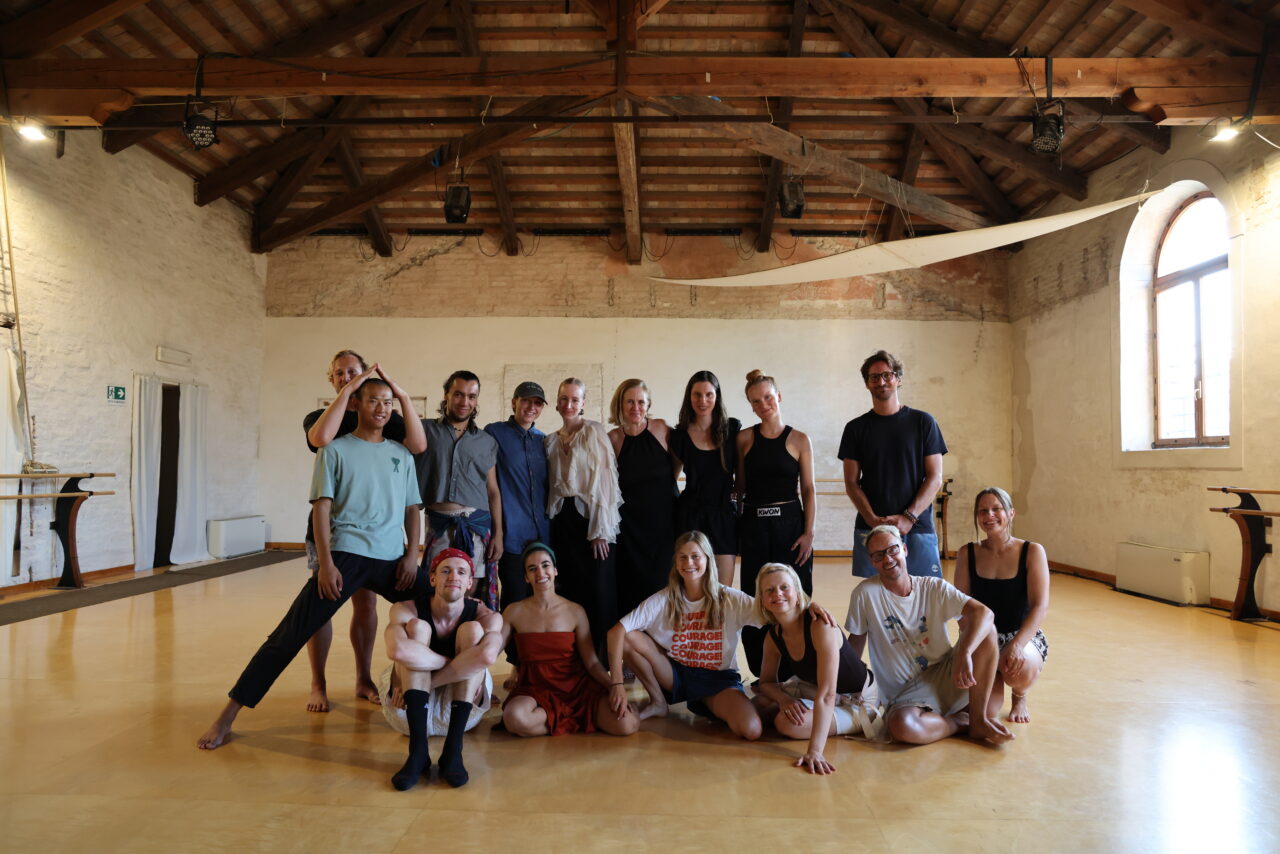
The physical theatre workshops in Venice opened the third chapter of a four-month Erasmus+ traineeship carrying the whole cohort through Italy and Greece. The venue was the Centro Teatrale di Ricerca on the Giudecca, the long island across the water from the tourist city, where the programme held its Venice residency for four weeks from 28 June. Like every phase of the journey, the Venice chapter was shaped by Cracalia ETS, the Italian cultural association that is the umbrella for the entire traineeship. The two guest weeks came first. The two weeks that followed belonged to the cohort’s own making.
A week inside Punchdrunk’s practice
Sarah Dowling led the first week, 29 June to 4 July. She has been a Punchdrunk collaborator since 2002, and the roles behind her are the company’s landmarks: Lady Macbeth in the original Sleep No More in London, Dolores Grey in The Drowned Man, and on The Burnt City both original-cast Hecuba and Associate Director. Alongside that she makes her own dance and theatre work and is an Associate Artist at the Royal Opera House. Punchdrunk itself, founded in 2000 by Felix Barrett, built the form most people now mean by immersive theatre, where the audience walks through a world rather than sitting in front of one.
What she brought was not a lecture about a famous company. It was a practice the cohort stood inside. The week worked on spectatorship in immersive and site-sympathetic space, and on the making processes underneath it. Material was built fast and deliberately unjudged, the body given simple instructions and left to find the rest. Attention went to communicating the feeling of a movement rather than its appearance. The audience became a variable to compose with: how close they stand, where they place themselves, how long they are willing to look. Architecture stopped being a container and became a partner, a boundary to seek out and work against. By the third day the question had turned to the spectator’s senses, and the answer was mostly slowness. Do not bypass the small things. Let temperature and texture and sound arrive.
Her way of working was itself part of the teaching. Complete preparation, total attention to the room, and no wasted energy. That combination is worth remembering as a model of professionalism in this field, independent of any aesthetic. The week closed with a public open class on 4 July.
Punchdrunk
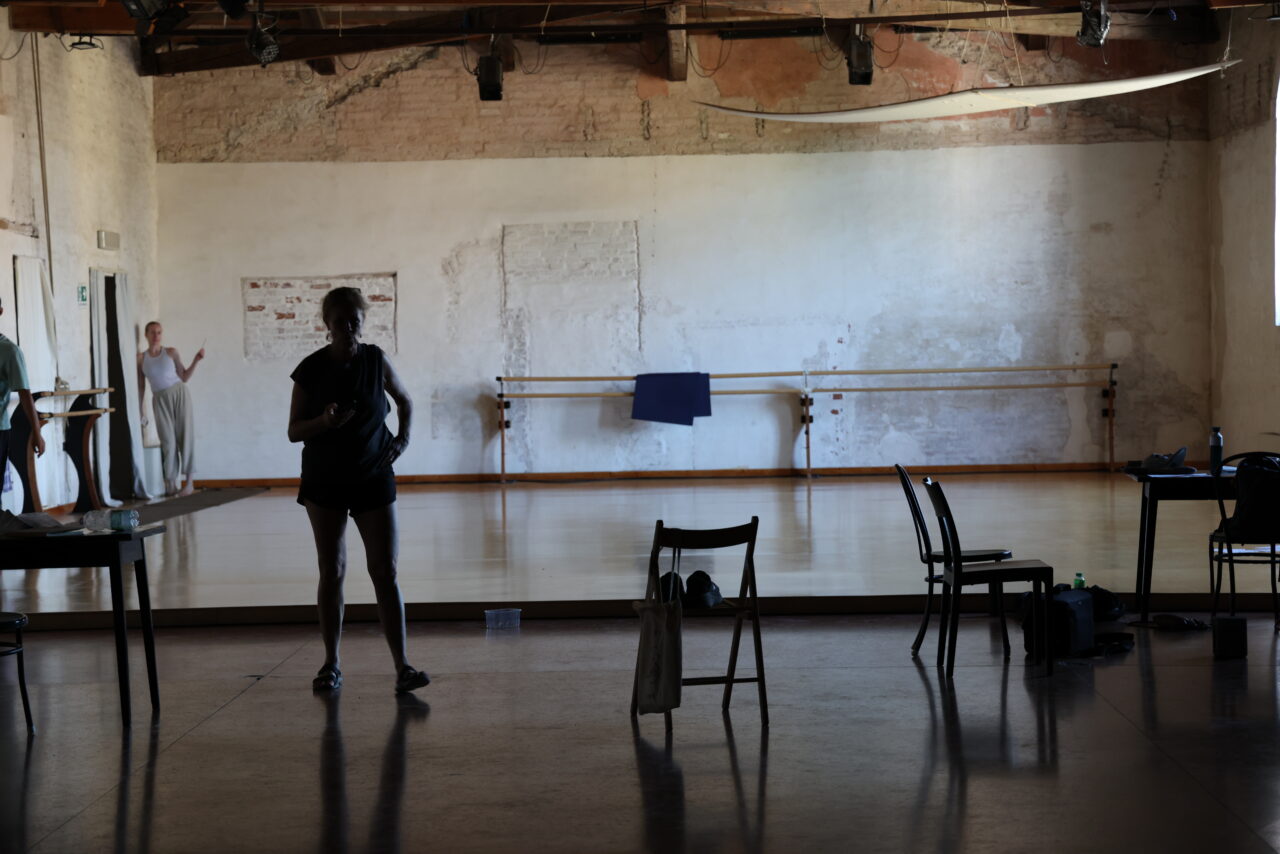
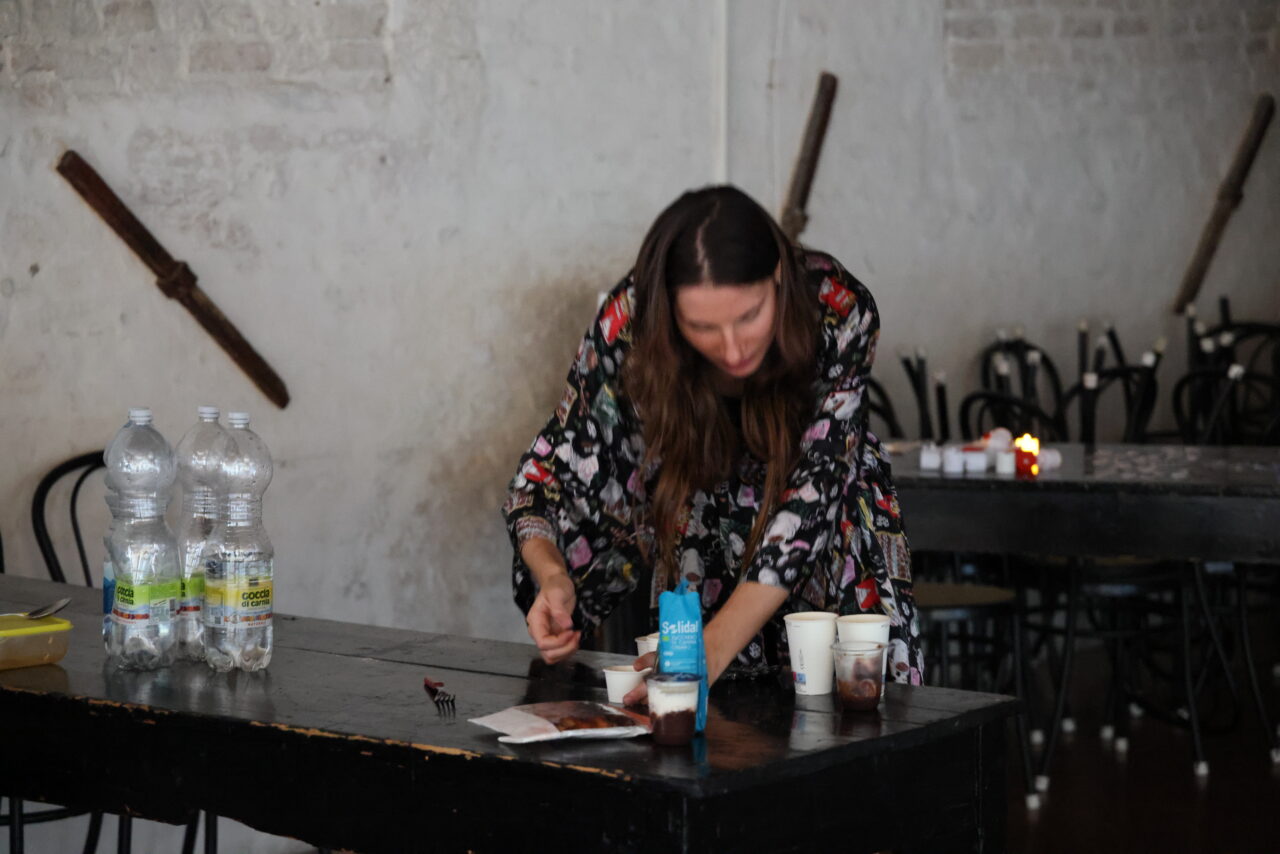
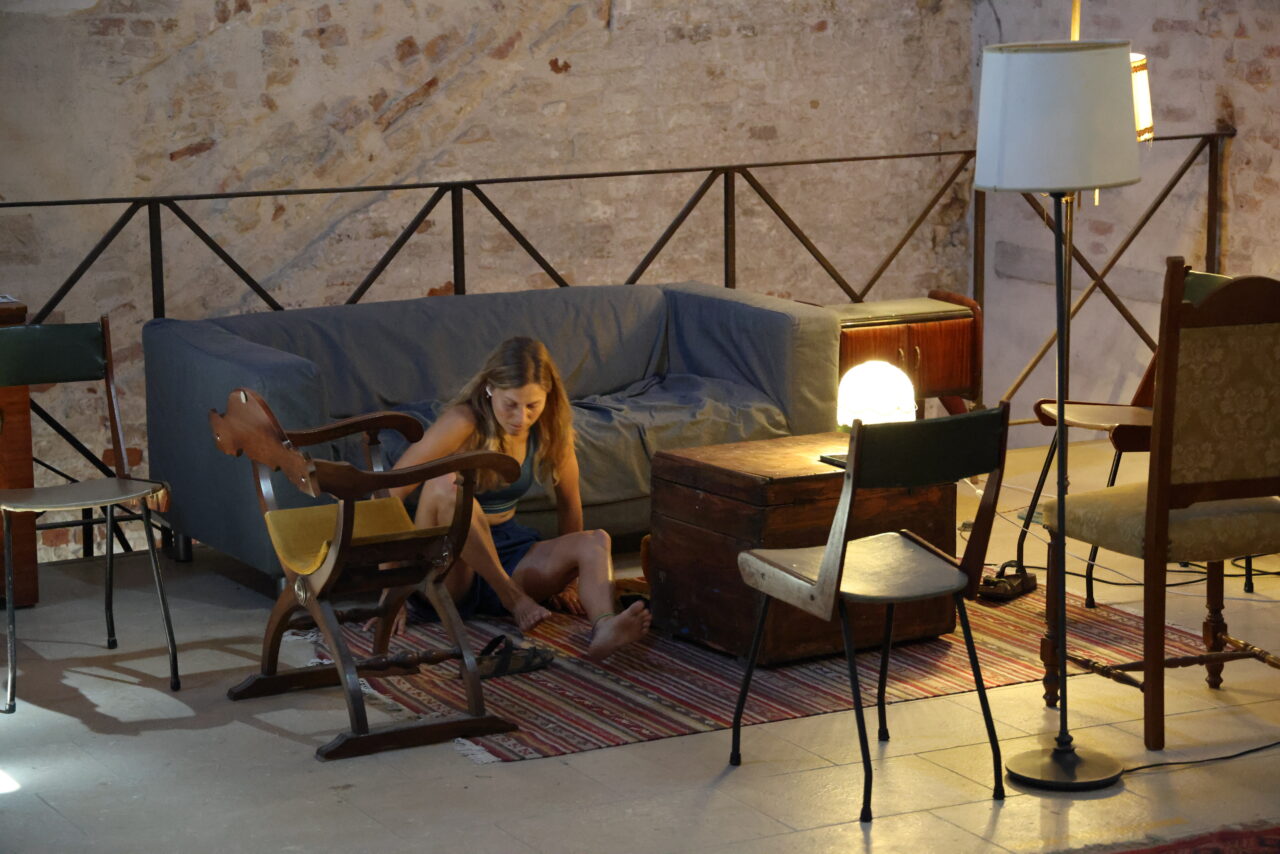
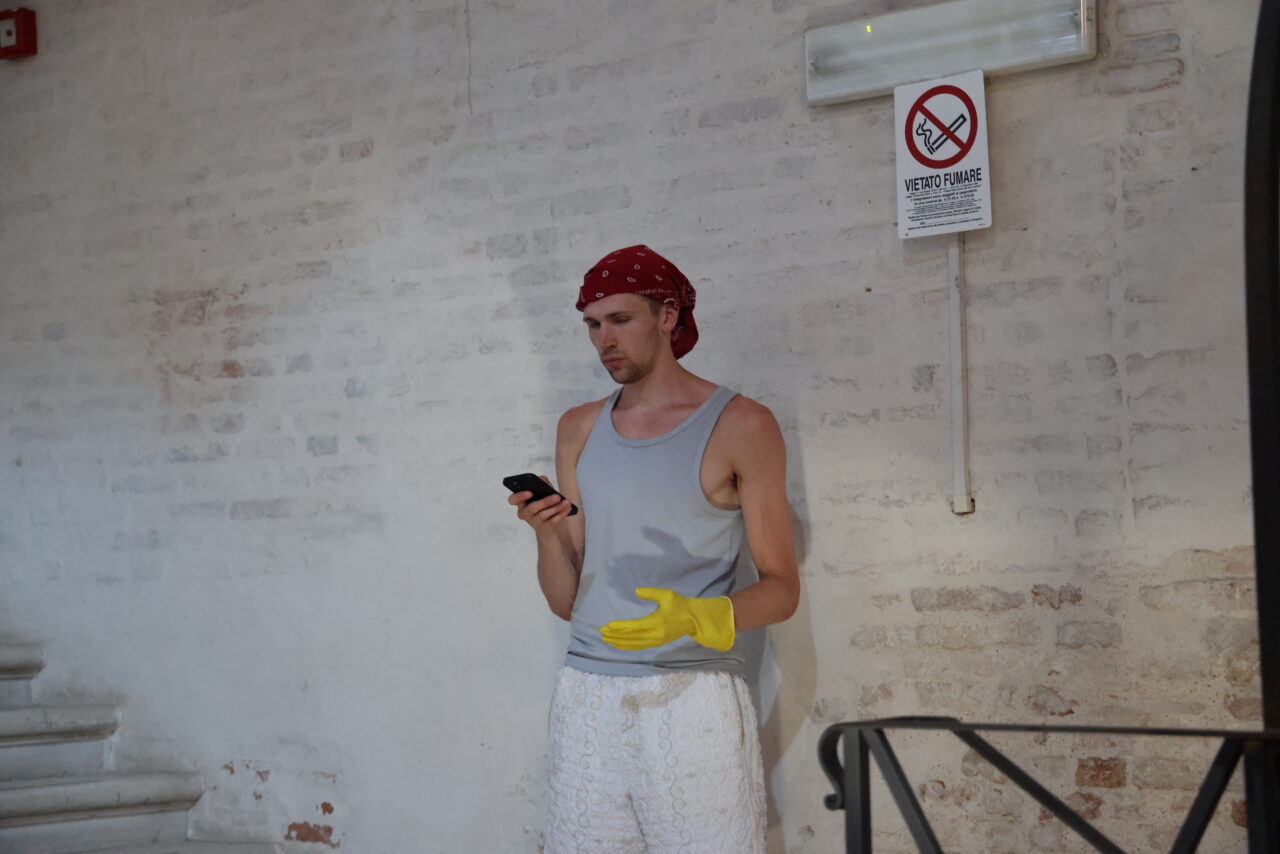
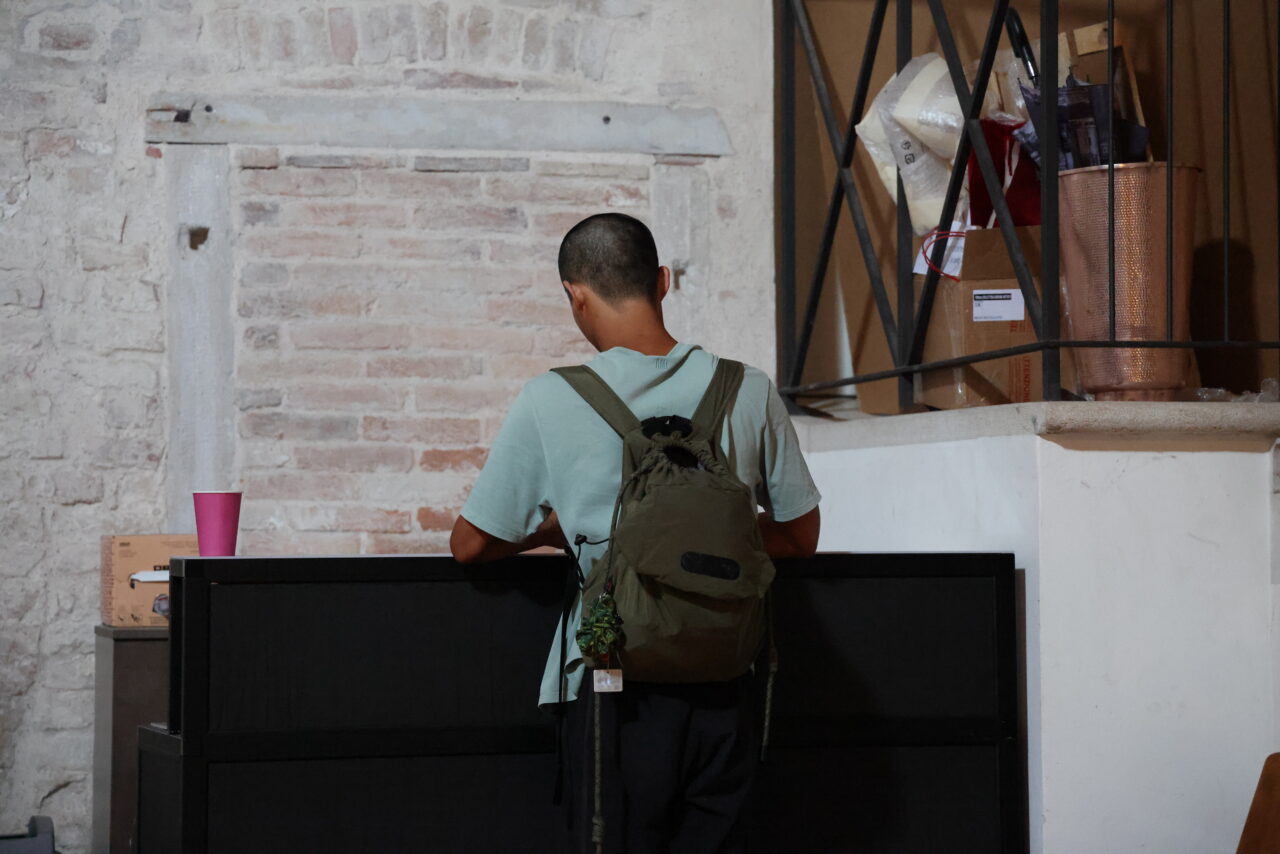
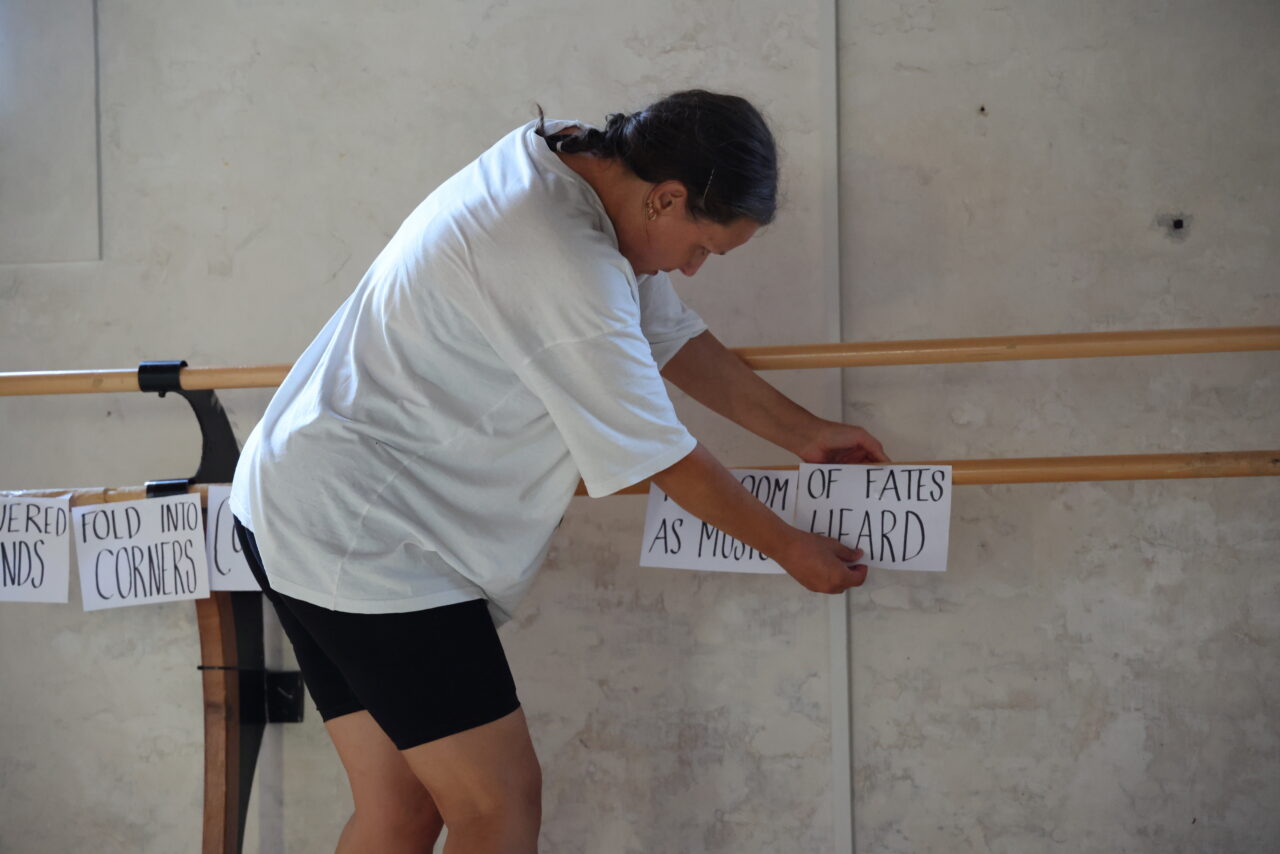
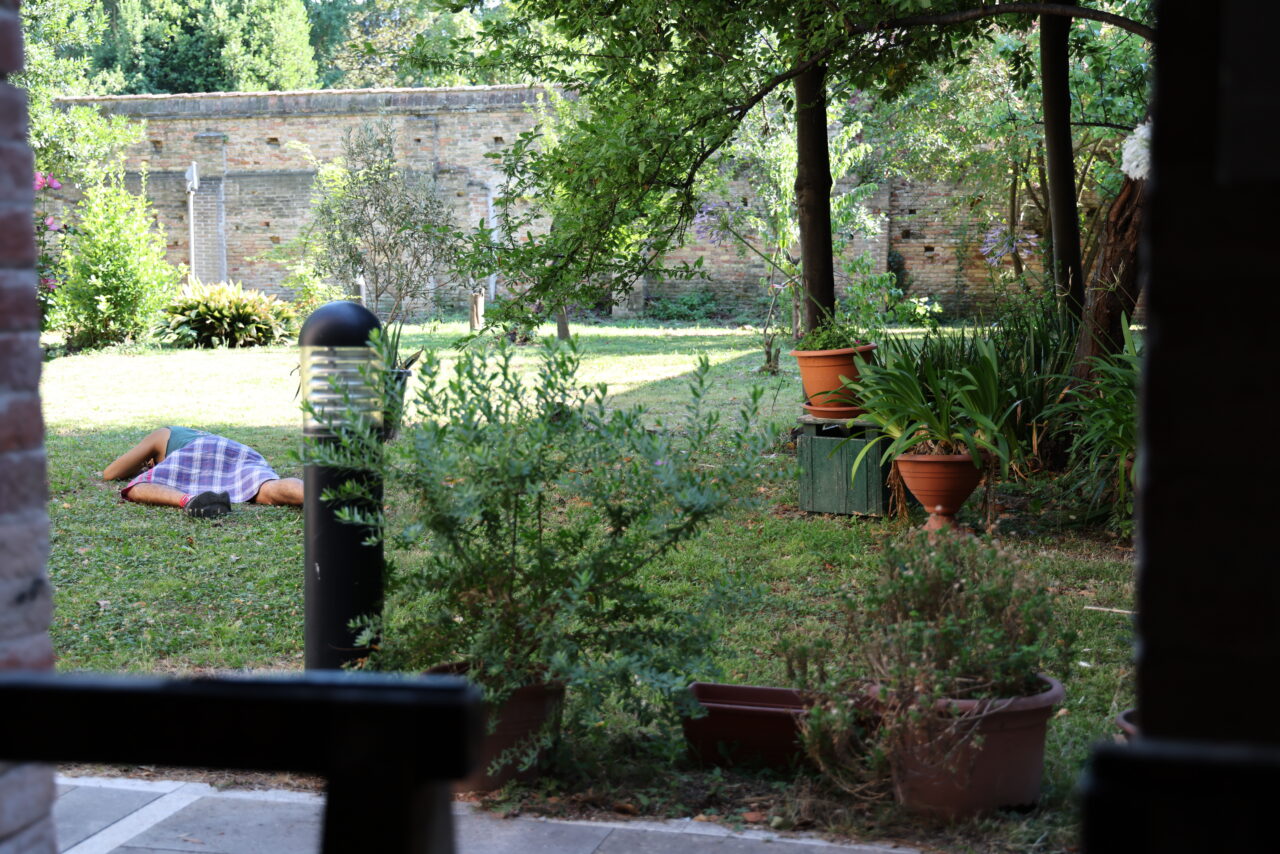
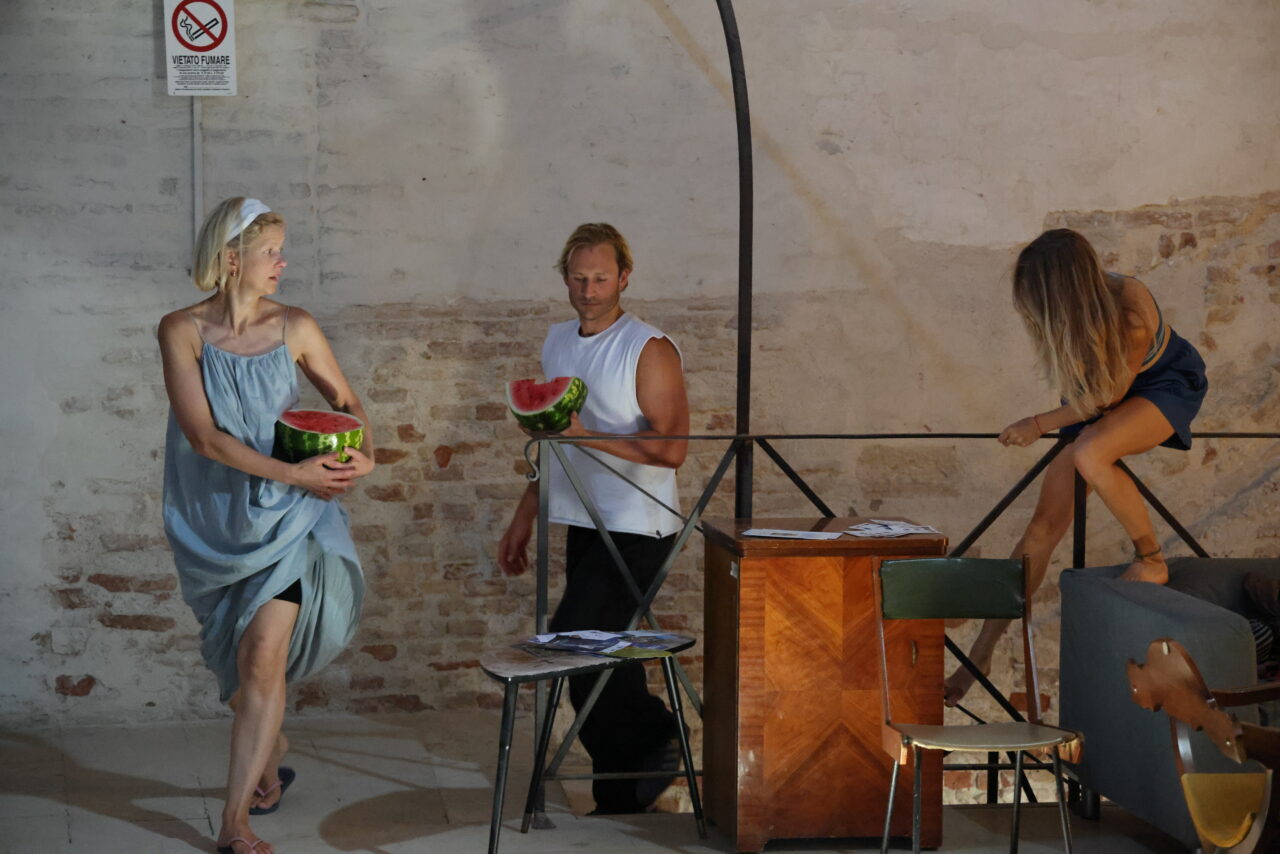
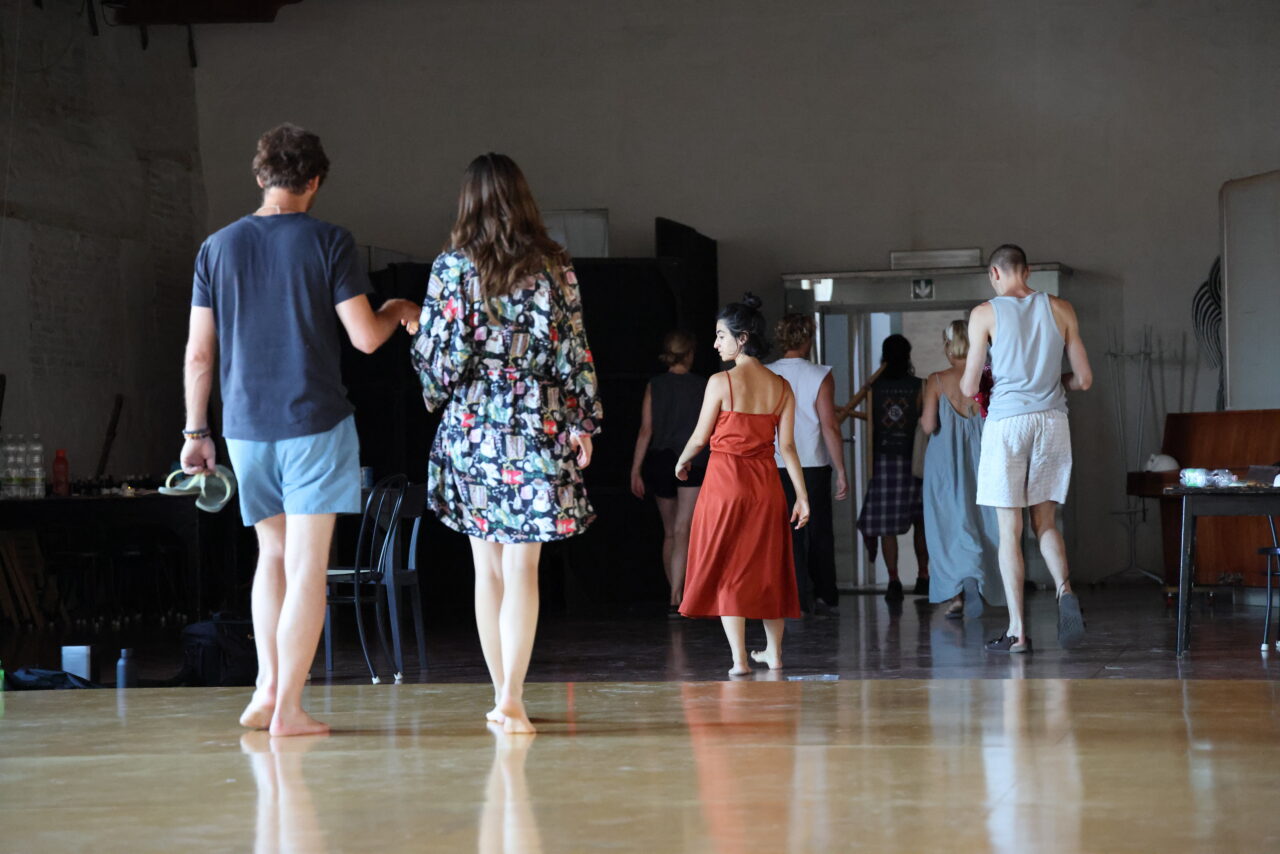
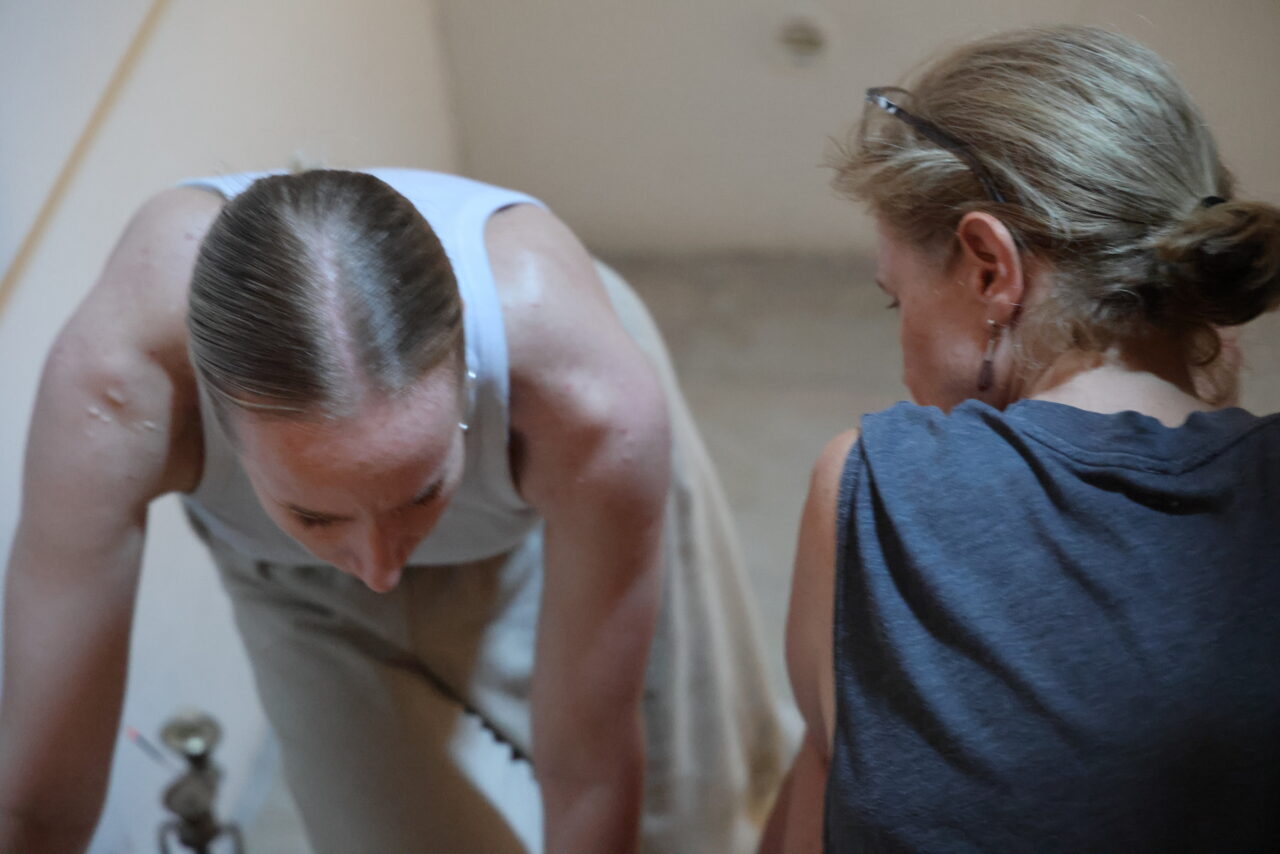
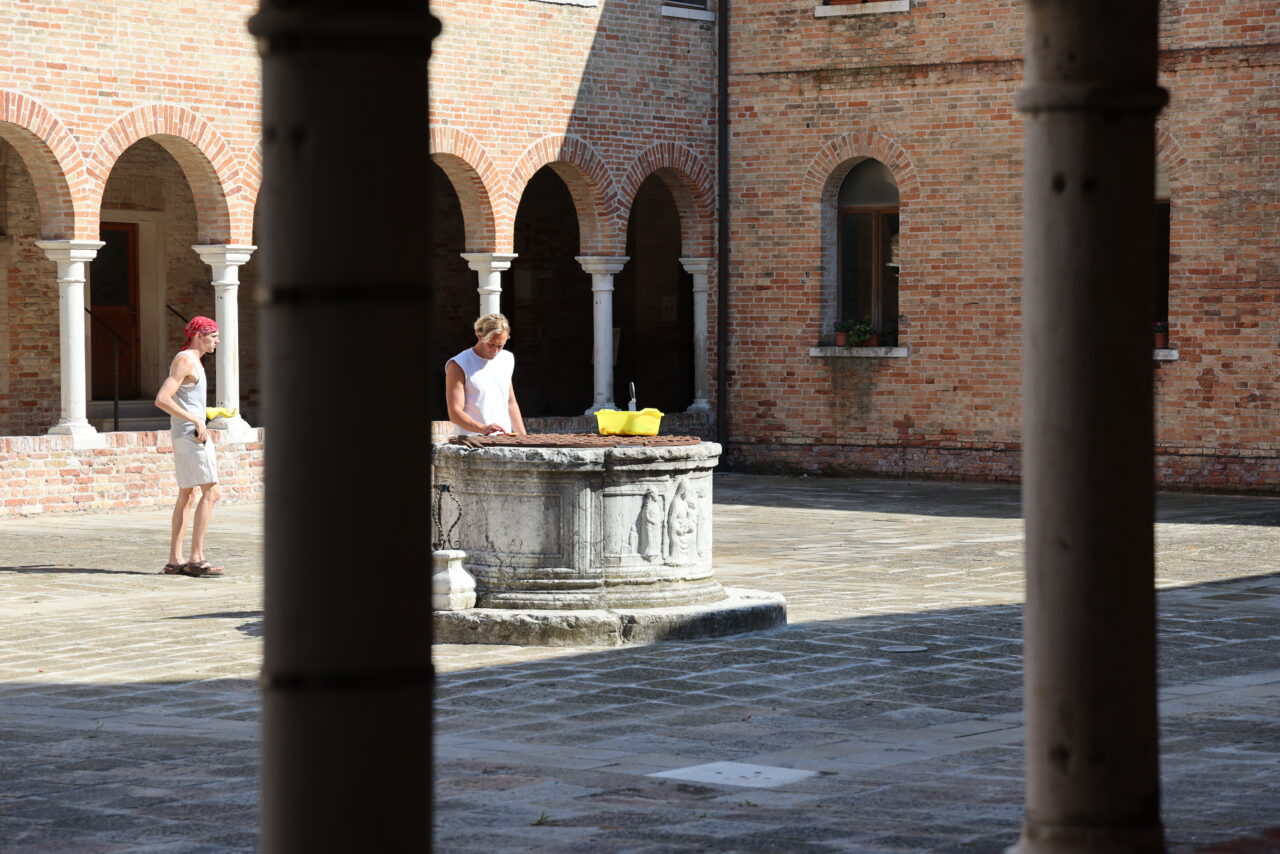
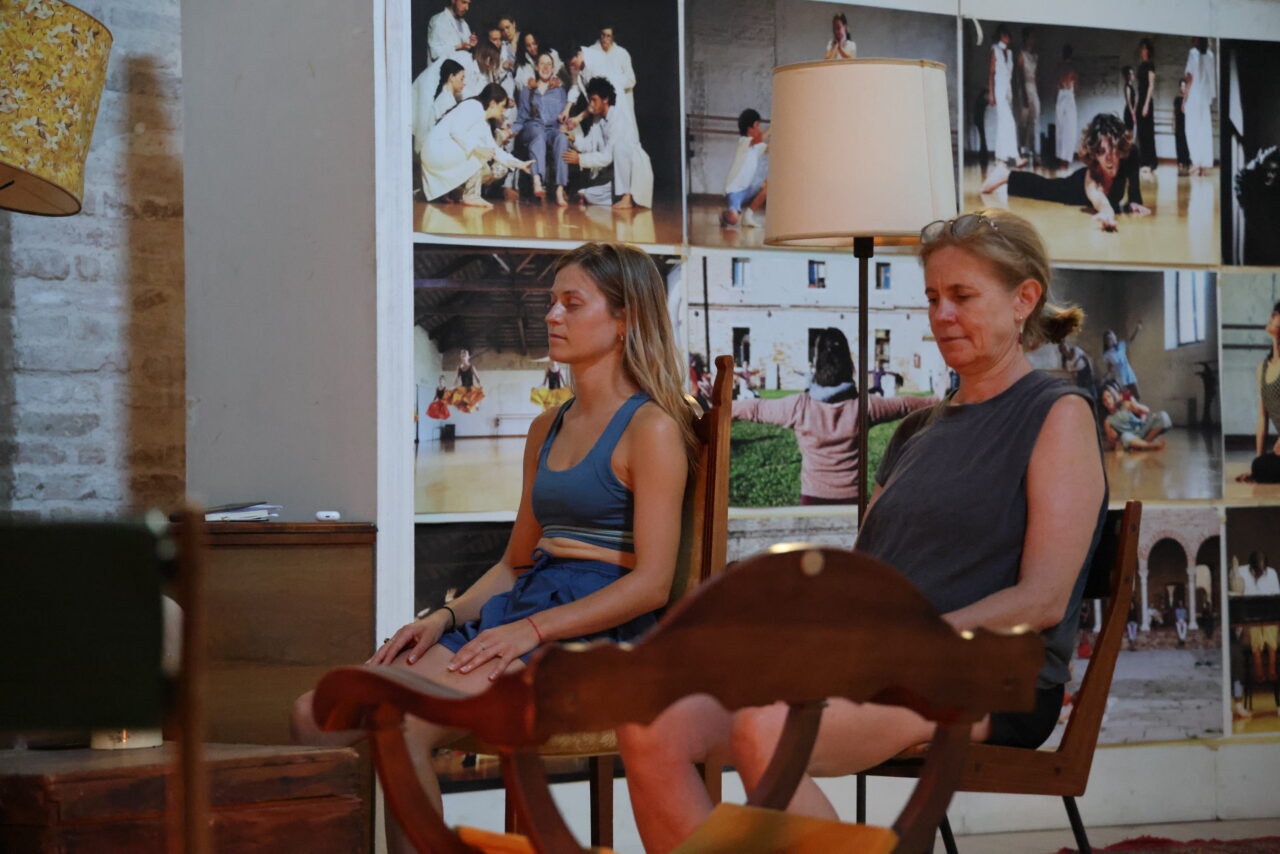
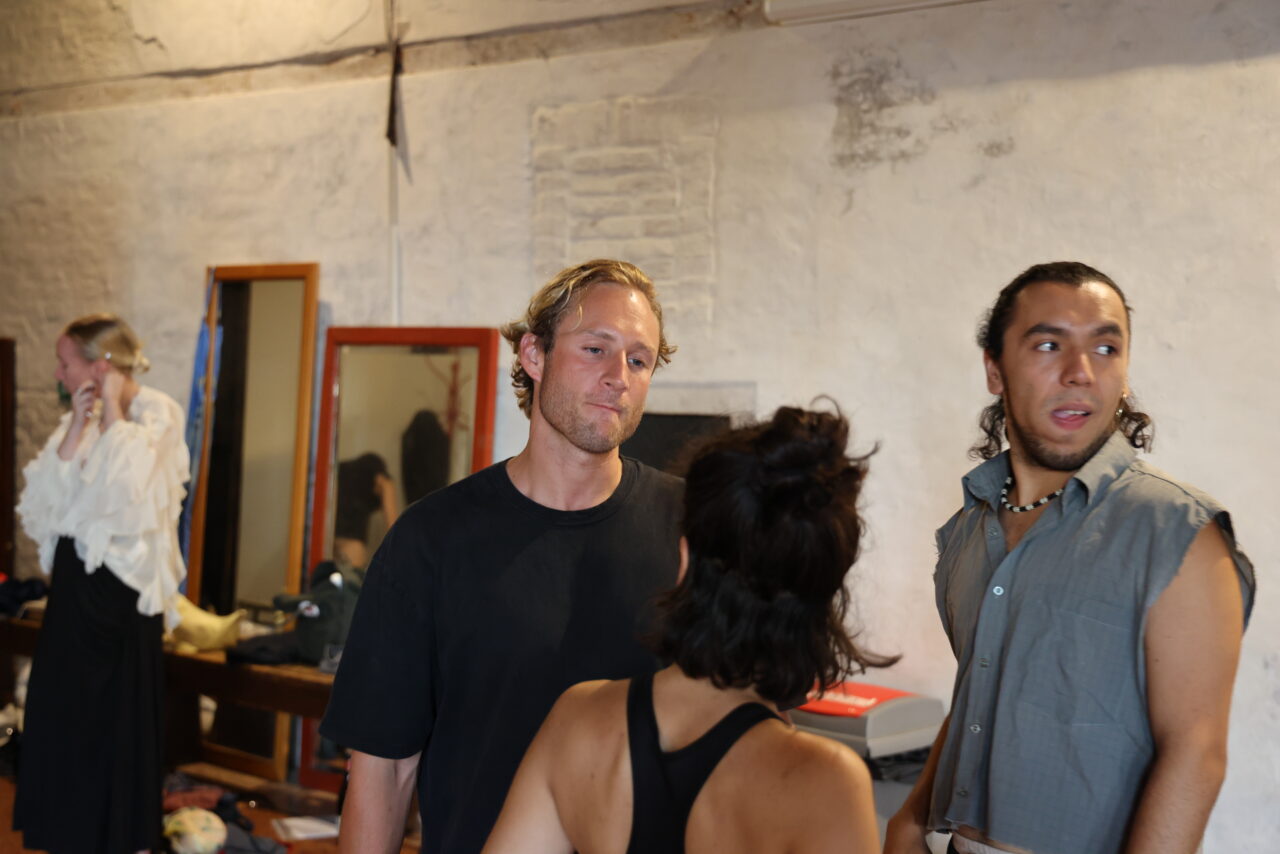
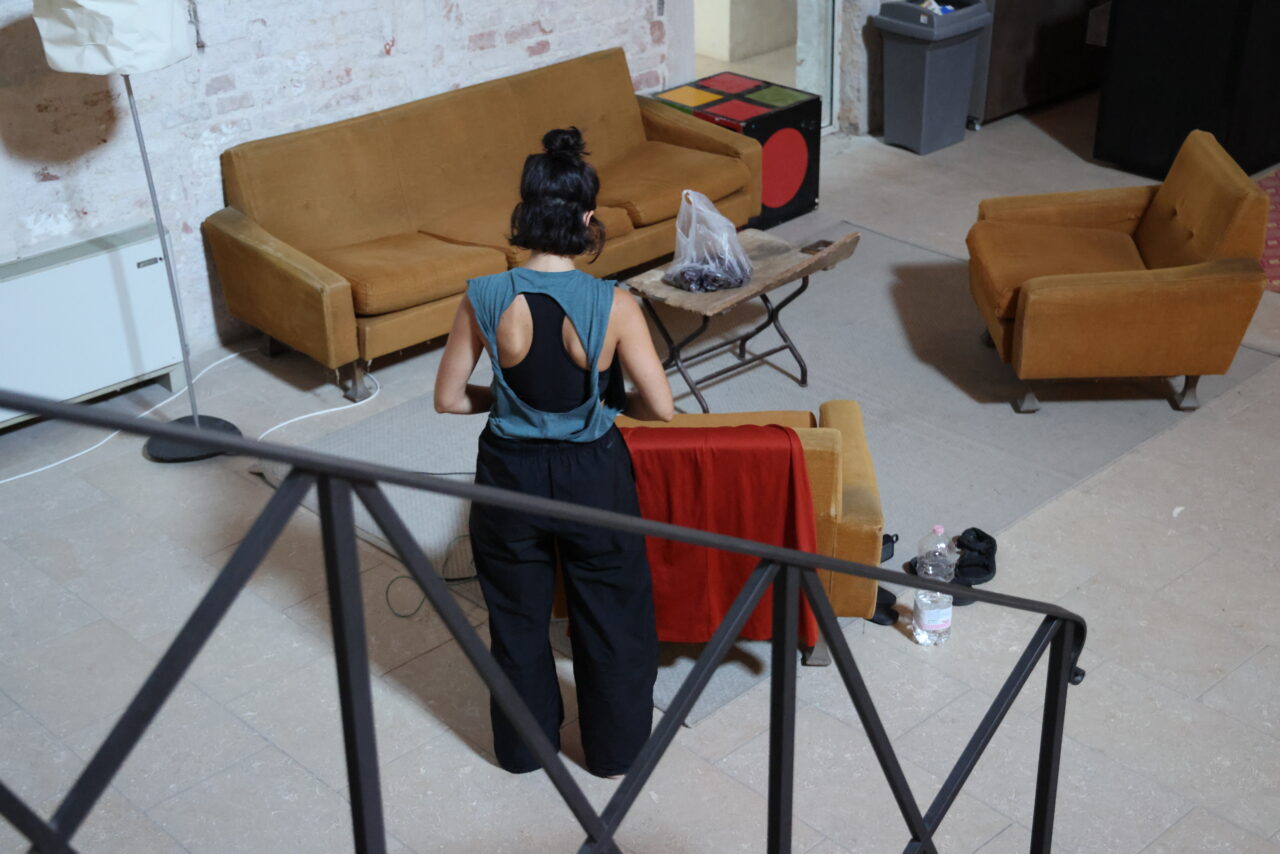
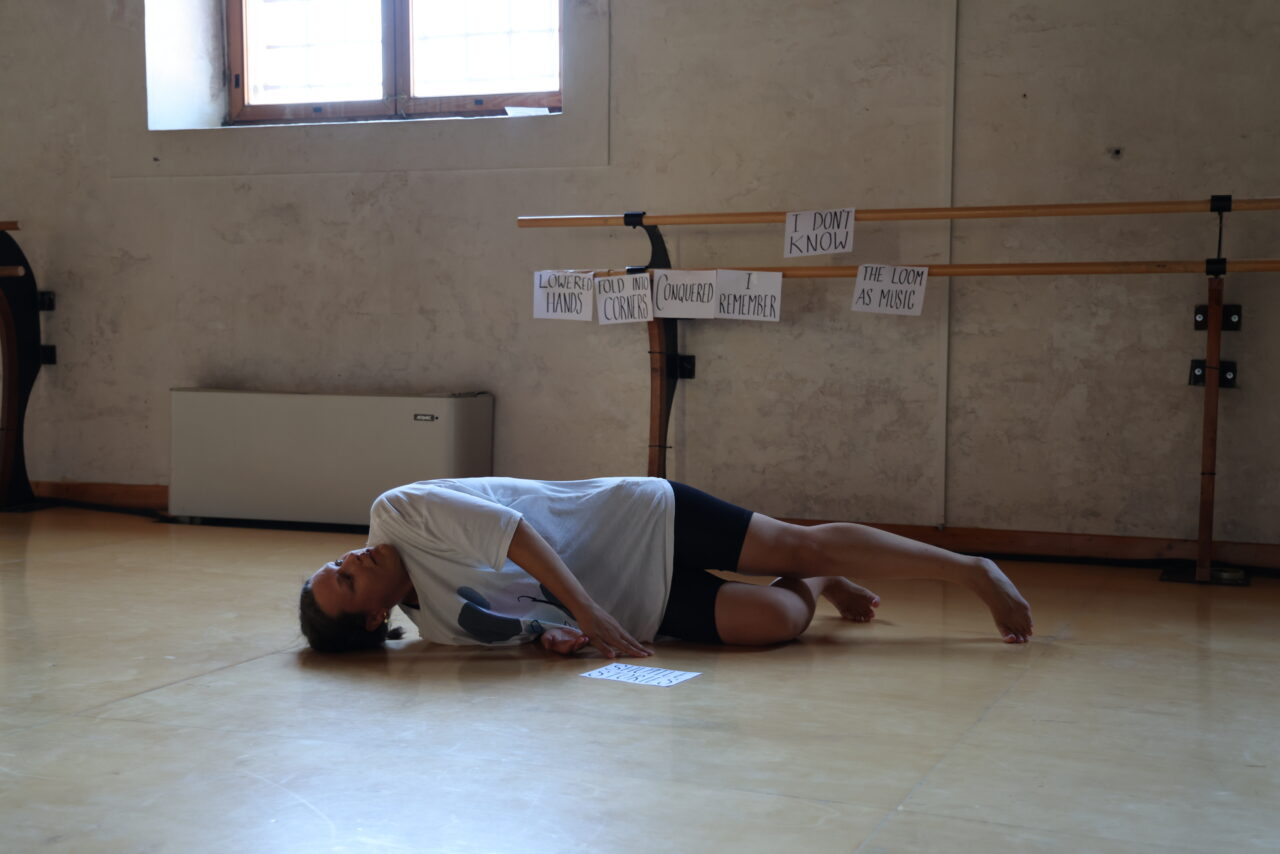
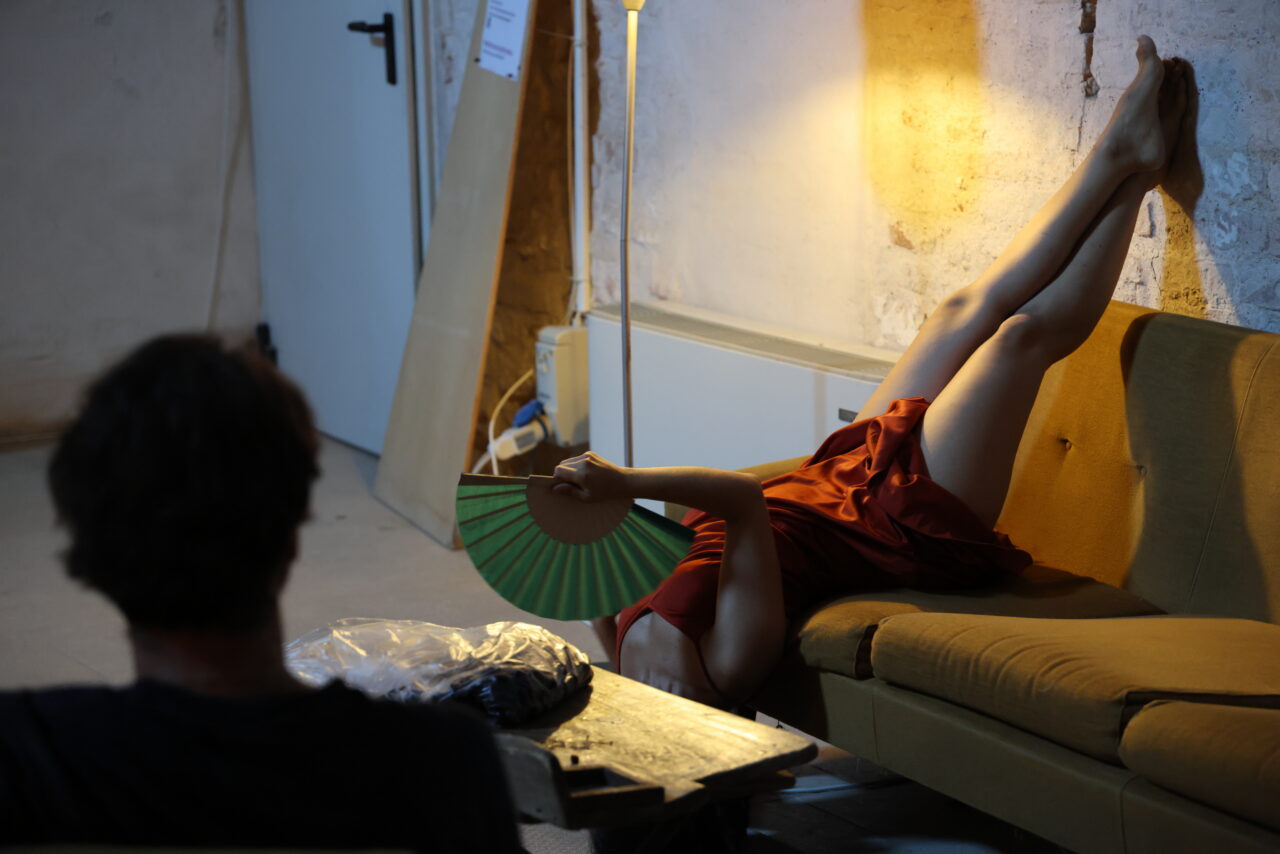
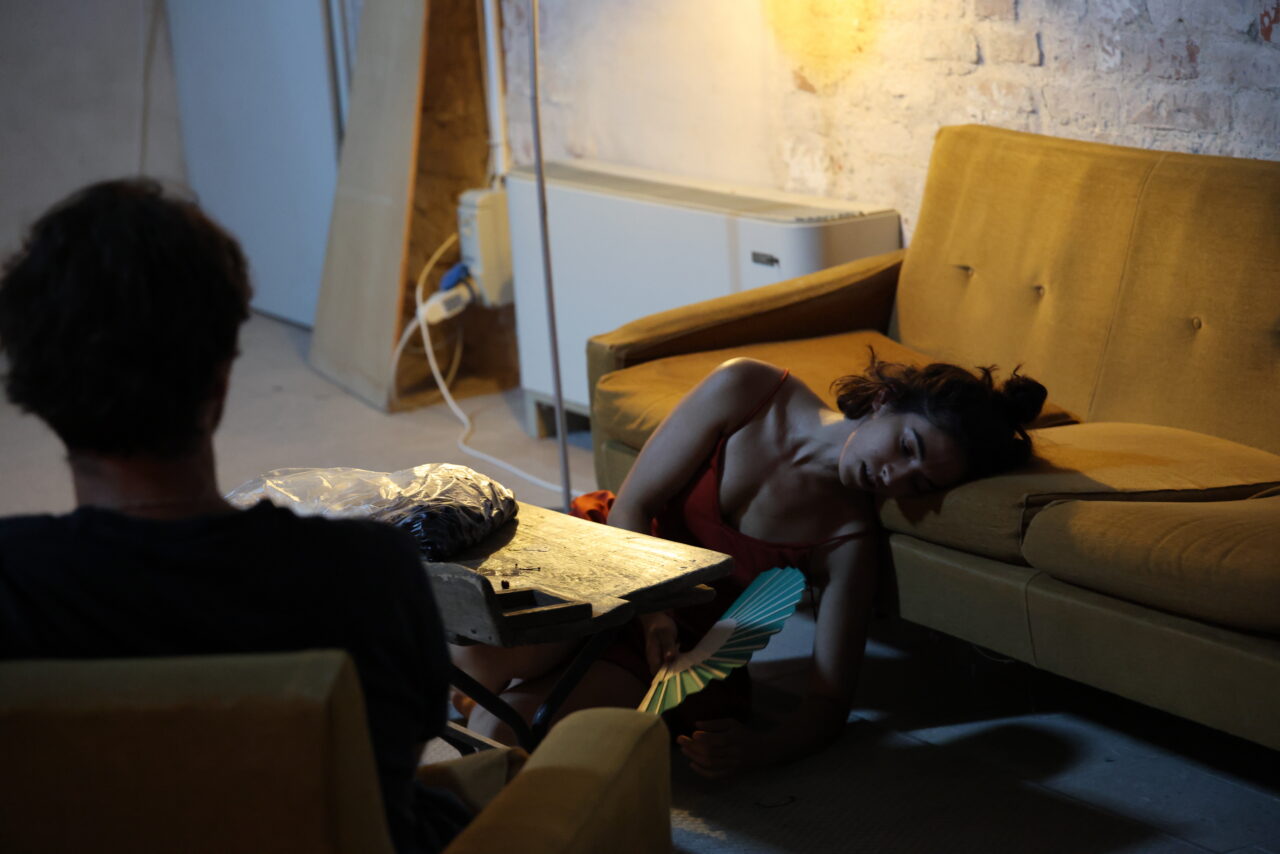
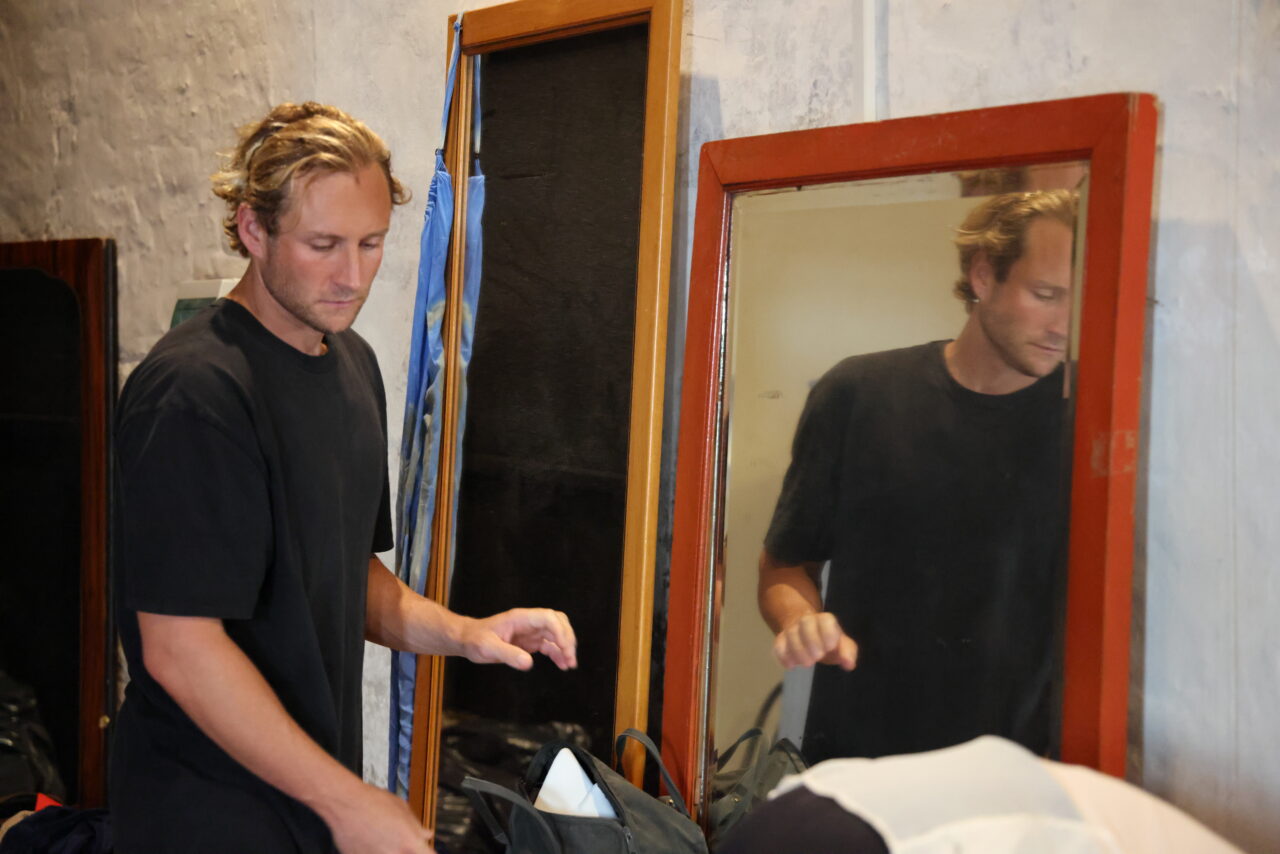
Actions first, meaning later
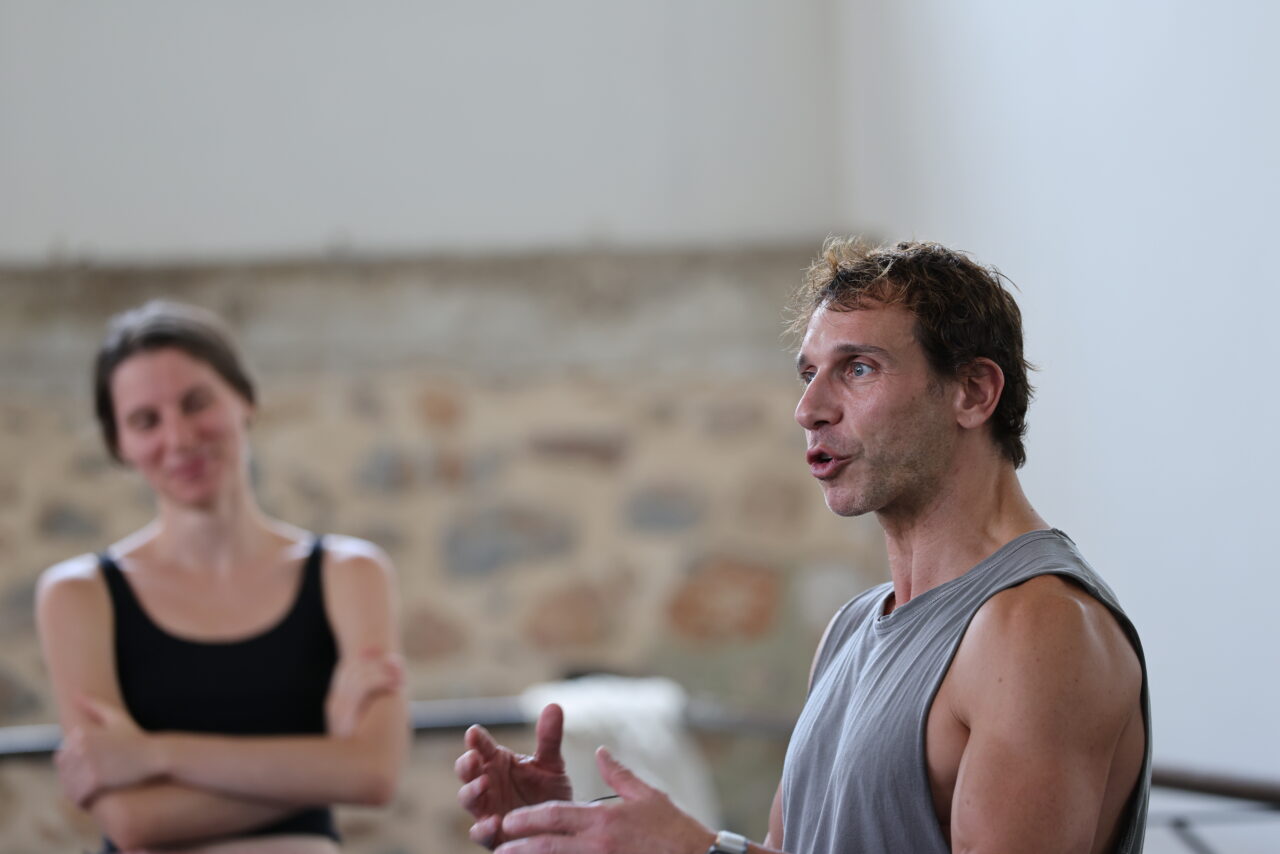
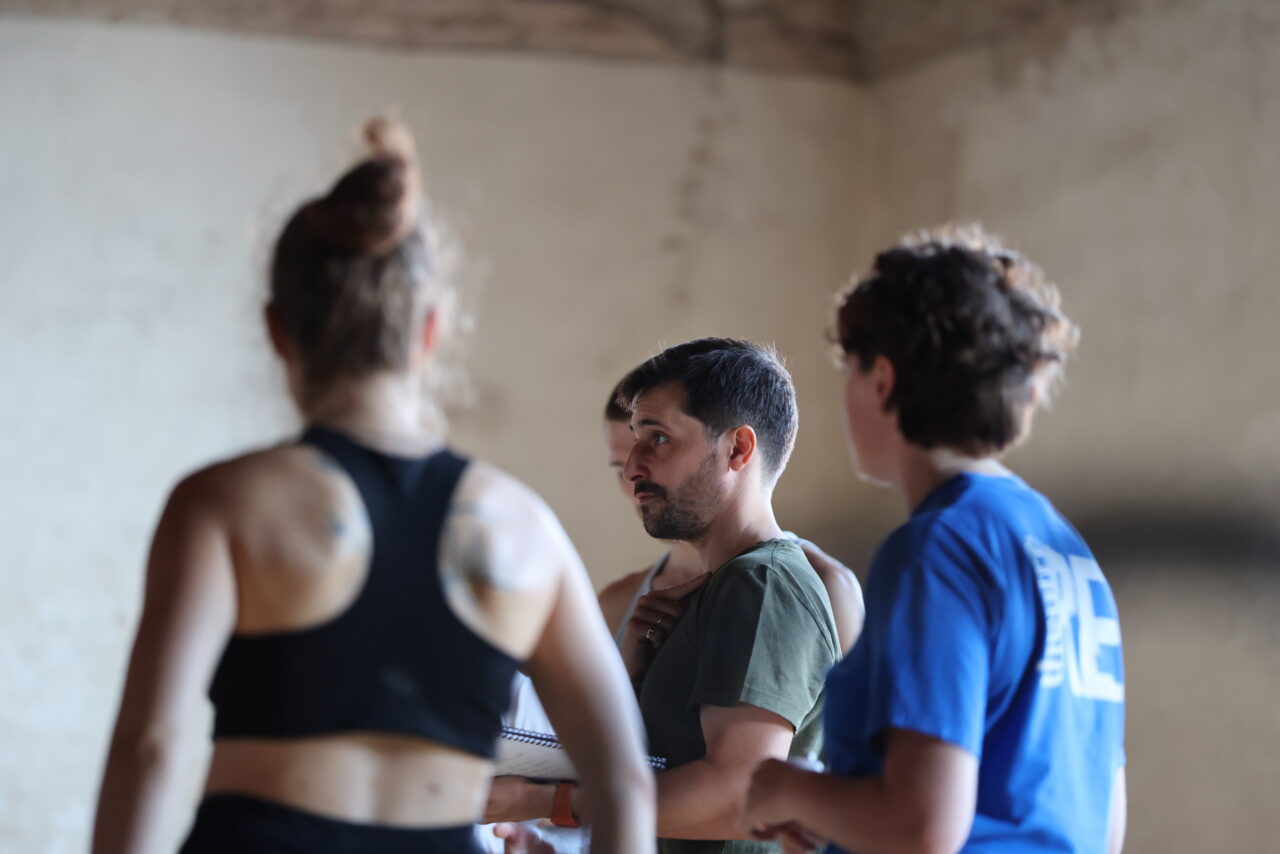
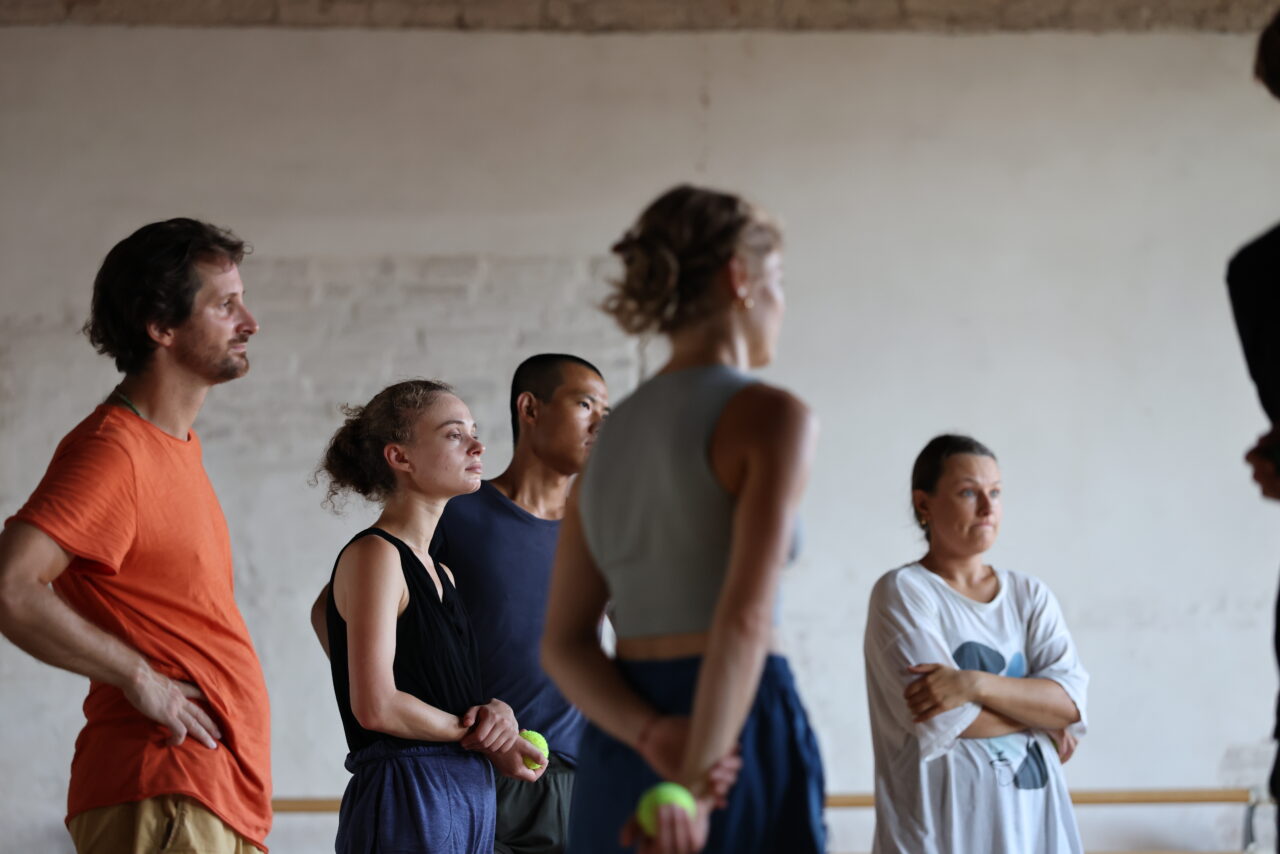
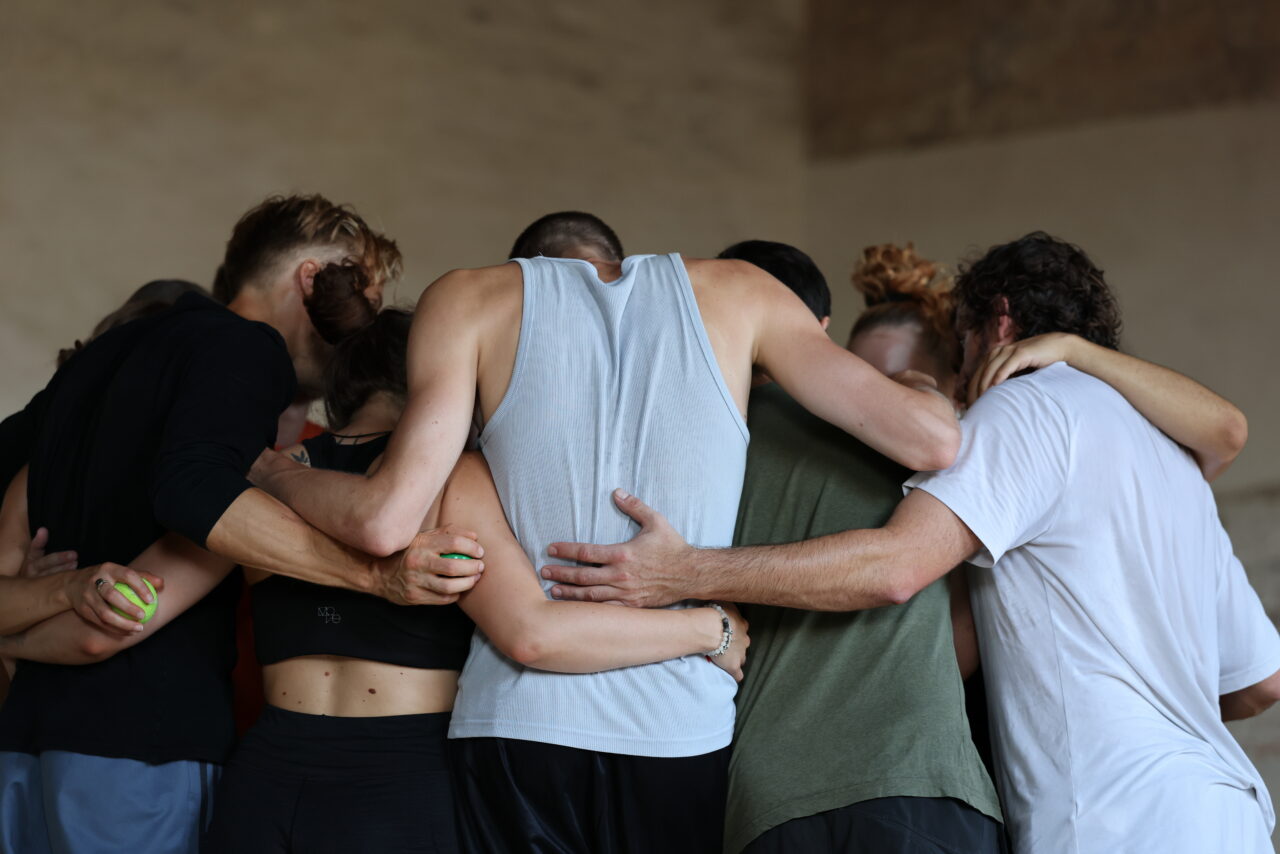
Two days later the room changed hands. From 6 to 12 July, Guillaume Pigé and Mary Johnson of Theatre Re led a week on the company’s own making process. The governing principle is one Pigé states plainly: actions come first and the meaning arrives later. The work has to be found, not planned and not invented, which means getting on your feet before you have decided what you are doing. In Theatre Re’s room there is no right and no wrong. There is only play, and the best idea in the room is the best idea in the room, whoever brought it.
The starting point is a piece of vocabulary inherited from Étienne Decroux, the verb to be. Not a state of mind but a readiness: the performer available for action, the zero from which every choice is made. From there the company works through four ways of writing, which is their word for building material. Writing with space, where a truthful walk is articulated by stops and changes of direction, because a stop invites meaning. Writing with weight, worked in pairs through touch and response, because weight is what gives things value. Writing with rhythm, which they call dynamo-rhythm, the amalgamation of energy, speed, tempo and trajectory that decides whether a gesture carries dramatic value or merely happens. And writing with inner space, the body articulated part against part, lines of force running through it.
Each of the four follows the same arc. Find something truthful, articulate it, observe what it actually does, transform it, and keep what survives. What accumulates is a physical repertoire rather than a set of scenes, and the scenes come later, out of the repertoire. One of the more useful discoveries for a room full of makers is that Theatre Re treats transitions as physical problems in their own right. What began life as a way of getting from one moment to the next has, more than once, turned into a scene of its own.
The music is not added afterwards. It is devised alongside the movement from the first day and performed live, so that the musicians respond to the performers in real time rather than accompanying a finished thing. That is why Mary Johnson was in the room all week. A London-based multi-instrumentalist and theatre maker, she trained in percussion at the Royal Welsh College of Music and Drama and graduated with first-class honours in 2022, and she plays percussion in Theatre Re’s The Nature of Forgetting. She played the week rather than scoring it.
Theatre Re was founded in 2009 by Pigé and makes highly visual, non-verbal theatre carried by original live music. Its subjects are the large human ones, memory and family and life and loss, reached through the body and the score rather than through speech. The name comes from the prefix. To rediscover, to reinvent, to reveal, to remind. In 2026 the company marks fifteen years of professional activity, with seven mid-scale productions toured to 88 venues in more than 51 cities across 17 countries and three continents, and The Nature of Forgetting was named Best Physical Theatre of the Edinburgh Fringe in 2025. Pigé has been an Associate Teacher at RADA since 2011, and his history with CPPM runs longer than most: he first taught here in January 2020, with the programme’s first cohort, and again in 2023. Venice was his third time teaching here, and his first with this cohort. The week ended with a public open class on Saturday 11 July at six in the evening.
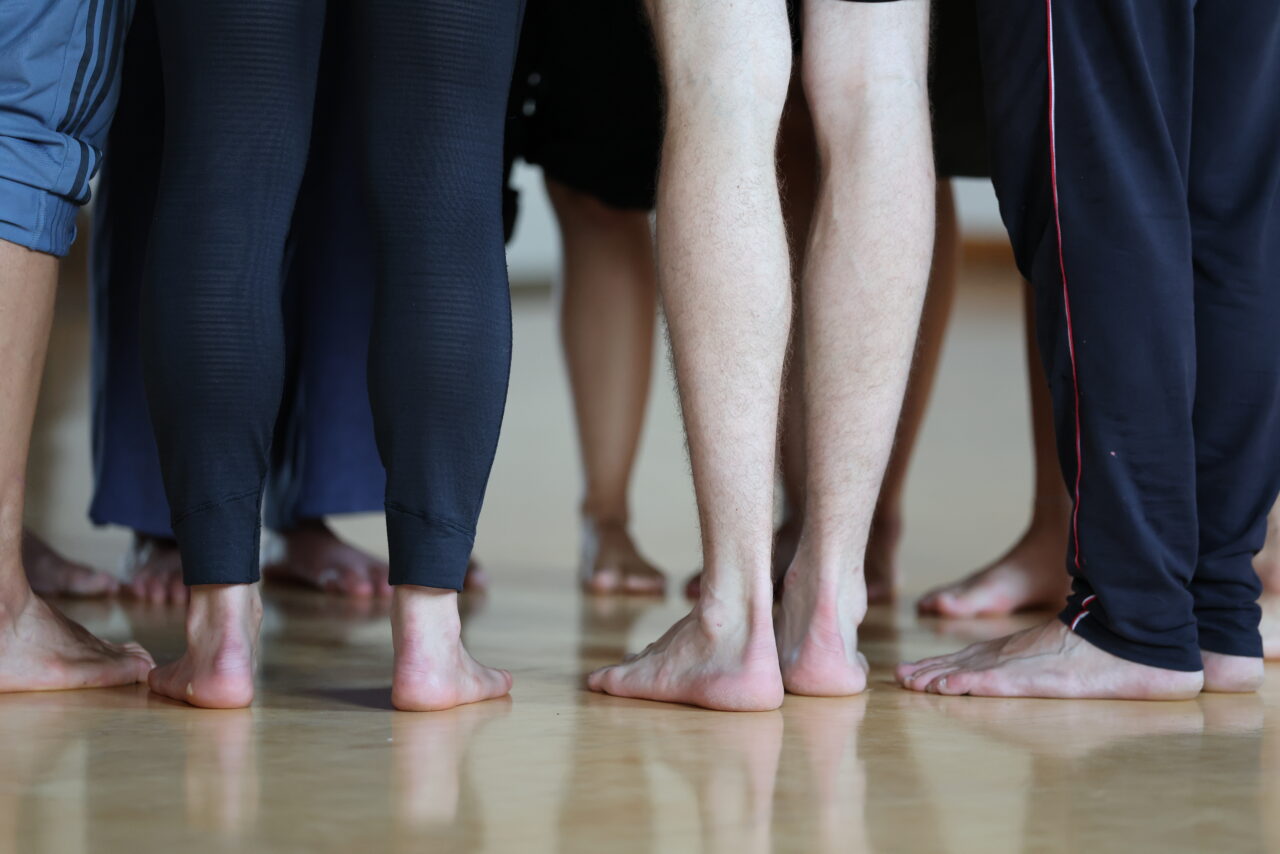
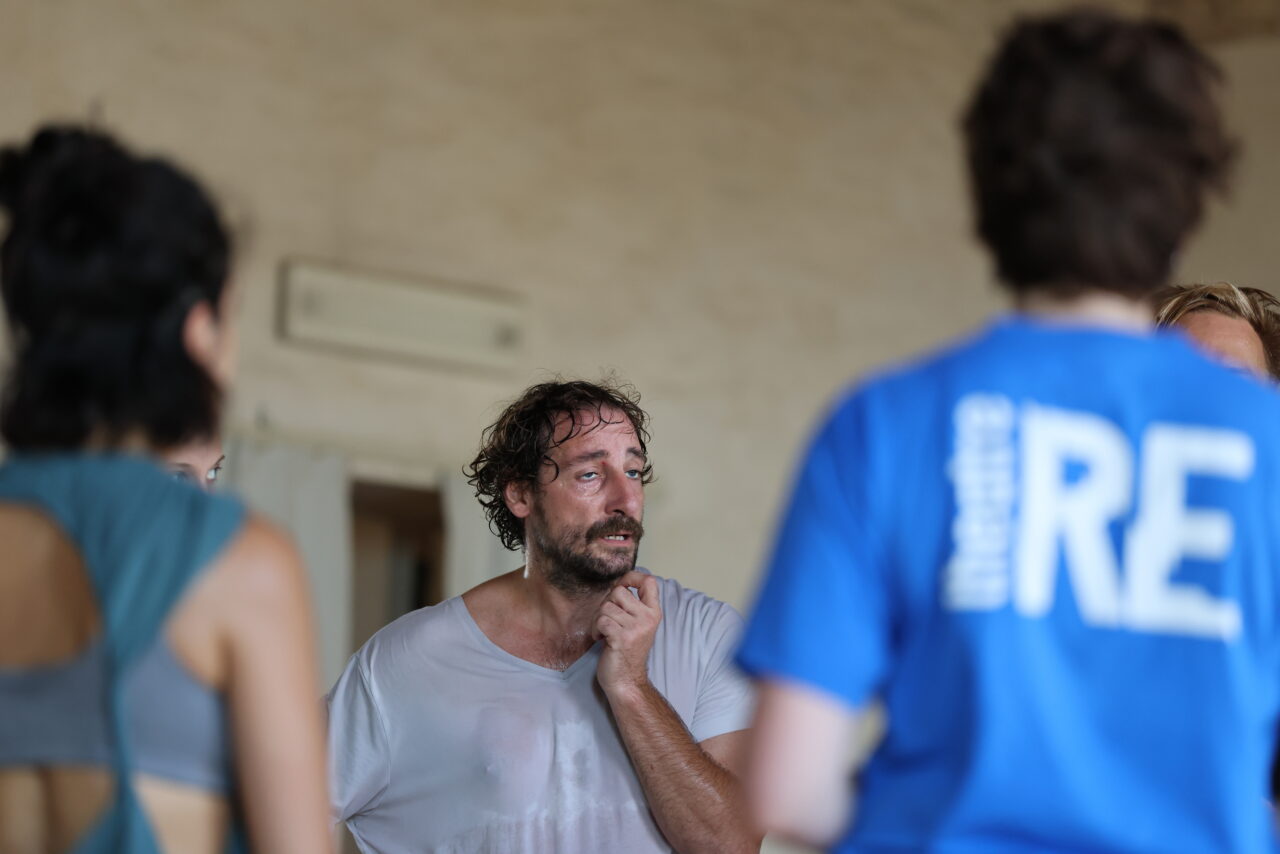
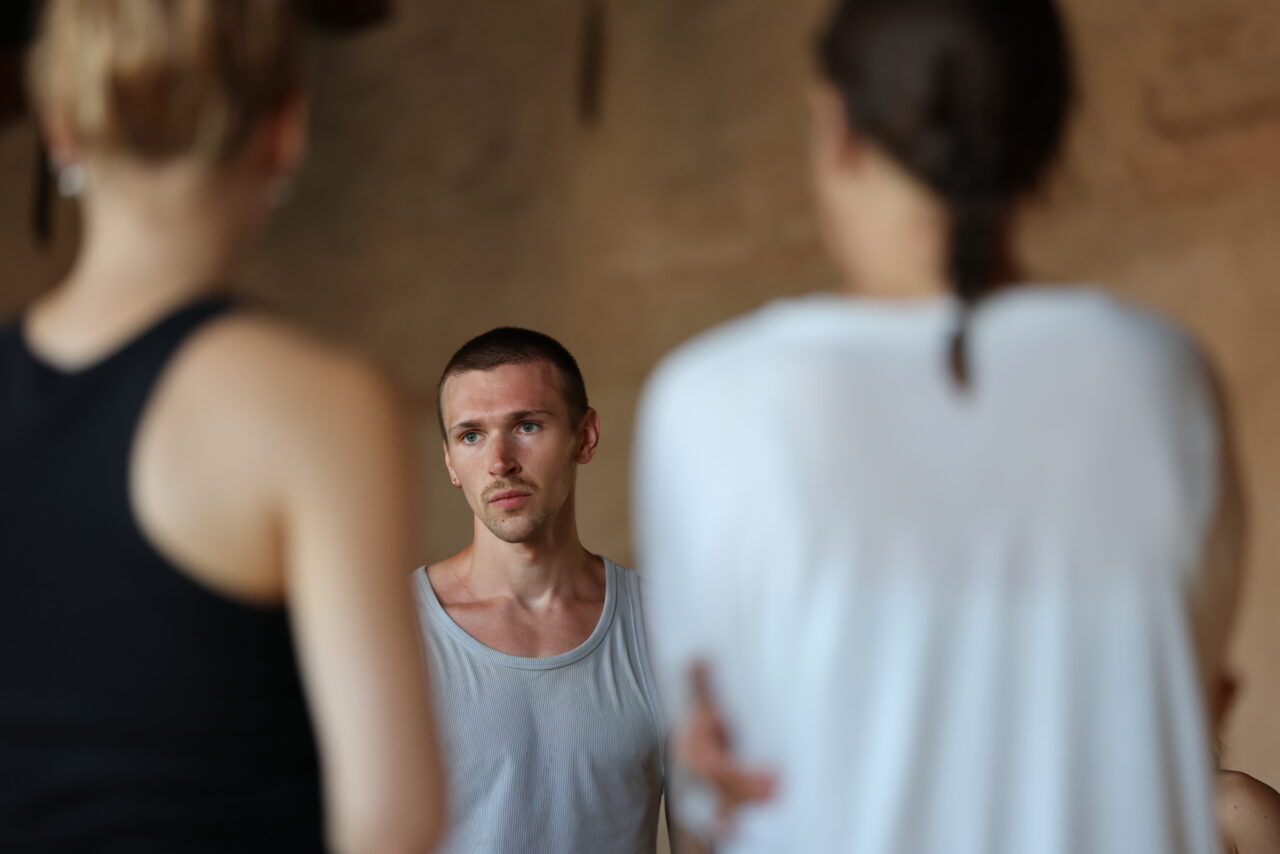
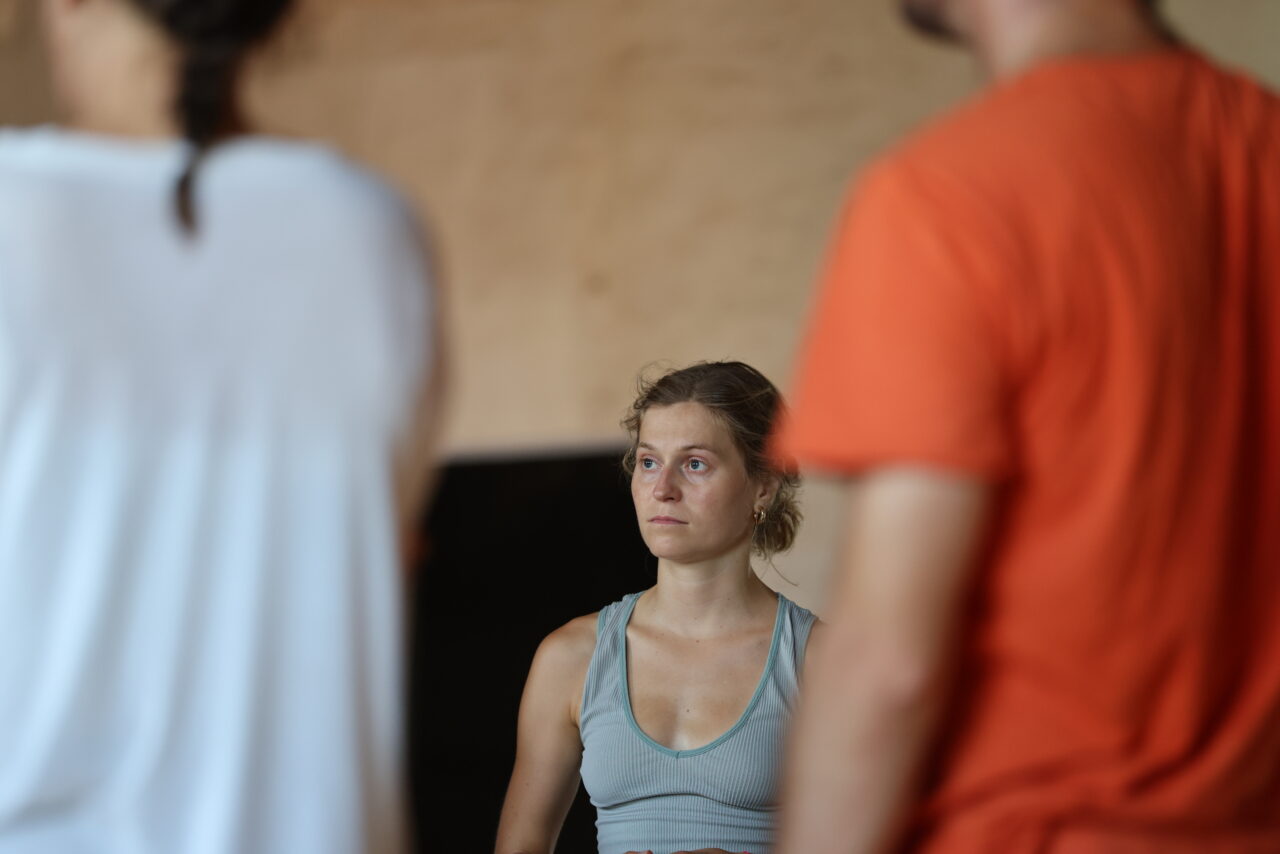
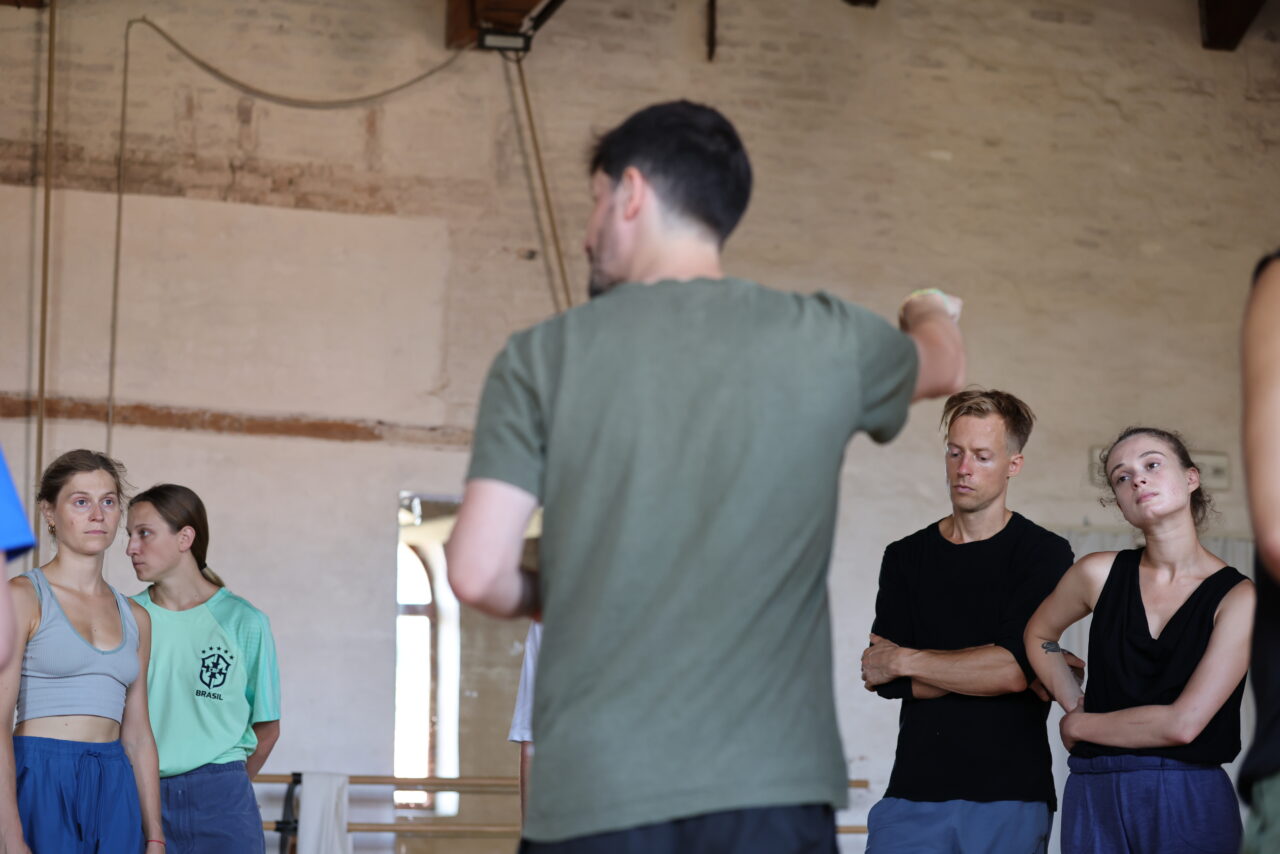
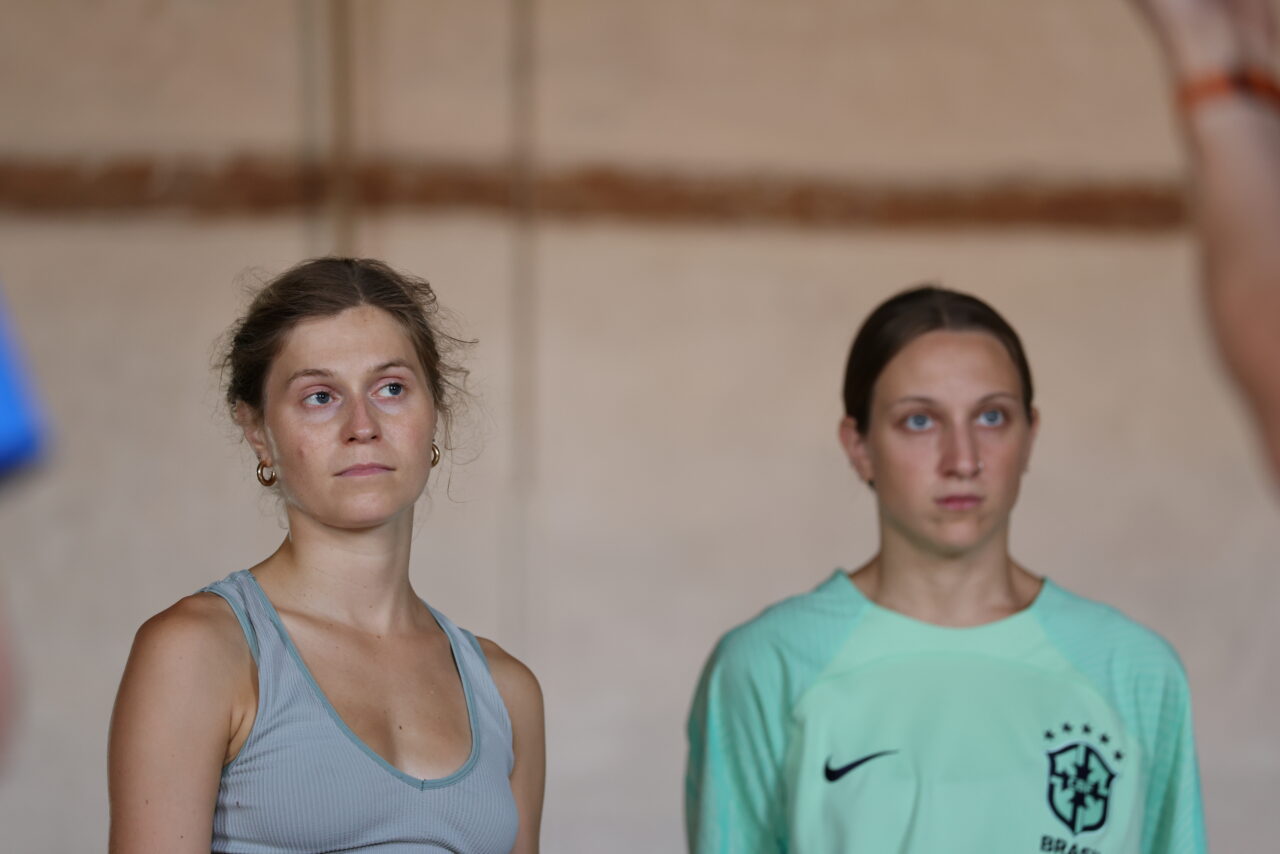
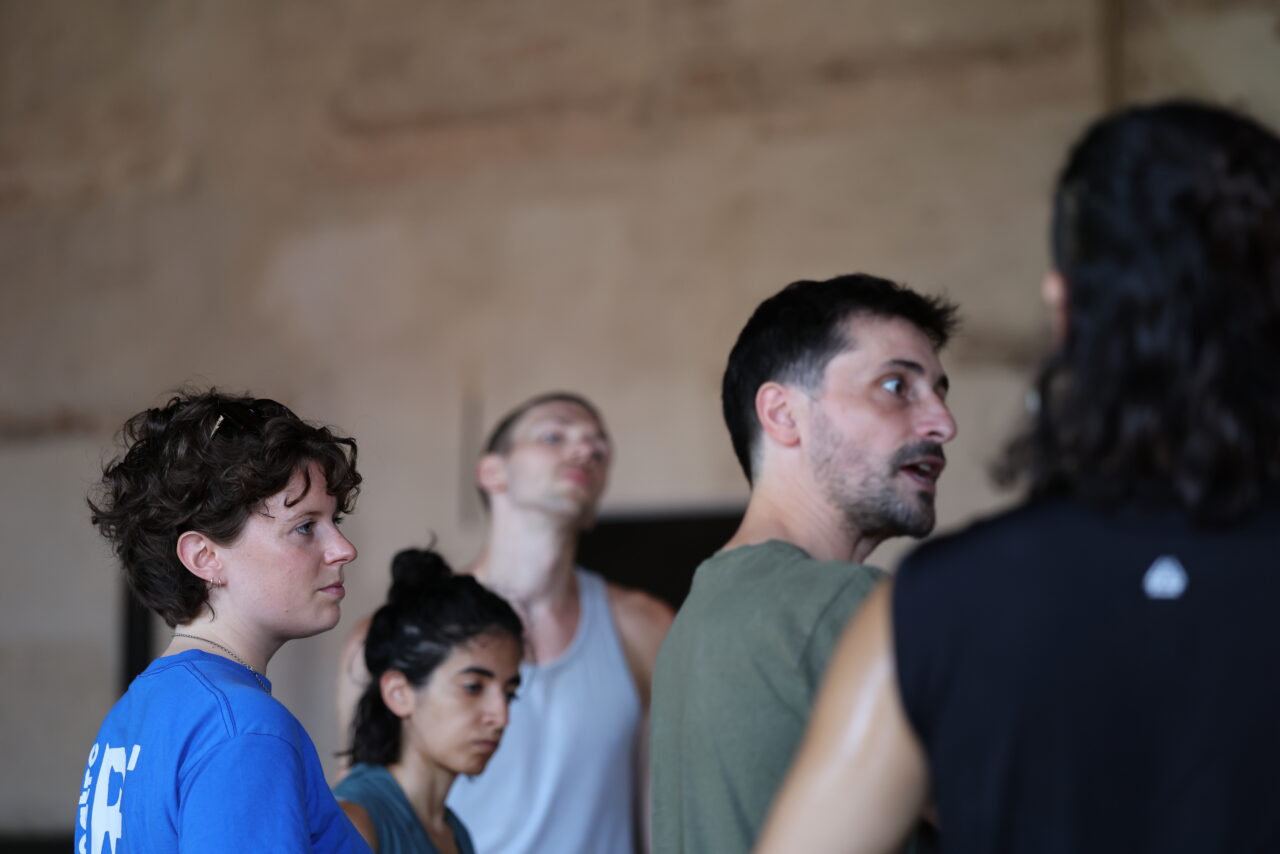
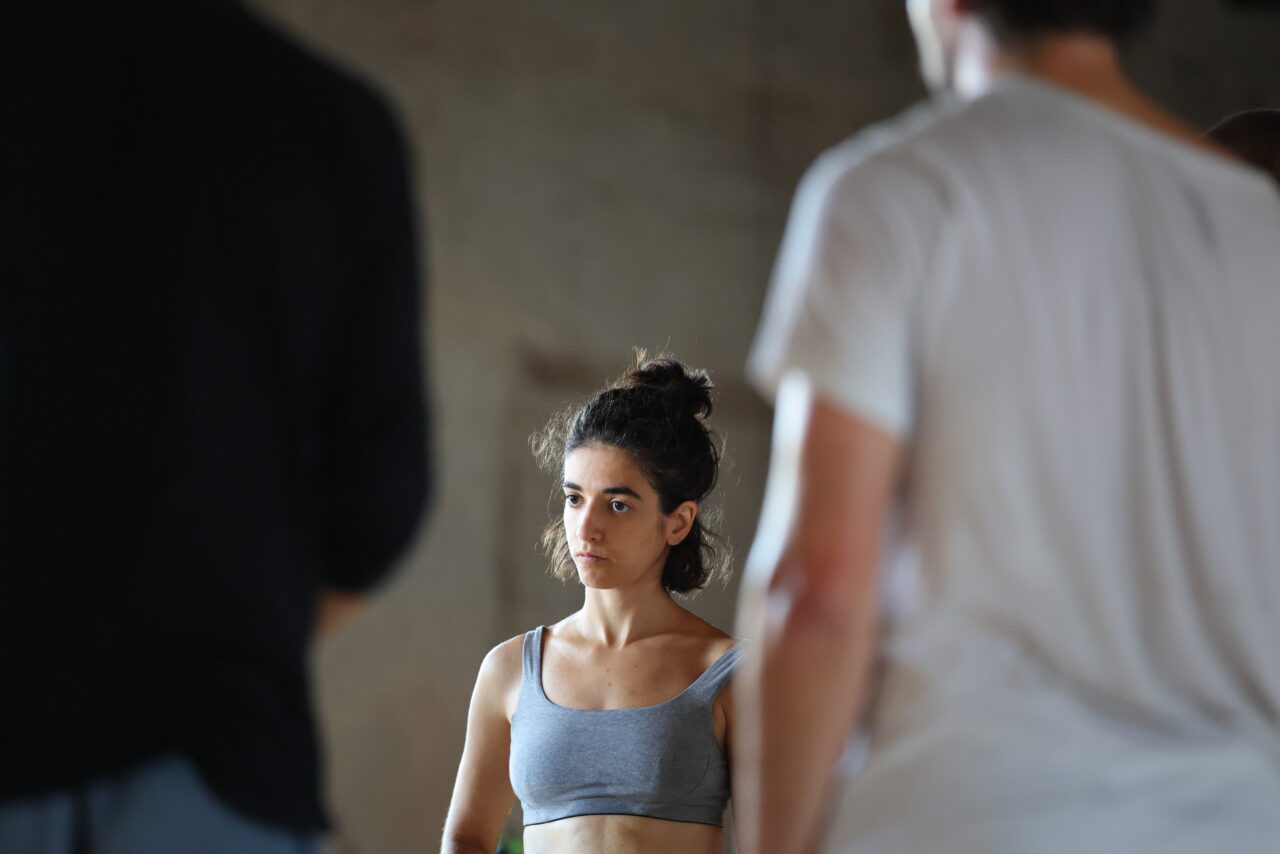
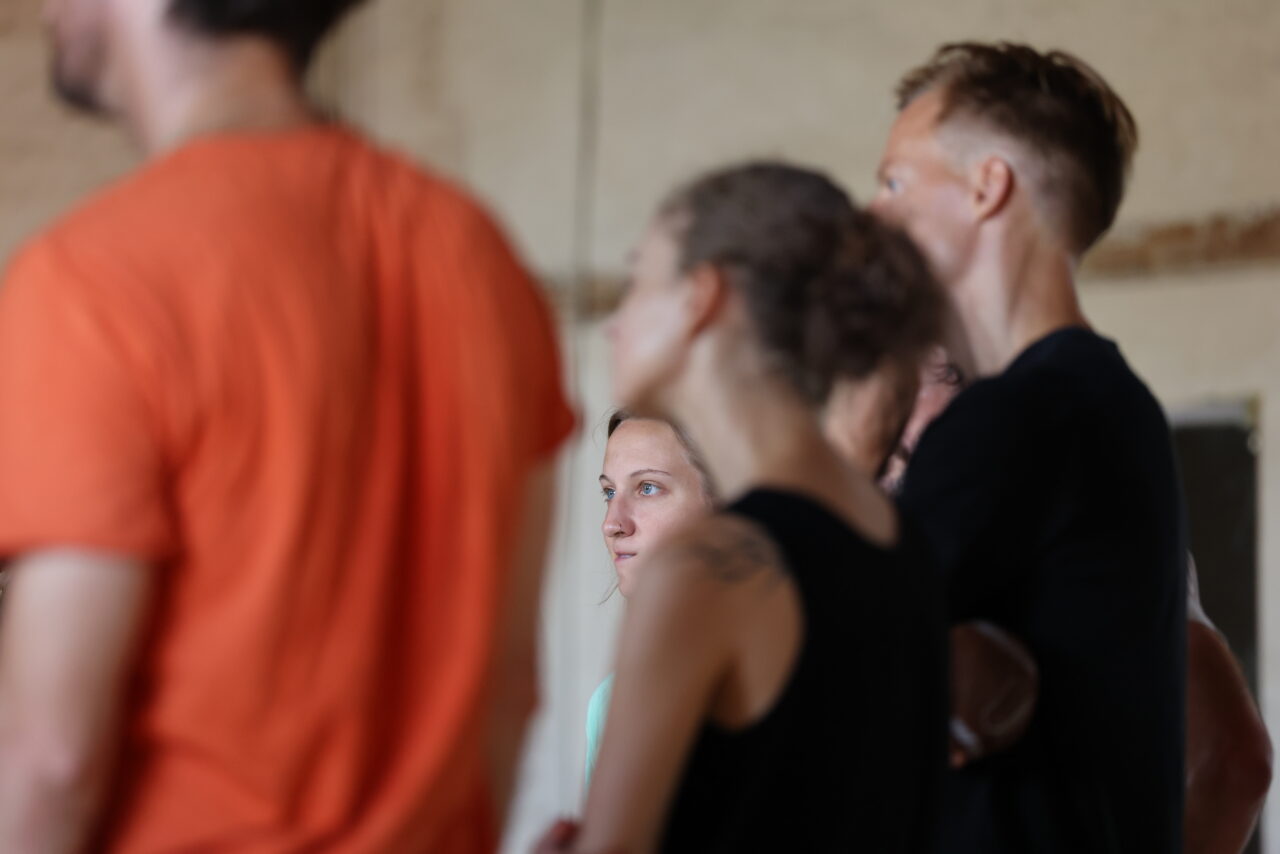
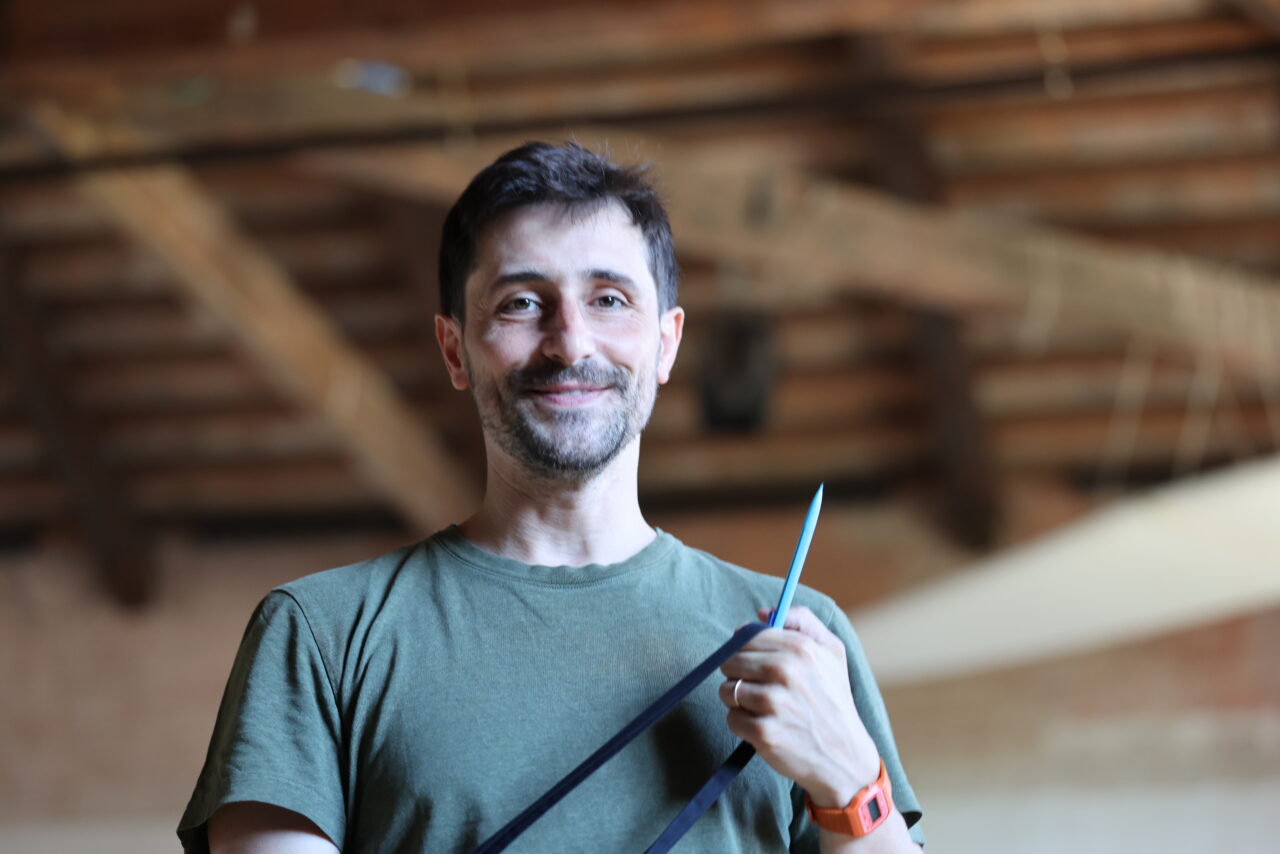
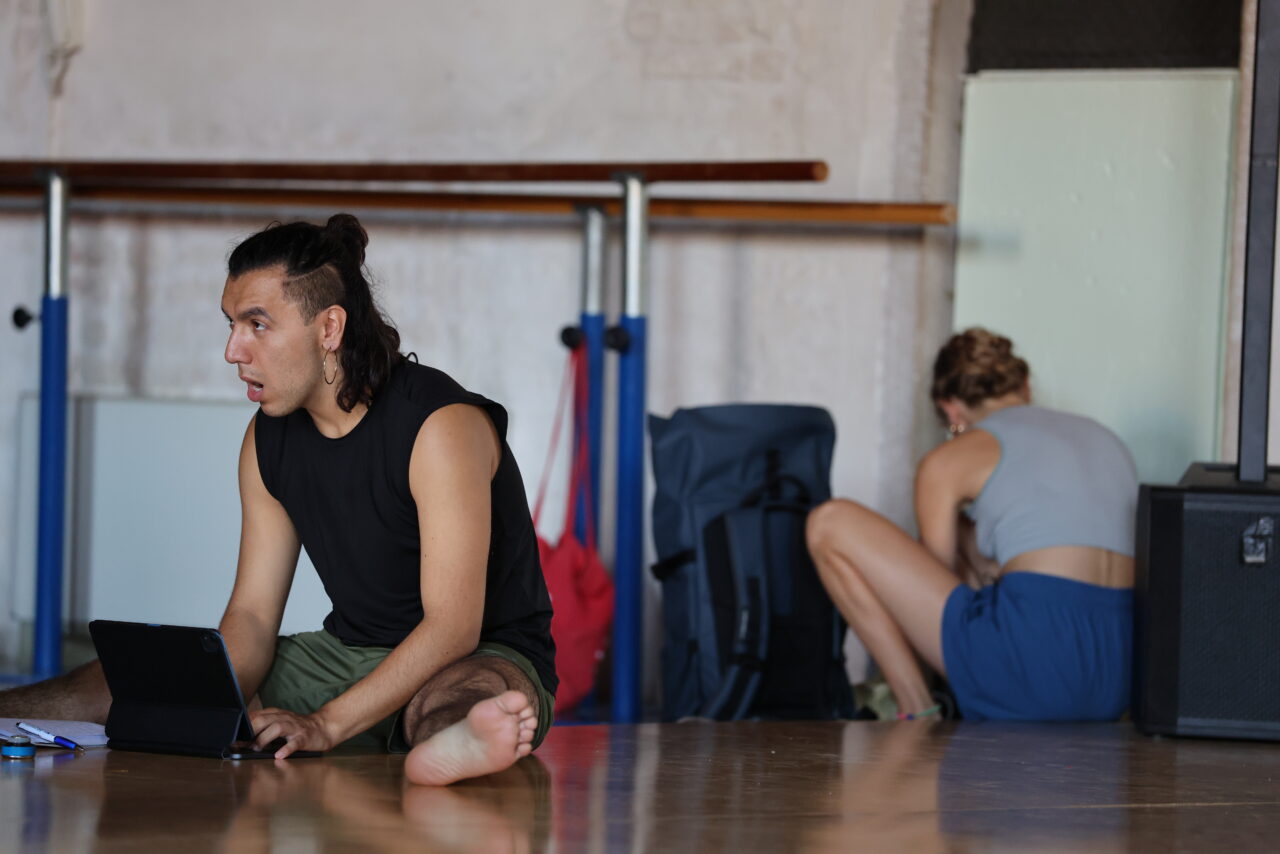
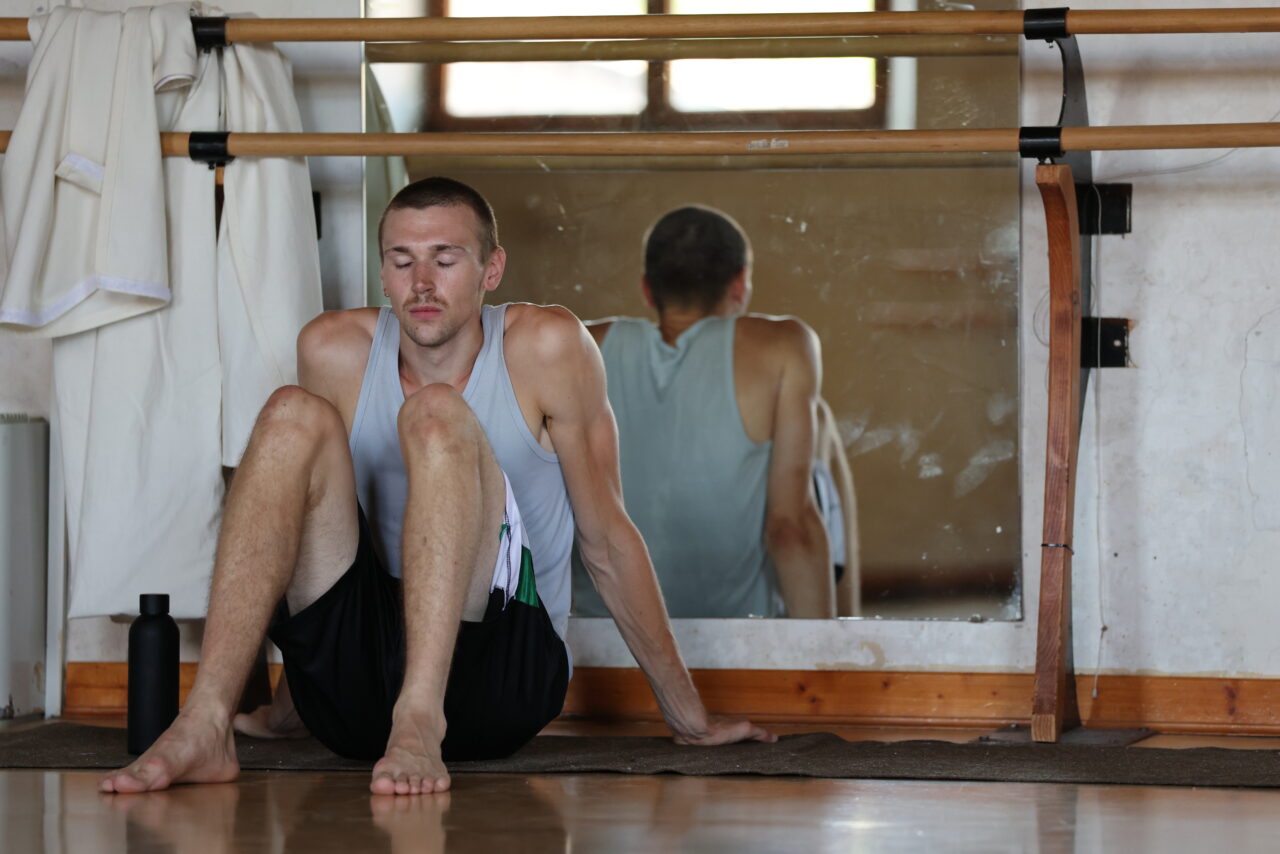
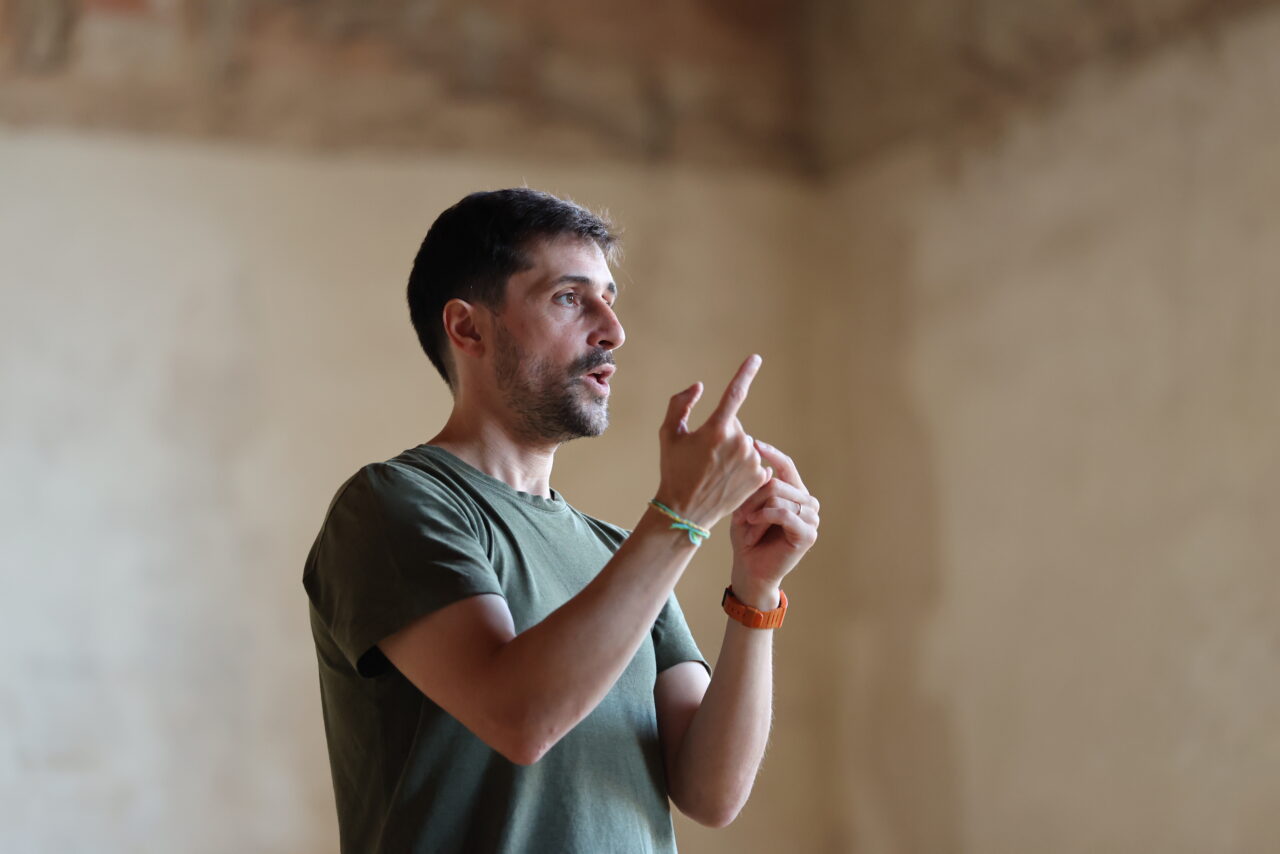
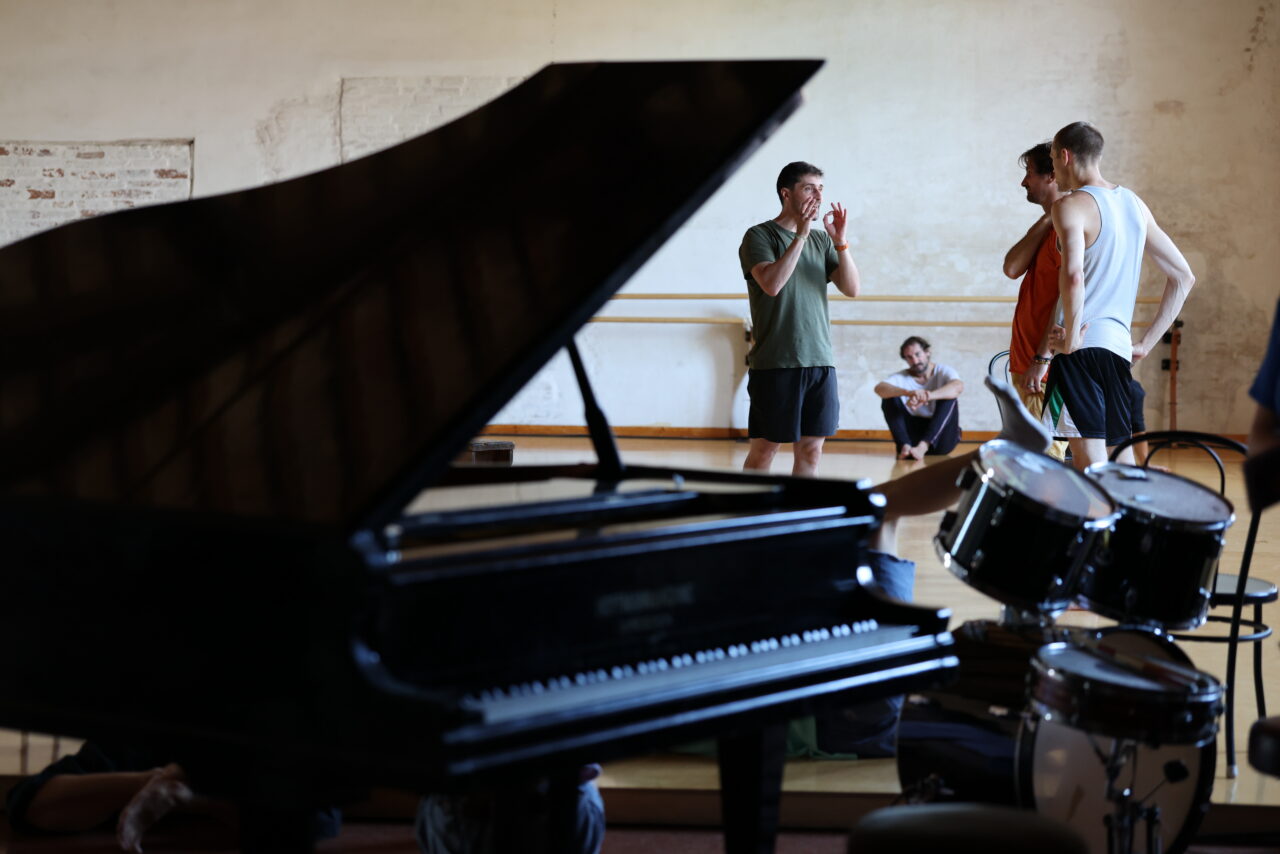
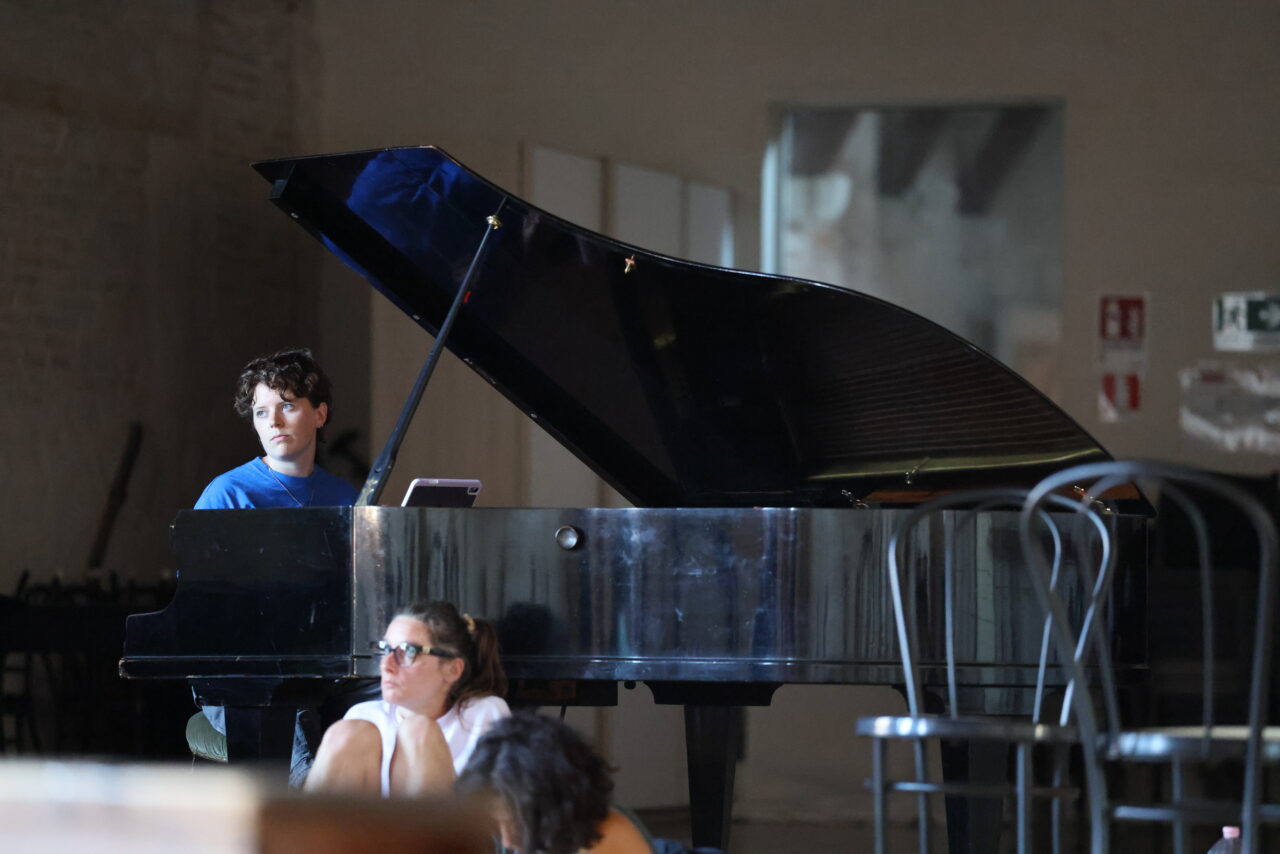
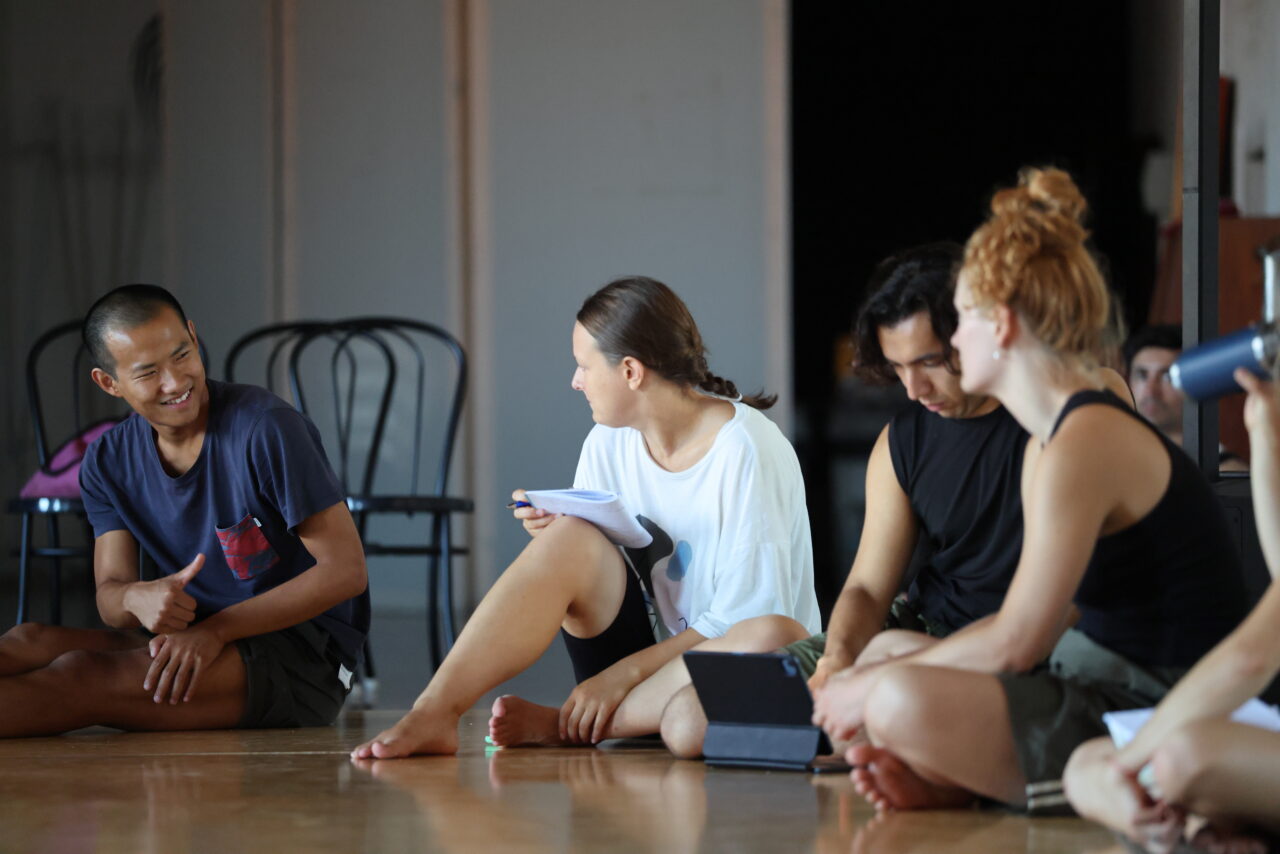
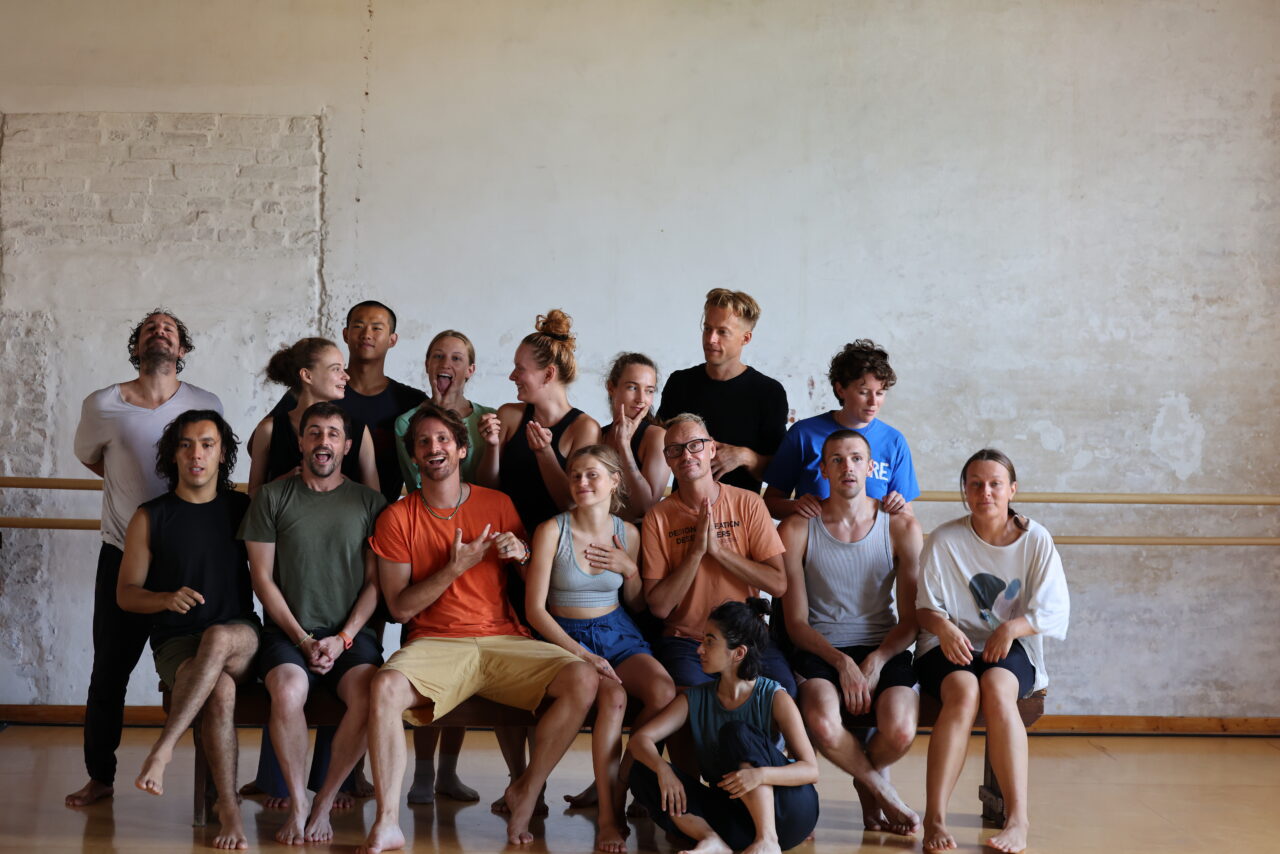
Two weeks, two opposite entrances
Put side by side, the weeks approached the same craft from opposite ends. Punchdrunk begins with the spectator and builds a world for them to walk into, so the composition is of attention itself. Theatre Re begins with the performer’s body and what it can be made to mean, and trusts the audience to read it. One week asked where the audience stands. The other asked what the body is saying before anyone decides what it means. A cohort that has stood in both within a fortnight holds a sharper instrument than either week alone would have given it.
What weeks like these leave is rarely a finished piece. It is a set of questions that keep working after the guests have flown home. Punchdrunk’s methods rest on rigorous world-building beneath the surface an audience ever meets, which leaves a maker asking what the unseen nine-tenths of their own work is, and whether they have actually built it. Theatre Re leaves the harder discipline of making before understanding, and of trusting that the meaning will arrive if the action is true.
The road continues
This is the second dispatch from the traineeship. The first told the story of the opening residency in Melpignano. The two weeks that followed these guest weeks turned the cohort from students of other people’s methods into makers of their own work, and produced six audio walks through the Venice Biennale. From Venice the road turned to Greece, to Athens and then to the Peloponnese.
A degree that puts its students in rooms like these. Read more about the CPPM programme.
Presented 25 July 2026 · Giardini and Arsenale, Venice · walkable while the Biennale runs
Six audio walks now run through the 61st Venice Biennale, made by CPPM master’s students in two weeks in and around the exhibition. Anyone with a Biennale ticket can walk them. They are what the cohort made in the closing fortnight of its month in Venice, the third chapter of a four-month Erasmus+ traineeship through Italy and Greece.
The Venice Biennale audio walks grew out of Watching Otherwise, a seminar on spectatorship: how we watch, who is allowed to watch, and under what conditions. Imanuel Schipper led it. A dramaturge and performance studies scholar, he has worked with the theatre collective Rimini Protokoll for more than twenty years. He is also a long-standing guest teacher at CPPM, having first worked with the programme in 2020 and 2021. Like every phase, the Venice chapter was shaped by Cracalia ETS. The Italian cultural association is the umbrella for the entire four-month traineeship.
From an olive grove to the Giardini
The seminar opened with a week on Corfu, at Elaionas, an olive-grove retreat near the village of Arillas. That week laid the theoretical ground. First the group read, walked and watched together, starting from Jacques Rancière’s claim that the spectator is never passive. From there the reading widened. Claire Bishop brought distracted attention, Diana Taylor the body as a memory no archive can hold. Then came Schipper’s own question: how does a spectator stop being a bystander and become a co-producer of the work? No one needs the reading list to walk the walks: they carry the questions on their own. Two weeks in Venice then turned theory into practice. The walks grew in direct relation to the Biennale itself, conceived by the late Koyo Kouoh as In Minor Keys.
An audioguide turned inside out
Each walk turns the ordinary audioguide inside out. It does not explain the art. Instead it asks what you are doing when you look at it: where your attention goes, what it passes over, whose gaze you have borrowed without noticing. As a result, you end the visit having seen the same exhibition as everyone else, and a different one. The makers call the walks first passes rather than finished artworks. They were made inside the two weeks of the seminar itself, so the questions are still audible in the walking.
Behind the walks sits a discovery about how performance gets made. Anette Pärn, one of the makers of The Walking Alive, came to the seminar carrying a phrase she had never quite settled: “structure releases content.” Her suspicion had always been “that something arbitrary can only produce something arbitrary.” Two weeks of making an audio walk shifted that: with no time for contemplation, decisions had to be made fast, stuck with, and built on rather than returned to. And they “did not stay arbitrary for very long. Each one narrowed the field slightly, so the next one had less room left in which to be random, until at some point the choices seemed to be made by the thing itself rather than by us.” On the far side the phrase held: “the walk exists, and it holds whatever it turned out to hold.”
The Venice Biennale audio walks were made independently of La Biennale di Venezia. They were not commissioned by the Biennale and are not part of its programme. Yet the exhibition stays exactly as it is. The walk only changes how you move through it.
CPPM 2025-27
Six walks, thirteen makers
Each walk starts at a real point in the Giardini or the Arsenale and runs on the listener’s own phone. Some groups merged in the process, so six walks emerged, made by twelve CPPM students and Laurits Muru:
- Petra: the one who stayed by Juuli Hyttinen (Finland) and Maria Papachristodoulou (Greece). A walk about movement and displacement, where art, nature and an unexpected companion change how you experience the Biennale. 21 min · Giardini.
- The Walking Alive by Anette Pärn (Estonia), Dita Lūriņa (Latvia) and Leah Rose Gayer (UK). Some things are simply waiting: the walk begins with a countdown and ends with an unexpected return. 21 min · Arsenale.
- The Garden Beneath the Garden by Ana Trif (Romania) and Laurits Muru (Estonia). What if the Giardini could reveal the invisible layers of power, memory and imagination beneath your feet? 27 min · Giardini.
- Coffee Date by Elar Vahter (Estonia), Avery Gerhardt (USA) and Charis Taplin (UK). A walk with the lady who knows it all about the Giardini della Biennale. 25 min · Giardini.
- Venetian Archive by Edward Skaines (Australia) and Clarisse Degeneffe (Belgium). A futuristic journey into a post-AI era, when the century’s most influential artistic mecca has become an archive. 16 min · Giardini.
- Inventory by Zhenyan Ding (China). Can time, boundaries, the past and the future also be inventoried and measured? 29 min · Giardini.
The twelve are members of the current CPPM cohort.
How to walk them
The walks were presented on 25 July as a sharing for the cohort, and they remain accessible. Walking one takes a Biennale day ticket, headphones and a charged phone. Interested? Then write to info_cppm@eamt.ee or ask any CPPM student.
The road continues
This is the third dispatch from the traineeship. The first told the story of the opening residency in Melpignano. The second covered the two guest weeks that opened the Venice chapter, with Punchdrunk and Theatre Re on the Giudecca. Venice closed at the end of July and the cohort travelled on to Greece, first to Athens and then to the Peloponnese, where the four months end with a residency at the Marina Abramović Institute.
The walks were made by students partway through a master’s built around making. Read more about the CPPM programme.
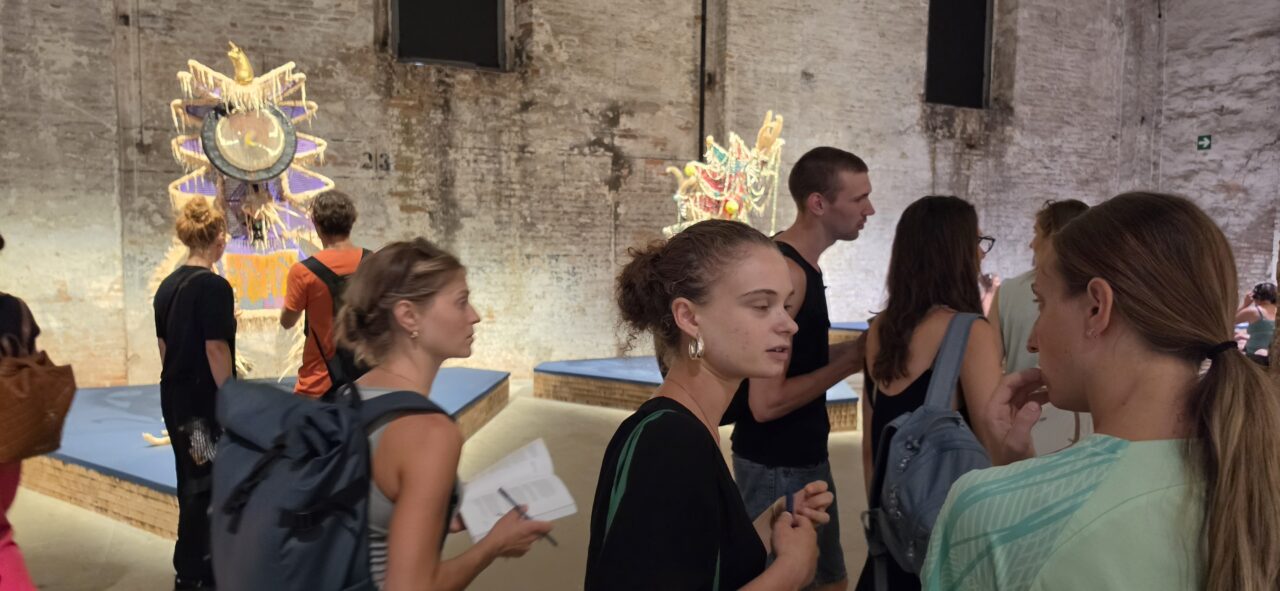
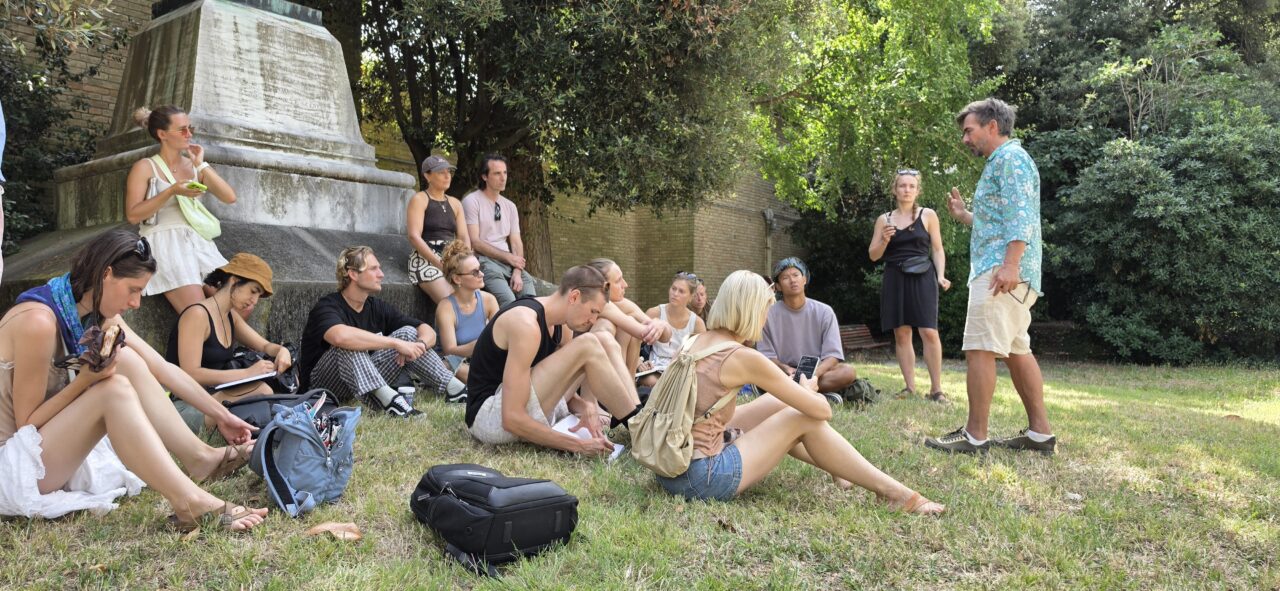
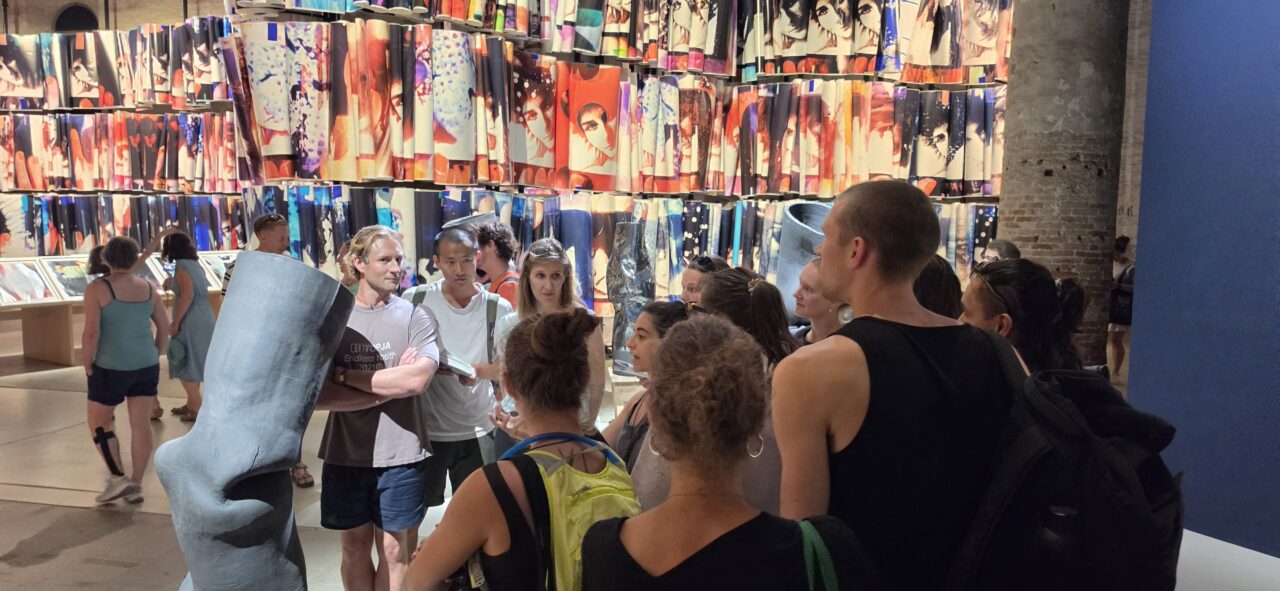
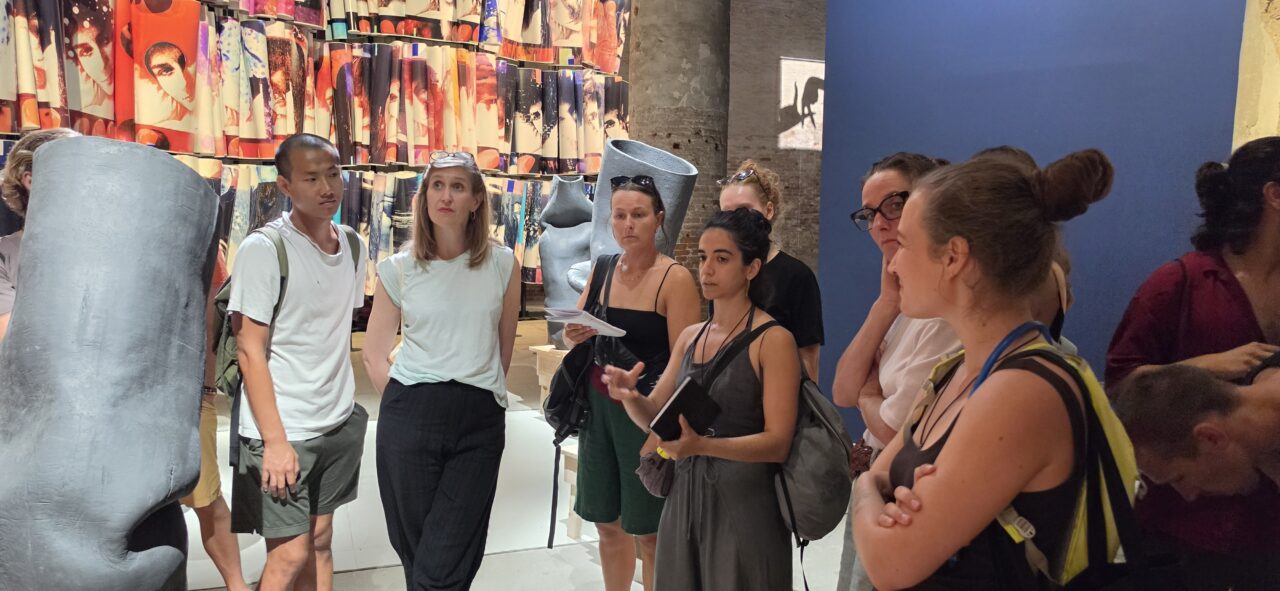
This summer, for the first time, the whole third cohort of CPPM is on the road together. From 10 May to 6 September 2026, an Erasmus+ traineeship carries the group through Italy and Greece: Melpignano, Corfu, Venice, Athens and the Peloponnese. Its first chapter, a six-week performance residency in Italy, closed in June. Melpignano, a small town in Puglia, became home.
Like every phase of the journey, the performance residency is hosted by Cracalia ETS, an Italian cultural association. The guest workshops and encounters follow Cracalia’s own artistic and organisational practice. The association shapes the pathway and brings in the guest artists who lead it. Taken by the whole cohort as part of the degree, the four months are built as one continuous professional journey. The ground of its opening phase was the simplest and hardest thing of all: contact.
Four weeks of slow days in Melpignano
In the first four weeks the cohort left its usual premises in Tallinn far behind, and the days ran slow. They were structured through invitations rather than fixed plans, the way a residency needs to be. Mornings began with a run or a swim in the sea. Then came an open somatic session, led by Silvia Marazzi. The movement practice served each person’s own agenda of self-regulation and activation. By midday the group had gathered at Palazzo Marchesale, headquarters of the residency. The gathering was held by Cracalia’s guest practitioners, Fabio Ghidoni, Flavia Ripa, Francesca Ziggiotti, Selvaggia Tegon Giacoppo, Anita Krem and Kymbali Williams, who helped the group think through the day’s shared and individual creative tasks and invitations. The town was already part of the work: its streets, its squares, its people. When it went right, the research spilled past schedule and plan. No one knew how to stop the session, and no one wanted to.
It was a residency built on contact: with the place, with its people, with each other. Students lived together, cooked together, failed together in daring attempts, shared their thoughts, and tried again the next day. What they made was not polished for an audience back home. It was made for the threshold itself, for the people of Melpignano who watched it take shape. By the final week, those people were part of it. What you bring back from four weeks like this is not a finished piece. It is a different relationship to your own work, an entry point into practice as research, and a strong clue as to how you would like to organise a residency of your own.
What the residency leaves behind: the TЯA Project
One outcome of the first four weeks of this performance residency in Italy is not a performance but a website. Across four editions in Melpignano since 2021, the TЯA Project has grown into the residency’s own method for documentation. It rests on the premise that a residency produces relations before it produces work. Those relations deserve the same rigour as the work itself. So rather than a gallery of production stills, the site holds a set of instruments built to answer a question every residency eventually meets: what remains once the artists have gone, and who has standing to say so. Each tool makes the residency’s relations visible while they are happening, not reconstructed after everyone has left. Each is offered as a method others can test or push back on, rather than a finished claim. Documentation becomes part of the practice, not an afterthought to it. That insistence makes the project a live reference point in the wider artistic and academic conversation about what a residency for performance makers actually owes the place that hosts it.
Merging into Matter: Become a cliff. Become a river. Be a leaf.
From 8 to 20 June the performance residency in Italy turned from the human community to the earth. Choreographer Ephia Gburek and accordionist Vincent Valente of Djalma Primordial Science led Merging into Matter, two weeks of “body weather” dance research weaving sensory perception and imagination. Gburek studied butoh with Min Tanaka and Kazuo Ohno in Japan and cofounded Djalma in 1998. The company’s works blur the distinctions between theatre, dance and performance, appearing in theatres, galleries, derelict buildings and landscapes.
The days were divided between studio work and outdoor immersion in the Puglian landscape. Each morning an intensive warm-up connected the group to the place, to sensation, to breath and voice. The research that followed was guided by a poetic language and accompanied by Valente’s live accordion, deepening connection to a partner, an object, an environment. The practice slowed down until movement imperceptibly detached itself from stillness. The cohort approached matter as existence, blurring the line between the animate and inanimate worlds. Daily training became what the artists call an act of metamorphosis.
Next stop: Venice
The performance residency in Melpignano was the first of the traineeship’s five phases, each tied to the place that hosts it. So the journey is only beginning. A short preparatory phase on Corfu followed, laying the ground for the next chapter. Since 28 June the cohort has been in Venice for a four-week residency at the Venice Biennale, centred on audio walks developed with Imanuel Schipper of Rimini Protokoll. The walks are documentary performance, inspired by the city and the Biennale itself. This is the first dispatch from the traineeship: the Venice chapter gets its own story here soon, and the road continues to Athens and the Peloponnese for a one-month residency at the Marina Abramović Institute.
Why CPPM sends its makers on the road
The traineeship rests on a conviction at the centre of CPPM’s pedagogy. Performance makers are formed in real working contexts, not simulated ones. The programme is practice-led throughout. Its students train studio-floor with the artists who made the field. They make their own work for real audiences from the first semester. A four-month traineeship, opening with a performance residency in Italy and taken by the whole cohort together, extends that logic to its conclusion. As a result, the working conditions of an emerging artist’s future become the curriculum itself: unfamiliar places, new communities, found spaces, sustained collaboration.
Curious where a performance residency in Italy can take an emerging maker? Read more about the CPPM programme.


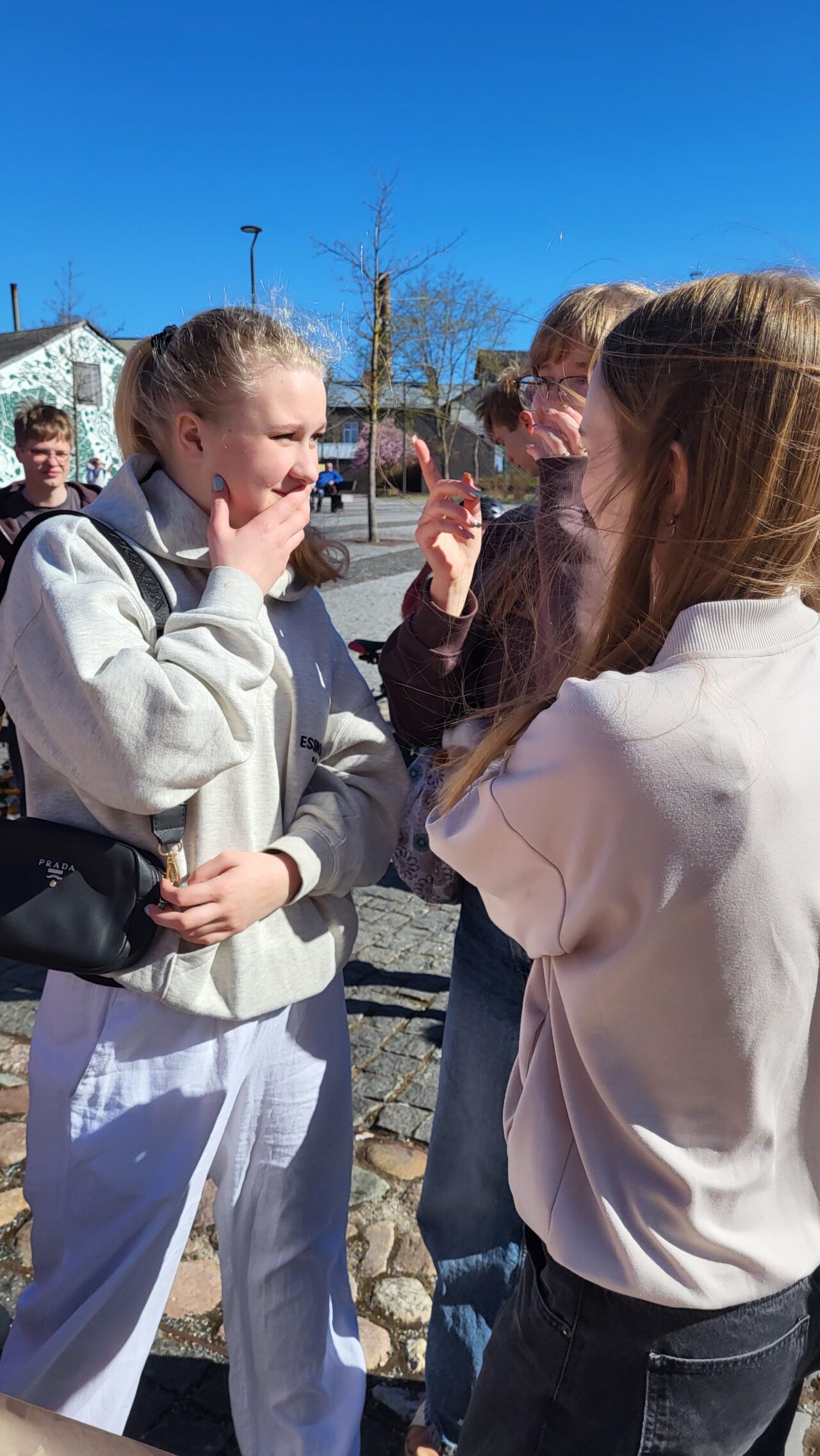
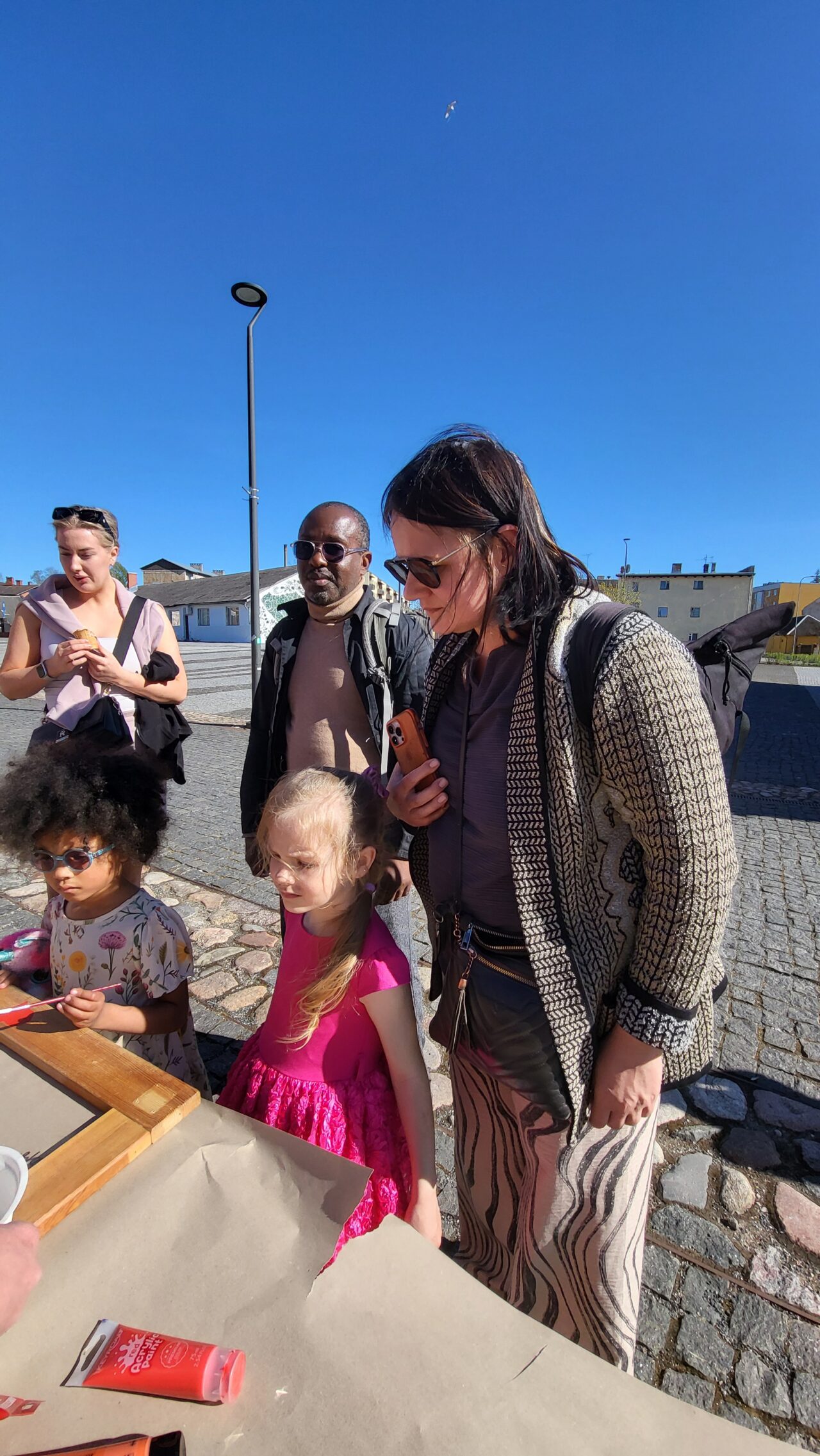
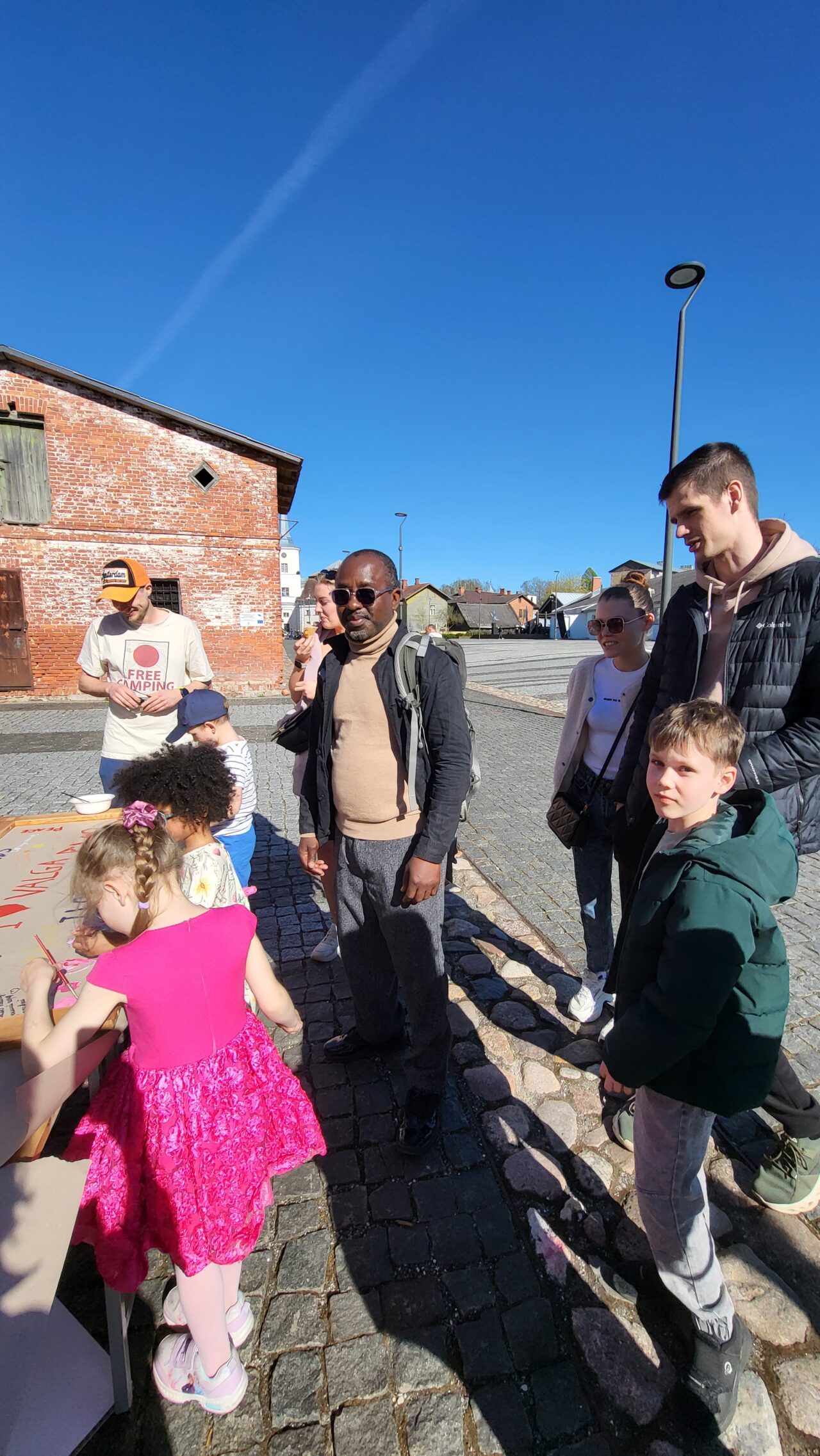
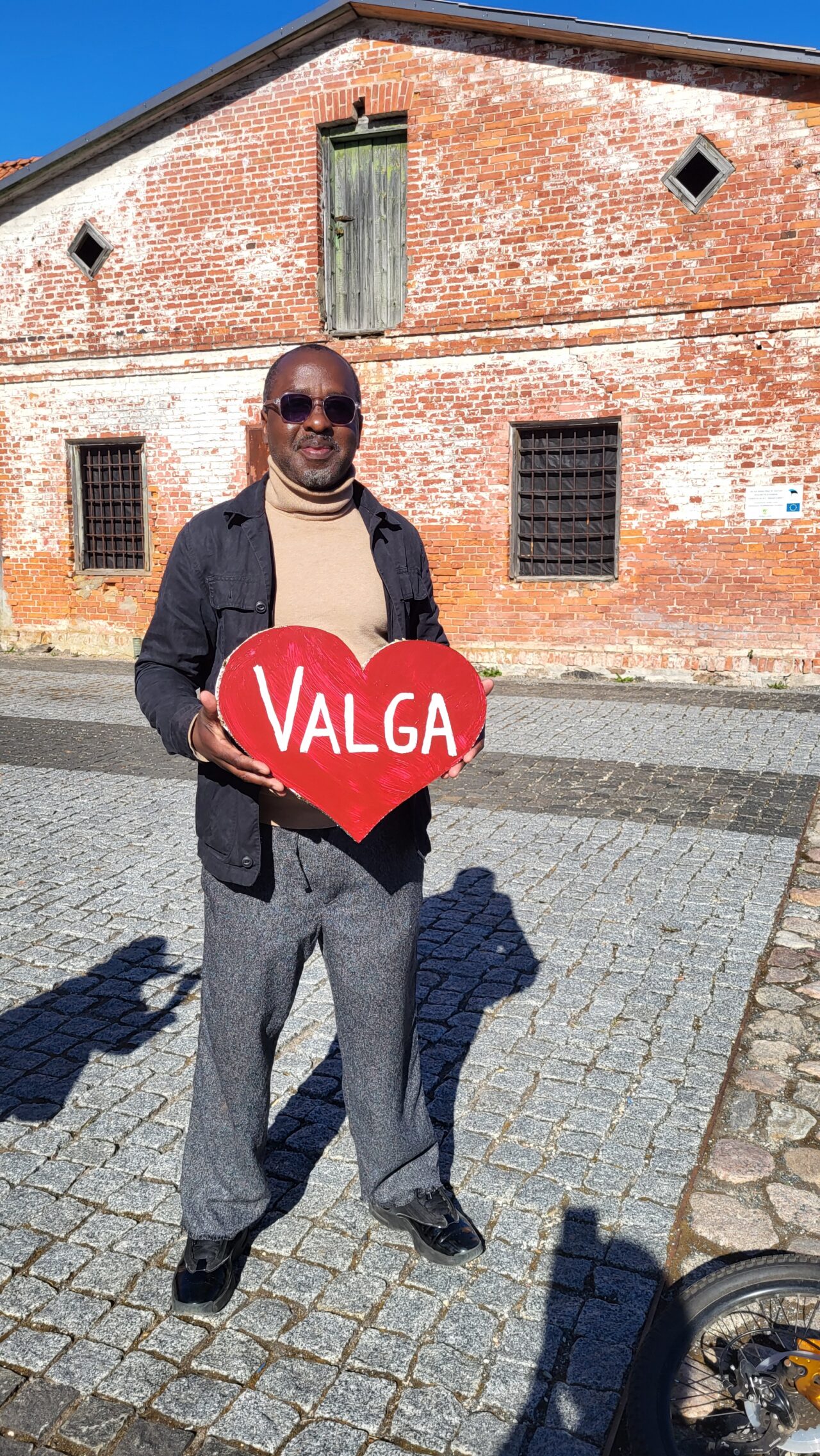
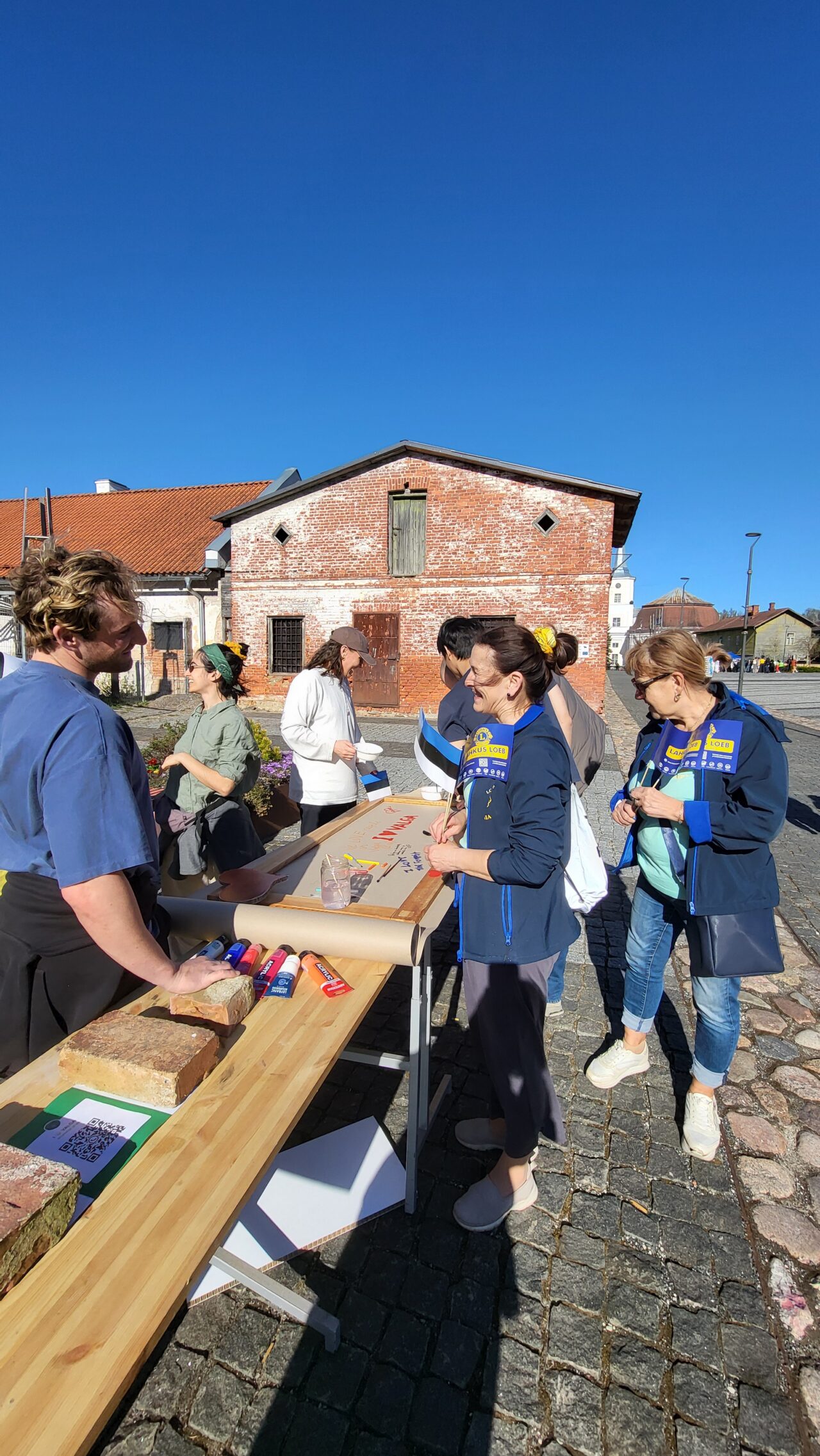
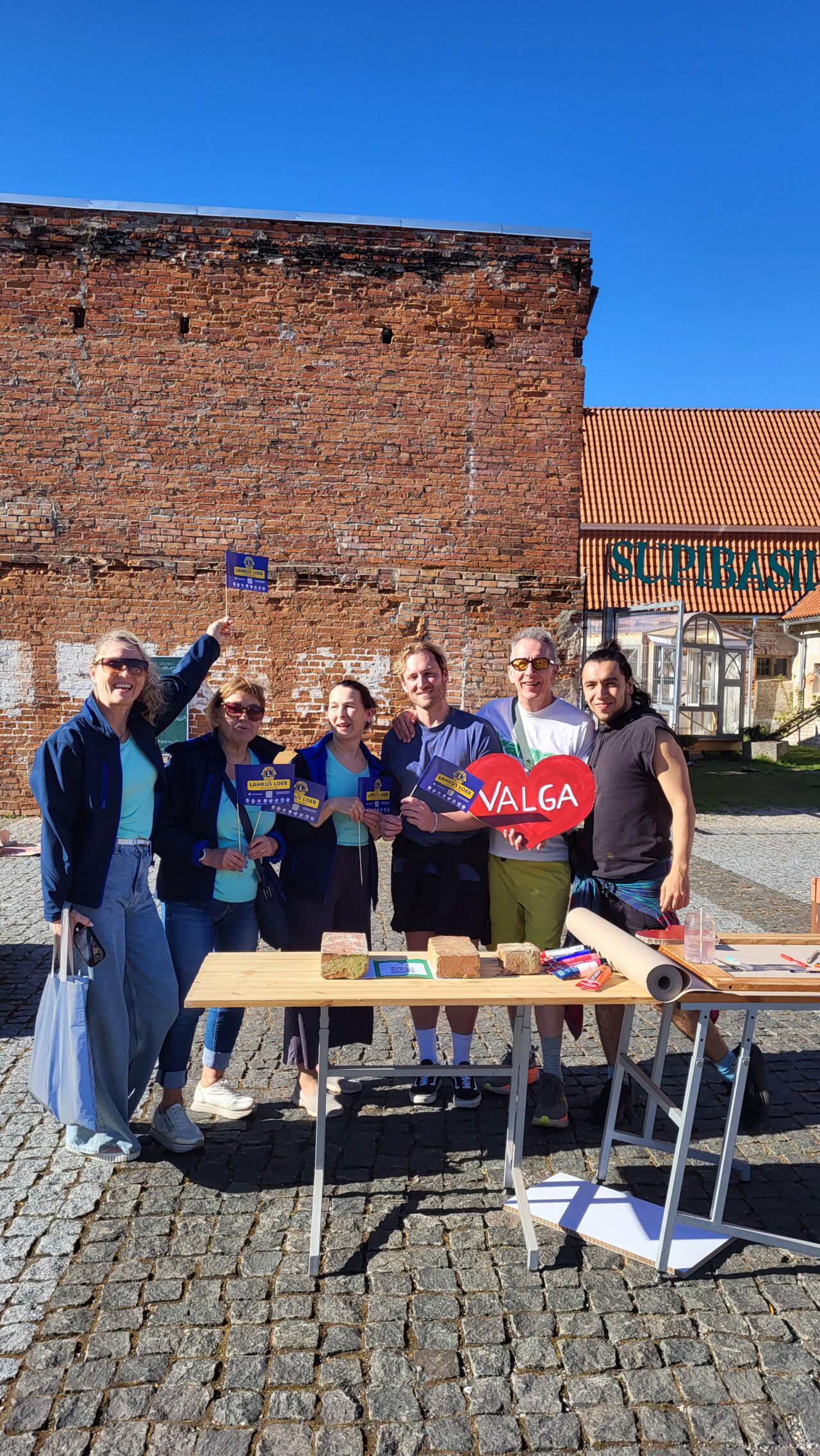
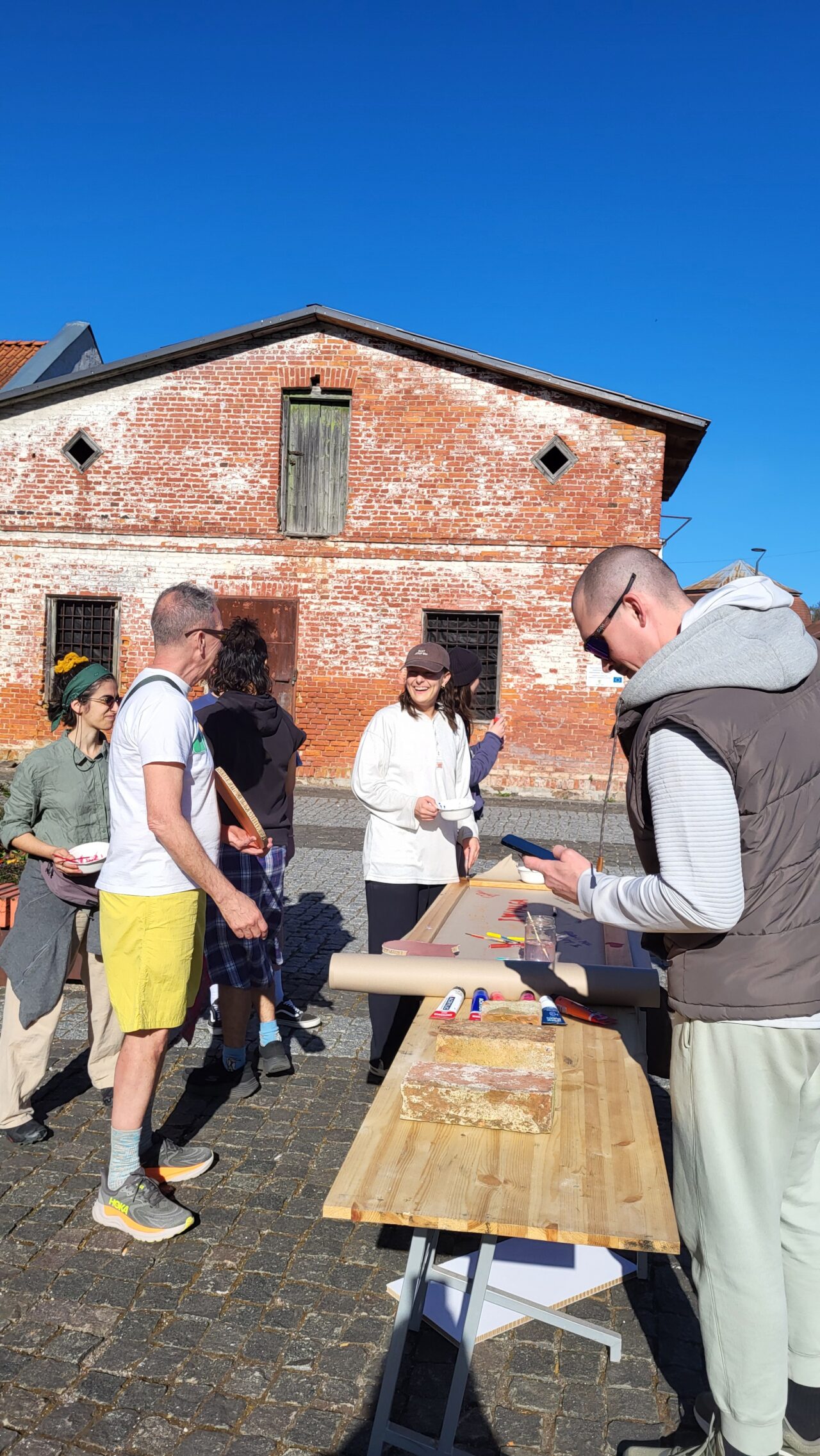
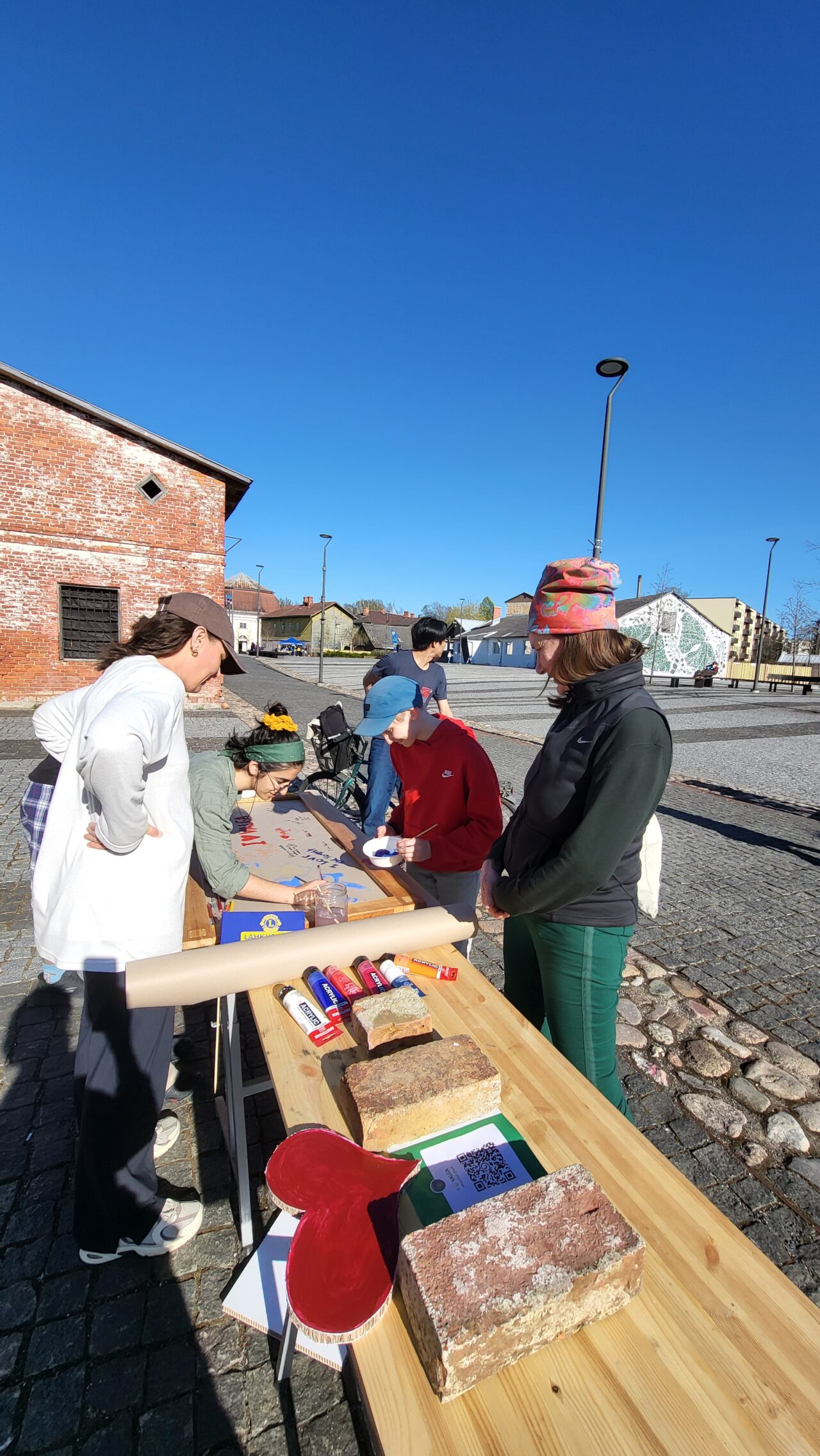
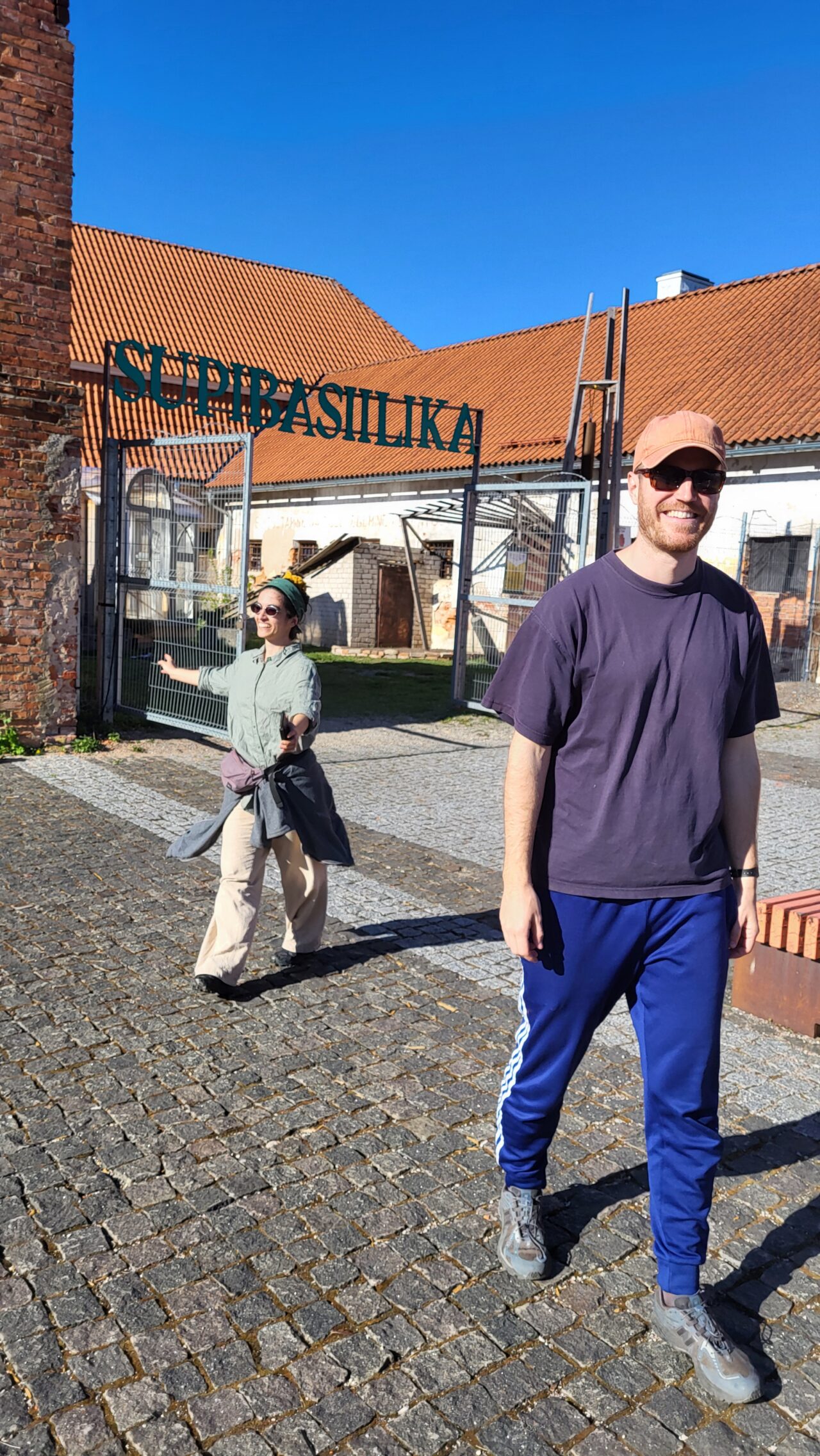
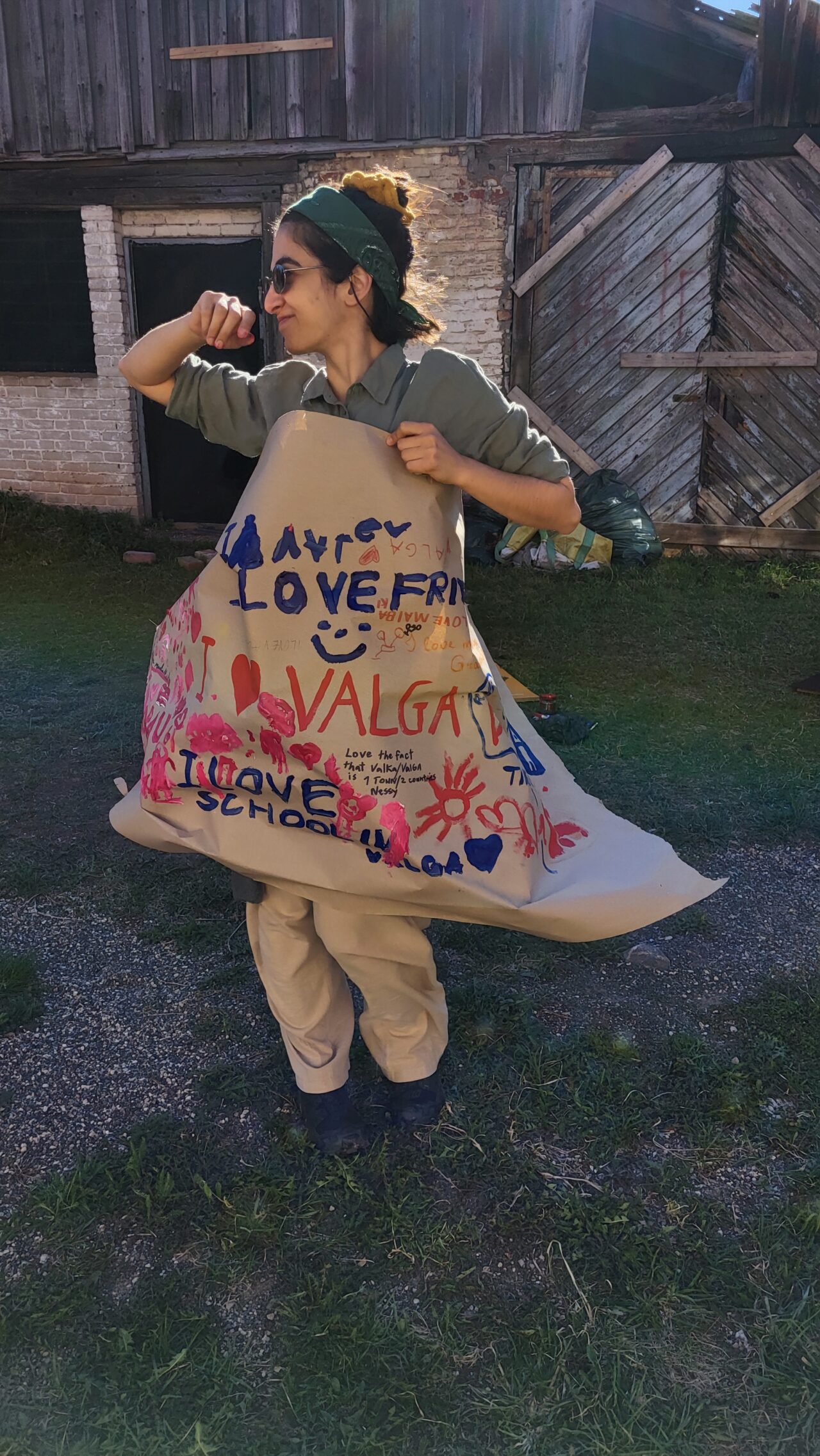
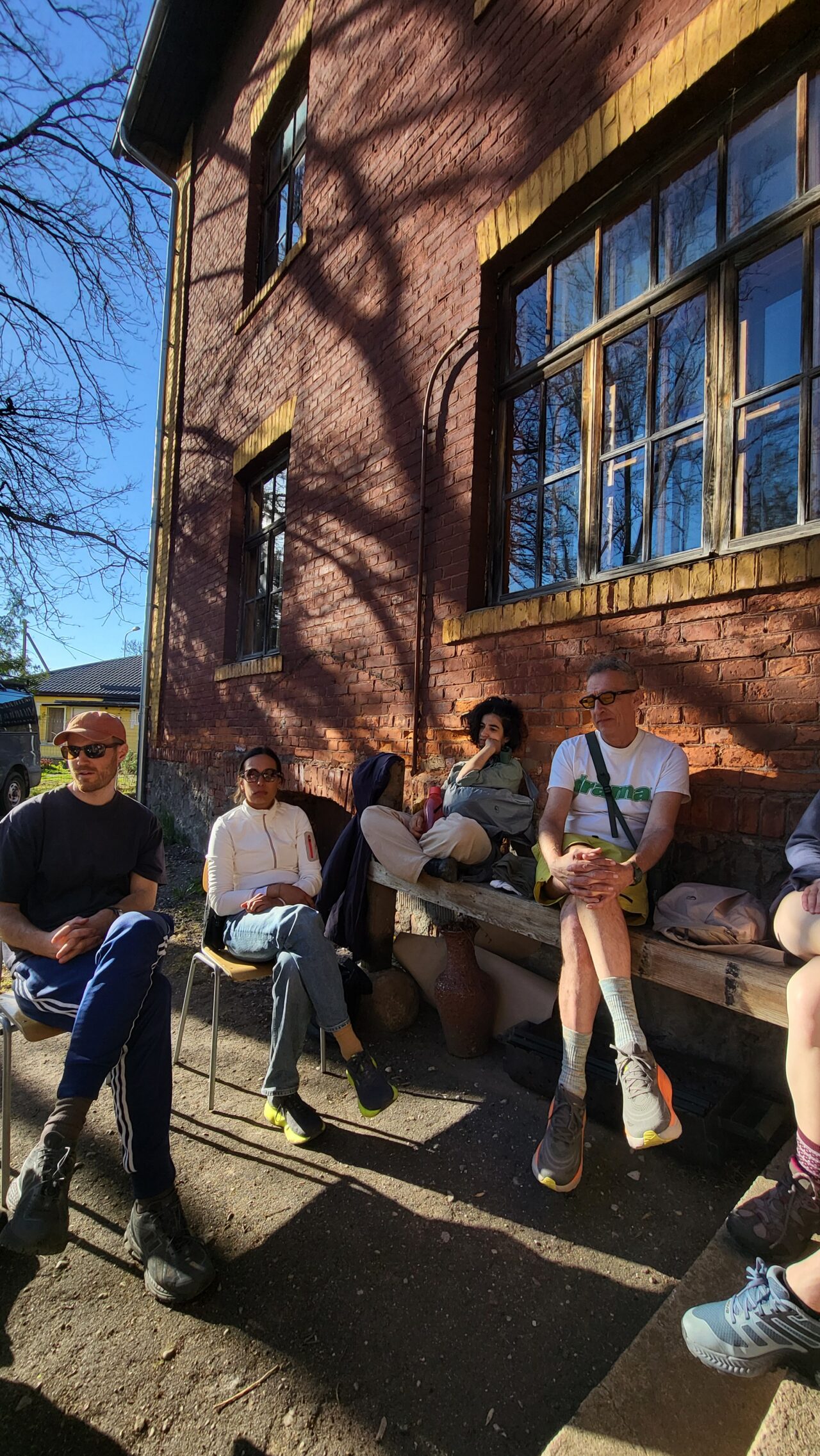
CPPM is welcoming its next artistic encounter, Valga/Valka: Space × Architecture × Performance, beginning on 29 April 2026 at VARES, the Valga Architecture Residency, on the Estonian Latvian border. For two weeks, students of the MA in Contemporary Physical Performance Making at the Estonian Academy of Music and Theatre are transforming the streets, public spaces and shared rhythms of Valga into a living site for performance, architecture, choreography and community exchange.
From the black box to the streets of Valga
After twelve months of intensive work in the black box studio in Tallinn, CPPM students are stepping into a new phase of their artistic journey. Valga becomes their threshold: the point where studio-based training opens into public space practice, site-specific performance, community encounter and the wider international residencies that will soon take them onwards to Italy and Greece.
The residency explores Valga and Valka as a unique cultural, spatial and geopolitical border-space. Students are investigating how architecture, movement, local histories, public encounters and the material layers of the town can become starting points for performance making, compositional structures and dramaturgical thinking. Here, the town is not a backdrop. It is a collaborator, a host, a map, a score and a stage.
Performance, architecture, mapping and the gift
During the residency, CPPM students have been working with Mona Camille, Seychellois German set and costume designer; Olivier Van Den Hende, actor and director from the USA and France; and Peader Kirk, Irish British performance maker. In dialogue with the architects and place-making practices of VARES, they have explored how bodies read space, how public places carry memory, and how performance can emerge from direct attention to where we are.
Their process has included site-specific performance, site-responsive performance practice, embodied enquiry, spatial observation, walking practices, performative mapping, devising, urban performance, relational aesthetics, crafting with found materials and guerrilla filmmaking. Alongside this, the students have been thinking with the Situationist International, the films of Elia Kazan and Marcel Mauss’ writing on The Gift: asking what it means to arrive in a place, to be welcomed, to create in public and to offer something back.
Join CPPM in Valga on Friday, 8 May 2026
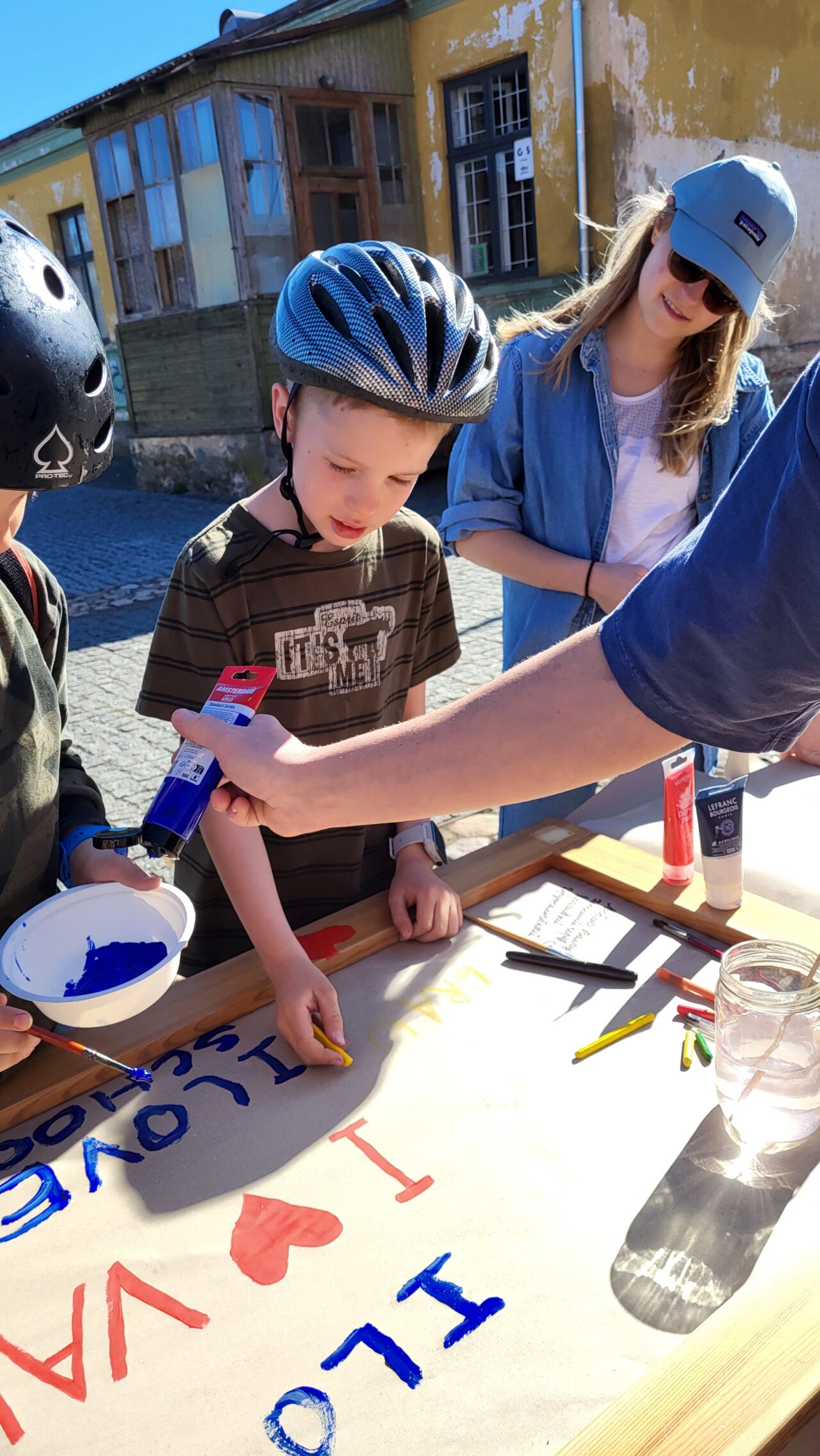
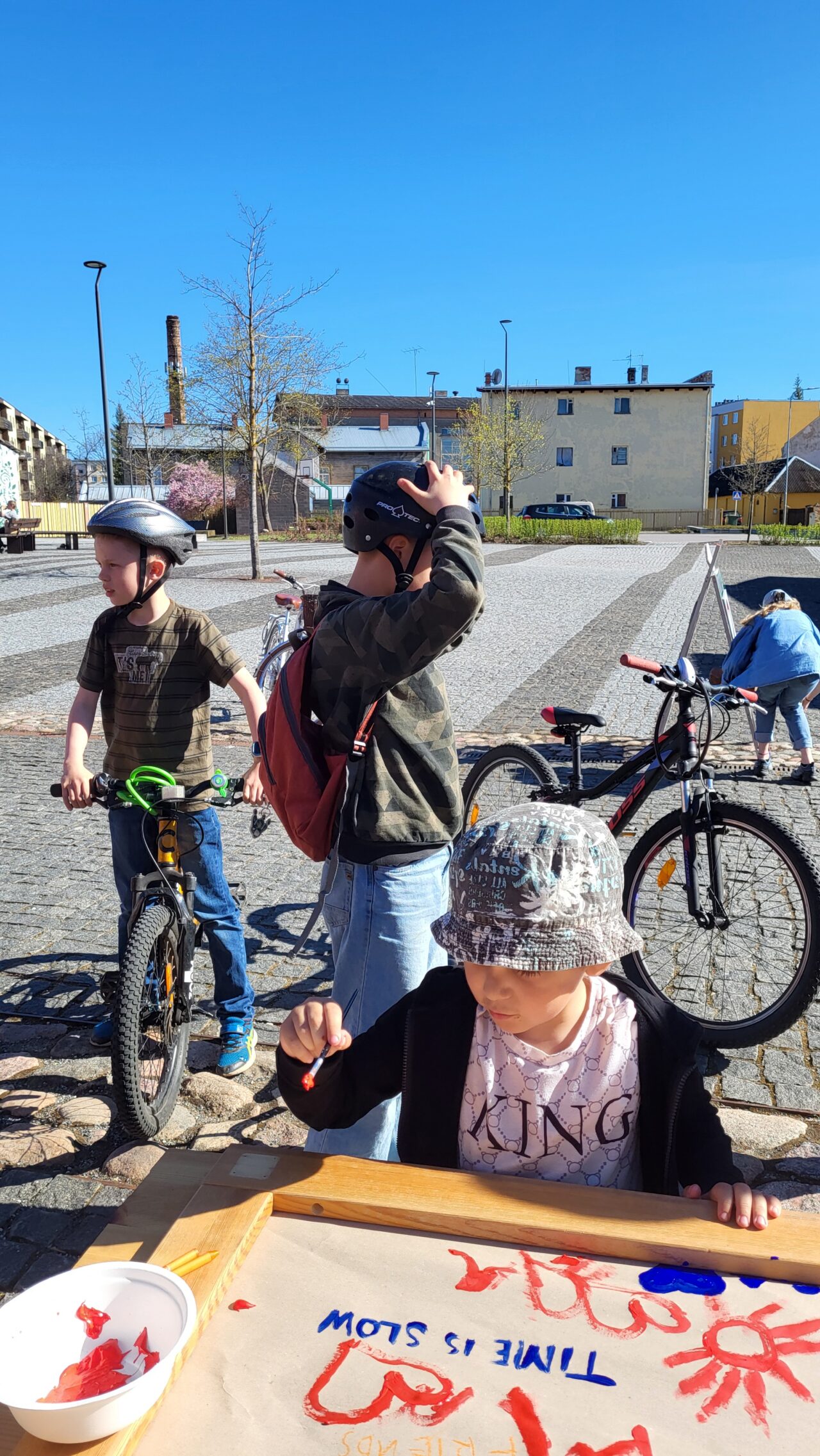
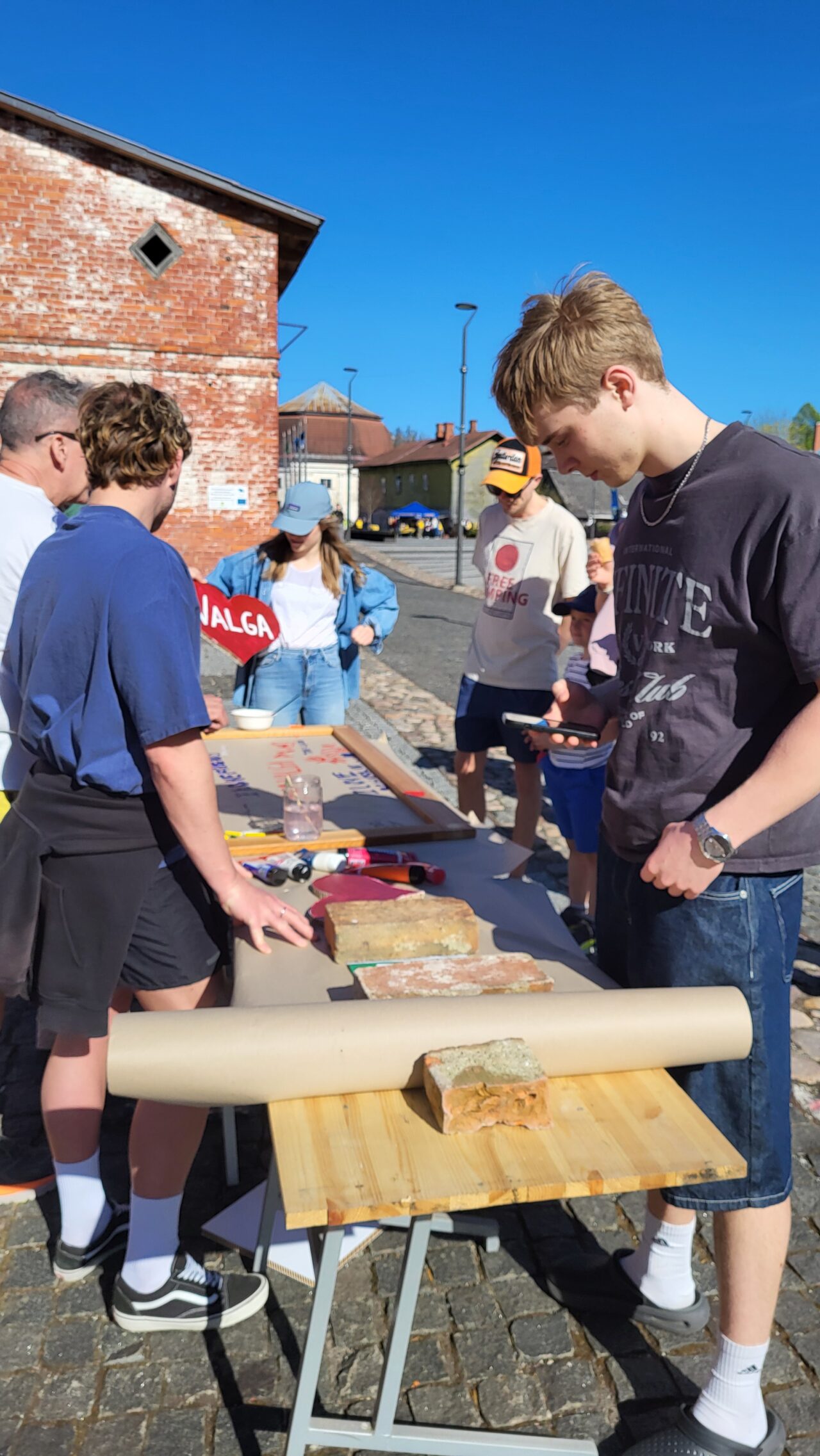
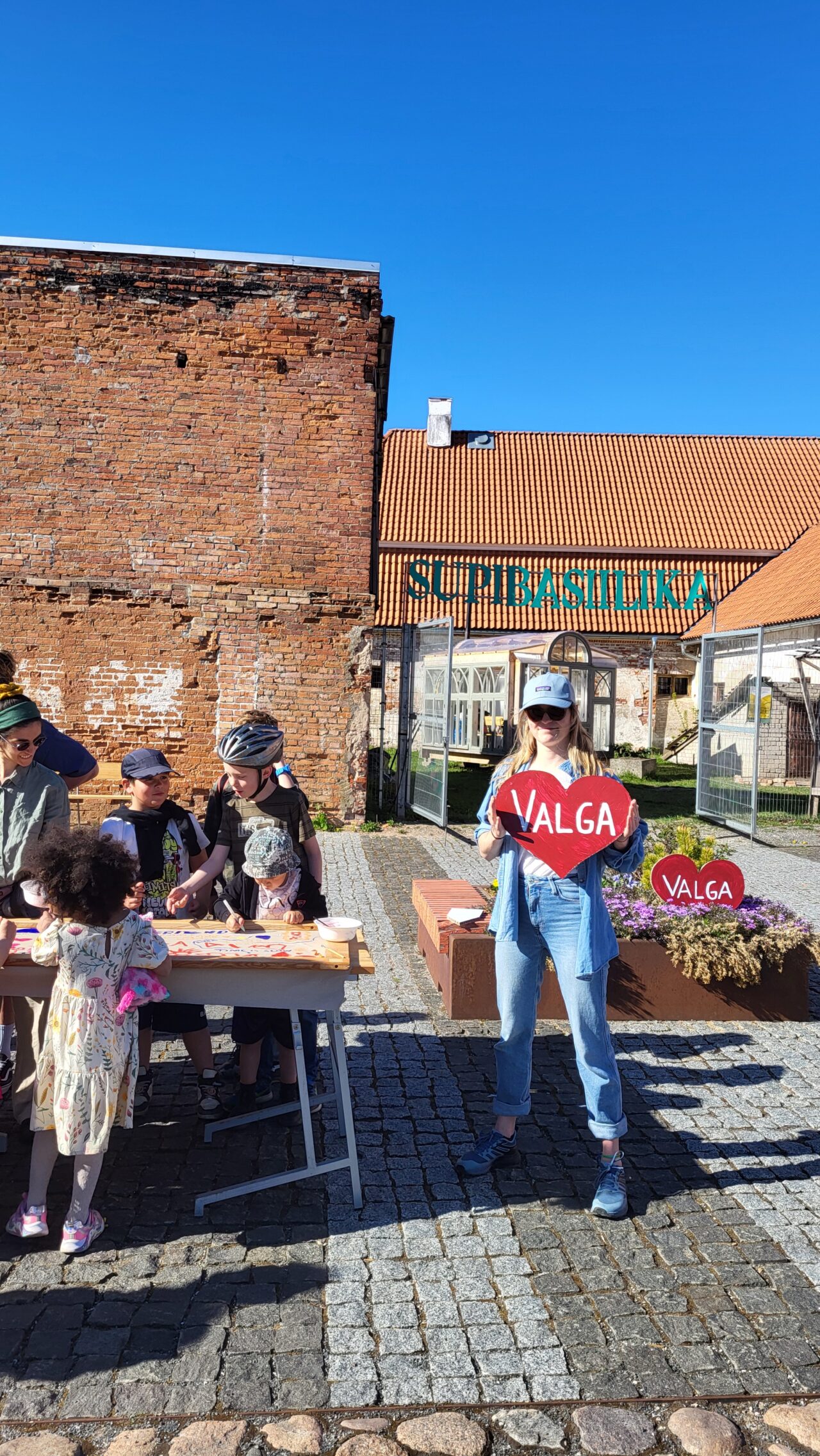
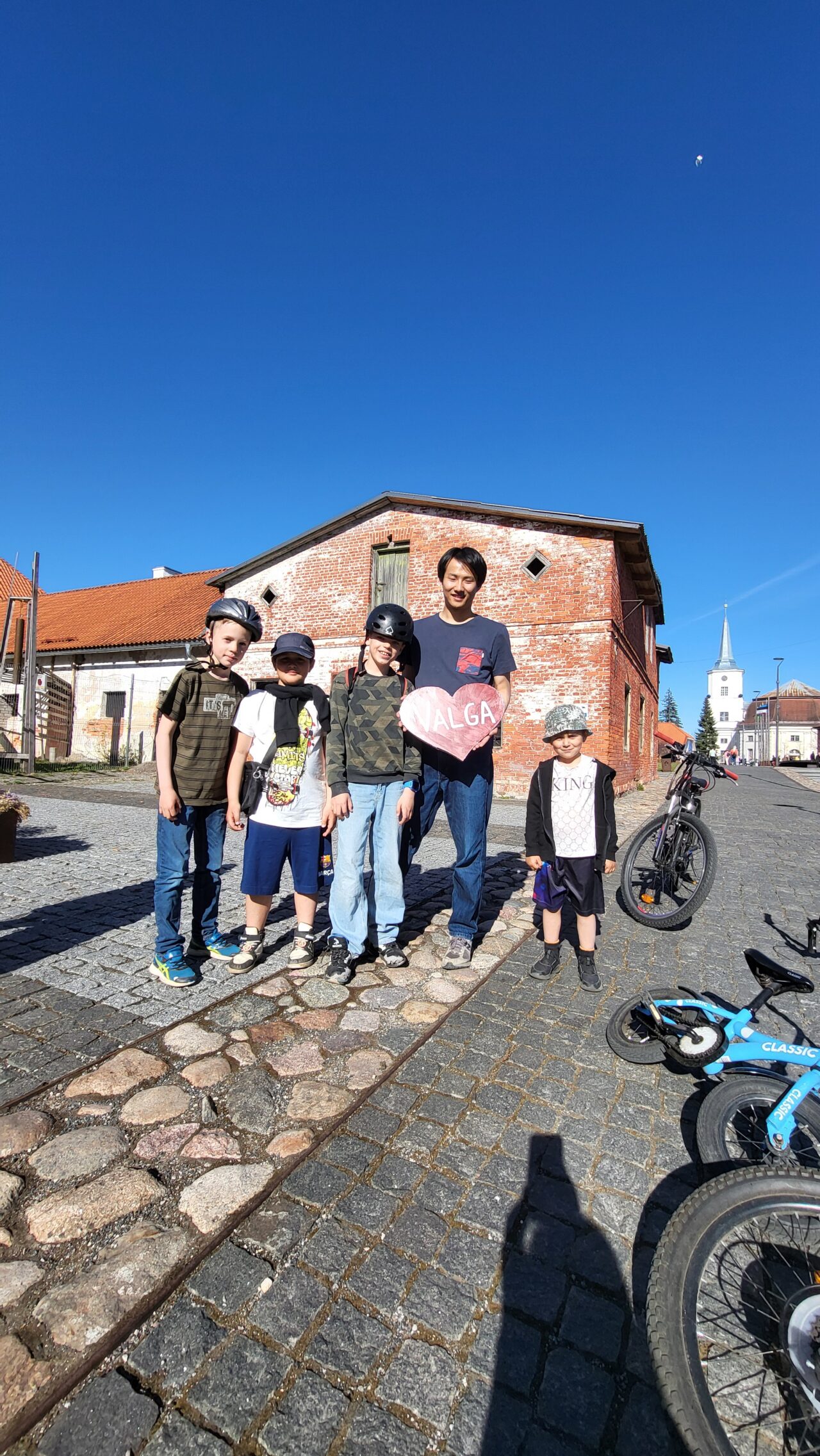
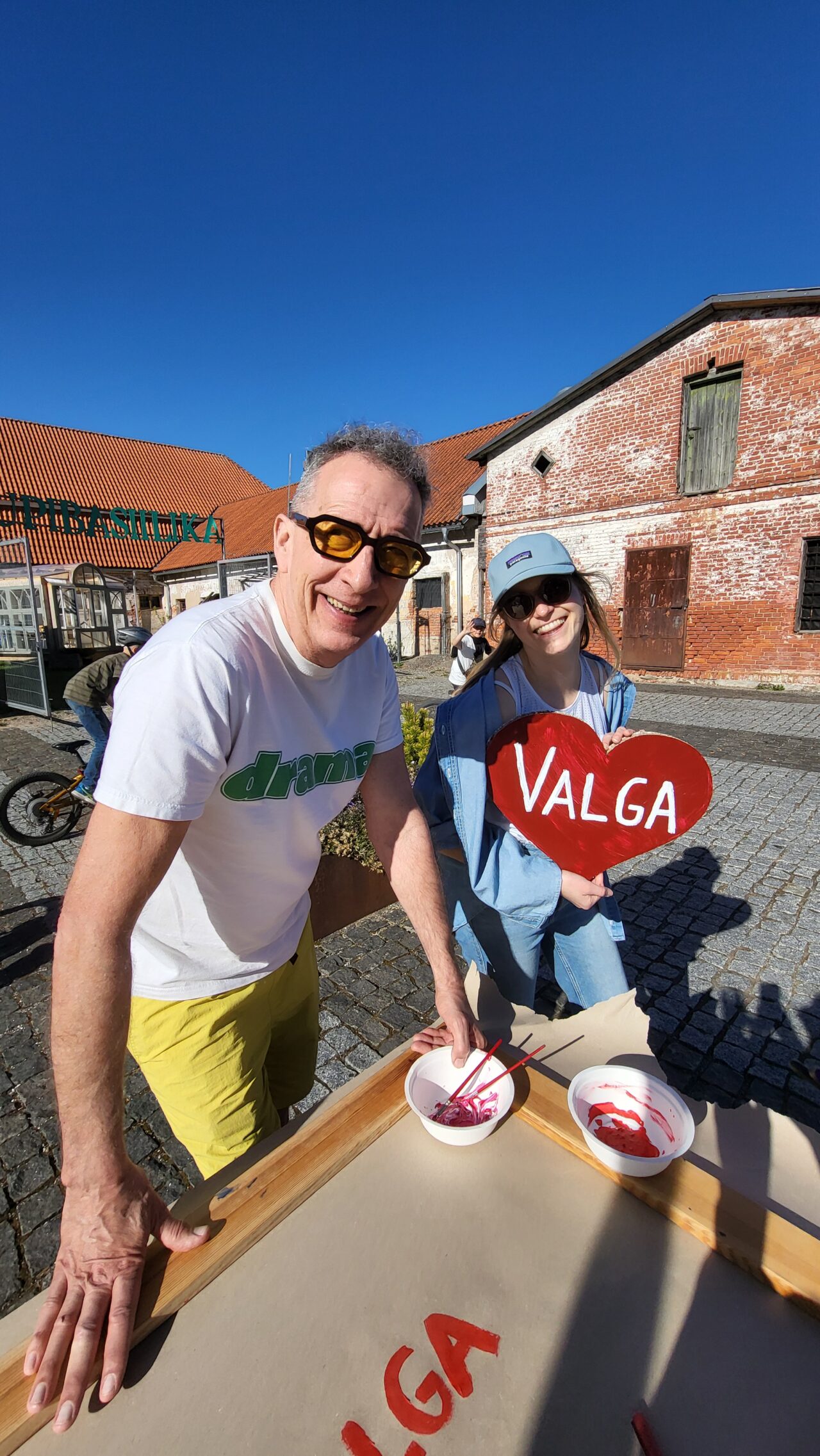
The residency culminates on Friday, 8 May 2026, when CPPM students will share their work in Valga during the town’s first Long Table event, taking place ahead of the traditional Border Fair weekend.
The Long Table will bring together Valga’s Estonian, Latvian, Russian, Romani and Ukrainian communities to share food, stories, cultures and traditions. CPPM’s temporary community of artists from twelve countries will join this celebration with processions through the streets of Valga, breads baked from their homelands, films created during the residency and songs carried from their own cultures. We warmly invite you to join us in Valga on Friday. Come walk with us, gather around the table, encounter the films, listen to the songs, taste the breads and experience how a town can become a shared performance. CPPM has been generously welcomed by VARES and by the people of Valga. This final sharing is our gesture of gratitude: part procession, part feast, part film event, part song, part spatial intervention and part gift.
As part of CPPM’s commitment to contemporary performance, professional development, postgraduate education and international performing arts education, this intensive residency supports students in developing artistic practices that are responsive, collaborative and deeply connected to context. Through physical performance, choreography, public space practice and performance making, Valga/Valka: Space × Architecture × Performance asks how art can move through a town, how strangers can become guests, and how performance can bring people to one shared table.
The project is supported by the Estonian Cultural Endowment.
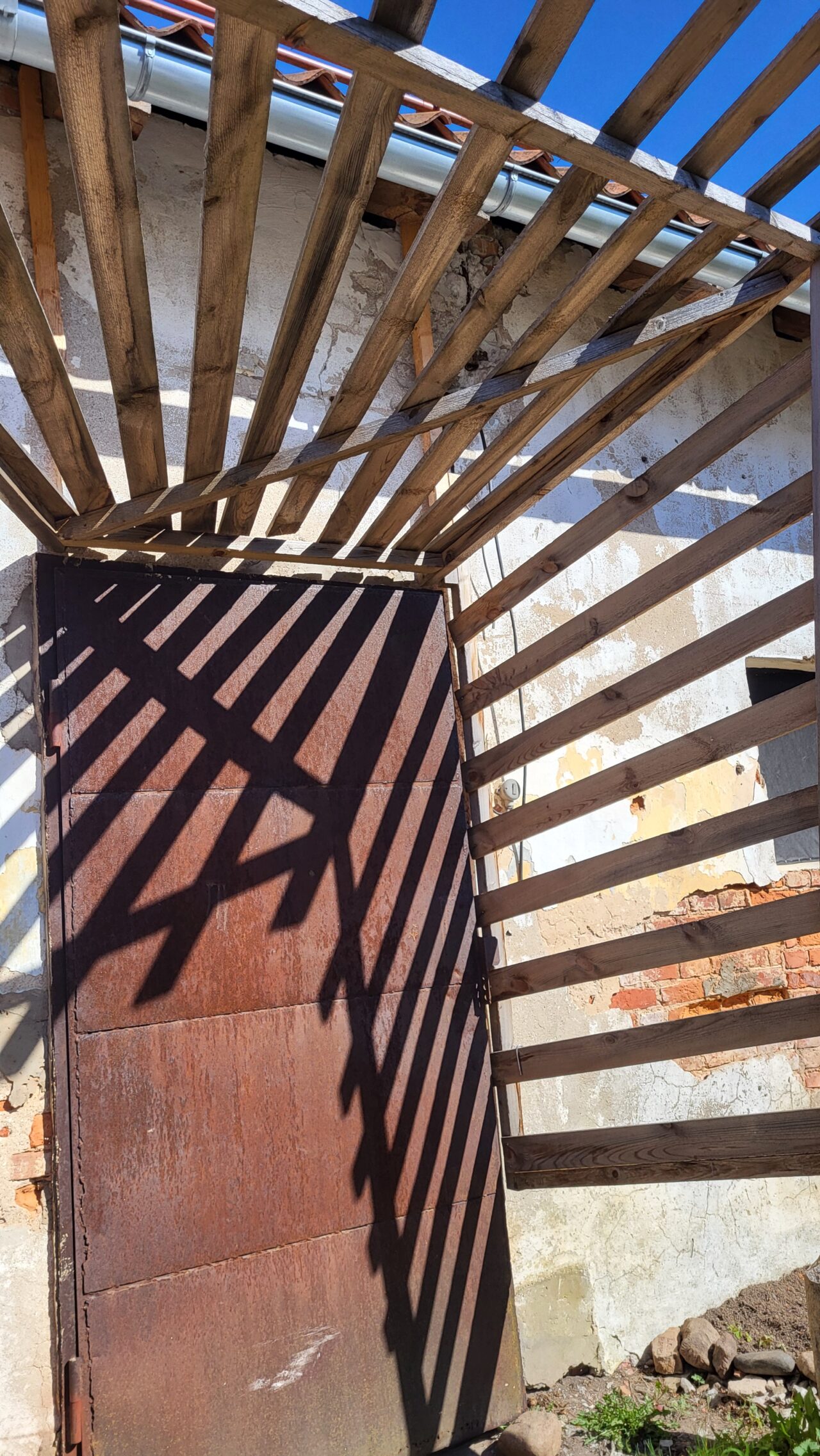
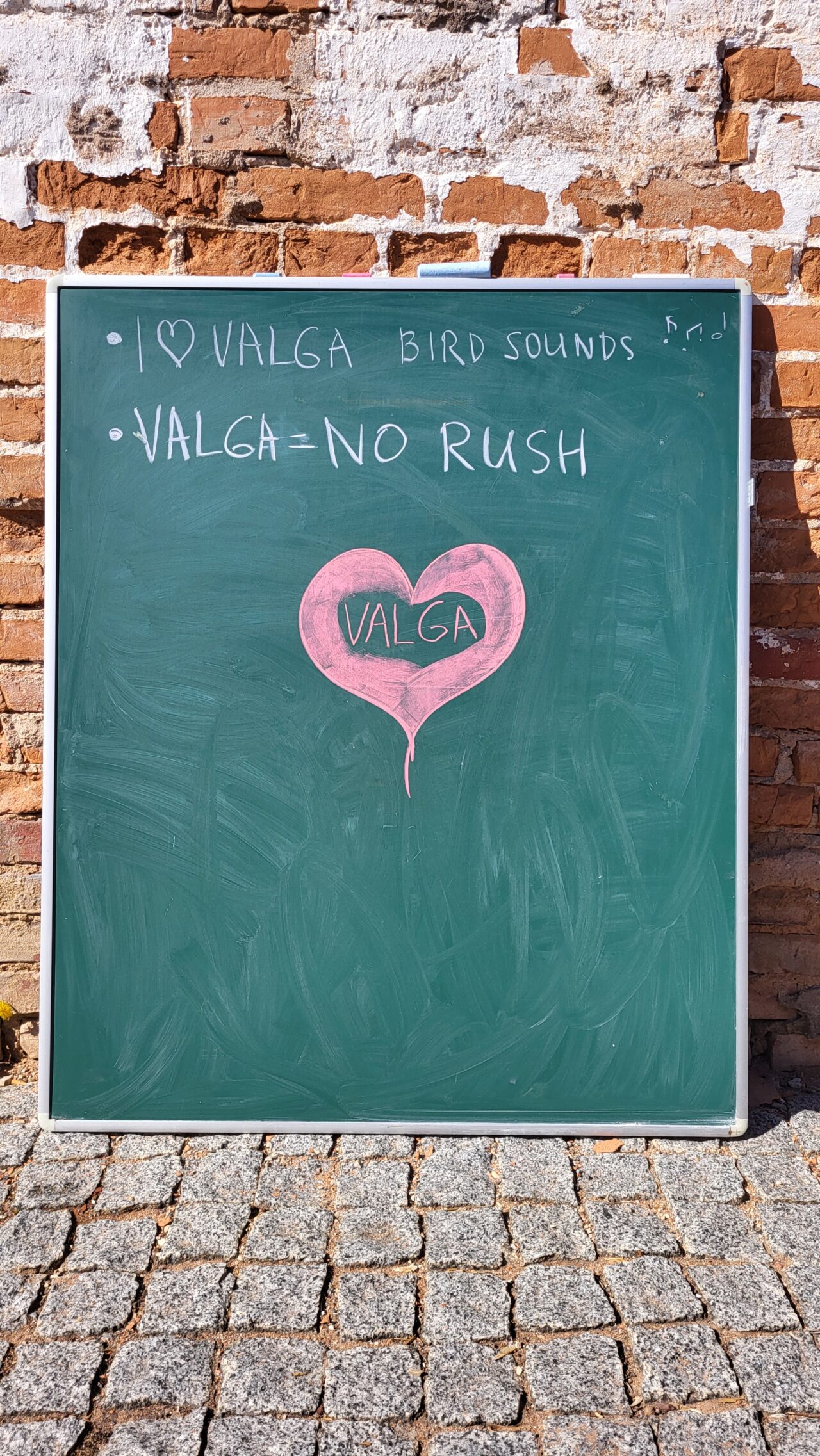
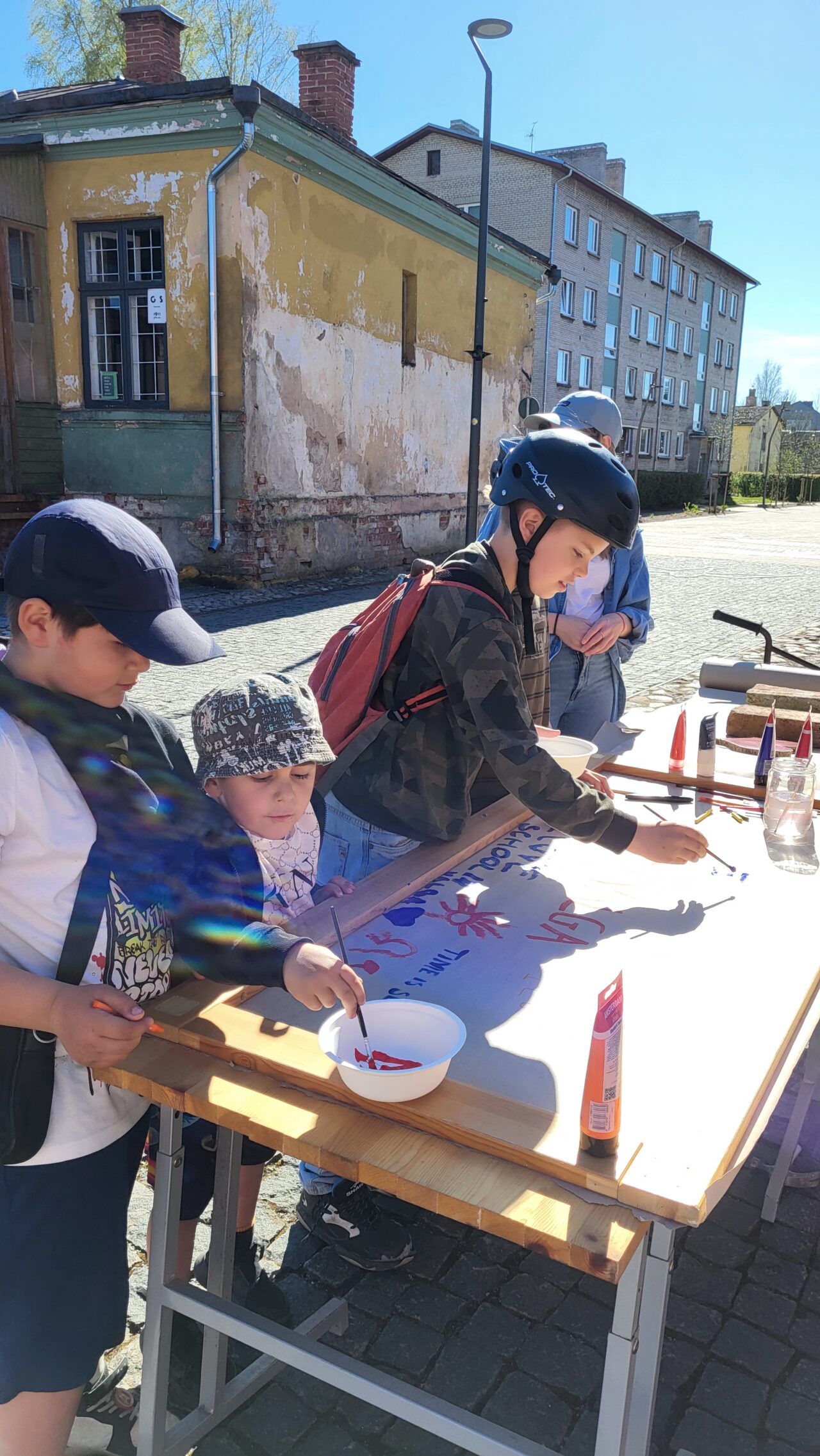
On 23 January 2026 at 21:30, the Estonian Academy of Music and Theatre (EAMT) hosts a public panel discussion titled “What Is Devised Performance and How Do You Eat It?” The event accompanies CPPM Triptych: Political Movement, created by students of the MA in Contemporary Physical Performance Making (CPPM), and takes place in the foyer of the academy.
The panel brings together Sandra Küpper (German dramaturg and festival curator, Senior Lecturer in Dramaturgy at EAMT), Nicolette Kretz (director, dramaturg and writer based in Bern), and Alissa Šnaider (Estonian visual artist, choreographer, dramaturg and curator). The discussion is moderated by theatre critic and researcher Karin Allik.
Together, the speakers explore devising as both an artistic impulse and a working method, including what draws artists to it and what kinds of conditions help devised processes flourish. The conversation circles questions of collective authorship and responsibility, including the familiar tension of whether shared responsibility risks becoming no responsibility at all, and what it takes to stay accountable while keeping the work genuinely collective.
The discussion also touches the ethics and realities of collaboration, from rehearsal conditions, time, preparation, and the people you choose to work with, to how a space is shaped where every voice can be heard without losing a shared direction. Running through this are larger questions about politics and context: whether devised theatre is political in its essence, how freelancing and project based production models influence devising, what wider social impact this way of working can have, and whether devising has become mainstream or is still in the process of becoming.
Entry is free, but registration is required.
 In photo (from right): Karin Allik (moderator), Alissa Šnaider, Nicolette Kretz, Sandra Küpper and Mart Kangro. Photo by Jüri Nael
CPPM is excited to announce the premiere of CPPM TRIPTYCH: POLITICAL MOVEMENT, a vibrant performance programme featuring three newly devised works by the international cohort of the MA in Contemporary Physical Performance Making (CPPM) at the Estonian Academy of Music and Theatre. The CPPM TRIPTYCH premieres on 23 January 2026 and continues with performances on 24, 26, 27, 28 and 29 January 2026.
CPPM TRIPTYCH: POLITICAL MOVEMENT brings three distinct performances into one shared curatorial frame: political movement. Across the evening, audiences are invited into three different artistic worlds, three different devising strategies, and three different ways of transforming individual perspectives into collective action. Expect cultural polyphony, sharp theatrical contrasts, and a compelling sense of how movement can be political, physical, and poetic all at once.
The programme
WalkYourChair
Performance dates: 23, 24, 26, 27, 28, 29 January 2026
Time: 18:00
Venue: Balti Jaama Tunnel
A site specific performance that begins with an audio guide and a simple proposal: take your chair for a walk, sit wherever you want, and see what happens if you let it lead you. In a space built for passing through, four performers give body and breath to four chairs, opening a surprising shift in how we perceive presence, place, and permission.
Creative team
Co authors and performers: Dita Lurina (Latvia), Daniel Ortiz (Colombia), Anette Pärn (Estonia), Edward Skaines (Australia)
Set designer: The Third
Sound designer: Kymbali Williams
EMIT
Performance dates: 23, 24, 26, 27, 28, 29 January 2026
Time: 20:00
Venue: EMTA black box
You have received an invitation from EMIT, and it is polite to accept it. Framed as a celebration of new beginnings, EMIT plays with the rituals of togetherness and the seductive language of hope. It welcomes you in, draws you close, and asks what it really means to gather, connect, and imagine a better world.
Creative team
Co authors and performers: Clarisse Degeneffe (Belgium), Juuli Hyttinen (Finland), Jeson Joy (India), Oskar Moore (Latvia), Maria Papachristodoulou (Greece), Ana Trif (Romania)
Set designer: Kairi Mändla
Lighting designer: Siim Reispass
Sound designer: Kenn Eerik Kannike
Night Watch
Performance dates: 23, 24, 26, 27, 28, 29 January 2026
Time: 23:00
Venue: EMTA black box
Night Watch invites the audience to drift on the border between wakefulness and sleep, where movement becomes a way of sensing austerity, abundance, and resilience. The performance conjures embodied worlds and future visions that appear when reality slips into fairytale like abstraction.
Creative team
Co authors and performers: Zhenyan Ding (China), Leah Gayer (Germany), Avery Gerhardt (USA), Charis Taplin (UK), Maarja Tosin (Estonia), Elar Vahter (Estonia)
Set designer: Kairi Mändla
Lighting designer: Siim Reispass
Sound designer: Kenn Eerik Kannike
Video artist: Ave Palm

CPPM welcomes its next guest artist, Peader Kirk, for a two-week workshop beginning on 8 December 2025 at the Estonian Academy of Music and Theatre. Known internationally for his bold performance-making practice across sound art, theatre, and site-responsive work, Kirk returns to CPPM with a new intensive that moves fluidly between theory and practice, engaging with the urgent tensions of our contemporary world and the role of the artist within it.
In this workshop, participants will work principally through practical exploration, while also stepping back to reflect on their creative processes and the moment we collectively inhabit. Kirk invites students to set aside the notion of “creative solutions” and instead dive into the strategies, processes, and provocations that underpin performance making today. Through task-based exercises, compositional approaches, and collaborative enquiry, students will generate material, build encounters, and create moments of performance that question how a work comes into being—and how it works. Along the way, they will explore physical languages, text generators, identities and personas, games that don’t yet exist, spontaneous composition, grids, resources, and the seeding of change. There will be rigorous questioning, imaginative experimentation, and laughter.
Central to Kirk’s methodology is the idea that artistic work emerges from a question about how the world is right now – a question impossible to answer in words alone, one that demands a creative response. This workshop asks participants to consider the fraught terrain of the future: Is it something we can shape, or something predetermined? Is it close at hand, or still out of reach? What might a “better future” look like, and better for whom? These provocations will guide the group through hands-on explorations that bridge performance, politics, imagination, and lived experience.
Running 8–19 December 2025, the workshop culminates in an Open Class on 19 December at 19:00 in the EMTA Black Box, where audiences are warmly invited to witness the outcomes of this dynamic, exploratory process.
This intensive forms part of CPPM’s commitment to world-leading postgraduate education, international collaboration, and advanced artistic training. Situated at the Estonian Academy of Music and Theatre in Tallinn, CPPM continues to offer transformative training opportunities for artists seeking to expand their creative development, physical performance, and performance-making strategies.
